Custom Outdoor LED Display Screen for Brand Promotion

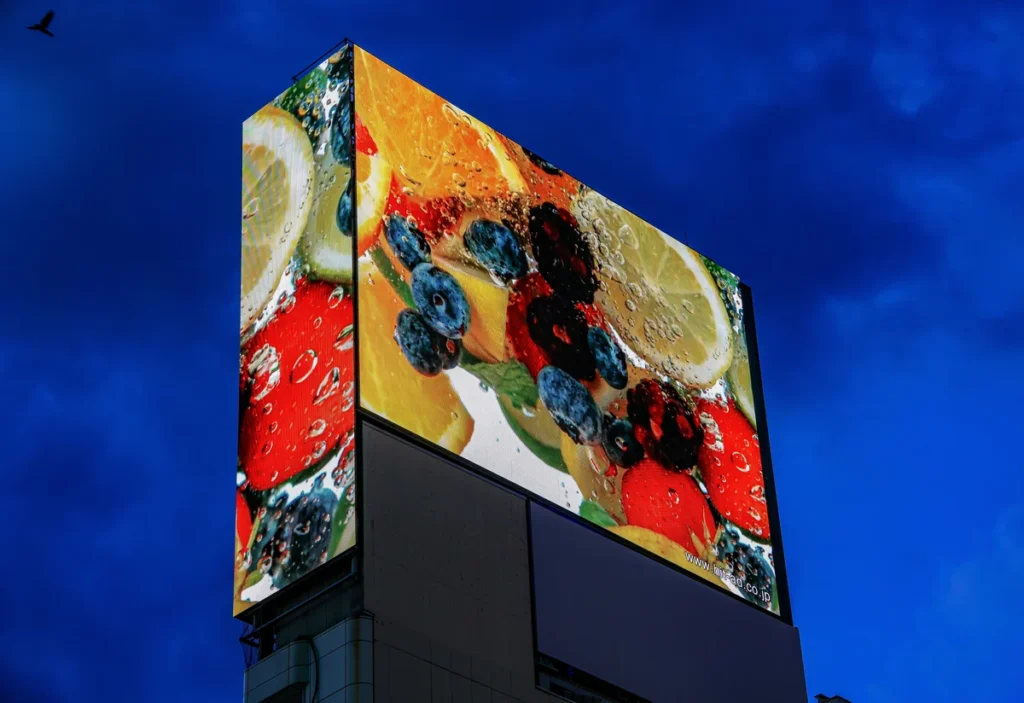
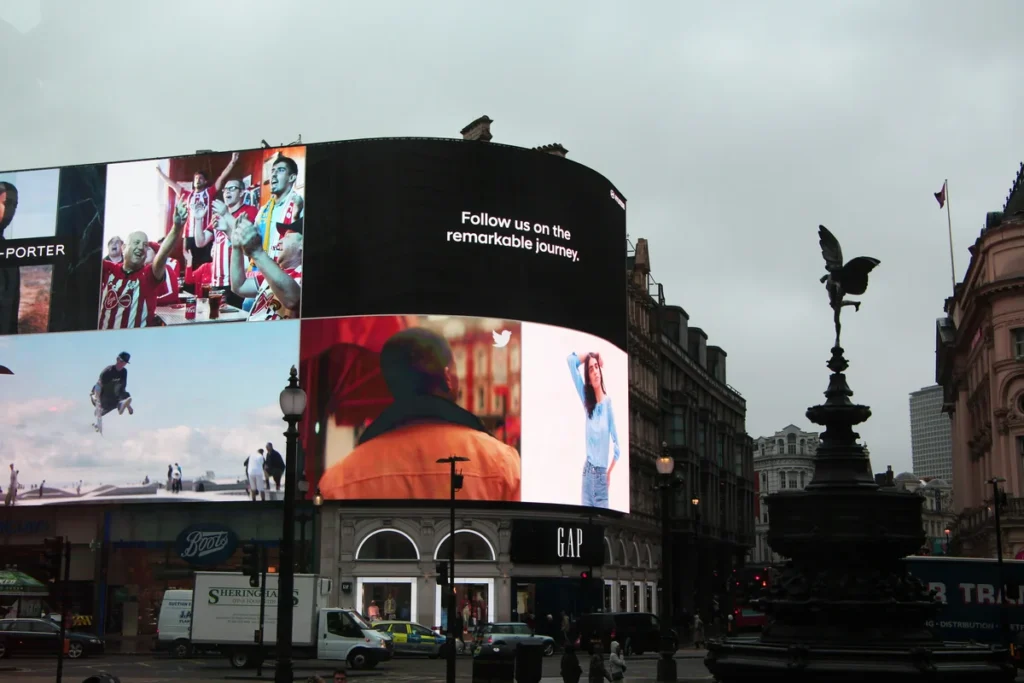
In an era where consumers are flooded with information across mobile apps and social platforms, brand promotion still hinges on one timeless rule: visibility creates memory. Outdoor advertising remains one of the most powerful ways to build familiarity, trust, and preference—especially when it is dynamic, bright, and location-based. A Custom Outdoor LED display screen for Brand Promotion is no longer a luxury reserved for mega brands; it is now a strategic asset for retailers, real estate developers, sports venues, transportation hubs, and city landmarks.
TW VISION, as a professional service provider, supports brands with custom led display solutions designed for high-impact storytelling, reliable performance, and long-term value. The advantage lies in customization: not just putting up a screen, but building a branded communication tool that matches your site, your audience, and your goals.
Table of Contents
- Why Outdoor LED Displays Are a Brand Promotion Powerhouse
- What “Custom” Really Means in a Custom Outdoor LED Display Screen
- Key Performance Requirements for Brand Promotion Outdoors
- How TW VISION Supports the Full Outdoor LED Journey
- Best Use Cases: Where Custom Outdoor LED Screens Drive Brand Growth
- Content Strategy: Turning a Screen Into a Brand Story Engine
- ROI Considerations: Why Customization Often Saves Money
- Common Mistakes to Avoid When Buying an Outdoor LED Screen
- IP65 vs IP68 and Waterproof Construction
- Thermal Management and Derating
- Wind Load and Structural Fixing
- Non-Standard Dimensions: Five Cabinet Strategies
- Custom Size LED Signage: Calculating the Native Pixel Canvas
- Make Your Brand Unmissable with TW VISION
Why Outdoor LED Displays Are a Brand Promotion Powerhouse
Static billboards can build exposure, but LED screens multiply that impact by turning brand messaging into a living, adaptable experience. For brand promotion, the benefits are practical and measurable:
- High attention capture: Motion, video, and vivid color naturally attract the eye, especially in busy streets and commercial zones.
- Message flexibility: You can switch campaigns instantly, run time-based offers, or localize content for different events.
- Stronger recall: Repeated exposure to dynamic visuals increases memorability and brand recognition.
- Better use of premium locations: A single LED screen can host multiple campaigns and creative formats without reprinting or reinstallation.
- Opportunity for storytelling: Product launches, brand films, customer testimonials, and event countdowns are easier to communicate in video than in print.
For brands competing in high-footfall areas, the question is not whether to use outdoor display—but how to design the right screen system for real-world constraints such as sunlight, weather, viewing angles, and continuous operation.
What “Custom” Really Means in a Custom Outdoor LED Display Screen
Customization should go beyond choosing a screen size. For brand promotion, “custom” means the display is engineered to fit brand strategy and installation realities. TW VISION typically helps customers define key parameters such as:
- Pixel pitch: Determines viewing clarity at specific distances. A street-front retail location differs from a highway billboard.
- Screen dimensions and aspect ratio: Tailored to architecture, facade layout, or pole structure, ensuring the display looks “built-in,” not added-on.
- Brightness and contrast: Outdoor brand promotion demands high brightness for direct sunlight while maintaining color accuracy.
- Structural and mounting design: Wall-mounted, pole-mounted, rooftop, embedded facade, or mobile trailer options.
- Weatherproofing level: Outdoor screens require robust protection against rain, dust, humidity, and temperature changes.
- Front or rear maintenance: Depending on whether the site allows access behind the screen.
- System integration: Content management software, remote control, scheduling, and optional sensor-based adjustments.
A custom outdoor LED display is essentially a combination of hardware engineering and brand communication design—both must be correct to deliver real promotional value.
Key Performance Requirements for Brand Promotion Outdoors
For brand promotion, performance is not only technical—it directly affects how people perceive your brand. A dim display, uneven colors, or frequent downtime can damage credibility. Here are the most important performance factors:
Sunlight readability
Outdoor brand messaging competes with daylight. High-brightness LED technology keeps visuals clear and legible from morning to evening. Good displays also balance brightness control so content remains comfortable at night.
Color consistency for brand identity
Brands rely on consistent colors—signature reds, blues, or gradients. LED screens for promotion must deliver accurate color calibration and stable output, so the brand looks the same across seasons and campaigns.
Durability and stability for long-term campaigns
Outdoor advertising often runs continuously. Reliable components, heat dissipation design, and protective structure reduce failure rates and keep your display on-air.
Wide viewing angles and clarity
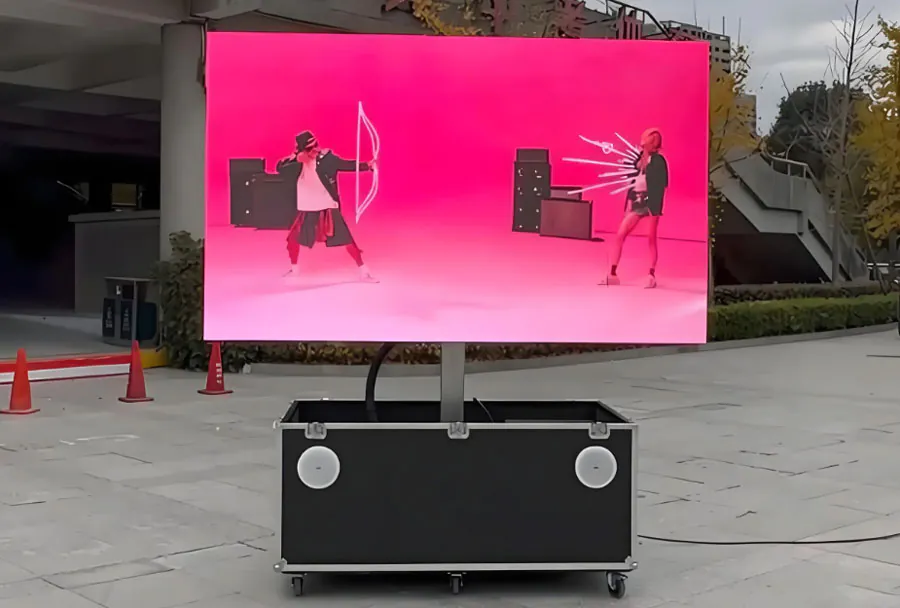
Passersby may view your screen from different positions—across streets, from vehicles, or from building entrances. A proper LED module and configuration ensure your creative remains clear and attractive.
Smooth video playback
If your brand uses cinematic content, high refresh rate and stable processing prevent flicker and maintain premium visual quality—especially important when filming the display for social media amplification.
TW VISION focuses on building systems that behave like a dependable media platform, not just an electronic installation.
How TW VISION Supports the Full Outdoor LED Journey
A successful Custom Outdoor LED Display Screen for Brand Promotion requires coordinated steps—from planning to installation to ongoing service. TW VISION’s value as a service provider is the ability to support the entire lifecycle:
Consultation and needs analysis
Before recommending specifications, TW VISION clarifies business goals: Is the screen used for brand image, promotions, sponsorship ads, event broadcasting, or all of the above? They also evaluate location conditions such as viewing distance, ambient light, and installation constraints.
Design and customization
Based on the site and brand needs, the solution is customized: size, pitch, brightness, cabinet style, and maintenance approach are configured to deliver both visual impact and operational convenience.
Production and quality control
Stable quality matters outdoors. Good manufacturing standards and testing help ensure modules, power systems, and control components perform reliably.
Installation and commissioning
Outdoor installation is often complex—structural safety, electrical planning, and waterproof sealing must be handled carefully. After installation, commissioning ensures content displays correctly and the control system works smoothly.
After-sales support
Outdoor screens are long-term assets. Responsive service, spare parts planning, and maintenance guidance help protect ROI and keep brand messages visible.
For brand owners, this end-to-end capability reduces risk and accelerates the timeline from concept to live promotion.
Best Use Cases: Where Custom Outdoor LED Screens Drive Brand Growth
A custom outdoor LED display can support multiple industries and promotional scenarios. Common high-value applications include:
Retail storefronts and shopping districts
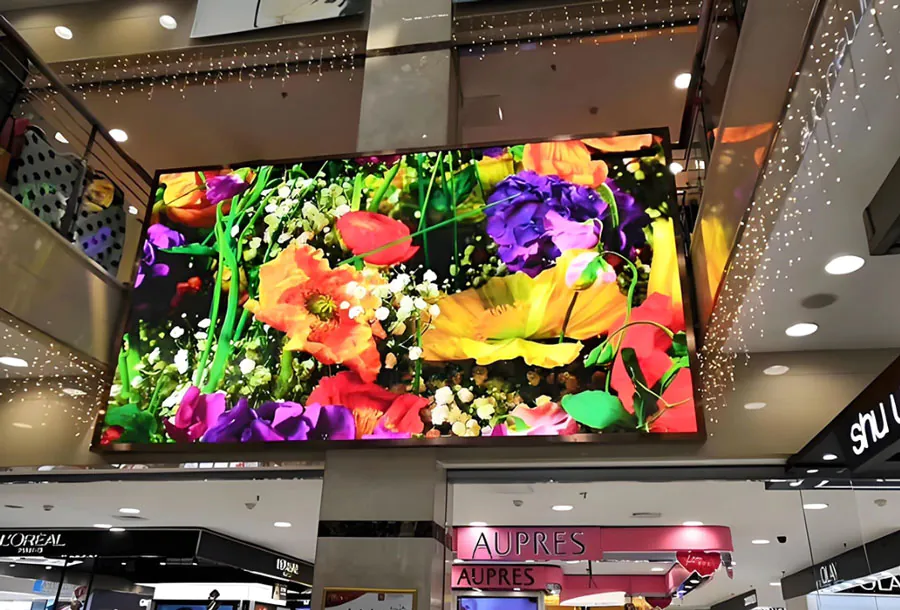
Drive walk-in traffic with product highlights, seasonal launches, and limited-time offers. Dynamic content makes even familiar locations feel new.
Real estate and commercial buildings
Showcase project identity, neighborhood value, and promotional events. LED displays can serve as landmark signage that elevates perceived prestige.
Transportation hubs
Airports, bus stations, and metro exits offer high passenger volume. Screens can run brand ads alongside public information.
Stadiums and event venues
A perfect match for sponsorship exposure, live broadcasting, and interactive brand campaigns.
City landmarks and plazas
When the display is architecturally integrated, it becomes a local media icon—helping brands gain attention and social sharing.
Custom design ensures the display fits each environment, maximizing the promotional effect without compromising aesthetics or safety.
Content Strategy: Turning a Screen Into a Brand Story Engine
Hardware matters—but content determines whether your audience remembers you. A screen with strong technical specs still needs a brand-smart content plan. For outdoor LED brand promotion, effective content usually follows these principles:
- Clarity in 3 seconds: Outdoor viewers often glance briefly. Use bold visuals, simple messages, and strong contrast.
- Brand cues first: Logo, signature color, and key product image should appear early.
- Motion with purpose: Avoid excessive effects. Smooth, confident animation signals premium brand quality.
- Time-based programming: Breakfast offers in the morning, family promotions in the afternoon, entertainment focus at night—match the audience flow.
- Campaign rotation: Refresh content frequently to avoid “visual fatigue,” especially in fixed locations.
TW VISION screens paired with flexible control systems allow brands to schedule and update content efficiently—supporting agile marketing and real-time promotions.
ROI Considerations: Why Customization Often Saves Money
Some buyers focus only on initial cost, but outdoor LED displays are infrastructure-level investments. Customization can actually improve ROI by avoiding overspending or underbuilding.
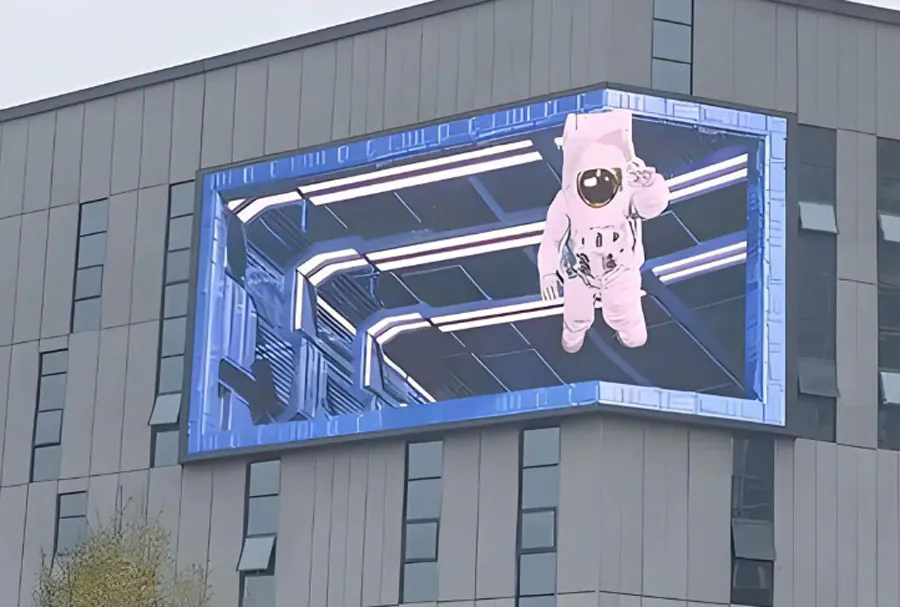
- Right pixel pitch prevents waste: Overly fine pitch raises cost without noticeable benefit at long distances.
- Proper brightness reduces long-term issues: Correct configuration helps maintain visibility and extends useful lifespan.
- Maintenance-friendly design lowers downtime: Front access and modular structure can significantly cut servicing time and labor.
- Future-proof control systems enable growth: Remote updates and scheduling reduce ongoing operational cost and enable more campaigns.
With TW VISION as a service provider, brands can align technical choices with financial goals—buying what they need, not what looks impressive on paper.
Common Mistakes to Avoid When Buying an Outdoor LED Screen
To protect brand image and budget, avoid these pitfalls:
- Ignoring viewing distance: Leads to blurred visuals or unnecessary cost.
- Underestimating environmental conditions: Heat, rain, wind load, and salt air in coastal areas require stronger protection and structure.
- Choosing based on price alone: Frequent failures and poor visual quality can cost more than the initial savings.
- Skipping content planning: A great screen with weak content becomes background noise.
- Lack of service planning: Outdoor displays need maintenance strategy, spare parts, and technical support.
TW VISION’s project-based approach helps customers plan holistically and avoid these expensive lessons.
IP65 vs IP68 and Waterproof Construction
IEC 60529 splits ingress protection into solids and liquids. IP65 means dust-tight plus protection against low-pressure water jets, IP66 adds powerful jets, IP67 covers temporary immersion for 30 minutes at one meter, and IP68 covers continuous immersion under conditions the manufacturer states.
Rain does not require IP68, yet position changes the answer: a low cabinet beside a drainage channel or a coastal pylon faces more water than a sheltered shopfront. The rating also applies to the assembled cabinet, including cable entries, vents and service doors. A column-wrapping or irregular screen adds seam length, and every seam is a potential water path.
Ask for front and rear results separately, then confirm that the tested configuration matches the delivered one. Match the IP number to the mounting position and wind direction, and request the report for that exact build.
Thermal Management and Derating
Custom shapes often sit in custom enclosures, and a recessed or tightly framed cabinet runs hotter than the same hardware in open air. Heat then shortens driver and power-supply life long before the LEDs themselves fail.
Most outdoor panels list an operating range near -20 °C to 50 °C, but the useful document is the derating curve showing how much brightness the cabinet holds as ambient temperature rises. A trim panel that fills every remaining millimeter can block the airflow the cabinet needs.
Confirm sensor locations, fan or air-conditioning provision, and how dust will affect airflow over a season. Cooling that depends on an intake nobody cleans is a schedule risk, not a feature. Keep the manufacturer’s required clearances on the architectural drawing, then check the derating table at your site’s design temperature.
Wind Load and Structural Fixing
Wind load belongs to the structural engineer. Local code, terrain, mounting height and exposure category set the design pressure, and a standard cabinet sheet cannot replace a project calculation.
What the supplier owes you is data: cabinet weight, mounting point layout, lifting points and allowable fixing loads, all matching the delivered bill of materials. A bespoke format may shift weight toward one edge, which changes cantilever and eccentric loads.
Outdoor erection also needs planning for stability, temporary bracing and rigging. OSHA steel-erection guidance treats site-specific planning by a qualified person as a practical requirement, which matches how custom frames should be handled. Hand the weight schedule and cabinet drawings to your engineer before the frame is fabricated.
Non-Standard Dimensions: Five Cabinet Strategies
When the opening does not divide evenly by standard cabinets, choose the least customized approach that still meets resolution and service needs. The five common options carry different risks.
| Strategy | Best use | Main risk |
|---|---|---|
| Mixed cabinets | Odd width or height | Compatibility |
| Half-size cabinets | Small remaining gap | Limited availability |
| Architectural infill | Minor unused space | Visible border |
| Custom cabinets | Exact dimensions | Cost and lead time |
| Module-level build | Irregular shapes | Complex wiring |
Mixed-size families are usually the lowest-risk route because they share modules and spares. Matching outer dimensions alone proves nothing, however: cabinets can differ in receiving cards, scan configuration, power supplies, locks and calibration data.
For fixed outdoor work we quote the PO-H series outdoor sign cabinet and confirm the mixed-cabinet combination on the elevation before production. Request written confirmation of mechanical compatibility, module and power-supply interchangeability, supported rotation, control compatibility, calibration workflow and warranty coverage for the proposed layout. For small leftover gaps, a symmetrical reveal often looks better than a custom cabinet.
Custom Size LED Signage: Calculating the Native Pixel Canvas
An unusual shape creates an unusual native resolution, so convert physical dimensions into pixels before approving the layout. The basic calculation is pixel count equals active dimension in millimeters divided by pixel pitch in millimeters. Use the documented cabinet resolution rather than a rounded pitch.
A 500 × 1000 mm cabinet with a 2.604 mm pitch resolves to 192 × 384 pixels, and only the documented figure reproduces that exactly. For a wall four cabinets wide and three high, multiply cabinet resolution by columns and rows, then confirm whether rotated or irregular cabinets change the mapping coordinates.
Compare the native canvas with source resolution, physical aspect ratio and any required scaling, and check where logos and subtitles fall. Processor capacity belongs in the same review. Mapping modes, port count and layout configuration decide whether the wall runs 1:1 or rescaled, and the answer changes the content template your media team must build. Send the final native pixel dimensions and a matching content template to the media team before approving hardware.
Make Your Brand Unmissable with TW VISION
A Custom Outdoor LED Display Screen for Brand Promotion is one of the most direct tools for building real-world brand presence. It transforms a physical location into a digital media channel—capable of running campaigns, launching products, driving store traffic, and strengthening brand identity day after day.
With TW VISION as your service provider, you gain more than an LED screen. You gain a customized, reliable promotion platform designed for your site, your audience, and your long-term marketing strategy. When your message is bright, stable, and visually compelling—your brand becomes unmissable.