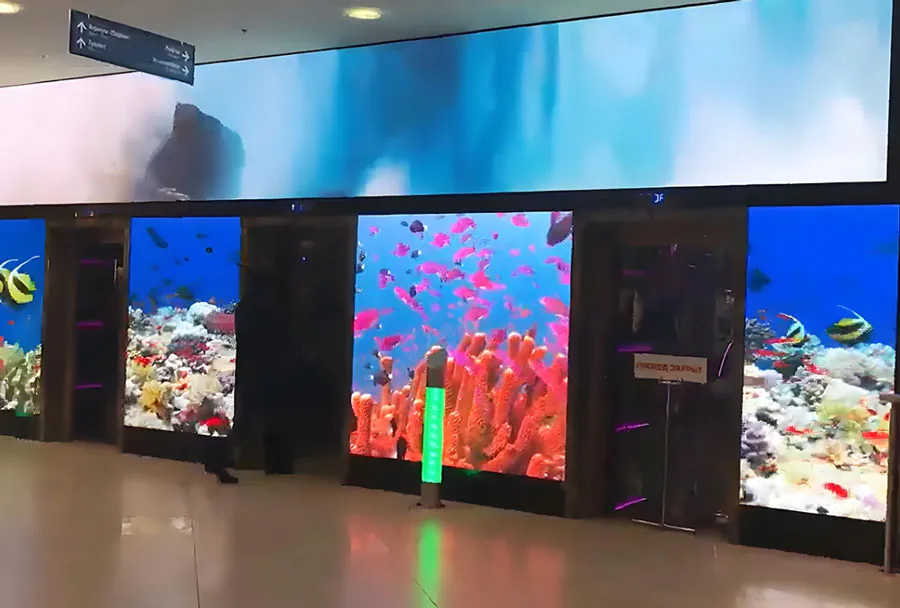
Custom Size LED Signage: Specs, Use Cases and Buying Guide

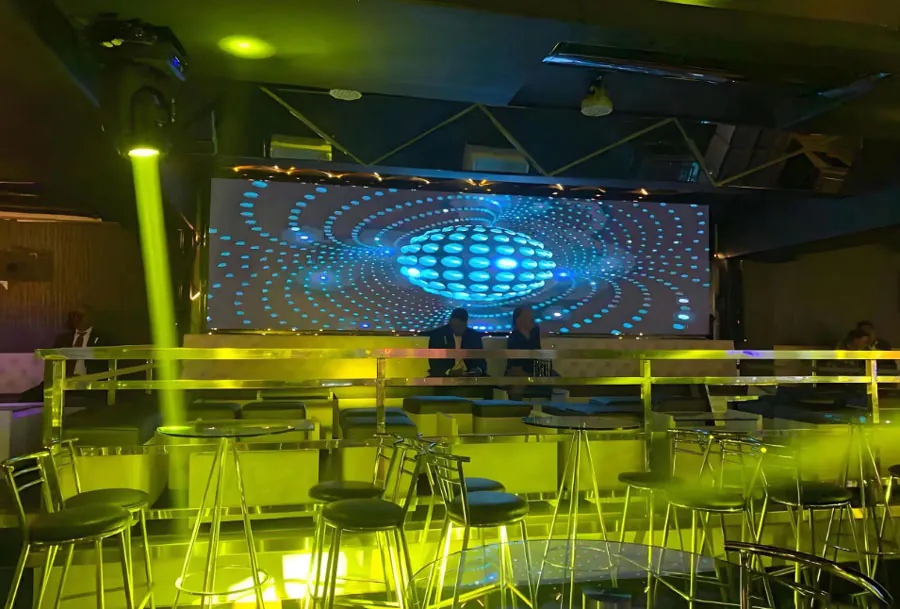
Custom size LED signage solves a problem fixed-format screens create: real buildings, columns and facades rarely match a catalog ratio. When the display is built around the measured opening instead of the other way round, the screen fits the architecture and the audience sees the whole message.
This guide covers how custom dimensions are set, which cabinet strategies handle odd openings, how to calculate the native pixel canvas before ordering, and what to confirm about brightness, sealing, heat and wind. Each section ends with one action you can take before approving drawings. The cabinets behind our outdoor LED display screen range follow the same review; site structure and installation remain with your contractor.
Table of Contents
- 1. Why Size Accuracy Matters More Than Ever
- 2. Dynamic Playback: What Changes for Advertisers
- 3. Technical Factors That Set Custom Size and Spec
- 4. Matching Proportions to Architecture and Traffic
- 5. Brightness Requirements by Sunlight Condition
- 6. IP65 vs IP68 and Waterproof Construction
- 7. Thermal Management and Derating
- 8. Wind Load and Structural Fixing
- 9. Non-Standard Dimensions: Five Cabinet Strategies
- 10. Custom Size LED Signage: Calculating the Native Pixel Canvas
- 11. Prototype, Commission and Document the Build
- 12. Content Built for Custom Formats
- 13. How TW VISION Supports Custom Projects
- 14. Common Mistakes to Avoid
- 15. Outdoor Deployment Notes
- 16. Frequently Asked Questions
- 17. Conclusion
Why Size Accuracy Matters More Than Ever
Many buyers still picture LED signage as a screen hung on a wall, yet the gap between average exposure and strong performance usually comes from dimensional accuracy. Custom size LED signage starts with the site: sightlines, facade lines, mounting limits and viewing distances.
Four benefits justify the planning effort:
1. Visibility from real viewing points. Pedestrians, drivers and commuters approach from different distances and angles, and the active area should follow those sightlines rather than a template ratio.
2. Fit to complex architecture. Columns, curved surfaces, recesses and narrow bands are common in high-value locations, and a bespoke format uses the opening without blocking windows or doors.
3. Better use of the available area. A planned layout avoids oversize screens, wasted cabinets and awkward blank borders that make a sign look improvised.
4. Recognizable brand presence. A screen shaped to its building reads as part of the architecture, which supports recall far more than a panel that looks bolted on.
How to apply this: measure the opening, photograph it from every approach, and write down the closest and farthest viewer before discussing models.
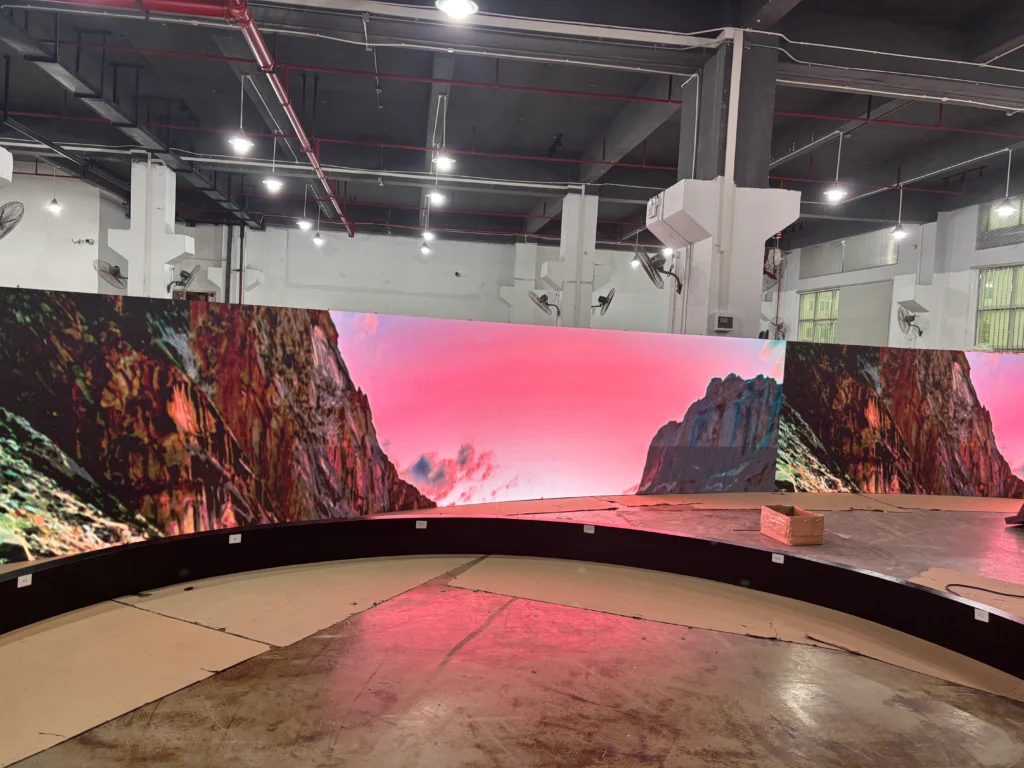
Dynamic Playback: What Changes for Advertisers
Outdoor signage no longer means one creative for six weeks. With a compatible controller or media player, the hardware supports scheduled playback, and that changes how a custom size LED signage project is specified.
Dynamic playback supports time-based messaging such as breakfast offers in the morning and evening promotions, event-driven updates for holidays and store openings, traffic-sensitive placements near intersections and transit hubs, and multi-brand rotation for retail groups and media operators.
Control design decides whether that flexibility works in practice. Confirm scheduled playback, remote management, fast creative switching and a fallback player before you approve the screen size, because a wide or tall format changes the content templates your team must maintain.
How to apply this: list the content types and daily schedule first, then check that the proposed controller handles every one without rescaling.
Technical Factors That Set Custom Size and Spec
Dimensions are only one input. Five technical choices decide whether a custom size LED signage package stays readable, reliable and economical over its life.
Pixel pitch and viewing distance. Finer pitch suits close pedestrian viewing, while a highway-facing screen reads well with a coarser pitch. Match pitch to the nearest realistic viewer rather than choosing the smallest available number.
Brightness and sunlight. Direct-sun facades need far more output than shaded entrances, and the figure that matters is the sustained value after the cabinet warms up, not a cold-start peak.
Weather protection. Rain, heat, wind, dust and humidity all act on the cabinet, so sealing, gaskets and drainage belong in the specification rather than the maintenance plan.
Structure and service access. A bespoke format needs its own mounting plan, weight confirmation and a route for module and power-supply replacement. Structural calculations and site approvals belong to qualified professionals.
Control and operations. Scheduled playback, remote diagnosis and quick creative changes keep a dynamic screen useful after the launch campaign ends.
How to apply this: turn these five points into a one-page specification and send the same page to every supplier you compare.
Matching Proportions to Architecture and Traffic
The design question is simple: what should the audience see, and how quickly should they understand it? Aspect ratio follows from that answer, not from a preference for 16:9, and it is the part of custom size LED signage that most affects whether a screen looks built-in or bolted on.
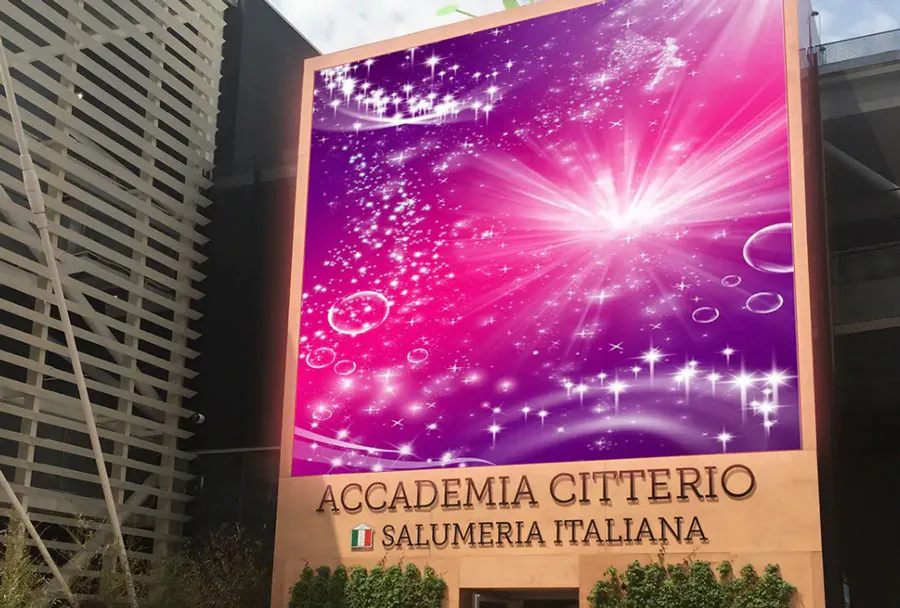
Building-integrated screens usually work best when their proportions follow facade lines, window bands and structural bays, because an aligned screen looks intentional. Roadside billboards prioritize long-range reading with large text and simple visuals, while retail frontage often benefits from a taller vertical format that catches pedestrians walking toward the entrance.
Provide the available dimensions, the preferred active area and any architectural drawings. The manufacturer can then confirm which cabinet arrangements fit, and the content team can prepare a template for the resulting canvas.
How to apply this: send one elevation drawing that marks the active area, the cabinet outline and the installation opening as three separate dimensions.
Brightness Requirements by Sunlight Condition
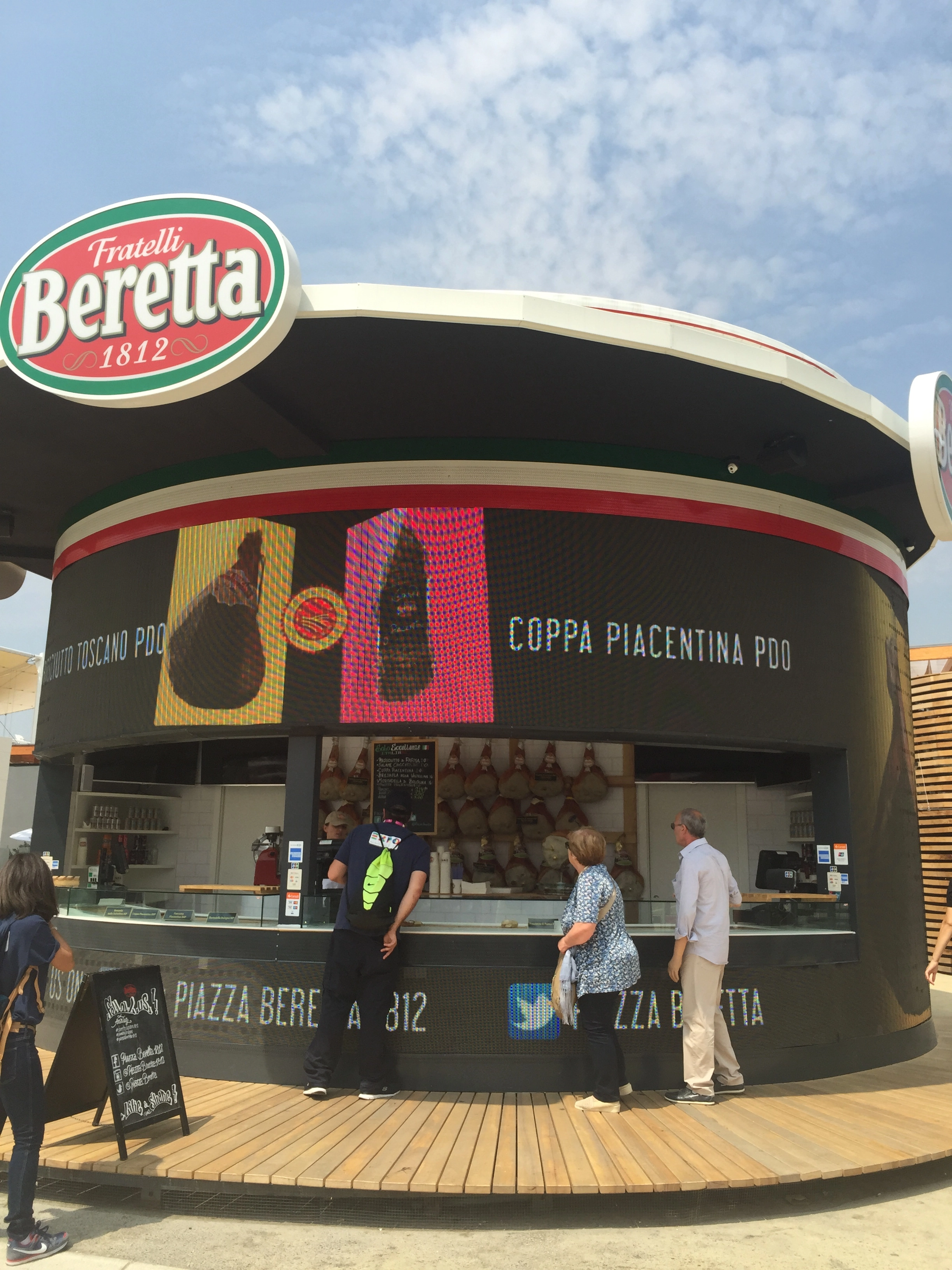
A custom format does not change the physics of daylight. Screens in direct sun typically need 5,000–8,000 nits, while shaded or north-facing positions can work with 2,500–3,500, and a taller or wider canvas simply spreads that output over more area.
Orientation sets the load. In the northern hemisphere a south-facing facade holds direct sun for most of the day and spends more time near maximum output, while a north-facing screen runs cooler and draws less power.
Glare is a separate problem. Reflected sunlight can wash out a bright screen, so anti-glare face treatments and a mounting angle that avoids the reflection path matter as much as raw nits. Ambient-light sensors then adjust output as clouds pass and dusk falls.
Write the requirement in nits together with the test condition, because peak and sustained figures differ and a supplier can otherwise answer with the most flattering number.
How to apply this: note the hours of direct sun in summer and winter, then confirm the claimed brightness at your design ambient temperature.
IP65 vs IP68 and Waterproof Construction
IEC 60529 splits ingress protection into solids and liquids. IP65 means dust-tight plus protection against low-pressure water jets, IP66 adds powerful jets, IP67 covers temporary immersion for 30 minutes at one meter, and IP68 covers continuous immersion under conditions the manufacturer states.
Rain does not require IP68, yet position changes the answer: a low cabinet beside a drainage channel or a coastal pylon faces more water than a sheltered shopfront. The rating also applies to the assembled cabinet, including cable entries, vents and service doors.
A column-wrapping or irregular screen adds seam length, and every seam is a potential water path. Ask for front and rear results separately, then confirm that the tested configuration matches the delivered one.
How to apply this: match the IP number to the mounting position and wind direction, and request the report for that exact build.

Thermal Management and Derating
Custom shapes often sit in custom enclosures, and a recessed or tightly framed cabinet runs hotter than the same hardware in open air. Heat then shortens driver and power-supply life long before the LEDs themselves fail.
Most outdoor panels list an operating range near -20 °C to 50 °C, but the useful document is the derating curve showing how much brightness the cabinet holds as ambient temperature rises. A trim panel that fills every remaining millimeter can block the airflow the cabinet needs.
Confirm sensor locations, fan or air-conditioning provision, and how dust will affect airflow over a season. Cooling that depends on an intake nobody cleans is a schedule risk, not a feature.
How to apply this: keep the manufacturer’s required clearances on the architectural drawing, then check the derating table at your site’s design temperature.
Wind Load and Structural Fixing
Wind load belongs to the structural engineer. Local code, terrain, mounting height and exposure category set the design pressure, and a standard cabinet sheet cannot replace a project calculation.
What the supplier owes you is data: cabinet weight, mounting point layout, lifting points and allowable fixing loads, all matching the delivered bill of materials. A bespoke format may shift weight toward one edge, which changes cantilever and eccentric loads.
Outdoor erection also needs planning for stability, temporary bracing and rigging. OSHA steel-erection guidance treats site-specific planning by a qualified person as a practical requirement, which matches how custom frames should be handled.
How to apply this: hand the weight schedule and cabinet drawings to your engineer before the frame is fabricated.
Non-Standard Dimensions: Five Cabinet Strategies
When the opening does not divide evenly by standard cabinets, choose the least customized approach that still meets resolution and service needs. The five common options carry different risks.
| Strategy | Best use | Main risk | Action to take |
|---|---|---|---|
| Mixed cabinets | Odd width or height | Compatibility | Confirm shared modules |
| Half-size cabinets | Small remaining gap | Limited availability | Check product family |
| Architectural infill | Minor unused space | Visible border | Center the active area |
| Custom cabinets | Exact dimensions | Cost and lead time | Approve shop drawings |
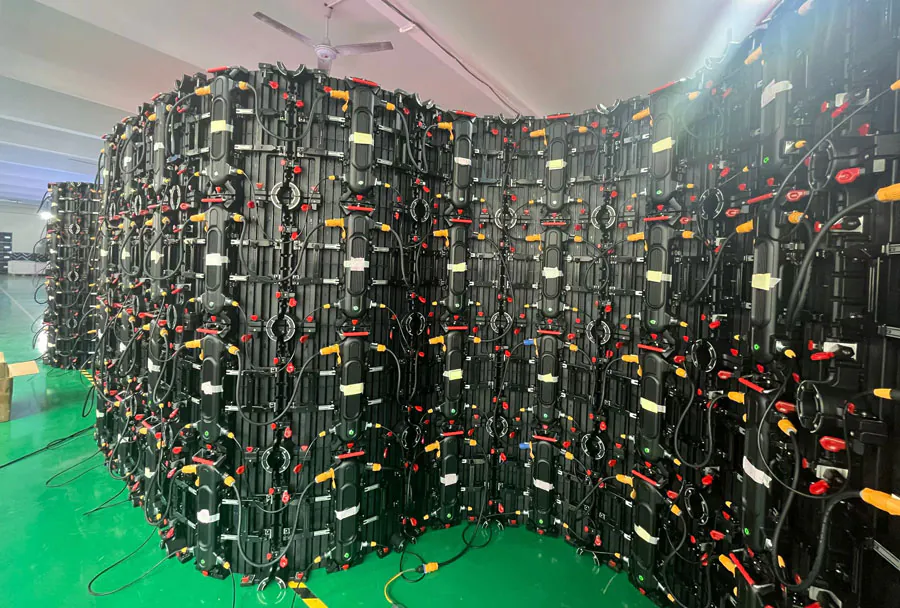
| Module-level build | Irregular shapes | Complex wiring | Prototype one section |
Mixed-size families are usually the lowest-risk route because they share modules and spares. Matching outer dimensions alone proves nothing, however: cabinets can differ in receiving cards, scan configuration, power supplies, locks and calibration data. For fixed outdoor work we quote the PO-H series outdoor sign cabinet and confirm the mixed-cabinet combination on the elevation before production.
Request written confirmation of mechanical compatibility, module and power-supply interchangeability, supported rotation, control compatibility, calibration workflow and warranty coverage for the proposed layout. For small leftover gaps, a symmetrical reveal often looks better than a custom cabinet.
How to apply this: ask the manufacturer to mark every approved cabinet type and orientation on one elevation drawing before you order.
Custom Size LED Signage: Calculating the Native Pixel Canvas
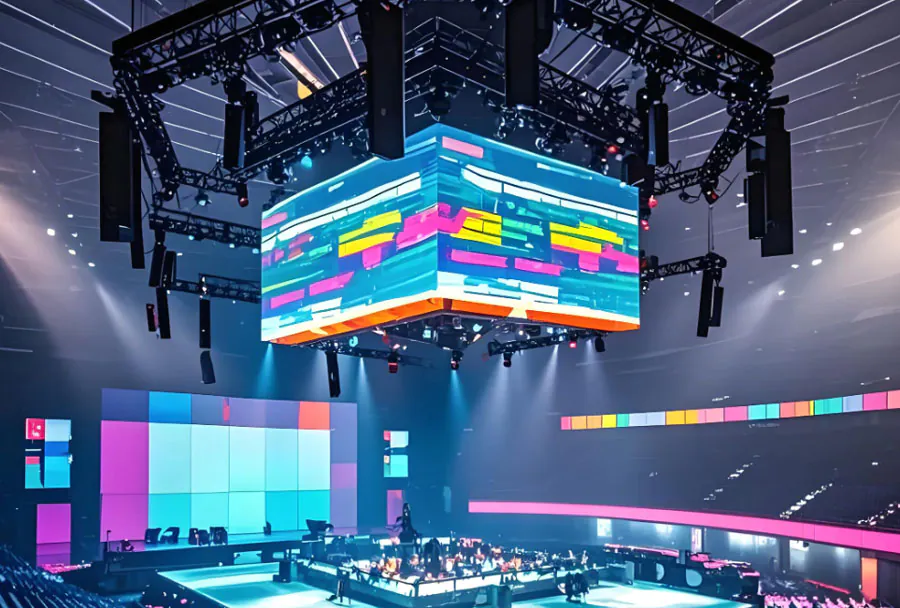
An unusual shape creates an unusual native resolution, so convert physical dimensions into pixels before approving the layout. The basic calculation is pixel count equals active dimension in millimeters divided by pixel pitch in millimeters.
Use the documented cabinet resolution rather than a rounded pitch. A 500 × 1000 mm cabinet with a 2.604 mm pitch resolves to 192 × 384 pixels, and only the documented figure reproduces that exactly.
For a wall four cabinets wide and three high, multiply cabinet resolution by columns and rows, then confirm whether rotated or irregular cabinets change the mapping coordinates. Compare the native canvas with source resolution, physical aspect ratio and any required scaling, and check where logos and subtitles fall.
Processor capacity belongs in the same review. Mapping modes, port count and layout configuration decide whether the wall runs 1:1 or rescaled, and the answer changes the content template your media team must build.
How to apply this: send the final native pixel dimensions and a matching content template to the media team before approving hardware.
Prototype, Commission and Document the Build
Build one representative section before producing the full irregular display. A prototype exposes alignment, wiring, calibration, servicing and content problems while changes still cost little.
Test a standard-to-custom junction, the custom edge, any rotated modules, power and data redundancy, front or rear component removal, and full-white, grayscale and motion content at the native resolution. Configuration software must match the physical wiring, so the module arrangement in the project file has to mirror the cabinet.
Then archive the cabinet map, receiving-card files, processor project, calibration files, wiring diagram and spare list. Label custom cabinets so a technician cannot install them in a standard position during a repair.
How to apply this: commission one edge section with production hardware before releasing the remaining custom components.
Content Built for Custom Formats
A bespoke canvas changes content work. A file designed for 16:9 may letterbox, stretch or lose its call to action on a tall, wide or irregular custom size LED signage format, so the template must be built from the native pixel dimensions.
Strong outdoor content follows a few rules: one message per scene with a short call to action, motion that guides attention instead of distracting, high-contrast palettes that survive daylight, and local references that connect with the neighborhood.
Rotation logic matters for multi-brand screens. Group creatives by time slot and audience type, then check that each frame reads at the farthest realistic viewing distance within its scheduled dwell time.
How to apply this: approve every creative on the installed screen in daylight, not on a desktop monitor.
How TW VISION Supports Custom Projects
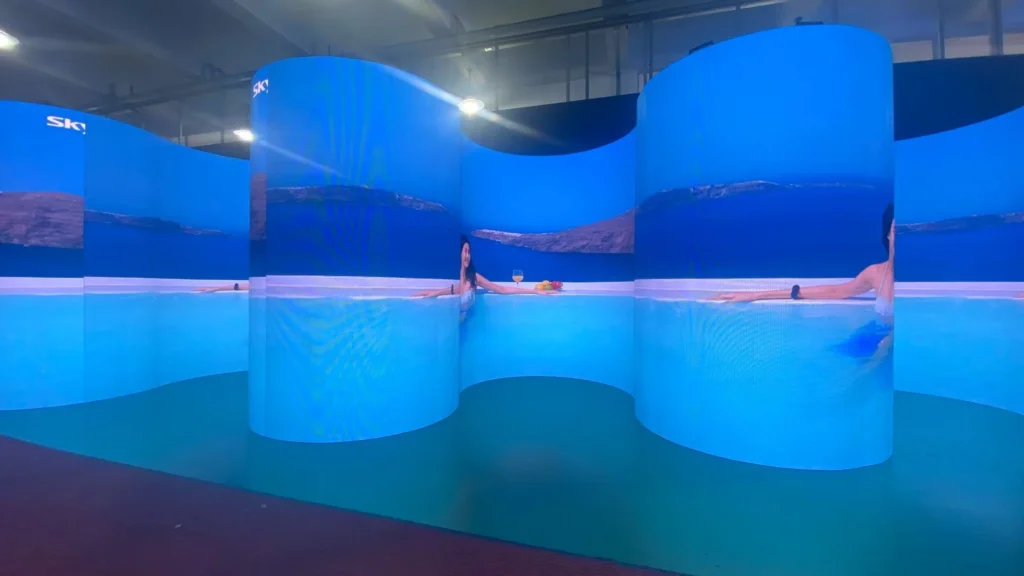
Custom work succeeds when dimensions, cabinet configuration and specifications are confirmed before production. TW VISION manufactures custom size LED signage to confirmed technical requirements rather than selling a fixed catalog size.
Support covers product configuration review for pitch, cabinet dimensions, brightness and maintenance needs; ODM and customization against approved drawings; an 8,000 m² facility with eight independent SMT lines; dedicated module aging; a 24-hour aging test on every cabinet batch; and pre-shipment inspection against the agreed configuration.
Site structure, footings, electrical supply and installation remain with the owner’s contractor, because those decisions depend on local code and site conditions. Our delivery file carries the drawings and data those parties need.
How to apply this: send dimensions, pitch target, brightness requirement and service direction in one package so the review covers everything at once.
Common Mistakes to Avoid
Most expensive errors appear before fabrication, while drawings are still easy to change. Watch for these six.
Choosing size without studying viewing behavior. Bigger is not better when the angle or distance is wrong.
Overpaying for resolution. Pitch should match the closest realistic viewer, not the smallest number available.
Ignoring brightness control. Day and night schedules keep an outdoor screen comfortable and compliant.
Underestimating wind and structure. Outdoor signage needs engineering, not improvisation.
Designing content like social media. Outdoor ads need instant readability, not dense text.
Confusing display, cabinet and opening dimensions. Active area, cabinet exterior and installation opening are three different measurements, and all three belong on the approval drawing.
How to apply this: review the six points against your drawing set before signing the production release.
Outdoor Deployment Notes
Commissioning checks the design against reality. Confirm the final orientation, measured viewing distances, brightness schedule and permit conditions on the day of handover.
Set the night schedule from the start. Dimming to 20–30 percent after dark reduces complaints and power draw, and a light sensor should be verified against a handheld meter rather than trusted blindly.
Keep service access clear. A shape that fits perfectly but leaves no room to remove a module turns a ten-minute repair into a street closure. Power distribution, grounding and emergency isolation should be confirmed by a qualified electrician; the OSHA electrical safety guidance covers the baseline protections.
How to apply this: write orientation, brightness schedule, service route and inspection dates into the handover document.
Frequently Asked Questions
Can an LED screen be built to an exact millimeter size?
Usually to the nearest module or cabinet increment, not to an arbitrary millimeter. The active area follows module size and pitch, so a 3,000 mm opening may resolve to 2,990 mm with a small reveal. Confirm those figures on the shop drawing.
How is custom LED signage priced?
Price follows active area, pitch, cabinet type, brightness, protection rating and tooling for non-standard parts. Two quotes for the same opening can differ because one uses mixed standard cabinets and the other builds custom ones, so compare the cabinet strategy as well as the total.
What is the smallest practical custom size?
Small formats are limited by module dimensions and by how close viewers stand. Below a few modules, seams and driver spacing dominate the image, so a small sign usually works better as a single module with a coarser pitch than as a miniature fine-pitch wall.
How does pixel pitch change with screen size?
Pitch stays fixed per module while resolution grows with area. A larger wall at the same pitch holds more pixels, so confirm the native canvas, the source resolution and the processor capacity rather than assuming a bigger screen automatically looks sharper.
Can a custom sign fit around a window or column?
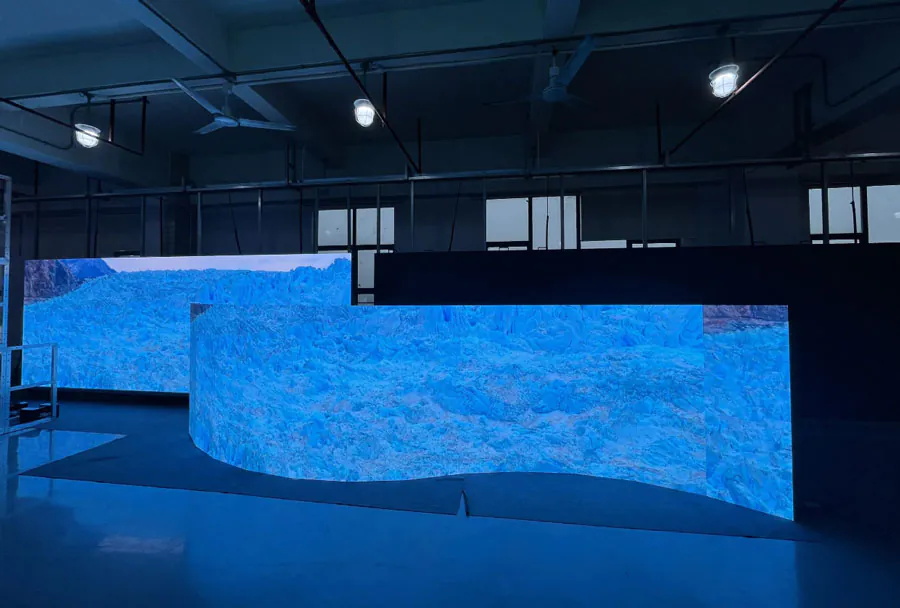
Yes, with the right cabinet strategy: mixed cabinets for rectangular gaps, custom or module-level builds for irregular shapes. Every seam added for a wrap or cut-out increases weather exposure and wiring complexity, so prototype the junction before full production.
What lead time should I expect?
Standard cabinets usually ship faster than custom tooling, and the difference grows with module-level builds. Ask for the lead time in writing against your approved drawing, not against a catalog model.
Conclusion
Custom size LED signage rewards planning. Measure the opening, decide the cabinet strategy, calculate the native canvas, and settle brightness, sealing, heat and wind before production starts. Dynamic playback then becomes a genuine advantage rather than a feature nobody can use.
Share your dimensions, viewing distances and service direction with the manufacturer in one package, and keep the approved elevation, pixel map and content template together. When those three documents agree, a bespoke screen fits the building and the campaign.
Related Articles
LED screen geometry, native resolution and content mapping
PO-T series outdoor billboard cabinets