led display led display: 3 : Complete Buyer’s Guide

Introduction
Choosing the right LED display solution can transform how a business communicates, advertises, and engages audiences. From retail storefronts and conference rooms to stadiums and public spaces, LED technology now powers some of the most impactful visual experiences in the world. Businesses invest in these systems because they offer brightness, flexibility, energy efficiency, and impressive durability compared with many traditional display options.
Table of Contents
- Introduction
- What Is an LED Display and Why Does It Matter?
- Key Types of LED Displays for Different Applications
- Indoor LED Displays
- Outdoor LED Displays
- Rental and Stage LED Displays
- Transparent and Creative LED Displays
- Fine Pitch LED Video Walls
- Essential Features to Consider Before Buying
- Pixel Pitch
- Brightness
- Refresh Rate
- Viewing Angle
- Cabinet Quality and Serviceability
- Content Management and Control System
- Energy Efficiency
- Installation, Maintenance, and Best Practices for Long-Term Performance
- Site Assessment Comes First
- Work With Experienced Installers
- Calibrate for Image Quality
- Clean and Inspect Regularly
- Update Software and Monitor Performance
- Plan Content for the Screen
- Benefits of LED Displays for Businesses and Organizations
- FAQ
- What is the difference between LED and LCD displays?
- How do I choose the right pixel pitch?
- Are LED displays good for outdoor advertising?
- How long does an LED display last?
- Is maintenance difficult?
- Conclusion
This guide explains what an led display is, how it works, where it performs best, and what buyers should evaluate before making a purchase. Whether you need an indoor video wall, an outdoor billboard, or a stage backdrop for events, understanding the fundamentals helps you avoid costly mistakes and choose a display that delivers long-term value.
What Is an LED Display and Why Does It Matter?
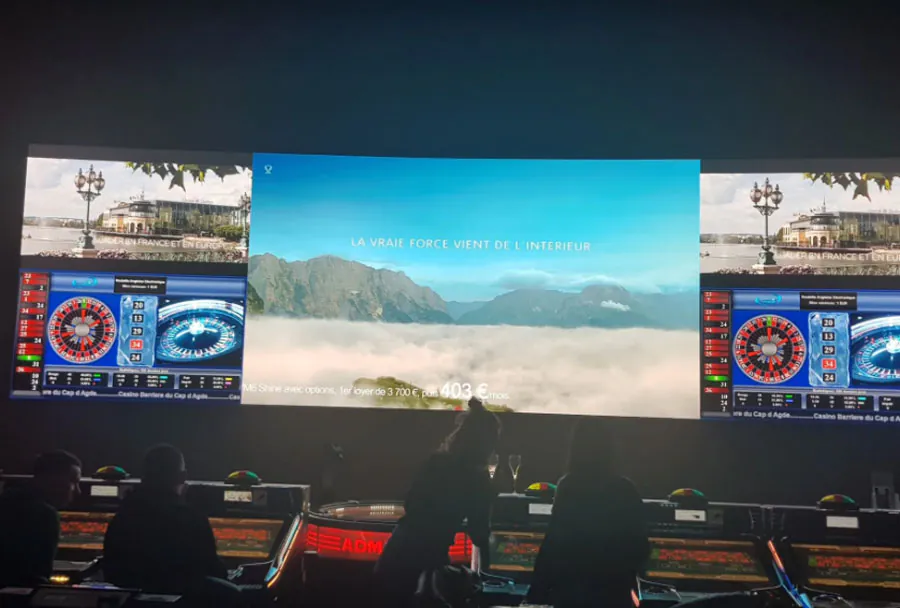
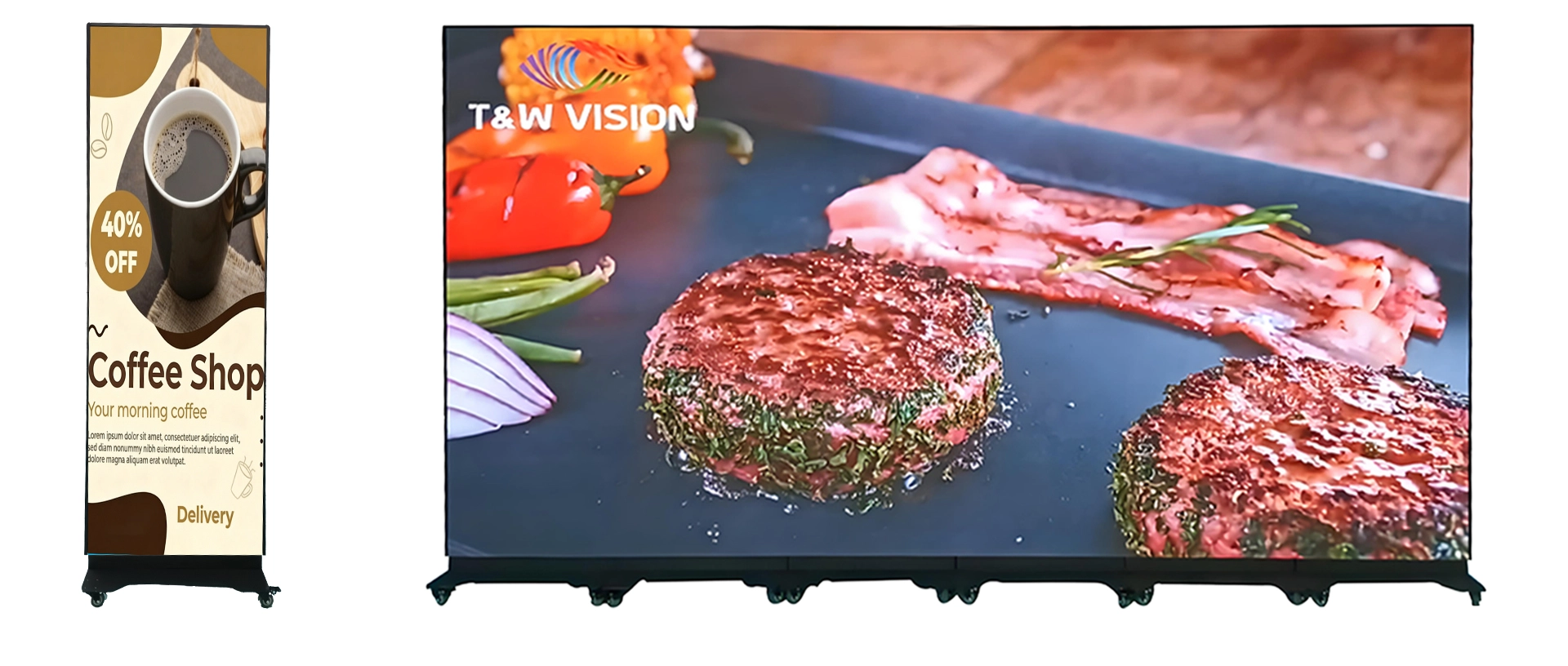
An LED display is a digital screen that uses light-emitting diodes to produce images, video, text, and animations. Unlike older technologies that rely heavily on backlighting systems or projectors, LED screens generate bright, vivid visuals that remain clear in a wide range of lighting conditions. This makes them a preferred solution for both indoor and outdoor applications.
The importance of an LED wall lies in its versatility. It can be configured in many sizes, resolutions, and shapes to suit different environments. Retailers use LED displays to attract foot traffic. Corporations use them for presentations and internal communication. Entertainment venues rely on them for immersive staging and live event visuals. Transportation hubs use them for schedules and alerts.
Another reason these systems matter is their visual performance. High brightness levels help outdoor displays remain readable in direct sunlight, while fine pixel pitch options support close-viewing environments such as meeting rooms, broadcast studios, and control centers. In addition, LED displays are often modular, which allows users to scale or repair sections without replacing an entire screen.
From a business perspective, LED technology supports dynamic content delivery. Instead of printing and replacing static signage, organizations can update campaigns in real time. This improves marketing agility and reduces recurring print costs. For many companies, the shift to LED is not just a visual upgrade but also a smarter long-term communications investment.
Key Types of LED Displays for Different Applications
Selecting the right the concept starts with understanding the major product categories. Different use cases require different technical specifications, installation methods, and performance features.
Indoor LED Displays
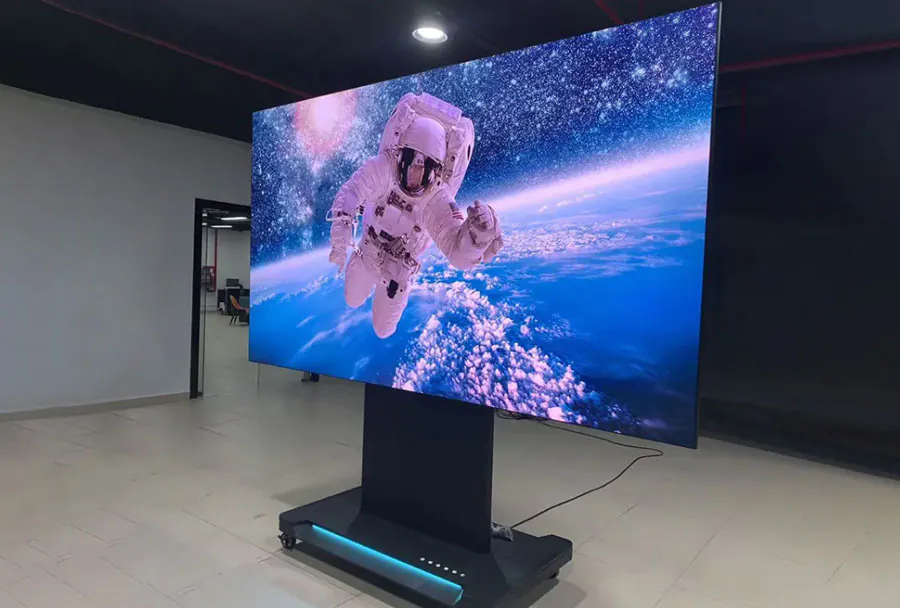
Indoor LED displays are designed for spaces such as shopping malls, corporate lobbies, meeting rooms, showrooms, studios, and exhibition halls. A typical the approach for indoor use emphasizes high resolution, closer viewing distance, and refined image quality. These models often use finer pixel pitch so viewers can stand near the screen without noticing gaps between pixels.
Outdoor LED Displays
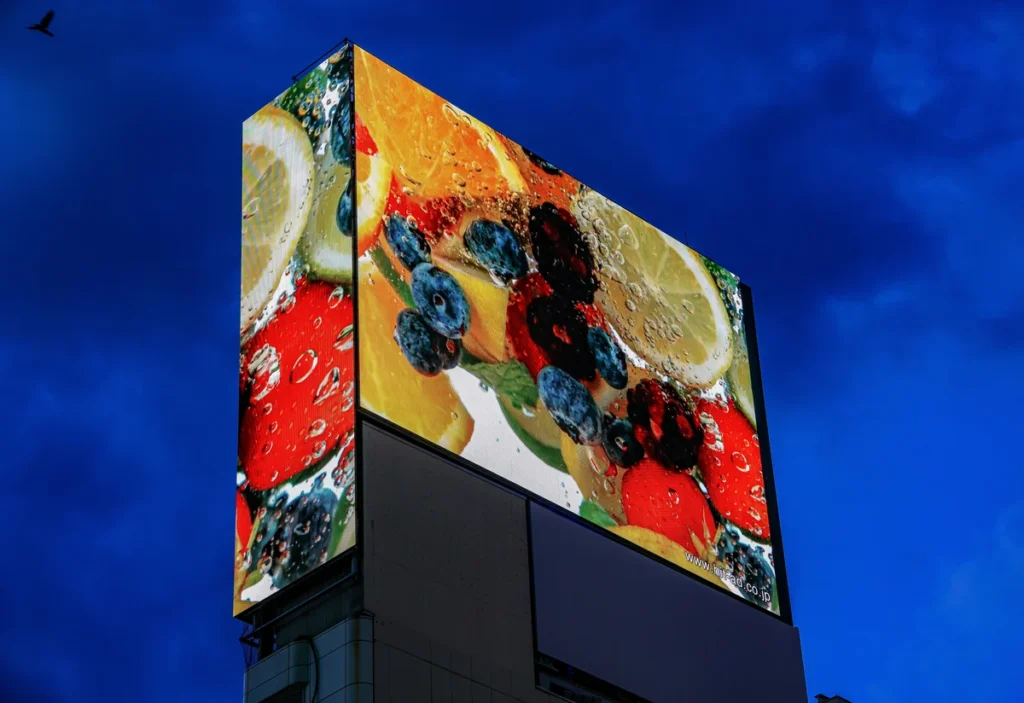
Outdoor LED displays are built to withstand weather, dust, temperature shifts, and direct sunlight. An outdoor cabinet usually has higher brightness and robust waterproof housing. These are commonly used for advertising billboards, building facades, stadium scoreboards, roadside signage, and public information systems. Durability and visibility are top priorities here.
Rental and Stage LED Displays
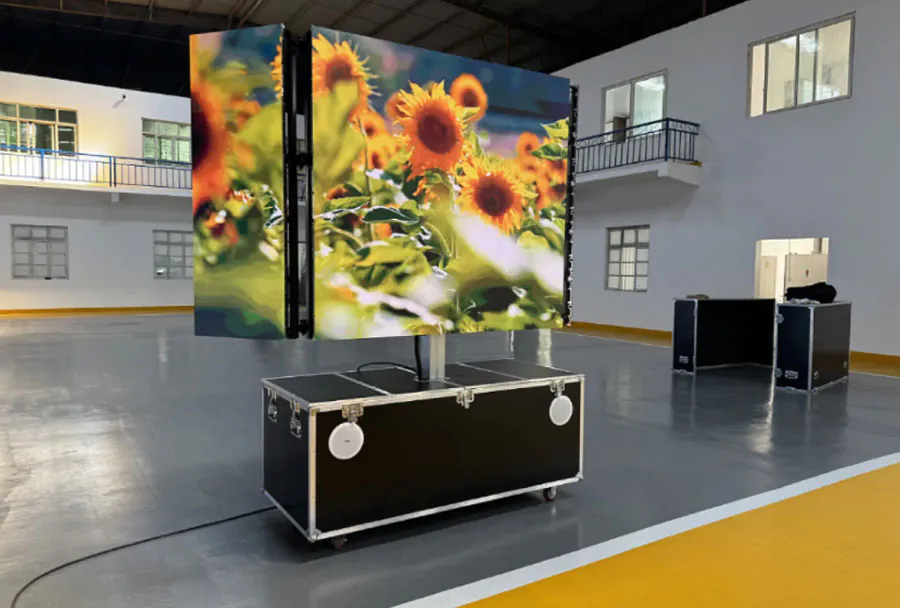
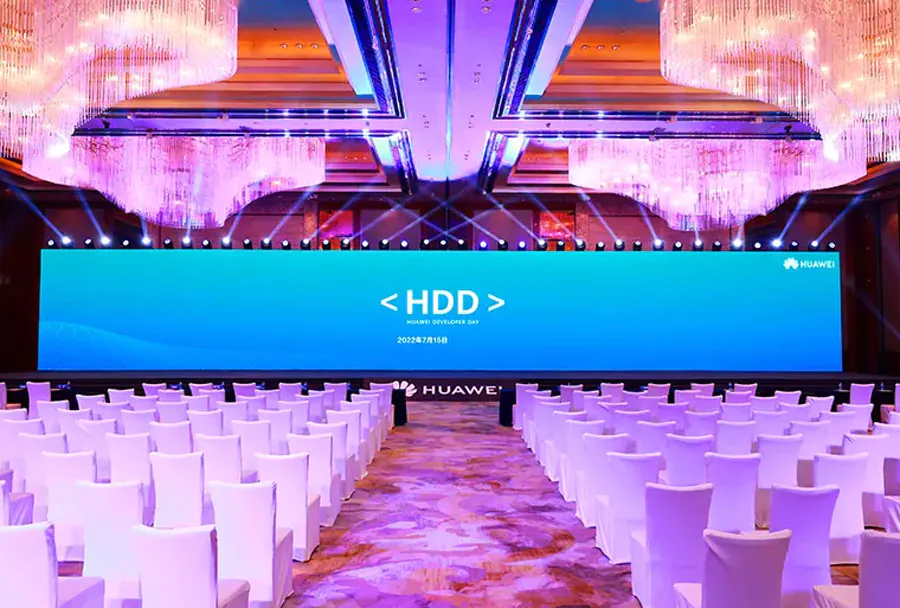
Rental LED screens are made for easy transport, fast assembly, and repeated use at events. A flexible cabinet in this category is ideal for concerts, trade shows, conferences, weddings, product launches, and live productions. Lightweight cabinets, quick-lock systems, and front or rear service access make setup efficient for event teams.
Transparent and Creative LED Displays
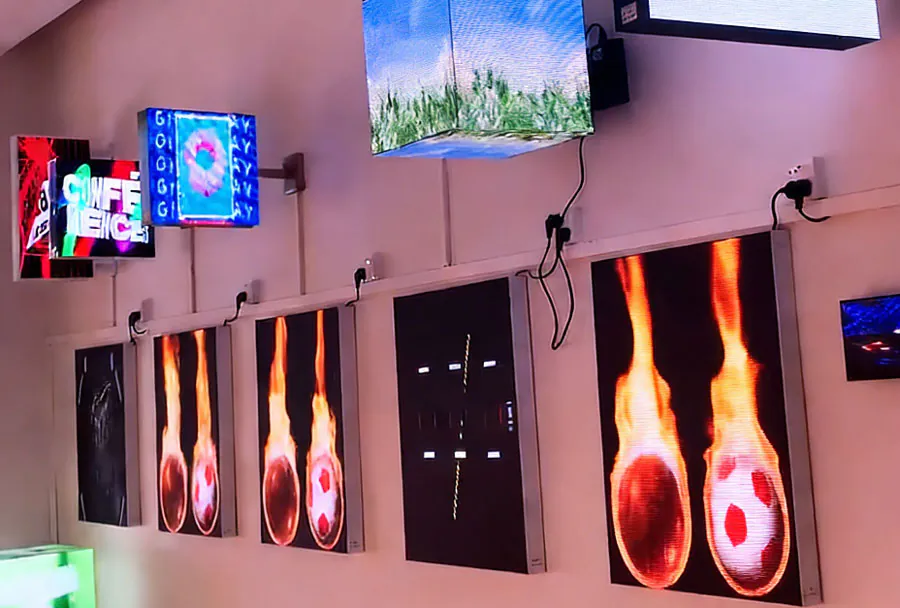
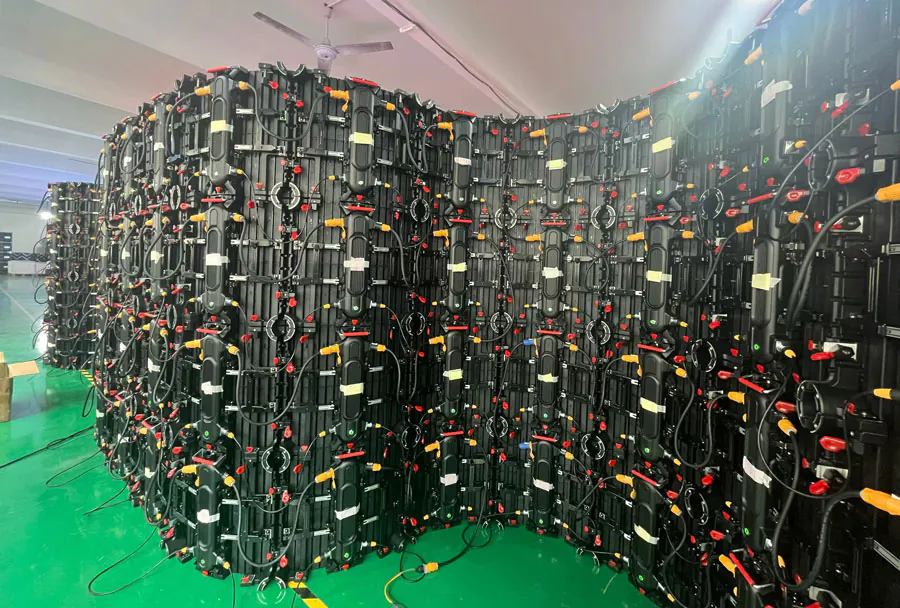
Some brands offer transparent screens for storefront windows or architectural designs. A creative led wall may also come in curved, cylindrical, or irregular formats to support artistic installations and premium branding projects. These solutions help businesses stand out when standard rectangular screens are not enough.
This video tell you what is an transparant led display.
Fine Pitch LED Video Walls
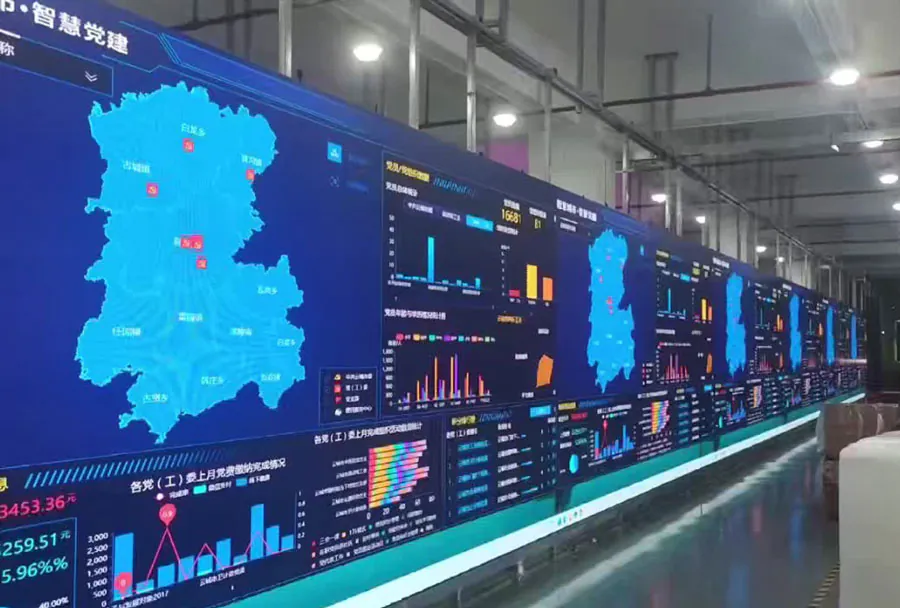
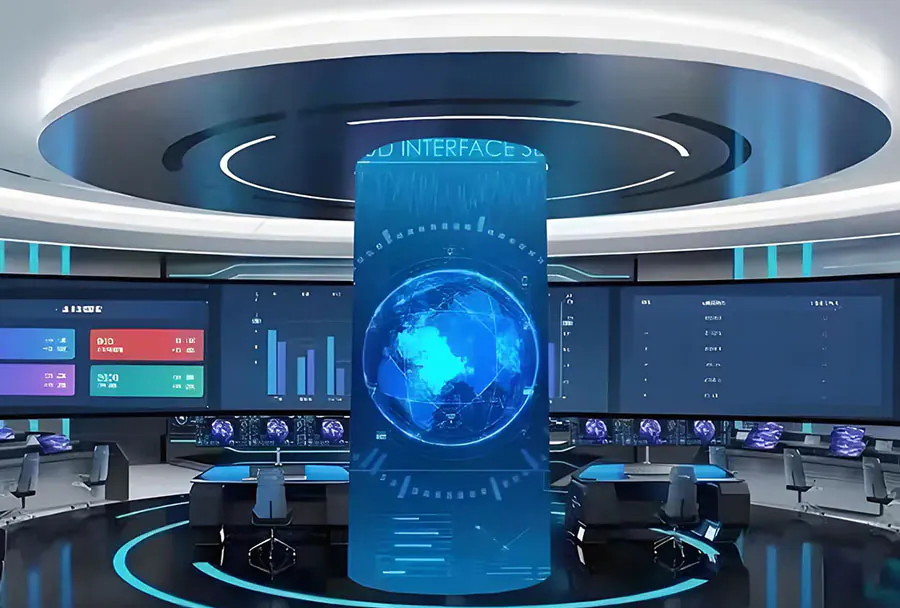
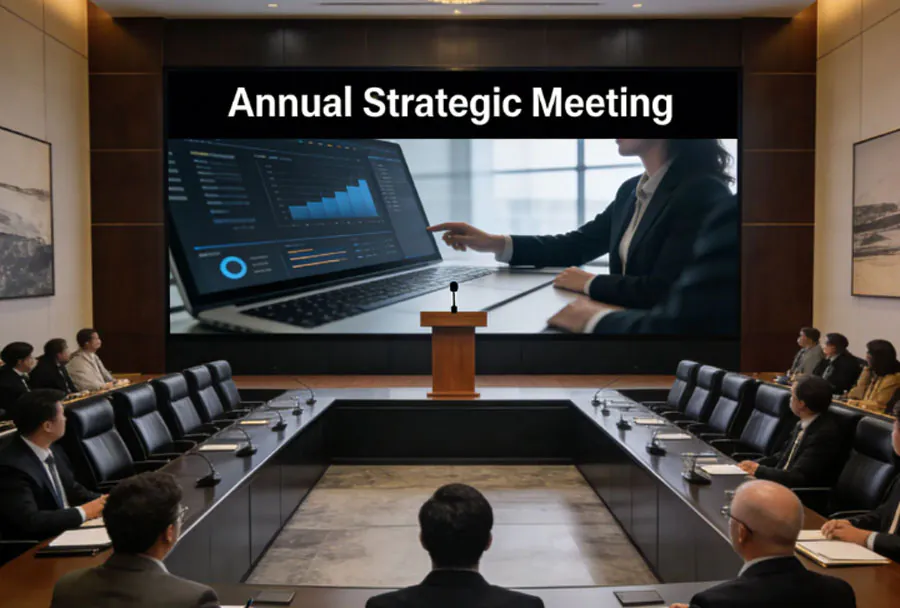
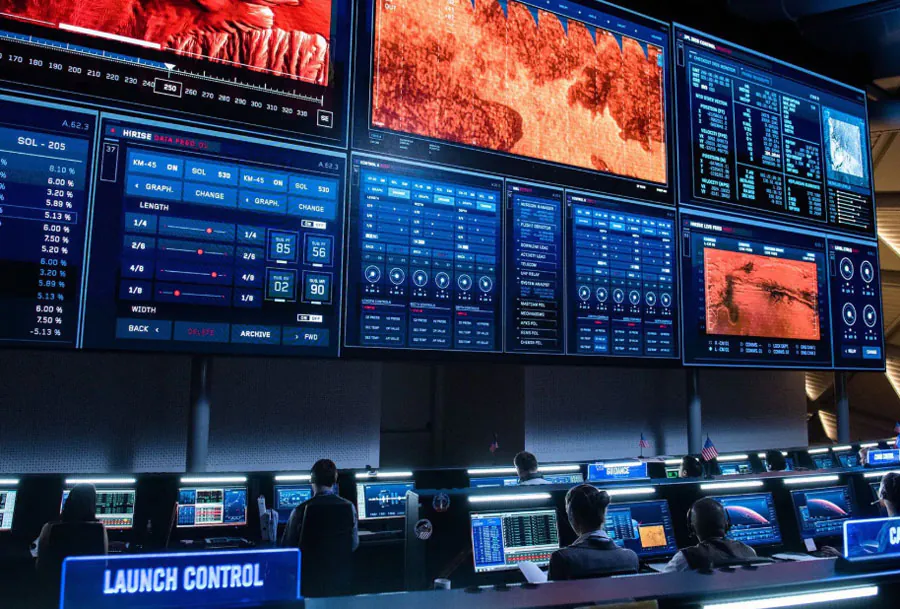
For command centers, luxury retail, boardrooms, and broadcast environments, fine pitch LED video walls provide exceptional clarity. A premium LED Video wall in this segment supports detailed graphics, data visualization, and crisp video playback at close range. Although often more expensive, the visual quality can justify the investment for mission-critical applications.
Essential Features to Consider Before Buying
When evaluating an the concept, buyers should go beyond screen size and price. Several technical and operational factors affect performance, longevity, and return on investment.
Pixel Pitch
Pixel pitch refers to the distance between LED pixels, usually measured in millimeters. Smaller pixel pitch means higher resolution and better close-up viewing. If your audience will stand near the screen, choose a tighter pitch. A large-format the approach viewed from a distance can use a wider pitch without sacrificing viewer experience.
Brightness
Brightness is especially important for outdoor installations or brightly lit interiors. It is typically measured in nits. The right LED panel should provide sufficient brightness for the environment without being excessively harsh. Outdoor units generally need much higher brightness than indoor units.
Refresh Rate
A higher refresh rate ensures smoother visuals, particularly for video playback, live events, and camera-facing applications. If content will be recorded or broadcast, the LED VIDEO WALL should have a refresh rate high enough to avoid flicker on camera. Under this kind of environment, a refresh rate of 7680hz or higher like 13500HZ is necesary.
Viewing Angle
Wide viewing angles allow more people to see content clearly from different positions. This is essential in public spaces, retail settings, and large venues. A quality led display should maintain color consistency and brightness across the intended viewing area.
Cabinet Quality and Serviceability
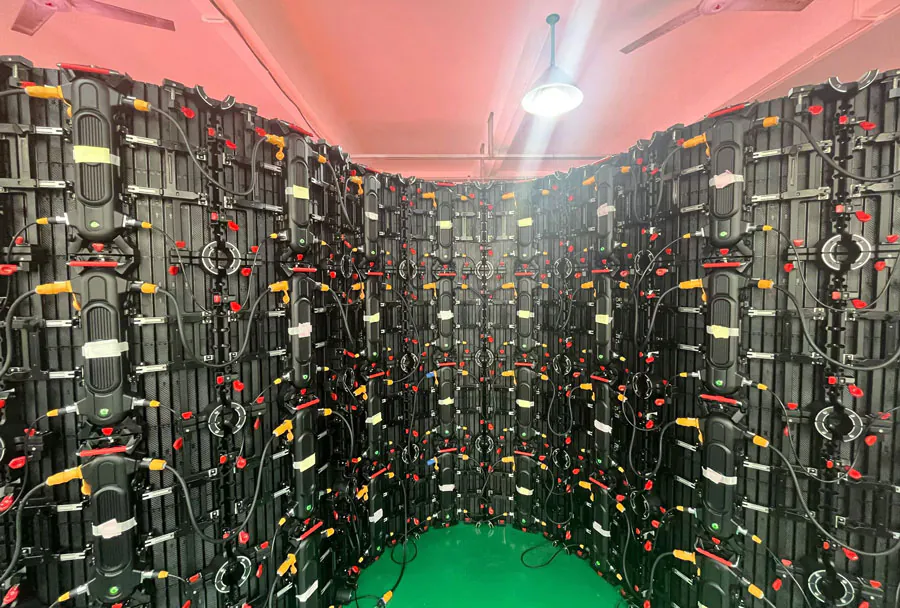
LED screens are typically made of modular panels or cabinets. Consider cabinet material, weight, alignment precision, and maintenance access. A well-designed led display makes it easier to repair modules, power supplies, or receiving cards, reducing downtime and service costs.
Here is the video to tell you how the led display cabinet looks like and the internal strucutres.
Content Management and Control System
Software compatibility matters. Your display should support easy scheduling, remote updates, and flexible media playback. A modern LED panel often integrates with content management systems that simplify daily operation for marketing teams and facility managers.
Energy Efficiency
Power consumption affects long-term operating costs. Newer LED technologies often improve efficiency while maintaining brightness and color quality. An energy-conscious the approach can help organizations lower electricity usage over time, especially in 24/7 environments.
Installation, Maintenance, and Best Practices for Long-Term Performance
A successful led panel project depends on more than choosing the right hardware. Installation quality, environment planning, and ongoing maintenance all influence reliability and lifespan.
Site Assessment Comes First
Before installation, assess the location carefully. Indoor and outdoor sites differ in structural requirements, power access, ventilation, moisture exposure, and viewing distance. Every led panel should be matched to its environment rather than selected on appearance alone. For example, an outdoor unit may need waterproof protection, surge protection, and reinforced mounting.
Work With Experienced Installers
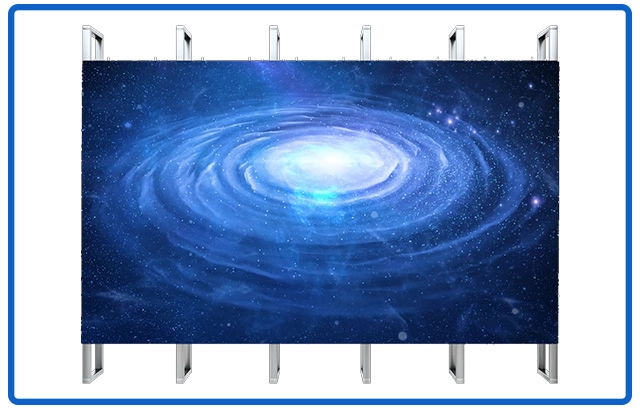
Professional installation reduces the risk of alignment issues, poor cable management, safety concerns, and premature equipment failure. A large led video wall may require steel structure fabrication, wall reinforcement, control room planning, and exact calibration after assembly. Experienced technicians can also ensure compliance with local electrical and building codes.
Calibrate for Image Quality
Once installed, calibration is essential for color accuracy, brightness consistency, and seamless panel matching. Even a high-end led display led display can look uneven if modules are not properly configured. Regular recalibration helps maintain a professional visual standard, especially in commercial or broadcast environments.
Clean and Inspect Regularly
Dust, debris, moisture, and heat can affect performance. Maintenance schedules should include cleaning, visual inspection, and testing of key components. An outdoor led display may need more frequent checks because of weather exposure. Preventive maintenance can identify failing modules or power components before they cause major disruption.
Update Software and Monitor Performance
Control software and firmware should be kept current to improve security, compatibility, and functionality. It is also wise to monitor temperature, signal stability, and power performance. A properly maintained led display led display can deliver years of consistent operation with fewer unexpected outages.
Plan Content for the Screen
Even excellent hardware cannot compensate for poor content design. Use high-resolution visuals, readable text, strong contrast, and screen-specific layouts. The most effective led panel led display strategy combines quality hardware with content optimized for audience distance, screen dimensions, and ambient light conditions.
Benefits of LED Displays for Businesses and Organizations
Investing in an led display led display offers practical and strategic benefits across many industries. While the initial cost may be significant, the value often becomes clear through stronger visibility, operational flexibility, and long-term communication efficiency.
First, LED displays deliver strong audience impact. Bright colors, motion graphics, and video naturally attract attention more effectively than static signs. This makes an led display a powerful tool for advertising, promotions, announcements, and brand storytelling.
Second, content can be updated instantly. Businesses no longer need to print and install new signage for every campaign. With digital scheduling and remote management, an led display allows teams to respond quickly to new promotions, events, pricing, or operational messages.
Third, LED screens support better space utilization. One screen can display multiple messages at different times of day, reducing the need for multiple printed materials. In retail, hospitality, education, healthcare, and transportation, an led display can serve as a multi-purpose communication platform.
Fourth, these systems are designed for long-term use. Quality LED displays offer durability, modular repairs, and relatively low maintenance compared with some alternative technologies. Over time, a dependable led display can provide a better return on investment than repeatedly replacing traditional signage.
Finally, LED technology helps organizations present a more modern brand image. Whether installed in a flagship store, event venue, headquarters lobby, or public square, a professionally deployed led display signals innovation, credibility, and visual excellence.
FAQ
What is the difference between LED and LCD displays?
An led display uses light-emitting diodes to create bright, scalable visuals, while LCD technology typically relies on liquid crystal layers with backlighting. LED displays are often better suited for large-format, modular, high-brightness applications, especially outdoors or in expansive commercial spaces.
How do I choose the right pixel pitch?
The best pixel pitch depends on viewing distance. A finer-pitch led display is ideal when viewers are close to the screen, such as in boardrooms or retail interiors. Larger pixel pitch works better for billboards, stadiums, or other long-distance viewing environments.
Are LED displays good for outdoor advertising?
Yes. An outdoor led display is one of the most effective tools for outdoor advertising because it offers high brightness, weather resistance, and dynamic content capabilities. It remains visible in daylight and allows advertisers to rotate campaigns without printing new materials.
How long does an LED panel last?
The lifespan of an led display depends on component quality, usage patterns, environment, and maintenance. Many quality systems are designed to operate for many years, especially when properly installed, cooled, cleaned, and calibrated on a regular basis.
Is maintenance difficult?
Maintenance is usually manageable when the system is designed for service access. A modular led display allows technicians to replace individual components instead of the whole screen. Regular inspection and cleaning significantly improve long-term reliability.
Conclusion
A well-chosen led display led display can become one of the most valuable communication assets for a business, venue, or public institution. It combines visual impact, operational flexibility, and long-term durability in a way that few other display technologies can match. Whether you need an indoor video wall, an outdoor advertising screen, or a rental solution for events, success depends on selecting the right type, pixel pitch, brightness level, and installation approach.
By understanding the core features, comparing use cases, and planning for maintenance, buyers can make smarter decisions and maximize return on investment. In today’s competitive visual landscape, an led display is more than just a screen—it is a dynamic platform for engagement, branding, and real-time communication.