SMD vs COB LED display for video wall Guide: Essential Tips

Introduction
Choosing the right LED technology can make or break a large-format visual installation. When comparing SMD vs COB LED display applications, buyers often face a mix of technical terms, performance claims, and budget considerations. Both options are widely used in control rooms, retail spaces, broadcast studios, conference halls, and immersive brand environments, but they differ in structure, durability, image quality, maintenance, and cost.
Table of Contents
- Introduction
- What Is the Difference Between SMD and COB Technology?
- Image Quality, Viewing Experience, and Performance
- Brightness and contrast
- Pixel pitch and close viewing
- Viewing angles and uniformity
- Eye comfort
- Reliability under demanding use
- Durability, Maintenance, and Total Cost of Ownership
- Physical durability
- Maintenance requirements
- Cost considerations
- Best Applications and How to Choose the Right Option
- When SMD is a strong choice
- When COB is a strong choice
- Key buying questions to ask
- Quick comparison table
- Installation, Environment, and Long-Term Planning
- Indoor vs outdoor deployment
- Touch risk and public access
- Heat, dust, and humidity
- Future scalability
- FAQ
- Which is better, SMD or COB for a video wall?
- Is COB more durable than SMD?
- Is SMD cheaper than COB?
- Does COB have better image quality than SMD?
- Which technology is better for conference rooms and control rooms?
- Conclusion
This guide explains the practical differences between the two technologies so you can make a confident investment decision. Whether you are planning a fine-pitch indoor wall or a reliable commercial display, understanding this use cases will help you match performance to your environment, content, and long-term operating needs.
What Is the Difference Between SMD and COB Technology?
Understanding these starts with the packaging method behind each LED type.
SMD stands for Surface-Mounted Device. In an SMD LED module, each LED package is mounted directly onto the PCB surface. A single SMD package typically contains red, green, and blue diodes combined into one compact unit. This design has been the mainstream choice for many indoor and outdoor LED screens because it offers mature manufacturing, strong color performance, and wide availability across many pixel pitches.
COB stands for Chip on Board. In a COB LED display, multiple LED chips are mounted directly onto the circuit board and then coated with a protective layer. Rather than packaging each RGB diode in an individual casing, COB integrates the chips more tightly at the board level. This creates a more unified surface and can improve protection, contrast, and durability.
In the debate around they, the biggest structural difference is how the LEDs are packaged and protected. That structural difference affects nearly every practical factor, including visual consistency, anti-collision performance, moisture resistance, and maintenance complexity.
Here are the main distinctions:
– Packaging method: SMD uses individually packaged LED beads; COB mounts chips directly onto the board.
– Surface finish: SMD has visible lamp beads; COB often presents a smoother and more uniform display surface.
– Protection level: COB generally offers stronger resistance to impact, dust, and humidity.
– Manufacturing maturity: SMD has a longer commercial history and broader market adoption.
– Fine-pitch suitability: COB is increasingly favored for ultra-fine pixel pitch applications.
For many buyers, the concept selection is less about which technology is universally better and more about which one is better for the specific installation scenario.
Image Quality, Viewing Experience, and Performance
One of the most important factors in the approach selection is visual performance. A video wall must deliver sharp images, balanced colors, comfortable viewing, and consistent brightness across different content types.
Brightness and contrast
SMD displays can achieve excellent brightness and strong color output, making them suitable for many indoor commercial environments and even outdoor applications, depending on design. However, COB technology often gains an edge in black level performance and contrast because the surface treatment can reduce reflections and improve perceived depth in darker scenes.
In a side-by-side it comparison, COB may look more refined in dim indoor environments such as boardrooms, studios, and premium retail spaces where contrast is critical.
Pixel pitch and close viewing
For fine-pitch video walls viewed at close distances, image smoothness matters. SMD technology has long served the fine-pitch market effectively, but COB has gained attention because the denser integration can support very tight pixel pitches while improving protection. This is especially useful in mission-critical rooms and corporate lobbies where people stand near the screen.
If your project involves close-up interaction, the this decision should include minimum viewing distance, expected audience movement, and the level of detail shown in content such as dashboards, presentations, or branded visuals.
Viewing angles and uniformity
SMD displays are known for wide viewing angles and vivid color reproduction. COB can also perform very well here, while sometimes providing a more uniform visual surface due to its integrated design. In practical terms, both technologies can support professional-grade viewing experiences, but premium COB solutions may reduce the granular appearance of individual lamp points.
Eye comfort
Another growing topic in these discussions is eye comfort. Some COB designs are marketed as more comfortable for prolonged indoor viewing because of reduced glare and a softer visual effect. This can be useful in spaces where employees or operators look at the screen for extended periods each day.
Reliability under demanding use
Performance is not just about picture quality on day one. It also includes consistency over time. COB’s protective layer can help preserve the display surface and reduce the risk of pixel damage caused by accidental contact. In high-traffic environments, this can translate into better long-term image integrity.
Durability, Maintenance, and Total Cost of Ownership
For commercial buyers, they is not only a technical comparison but also a financial one. Upfront cost matters, but so do maintenance frequency, repair complexity, and product lifespan.
Physical durability
SMD modules are reliable and proven, but because the LED beads are exposed on the surface, they can be more vulnerable to impact or damage from improper handling. This is particularly important in environments where the display may be touched during installation or service.
COB technology is often praised for stronger physical protection. The encapsulated surface helps defend the LED chips from minor collisions, dust, and humidity. That is one reason SMD vs COB LED display for video wall buyers in public spaces often look closely at COB for indoor installations with frequent foot traffic.
Maintenance requirements
SMD screens benefit from mature service ecosystems. Spare parts, technician familiarity, and established repair processes are generally easier to access. If you prioritize broad supplier choice and conventional servicing, SMD remains attractive.
COB can reduce some surface-level failure risks, but maintenance may vary by manufacturer and module design. In some cases, repairs require more specialized handling. Therefore, the SMD vs COB LED display for video wall choice should include a review of local service support, warranty terms, and replacement module availability.
Cost considerations
SMD has historically been more cost-effective, especially for standard indoor and outdoor applications. Because the technology is mature and widely produced, pricing is often more competitive across many project sizes.
COB is often positioned as a premium option, especially in fine-pitch indoor video walls. Although prices have become more competitive, the initial investment may still be higher. That said, if COB reduces damage risk and maintenance events, long-term ownership costs may balance out for some users.
When assessing SMD vs COB LED display for video wall, consider these cost factors:
– Initial purchase price
– Installation complexity
– Protective requirements during operation
– Maintenance labor and downtime
– Replacement part access
– Expected service life
A lower purchase price does not always mean a lower total cost of ownership. The right answer depends on your environment and operating priorities.
Best Applications and How to Choose the Right Option
The best way to evaluate SMD vs COB LED display for video wall technology is to match each option to a real-world use case. Different projects have different priorities, and those priorities should guide the final decision.
When SMD is a strong choice
SMD is often ideal when you need a versatile, widely available, and cost-efficient LED display solution. It works well for:
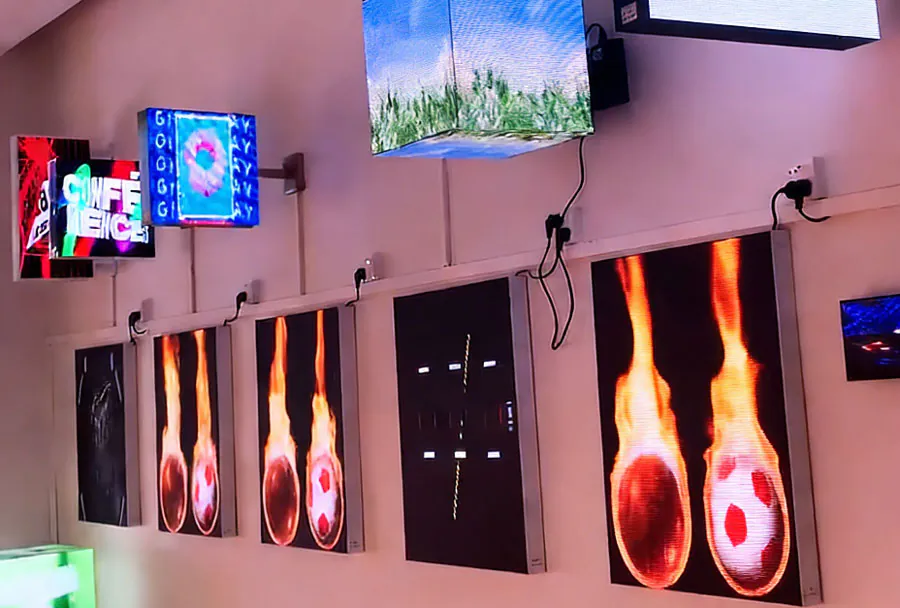
– Retail digital signage
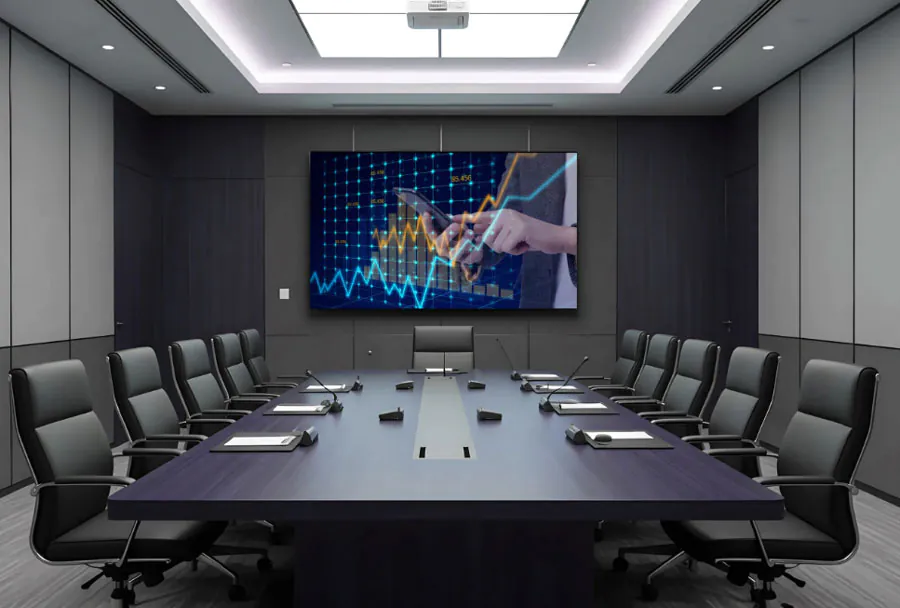
– Corporate meeting rooms
– Stage backdrops
– Exhibition booths
– Large commercial indoor displays
– Many outdoor LED projects
SMD remains the mainstream choice because it offers dependable performance, good color reproduction, and broad flexibility in size and pitch options. If your budget is limited and your application does not require the added protection of COB, SMD can be the smarter purchase.
When COB is a strong choice
COB is often preferred for premium indoor applications where close viewing, durability, and refined visual quality matter most. It is especially suitable for:
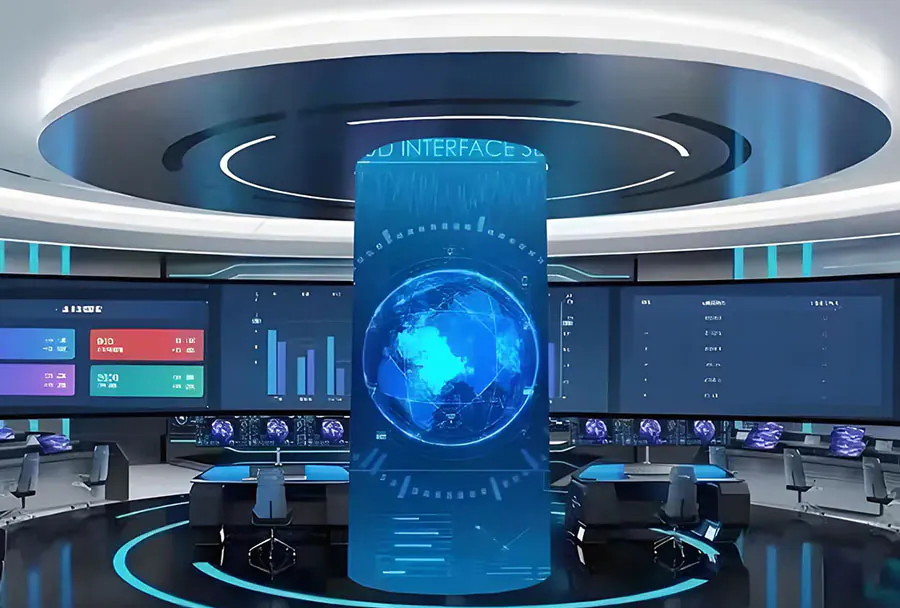
– Command and control centers
– Broadcast studios
– High-end conference rooms
– Luxury retail environments
– Museums and immersive spaces
– Mission-critical monitoring walls
In these scenarios, the SMD vs COB LED display for video wall comparison often favors COB because of its stronger surface protection, improved contrast, and suitability for ultra-fine pixel pitch.
Key buying questions to ask
Before making a final decision, ask:
- How close will viewers stand to the screen?
- Is the wall installed in a public or protected environment?
- Will the display operate continuously or only during scheduled hours?
- How important are contrast and black levels?
- What is the total project budget, including maintenance?
- What local technical support is available?
- Do you need a standard solution or a premium fine-pitch experience?
These questions help frame the SMD vs COB LED display for video wall decision in practical terms rather than marketing language.
Quick comparison table
| Factor | SMD LED Display | COB LED Display |
|---|---|---|
| Packaging | Individual LED packages | Chips mounted directly on board |
| Surface Protection | Moderate | High |
| Visual Surface | Visible lamp beads | Smoother, more uniform |
| Fine Pixel Pitch | Strong | Excellent |
| Cost | Usually lower | Usually higher |
| Maintenance Ecosystem | Mature and broad | More specialized |
| Best Use Cases | General commercial use | Premium indoor fine-pitch use |
Ultimately, SMD vs COB LED display for video wall is a strategic decision based on image expectations, environment risk, and budget tolerance.
Installation, Environment, and Long-Term Planning
A successful SMD vs COB LED display for video wall purchase should account for more than display specs. Installation conditions and future operational needs are just as important.
Indoor vs outdoor deployment
SMD technology has broad use across both indoor and outdoor LED displays, depending on product design. COB is currently more associated with indoor fine-pitch applications, although market development continues. If your project is outdoors or semi-outdoor, verify weatherproof ratings, brightness levels, and cabinet structure before assuming either technology is suitable.
Touch risk and public access
For walls installed in schools, showrooms, transit hubs, or interactive environments, touch resistance matters. In this area, the SMD vs COB LED display for video wall comparison often leans toward COB because the display surface is generally better protected from accidental contact.
Heat, dust, and humidity
Environmental stress can shorten display lifespan. COB’s encapsulation can support better resistance to dust and moisture in controlled indoor conditions. However, system-level thermal design still matters. Buyers should review cabinet ventilation, power supply quality, and operating temperature ranges regardless of LED type.
Future scalability
If you may expand your wall later, think beyond the first installation. SMD products may offer more supplier flexibility and easier sourcing over time due to widespread market availability. COB may provide higher-end performance, but buyers should confirm long-term module consistency and manufacturer support.
In any SMD vs COB LED display for video wall evaluation, long-term planning should include:
– Future expansion compatibility
– Spare module strategy
– Calibration stability
– Software and control system integration
– Warranty and support response times
The best display is not simply the one with the most advanced technology. It is the one that remains reliable, serviceable, and visually effective for years.
FAQ
Which is better, SMD or COB for a video wall?
The answer depends on your project goals. In the SMD vs COB LED display for video wall comparison, SMD is often better for cost-effective and versatile commercial installations, while COB is often better for premium indoor environments that require close viewing, higher durability, and refined contrast.
Is COB more durable than SMD?
Yes, in many cases COB is considered more durable because the LED chips are protected by an encapsulated surface. In SMD vs COB LED display for video wall applications, this added protection can reduce the risk of damage from touch, impact, dust, and humidity in indoor environments.
Is SMD cheaper than COB?
Generally, yes. For most projects, SMD has a lower initial cost because it is a mature and widely produced technology. In SMD vs COB LED display for video wall purchasing decisions, however, buyers should also compare maintenance needs and long-term ownership costs.
Does COB have better image quality than SMD?
COB can offer better contrast, a smoother surface, and strong fine-pitch performance, especially for close-up indoor viewing. However, SMD also delivers excellent image quality in many applications. The best SMD vs COB LED display for video wall choice depends on viewing distance, ambient light, and content type.
Which technology is better for conference rooms and control rooms?
For premium conference rooms and control rooms, COB is often favored because of its durability, contrast, and close-viewing performance. Still, in the SMD vs COB LED display for video wall discussion, high-quality SMD displays can also perform very well when budget and service simplicity are top priorities.
Conclusion
There is no one-size-fits-all winner in the SMD vs COB LED display for video wall debate. SMD remains a reliable, flexible, and cost-effective solution for a wide range of commercial display projects. COB stands out for premium indoor applications where fine pixel pitch, stronger surface protection, and enhanced visual refinement are essential.
The best choice depends on your installation environment, viewing distance, maintenance expectations, and budget strategy. If you need broad availability and proven value, SMD is hard to beat. If you want a high-end indoor display with greater durability and close-viewing advantages, COB may be the better investment. By evaluating SMD vs COB LED display for video wall needs through both technical and operational lenses, you can select a video wall solution that performs well today and continues delivering value over the long term.