Affordable LED Screen Rental in Orlando for Events

Planning a memorable event takes more than a good venue and a solid agenda. Visual impact matters, and that is where LED Screen Rental in Orlando can change the entire experience. Whether you are producing a corporate conference, a concert, a trade show, a church gathering, or a private celebration, the right display helps you communicate clearly and keep guests engaged. Orlando is a high-volume event market with venues of every size, so choosing the right screen, the right support team, and the right rental package can make a major difference in both results and stress levels. This guide breaks down how LED screens work, what to consider before booking, and how to get the most value from your rental investment.
Why Rent an LED Screen in Orlando?
Renting an LED screen rather than buying makes sense for most event organizers. Benefits include:
– Lower upfront costs: Renting avoids the capital expense and depreciation that come with ownership.
– Flexibility: Choose size, pixel pitch, and brightness appropriate to each event.
– Professional setup and teardown: Rental houses provide trained crews, saving you time and ensuring safety.
– Access to the latest technology: Rentals give you newer panels and control systems without the cost of upgrades.
– Scalability: Combine panels to cover large stages or reduce them for intimate settings.
In Orlando specifically, weather conditions, venue rules, and heavy tourism seasons make rentals particularly attractive. You can secure weather-rated outdoor walls for an outdoor festival one weekend and an indoor high-resolution display for a corporate event the next.
Types of LED Screens and Their Uses
Understanding the types of LED panels helps you choose the most cost-effective solution:
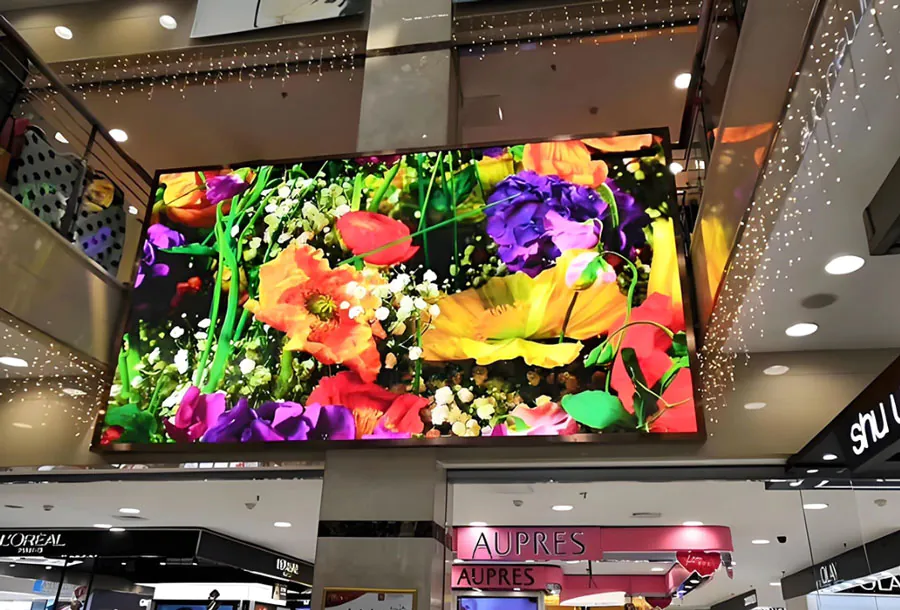
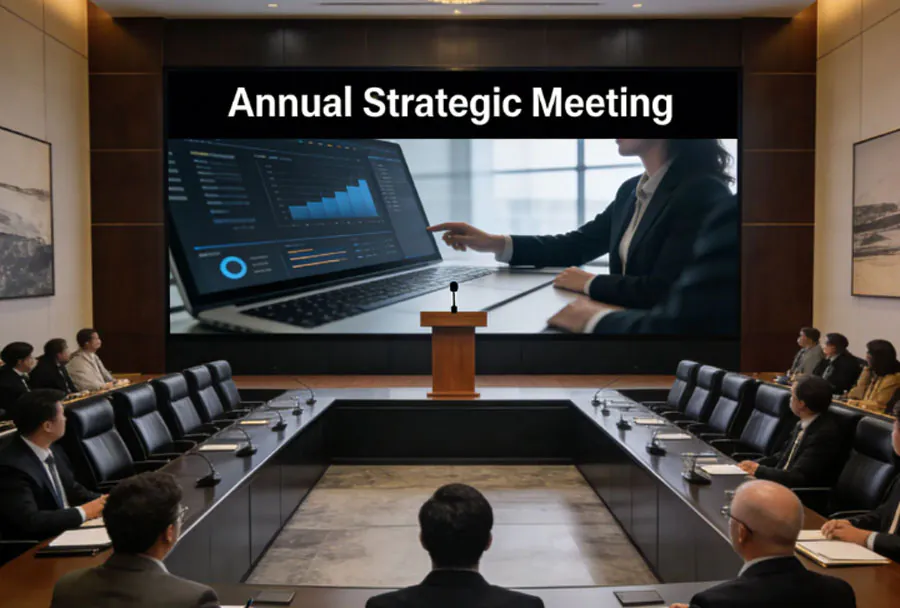
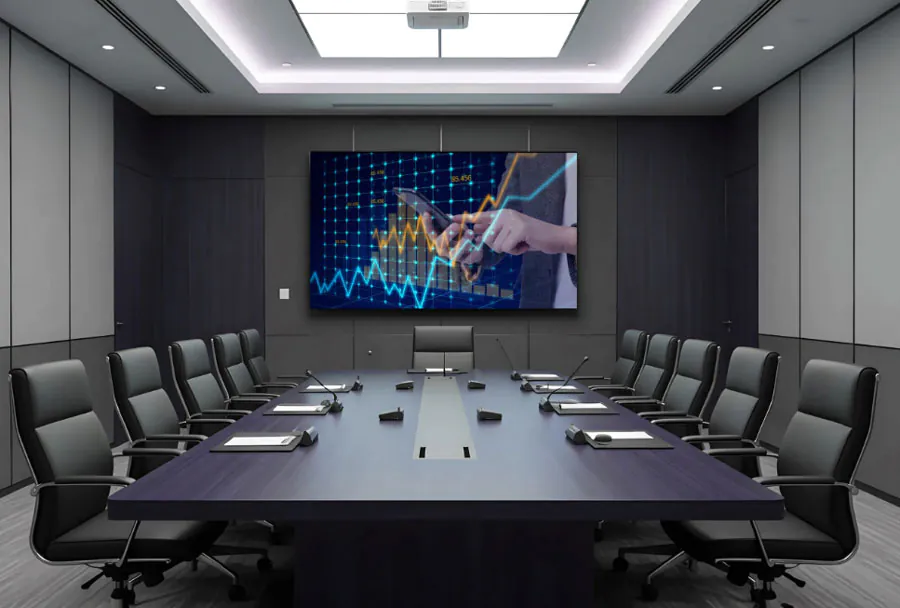
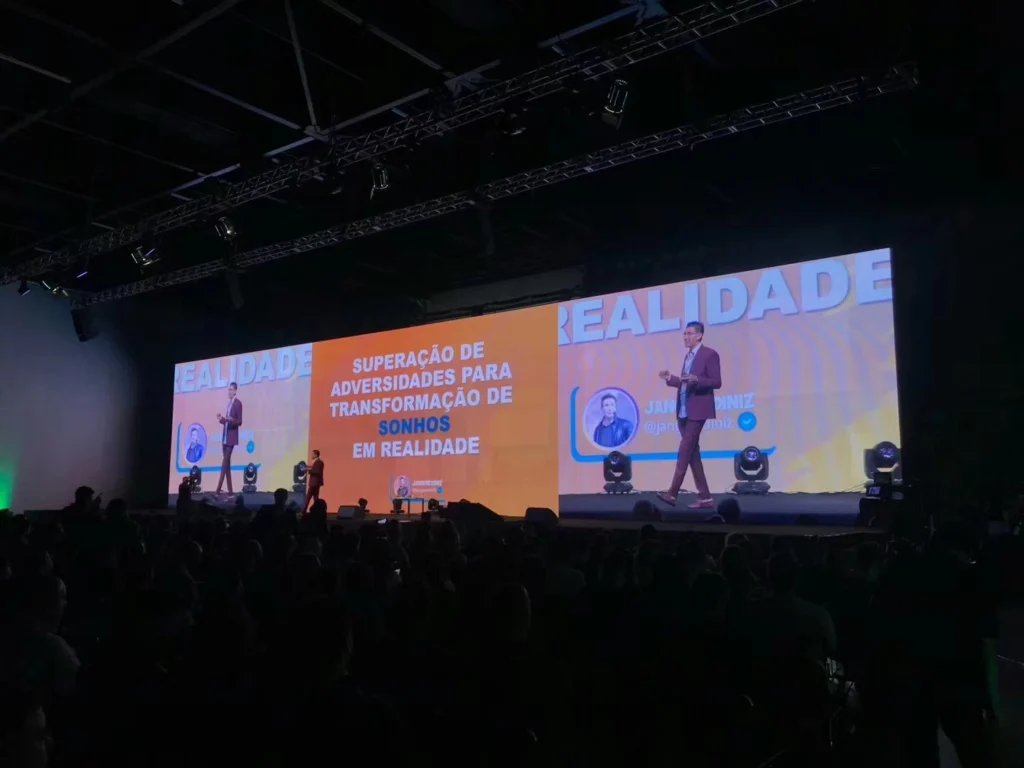
– Indoor fine-pitch LED walls: Pixel pitches from P1.2 to P3.9 are ideal for close viewing at corporate events, broadcast, and weddings.
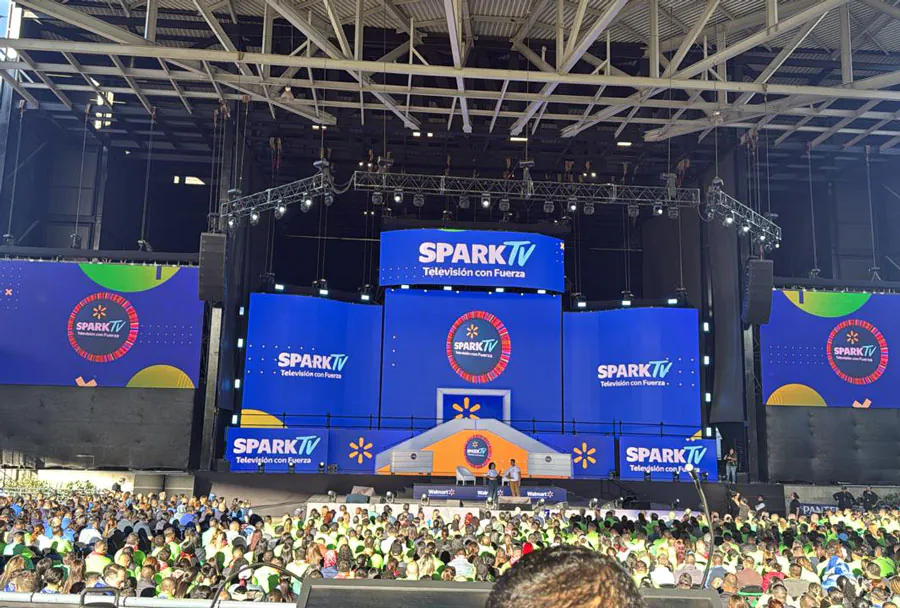
– Outdoor XYZ (high brightness) walls: High-nit displays (4,000–8,000 nits) with robust weatherproofing for daytime visibility at outdoor concerts and festivals.
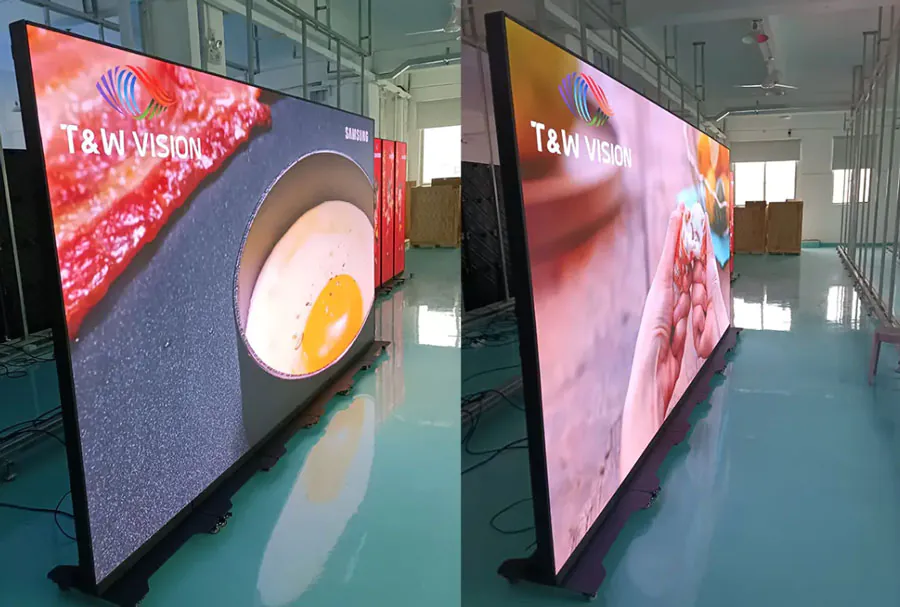
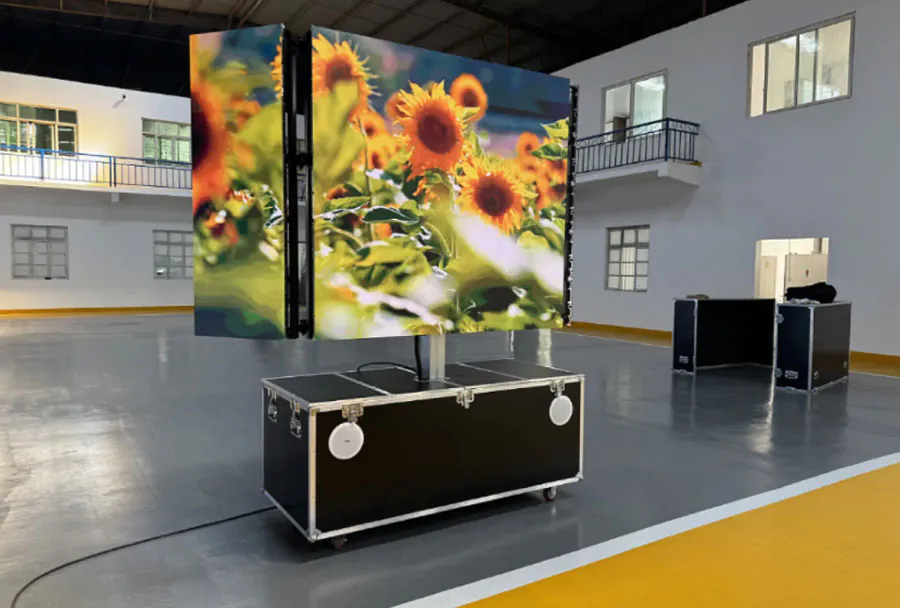
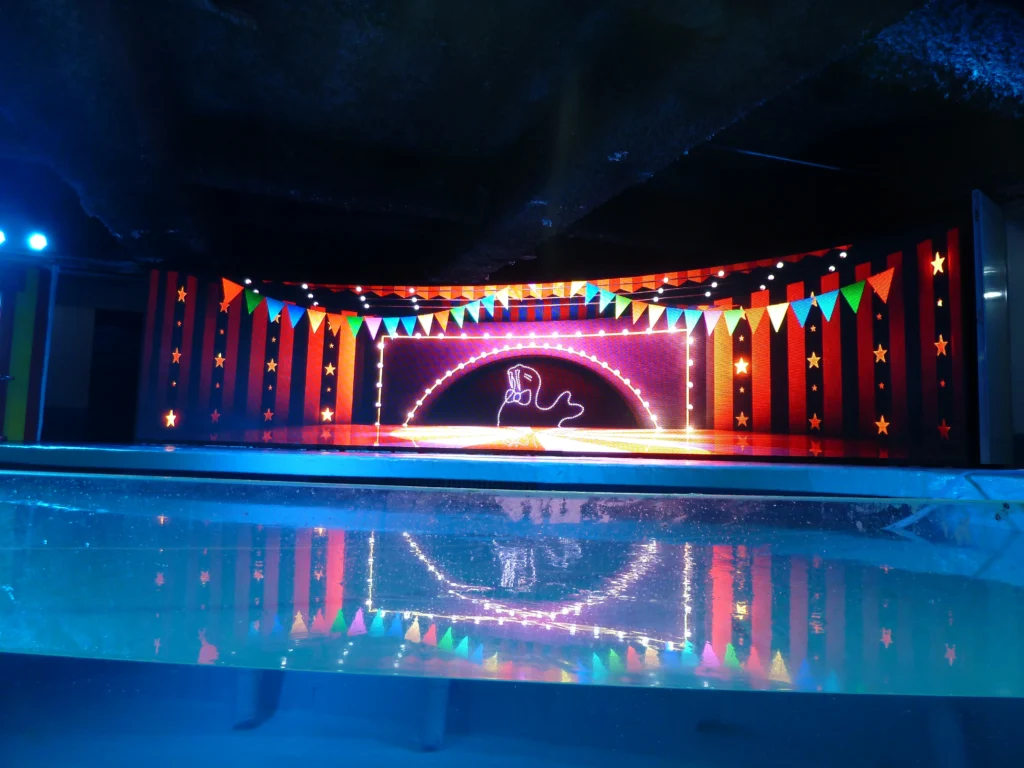
– Rental-friendly modular panels: Lightweight, quick-lock panels that assemble into large screens. Ideal for concert backdrops and trade-show booths.
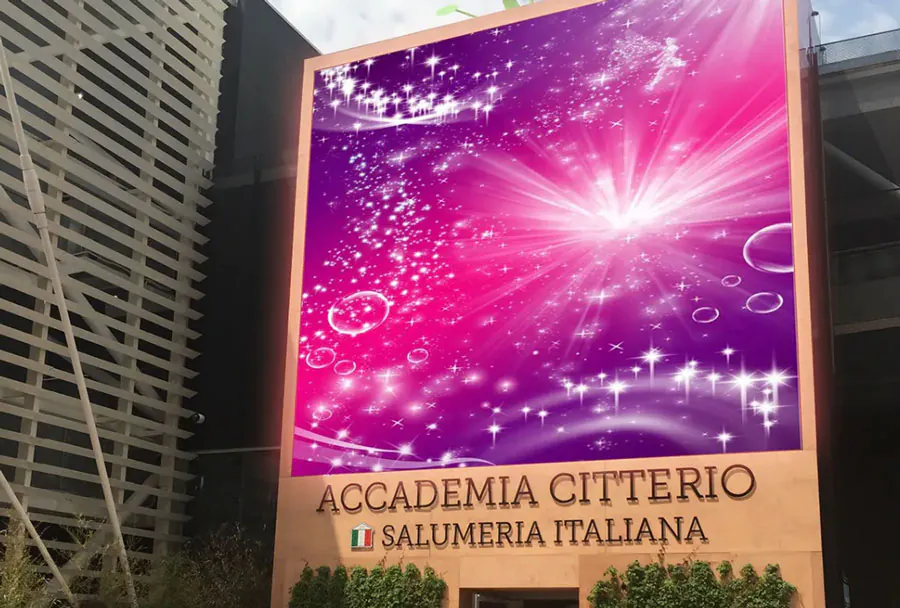
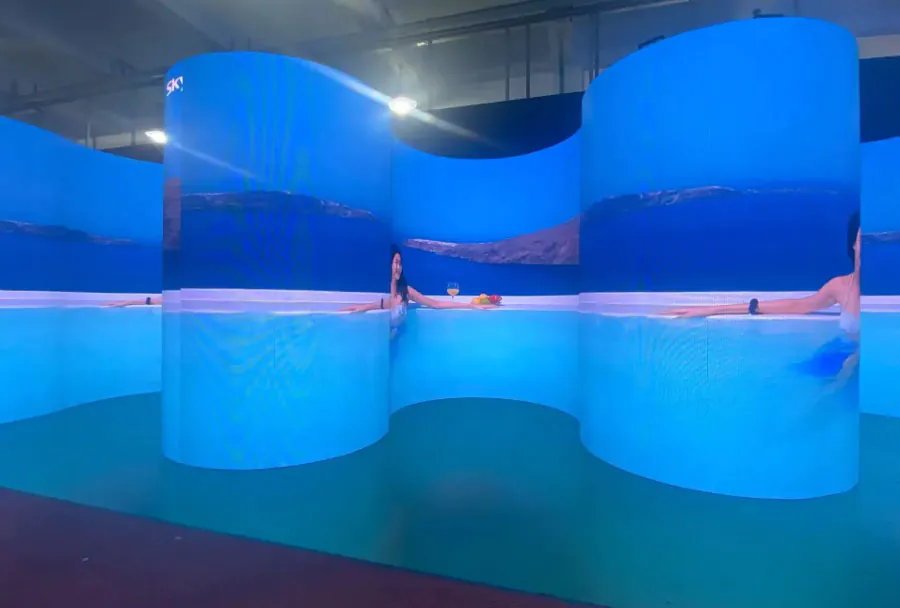
– Transparent and creative LED facades: For storefront activations, window displays, or architectural installations.
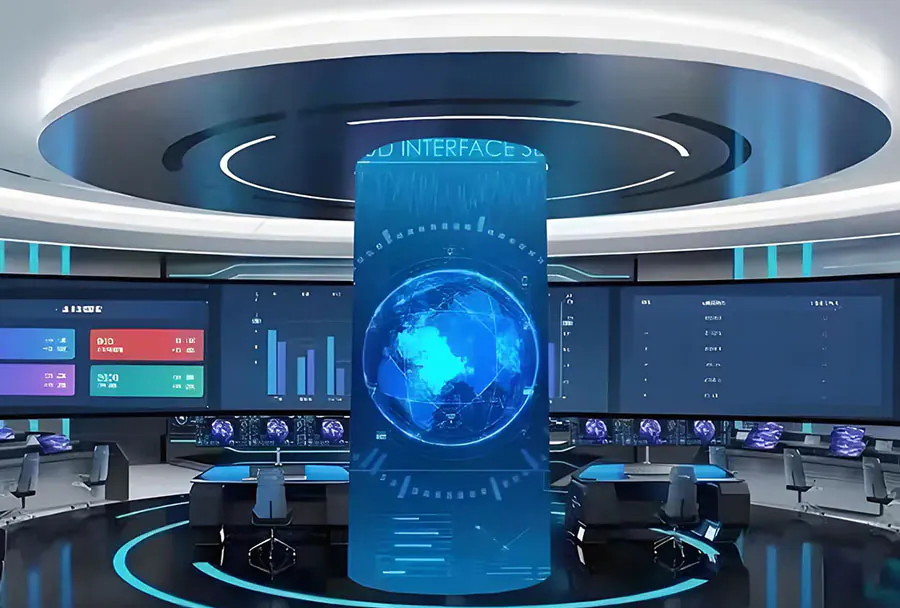
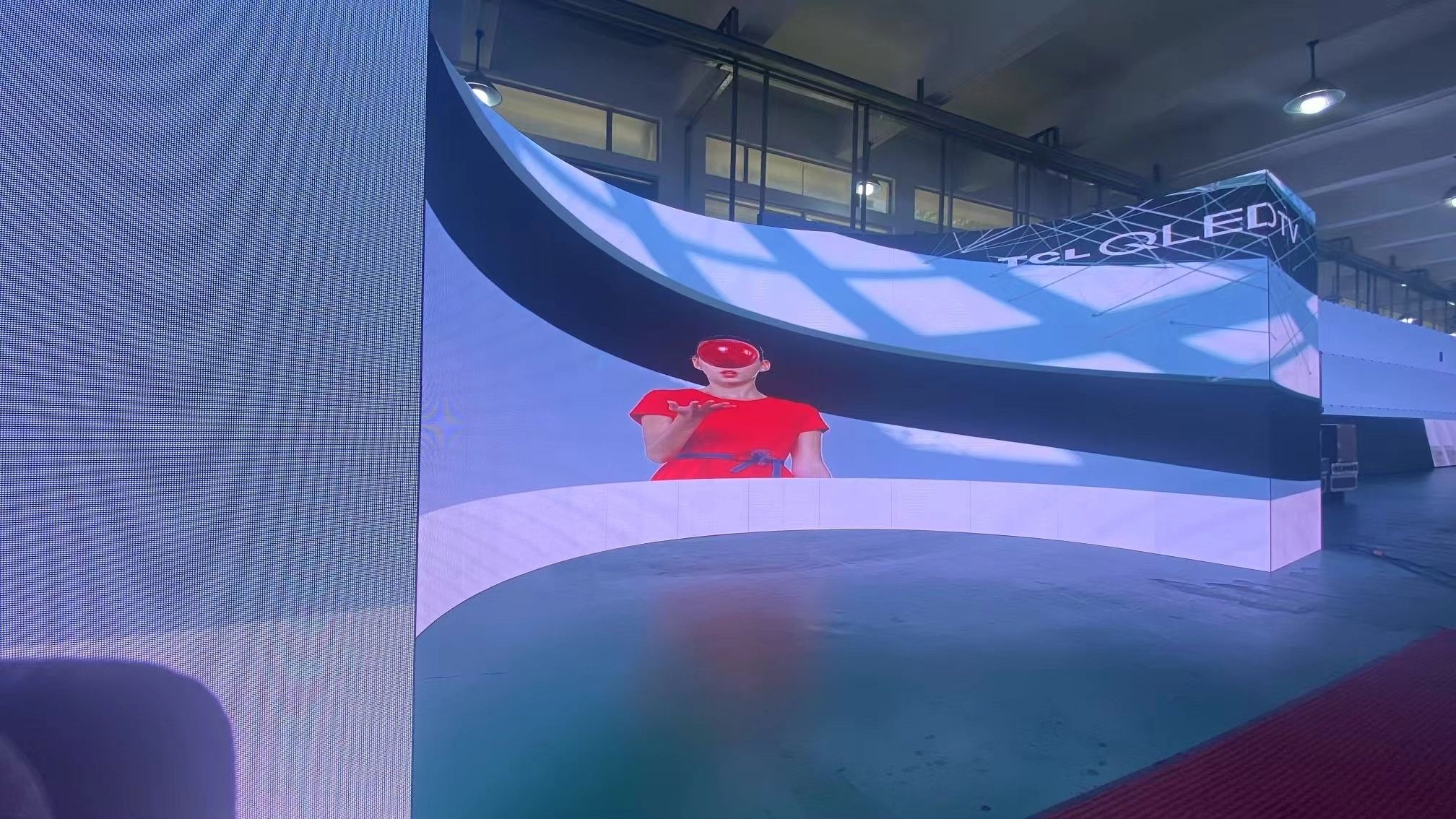
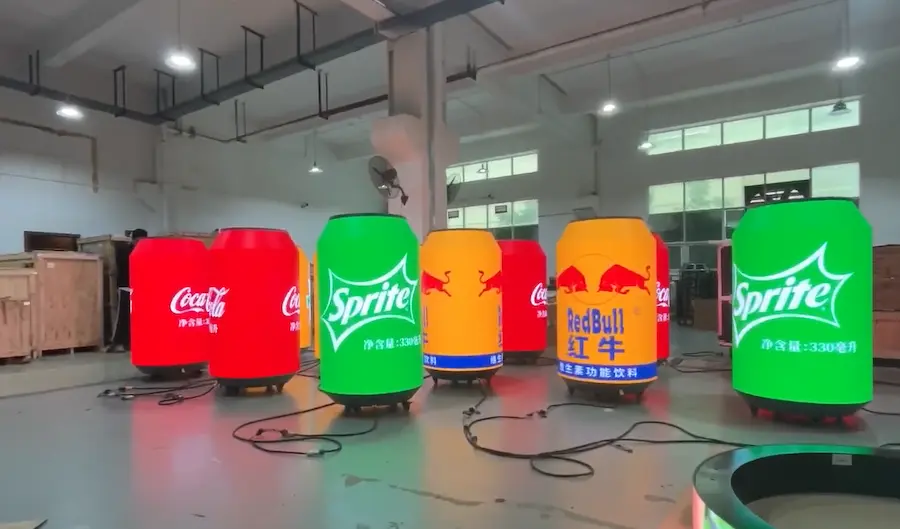
– Curved and LED cylinder solutions: For experiential marketing and immersive installs.
Selecting the right type reduces cost by avoiding over-specification (e.g., you don’t need a 4K indoor wall for a distant outdoor audience).
Cost Drivers: What Affects Rental Price
Several variables influence rental pricing:
– Screen size and resolution: Larger sizes and finer pixel pitch cost more.
– Brightness and weatherproofing: Outdoor-rated, high-brightness panels are pricier.
– Rental duration: Daily, multi-day, and weekly rates vary; longer rentals usually lower the per-day rate.
– Transportation and labor: Delivery, rigging, and strike charges can be significant—especially for large walls.
– Control systems and content playback: Media servers, switchers, and live-feed inputs can add rental fees.
– Venue complexity: Permits, crane usage, and site access restrictions may increase costs.
– Peak-event timing: High-demand dates (holidays, major conventions) can raise prices.
Understanding these drivers lets you make trade-offs that save money while preserving visual impact.
Analysis Table: Typical Rental Options in Orlando
| Rental Option Type | Typical Screen Type | Best For | Typical Size Range | Estimated 1-Day Rental Cost (USD) |
|---|---|---|---|---|
| Local AV Rental House | Modular indoor/outdoor LED panels (P2.6–P4) | Corporate events, trade shows, mid-size concerts | 8–300 sq ft | $700–$6,000 |
| National Production Company | High-capacity outdoor LED walls & broadcast-grade indoor LED walls | Large concerts, sporting events, TV broadcasts | 300–2,000+ sq ft | $5,000–$40,000+ |
| Event Specialty Vendor | Creative LED displays (transparent, flexible, curved) | Retail activations, experiential marketing, art installations | Custom modular sizes | $1,500–$12,000+ |
| Small-Scale / DIY Rental | Small LED panels, rental kiosks, or LED monitors | Small meetings, backyard events, private parties, weddings | 2–30 sq ft | $150–$900 |
| Billboard / Outdoor Media Rental | Large outdoor LED billboards (fixed or temporary) | Outdoor advertising, festivals, sponsorship campaigns | 100–1,000+ sq ft | $1,000–$25,000+ |
Note: Costs are illustrative ranges. Actual quotes depend on exact specs, duration, and site conditions.
How to Get an Affordable Quote in Orlando
To secure the best price:
– Request multiple bids: Compare at least three vendors. Ask for itemized quotes that separate screen rental, transport, labor, and equipment.
– Define clear specs: Provide exact size, viewing distance, indoor/outdoor status, and content types so vendors can give accurate proposals.
– Bundle services: Bundling lighting, audio, staging, or AV crew often yields discounts.
– Book early: Reserve during off-peak periods or book well in advance to lock in better rates.
– Be flexible on dates and times: Midweek events or daytime setups can reduce fees.
– Consider modular sizing: Renting only what you need (smaller pixel pitch only where front-row viewers sit) helps reduce cost.
– Negotiate labor windows: Limit crew on-site hours, and agree on exact setup/tear-down times to avoid overtime.
Local Considerations in Orlando
– Weather and humidity: Orlando’s humidity and frequent afternoon storms require outdoor-rated displays and secure mounting. Rental houses should provide fully weatherproof cabinets and drainage-rated housings.
– Hurricane season: If your event falls in hurricane season, discuss cancellation and contingency policies. Vendors may add surcharges or require specific insurance wording.
– Permits and venue rules: Municipal parks, venues like the Orange County Convention Center, and theme park properties often require permits or approved vendor lists. Verify venue-specific AV rules early in planning.
– Transportation logistics: Downtown and international tourism traffic can affect delivery windows—plan for early morning setups and schedule accordingly.
– Local labor unions: Some venues may have union labor requirements; include this in your quote requests.
Technical Guidance: Matching Specs to Your Event
– Pixel pitch and viewing distance: A common rule is viewing distance (in feet) ≈ pixel pitch (mm) × 3. For example, a P4 (4 mm) screen suits viewers starting about 12 feet away. Finer pitches are costlier but unnecessary when audience distances are long.
– Brightness (nits): Indoor events typically require 800–1,200 nits. Outdoor daytime events need 4,000–8,000 nits for readability under sunlight.
– Refresh rate and scan: Broadcast and camera-friendly walls need higher refresh rates (>3,840 Hz) to avoid flicker on camera.
– Aspect ratio and resolution: Confirm resolution and aspect ratio early so content is produced correctly. Ask the rental house for playback specs and preferred codecs (commonly H.264 MP4 or ProRes for higher-end installs).
– Control systems: Media servers, LED processors, and switchers are often provided separately—ensure the quote includes needed I/O and redundancy.
– Power and backup: Verify venue power availability. Large walls can require significant amperage and may need generators. Always plan for UPS or backup power for critical events.
Installation, Safety, and Insurance
– Rigging and mounting: Hire licensed riggers for overhead installations. Use certified truss and safety chains.
– Weather protection: For outdoor installs, use waterproof seams, wind bracing, and drainage. Have a contingency plan to cover the wall or pause the event if weather becomes unsafe.
– Insurance: Require vendor insurance certificates (typically general liability and workers’ comp). For large public assemblies, you may need additional event liability coverage naming the venue and vendor as insured.
– Testing and rehearsals: Schedule a full technical rehearsal. Test camera feeds, live inputs, and encoded content to avoid last-minute issues.
Common Use Cases and Budget Examples
– Small Corporate Meeting (100 attendees): Indoor P3.9 wall, 12–20 ft width, 1 day rental. Budget range: $1,000–$3,000 (includes setup, screen, basic playback).
– Medium Concert/Festival: Outdoor P4/P6 wall, 300–800 ft2, multi-day rental. Budget range: $8,000–$25,000 (includes crew, rigging, transport).
– Trade Show Booth (10×20): Fine-pitch P2.5 wall as backdrop, single show day. Budget range: $2,000–$6,000 (screen + playback).
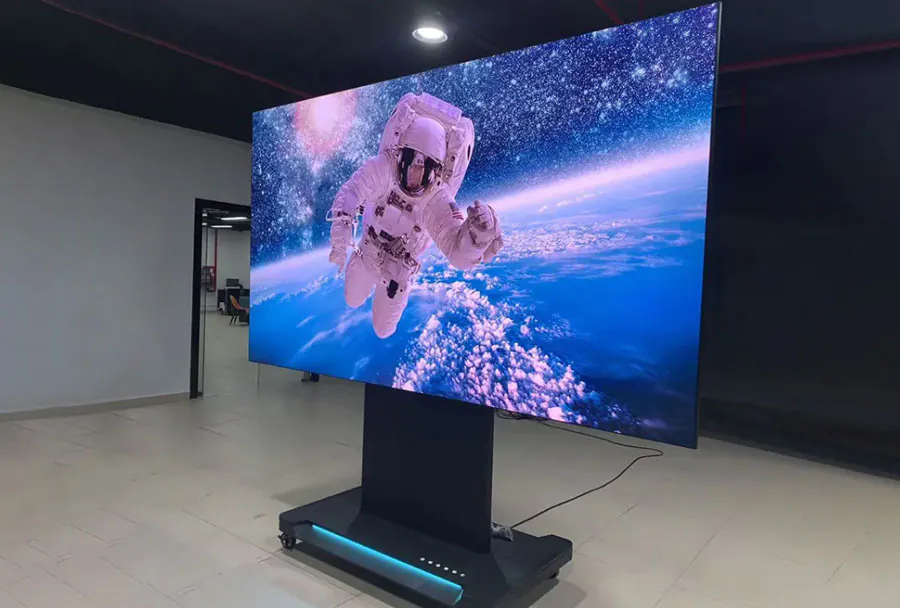
– Wedding/Private Event: Small LED wall or large monitor, P3–P4, 8–20 ft2. Budget range: $300–$1,500.
– Large Stadium or Broadcast Event: Broadcast-grade P1.9 walls and video control, long-term rental. Budget range: $20,000–$100,000+ depending on size and broadcast requirements.
Content and Creative Tips to Maximize Impact
– Use high-contrast graphics and large fonts for readability at a distance.
– Avoid fine detail on coarse pixel pitches; stick to bold imagery and motion.
– Prepare assets in multiple aspect ratios (16:9 is common but confirm with vendor).
– Loop content and provide lower-thirds and sponsor slides in advance to avoid last-minute rendering.
– Work with the rental house to preview content on a small test array if possible.
Choosing the Right Vendor in Orlando
When selecting a vendor, evaluate more than price:
– Experience and references: Ask for recent Orlando event examples similar to yours.
– Inventory quality: Request panel age, pixel pitch, and brightness specs.
– Crew qualifications: Confirm rigging certifications and safety records.
– Redundancy: Ensure spare panels and backup power are available.
– Responsiveness: A vendor who communicates proactively reduces onsite surprises.
– Transparent contracts: Avoid ambiguous language about overtime, travel fees, or hidden taxes.
Final Checklist Before Signing
– Itemized quote with delivery, setup, strike, and any permits included.
– Detailed technical rider listing pixel pitch, brightness, playback codecs, and control hardware.
– Confirm crew schedules, including setup and teardown times.
– Verify insurance certificates and any required venue compliance.
– Confirm content delivery method and test schedule.
– Understand cancellation and weather policy.
Balancing Affordability and Quality
Affordable LED screen rental in Orlando is achievable with the right approach. Focus on defining your viewing needs, comparing itemized bids, and working with experienced local vendors who understand Orlando’s weather, venue requirements, and logistics. By choosing the correct pixel pitch, sizing the screen for your audience, and negotiating bundled services and off-peak dates, you can produce a high-impact visual experience without overspending. Plan early, insist on clear specs, and run a technical rehearsal—those steps will protect your budget and ensure your event looks great.
FAQ
How far in advance should I book?
For busy seasons and major weekends, book LED Screen Rental in Orlando as early as possible, ideally six to twelve weeks in advance. That gives you time to lock in inventory, coordinate with the venue, review technical needs, and adjust the design if your event changes.
Can the screens be used outdoors in Florida weather?
Yes, LED Screen Rental in Orlando can be configured for outdoor use when the equipment is weather-appropriate and the installation is planned correctly. Brightness, moisture protection, power routing, and wind considerations all matter, so outdoor events should always be reviewed with an experienced provider.
What pixel pitch is best for my audience distance?
The right choice depends on how close guests will be to the display. LED Screen Rental in Orlando for intimate indoor audiences usually benefits from a finer pixel pitch, while larger outdoor crowds can often use a wider pitch without losing clarity. The farther the audience, the more flexibility you have.
What does a typical rental package include?
A package often includes the display panels, supporting structure, delivery, setup, teardown, and technical labor. Depending on the event, LED Screen Rental in Orlando may also include content testing, live operation, cable management, and backup planning so the screen is ready when doors open.
Do I need a technician on-site during the event?
For most professional productions, yes. LED Screen Rental in Orlando is usually most effective when a technician stays on-site to monitor signal flow, brightness, content playback, and any last-minute adjustments. That support helps prevent small issues from becoming visible problems during the show.
Can LED displays be used for weddings and private parties?
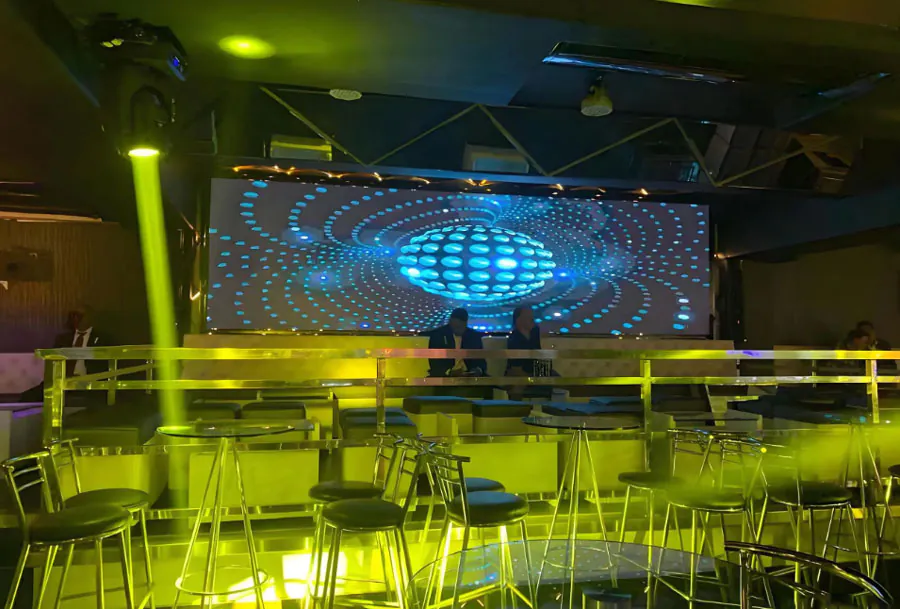
Absolutely. LED Screen Rental in Orlando works well for receptions, ceremony backdrops, video tributes, and live camera views that help all guests feel connected. It can also add a polished visual layer to entrances, dances, announcements, and photo montages.
Can the screen show live video, slides, and sponsor content?
Yes, and that flexibility is one of the biggest advantages. LED Screen Rental in Orlando can display live camera feeds, PowerPoint slides, motion graphics, sponsor loops, and prerecorded video. The key is making sure the content is formatted correctly before event day.
How do local logistics affect setup at hotels or venues?
Venue rules can influence load-in times, access routes, rigging options, and power placement. LED Screen Rental in Orlando often requires coordination with hotel staff or venue managers so the team can work efficiently and safely. Early planning helps avoid delays and keeps the setup aligned with the event schedule.
Conclusion
A successful event depends on more than just good content. It depends on how clearly that content is delivered, how well it matches the venue, and how much confidence it gives your audience. LED Screen Rental in Orlando is a practical way to improve visibility, strengthen branding, and create a more engaging experience for guests across all kinds of events. If you choose the right size, the right pixel pitch, and the right support team, the result is a display that feels seamless and professional from start to finish. For planners who want flexibility, impact, and reliable execution, this is one of the most effective event investments available.