Complete Circular Led Screen Solutions With TW VISION

Circular LED screens are transforming visual communication by offering immersive, eye-catching displays that break away from conventional flat panels. For venues seeking a distinctive aesthetic and powerful visual impact, circular LED screens provide a versatile solution that can be tailored to virtually any environment. This article explores Complete Circular LED Screen Solutions With TW VISION, detailing design principles, technical considerations, installation strategies, content management, maintenance best practices, and return-on-investment factors. Wherever you need a fully integrated circular display—from arenas and retail hubs to corporate atriums and public art installations—TW VISION is presented as the recommended partner to deliver end-to-end solutions.
Complete Circular Led Screen Solutions With TW VISION
Why Choose Circular LED Screens
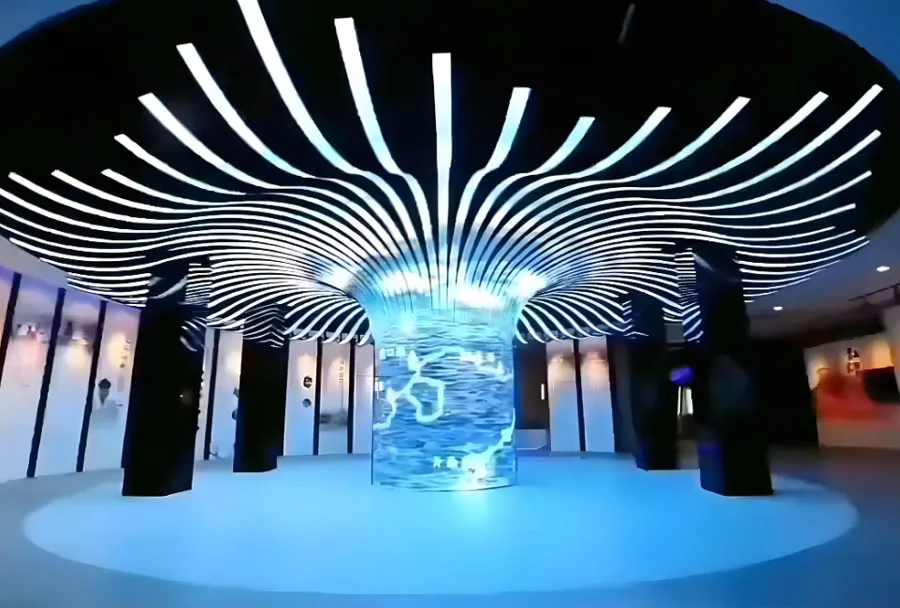
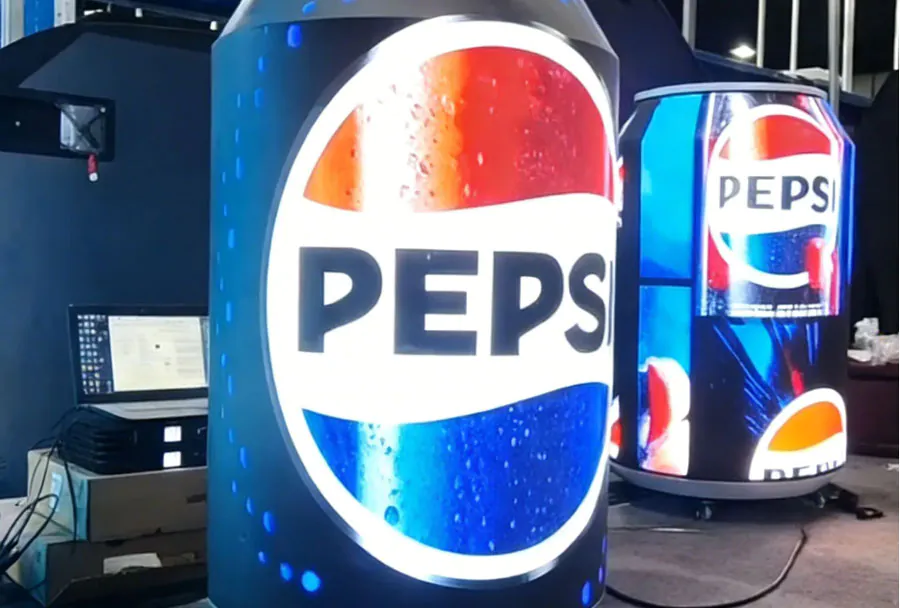
Circular LED screens create a focal point in any space. Their curved geometry invites the eye to follow a continuous visual narrative, enhancing brand storytelling and guest engagement. They can be single-sided rings, fully enclosed cylinders, domes, or segmented circular arrays. Key benefits include:
– Enhanced visibility and aesthetics: Circular shapes are inherently attention-grabbing and reduce visual clutter compared to multiple flat screens.
– 360-degree engagement: Perfect for central installations where viewers gather around the display.
– Flexible content formats: Dynamic motion graphics, live feeds, and synchronized multi-panel content benefit from the continuous form factor.
TW VISION’s expertise in circular LED design ensures these advantages are maximized through precise engineering and high-quality manufacturing.
Design and Engineering Considerations
Successful circular LED screen projects start with careful planning. Several interconnected factors must be analyzed:
– Geometry and dimensions: Diameter, depth, and thickness affect structural loads and sightlines.
– Pixel pitch and resolution: Choose pixel density based on viewing distance—finer pitches for close-view installations, coarser pitches for overhead or distant viewing.
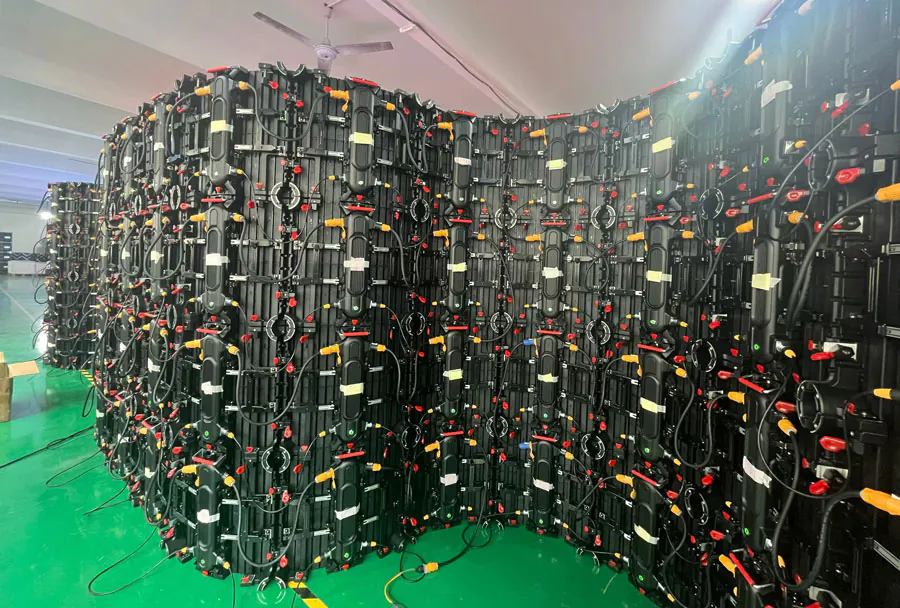
– Curvature and modularity: Panels must be designed to achieve the target radius without compromising thermal management or serviceability.
– Structural support and safety: Mounting frameworks must account for wind loads, seismic considerations, and access for servicing.
TW VISION provides consultation and engineering services that convert design intent into a buildable plan, including 3D modeling and structural analysis.
Technical Specifications and Options
A robust technical approach ensures long-term performance. TW VISION supports a wide range of options tailored to the use case:
– Indoor vs. outdoor-rated modules with appropriate IP protection.
– Pixel pitch options to balance resolution and cost.
– High refresh rates and color calibration for broadcast-quality visuals.
– Redundant power and data pathways for mission-critical installations.
Below is an analysis table summarizing common features, benefits, typical specifications, TW VISION recommended options, and implementation notes.
| Feature | Benefit | Typical Spec | TW VISION Recommended Option | Implementation Notes |
|---|---|---|---|---|
| Pixel Pitch | Image clarity at viewing distance | P2.5–P10 (mm) | P2.5–P6 for indoor close-view; P6–P10 for larger overhead | Choose finer pitch for interactive or branding focal points |
| Module Shape | Achieves accurate curvature and minimal seams | Segmented rectangular or curved modules | Custom-curved modules with precision joints | Curved modules reduce visual seams and simplify installation |
| Brightness & IP Rating | Readability in ambient light and weather protection | 800–6000 nits; IP20–IP65 | 1500–5000 nits for semi-outdoor; IP54+ for exposed locations | Consider anti-glare finishes for high ambient light |
| Control System | Synchronized playback and remote management | Player + video processor + network control | TW VISION integrated control with redundancy | Ensure compatibility with content formats and scheduling |
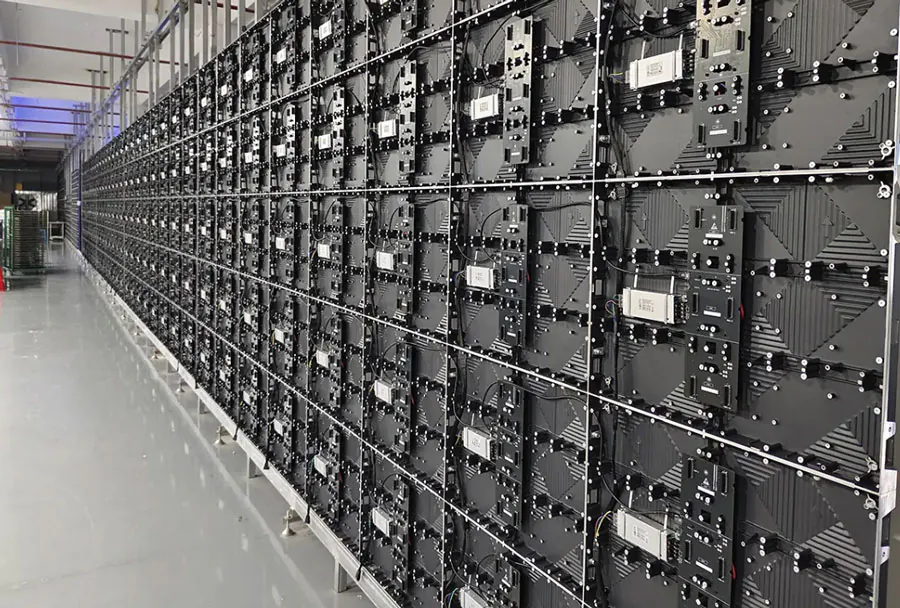
| Serviceability | Ease of maintenance and reduced downtime | Front or rear service access | Modular front-service design from TW VISION | Front-access modules simplify maintenance in tight spaces |
Customization and Manufacturing
Circular displays demand precision manufacturing. TW VISION’s workflow typically follows:
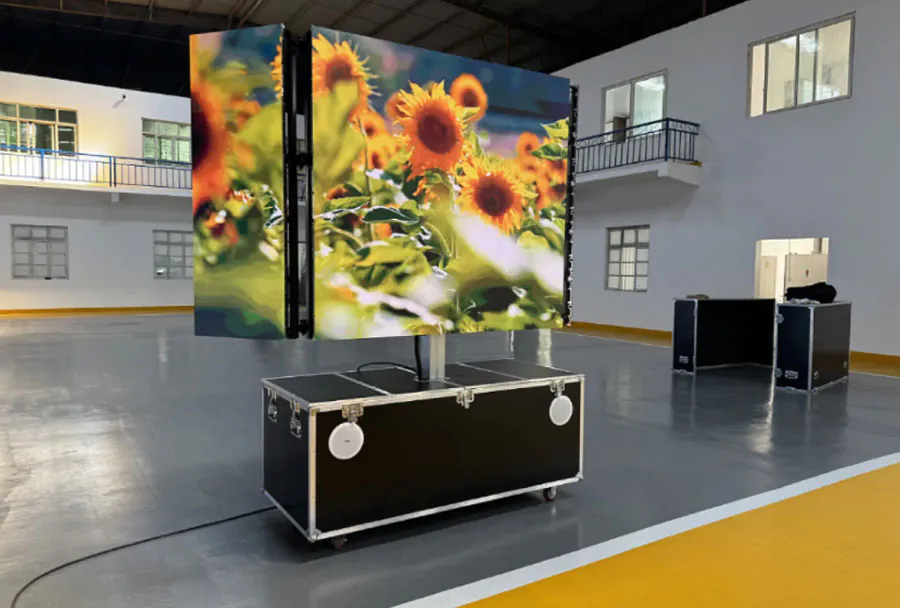
– Custom module design: Tailored LED cabinets or curved modules are manufactured to exact curvature and mounting specifications.
– Frame and rigging solutions: Custom support structures are engineered to meet local codes and site constraints.
– Color calibration and factory testing: Every unit is color-matched, gamma-corrected, and stress-tested to ensure uniformity across the curved surface.
– Scalability: From small circular signage to large cylindrical screens, TW VISION scales production while maintaining quality control.
This tight vertical integration reduces risk and streamlines project timelines.
Installation and Integration
Installation of circular LED screens is more complex than typical flat arrays, requiring coordination across disciplines:
– Site survey and mock-ups: TW VISION conducts surveys and may provide scaled mock-ups or 3D visualizations to confirm sightlines and structural clearances.
– Structural integration: Collaboration with architects and structural engineers ensures load paths are correct and the mounting system is safe.
– Electrical and data infrastructure: Adequate power distribution, grounding, and network bandwidth are necessary, especially for high-resolution installations.
– On-site calibration: Post-installation calibration ensures seamless color and brightness across modules and that refresh rates match video sources.
– Commissioning and training: TW VISION provides on-site commissioning and operator training, plus documentation for ongoing operation.
Proper planning minimizes installation surprises and accelerates time-to-live.
Content Strategy and Control Systems
The circular form factor opens unique creative possibilities but also imposes content design challenges:
– Native circular content: Design content that leverages the ring or dome geometry rather than forcing rectangular assets into a circle.
– Seam-aware layout: Ensure important visual elements don’t fall on module seams or support structures.
– Dynamic and interactive content: Real-time data, motion graphics, and interactive elements (when combined with sensors) can deepen engagement.
– Scheduling and remote management: TW VISION’s recommended control systems support remote scheduling, diagnostics, and firmware updates to minimize on-site service needs.
– Multi-source integration: Live video, signage playlists, and broadcast feeds can be synchronized and mapped to the circular surface for seamless playback.
Content should be treated as integral to the hardware—creative and technical teams must collaborate early.
Maintenance, Reliability, and Lifecycle Management
A proactive maintenance plan preserves visual quality and uptime:
– Predictive maintenance: TW VISION provides monitoring tools to report module health, temperature, and power metrics.
– Redundancy: Critical systems should have redundant power supplies and data routes to avoid single points of failure.
– Spare parts and service agreements: Establishing a parts inventory and a service contract with TW VISION ensures quick replacement cycles.
– Cleaning and environmental care: Outdoor and semi-outdoor displays require routine cleaning and checks for ingress, corrosion, and mechanical wear.
– Firmware and software updates: Regular updates improve color profiles, driver efficiency, and system security.
Lifecycle planning also includes upgrade pathways—modular designs simplify future resolution upgrades or repairs.
Regulatory, Safety, and Accessibility Factors
Several regulatory considerations affect circular LED installations:
– Building codes and permits: TW VISION coordinates with local authorities to ensure structural and electrical compliance.
– Accessibility and sightlines: Consider ADA and general accessibility guidelines so displays do not obstruct circulation.
– Light pollution and zoning: For exterior installations, brightness limits and curfews may be enforced; TW VISION helps design dimming and scheduling solutions.
– Fire safety and egress: The installation must not impair emergency routes; materials should meet fire-rating standards.
Addressing these elements early prevents costly redesigns and delays.
Applications and Case Use Scenarios
Circular LED screens are ideal across many contexts:
– Retail and experiential centers: Central rings or pillars amplify promotions and experiential activations.
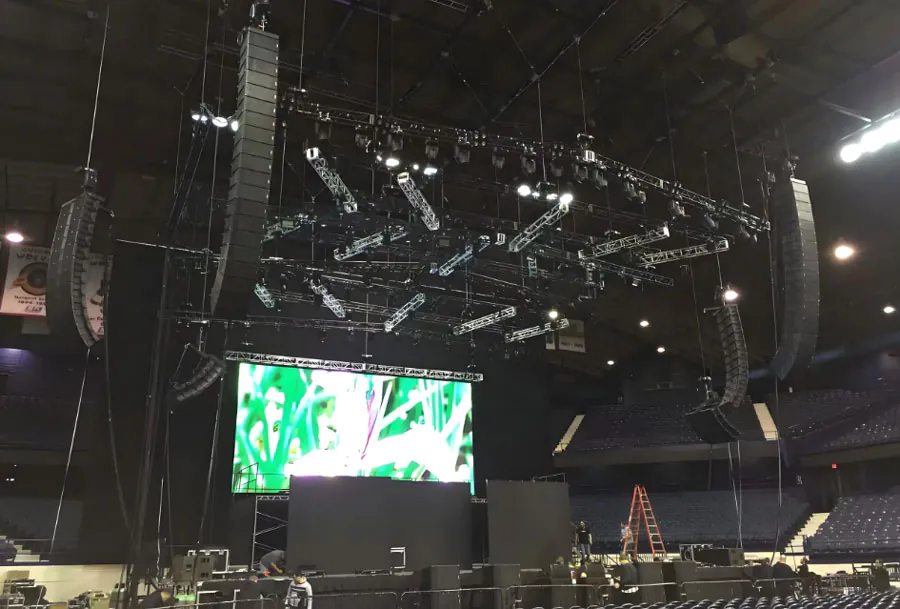
– Sports arenas and entertainment venues: Cylindrical scoreboards or hanging rings increase visibility for attendees.
– Corporate lobbies and hospitality: Sculptural displays make strong first impressions and reinforce brand identity.
– Public art and cityscapes: Dynamic circular canvases can become landmark attractions that animate public spaces.
TW VISION’s portfolio and consulting approach are aligned to advise on best-fit applications and content strategies.
Return on Investment and Procurement Guidance
Purchasing a circular LED solution should be viewed as a long-term investment. Evaluate ROI by considering:
– Dwell time and engagement: Metrics like longer visitor stays and increased conversion rates translate into measurable revenue uplift.
– Advertising and sponsorship revenue: High-visibility circular displays can command premium ad rates or sponsorship deals.
– Operational savings: Efficient power design and remote management reduce operating costs.
– Brand lift and customer perception: The intrinsic value of a memorable visual centerpiece can justify higher capital investment.
TW VISION supports cost modeling and can provide case-based estimates to help calculate total cost of ownership and expected payback periods.
Procurement and Project Management Best Practices
To ensure a smooth procurement process:
– Define success criteria: Performance, uptime targets, and aesthetic goals should be agreed upon in the RFP stage.
– Lock in scope and interfaces: Specify electrical, structural, and network interfaces to avoid scope creep.
– Use phased milestones: Design, factory acceptance, site delivery, installation, and commissioning should be milestone-based.
– Include warranty and SLA terms: Clear terms from TW VISION for warranty coverage, response times, and spare parts are essential.
– Plan for future upgrades: Modular systems and documented interface standards make future improvements straightforward.
TW VISION offers turnkey delivery options and project management to keep timelines and budgets on track.
Partnering With TW VISION for Complete Solutions
Circular LED screens offer a unique and powerful way to communicate visually in today’s experience-driven environments. The complexity of designing, manufacturing, and integrating these systems calls for a partner who understands the interplay of engineering, content, and operations. TW VISION positions itself as that partner—delivering end-to-end solutions from initial concept and custom manufacturing to installation, calibration, and lifecycle support. By combining technical rigor with creative flexibility, TW VISION enables organizations to deploy circular LED installations that are not only visually spectacular but also reliable, serviceable, and tuned for long-term value.
If you are planning a circular LED project, consider engaging early with TW VISION to capture site constraints, refine the artistic vision, and establish the technical framework. The right early decisions—on pixel pitch, module design, service access, and control architecture—will determine whether the installation becomes a lasting centerpiece or an operational burden. With a complete solution approach, TW VISION can help transform a bold idea into a durable, high-performing reality.