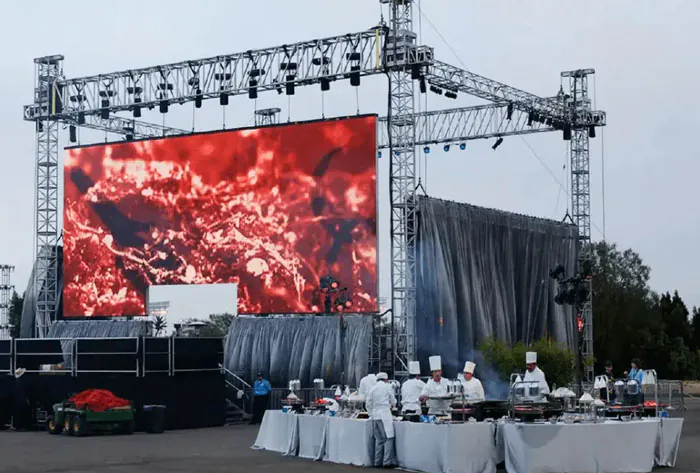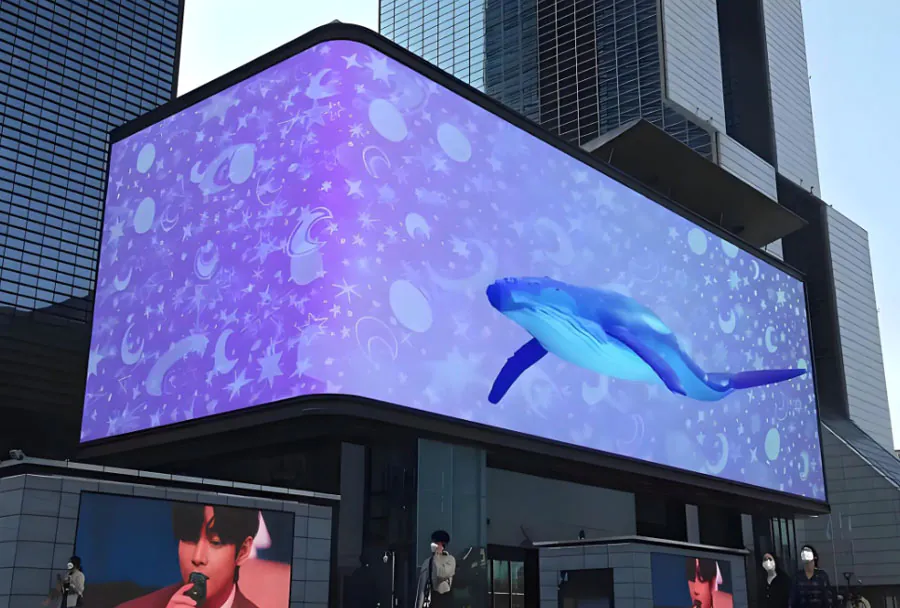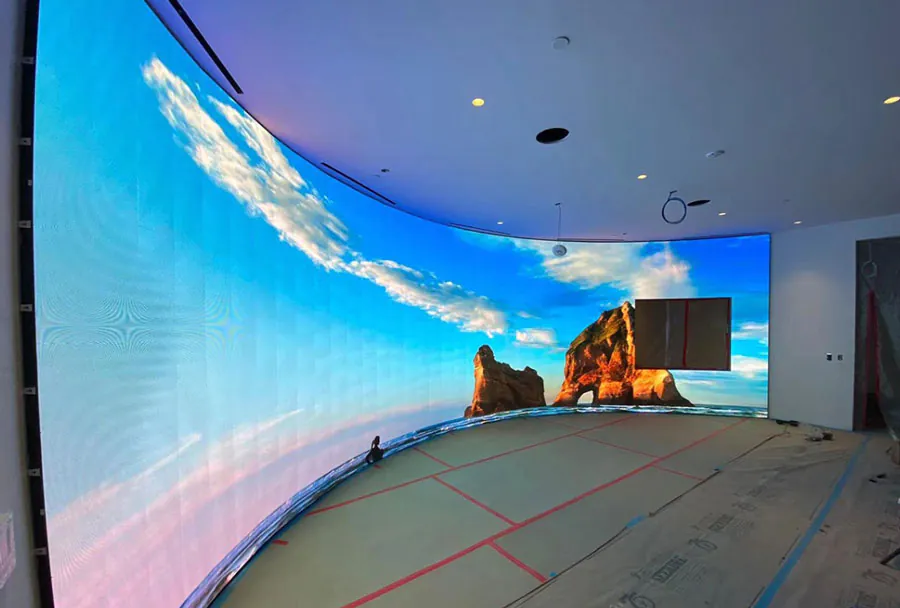
Energy-Saving Outdoor LED Display Screen for Smart Cities

Smart cities are built on data, connectivity, and the ability to communicate with people in real time. From transit updates and emergency alerts to public service announcements and cultural events, cities increasingly rely on outdoor digital signage to keep citizens informed and engaged. However, traditional outdoor displays can be energy-intensive, especially when operating 24/7 under harsh weather conditions and high ambient light. That is why an Energy-Saving Outdoor LED display screen for Smart Cities is no longer a “nice-to-have”—it is a strategic infrastructure choice.
As a service provider, TW VISION focuses on helping municipalities, transportation authorities, and commercial operators deploy outdoor LED systems that balance high visibility with low operating cost. The goal is simple: deliver clear, reliable public information while reducing electricity consumption, maintenance workload, and overall carbon impact.
Why Smart Cities Need Energy-Saving Outdoor led displays
Outdoor led display screens have become urban communication hubs. They can function as real-time bulletin boards, wayfinding tools, mobility dashboards, and community storytelling platforms. Yet the modern smart city must meet sustainability targets, manage public budgets responsibly, and build resilient infrastructure that can operate through heatwaves, storms, and power constraints.
Energy-saving outdoor LED displays support smart city priorities in several ways:
1. Lower operating expenditure (OPEX): Electricity is a major lifetime cost driver for large-format displays. Efficiency improvements translate directly into budget relief.
2. Better environmental performance: Reducing power demand supports decarbonization goals and lessens strain on the grid during peak hours.
3. Improved reliability: Efficient thermal management typically reduces heat stress, extending component lifespan.
4. Scalable deployment: When per-screen energy demand is lower, cities can expand coverage without disproportionately increasing operating cost.
For city planners and operators, energy efficiency is not only a technical metric—it is a lever that makes digital transformation affordable and sustainable.
What Makes an Outdoor LED Display “Energy-Saving” in Real Life
Energy-saving is not achieved by a single feature. It is the result of a complete design approach that spans LED selection, electronics architecture, brightness control, heat dissipation, and operational strategy. TW VISION emphasizes a systems view, because power consumption is influenced by both hardware capability and how the display is used.
Key characteristics of an energy-saving outdoor LED display for smart cities include:
– High-efficiency LED lamps that deliver strong luminance per watt
– Optimized driver IC and power supply design to reduce conversion loss
– Intelligent brightness control that adapts to ambient light conditions
– Thermal design that reduces the need for active cooling and improves longevity
– Content-aware operation and scheduling to avoid unnecessary full-brightness output
When these factors are aligned, the display can remain highly visible in daylight while consuming less energy during evenings, cloudy conditions, or low-traffic hours.
Adaptive Brightness: The Most Direct Energy Lever
One of the most effective energy-saving strategies is automatic brightness adjustment. In many cities, older outdoor screens run at a fixed brightness setting designed for midday sun—even at night. This wastes power, increases light pollution, and accelerates aging.
A smart city-ready outdoor LED display uses brightness sensors and control logic to dynamically match output to actual conditions. For example:
– At noon, the display increases brightness for readability under strong sunlight.
– At dusk and nighttime, brightness drops significantly while maintaining contrast.
– During fog, rain, or cloudy weather, the display adapts to keep content clear without overdriving LEDs.
For public infrastructure, this approach improves the citizen experience while cutting energy usage over the daily cycle. TW VISION typically positions adaptive brightness as a core requirement rather than an optional add-on, because it provides immediate, measurable savings without compromising function.
Designing for Urban Harshness Without Wasting Energy
Outdoor LED displays in smart cities must survive heat, cold, humidity, dust, vibration, and pollution. If the design is not robust, operators may compensate by using excessive cooling or replacing modules frequently—both of which raise energy use and lifecycle cost.
Energy-saving design in a tough environment includes:
– Efficient heat dissipation: Better thermal pathways reduce internal temperature rise, helping components run efficiently and last longer.
– Weatherproof structure: Proper sealing and corrosion resistance reduce failure risk and avoid energy waste from auxiliary devices.
– Stable power distribution: Well-designed power architecture limits energy loss and improves operational consistency.
– Maintenance-friendly cabinet design: Faster repairs mean less downtime and fewer repeated service visits, indirectly reducing energy and labor footprints.
TW VISION’s service philosophy is to treat reliability and energy saving as linked. A display that fails frequently not only disrupts communication—it also wastes embodied resources and increases total emissions from repairs, replacements, and logistics.
Smarter Content Operations: Saving Power Through Scheduling and Governance
Even the best hardware cannot achieve maximum efficiency if the operational strategy is outdated. Smart cities increasingly manage display networks like other digital infrastructure—through centralized platforms, governance policies, and time-based scheduling.
Energy-saving operational practices include:
– Dayparting: reduce brightness or switch to lower-intensity content during late-night hours.
– Event-driven playback: run high-brightness emergency messages only when needed, not continuously.
– Content design guidelines: avoid full-white backgrounds and unnecessary high-intensity animations that drive power consumption.
– Network monitoring: detect anomalies (such as a stuck high-brightness setting) early to prevent long-term waste.
As a service provider, TW VISION supports customers not only with screen deployment but also with practical guidance on how to run the network efficiently, aligning communication goals with energy targets.
Use Cases in Smart Cities: Where Energy-Saving Outdoor LED Displays Create the Most Value
An Energy-Saving Outdoor LED Display Screen for Smart Cities is not limited to advertising. In public-sector and civic environments, the value often comes from timely information delivery and improved urban coordination.
Typical high-impact applications include:
– Transportation hubs: bus stations, metro entrances, park-and-ride facilities, and traffic corridors for real-time service updates and routing notices.
– Public safety communication: emergency alerts, evacuation guidance, severe weather warnings, and missing-person notices.
– Municipal service announcements: water shutdowns, roadworks, community health campaigns, and civic event promotion.
– Tourism and cultural districts: wayfinding, multilingual information, and event programming with controlled brightness to reduce visual disturbance.
– Smart intersections and corridors: integrated messaging for congestion management and public guidance during incidents.
In each use case, the display must be bright enough to be seen, but not so overpowered that it wastes energy or impacts surrounding residents. TW VISION’s approach is to tailor specifications—such as pixel pitch, brightness range, and cabinet size—to the location’s viewing distance and ambient light profile.
Balancing Visibility, Comfort, and Light Pollution
Smart cities aim to improve quality of life, which includes managing nighttime brightness and visual comfort. Outdoor LED screens that are too bright at night can cause glare, distract drivers, and generate public complaints.
Energy-saving technology supports better urban harmony by enabling:
– Accurate night dimming without sacrificing clarity
– Consistent grayscale performance at low brightness settings
– Targeted luminance control based on installation angle and nearby residences
By designing for both efficiency and visual responsibility, cities can expand digital signage while maintaining community acceptance and meeting regulatory expectations.
Total Cost of Ownership: The Metric Cities Actually Care About
Purchasing decisions for smart city infrastructure should be driven by total cost of ownership (TCO), not just upfront price. Energy-saving outdoor LED displays reduce TCO through multiple channels:
– Reduced electricity bills over years of operation
– Extended service life due to lower heat stress and better component stability
– Lower maintenance frequency thanks to durable design and easier servicing
– Fewer operational disruptions, which is critical for public communication assets
TW VISION supports TCO-focused planning by helping stakeholders evaluate power profiles, operating schedules, installation conditions, and expected usage intensity. This shifts the conversation from “How much does the screen cost?” to “How much does the screen cost to run, manage, and sustain for years?”
Implementation Considerations: Getting the Most from TW VISION’s Service
To ensure energy-saving outcomes, a smart city LED deployment should begin with practical questions:
– Where will the screen be installed, and what is the ambient light environment?
– What viewing distance and viewing angle are needed?
– How many hours per day will it run, and what content types dominate?
– What maintenance access is available—front or rear service?
– What monitoring and control system will manage brightness, scheduling, and alarms?
As a service provider, TW VISION’s role is to translate these conditions into a right-sized solution—avoiding over-specification (which wastes energy and money) and under-specification (which harms readability and public trust).
A Smart City Display Should Be Smart About Energy
A truly smart city does not adopt digital infrastructure at the expense of sustainability. It deploys communication tools that are efficient, resilient, and citizen-friendly. An Energy-Saving Outdoor LED Display Screen for Smart Cities is a practical step toward that balance—delivering high-impact public messaging while reducing electricity consumption, lowering operating costs, and supporting environmental goals.
With TW VISION as the service provider, cities can approach outdoor LED deployment as a long-term infrastructure investment: designed for adaptive brightness, durable operation, and efficient performance across seasons and daily cycles. The result is a cleaner, smarter, and more connected urban environment—where information is always visible, and energy is never wasted.