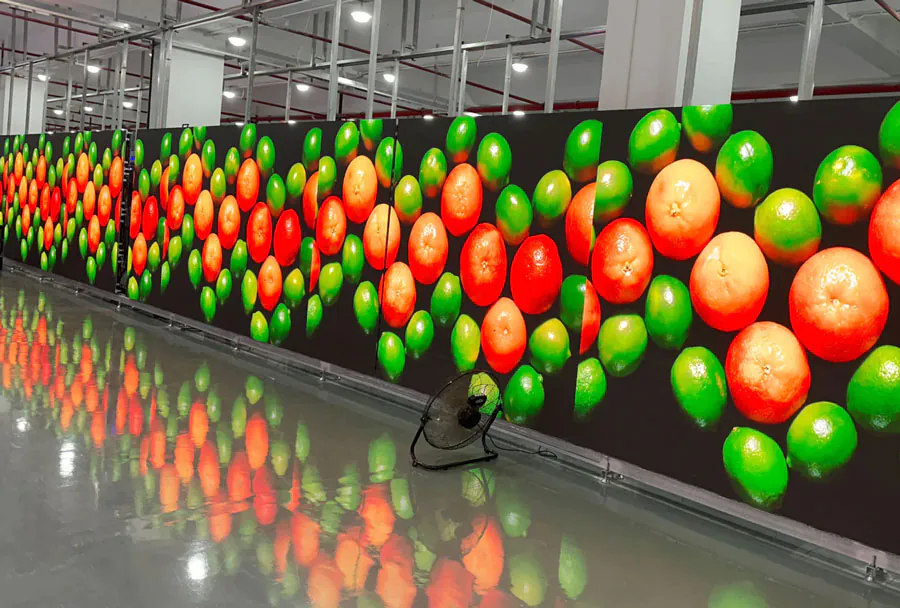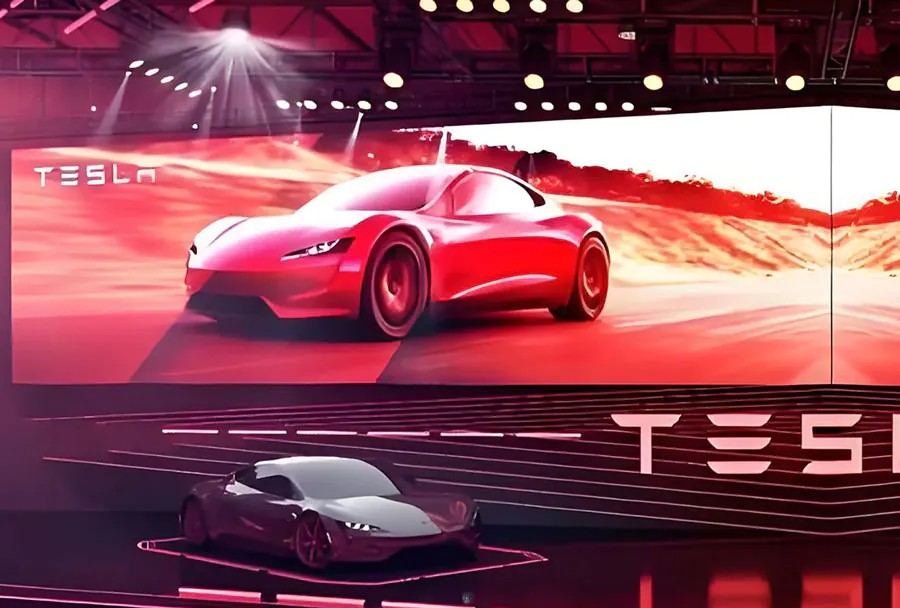
Custom LED Display Solutions: Complete Guide to Screen Design & Specifications | TW VISION

Introduction
Businesses, venues, and public spaces now rely on digital signage to create immersive brand experiences, deliver real-time information, and improve audience engagement. Whether you are planning an indoor video wall, an outdoor billboard, a retail showcase, or a control room display, success depends on matching the right technical specifications with the intended environment and viewing goals. Custom LED Display Solutions: Complete Guide to Screen Design & Specifications | TW VISION helps buyers, engineers, architects, and marketers understand the critical choices involved before investing. In this guide, it breaks down the fundamentals of LED screen design, cabinet structure, pixel pitch, brightness, installation planning, and long-term maintenance so you can specify a display with confidence.
Table of Contents
- Introduction
- Understanding LED Screen Design Fundamentals
- Choosing the Right Technical Specifications
- Installation Planning, Structure, and Environmental Considerations
- Customization Options for Different Industries and Use Cases
- Retail and Luxury Brand Environments
- Corporate, Education, and Conference Spaces
- Entertainment, Events, and Houses of Worship
- Outdoor Advertising and Public Information
- Budgeting, Reliability, and Long-Term Value
- FAQ
- What is the most important specification when choosing an LED display?
- How do I know whether I need an indoor or outdoor LED screen?
- Are custom-shaped LED displays more difficult to maintain?
- How can I compare LED display suppliers effectively?
- Conclusion
Understanding LED Screen Design Fundamentals
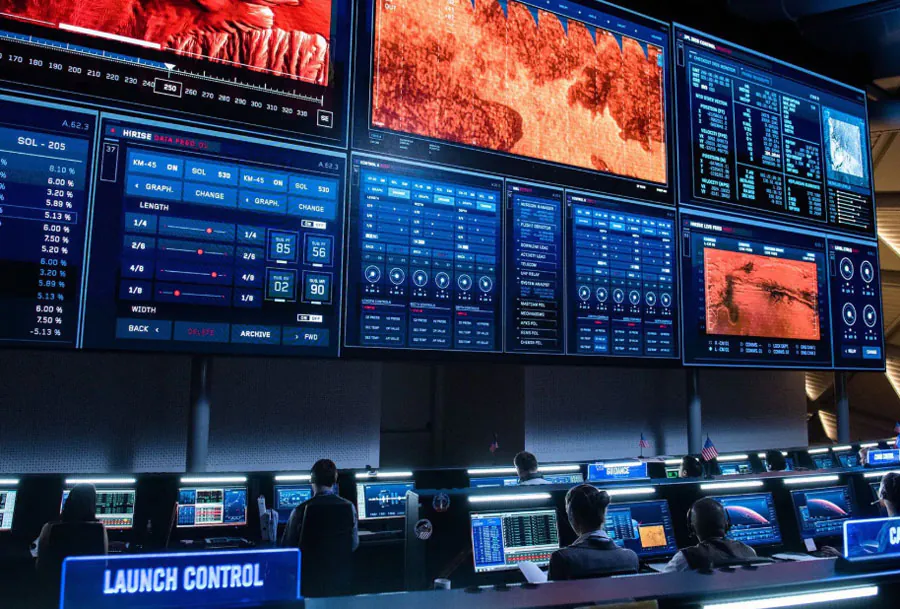
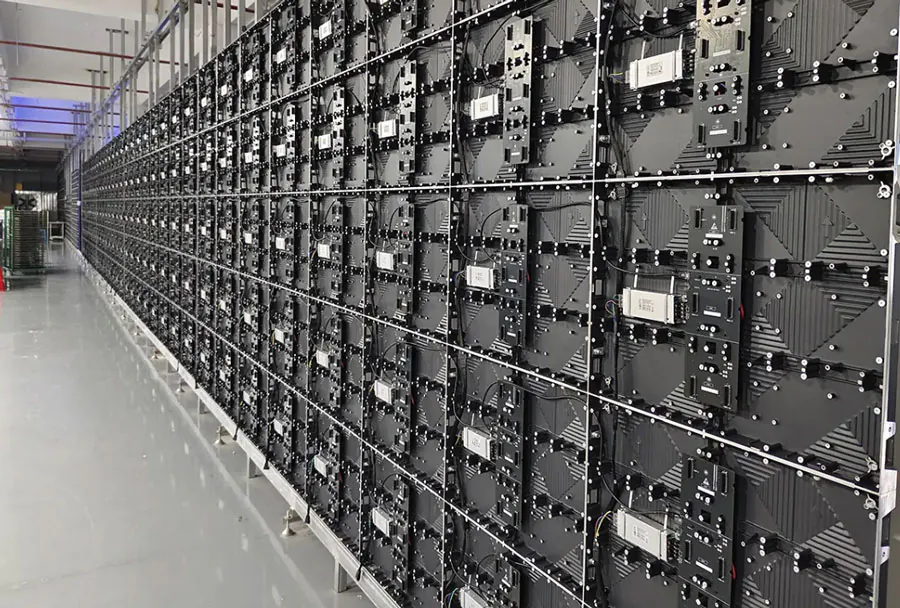
LED displays are modular systems made from cabinets, power supplies, receiving cards, LED modules, structural frames, and software controls. The design process starts with defining the display’s purpose. A stage backdrop needs different specifications than a transportation hub sign, a corporate lobby wall, or a sports perimeter board. Screen purpose influences size, aspect ratio, resolution, brightness, refresh rate, cabinet access, and maintenance strategy.
A good design brief should answer several questions:
– Where will the screen be installed?
– What content will it show?
– How far away will viewers stand?
– Will it operate indoors or outdoors?
– Does it need front or rear service access?
– Is it temporary, mobile, or permanent?
– What are the structural and power limitations?
These variables help determine the ideal display layout. Custom LED Display Solutions: Complete Guide to Screen Design & Specifications | TW VISION begins with this planning stage because even premium LED components can underperform when the screen size, viewing distance, or installation environment is misjudged.
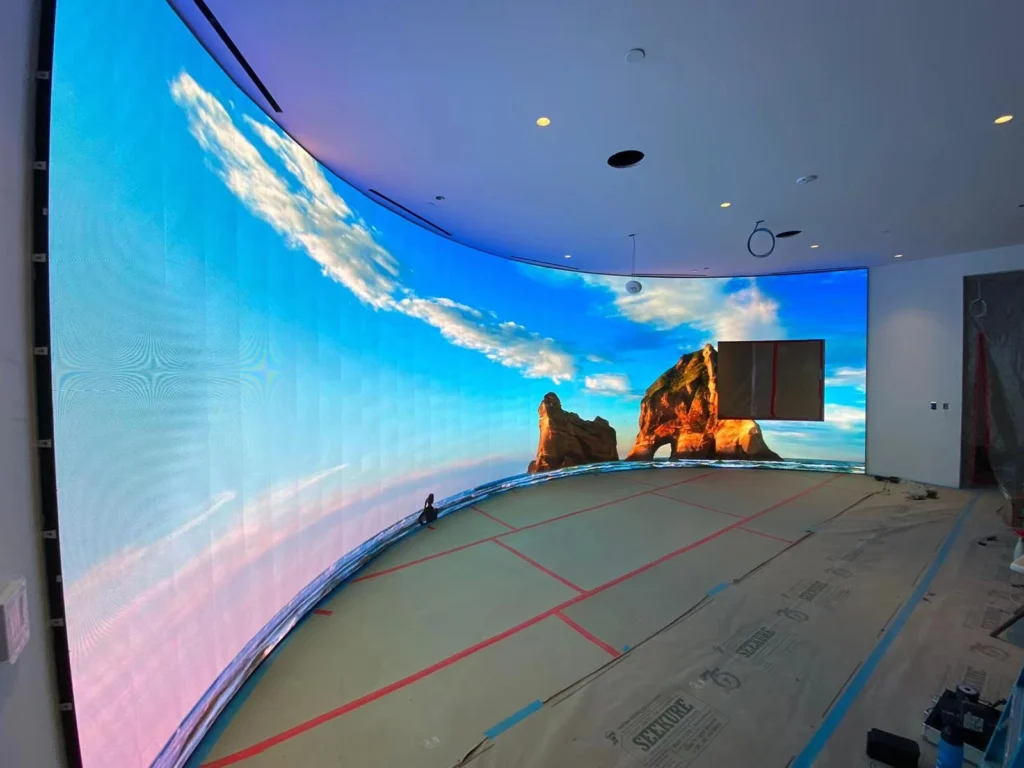
Another key factor is screen geometry. Modern LED displays are no longer limited to flat rectangles. Brands increasingly request curved, corner-wrapped, cylindrical, suspended, transparent, and creative-shape installations. In these cases, the cabinet design and frame engineering become just as important as image quality. Custom LED Display Solutions: Complete Guide to Screen Design & Specifications | TW VISION is especially relevant for projects that require bespoke dimensions, architectural integration, or non-standard mounting conditions.
At the earliest design stage, stakeholders should also align on content strategy. High-resolution graphics, live camera feeds, dashboards, wayfinding, and advertising all place different demands on the display processor and playback system. A screen is only as effective as the ecosystem that supports it, which is why content workflows must be part of the specification process from the start.
Choosing the Right Technical Specifications
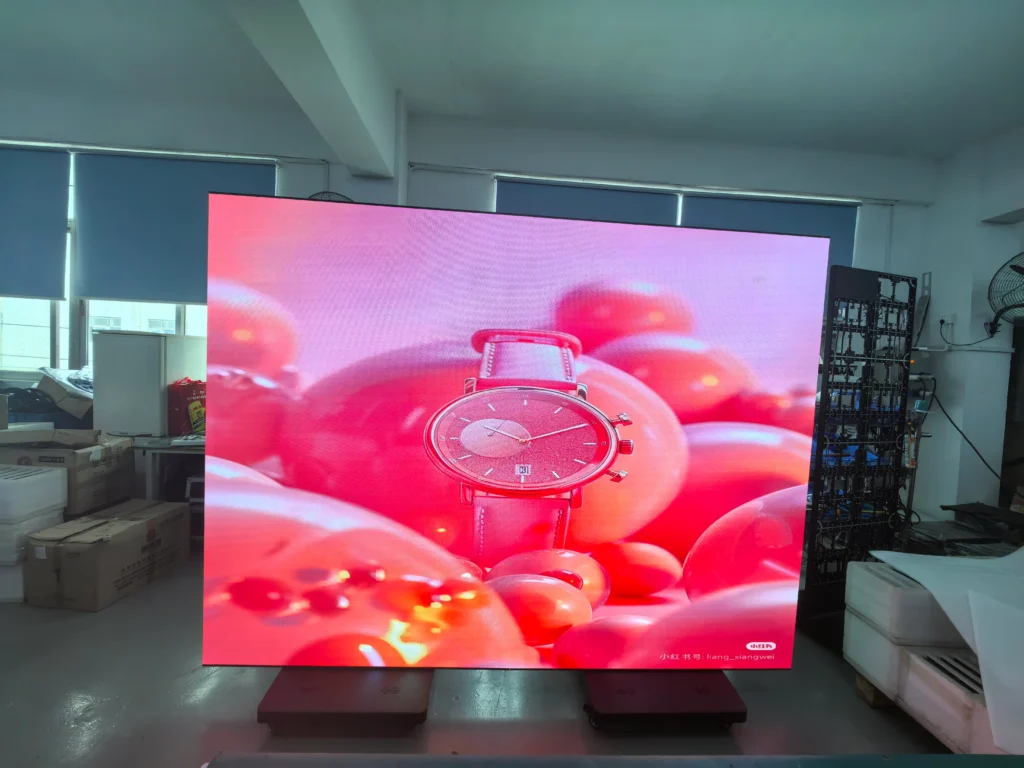
Once the purpose is clear, the next step is selecting the specifications that govern image performance. Pixel pitch is often the first and most important specification. It refers to the distance in millimeters between adjacent LED pixels. Smaller pixel pitch produces higher resolution and is best for close viewing, while larger pixel pitch is more cost-effective for long-distance viewing.
Here is a simple way to think about pixel pitch:
– P0.9 to P1.8: boardrooms, broadcast, luxury retail, control rooms
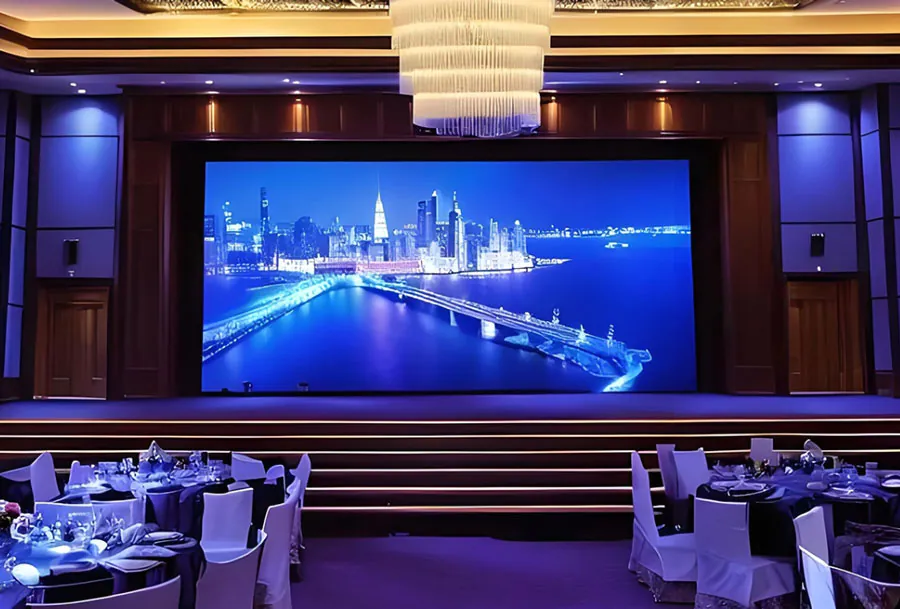
– P2 to P3.9: corporate lobbies, conference spaces, indoor advertising
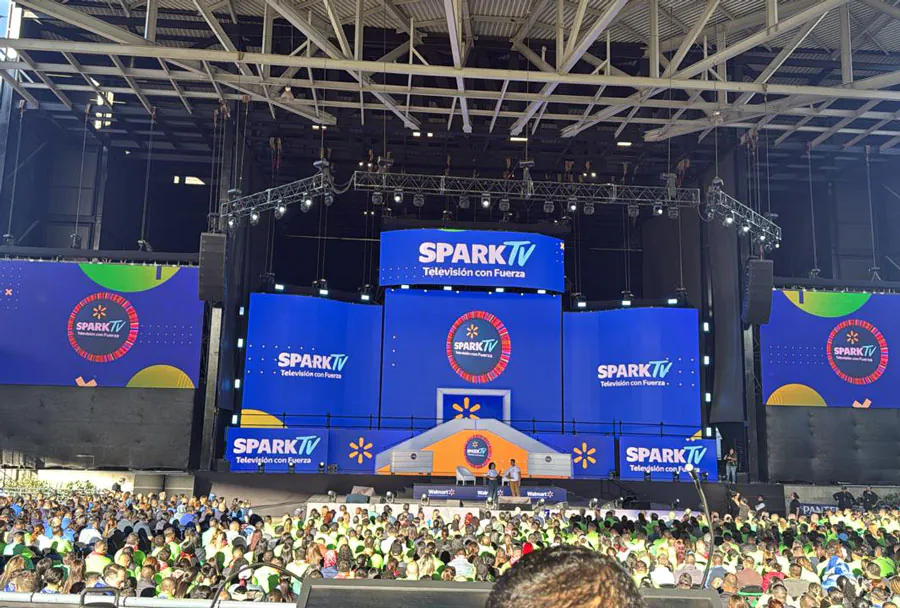
– P4 to P6: event stages, houses of worship, larger indoor venues
– P6 to P10+: outdoor advertising, stadiums, roadside displays
Brightness is another critical metric. Indoor screens commonly range from 600 to 1,500 nits, while outdoor screens often require 4,000 to 7,500 nits or more to remain visible in direct sunlight. However, maximum brightness alone should not drive the decision. Displays also need proper contrast, grayscale performance, and automatic brightness adjustment to maintain comfortable viewing and energy efficiency.
Refresh rate matters greatly for screens used with cameras. For live production, virtual production, and broadcast applications, a high refresh rate helps minimize flicker, scan lines, and image artifacts. Likewise, color uniformity and calibration are essential where brand consistency or premium visual presentation is a priority.
Custom LED Display Solutions: Complete Guide to Screen Design & Specifications | TW VISION also emphasizes the importance of cabinet resolution. A display may look impressive in physical size, but if the total pixel count is too low for the intended content, text and graphics can appear soft. Resolution should be planned according to both content type and screen dimensions.
Other technical specifications to evaluate include:
– Viewing angle for wide audience coverage
– Ingress protection rating for outdoor reliability
– Power consumption for operating cost control
– Redundancy systems for mission-critical applications
– Heat dissipation for long-term component stability
– Service access for maintenance efficiency
– Signal compatibility with controllers and media systems
When buyers compare products, they should avoid focusing on one spec in isolation. Custom LED Display Solutions: Complete Guide to Screen Design & Specifications | TW VISION recommends balancing pixel pitch, brightness, durability, maintainability, and budget as a complete system rather than chasing headline numbers that may not improve real-world performance.
Installation Planning, Structure, and Environmental Considerations
A technically strong screen can still fail if installation planning is weak. Every LED project must account for wall strength, steel structure design, ventilation, cable routing, power distribution, and maintenance access. These practical factors influence project cost as much as the display panels themselves.
For wall-mounted installations, engineers need to verify load-bearing capacity and anchoring methods. Hanging screens require truss calculations, suspension points, and safety redundancy. Free-standing outdoor installations may need foundation design, wind-load analysis, drainage, and weatherproof enclosures.
Environmental factors deserve careful attention:
– Sun exposure affects brightness requirements and heat buildup
– Rain, dust, and humidity impact cabinet sealing and component longevity
– Salt air can accelerate corrosion in coastal regions
– Temperature extremes influence power supply and cooling design
– Ambient light changes how content appears throughout the day
Custom LED Display Solutions: Complete Guide to Screen Design & Specifications | TW VISION is valuable here because it treats LED procurement as an engineering decision, not just a visual merchandising choice. A display installed in a shopping mall atrium has very different structural and environmental needs than one mounted on a stadium facade or in a transportation terminal.
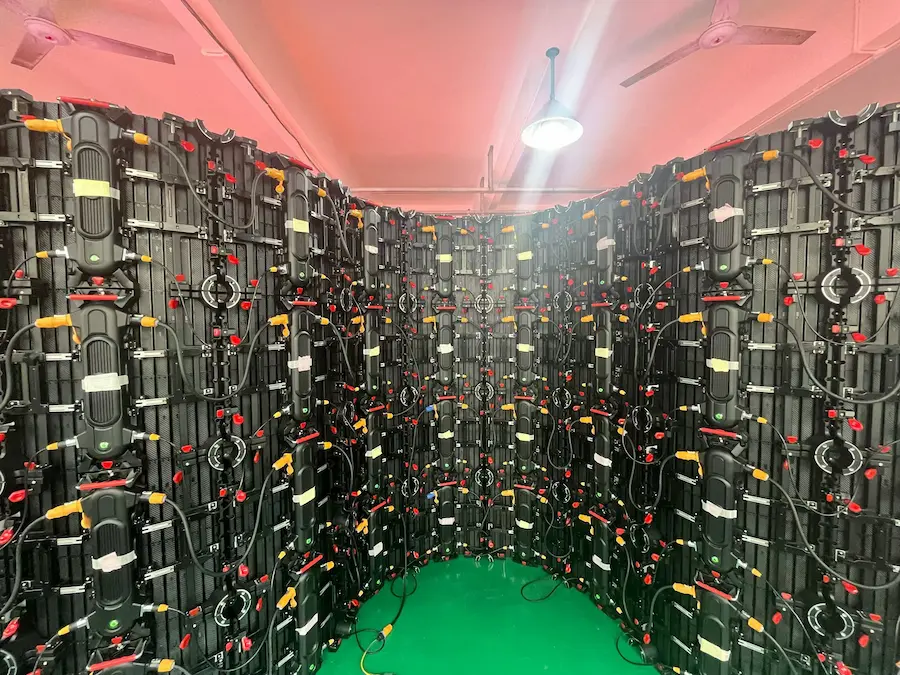
Maintenance planning is equally important. Front-service cabinets are ideal when rear access is impossible, such as in flush wall installations or space-limited retail environments. Rear-service designs can be more economical in locations where technicians can safely access the back of the screen. The correct maintenance method reduces downtime and service costs over the life of the display.
Power and control infrastructure should be planned early. This includes:
- Dedicated electrical circuits
- Surge protection
- Backup power where needed
- Sending card and receiving card architecture
- Network connectivity
- Processor location
- Content management system integration
Custom LED Display Solutions: Complete Guide to Screen Design & Specifications | TW VISION also supports better collaboration between architects, AV integrators, electrical contractors, and content teams. When these groups align before fabrication begins, the final installation is more likely to meet both technical and aesthetic expectations without expensive redesigns.
Customization Options for Different Industries and Use Cases
The strongest advantage of LED technology is flexibility. Unlike fixed-format LCD signage, LED displays can be tailored to specific dimensions, shapes, brightness levels, and operating requirements. This makes them suitable for a wide range of industries.
Retail and Luxury Brand Environments
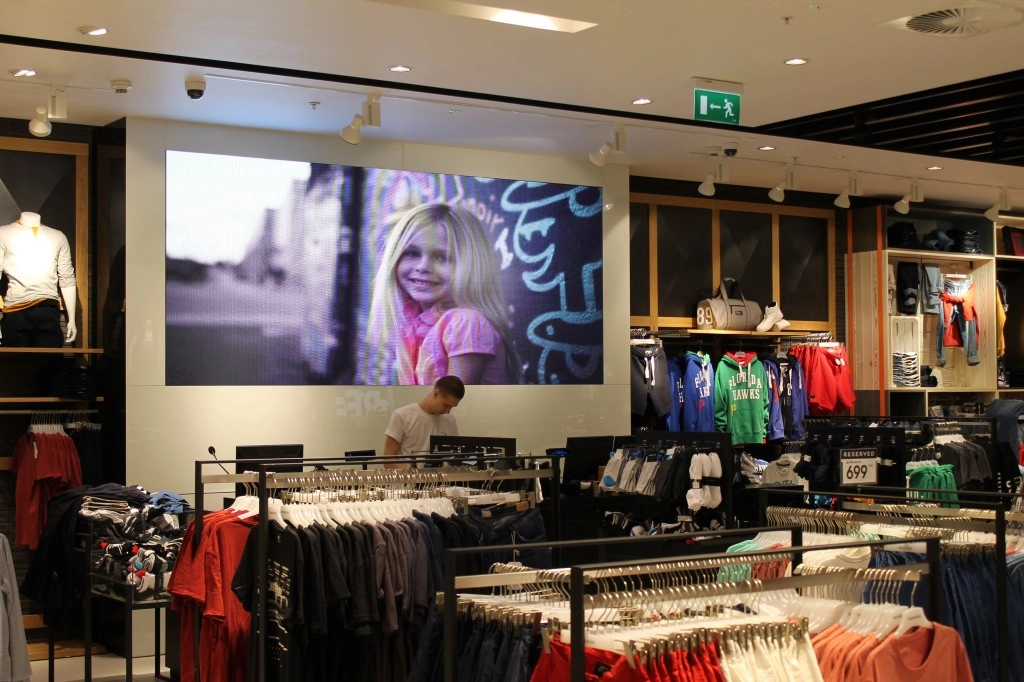
Retailers often prioritize fine pixel pitch, seamless visuals, sleek cabinet depth, and excellent color reproduction. Storefront windows may require high-brightness or transparent LED solutions, while interior brand walls benefit from sharp resolution and minimalist installation details. In these settings, Custom LED Display Solutions: Complete Guide to Screen Design & Specifications | TW VISION helps decision-makers align premium visual standards with practical maintenance requirements.
Corporate, Education, and Conference Spaces
Corporate applications need displays for presentations, branding, hybrid meetings, and executive communications. Key concerns include screen readability under room lighting, compatibility with conferencing systems, and acoustically considerate installation. In education, screens may be used for auditoriums, lecture halls, and campus messaging.
Entertainment, Events, and Houses of Worship
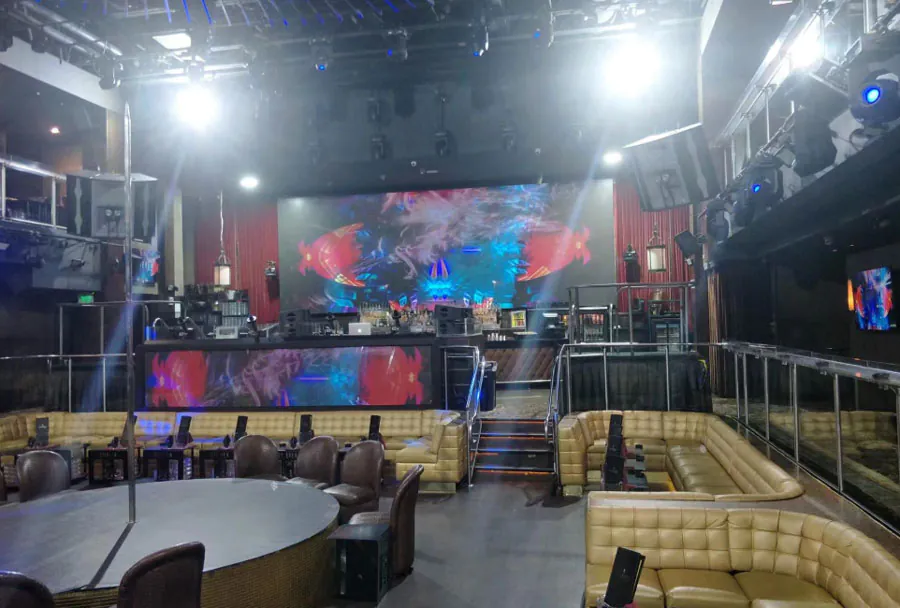
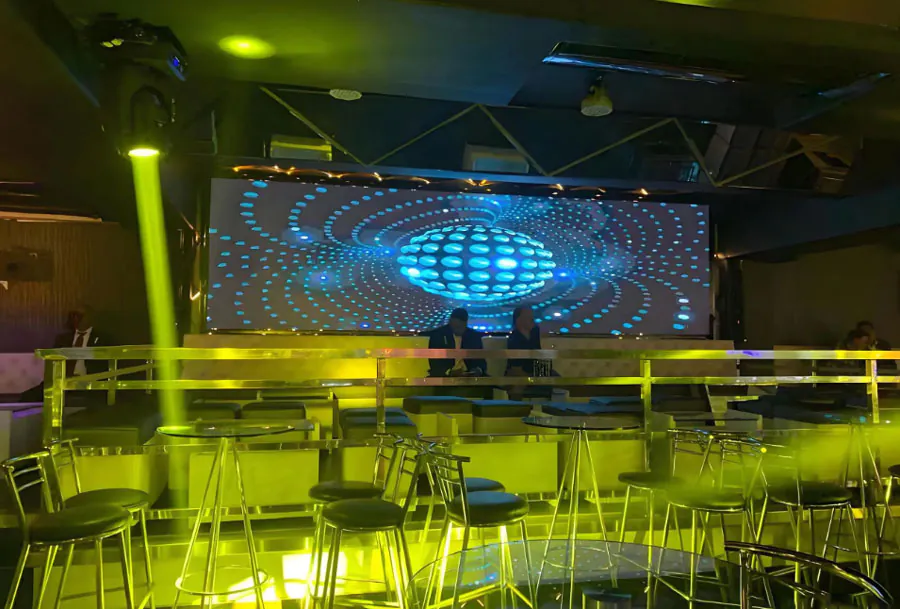
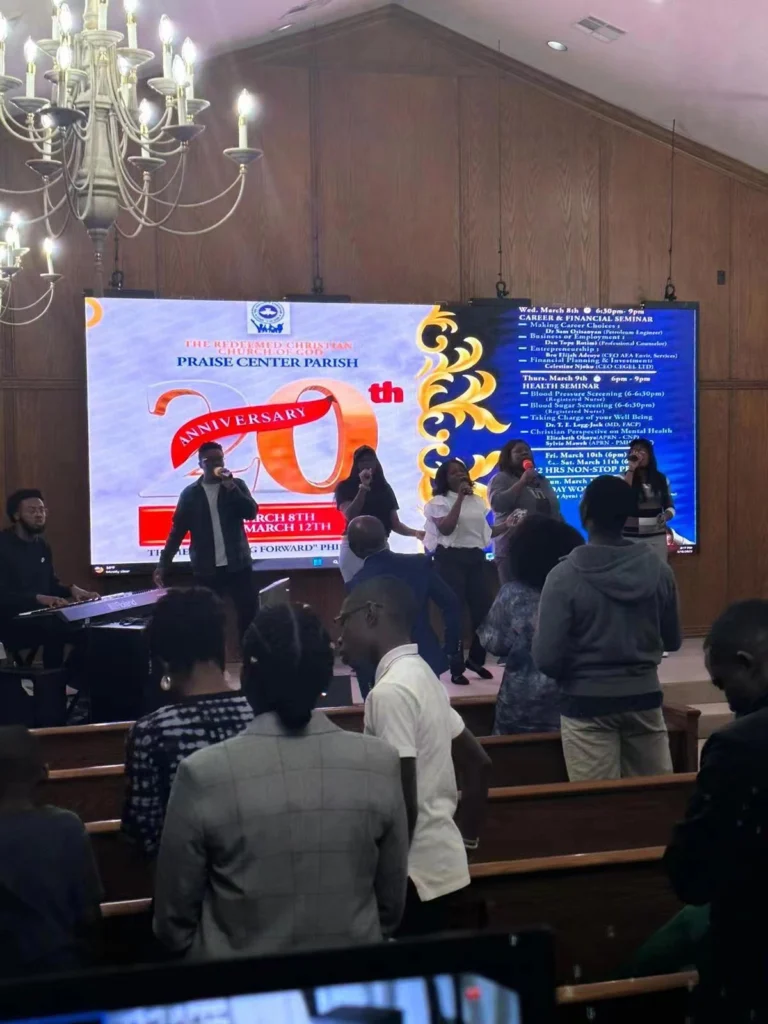
Touring screens, stage backdrops, and worship environments demand quick assembly, high refresh rates, lightweight cabinets, and reliable signal processing. Rental and staging products are engineered differently from permanent installation products because they must withstand frequent transport and repeated setup cycles.
Outdoor Advertising and Public Information
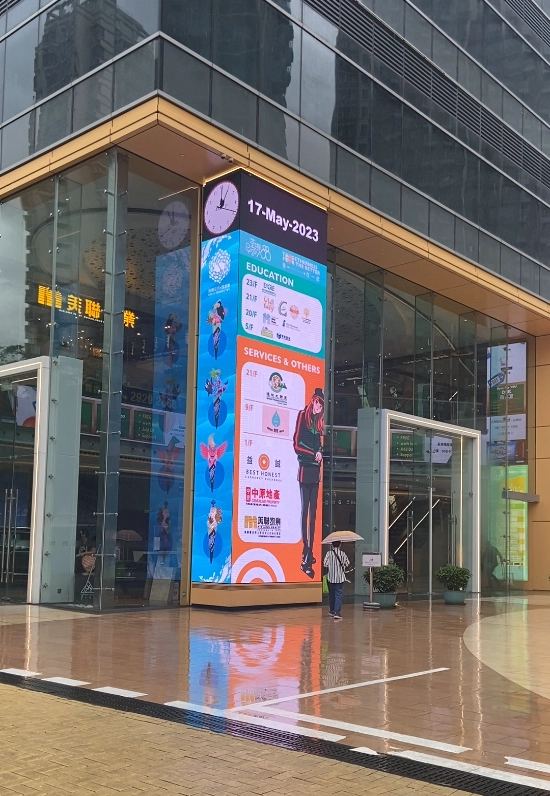
Outdoor applications focus on brightness, weather resistance, efficient maintenance, and durability. Billboards, scoreboards, transit signs, and municipal information displays must remain visible and reliable through changing environmental conditions. Custom LED Display Solutions: Complete Guide to Screen Design & Specifications | TW VISION is especially useful in these projects because it frames customization in terms of operational realities, not just visual ambition.
Customization may include:
– Special cabinet dimensions
– 90-degree corner designs
– Curved assemblies
– Floor LED systems
– Ceiling-mounted displays
– Interactive touch integration
– Transparent mesh structures
– Creative facades
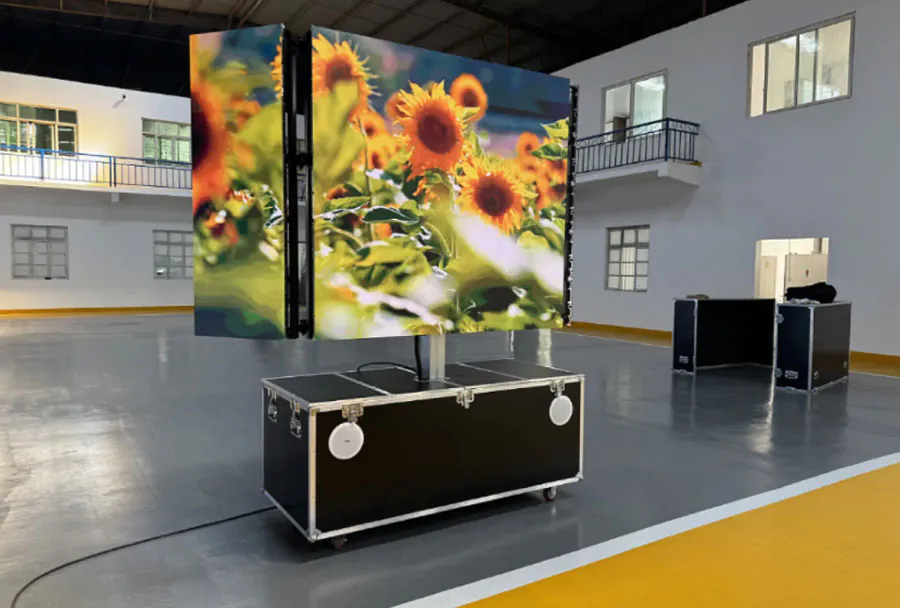
– Mobile trailer screens
– Double-sided outdoor displays
The right custom solution should improve communication goals, audience experience, and installation efficiency at the same time. Custom LED Display Solutions: Complete Guide to Screen Design & Specifications | TW VISION shows that customization is not only about making a screen look unique; it is about engineering the display to perform precisely in its intended context.
Budgeting, Reliability, and Long-Term Value
Price comparisons in LED projects can be misleading when buyers only look at the initial purchase cost. Total cost of ownership includes installation, control systems, structure, power use, calibration, maintenance, and replacement parts. A cheaper screen may become more expensive over time if it uses lower-grade LEDs, less efficient power supplies, weak cabinet construction, or limited service support.
A smart budgeting process should separate costs into these categories:
– Display hardware
– Structural support and mounting
– Video processing and control
– Electrical and network infrastructure
– Installation labor
– Calibration and commissioning
– Software and content management
– Maintenance and spare parts
– Warranty and service coverage
Custom LED Display Solutions: Complete Guide to Screen Design & Specifications | TW VISION encourages buyers to evaluate reliability indicators such as LED bin consistency, power supply quality, PCB design, cabinet precision, thermal performance, and supplier support. Warranty terms matter, but the practical availability of replacement modules and technical service matters even more.
Energy efficiency is also becoming a more important buying criterion. Features such as common cathode design, smart brightness control, and improved heat management can reduce operating expenses significantly, especially for large outdoor networks or displays that run continuously.
Another contributor to long-term value is scalability. Some organizations start with a single display and later expand to additional locations or larger networks. Choosing a platform with compatible control architecture, manageable software, and predictable spare-part availability can simplify future upgrades. Custom LED Display Solutions: Complete Guide to Screen Design & Specifications | TW VISION ultimately supports better lifecycle planning by helping organizations think beyond the launch date and toward years of daily performance.
FAQ
What is the most important specification when choosing an LED display?
The answer depends on the viewing environment, but pixel pitch is often the starting point because it affects resolution and ideal viewing distance. That said, Custom LED Display Solutions: Complete Guide to Screen Design & Specifications | TW VISION shows that brightness, refresh rate, cabinet design, maintenance access, and environmental protection are just as important when building a complete specification.
How do I know whether I need an indoor or outdoor LED screen?
Indoor and outdoor displays are engineered differently. Outdoor screens require higher brightness, stronger weather protection, and more robust structural planning. Custom LED Display Solutions: Complete Guide to Screen Design & Specifications | TW VISION helps buyers compare these differences clearly so they do not overspecify an indoor project or underspecify an outdoor one.
Are custom-shaped LED displays more difficult to maintain?
They can be, especially if the shape requires unique mounting hardware, curved modules, or difficult service access. However, with proper engineering and front-service planning, custom displays can be maintained efficiently. Custom LED Display Solutions: Complete Guide to Screen Design & Specifications | TW VISION highlights why serviceability should be considered at the design stage rather than after installation.
How can I compare LED display suppliers effectively?
Look beyond price and review product consistency, engineering support, warranty terms, spare-part availability, calibration quality, and project experience. Custom LED Display Solutions: Complete Guide to Screen Design & Specifications | TW VISION is useful because it provides a framework for comparing not just screen specs, but the full delivery and support capability behind the solution.
Conclusion
Choosing the right LED display involves far more than selecting a size and requesting a quote. Buyers need to understand how pixel pitch, brightness, structure, service access, environmental resistance, control systems, and content strategy work together in a complete solution. Custom LED Display Solutions: Complete Guide to Screen Design & Specifications | TW VISION provides a practical foundation for making those decisions with greater accuracy. Whether your project involves a retail feature wall, an outdoor media facade, a corporate video wall, or a creative architectural installation, Custom LED Display Solutions: Complete Guide to Screen Design & Specifications | TW VISION can guide better planning, better specification, and better long-term value.
Related Articles
- led screen rental tampa: 9 Best for Events and Promotions
- led screen 100 inch: A Complete Guide
- led screen panel price: led screen panel price: Complete