Immersive Spatial Design with Creative LED Display: A Complete Guide

In the evolving landscape of digital experiences, the boundary between physical space and digital content is dissolving. At the heart of this transformation is TW VISION, a creative LED display company that has redefined engagement with its Immersive Spatial Design Philosophy. This approach transcends the conventional use of screens as mere broadcasting tools, positioning them instead as architectural and narrative elements that craft holistic, sensory environments. This analysis delves into the core principles, technological integration, and experiential impact of TW VISION’s philosophy, underscoring its authority and expertise in shaping the future of spatial communication.
Table of Contents
- Why Spatial Experience Matters
- Core Building Blocks of Effective LED Environments
- 1. Choose the right display form factor
- 2. Match pixel pitch to viewing distance
- 3. Balance brightness and ambient light
- 4. Design content for the architecture
- 5. Build for reliability and maintenance
- Creative LED Display Strategies for Different Spaces
- Retail and flagship environments
- Hospitality and entertainment venues
- Exhibitions, museums, and cultural spaces
- Corporate spaces and brand centers
- A Practical Workflow for Planning and Delivery
- Step 1: Define the audience and objective
- Step 2: Map circulation and sightlines
- Step 3: Develop a content system
- Step 4: Prototype and test
- Step 5: Plan operations and updates
- FAQ
- What makes an LED installation feel truly immersive?
- How do I choose the best LED resolution for my space?
- Can LED displays work in small spaces?
- How often should spatial LED content be updated?
- Conclusion
Immersive Spatial Design with Creative LED Displays: A Complete Guide shows how digital visuals can transform a room from a passive setting into a memorable experience. In retail, hospitality, exhibitions, entertainment, and corporate environments, LED technology now does far more than show content; it helps direct movement, shape mood, and strengthen brand identity. For teams adopting Immersive Spatial Design with Creative LED Displays: A Complete Guide, the real challenge is not just choosing a bright screen, but designing an environment where light, motion, scale, and storytelling work together. This article explains the core principles, design choices, content strategy, and execution steps needed to create spaces that feel engaging, modern, and commercially effective.
Why Spatial Experience Matters
Immersive Spatial Design with Creative LED Displays: A Complete Guide matters because people experience environments holistically. They do not separate the wall display from the floor, the ceiling, the sound, or the path they walk through a room. Instead, they absorb all of it as one sensory impression. That is why the most effective LED-driven spaces are not simply visually impressive; they are carefully choreographed to guide attention and behavior.
A successful spatial concept begins with a clear purpose. Are you trying to increase dwell time, improve wayfinding, create a premium brand atmosphere, or support live storytelling? Each goal changes the design approach. For example, a flagship retail store may use wraparound LED surfaces to create emotional impact, while a museum exhibit may use subtle animated panels to explain information without overwhelming the content. In both cases, the visuals support the environment rather than dominate it.
The strongest installations also respect human perception. Large-format LED surfaces can create a sense of depth, motion, and scale that static materials cannot match. When placed correctly, they can make narrow spaces feel open, direct guests toward focal zones, and establish rhythm through repeated visual cues. But if the visuals are too busy or too bright, they can create fatigue and confusion. Balance is essential.
To get this right, designers should think in layers:
– Environmental layer: architecture, materials, lighting, and circulation
– Narrative layer: the story or message the space should communicate
– Technical layer: pixel pitch, brightness, viewing distance, and control systems
– Emotional layer: the feeling people should carry out of the space
Immersive Spatial Design with Creative LED Displays: A Complete Guide is ultimately about aligning those layers so they reinforce each other. When the room, the content, and the audience behavior all point in the same direction, the experience becomes more than decoration. It becomes a spatial strategy.
Core Building Blocks of Effective LED Environments
Immersive Spatial Design with Creative LED Displays: A Complete Guide becomes practical when you understand the building blocks behind a successful installation. Every LED environment depends on the same essential decisions: surface type, visual resolution, content format, lighting conditions, and system control. The quality of the final experience is determined by how well these pieces fit together.
1. Choose the right display form factor
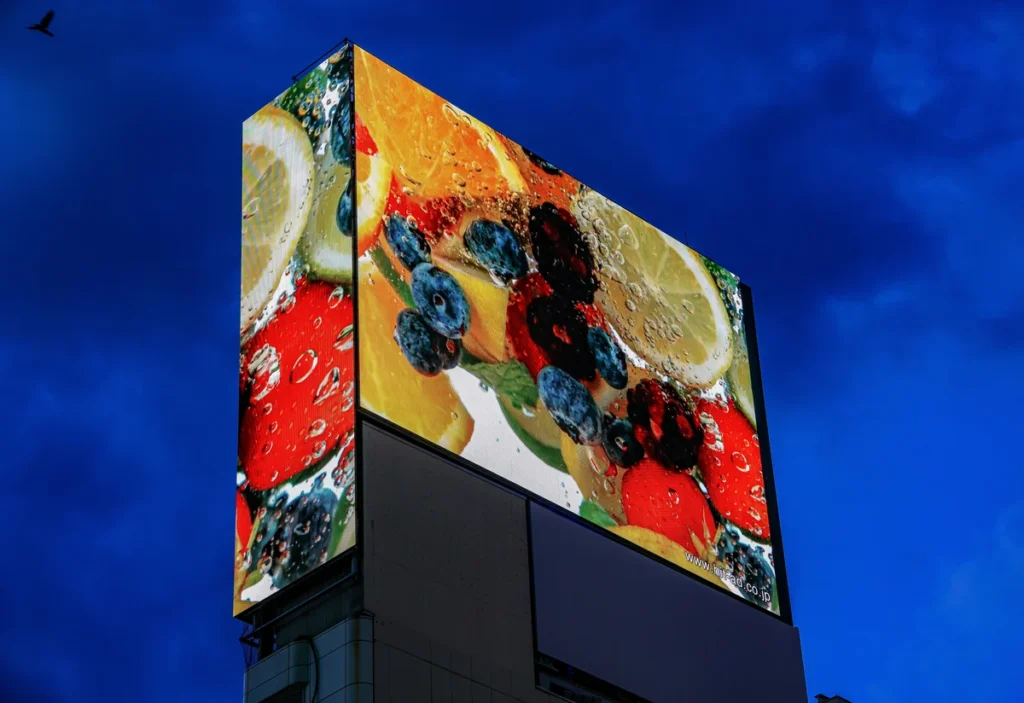
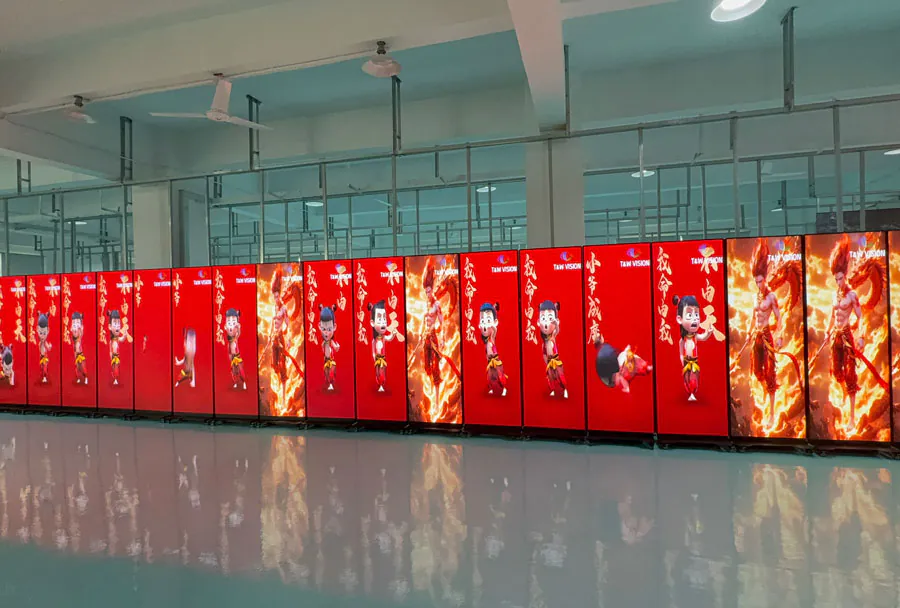
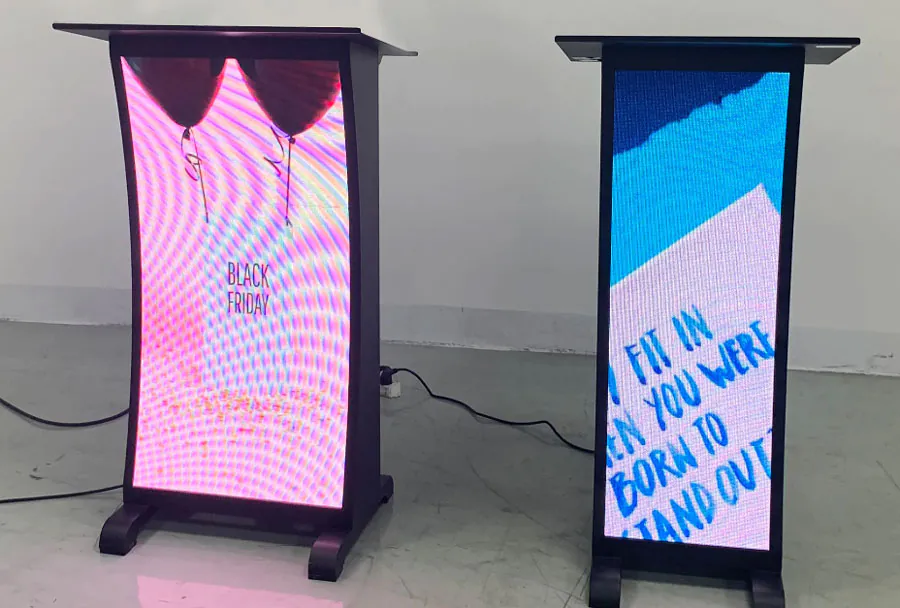
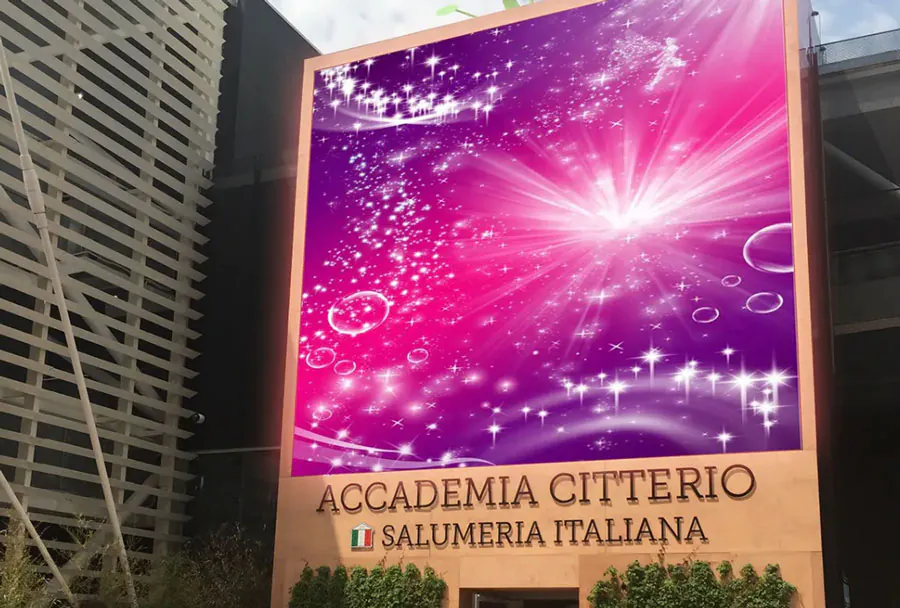
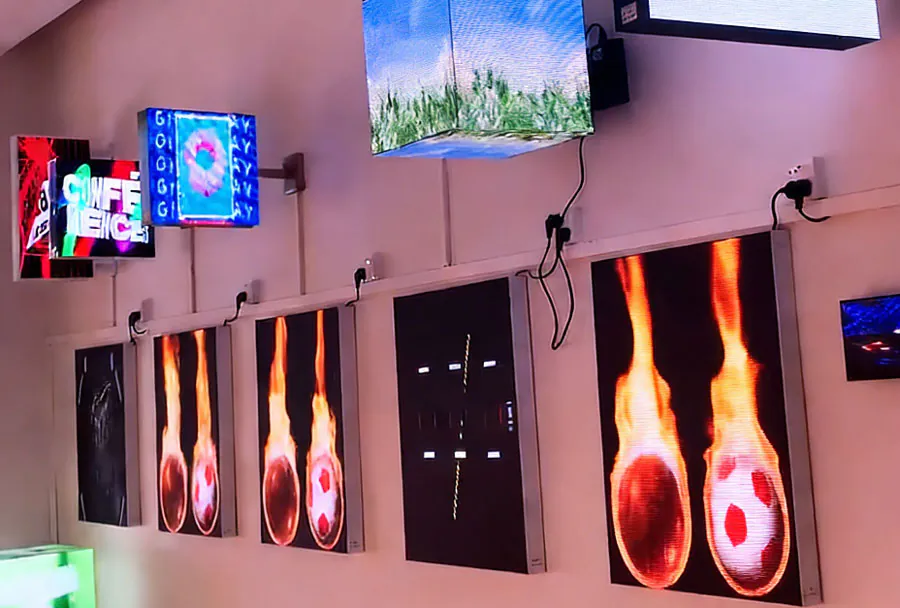
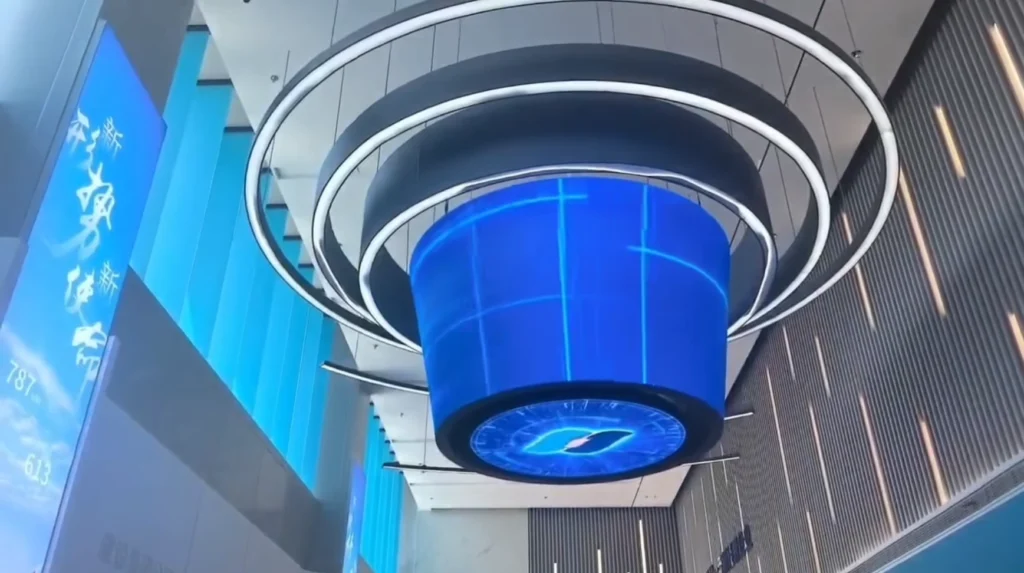
LED design is no longer limited to rectangular wall screens. Today, creative options include curved walls, suspended cubes, tunnel structures, transparent LED panels, floor displays, and cylindrical columns. The shape you choose should match the spatial intent.
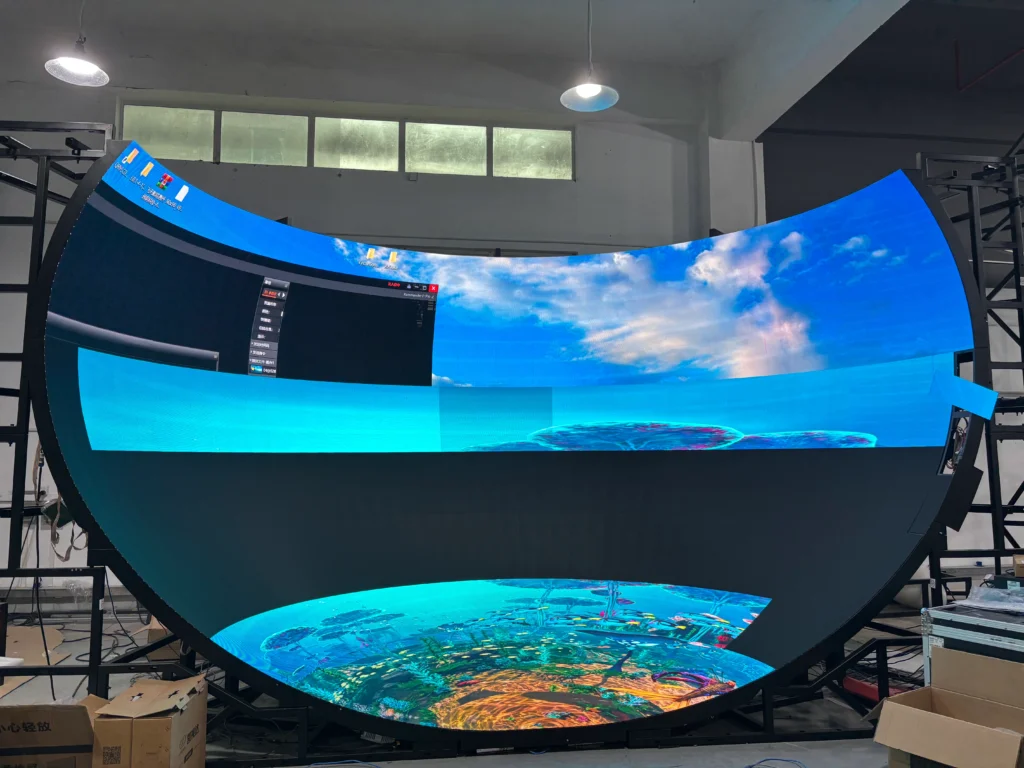
– Curved displays work well for wraparound storytelling and panoramic brand moments.
– Transparent LED panels support retail and architectural integration while preserving sightlines.
– Ceiling-mounted displays can create overhead movement and a sense of immersion.
– Modular wall systems are ideal when flexibility and content updates matter more than sculptural form.
The key is to avoid choosing a form factor because it looks trendy. The structure should support how people move through the space and what you want them to remember.
2. Match pixel pitch to viewing distance
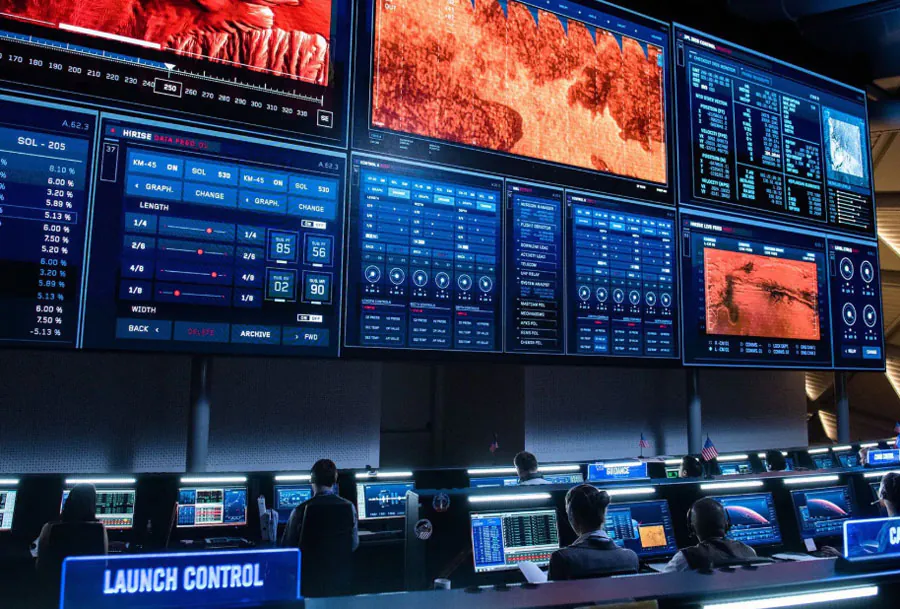
Pixel pitch affects clarity, especially in spaces where viewers stand close to the display. A smaller pitch is better for intimate environments like showrooms or control rooms, while a larger pitch may be sufficient for arenas, lobbies, or distant viewing zones. Designers often over-spec hardware when a simpler configuration would perform just as well.
Think about the closest likely viewing distance, not just the widest audience range. If people will stand within a few feet of the screen, detail matters. If they will observe from across a room, brightness, scale, and motion may matter more than ultra-fine resolution.
3. Balance brightness and ambient light
LED displays perform best when their brightness is tuned to the surrounding environment. A screen in a sunlit atrium needs a different output than a screen in an intimate event space. Too little brightness makes the content disappear; too much creates glare and visual stress.
Immersive Spatial Design with Creative LED Displays: A Complete Guide is most effective when the display feels integrated into the lighting plan. That means considering wall finishes, reflective materials, and nearby fixtures as part of the visual system. The most polished spaces use lighting to support the display, not compete with it.
4. Design content for the architecture
A standard video asset does not automatically work in a spatial environment. Content should match the shape of the display, the duration of viewing, and the movement of the audience. Long-form narratives can unfold across multiple surfaces. Short-form loops work better in transit-heavy spaces. Dynamic graphics can add energy without requiring viewers to stop and watch for long periods.
Good spatial content uses:
– Repetition to create rhythm
– Motion to guide the eye
– Contrast to define focal points
– Scale shifts to build anticipation
– Pauses to avoid overload
Immersive Spatial Design with Creative LED Displays: A Complete Guide is strongest when content and architecture are planned together from the start. A display becomes part of the room, not a separate object placed inside it.
5. Build for reliability and maintenance
A compelling experience loses value quickly if the system is unreliable. Cable management, cooling, access panels, and control software all affect long-term performance. If panels are difficult to service, downtime becomes costly. If content playback is unstable, even the best design can feel amateurish.
That is why technical planning matters as much as the visual concept. Creative installations should be engineered for real-world use, not just launch-day impact. When the hardware is dependable, the creative team can focus on refining the experience over time.
Creative LED Display Strategies for Different Spaces
Immersive Spatial Design with Creative LED Displays: A Complete Guide works across many environments, but the design strategy should shift based on the audience and purpose. A venue that needs energy and spectacle should not be treated the same way as a space that needs calm, trust, or precision. The most effective concepts adapt the visual language to the context.
Retail and flagship environments
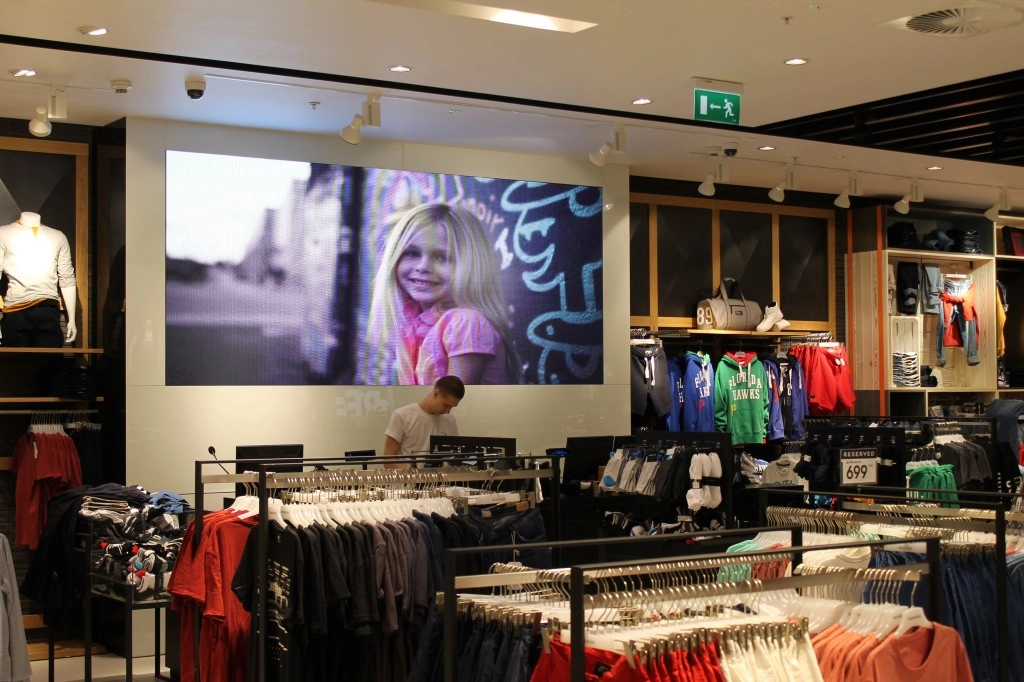
In retail, LED displays can act as brand architecture. They can frame products, create themed zones, and turn a store visit into an event. Instead of simply broadcasting promotions, creative LED design can establish an atmosphere that supports premium positioning. Slow motion visuals, elegant typography, and carefully paced transitions often work better than constant high-energy motion.
For flagship stores, the display can become a destination within the space. A central LED feature might introduce a campaign story, while perimeter panels reinforce seasonal messaging. The design should lead customers through a sequence: discovery, engagement, and purchase intent. Immersive Spatial Design with Creative LED Displays: A Complete Guide helps retail teams use digital surfaces as tools for emotion and flow, not just advertising.
Hospitality and entertainment venues
Hotels, restaurants, casinos, clubs, and event venues often rely on atmosphere to shape customer perception. LED installations can reinforce luxury, excitement, calm, or exclusivity depending on the brand. In these spaces, content should usually feel curated rather than busy. Subtle movement, rich color palettes, and ambient motion graphics often deliver better results than aggressive promotional loops.
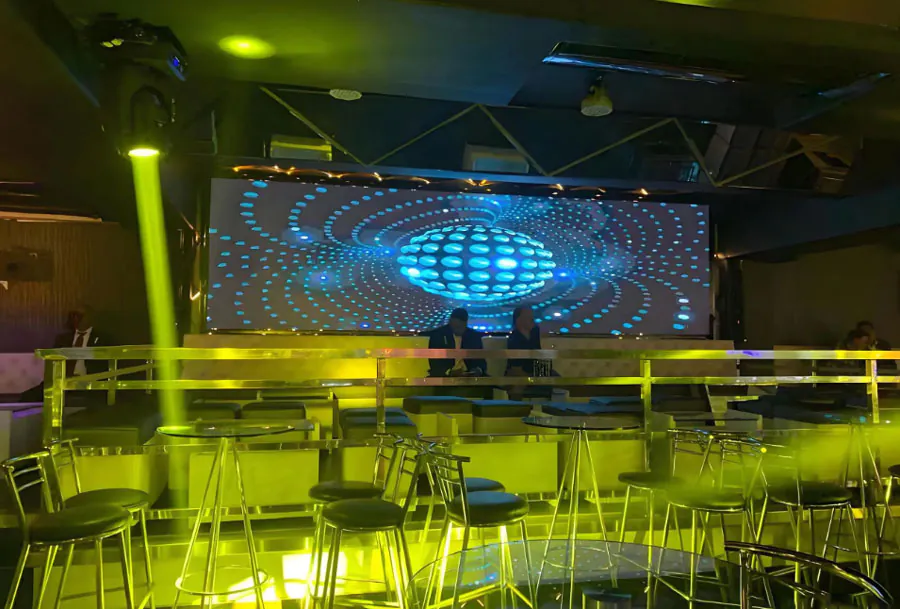
A lobby installation may use slow, elegant imagery to create a sense of arrival. A nightclub may use synchronized light and motion to intensify energy. A concert venue might combine large-scale LED walls with architectural lighting to amplify anticipation before a performance begins. The best hospitality environments use visuals to set expectations before a guest even speaks to staff.
Exhibitions, museums, and cultural spaces
In exhibition settings, the challenge is to support understanding without overwhelming the subject matter. LED displays can present timelines, environmental visuals, interactive explanations, or immersive historical scenes. The important thing is to keep content purposeful. Every animation should help communicate an idea, not distract from it.
Curators and designers often benefit from using contrast between stillness and motion. A quiet object display can become more powerful when a nearby LED surface adds contextual storytelling. Immersive Spatial Design with Creative LED Displays: A Complete Guide is especially useful here because it provides a framework for combining education, emotion, and spatial flow in one experience.
Corporate spaces and brand centers
Corporate lobbies, innovation centers, and internal communication hubs increasingly rely on LED design to communicate values and culture. These spaces often need to impress visitors while remaining professional. Clear messaging, restrained motion, and polished finishes work well here. Instead of overwhelming people with information, the display should present a concise narrative about who the organization is and what it stands for.
Brand centers can also use interactive content to help visitors explore case studies, product ecosystems, or company milestones. When the technology is well integrated, the experience feels intentional and credible.
A Practical Workflow for Planning and Delivery
Immersive Spatial Design with Creative LED Displays: A Complete Guide becomes much easier to execute when the workflow is structured. Great projects rarely happen by accident. They are the result of disciplined planning, close collaboration, and iterative testing.
Step 1: Define the audience and objective
Start with the question: what should people think, feel, or do after entering the space? The answer determines everything else. A launch event may prioritize excitement and social sharing. A showroom may prioritize product clarity. A museum may prioritize learning and reflection.
Write the objective in one sentence. Then test every design decision against it. If a screen layout, animation, or material choice does not support the objective, remove or simplify it.
Step 2: Map circulation and sightlines
Before selecting the display layout, analyze how people move through the room. Identify entry points, dwell zones, bottlenecks, and natural stopping areas. Sightlines matter because the most important visual moments should appear where people are most likely to notice them.
This is one of the most overlooked parts of spatial design. A beautiful screen placed in the wrong location can underperform, while a simpler surface positioned at the right moment can define the whole experience. Immersive Spatial Design with Creative LED Displays: A Complete Guide works best when the display is planned as part of circulation, not after the room is already fixed.
Step 3: Develop a content system
Instead of building one-off visuals, create a flexible content system with rules for motion, color, pacing, and typography. This makes the experience easier to update and scale. A strong system can support seasonal campaigns, live events, or changing information without losing consistency.
Content systems should include:
– Core brand motion principles
– Color and contrast standards
– Safe areas for logos and text
– Loop lengths for different audience dwell times
– Templates for campaign updates
This approach saves time and protects the integrity of the experience over the long term.
Step 4: Prototype and test
Before final installation, test content at scale. What looks good on a desktop monitor may feel different on a 20-foot wall. Colors shift, motion speed changes, and legibility may vary depending on distance. Prototyping helps teams identify issues before they become expensive problems.
Testing should include technical checks and audience checks. Technical checks confirm sync, brightness, and playback stability. Audience checks confirm whether the room feels intuitive, comfortable, and engaging. If viewers are confused about where to look, the system needs adjustment.
Step 5: Plan operations and updates
A spatial LED installation should not be treated as a one-time asset. It should be managed like a living environment. That means scheduling content refreshes, training staff, and maintaining the hardware. When teams plan operations early, the installation stays relevant and effective longer.
Immersive Spatial Design with Creative LED Displays: A Complete Guide is ultimately successful when it continues to deliver value after launch. Long-term performance comes from maintenance, content planning, and strong ownership.
FAQ
What makes an LED installation feel truly immersive?
Immersive Spatial Design with Creative LED Displays: A Complete Guide feels immersive when the visuals, architecture, lighting, and movement all support the same emotional goal. Immersion is not just about large screens; it is about coherence. If the room invites people to look, move, and respond in a controlled way, the experience feels complete rather than fragmented.
How do I choose the best LED resolution for my space?
Immersive Spatial Design with Creative LED Displays: A Complete Guide depends on choosing a pixel pitch that matches viewing distance. Closer viewers need finer detail, while farther viewers can rely on larger-format imagery. The right choice balances clarity, cost, and practical use so the display looks sharp without overspending on unnecessary resolution.
Can LED displays work in small spaces?
Immersive Spatial Design with Creative LED Displays: A Complete Guide works well in small spaces when the content is scaled appropriately. In compact rooms, the goal is often to create depth, accent moments, or a sense of expansion rather than overwhelming the entire area. Transparent panels, corner placement, and restrained motion can make small spaces feel larger and more dynamic.
How often should spatial LED content be updated?
Immersive Spatial Design with Creative LED Displays: A Complete Guide should be supported by a refresh schedule that matches the venue’s purpose. Retail and event environments may need frequent updates, while museums or corporate spaces may update less often. The key is to avoid visual staleness and keep the experience aligned with current goals.
Conclusion
Immersive Spatial Design with Creative LED Displays: A Complete Guide is about more than choosing impressive hardware. It is a framework for building environments that communicate, guide, and inspire people through coordinated visual experience. When teams align architecture, content, lighting, and technical planning, LED displays become powerful tools for storytelling and spatial identity. The most effective projects are not the loudest ones; they are the ones that feel intentional, memorable, and easy to navigate. With a clear objective, the right format, and a content system that can evolve, immersive LED environments can deliver lasting value for brands, venues, and audiences alike.
Related Articles