Indoor LED Displays Manufacturer for Retail, Events & Commercial Spaces | TW VISION

Indoor LED technology has become a core part of modern communication, branding, and visual storytelling. From corporate lobbies and retail stores to control rooms and entertainment venues, the right display can transform how people experience a space. Choosing an Indoor LED Display Manufacturer is not just about buying hardware; it is about finding a partner that understands image clarity, installation planning, content performance, and long-term reliability. Businesses today need solutions that look impressive, work consistently, and scale with changing needs. In this guide, we’ll explore what matters most when selecting a partner, how to compare product options, what affects cost, and how to plan for successful installation and maintenance.
Followed is a YouTube video about TW VISION Indoor LED Displays PI series.
Table of Contents
- 1. What Makes a Reliable Display Partner
- 2. Choosing the Right Indoor Display Type
- 3. Quality, Cost, and Long-Term Value
- 4. Installation, Content Strategy, and Ongoing Support
- FAQ
- What should I ask before hiring a display supplier?
- How do I know which pixel pitch is right for my space?
- Are indoor LED systems expensive to maintain?
- Can indoor LED displays be customized for branding?
- Conclusion
1. What Makes a Reliable Display Partner
A trusted Indoor LED Displays Manufacturer should offer far more than a catalog of screens. The best partners combine engineering expertise, project consultation, custom configuration, and dependable after-sales service. That matters because indoor applications are highly diverse: a display for a luxury showroom has different requirements from a screen in a conference center or a broadcast studio. Brightness, pixel pitch, viewing angle, cabinet design, and color calibration all need to match the environment and the audience.
One of the first signs of quality is consistency. A reliable supplier will explain how modules are assembled, how cabinets are aligned, and how color uniformity is maintained across the entire display surface. They should also be able to guide buyers through technical choices without pushing unnecessary upgrades. A strong Indoor LED Displays Manufacturer will discuss practical outcomes such as image smoothness at close viewing distances, energy efficiency during long operating hours, and service accessibility if a component needs replacement.
Certifications and testing are also important. Indoor projects often run in locations where safety, flame resistance, and environmental compliance are non-negotiable. The right partner should be prepared to share data on product testing, component sourcing, and quality inspection procedures. In addition, look for a team that understands the complete project lifecycle, from pre-sales consultation and mockups to installation support and training.
Finally, service matters just as much as specifications. The most experienced suppliers provide spare parts, remote troubleshooting, firmware updates, and practical maintenance advice. When a display is used daily for presentations, advertising, or live data visualization, downtime is expensive. That is why selecting an Indoor LED Displays Manufacturer with proven support capability can be the difference between a smooth project and a costly one.
2. Choosing the Right Indoor Display Type
An Indoor LED Displays Manufacturer typically offers multiple product families, and each one is suited to different business goals. Understanding these options helps buyers avoid overspending on features they do not need while ensuring the display performs well in its intended space.
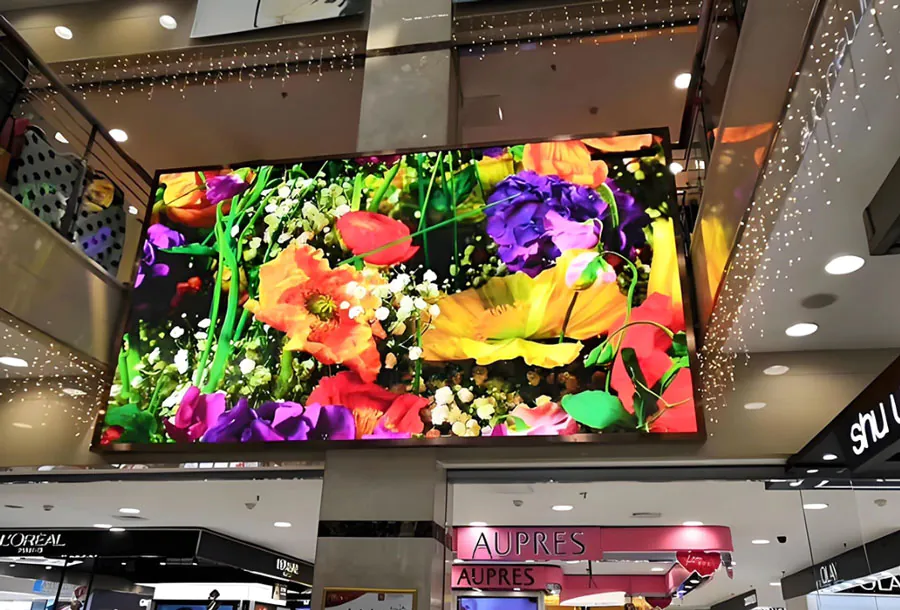
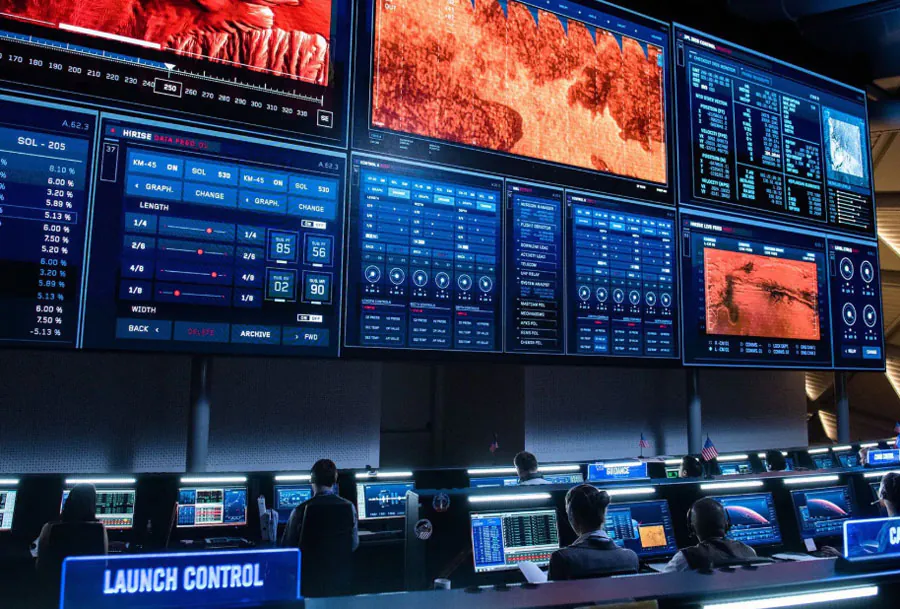
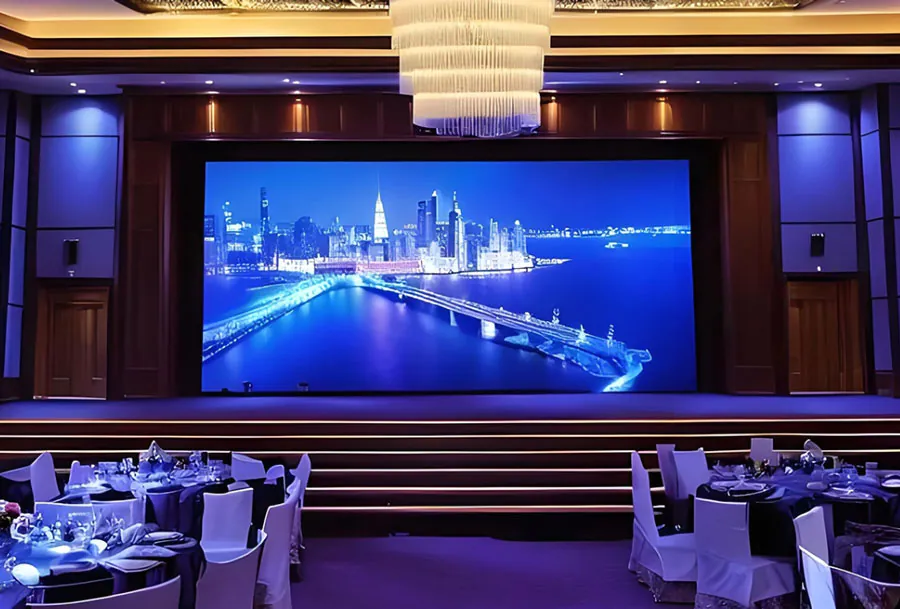
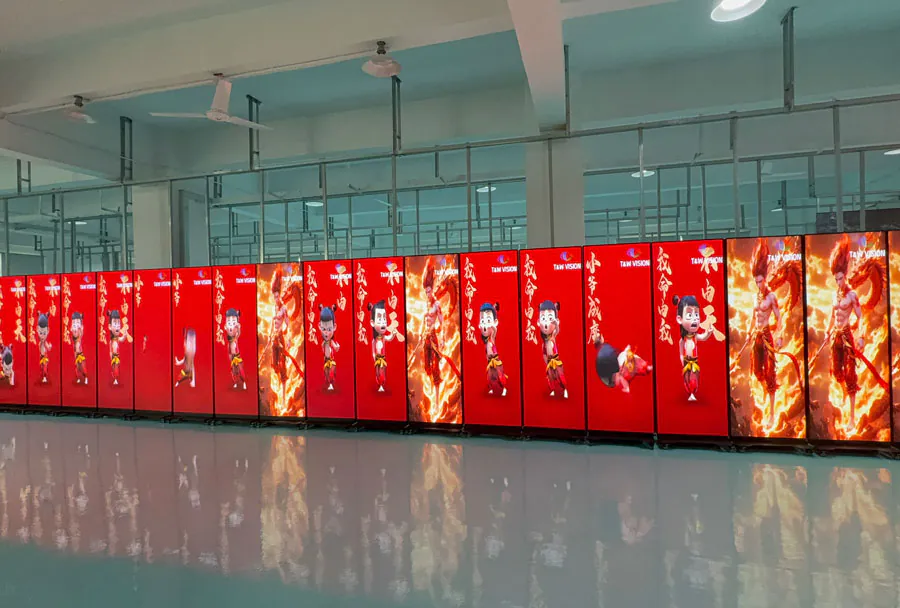
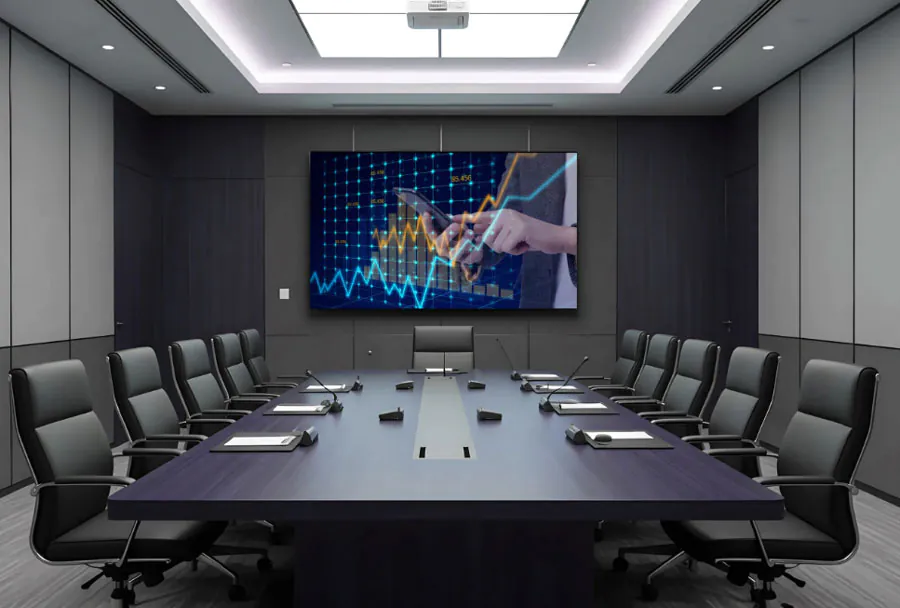
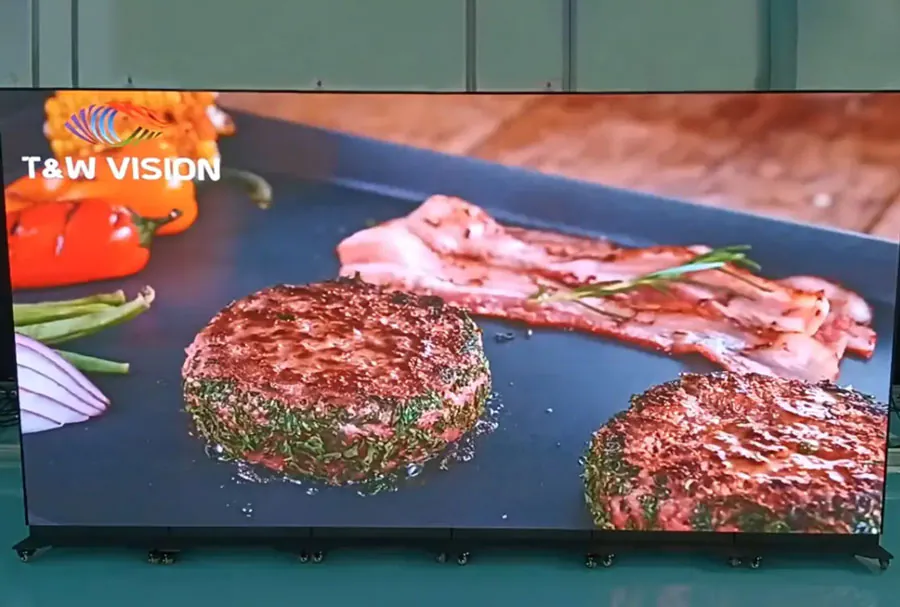
For example, fine-pitch LED video walls are often ideal for corporate boardrooms, broadcast studios, and monitoring centers. These systems deliver sharp visuals at close viewing distances and can handle static dashboards as well as motion graphics. Retail spaces, on the other hand, may prioritize vibrant advertising displays with stronger brightness and seamless modularity. In hospitality venues, design integration can be just as important as picture quality, so slim cabinets, elegant framing, and flexible sizing become major advantages.
The indoor environment itself influences the product choice. In a shopping mall, a screen may need to attract attention from across a concourse, while in a museum, the display should blend into the architecture and deliver subtle, high-resolution content. A skilled Indoor LED Displays Manufacturer will help align pixel pitch, aspect ratio, and installation style with the viewing distance and lighting conditions. That expertise prevents mismatched specs and helps ensure the display feels natural in the room.
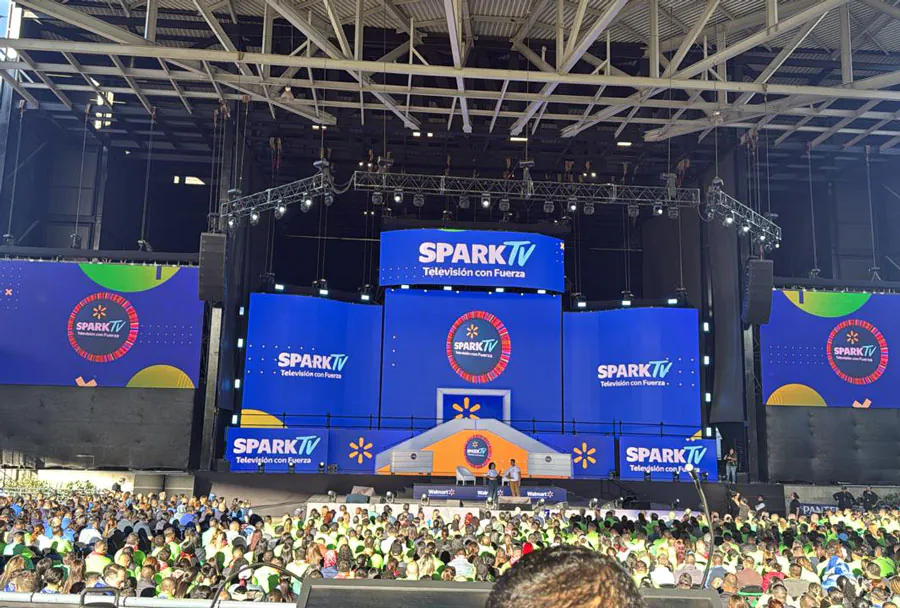
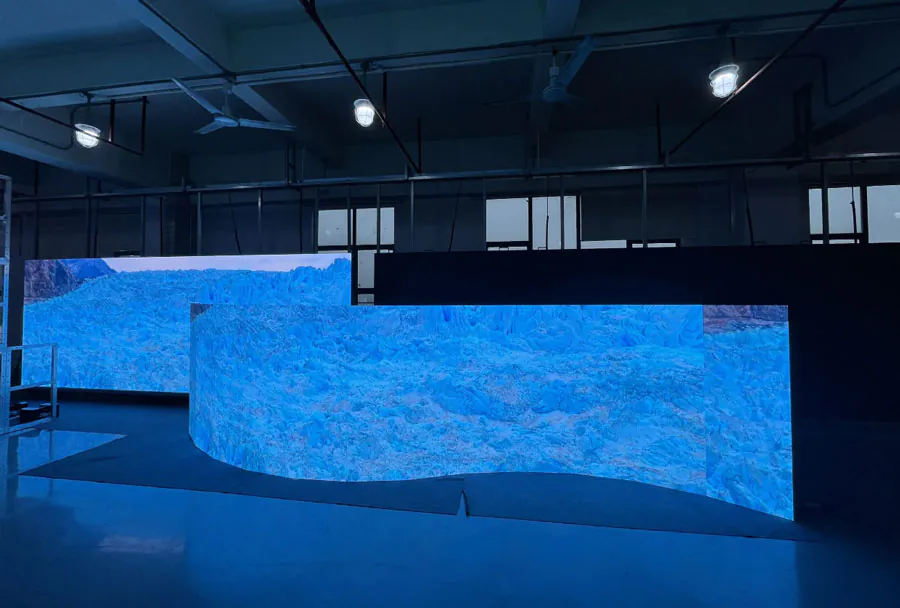
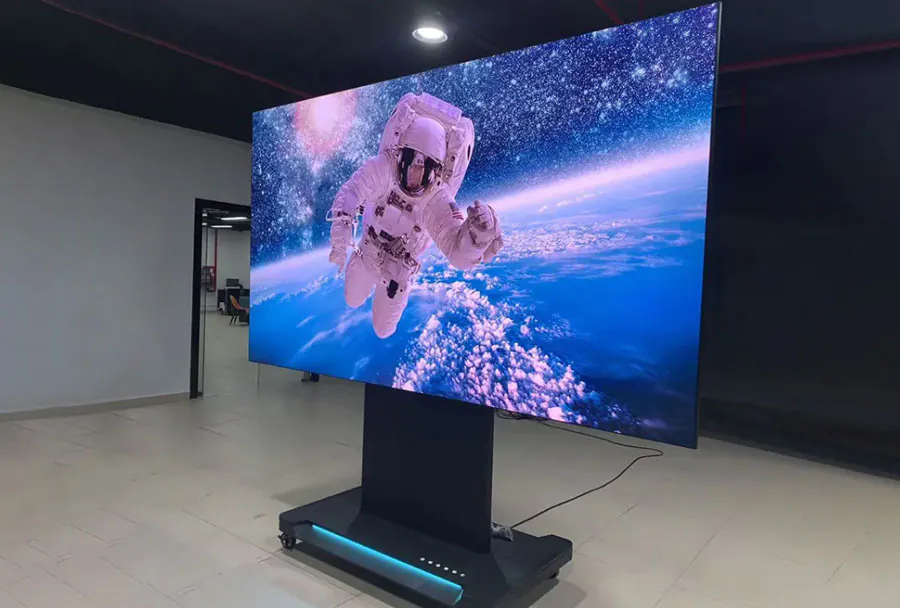
There are also differences in mounting options. Wall-mounted displays are popular for permanent installations, while hanging displays are common in exhibition halls and event venues. Curved displays, creative shapes, and corner configurations can support brand identity and architecture-driven design. If the project requires a large format, a good Indoor LED Displays Manufacturer will explain how cabinet weight, structural support, and access panels affect installation planning.
Content use matters too. A display used for live data needs stable image processing and fast signal handling. A screen used for marketing needs strong color performance and smooth video playback. A display used for mixed content may need software flexibility to switch between information, advertising, and live feeds. The right partner should translate those practical needs into the correct screen type instead of relying on generic recommendations.
For buyers evaluating multiple suppliers, ask for real-world examples rather than just product sheets. Viewing photos, installation case studies, and sample content demonstrations can reveal how the display will actually perform in daily use. When those details are discussed honestly, it becomes much easier to select a solution that supports both visual impact and operational efficiency.
TW VISION’s displays can be integrated with analytics platforms to capture and report these KPIs. The table below provides an analysis framework comparing different indoor led display types and their typical business impact.
Analysis Table:
| Display Type | Typical Pixel Pitch | Recommended Use Case | Customer Engagement Impact | Estimated ROI / Notes |
|---|---|---|---|---|
| Fine Pitch LED Video Wall | 0.9mm – 1.9mm | Retail front walls, corporate lobbies, close-view interactive exhibits | High attention and visual impact for close-range viewing; enhances brand perception | Moderate to high ROI within 12–24 months when combined with targeted campaigns; premium investment |
| Standard Indoor LED Wall | 2.5mm – 3.9mm | Digital signage corridors, restaurant menu boards, medium-distance displays | Strong visibility with an excellent balance of performance and cost; ideal for promotional content | Good ROI within 12 months for promotion-focused environments |
| Large-Pitch LED Panels | 4mm – 6mm+ | Background walls, stage backdrops, large atrium installations | Creates immersive visual effects and atmosphere; less suitable for detailed text | ROI depends on branding and event revenue; lower cost per display area |
| Transparent / Creative LED Modules | Varies | Storefronts, luxury retail spaces, architectural displays | High novelty and customer attraction while preserving visibility through glass | Premium-priced; delivers strong branding, flagship store impact, and PR value |
| Interactive Touch LED Kiosks | Fine to standard pitch | Product information stations, guest services, self-service ordering | Encourages direct customer interaction and collects valuable user data | Strong measurable ROI through personalization, engagement analytics, and higher conversion rates |
3. Quality, Cost, and Long-Term Value
When comparing options, many buyers focus on upfront price. That is understandable, but the smartest purchase decision is based on total cost of ownership. A well-built system from a dependable Indoor LED Displays Manufacturer may cost more initially, yet it can save money over time through lower maintenance, better energy performance, and longer service life.
Component quality is one of the biggest cost drivers. LED chips, driver ICs, power supplies, and control systems all influence performance and reliability. Cheaper parts may work at first, but they can introduce issues such as brightness inconsistency, color drift, dead pixels, or unstable operation during long daily cycles. A reputable Indoor LED Displays Manufacturer should be transparent about component grades and explain how those parts affect durability.
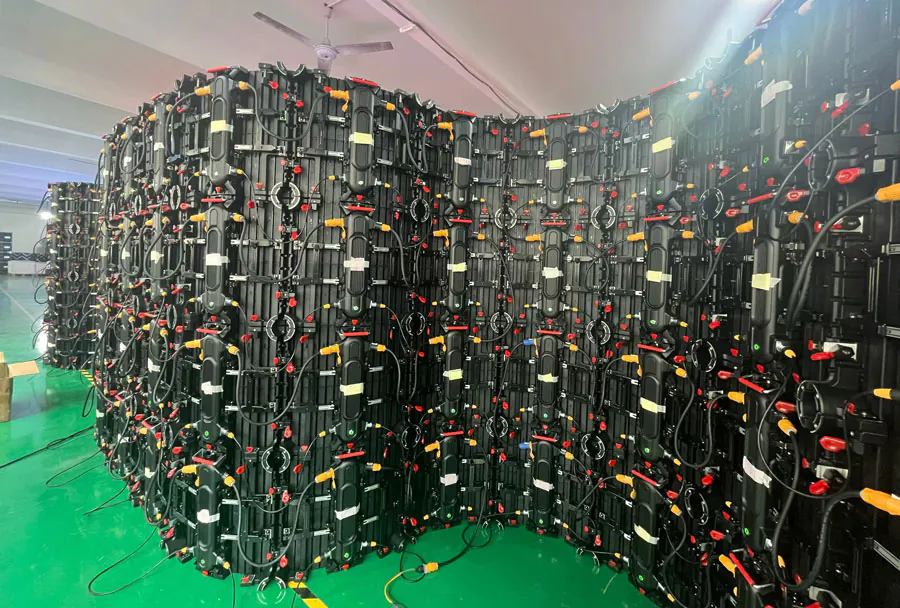
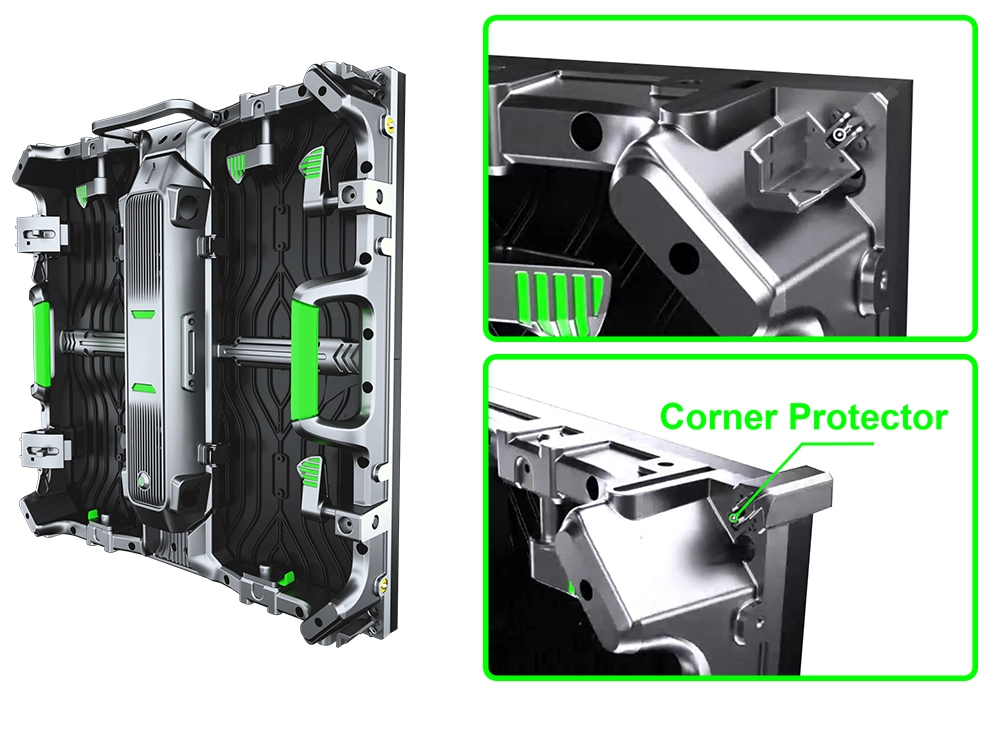
Cabinet design is equally important. Precision-milled cabinets improve alignment, which creates a smoother viewing surface and reduces visible seams. Good thermal management also matters because heat affects electronics over time. If a display uses efficient cooling and careful internal layout, it often lasts longer and requires fewer service interruptions. This is especially valuable in venues where the screen runs for many hours every day.
Warranty terms deserve close attention as well. A short warranty may look fine on paper, but the buyer should understand what it covers, how quickly replacements are shipped, and whether technical support is available locally or remotely. A professional Indoor LED Displays Manufacturer will offer clear service policies and practical guidance on spare-part planning. That makes budgeting easier and reduces the risk of unexpected downtime.
It is also worth comparing software and control flexibility. Some systems are simple to operate but limited in scheduling or content management. Others integrate with centralized platforms, remote monitoring, and automated playback tools. If a display will serve multiple departments, a more capable system may be worth the investment. A knowledgeable Indoor LED Displays Manufacturer can explain which software functions matter for your use case and which ones are optional.
The best value is usually the solution that balances image quality, serviceability, and operational simplicity. Instead of asking only, “What is the cheapest option?”, buyers should ask, “Which option will perform consistently for years?” That shift in thinking leads to better results and fewer surprises after installation.
4. Installation, Content Strategy, and Ongoing Support
Even the most advanced screen can underperform if installation and content planning are rushed. A professional Indoor LED Displays Manufacturer should help customers prepare for every stage of deployment, from site measurement and structural review to final calibration and training. This support is especially important in indoor projects where the display must fit perfectly with interior design, traffic flow, and safety requirements.
Before installation, the project team should confirm viewing distance, wall strength, electrical capacity, access for maintenance, and cable routing. These details may seem minor, but they have a major impact on stability and long-term serviceability. A dependable Indoor LED Displays Manufacturer will also recommend proper ventilation and access clearances so technicians can reach modules and control equipment without damaging the surrounding space.
Content strategy is another key part of success. A screen is only useful if the content matches the audience and the environment. Retail displays need bold visuals and short promotional cycles. Corporate installations often benefit from data dashboards, presentations, and brand messaging. Entertainment spaces may require dynamic motion graphics and synchronized playback. The ideal Indoor LED Displays Manufacturer understands that hardware and content work together, and should help customers set up a display that supports the intended communication style.
Ongoing support is where long-term value becomes visible. Maintenance plans, remote diagnostics, firmware updates, and replacement part availability all determine how smoothly a display performs over time. If a single module fails, fast service can prevent interruptions and protect the venue’s reputation. A dependable Indoor LED Displays Manufacturer will usually provide clear maintenance instructions, user training, and troubleshooting resources so in-house teams can handle routine care with confidence.
It is also smart to plan for future needs. Many businesses expand content strategies, redesign interiors, or add new branches after the initial installation. Modular LED systems make those changes easier because they can often be resized, reconfigured, or integrated with other digital signage platforms. When the original partner has a strong support structure, scaling up becomes much less stressful.
In short, installation is not just a technical phase; it is the foundation for performance, visual quality, and ease of use. Businesses that plan carefully usually enjoy better uptime, stronger audience engagement, and a more polished look in the final environment.
FAQ
What should I ask before hiring a display supplier?
Start with technical, service, and project questions. Ask about pixel pitch, brightness, calibration, warranty coverage, spare parts, installation support, and software compatibility. A trustworthy Indoor LED Displays Manufacturer will answer clearly and explain how the product performs in real indoor conditions rather than relying on generic claims.
How do I know which pixel pitch is right for my space?
The best pixel pitch depends on the typical viewing distance. Closer audiences need finer pitch for sharper images, while larger rooms can use a slightly wider pitch without losing quality. A professional Indoor LED Displays Manufacturer should help match the pixel pitch to the room size, content type, and viewing experience you want to achieve.
Are indoor LED systems expensive to maintain?
Maintenance costs vary based on component quality, runtime, and support structure. Well-designed systems usually cost less to operate over time because they are easier to service and less likely to fail unexpectedly. A reliable Indoor LED Displays Manufacturer can reduce long-term expenses by supplying durable parts, clear maintenance instructions, and responsive technical support.
Can indoor LED displays be customized for branding?
Yes. Shapes, sizes, cabinet finishes, mounting methods, and content layouts can often be customized to match a brand or interior theme. The best results come from working with an Indoor LED Displays Manufacturer that understands both visual design and technical integration, so the final display looks intentional and performs well.
Conclusion
Selecting the right display partner is about much more than comparing specs or choosing the lowest price. A dependable Indoor LED Displays Manufacturer provides design guidance, quality components, professional installation support, and long-term service that help a project succeed from day one. When the display fits the environment, content strategy, and maintenance plan, it becomes a powerful asset for communication and branding. Whether the goal is to impress visitors, improve collaboration, or deliver information more effectively, the right partnership turns an indoor LED project into a lasting investment.