Flexible LED Display for Interior Design: 2026 Trends by TW VISION

Introduction
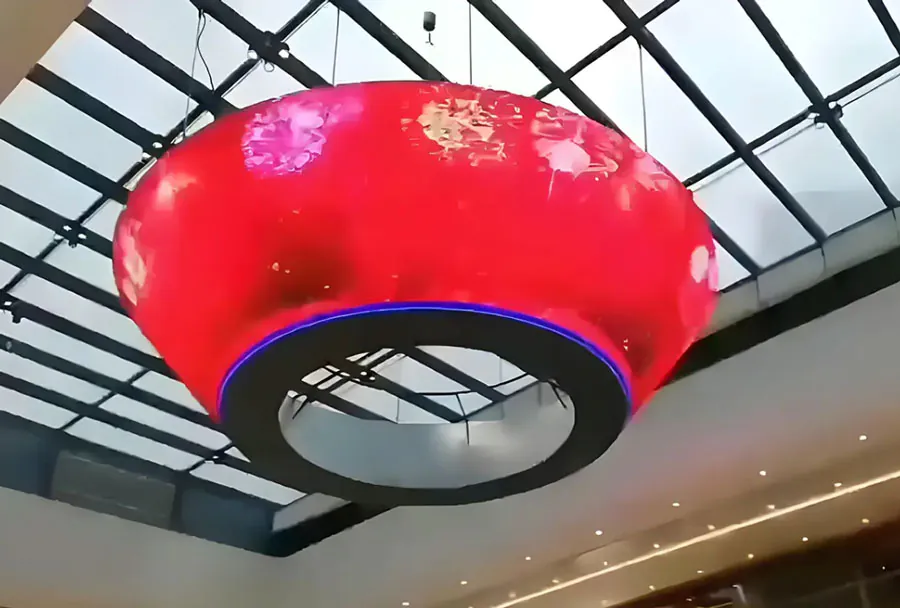
Modern interiors are no longer limited to paint, wallpaper, framed art, and fixed lighting. Designers now want surfaces that move, communicate, and adapt to changing moods, events, and brand stories. That is why the rise of the Flexible LED Display for Interior Design has become such an important shift across residential, retail, hospitality, and corporate spaces. A well-planned Flexible LED Display for Interior Design can wrap around columns, follow curved walls, or become a sculptural focal point that blends technology with atmosphere. Instead of treating screens as separate equipment, designers can integrate visual media directly into the architecture. The result is a more immersive, responsive, and memorable space that supports beauty, functionality, and emotional impact at the same time.
Table of Contents
- Introduction
- Why curved visual surfaces are reshaping interiors
- Best applications across residential and commercial spaces
- Key design factors before choosing a system
- How to maximize visual impact and long-term value
- FAQ
- What makes this technology different from a traditional flat screen?
- Is it suitable for luxury homes as well as businesses?
- How do I keep the display from overpowering the room?
- Conclusion
Why curved visual surfaces are reshaping interiors
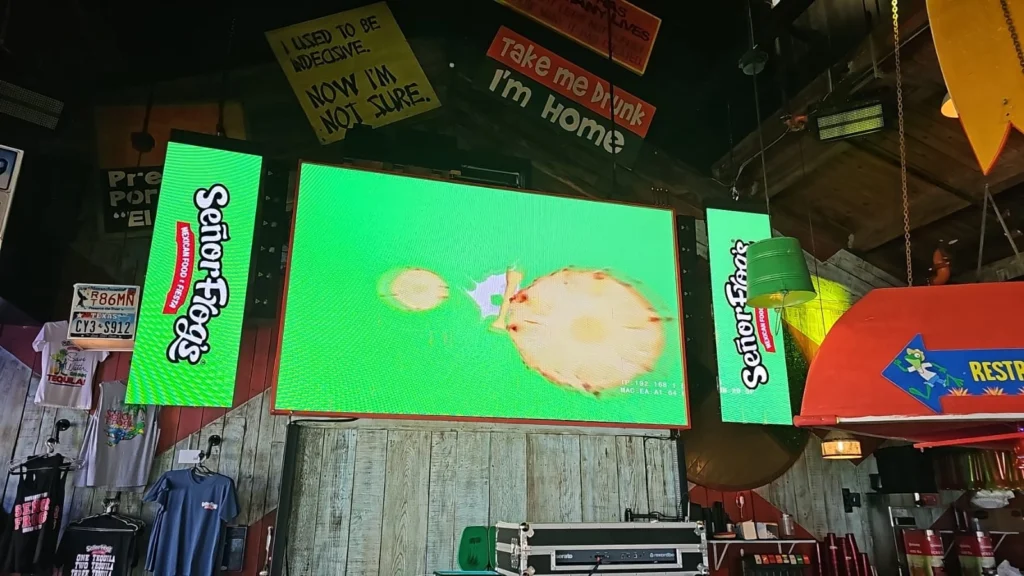
Interior design has always been about balancing structure, comfort, identity, and experience. Traditional digital signage often felt rigid because it was built around flat panels with limited placement options. Flexible LED technology changes that equation by allowing displays to bend, contour, and fit into unconventional spaces without sacrificing visual power. This opens the door to richer design storytelling in places where standard screens look bulky or disconnected.
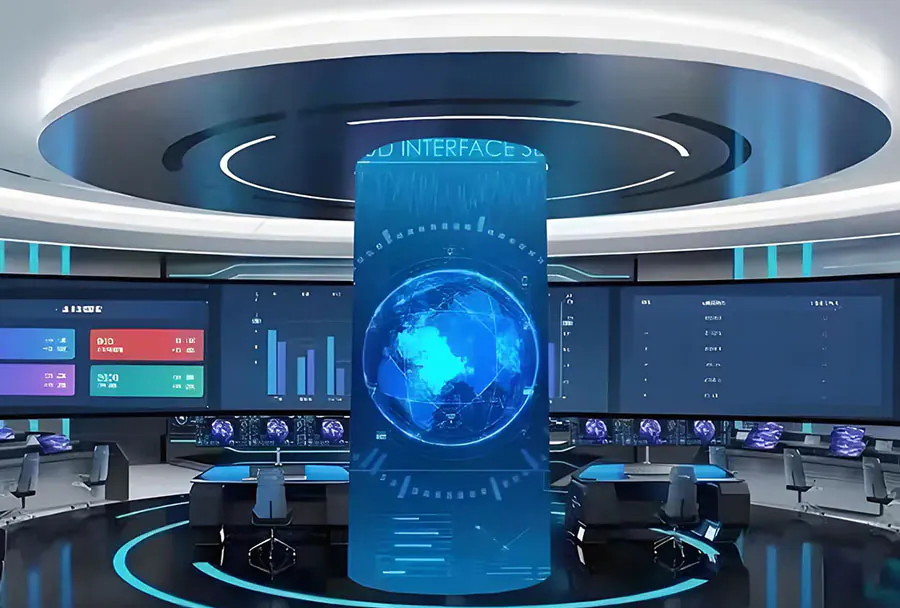
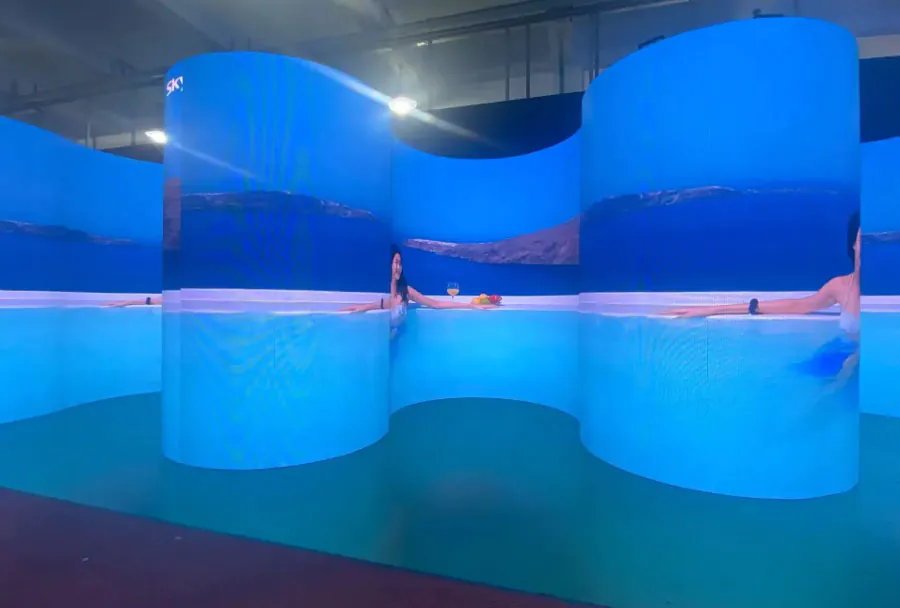
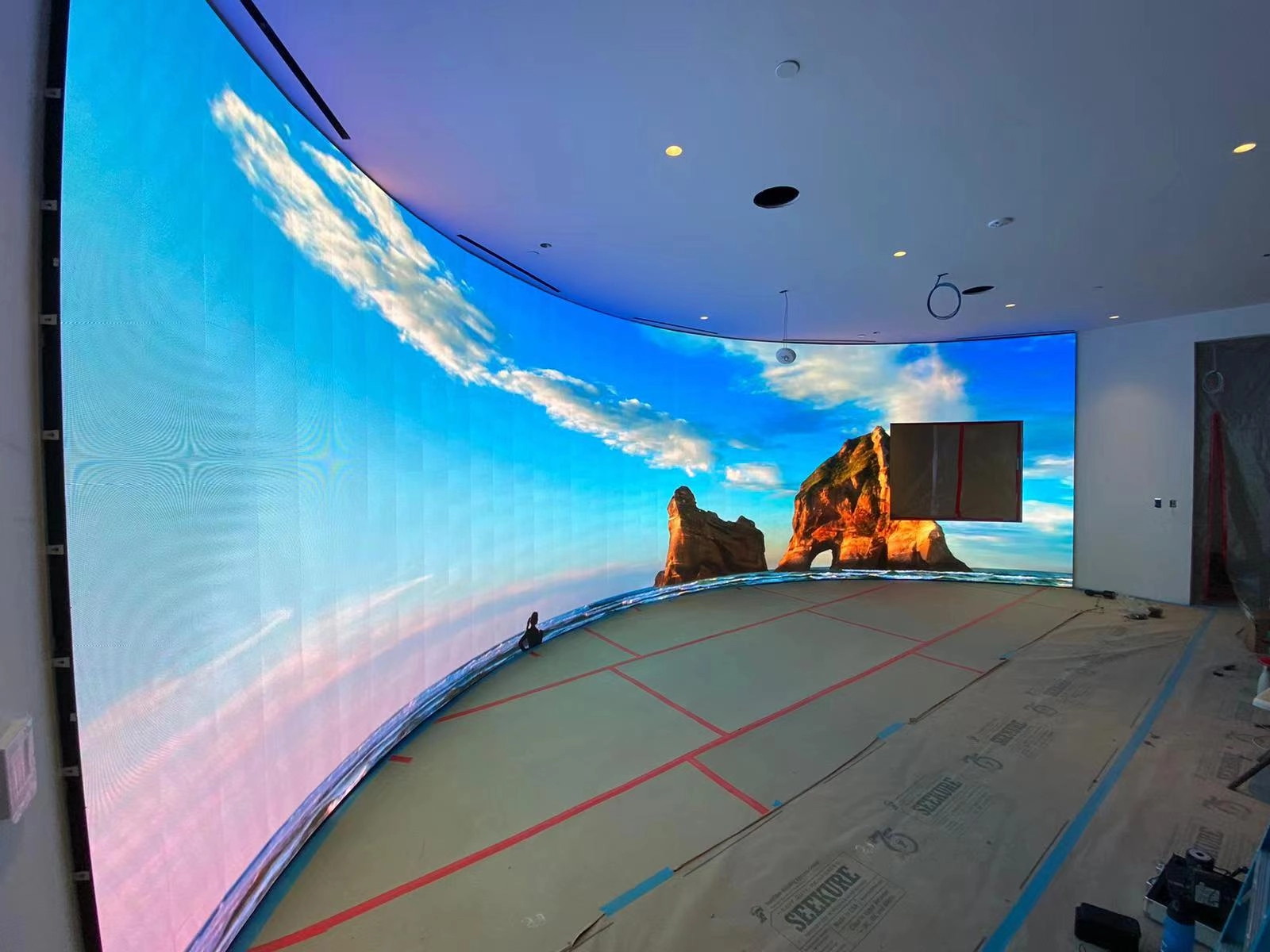
A Flexible LED Display for Interior Design gives architects and designers more freedom to work with the natural geometry of a room. Instead of forcing a rectangular display onto a curved wall, the display can follow the wall itself. That allows the visual element to feel intentional, built-in, and harmonious with the full concept. In luxury boutiques, this might mean a glowing ribbon of motion graphics around a fitting area. In a hotel lobby, it could mean a seamless media wall that curves behind a reception desk to create a dramatic welcome.
Another reason this technology is gaining momentum is emotional versatility. Interior spaces are increasingly expected to do more than one job. A restaurant may function as a daytime cafe, an evening dining venue, and a private event setting on weekends. A showroom may host product launches, workshops, or branded experiences. With a Flexible LED Display for Interior Design, the atmosphere can shift instantly through color, motion, seasonal campaigns, or thematic visuals. The physical architecture stays the same, but the perceived environment evolves in minutes.
Designers also appreciate the way flexible displays can reduce visual clutter. Rather than adding posters, printed graphics, separate light installations, and extra decorative features, one digital surface can perform multiple roles. It can act as ambient art, information display, brand medium, and lighting accent. That efficiency is especially valuable in premium interiors where every element must justify its footprint and maintain a polished aesthetic.
The psychological effect matters as well. People respond strongly to movement, light, and immersive visual depth. When used tastefully, flexible LED surfaces add a sense of energy and sophistication that static materials cannot easily match. They can make compact spaces feel more dynamic, large spaces feel more cohesive, and brand environments feel more memorable. For designers aiming to create an experience rather than simply decorate a room, flexible digital surfaces provide a powerful new language.
Best applications across residential and commercial spaces
The adoption of flexible LED solutions is expanding because the technology fits a wide range of environments. From upscale homes to public venues, the real value lies in how well the display supports the purpose of the space while enhancing its visual identity.
In residential projects, a Flexible LED Display for Interior Design can be used in home theaters, entertainment lounges, staircase walls, private bars, and even wellness rooms. Homeowners who invest in custom interiors often want statement pieces that reflect both luxury and personality. A curved digital art wall can display abstract animations, nature scenes, family photography, or synchronized lighting effects. In a media room, it can create a cinematic backdrop that goes beyond the function of a standard television. Because the display can adapt to architectural curves or custom millwork, it feels like part of the home rather than an afterthought.
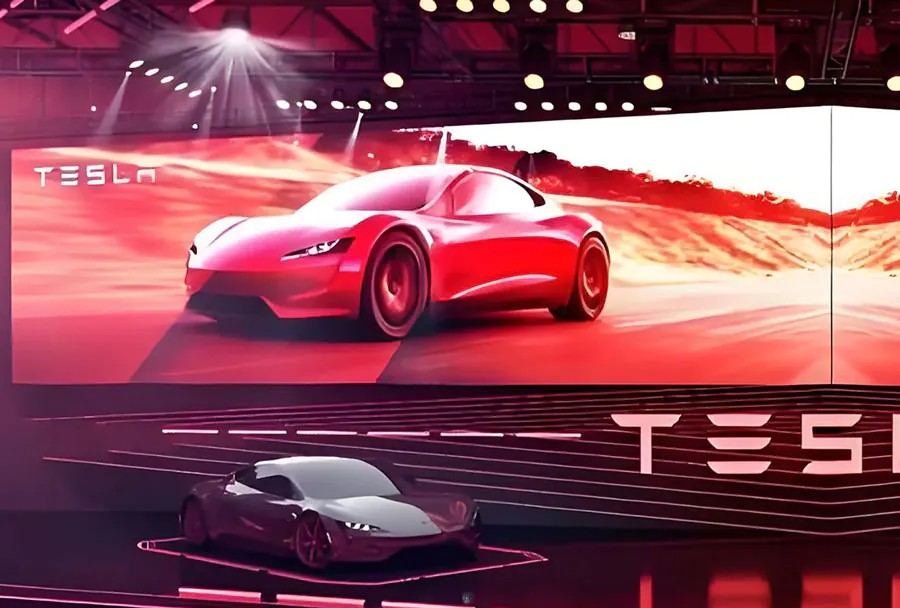
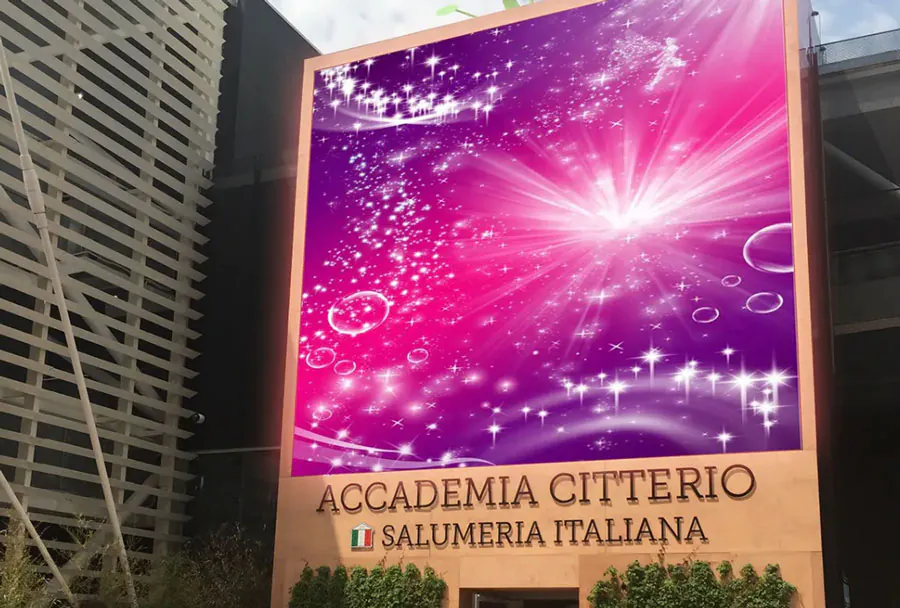
In retail, the design possibilities are even broader. Fashion stores, cosmetics brands, jewelry showrooms, and automotive boutiques rely heavily on atmosphere and brand storytelling. A Flexible LED Display for Interior Design can wrap around feature walls, window displays, cashier zones, or product showcases to reinforce mood and messaging. Instead of changing printed materials every season, retailers can update content instantly to match campaigns, promotions, and product launches. This not only keeps the environment fresh but also improves operational efficiency.
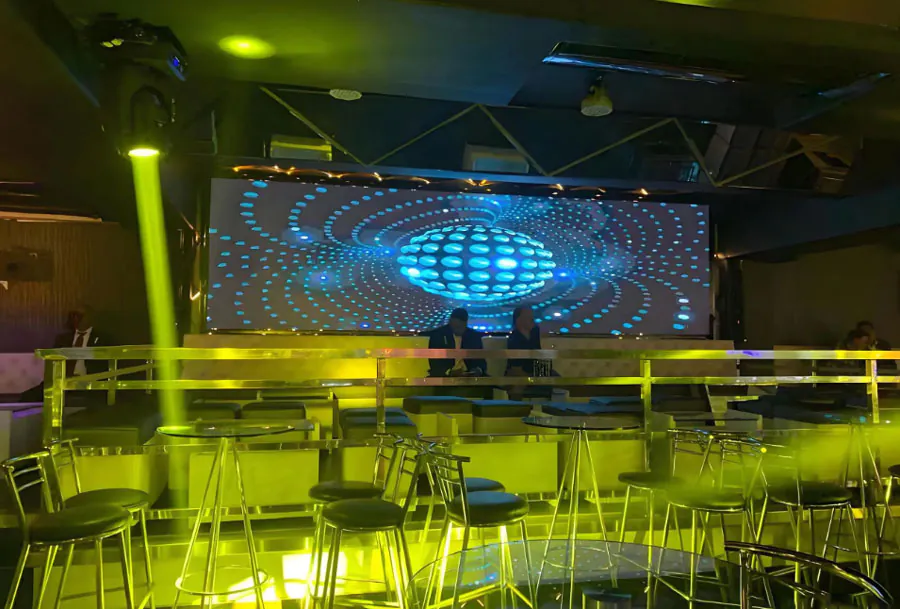
Hospitality settings are among the strongest use cases. Hotels, bars, clubs, and fine-dining restaurants compete on guest experience, not just service. A flexible display can transform a lobby into a living visual destination, make a cocktail bar feel futuristic, or soften a spa with flowing ambient imagery. Designers can coordinate content with time of day, event schedules, or local cultural themes. In event venues, the same installation can support weddings, conferences, and brand activations with different visual programs, reducing the need for temporary decor.
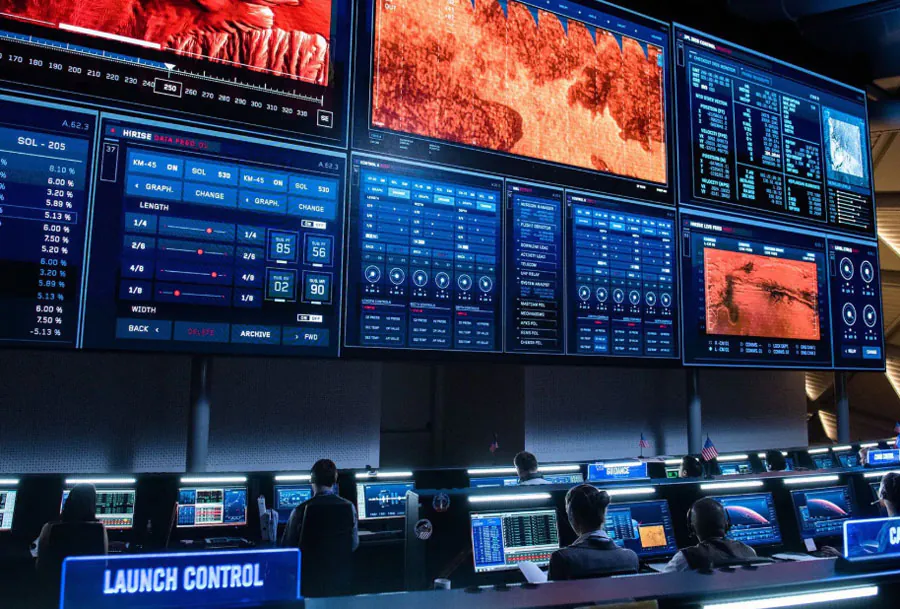
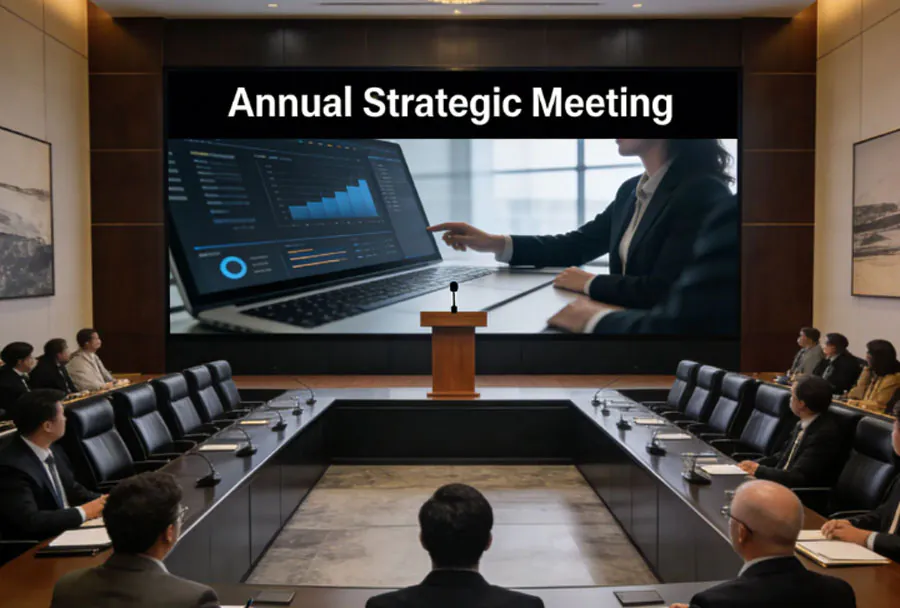
Corporate interiors also benefit from this technology. Reception spaces, executive briefing centers, innovation labs, and collaborative zones all gain more impact from dynamic visual design. A Flexible LED Display for Interior Design can communicate company values, display live data, highlight milestones, or provide immersive backdrops for visitors and staff. In workplaces where brand perception matters, a well-integrated display can signal innovation, confidence, and attention to detail.
Museums, galleries, and public cultural spaces use flexible digital surfaces in yet another way. Here, the goal is often to guide attention, create narrative flow, or blend educational content with artistic presentation. Curved displays can help immerse visitors in historical scenes, scientific environments, or digital art experiences. Because the technology adapts to unusual forms, it supports exhibition design that feels less like screen placement and more like environmental storytelling.
Key design factors before choosing a system
A successful installation starts long before the display is mounted. Interior designers, architects, integrators, and clients need to align on goals, technical requirements, and spatial realities early in the process. The most impressive results come from treating the display as an architectural element, not merely a device.
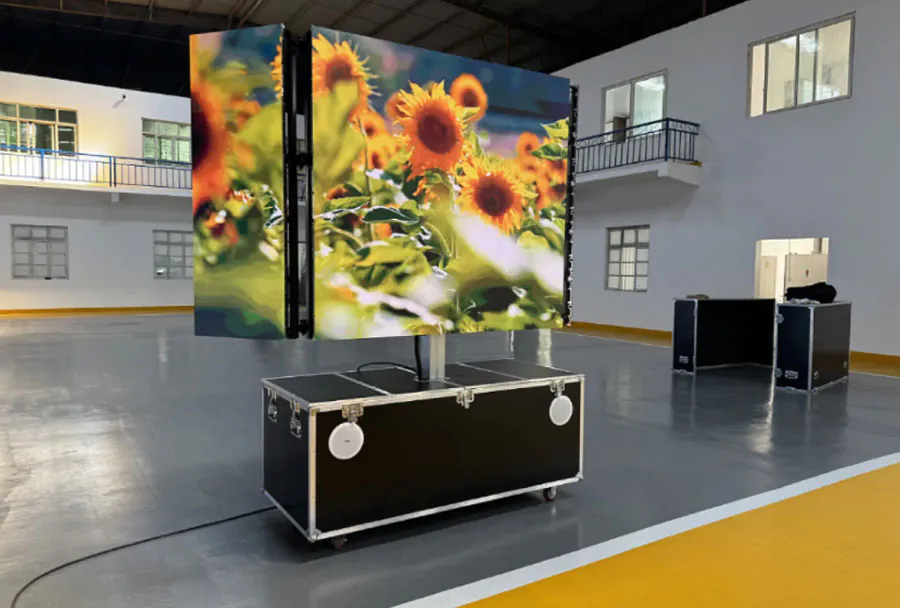
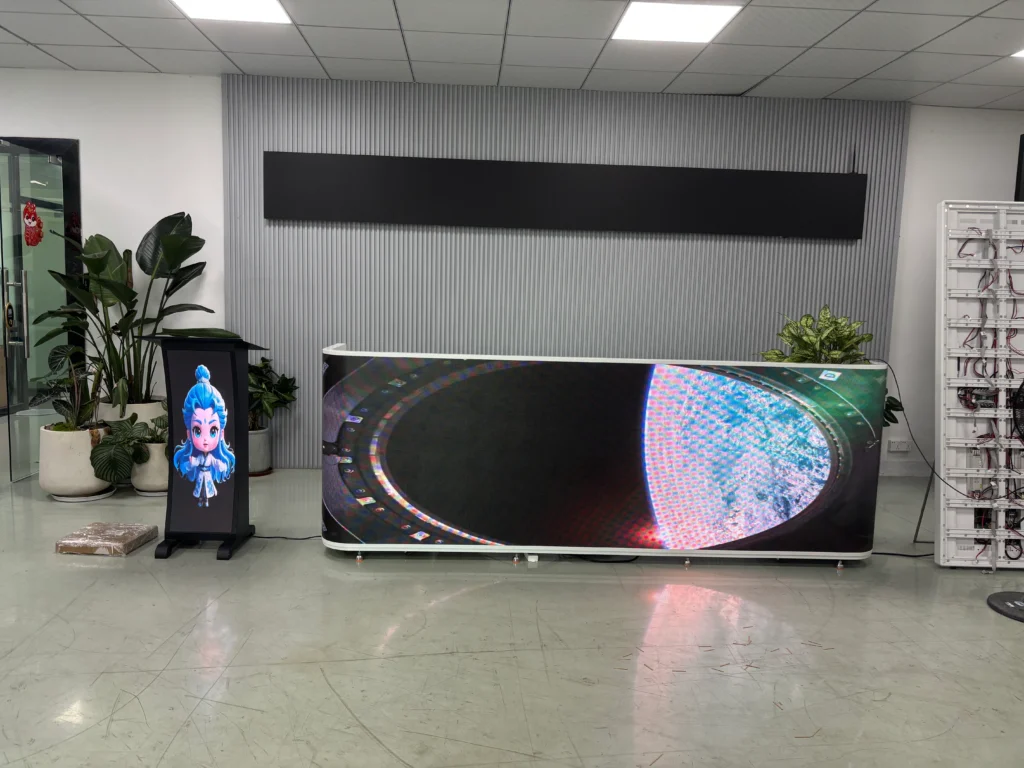
The first consideration is geometry. A Flexible LED Display for Interior Design can bend, but every product has limitations related to radius, module size, mounting structure, and viewing angle. Designers should understand whether the display needs to wrap around a column, form a wave, fit into recessed joinery, or cover a broad curved wall. These details affect both visual quality and installation complexity. Early coordination with suppliers prevents expensive redesigns later.
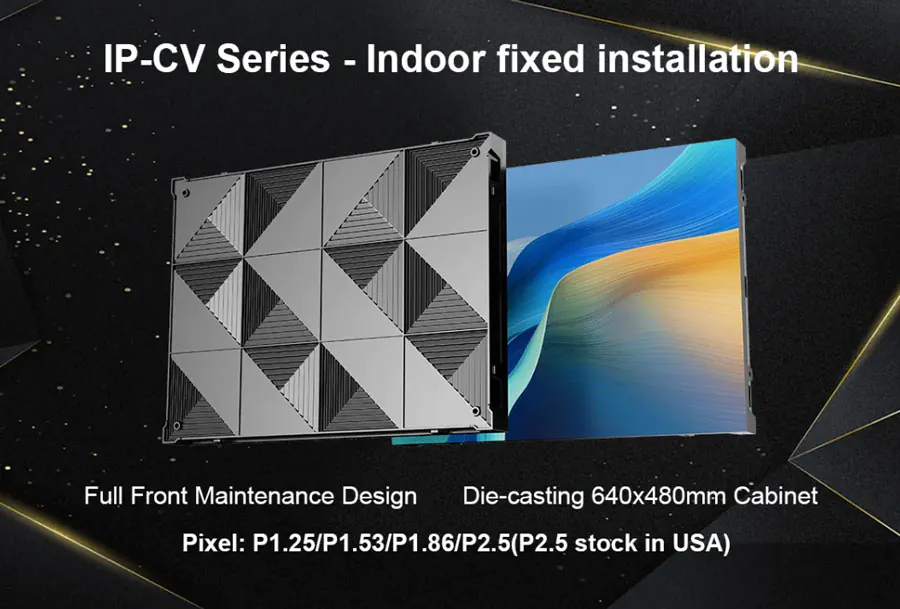
Pixel pitch is another major factor. This refers to the distance between LED pixels and directly affects image sharpness. In interiors where viewers stand close to the surface, finer pixel pitch is usually required for crisp visuals. In larger lobbies or high-ceiling commercial spaces, a slightly wider pitch may still look excellent at typical viewing distances. Choosing the right balance between resolution and budget is essential for performance and cost control.
Brightness and content strategy must also work together. Many interiors do not need the intense brightness required for outdoor displays. Excessive brightness can make a room feel harsh, reduce comfort, and overpower surrounding finishes. A better approach is to calibrate the screen to complement lighting design, materials, and usage patterns. A Flexible LED Display for Interior Design should support the ambiance of the room, whether that means subtle movement in a luxury suite or vibrant motion graphics in a flagship store.
Content planning is often underestimated. Hardware alone does not create impact. Designers need to think about what will actually appear on the display day to day. Will the content be abstract and atmospheric, informational, promotional, or interactive? Will it be scheduled by time, controlled by staff, or connected to sensors? The answers influence software needs, media production costs, and the long-term value of the installation. A beautiful screen with poorly planned content quickly loses its appeal.
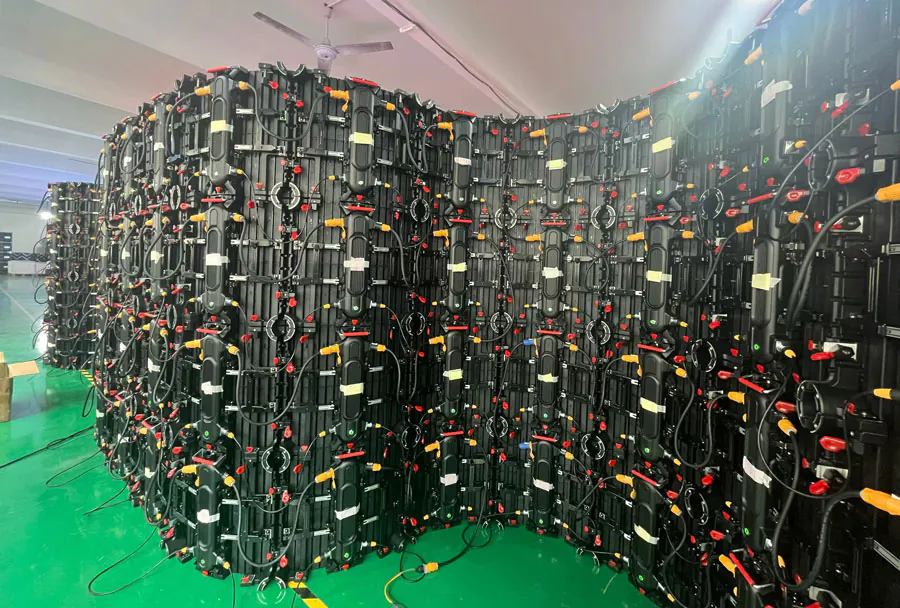
Maintenance and access are equally important. Flexible systems should be installed with serviceability in mind, especially in premium interiors where downtime or visible repair work can disrupt the entire environment. Teams should confirm ventilation, power routing, controller placement, cable management, and methods for front or rear access. The best projects hide the technical infrastructure while keeping it reachable for support.
Finally, material integration deserves serious attention. Digital surfaces should feel connected to flooring, metalwork, stone, wood, upholstery, and lighting. The strongest interiors use contrast and harmony carefully. A sleek black frame may suit a minimalist office, while a frameless edge detail may be better for a hospitality wall intended to disappear into the architecture. The display should enhance the design narrative instead of competing with every other feature in the room.
How to maximize visual impact and long-term value
Installing a display is only the first step. The real return comes from using it strategically over time. Whether the goal is aesthetic distinction, customer engagement, or flexible programming, performance depends on curation, management, and thoughtful design updates.
A Flexible LED Display for Interior Design delivers the best results when it is paired with a clear visual identity. In branded environments, that means content should reflect the company’s tone, palette, pacing, and customer expectations. In residential spaces, the visuals should support how people actually live in the home. A dramatic animation may impress guests during a party, while a calmer visual loop may be better for daily relaxation. Matching content to context helps the display feel purposeful rather than distracting.
Motion design is another area where restraint often creates more luxury. Fast, flashy content can work in entertainment venues, but many interiors benefit from slower transitions, elegant textures, and layered visual depth. Designers should think in terms of rhythm, not just brightness. Subtle movement across a curved wall can make a room feel alive without overwhelming conversations, merchandise, or architectural details.
To protect long-term value, owners should also plan for easy content refreshes. One of the biggest advantages of digital architecture is adaptability. A space does not have to remain visually static for years. Seasonal updates, campaign changes, event themes, and art collaborations can all extend the life and relevance of the installation. This is particularly useful in commercial settings where repeat visitors expect novelty and brands need ongoing reasons to capture attention.
Sustainability and efficiency also matter. While LED technology is generally efficient compared with older display systems, smart usage practices improve results further. Scheduling, brightness control, and content optimization can reduce unnecessary energy consumption. In some projects, the display may even replace multiple decorative or promotional elements, lowering material waste over time. When specified carefully, flexible LED solutions support both innovation and practical responsibility.
Long-term success depends on collaboration too. The best projects involve interior designers, AV consultants, fabricators, electricians, software teams, and content creators from the beginning. That interdisciplinary approach reduces technical compromises and produces a cleaner final result. It also ensures the system can evolve as the space changes. For businesses, this may mean integrating new campaigns or analytics. For homes, it may mean adjusting content preferences or linking the display with smart control systems.
Most importantly, owners should think beyond novelty. A Flexible LED Display for Interior Design creates lasting value when it reinforces mood, supports use, and strengthens the identity of the space every day. When it becomes an organic part of the environment rather than a separate spectacle, the investment continues to pay off visually, emotionally, and commercially.
FAQ
What makes this technology different from a traditional flat screen?
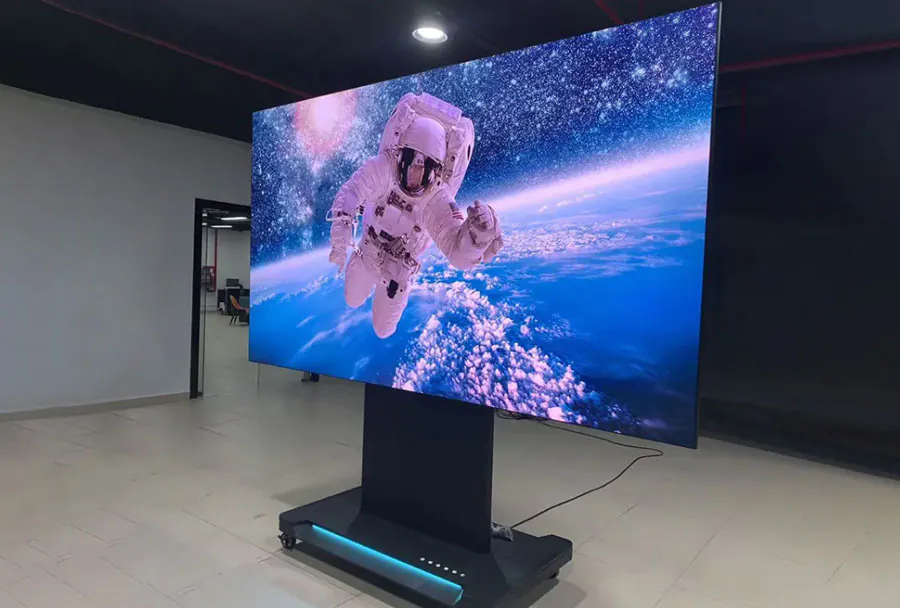
A Flexible LED Display for Interior Design differs from a traditional flat screen because it can conform to curves, columns, waves, and customized architectural forms. That flexibility allows the display to become part of the space itself instead of looking like a separate mounted device. It also gives designers more creative freedom in how they shape visual experiences.
Is it suitable for luxury homes as well as businesses?
Yes, a Flexible LED Display for Interior Design works well in both high-end residential and commercial projects. In homes, it can be used for media rooms, art walls, lounges, and wellness spaces. In businesses, it supports branding, ambiance, promotions, and immersive visitor experiences across retail, hospitality, and corporate interiors.
How do I keep the display from overpowering the room?
The key is thoughtful planning. A Flexible LED Display for Interior Design should be specified with the right brightness, pixel pitch, content style, and placement for the space. When content is curated to complement lighting, materials, and usage patterns, the display enhances the atmosphere instead of dominating it.
Conclusion
The future of interior design is increasingly adaptive, immersive, and experience-driven. A Flexible LED Display for Interior Design gives designers and property owners a tool that combines architecture, media, and atmosphere in one integrated solution. From curved statement walls in luxury homes to dynamic brand environments in retail and hospitality, the possibilities are wide and constantly expanding. When planned with the right geometry, content, lighting, and maintenance strategy, a Flexible LED Display for Interior Design can deliver both immediate visual impact and long-term functional value. It is not simply a screen in a room; it is a new design surface that helps interiors communicate, transform, and stand out in ways static materials rarely can.