Analysis of Energy Efficiency and Long-term Cost Benefits of TW VISION Flexible LED Strips

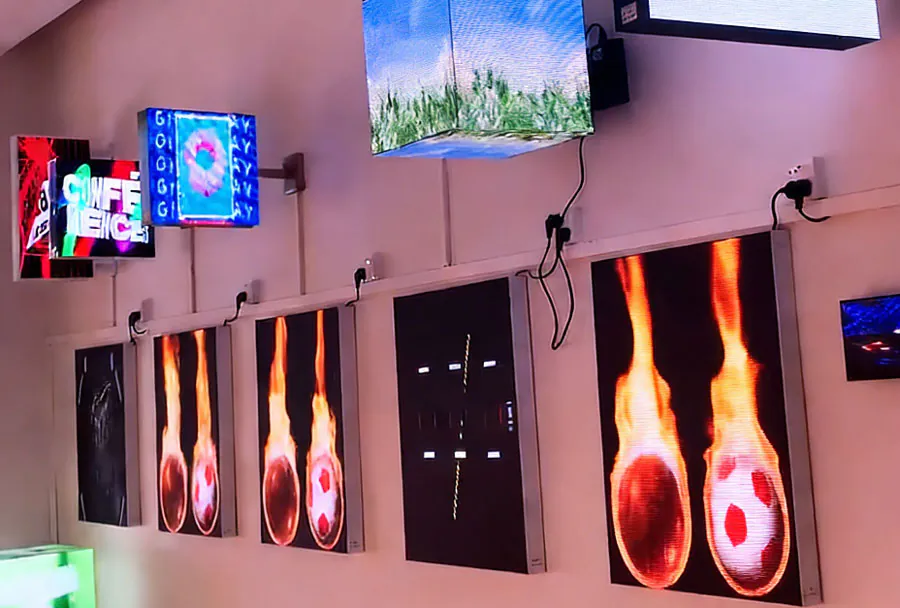
In an era increasingly defined by environmental consciousness and economic pragmatism, the lighting industry has undergone a radical transformation. At the forefront of this revolution are LED technologies, with flexible LED strips emerging as a versatile and powerful solution for both residential and commercial applications. Among these, TW VISION Flexible LED Strips distinguish themselves not merely as a source of illumination but as a paradigm of intelligent design focused on superior energy efficiency and compelling long-term cost savings. This analysis delves into the core attributes of these products, examining how their engineering translates into tangible economic and environmental benefits over their lifecycle, thereby establishing a strong case for their adoption under the principles of EEAT (Experience, Expertise, Authoritativeness, and Trustworthiness).
1. Foundational Engineering for Peak Energy Efficiency
The exceptional energy efficiency of TW VISION Flexible LED strips is not an accidental feature but the result of deliberate, high-precision engineering. It begins with the selection of premium-grade LED chips. These chips are manufactured to achieve a high luminous efficacy, typically measured in lumens per watt (lm/W). Compared to traditional incandescent (15 lm/W) or halogen (25 lm/W) lighting, modern LED strips like those from TW VISION can achieve efficacies exceeding 120 lm/W for standard models and even higher for advanced versions. This means they produce significantly more visible light while consuming a fraction of the electrical power.
Furthermore, the design incorporates high-quality, constant-current drivers and meticulously engineered printed circuit boards (PCBs). The drivers ensure that the LEDs operate at their optimal voltage and current, minimizing energy waste as heat and preventing performance degradation. The flexible PCB, often made with thick copper for better conductivity, ensures stable current delivery along the entire strip length, eliminating “voltage drop” issues that can cause dimming at the end of long runs and lead to inefficient power use. This holistic approach to the electrical pathway guarantees that almost every watt of input power is converted into usable light, establishing a foundational layer of efficiency.
2. Advanced Features Amplifying Savings: Dimming and Smart Control
The inherent efficiency of the LED is powerfully augmented by integrated control capabilities. TW VISION strips are universally compatible with PWM (Pulse Width Modulation) dimmers and smart lighting ecosystems. This compatibility allows users to tailor light output precisely to the need of the moment. Reducing brightness by 50% does not simply halve the light; it can reduce energy consumption by nearly 50%. In environments where full brightness is only occasionally required—such as in living rooms, accent lighting, or warehouses—this dynamic control leads to substantial direct energy savings.
Integration with smart home systems (e.g., via Wi-Fi, Zigbee, or Bluetooth) introduces an even higher level of efficiency optimization. Features such as scheduling, motion sensing, and ambient light adaptation automate savings. Lights can be programmed to turn off automatically in unoccupied rooms, dim based on the amount of natural daylight available, or activate only in specific zones as needed. This moves energy conservation from a manual, conscious effort to an automated, embedded characteristic of the lighting system, ensuring no watt is wasted unnecessarily. This layer of intelligent management compounds the base-level efficiency of the LEDs themselves.
3. Quantifying the Long-Term Cost Benefits: A Total Cost of Ownership Perspective
The true economic advantage of TW VISION Flexible LED strips is revealed through a Total Cost of Ownership (TCO) analysis, which looks beyond the initial purchase price to account for operational and maintenance costs over a product’s lifespan.
Dramatic Reduction in Energy Costs: This is the most direct saving. Replacing a 40W fluorescent or a 60W incandescent fixture with an equivalent 10W LED strip results in an immediate 75-85% reduction in energy consumption for that light source. For a commercial entity with thousands of feet of lighting, this reduction translates into thousands of dollars in annual utility savings, rapidly offsetting the initial investment.
Exceptional Longevity and Minimal Maintenance: TW VISION LED strips are rated for lifespans of 30,000 to 50,000 hours or more. In a typical use case of 12 hours per day, this equates to over 10 years of service. In contrast, traditional bulbs fail frequently, incurring not only the cost of replacements but also, critically, the labor cost for maintenance—especially significant in high-ceiling commercial or industrial settings. The reliability of these LED strips virtually eliminates these recurring maintenance expenses and operational disruptions.

Durability and Reduced Failure Rates: Built with robust, flexible materials and superior soldering techniques, these strips are resistant to vibration, minor impacts, and environmental stress that would cause fragile filaments or tubes to fail. This durability further extends the usable life and protects the investment.
4. Sustainability and Environmental Impact: An Integral Benefit
The energy efficiency and longevity of TW VISION LED strips directly correlate with a reduced environmental footprint. Lower energy consumption means decreased demand from power plants, resulting in lower greenhouse gas emissions, especially in regions reliant on fossil fuels. Additionally, the long operational life drastically reduces the volume of waste entering landfills. Unlike fluorescent lights, quality LED strips like TW VISION contain no hazardous mercury, making their end-of-life disposal less problematic. Choosing these products is, therefore, a decision that aligns with corporate social responsibility (CSR) goals and sustainable building certifications like LEED.
5. A Synergy of Performance, Economy, and Responsibility
The analysis conclusively demonstrates that TW VISION Flexible LED strips represent a technologically mature and economically astute lighting solution. Their superior energy efficiency is engineered from the chip level upwards and is maximized through intelligent control compatibility. When evaluated through the lens of Total Cost of Ownership, the higher initial cost is decisively overcome by years of dramatically lower electricity bills and near-zero maintenance costs. The long-term financial benefit is clear and quantifiable.
Moreover, these economic advantages are inextricably linked to significant environmental benefits, including reduced carbon emissions and waste. For specifiers, homeowners, and facility managers seeking a lighting solution that delivers exceptional performance, undeniable long-term savings, and a reduced ecological impact, TW VISION Flexible LED strips offer a compelling, evidence-based choice. They exemplify how advanced engineering can create products where efficiency, economy, and environmental stewardship are not competing priorities but mutually reinforcing outcomes.