outdoor led display screen: 15 : Complete Buyer Guide

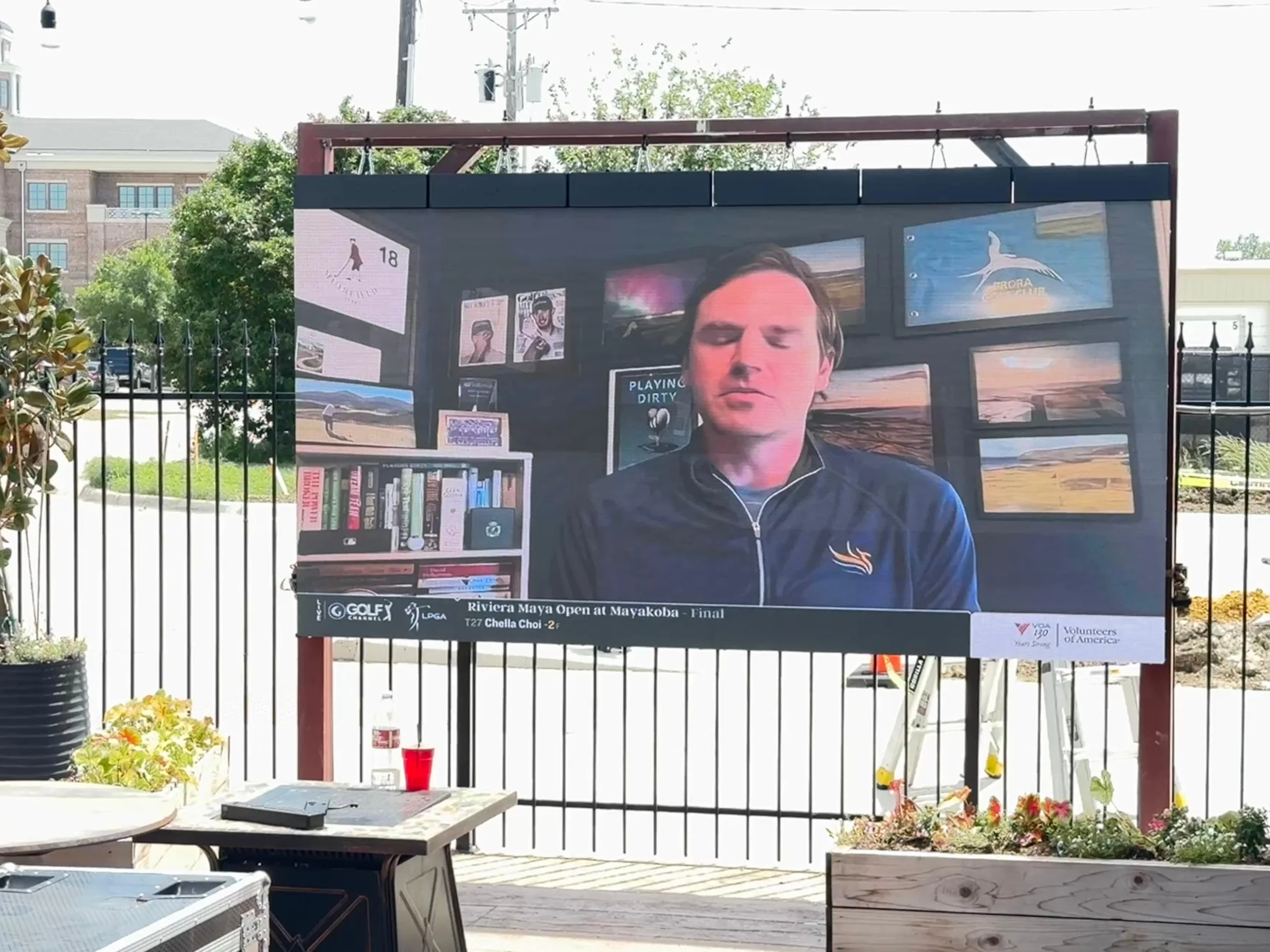
Outdoor advertising and public communication have changed dramatically with the rise of digital signage. An outdoor LED display screen offers bright visuals, flexible content control, and strong visibility in busy public spaces. From retail promotions and stadium announcements to transportation hubs and city events, these digital systems help brands and organizations deliver messages in real time.
Table of Contents
- What Is an Outdoor LED Display Screen and How Does It Work?
- How to Choose the Right Outdoor LED Display Screen
- Why Choose TW VISION as Your Outdoor LED Display Manufacturer
- FAQ About Outdoor LED Display Screen Technology
- What brightness is best for an outdoor led display screen?
- How long does an outdoor led display screen last?
- Is an outdoor led display screen waterproof?
- What pixel pitch should I choose for an outdoor led display screen?
- How much maintenance does an outdoor led display screen need?
- Can an outdoor led display screen be controlled remotely?
- Conclusion
Choosing the right solution requires more than comparing prices. Buyers need to understand brightness, pixel pitch, weather resistance, installation demands, maintenance needs, and long-term operating costs. The right decision can improve audience engagement and maximize return on investment, while the wrong one can create expensive technical problems.
This guide explains how to evaluate features, applications, benefits, and purchasing factors so you can select an outdoor led display screen that fits your goals, budget, and environment.
What Is an Outdoor LED Display Screen and How Does It Work?
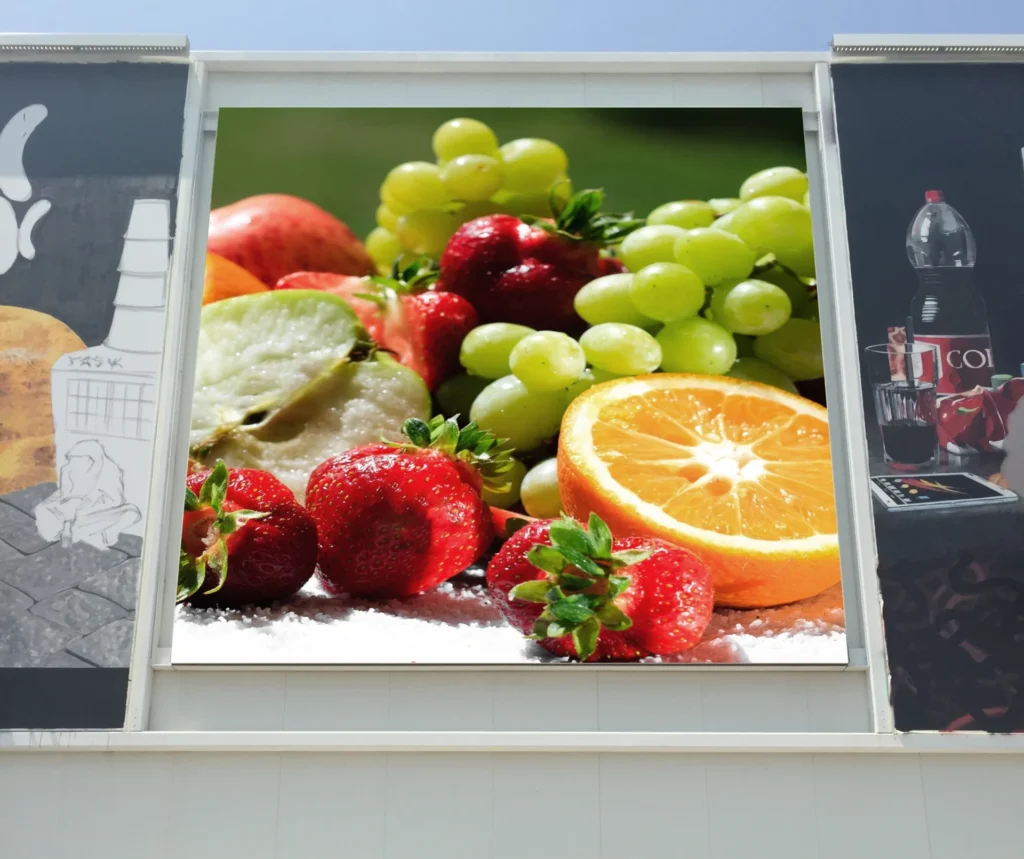
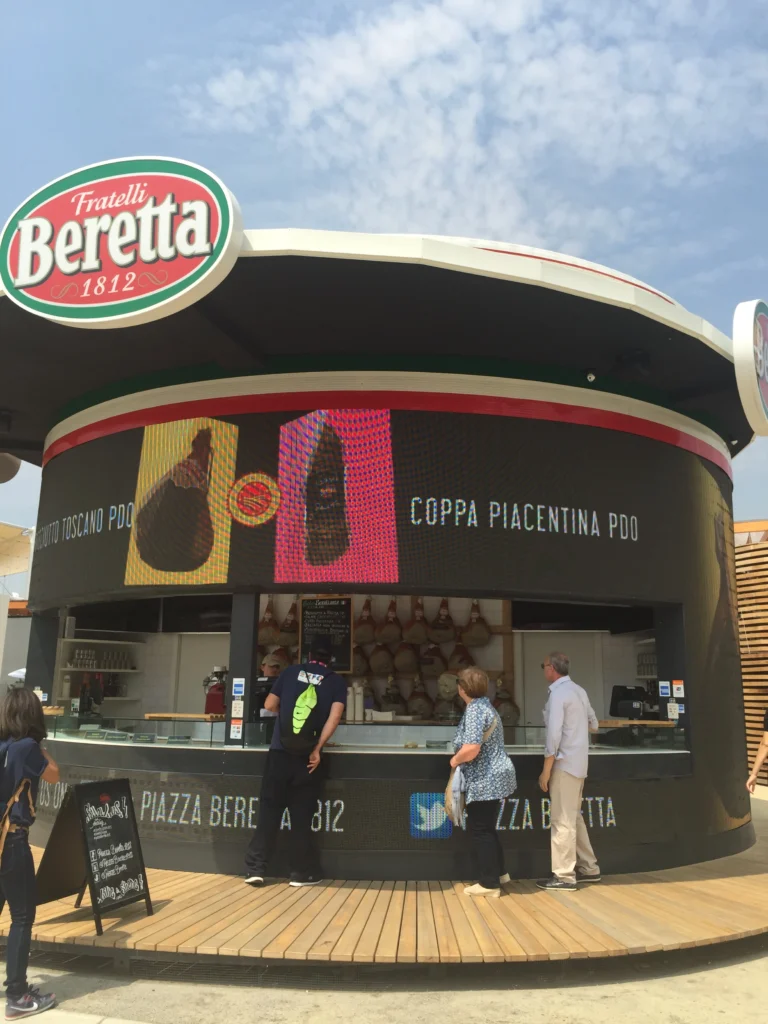
An led display screen is a digital display system designed specifically for open-air environments where sunlight, rain, dust, wind, and temperature changes can affect performance. Unlike indoor displays, these screens are engineered with higher brightness, stronger protective enclosures, and better heat dissipation to maintain clear visibility and reliable operation.
LED stands for light-emitting diode. Thousands of small diodes work together to form images, animations, text, and video content. The screen receives signals from a control system, which manages the content shown in real time or according to a schedule. Because of this setup, businesses can instantly change promotions, public service announcements, event schedules, or branding messages.
The structure of an outdoor led display screen usually includes LED modules, cabinets, power supplies, receiving cards, control systems, and a protective frame. Modular design is especially important because it allows easier maintenance and replacement of damaged sections without changing the entire display.
One of the defining features of these displays is brightness. Outdoor units often require significantly higher nits than indoor models to stay readable under direct sunlight. They also use weatherproof housing with IP-rated protection to guard internal electronics. Ventilation or cooling systems may be added depending on climate and screen size.
Another important aspect is pixel pitch, which is the distance between LED pixels. A smaller pixel pitch provides sharper images at closer viewing distances, while a larger pitch can be more cost-effective for billboards viewed from far away. This is why screen selection should always be matched to audience distance and use case.
In practical terms, an outdoor led display screen works as a powerful communication tool because it combines durability, visibility, and dynamic content management in one system.
How to Choose the Right Outdoor LED Display Screen
Lock Down Pixel Pitch and Viewing Distance Before You Quote
Pixel pitch is the distance in millimeters between adjacent LED clusters, and it sets your resolution, clarity, and minimum viewing distance. In an Outdoor LED Display Screen: Complete Buyer’s Guide from a Manufacturer, pitch should be the first number you lock because it drives cabinet size, cooling, and price.
A common manufacturer rule is to allow 1 mm of pitch for every 1 meter of minimum viewing distance. A P6 module works from roughly 6 meters away, while a P10 module is common for highway and roadside signs where viewers are 10 meters or more away. Smaller pitch is not automatically better outdoors.
It adds cost and can reduce brightness because the modules pack more LEDs into the same area.
– P4–P6: close pedestrian or shopfront viewing
– P8–P10: mid-distance or large billboards
– P16 and above: long-distance highway signs
How to apply this: measure the shortest realistic viewing distance from the screen to the audience, then divide that distance in meters by 1 to 1.5 to find the pitch range.
Demand Sunlight-Ready Brightness, Not Just Peak Nits
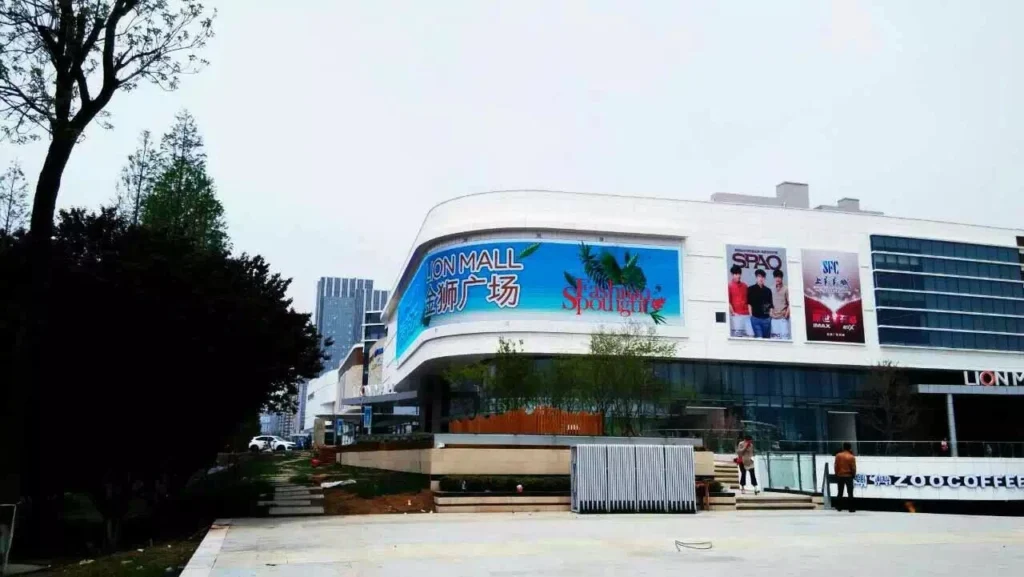
Sunlight can erase a dim outdoor screen. For an Outdoor LED Display Screen: Complete Buyer’s Guide from a Manufacturer, brightness is a usability spec, not a marketing number. Manufacturer datasheets typically show calibrated outdoor brightness between 5,000 and 8,000 nits. South-facing walls, high-altitude sun, and screens under direct midday light should be at the upper end.
Ask for calibrated brightness after white balance and after module aging, not the raw maximum from the LED chip. Also check the screen’s automatic brightness sensor. A good system dims at night to avoid ghosting and reduce power. In one common scenario, a 4,000-nit screen that looks acceptable in a showroom becomes unreadable at noon when mounted across the street.
How to apply this: request the module spec sheet and circle the calibrated brightness number; if it is below 5,000 nits, ask how the vendor compensates.
Verify Weatherproofing and IP Ratings for Your Climate
Weather damage is a leading cause of outdoor LED failures. In an Outdoor LED Display Screen: Complete Buyer’s Guide from a Manufacturer, the cabinet and module seals matter as much as the LEDs inside. The International Electrotechnical Commission (IEC) standard 60529 defines IP65 as “dust-tight and protected against water jets.” IEC publishes the rating system used by most LED manufacturers.
A front IP65 rating is common, but the rear of the cabinet also needs protection for heat vents, service doors, and cable entry points. This Outdoor LED Display Screen: Complete Buyer’s Guide from a Manufacturer recommends matching the full cabinet rating to your worst weather week, not your average day.
| IP Rating | Protection | Outdoor use | What to check |
|---|---|---|---|
| IP65 front | Dust-tight, water jets | Standard outdoor | Confirm rear rating separately |
| IP54 rear | Dust-protected, splashing | Sheltered locations | Avoid direct rain exposure |
| IP67 | Dust-tight, temporary immersion | Coastal/storm zones | Ask for corrosion-proof hardware |
| IP43 | Limited dust, spraying | Not outdoor front | Reject for exterior LED |
How to apply this: visit the installation site after heavy rain, note where water pools or blows, and require an IP rating one step above that exposure.
Choose a Control System You Can Service and Scale
Your LED modules may last a decade, but a closed control system can lock you into one vendor.
In an Outdoor LED Display Screen: Complete Buyer’s Guide from a Manufacturer, the processor and software should be open enough for local service teams. NovaStar produces widely used receivers, processors, and calibration software that many independent technicians already know. Brompton Technology builds Tessera processors popular for color accuracy and large-format video walls.
Check that the system supports remote monitoring, scheduled brightness, and module-level diagnostics. Also ask about firmware updates. A screen that cannot be updated may become hard to service as control computers change. High refresh rates, often 1,920 Hz or 3,840 Hz, reduce visible flicker on cameras and improve readability.
How to apply this: ask the vendor which processors and receivers they use, then confirm that at least two local integrators stock compatible parts.
Calculate Total Cost of Ownership Beyond the Module Price
Module price is one line item, but power, heat, and maintenance decide your real expense. In an Outdoor LED Display Screen: Complete Buyer’s Guide from a Manufacturer, request a five-year total cost of ownership model before signing. Many LED module datasheets list a 100,000-hour half-life rating, but that assumes controlled temperature and clean power.
Outdoor screens in hot climates need adequate cabinet ventilation.
Power supplies from brands such as Mean Well are commonly used because they tolerate outdoor temperature swings. Also plan for spare modules, because LEDs from different batches can shift color slightly when mixed. This Outdoor LED Display Screen: Complete Buyer’s Guide from a Manufacturer suggests budgeting for spares, service, and recalibration in your first-year operating plan.
How to apply this: ask for average and maximum wattage, multiply average watts by daily run hours and your local electricity rate, then add cooling and service costs.
Budget Checklist for a Permanent Outdoor Install
– Initial screen and cabinet cost
– Power delivery and thermal management
– Content player, CMS software, and LED controller
– Installation engineering and permits
– Annual maintenance and module replacements
Why Choose TW VISION as Your Outdoor LED Display Manufacturer
Choosing an outdoor LED display manufacturer is about more than comparing product specifications and prices. Manufacturing capacity, quality control, production consistency, customization capability, and after-sales support all play an important role in the long-term performance of an LED display. As an experienced LED display manufacturer, TW VISION combines in-house production capabilities with strict quality control to provide reliable outdoor LED display solutions for different project requirements.
8,000 m² Factory
TW VISION operates an approximately 8,000 m² manufacturing facility designed to support efficient LED display production and quality control. A dedicated production environment allows us to manage key manufacturing processes more closely, from LED module production and cabinet assembly to testing and final inspection. This integrated manufacturing capability helps maintain consistent product quality while supporting different project sizes and customized requirements.
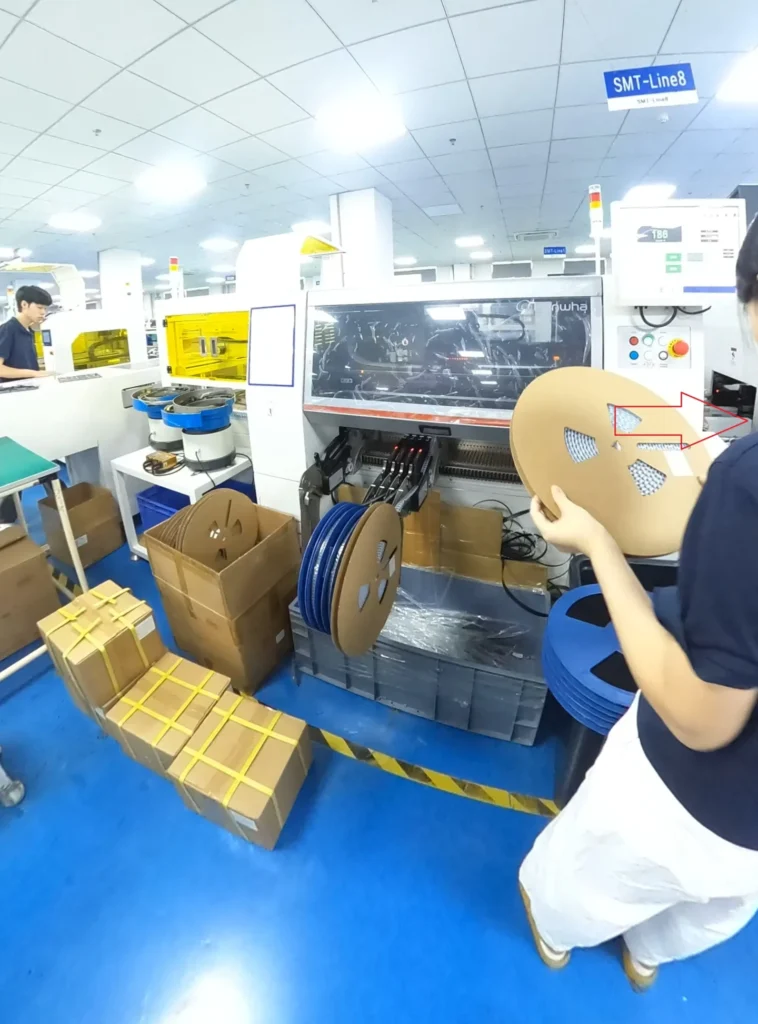
8 SMT Production Lines
With 8 independent SMT production lines, TW VISION has the production capacity to support stable and efficient LED module manufacturing. Automated SMT production helps improve component placement accuracy and production consistency, which are essential for achieving reliable brightness, color uniformity, and long-term display performance. This production capability also allows TW VISION to respond efficiently to different order volumes and project schedules.
Dedicated Module Aging
LED modules are an important component of a complete LED display, and their stability directly affects the performance of the finished screen. TW VISION operates a dedicated module aging workshop to help identify potential issues before products move to the next stage of production. Aging and testing processes provide an additional layer of quality control and help ensure that modules meet the required performance standards before cabinet integration.
Cabinet Aging
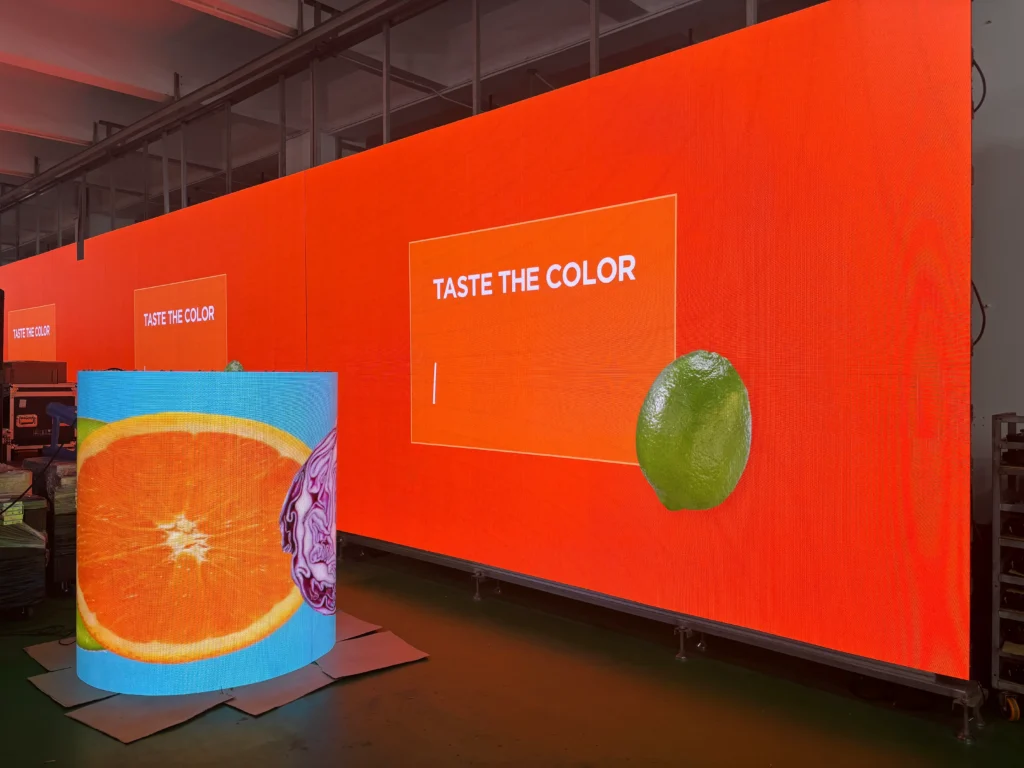
After module assembly and cabinet integration, LED display cabinets require additional testing to verify their overall stability. TW VISION maintains a dedicated cabinet aging area of approximately 2,000 m² for systematic testing and quality control. This process helps evaluate the performance of complete cabinets under continuous operation and provides an important checkpoint before shipment.
24-Hour Aging Test
TW VISION conducts a 24-hour aging test for each cabinet batch before shipment. Continuous operation during the aging process helps identify potential issues that may not be immediately visible during a standard inspection. By adding aging testing to the production process, TW VISION aims to reduce potential failures after delivery and provide customers with more reliable LED display products.
ODM / Customization
Different outdoor LED display projects may require different pixel pitches, cabinet sizes, structures, maintenance methods, brightness levels, or installation configurations. TW VISION provides ODM and customization capabilities to help customers develop LED display solutions according to specific project requirements. Instead of limiting customers to standard configurations, our engineering and manufacturing capabilities can support customized LED display designs for commercial, advertising, sports, entertainment, and other applications.
FAQ About Outdoor LED Display Screen Technology
What brightness is best for an outdoor led display screen?
The ideal brightness depends on installation conditions, especially sunlight exposure. An the approach in direct sun typically needs a much higher brightness level than one installed in a shaded area. Buyers should consult suppliers for recommendations based on the exact site.
How long does an outdoor led display screen last?
A quality it can last many years when properly installed and maintained. Lifespan depends on component quality, usage hours, environmental conditions, and maintenance practices. Reliable brands usually provide estimated operating hours and warranty coverage.
Is an outdoor led display screen waterproof?
Most professional outdoor LED products are designed with weather-resistant enclosures and IP-rated protection. A properly manufactured outdoor led display screen should resist rain, dust, and other environmental exposure, though exact protection levels vary by model.
What pixel pitch should I choose for an outdoor led display screen?
The right pixel pitch depends mainly on viewing distance. If people will be close to the display, a smaller pitch is better for image clarity. If the outdoor led display screen will be viewed from far away, a larger pitch may be more cost-effective.
How much maintenance does an outdoor led display screen need?
Routine maintenance is necessary to keep performance stable. A typical outdoor led display screen should be inspected regularly for module condition, cabinet sealing, power stability, and control system health. Preventive maintenance helps reduce downtime and extend lifespan.
Can an outdoor led display screen be controlled remotely?
Yes. Most modern systems support remote content updates through software platforms connected via local network or cloud systems. This allows operators to manage an outdoor led display screen efficiently from a central location.
Conclusion
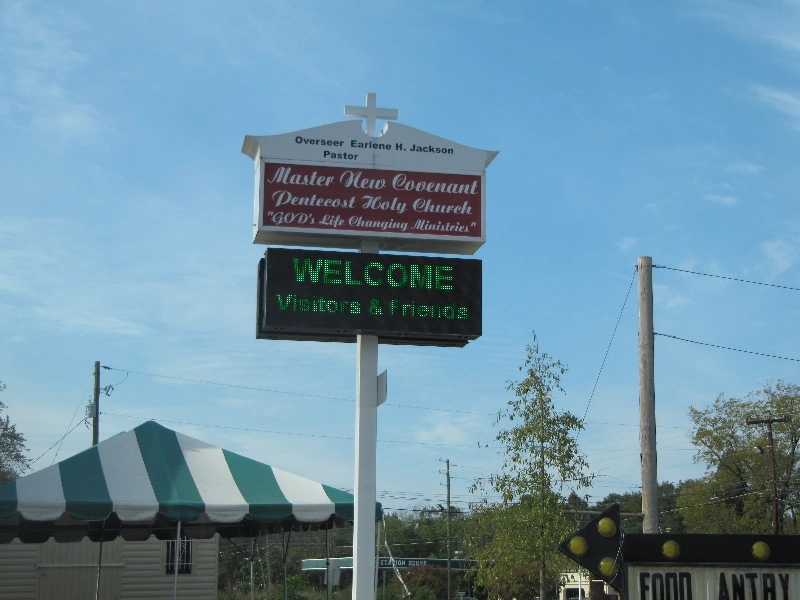
An outdoor led display screen is one of the most effective digital communication tools for modern advertising, information delivery, and audience engagement. Its value comes from high brightness, weather resistance, flexible content management, and strong visual impact across many industries.
To make the right investment, buyers should evaluate brightness, pixel pitch, installation conditions, maintenance access, energy use, and supplier support. A carefully selected outdoor led display screen can provide years of reliable service while supporting marketing goals, public communication, or event experiences.
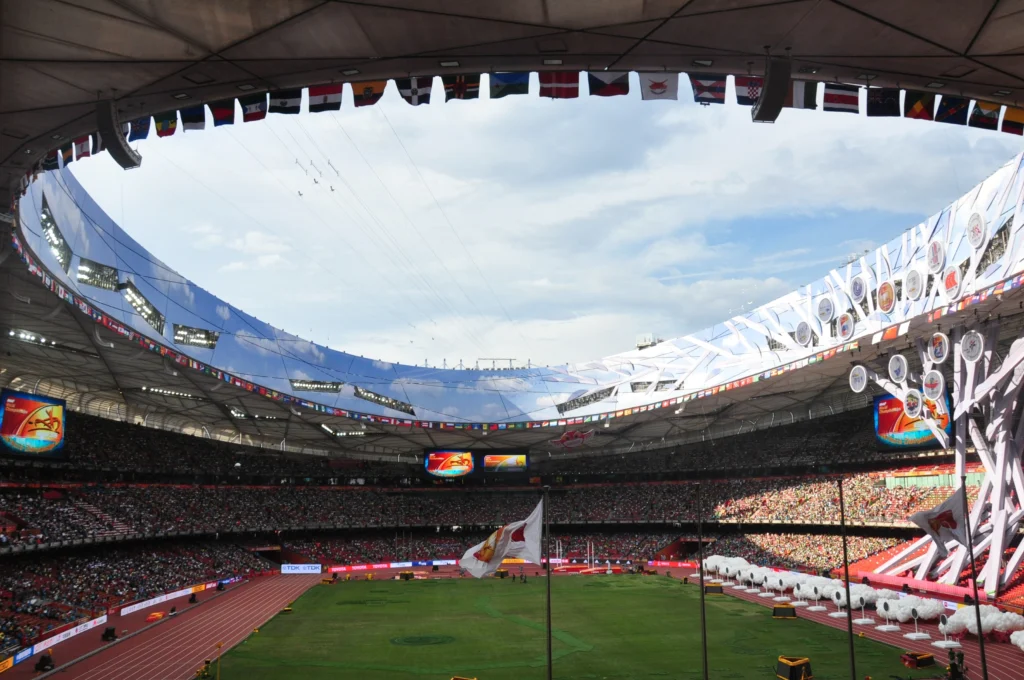
Whether you are planning a billboard, retail sign, stadium screen, or municipal information board, understanding the technical and practical details will help you choose a solution that performs well in real-world outdoor environments.