Reliable Rental LED Display Screen with Installation & Tech Support

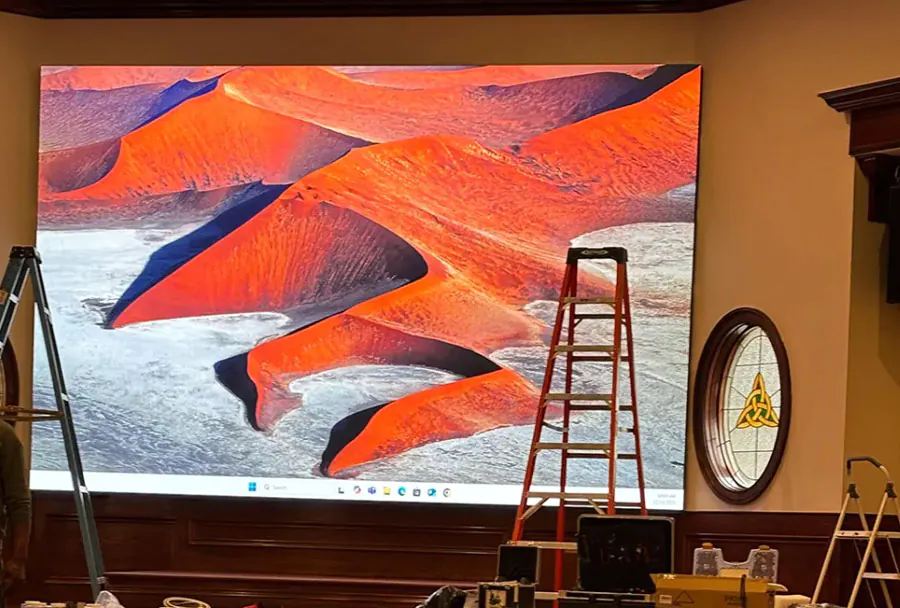
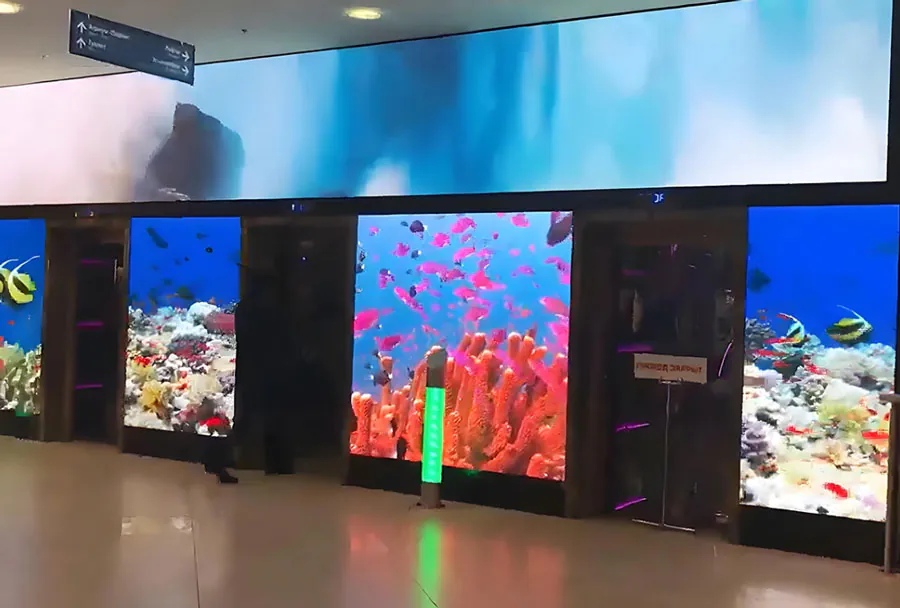
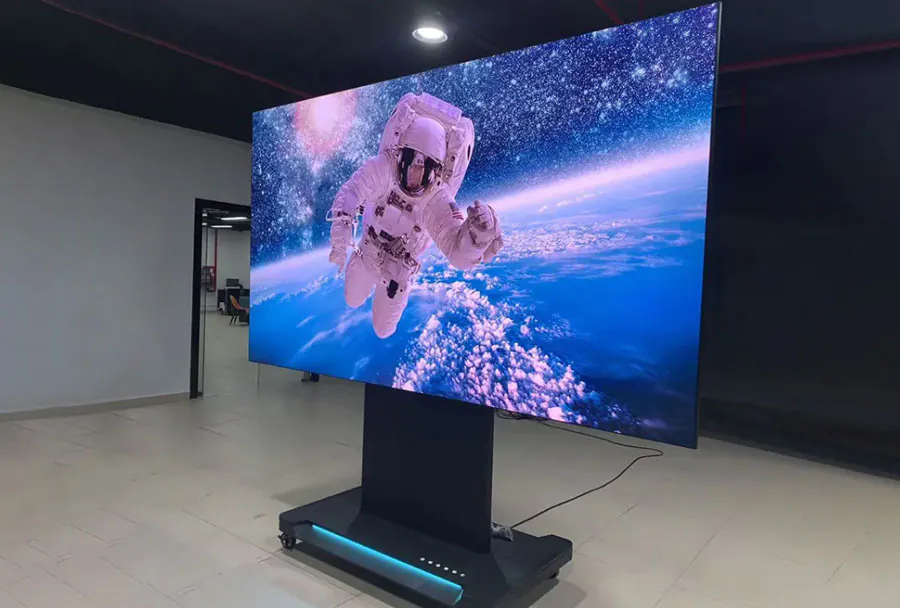
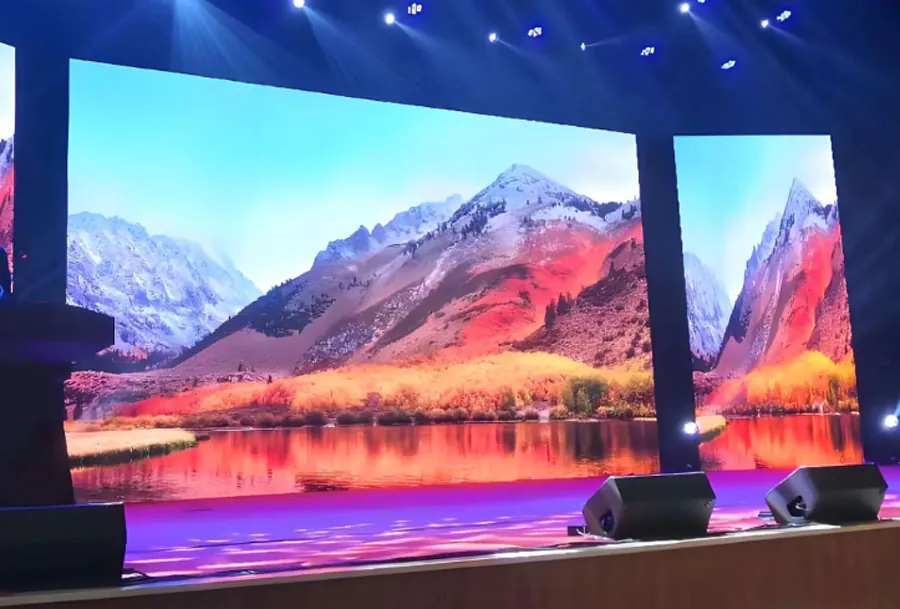
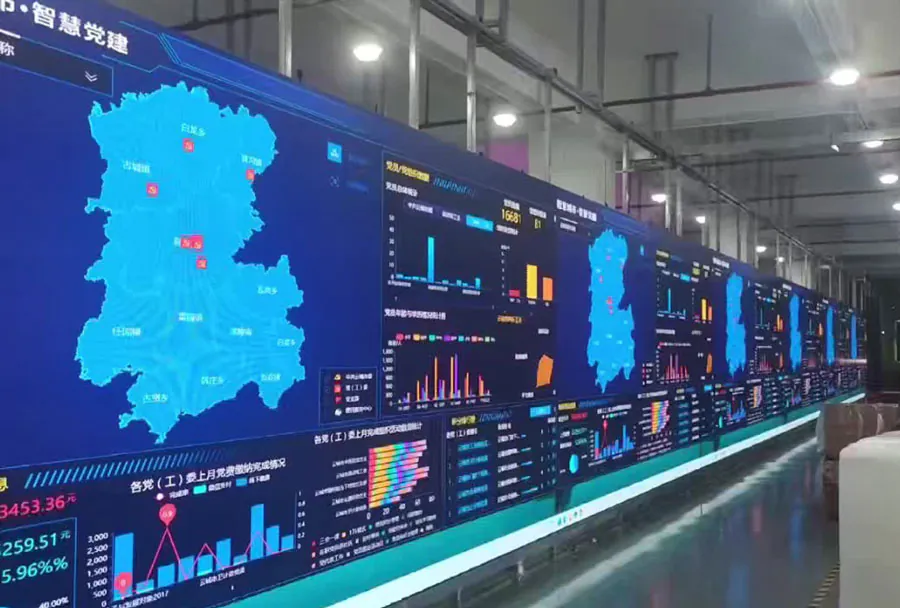
Reliable rental LED display screens have become a cornerstone for events, corporate activations, trade shows, concerts, and temporary digital signage. The rental model combines high-end hardware with flexible deployment so organizations can access large-format visual solutions without the capital expense or long-term maintenance burden. But reliability isn’t just about the hardware—it also depends on professional installation and prompt technical support. When rental providers bundle installation and ongoing tech support, clients get predictable performance, minimal downtime, and a single point of responsibility for the screen’s operation during the rental period.
What “reliable” means for rental LED displays
Reliability in rental LED displays covers multiple dimensions: consistent image quality, robust hardware resistant to wear and transport, modular design for quick repairs, tested software stability, and clearly defined service-level agreements (SLAs) for installation and support. A truly reliable rental solution anticipates field conditions—variable power quality, weather exposure for outdoor setups, complex rigging points for stages—and includes processes to manage them effectively.
Core Components of a Reliable Rental LED Display Offering
High-quality LED panels and modules
Rental displays should use LED modules designed for frequent assembly and disassembly. Durable connectors, reinforced cabinets, and consistent color calibration across modules reduce the likelihood of visible seams or pixel failures under stress. Typical rental panels are P2.6 to P6 for indoor events and higher pixel pitches (P6 to P10) for outdoor viewing distances.
Modular, serviceable hardware design
Serviceability is critical. Magnetic modules, front and rear access options, and spare parts kits (power supplies, receivers, pixel modules) enable on-site field technicians to swap components quickly, reducing downtime. Cabinets designed for fast locking and robust rigging hardware shorten setup and teardown times.
Professional rigging and structural systems
Rigging systems must match the event environment—truss mounts for concert stages, ground-support systems for outdoor advertising, or frame systems for indoor exhibitions. Reliable providers use engineered rigging designs with load calculations and fall-protection mechanisms, and they ensure compliance with local safety codes and venue requirements.
Control and processing systems
A reliable rental solution includes proven media servers, LED processors, and control software compatible with the screen’s features. Built-in redundancy for signal path and power (redundant media players, hot-swappable power supplies) ensures continuous operation even if a component fails.
Installation: Professional Practices that Ensure Reliability
Site survey and planning
A dependable installation begins long before the screen arrives. A comprehensive site survey documents rigging points, sightlines, viewing distances, ambient light conditions, power availability, network access, safety constraints, and local regulations. This planning minimizes last-minute surprises and streamlines logistics.
Turnkey installation workflow
Turnkey installation typically includes delivery, staging, rigging/mounting, electrical integration, signal routing, calibration, content upload, and final testing. Each stage is documented with checklists, and experienced crews follow standardized procedures to ensure consistent quality.
Calibration and color uniformity
Proper brightness and color calibration across an LED screen are essential to avoid visible banding or color shifts. Technicians use calibration tools and software to adjust gamma, white point, and pixel-level uniformity. For multi-screen arrays, edge blending and synchronization of refresh rates are also addressed.
Power and environmental management
Rental setups require careful power planning. UPS systems, power distribution units, surge protection, and grounding reduce the risk of outages and protect sensitive electronics. For outdoor setups, weatherproof enclosures and temperature control measures (fans, heaters, drainage) are part of a reliable installation.
Technical Support: Ensuring Uptime Before, During, and After the Event
Pre-event support and testing

Pre-event technical support includes remote configuration assistance, content compatibility checks, file format validation, and dry runs. Vendors often provide a rehearsal window to test video playback, transitions, and live inputs such as HDMI or SDI feeds.
On-site technical staff and roving technicians
Having trained technicians on site is a major reliability differentiator. On-site staff can diagnose and resolve issues immediately—swap a faulty module, reroute signals, or reconfigure playback systems. Roving technicians may cover multiple elements of the event, from LED screens to lighting and audio, ensuring integrated troubleshooting.
Remote monitoring and proactive maintenance
Remote monitoring capabilities allow technicians to watch important metrics such as frame rates, temperature, and signal status. Proactive alerts can trigger preventive action before a failure occurs. For rentals spanning multiple days or nights, scheduled inspections and maintenance reduce the risk of overnight failures.
Clear SLA and escalation paths
A reliable rental provider publishes clear response times, repair timelines, and escalation protocols. SLAs should specify maximum downtime windows, spare parts availability, and backup equipment provisioning. Clear contractual terms protect both the client and provider and set expectations for performance.
Use Cases: Where Rental LED Displays Shine
Live events and concerts
Concerts demand large, bright displays with fast refresh rates and high reliability under the stress of repeated load-ins and load-outs. Rental providers typically supply touring-rated cabinets, robust rigging, and crew familiar with fast turnarounds.
Corporate events and conferences
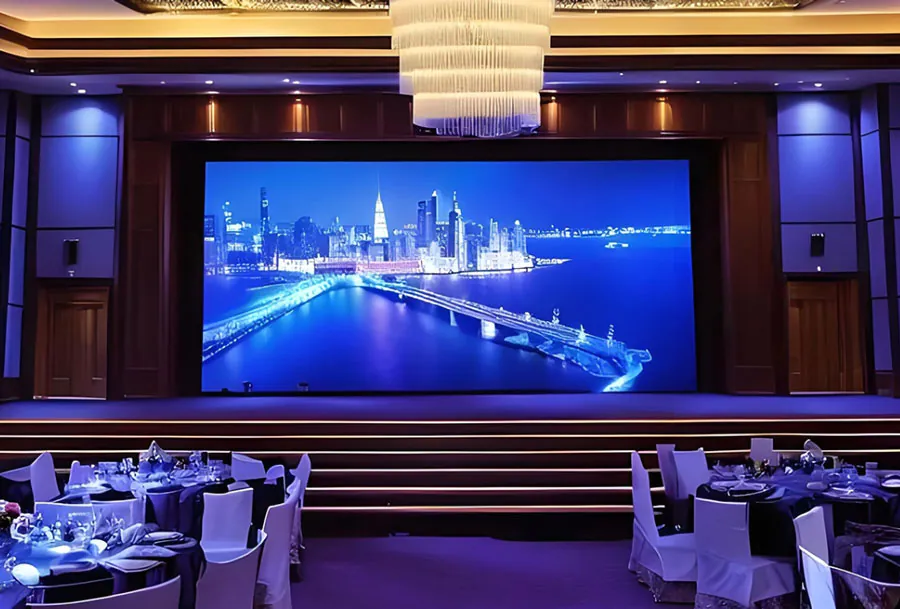
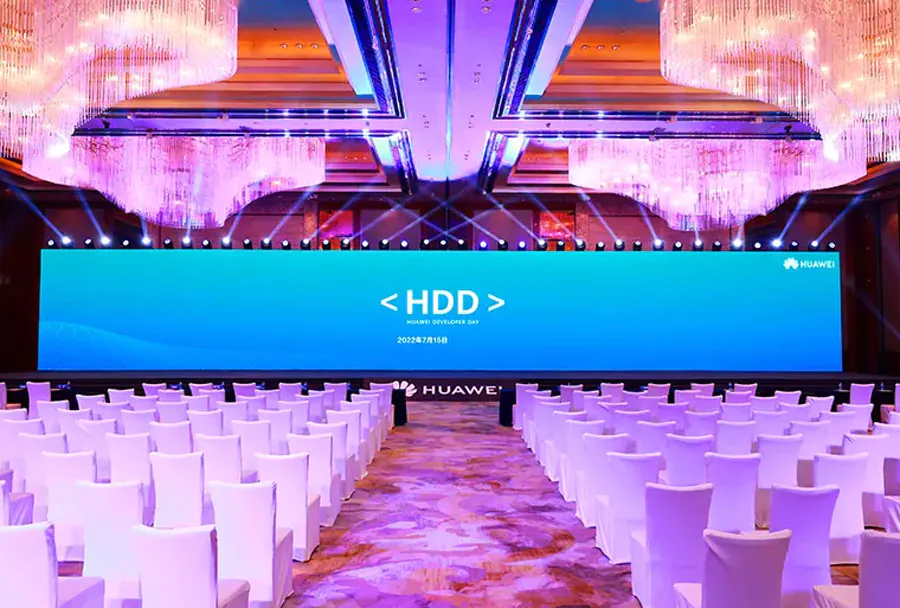
Corporate clients prioritize image quality and integration with presentations and AV systems. Rental solutions include indoor fine-pitch screens, on-site technicians for presenter support, and signal routing that integrates with corporate sources and streaming platforms.
Trade shows and exhibitions
Trade shows often necessitate compact, high-resolution displays for booth engagements. Rental offers flexibility to scale pixel pitch and size for a specific booth footprint and ensures uptime across multi-day shows.
Outdoor activations and temporary signage
Outdoor rentals must handle environmental exposure and variable viewing distances. Providers offer weather-resistant cabinets, higher brightness ratings, and engineered ground or truss-supported structures.
Cost Considerations: Budgeting for Rental, Installation, and Support
When budgeting, clients should consider base rental fees (usually per day/week), delivery and logistics, installation labor, on-site technical staff, power and accessory rentals (generators, UPS), and optional services such as content preparation and post-event data capture. A cost-effective rental provider offers transparent pricing, bundled packages, and options to scale services based on event risk tolerance.
Value versus price
Lowest-price options may cut corners on support or use older hardware, which can increase risk. Investing in a provider with strong installation and support often reduces total event risk and can be the difference between a seamless experience and costly on-site issues.
Analysis Table: Comparing Key Attributes
| Feature | Specification/Option | Typical Rental Use-Case | Installation Complexity (1=Low, 5=High) | Support Response Time (Typical SLA) |
|---|---|---|---|---|
| Pixel Pitch | P2.6–P4 (Indoor), P6–P10 (Outdoor) | Conferences, Concerts, Outdoor Ads | 3 | 4 hours (on-site) / 1 hour (remote) |
| Panel Design | Magnetic front-service / rear-service cabinets | Touring Events, Trade Shows | 2 | 2 hours (on-site) |
| Rigging Method | Truss hang, ground support, scaffold | Concert stages, Outdoor activations | 5 | Immediate (safety-critical), within 1–2 hours |
| Brightness | 800–1500 nits (indoor variable), 5000+ nits (outdoor) | Daytime outdoor signage, Bright venues | 3 | 4 hours (on-site) / 1 hour (remote) |
| Control System | Media server + processor with redundancy | Live production, Multi-source content | 4 | 1 hour (on-site) / 15 min (remote) |
| Power & Backup | UPS, generator options, PDU | All-day events, Remote locations | 4 | Immediate for power failures, on-site within 1 hour |

Operational Best Practices for Reliability
Standard operating procedures and checklists
A consistent approach reduces variability. SOPs cover pre-departure checks, transport procedures (temperature, shock protection), on-site assembly steps, calibration sequences, and post-event teardown. Checklists ensure no critical item is missed.
Spare parts and redundancy planning
Maintain a kit with common spares: power supplies, LED modules, data receivers, cabling, and fasteners. Redundant media players and parallel signal paths reduce single points of failure.
Training and certification for crews
Invest in training programs for riggers, electricians, and display technicians. Certification in rigging safety, electrical safety, and manufacturer-specific repair procedures reduces accident risk and improves repair speed.
Troubleshooting Common Issues
Module or pixel failures
Swap affected modules with spares using front or rear access. Run diagnostics to identify failing power supplies or data lines that may cause repeated failures.
Synchronization and flicker
Check refresh rates on media servers and LED processors. Ensure all display cabinets use the same firmware and that video frame rates match the input devices to avoid microstutter or flicker.
Power-related outages
Isolate the power distribution segments to find tripped breakers or failed PDUs. Engage UPS systems to protect content servers and control equipment while a replacement generator or PDU is brought online.
Choosing the Right Rental Provider: Key Questions to Ask
– What are your standard SLAs for response and repair?
– Do you provide on-site technicians, and what certifications do they hold?
– What portion of the hardware is front-serviceable versus rear-serviceable?
– Can you provide engineered rigging drawings and proof of insurance?
– How do you handle spare parts and redundancy for critical events?
– What is your process for color calibration and content testing prior to the event?
– Do you offer remote monitoring and a support hotline during events?
– Can you supply references or case studies for events of similar scale?
Case Studies: Demonstrating Reliability in Real-World Scenarios
Music festival with multi-day reliability
A major music festival required three large outdoor screens for stages with continuous daytime and nighttime operation across a five-day period. The rental provider supplied weather-rated cabinets, high-brightness modules, redundant power distribution, and an on-site technical team. The result: zero screen downtime and seamless transitions between acts.
Corporate product launch with precision calibration
For a high-profile product launch, a rental provider delivered a fine-pitch indoor screen that needed perfect color matching with the product’s visuals. Pre-event calibration, a rehearsal day for integration with live feeds, and a dedicated technician during the event ensured consistent brand presentation and an uninterrupted show.
Future Trends: Where Rental LED Services Are Headed
LED technology and service models continue to evolve. Expect to see:
– Greater integration with cloud-based content management for faster content updates and remote troubleshooting.
– Higher pixel density panels becoming cost-effective for rental use, enabling even closer viewing distances.
– Enhanced predictive maintenance powered by IoT monitoring of module health and environmental conditions.
– Increased modularity and lighter-weight materials to speed installation and reduce shipping costs.
– Standardized safety and rigging certifications across the industry to simplify logistics across jurisdictions.
Final Recommendations: Maximizing Reliability for Your Rental Project
1. Start planning early: Book equipment and crew well in advance and schedule a detailed site survey.
2. Choose a provider with proven SLAs and on-site technician availability. Confirm spare parts policies and backup equipment.
3. Require engineered rigging plans and proof of safety compliance for any hanging or elevated installations.
4. Include calibration and rehearsal time in the schedule to validate content playback and color uniformity.

5. Budget for redundancy—redundant media players, power backups, and spare modules are inexpensive insurance.
6. Document acceptance criteria for display performance before the event begins and include those in the rental contract.
7. Use providers who offer remote monitoring to catch and address issues proactively.
Conclusion: Reliability Is More Than Hardware
Reliable rental led display screens combine well-designed hardware with professional installation, clear operational procedures, and rapid technical support. The difference between a successful event and a costly failure often lies in preparation, the vendor’s service culture, and the availability of trained personnel and spares. By focusing on SLAs, rigorous site planning, and redundancy, event planners and AV managers can leverage rental LED solutions to deliver high-impact visual experiences while minimizing operational risk. Choosing the right rental partner—one who treats installation and tech support as core offerings rather than add-ons—is the most effective way to ensure a dependable, professional outcome for any temporary digital display need.