Custom Rental LED Display Screen Packages for Short & Long-Term Use

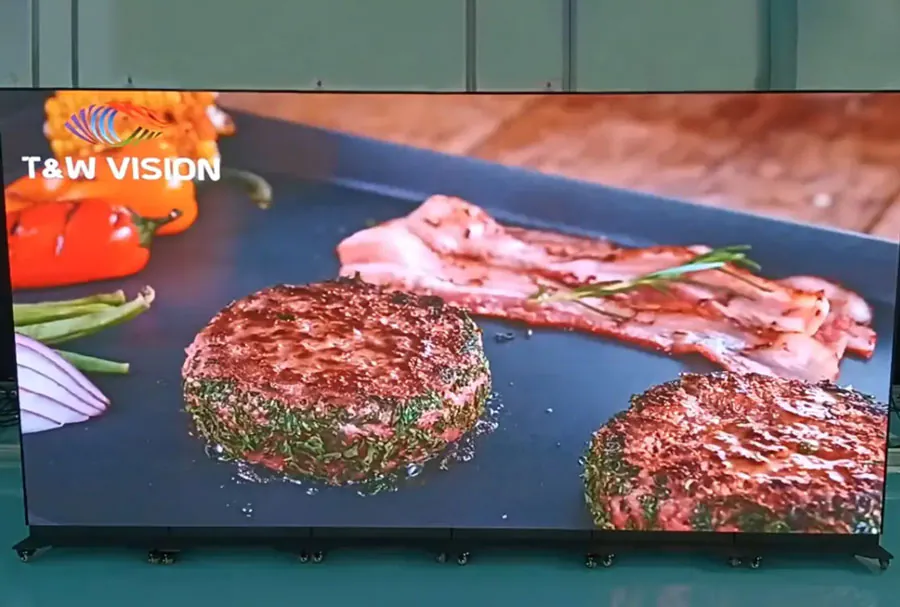
The demand for rental LED display screens has grown rapidly across events, retail, corporate, and broadcasting markets. Organizers and production managers increasingly prefer custom rental packages that address specific technical requirements, budget constraints, and logistical realities. Whether the requirement is for a one-night product launch or a multi-year retail installation, a thoughtfully designed rental package delivers better visual impact, operational reliability, and predictable costs.
This article provides a comprehensive professional guide to designing, evaluating, and deploying custom rental led display screen packages for both short- and long-term use. It covers technical selection, service-level considerations, logistics, cost structures, and performance metrics, supplemented by an analysis table to help decision-makers compare common configurations quickly.
Understanding Rental versus Purchase: Key Differences
Short-term rentals and long-term rentals differ not only by duration but also by expectations for service, customization, and lifecycle management.
– Short-term rentals (hours to weeks): High emphasis on rapid deployment, modularity, low setup labor time, and strong on-site technical support. Contracts typically include delivery, installation, operator, and teardown services.
– Long-term rentals (months to years): Shift focus to durability, energy efficiency, maintenance schedule, upgrade paths, and potentially on-site redundancy. Financial models may include longer-term leasing rates, maintenance retainer fees, and buy-out options.
Decision-makers should weigh total cost of ownership (TCO) and availability of technical support against upfront convenience and capital constraints.
Core Components of a Custom Rental LED Display Package
A rental LED package is more than just the screen panels. Key elements include:
LED Panels and Pixel Pitch
Pixel pitch determines the viewing distance and image clarity. Common rental pixel pitches range from P1.2 to P10:
– P1.2–P2.5: Ideal for close-viewing environments such as broadcast studios, trade show booths, and retail displays.
– P2.6–P4.0: Versatile for mid-range viewing like corporate events and indoor conferences.
– P4.8–P10+: Suited for large venues, outdoor events, and stadium installations.
Cabinet and Mounting System
Rental cabinets should enable fast rigging and tool-less locking for quick assembly. Curved and configurable cabinets provide creative flexibility. Consider touring-grade cabinets for frequent setup/teardown cycles vs. fixed-mount cabinets for long-term rentals.
Control Systems and Media Servers
A robust controller and media server combination enables high-resolution output, seamless edge blending, and real-time content management. Rental packages should include redundancy options for critical events.
Power and Cooling
Short-term setups often rely on venue-provided power, whereas long-term rentals must account for sustainable power use and heat dissipation. Energy-efficient modules and intelligent power management reduce operating costs.
Transport and Protective Cases
High-quality flight cases and shock-absorbing packaging extend panel life, especially for touring packages. Long-term fixed rentals will emphasize secure mounting and weatherproofing.
Designing Rental LED Display Screen Packages for Short-Term Use
Short-term rental packages should prioritize speed, reliability, and flexibility:
– Pre-configured kits: Pre-cabled, labeled, and pre-tested units minimize deployment time.
– Lightweight and modular cabinets: Reduces labor and rigging time, lowering rental crew cost.
– Rapid-lock systems: Tool-less cabinet interlocks and fast-connect power/data systems accelerate builds.
– On-site technical support: Include technician hours, spare parts, and a clear escalation path.
– Scalability: Offer modular add-ons (e.g., extra cabinets, control units) to scale up during peak needs.
Typical short-term clients include concert promoters, trade show exhibitors, film production crews, and advertising agencies.
Designing Rental LED Display Screen Packages for Long-Term Use
Long-term rental packages emphasize durability and lifecycle management:
– Durability and IP rating: Outdoor long-term rentals require IP65+ protection; indoor installations need robust finishes to resist environmental wear.
– Energy efficiency: Select LEDs and power supplies optimized for continuous operation to lower electricity costs.
– Scheduled maintenance: Define inspection timelines, cleaning protocols, and preventive component swaps.
– Redundancy: Implement dual power supplies, spare control paths, and hot-swap modules for mission-critical displays.
– Contract options: Include maintenance SLAs, remote monitoring, and periodic refresh/upgrades.
Common long-term clients include retail chains, transportation hubs, corporate lobbies, and municipal signage.
Technical Selection Criteria: What to Specify
When specifying rental LED packages, evaluate the following technical criteria:
– Pixel pitch and resolution vs. viewing distance
– Brightness and contrast ratio for indoor/outdoor use
– Refresh rate and grayscale for broadcast and camera capture
– Cabinet flatness and seam visibility for seamless imagery
– Color calibration and uniformity across panels
– Input types, processing capability, and supported resolutions
– MTBF (mean time between failures) and warranty terms
These factors should be balanced against rental duration, use case, and budget. For example, broadcast-grade P1.9 displays with high refresh rates are more expensive but necessary for camera capture, while P4 outdoor screens emphasize brightness and durability.
Service-Level Agreements (SLAs) and Maintenance
A clear SLA differentiates a reliable rental provider from a commodity vendor. SLAs should define:
– Response times for technician dispatch and remote support
– On-site spare parts availability and replacement timelines
– Preventive maintenance schedules for long-term rentals
– Performance guarantees (uptime percentage) and remedies for downtime
– Liability, insurance, and damage coverage during rental
For high-profile events, consider a premium SLA with guaranteed on-site technician presence for the event duration.
Logistics: Transport, Installation, and On-Site Operations
Logistics planning must be tailored to rental duration:
– Short-term logistics: Focus on speed and reversibility. Map load-in/load-out windows, rigging points, and stage crew availability. Pre-production site surveys and mock-ups reduce surprises.
– Long-term logistics: Prioritize secure mounting, weatherproofing, cable management, and concealed power/data runs. Coordinate with building owners for access and compliance with local codes.
Include contingency plans for emergency replacement panels, rapid reconfiguration, and power failures.
Cost Models: Pricing Short-Term vs. Long-Term Rentals
Pricing models vary by duration, equipment, and service level:
– Day-rate pricing: Common for short-term rentals; includes delivery, installation, operator, and teardown. Day rates scale with pixel pitch and cabinet type.
– Weekly/monthly rates: Provide discounts compared to daily pricing; suitable for longer campaigns and exhibitions.
– Long-term lease: Lower periodic cost with options for maintenance packages and upgrade paths. May include deposit and equipment insurance.
– All-inclusive packages: Bundled pricing that covers transport, setup, on-site techs, content playback, and SLAs; simplifies budgeting.
When comparing vendors, always request itemized quotes that separate equipment rental, labor, transport, and consumables.
Analysis Table: Typical Rental LED Package Comparisons
| Use Case | Recommended Pixel Pitch | Cabinet Type | Typical Rental Duration | Estimated Cost Range (USD) |
|---|---|---|---|---|
| Broadcast / Studio Backdrop | P1.2–P2.5 | Indoor fine-pitch, flat-seam cabinets | Days–Weeks | $2,000–$10,000/day |
| Indoor Corporate Event / Conference | P2.6–P4.0 | Lightweight touring cabinets | Days–Weeks | $1,000–$5,000/day |
| Retail Window or Pop-up | P1.9–P3.9 | High-resolution indoor cabinets with protective glass | Months–Years | $2,000–$8,000/month |
| Outdoor Event / Festival | P4.8–P10 | Weatherproof outdoor cabinets | Days–Weeks | $2,500–$12,000/day |
| Transportation Hub / Signage | P3.9–P6.0 | Durable fixed-mount cabinets, IP65+ | Years | $5,000–$20,000+/month (varies by size) |
Note: Cost ranges are illustrative and depend on region, event complexity, and included services.
Content, Calibration, and Quality Control
Rental providers should offer content services or ensure compatibility with client content workflows. Key considerations:
– Pre-event content checks: Test files at full resolution and frame rate to avoid runtime scaling issues.
– Color calibration: Factory calibration plus on-site fine-tuning ensures uniform color temperature and brightness across the display.
– Test patterns and burn-in: Run diagnostic patterns during setup to stabilize brightness and reveal dead pixels.
– Playback redundancy: Dual media servers or failover systems avoid interruptions during critical events.
Brand-critical applications require proof-of-performance sessions to validate color accuracy and legibility.
Sustainability and Lifecycle Considerations
Long-term rentals should integrate sustainability goals:
– Energy-efficient modules and power supplies reduce operational carbon footprint.
– Repair-first policies extend product life and reduce e-waste.
– Modular upgrades allow new panels to replace old ones without scrapping entire cabinets.
– Efficient logistics planning reduces transport emissions and costs.
Rental companies can market green credentials by offering carbon-neutral transport options and recycling programs.
Procurement Checklist: Questions to Ask Potential Rental Providers
When sourcing a rental LED package, ask potential providers:
– What are the exact pixel pitch, brightness, and refresh rate specifications?
– Are cabinets touring-grade or fixed-installation models?
– What SLAs are offered for technical support, spares, and failure response?
– What cooling and power management systems are included?
– Is color calibration included in the rental fee?
– What packaging and transport cases protect the equipment?
– Are there references or case studies for similar deployments?
– What are insurance, liability, and damage clauses in the contract?
A clear checklist reduces scope creep and hidden costs.
KPIs and Measuring Success
Define KPIs to evaluate the effectiveness of a rental LED deployment:
– Uptime percentage during the rental period
– Visual quality metrics (brightness uniformity, color accuracy)
– Deployment time (load-in to show-ready)
– Cost per viewing hour or cost per impression for advertising
– Audience engagement metrics (dwell time, recall) where applicable
Tracking KPIs helps refine future package designs and supplier choices.
Case Illustrations: Applying Rental LED Display Screen Packages Principles
– A — One-night product launch: A pre-configured P2.6 indoor touring kit with one on-site technician, redundant media server, and rapid-lock cabinet enabled a two-hour setup and flawless broadcast capture.
– B — Six-month retail campaign: A leased P2.0 high-resolution window display included monthly maintenance visits, remote monitoring, and a swap-on-failure SLA that maintained 99.8% uptime.
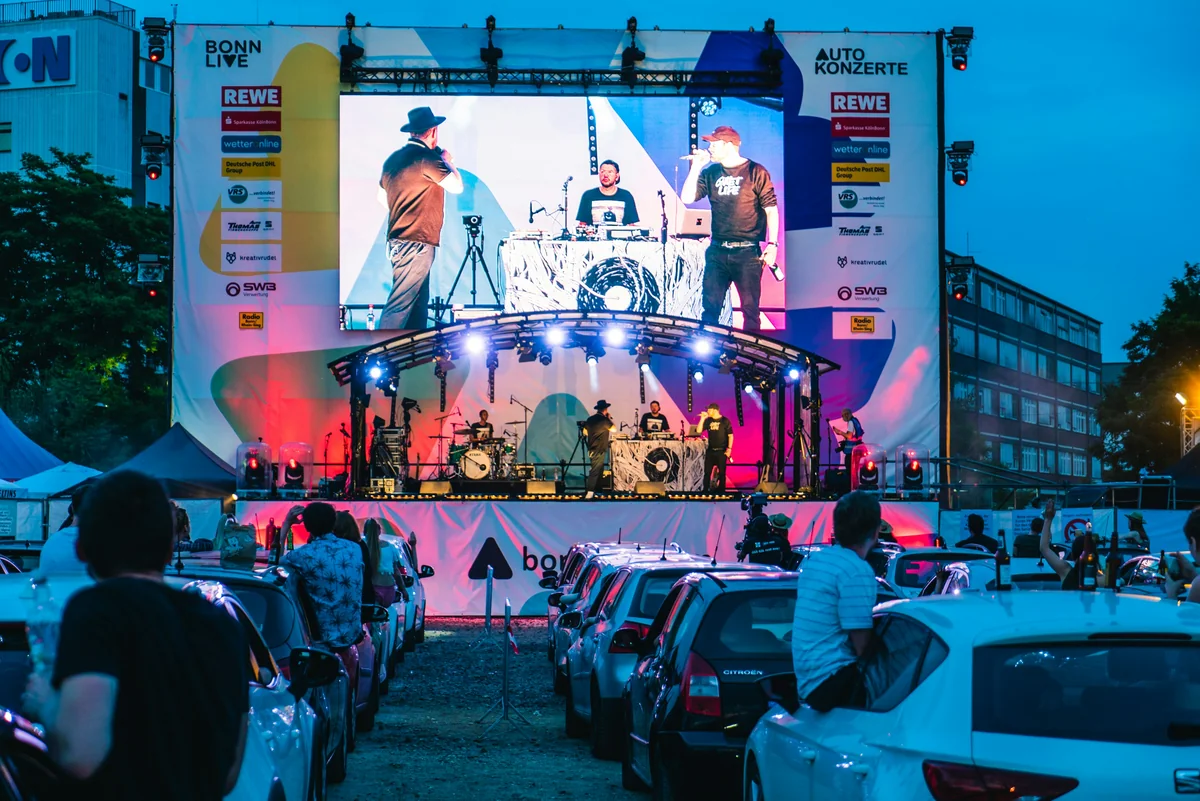
– C — Outdoor festival weekend: Weatherproof P6 panels and touring cabinets delivered high brightness and simple rigging. Provider included backup cabinets and a dedicated tech crew for the event.
These examples show how tailoring the package to use case reduces risk and total cost.
Trends and Future Directions
Emerging trends shaping rental LED packages include:
– Higher refresh rates and fine pixel pitches for camera-friendly displays.
– Increased adoption of wireless control and content distribution to simplify rigging.
– AI-assisted calibration and predictive maintenance for reliability.
– Lighter-weight materials and tool-less installation systems for faster deployment.
– Subscription-like service models blending rental with ongoing support and upgrade options.
Staying current with technology ensures rental offerings meet evolving customer expectations.
Conclusion: Building the Right Rental LED Display Screen Packages for Your Needs
A successful custom rental LED display package starts with a clear definition of the use case, viewing environment, and expected service level. Short-term rentals prioritize rapid deployment and operational support; long-term rentals demand durability, efficient power use, and lifecycle management. Transparent SLAs, careful technical specification, and solid logistics reduce risk and improve outcomes.
Use the analysis table and procurement checklist to compare proposals and negotiate terms that align with your objectives. By prioritizing appropriate pixel pitch, cabinet type, control systems, and maintenance plans, you gain a rental solution that delivers visual impact, predictable costs, and reliable performance whether for a single-night event or a multi-year installation.