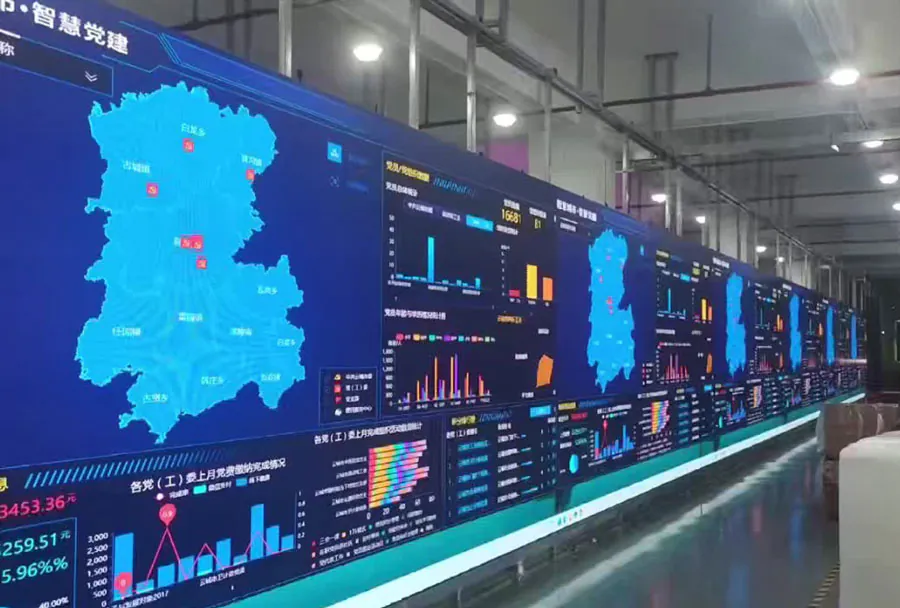
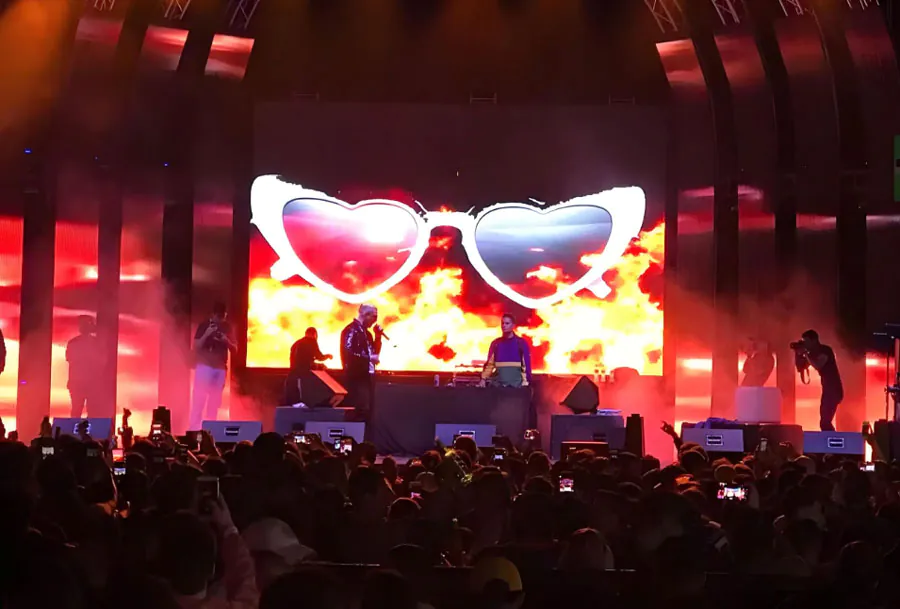
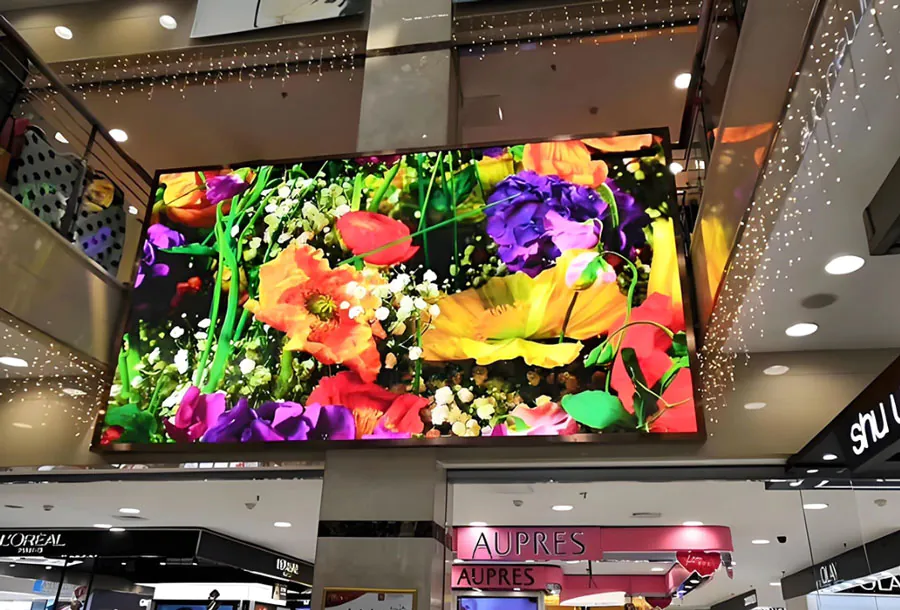
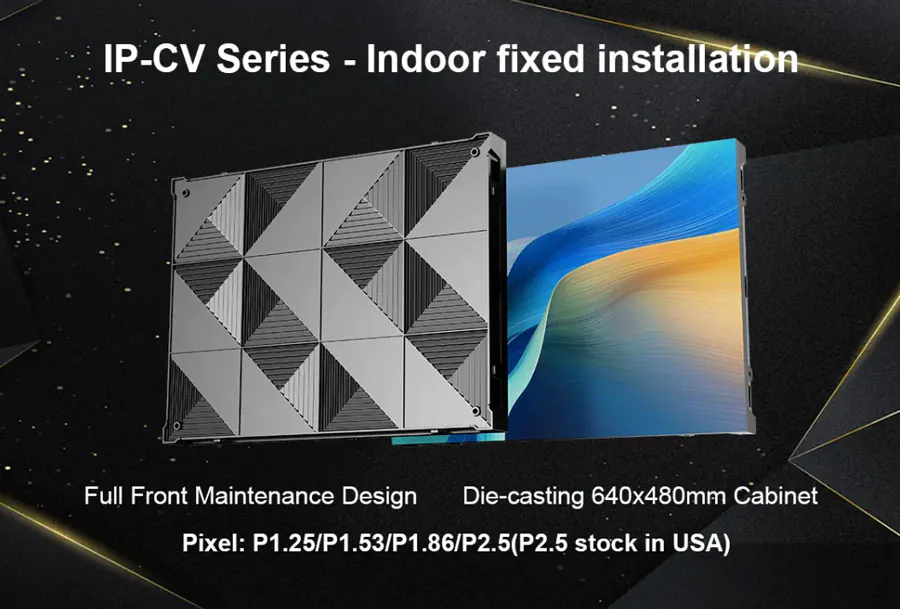
LED Screen Rental Houston — Factory Supply for Events, Venues and Fleets

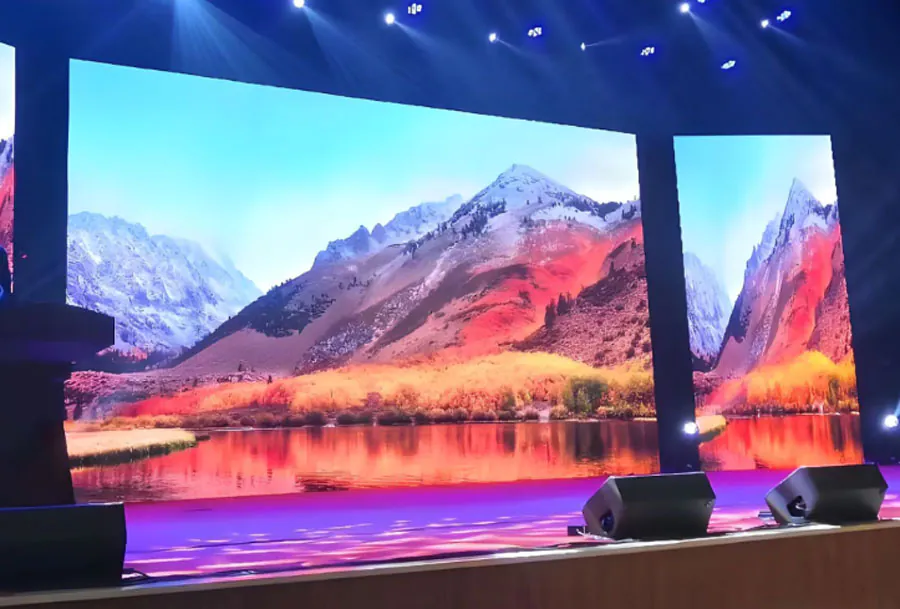
LED screen rental Houston buyers specify is shaped by water before it is shaped by pixels. A Gulf Coast summer runs near 100°F with humidity that fogs cold glass, a hurricane season that lasts half the year forces a written strike decision, and a bayou that floods one street can strand a truck for a day. The cabinet that survives that calendar is worth more than one that wins a datasheet comparison.
TW VISION manufactures rental-grade LED cabinets and holds standard stock in our Atlanta warehouse, with delivery into Harris County in one to two business days by LTL. We do not rent screens in Houston and we do not run a Texas depot. This page is written for the rental houses, AV companies, church and corporate AV teams, and venue operators that do.
What Houston changes. Three conditions dominate. Humidity and rain mean condensation management is part of the maintenance routine, not an emergency procedure. Hurricane season runs June to November, so outdoor builds need a documented removal trigger rather than an improvised decision. And the corporate base — energy, healthcare, logistics — keeps asking for fine pitch that reads on camera, because the audience includes the stream.

Table of Contents
- 1. What Houston Changes About the Purchase
- 2. Read the Room: Pitch and Brightness
- 3. Humidity, Rain and Hurricane Season
- 4. Venues Across the Loop and Beyond
- 5. What Houston Buyers Order From Us
- 6. What LED Screen Rental Houston Costs
- 7. Fast Installation and Delivery Windows
- 8. Permits, Fire Safety and Crew Rules
- 9. Concerts, Festivals and Camera Work
- 10. Conferences and Corporate Events
- 11. Factory Supply Compared With a Supported Rental
- 12. When a Houston Fleet Buys Instead of Renting
- 13. Delivery From Atlanta to Houston
- 14. Ordering, Tax and Resale Paperwork
- 15. FAQ
- 16. Conclusion
1. What Houston Changes About the Purchase
Four conditions separate a Houston order from one placed for Dallas or Atlanta.
Humidity drives maintenance. Condensation forms when a cold cabinet meets warm, saturated air, and the Gulf gives you that week. Acclimation before powering, sealed connectors and a documented inspection routine become part of ownership, not an afterthought.
Storm season sets the calendar. From June to November, an outdoor build needs a wind rating, engineered ballast and a name attached to the decision to strike. Rain itself is brief and heavy; standing water at the base of a wall is the failure that matters.
The audience is often a camera. Energy, healthcare and logistics companies in the Energy Corridor and the Texas Medical Center run hybrid events, so refresh rate and calibrated brightness carry as much weight as pitch.
The city is wide. Katy to Baytown is over fifty miles, and a delivery window that works in Sugar Land may not work downtown. Freight planning starts with the address, not the show.
None of that changes what a good cabinet is. It changes which cabinet you keep in a Texas fleet, and what the crew does on arrival.
2. Read the Room: Pitch and Brightness
Screen size and pitch for LED screen rental Houston projects come from three numbers: the closest viewer, the content people must read, and the light on the wall.
Pixel pitch is the centre-to-centre distance between LEDs in millimetres, and density scales with the square of pitch: (1,000 ÷ pitch)². P2.6 carries roughly 147,900 pixels per square metre, P3.9 about 65,700 and P4.8 about 43,400. One step finer is where most of the cost sits, and it is only worth paying for when someone stands close.
Working split for local work: P1.9–P2.6 for boardrooms, medical conference rooms and camera-facing stages; P2.9–P3.9 for hotel ballrooms and general sessions; P4.8–P6.7 for outdoor stages and plaza screens once the nearest viewer passes 25 metres; P8–P10 for stadium-distance work.
Ask for calibrated operating brightness rather than the panel maximum. Cooled ballrooms run 800–1,500 nits, hotel ballrooms with house lights up need 1,500–2,500, and uncovered outdoor builds need 5,000 or more, with 6,000–8,000 where the face takes afternoon sun.
In practice, the wall that looks right on a monitor at the office looks dim in a glass-walled atrium at 3 pm. Photograph the space at the event hour and send it with the content list.
3. Humidity, Rain and Hurricane Season
Water is the operating condition here, in three different forms.
Condensation. A cabinet that sat in a cold truck and opens into a warm, humid room forms moisture on modules and connectors. Acclimatise crates inside the receiving space for roughly 24 hours, keep them closed while they warm, and inspect before powering. This single step prevents most first-day faults in a Gulf Coast install.
Rain. IP65 handles water on the face. Sealed connectors, drip loops and a drainage path behind the wall matter more than the rating itself, and a cabinet standing in pooled water fails regardless of IP.
Storm season. Outdoor builds need a stated maximum wind speed, engineered ballast for the site, and a written trigger: who monitors the forecast, at what wind speed the crew strikes, and how long removal takes. A wall that takes twelve hours to strike is a wall that cannot respond to a fast-forming system.
Practical additions for a Houston fleet: a humidity log per case, spare gaskets and connector caps, and a dehumidifier in the storage unit. Storage off the floor, away from exterior walls, matters more here than in dry markets.
Track systems with the National Weather Service Houston/Galveston rather than a phone app; the office publishes the discussions the crew should read.
4. Venues Across the Loop and Beyond
Houston venues differ more than their seating charts suggest, and the difference decides crew size and build hours.
George R. Brown Convention Center. Large flat-floor halls with scheduled docks, freight routes and exhibitor manuals that govern height, rigging and electrical ordering. Managed by Houston First, and the building works off its own contractor list.
NRG Park. Stadium and arena scale, with house rigging plots, load limits and union crews. A flown wall follows the venue’s engineering approval, not the vendor’s preference.
Toyota Center and Minute Maid Park. Arena and ballpark builds where rigging, sightlines and roof rules are set by the building. Screens are part of a production plot, not a standalone rental.
Hotels and the Medical Center. Downtown and Galleria ballrooms usually have one service elevator, a low ceiling and a hard load-out curfew. Conference space in the Texas Medical Center adds badge access and infection-control rules for crews.
Outdoor sites. Discovery Green, Buffalo Bayou Park, the Heights and suburban festival grounds are ground-supported builds with ballast, drainage and public-safety questions — and no place to hang anything.
Two checks before pricing: the venue’s technical packet, and the dock or marshalling schedule. Those two documents change labour hours more than pitch does.
5. What Houston Buyers Order From Us
Orders from southeast Texas fall into four groups: standard rental cabinets, fine-pitch indoor cabinets, IP-rated outdoor cabinets, and folding posters for lobbies and churches.
Standard rental cabinets
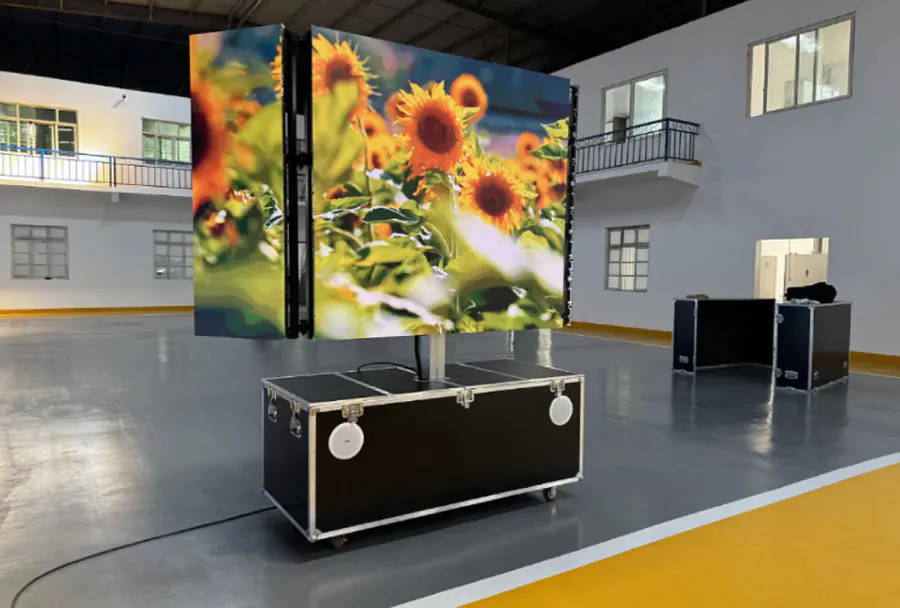
P2.976 and P3.91 in 500×500 mm and 500×1000 mm formats carry general sessions, trade show booths, awards nights and hotel ballroom stages, with front or rear service access and optional curved locks.
Fine-pitch indoor cabinets
P1.953 and P2.604 suit boardrooms, medical conference rooms, broadcast sets and stages where the front row sits inside four metres.
Outdoor cabinets
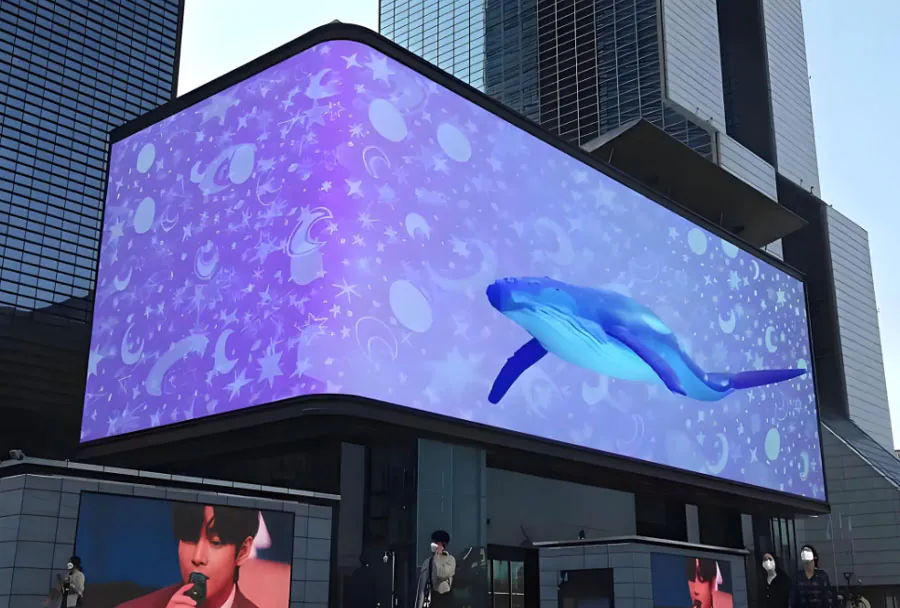
P3.91 and P4.81 with IP-rated sealing and brightness headroom. On the Gulf Coast, enclosure design, drainage and ballast planning matter as much as nits.
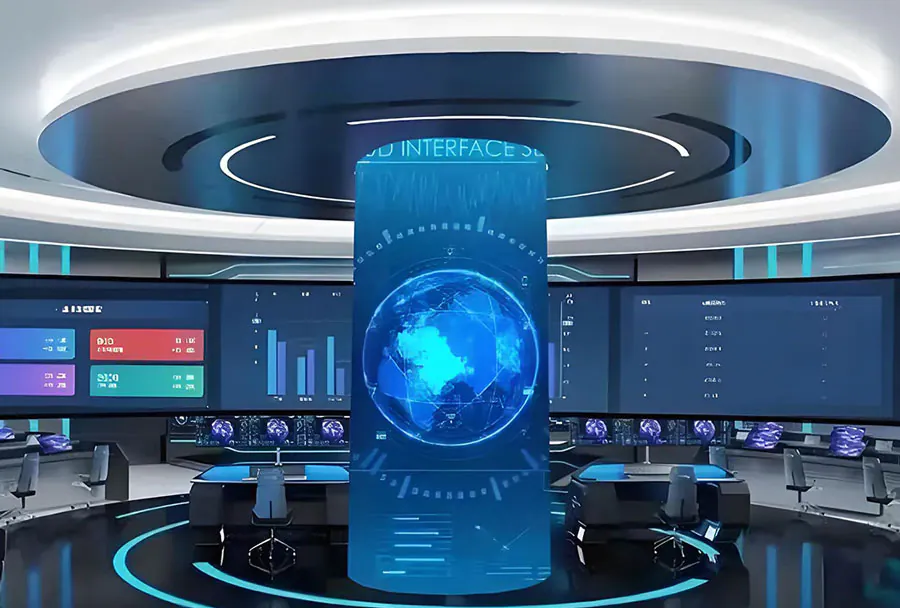
| Series | Stock | Pixel pitch | Cabinet | Typical Houston use |
|---|---|---|---|---|
| PQ P2.6 | Atlanta stock | P2.6 | 500×500 / 500×1000 mm | Ballrooms, general sessions, booth walls |
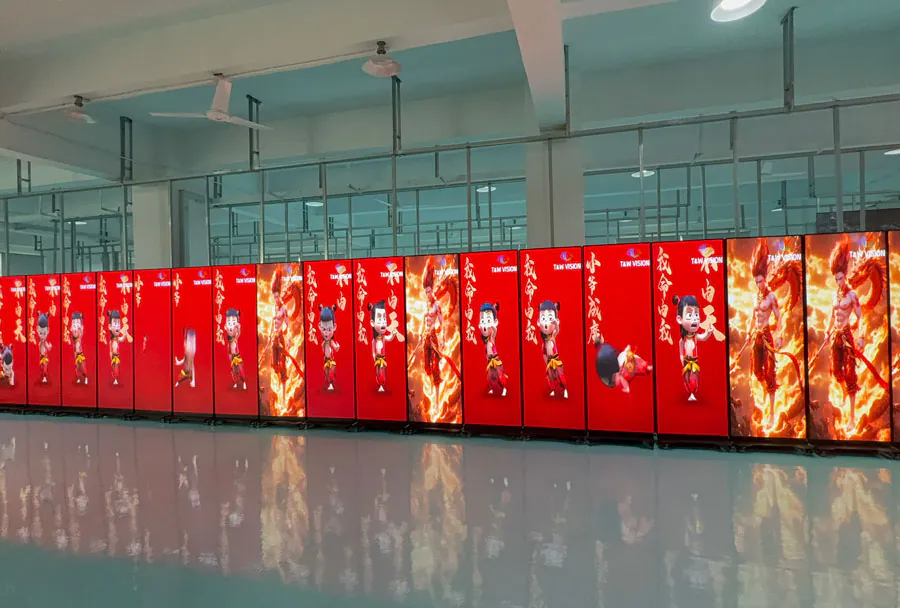
| LP-H | Atlanta stock | P1.86 | 640×1920 mm folding poster | Church foyers, lobbies, showrooms |
| IP-CT | Atlanta stock | P2.5 | 640×480 mm soft connection | Church walls, menu boards, fixed installs |
| Other pitches (PN / PH / PI) | Factory order | P1.953 – P6.67 | 500×500 / 500×1000 mm | 15–20 days production plus freight |
Because cabinets, cases and spares ship from one production batch, a replacement module matches the wall months later. In a humid climate that matters twice: a mismatched cabinet also means a different gasket and a different seal.
6. What LED Screen Rental Houston Costs
The figures below are indicative market rates for LED screen rental Houston projects, before Texas sales tax. Use them to test whether a bid is in range, not to settle a number in isolation.
| Use case | Typical size | Pitch | Indicative rate |
|---|---|---|---|
| Church or lobby display | 1.2 × 1.8 m | P2.5 – P3.9 | $400–$900 per day |
| Trade show booth wall | 1.8 × 2.4 m | P1.9 – P2.9 | $700–$1,500 per day |
| Hotel ballroom general session | 6 × 3 m | P2.6 – P3.9 | $2,000–$6,000 per day |
| Outdoor stage or festival | 6 × 3.6 m | P4.8 – P6.7 | $4,000–$10,000 per day |
| Arena or stadium wall | 20 m+ | P6 – P10 | $25,000+ per day |
Three local multipliers. Labour carries weekend and after-hours premiums, and a downtown dock window in the evening costs more than a weekday morning. Outdoor work in storm season carries a contingency for a removal call. And summer is slower indoors than autumn, so a July booking often prices better than an October one.
A cross-check: a 20–30 m² P3.9 indoor wall with crew, calibration and one day of technician cover typically lands between $3,000 and $10,000 here. Materially less usually means labour, power distribution or spares are missing.
Affordable LED screen rental in Houston rarely means the cheapest cabinet on the quote; it means the pitch and brightness that fit the room, so you never pay for resolution the audience cannot see. A P3.9 wall behind a 60-foot sightline costs less than a P1.9 wall and reads the same from the back row.
7. Fast Installation and Delivery Windows
Fast installation for LED screen rental Houston bookings comes from three design decisions, not from a promise.
- Cabinet format. 500×500 mm cabinets with quick locks build in a repeatable sequence that a two-person crew can finish in a booked window.
- Pre-addressed receiving cards. Cabinets arrive mapped in order, so the wall is built left to right without re-addressing on site.
- Saved configuration. A processor file per room means the second build starts from a known state instead of from scratch.
Realistic bands: 2–4 hours for a booth or church wall with two technicians, 4–8 hours for a ballroom stage with four to six, and 10–24 hours for an outdoor festival build with ballast and safety checks.
Delivery timing is the other half. Stock lines leave Atlanta and usually reach the Houston metro in one to two business days by LTL; factory-order pitches take 15–20 days plus freight. State the required arrival date at quotation, not after production, because a wall that lands the afternoon before load-in is a wall nobody can test.
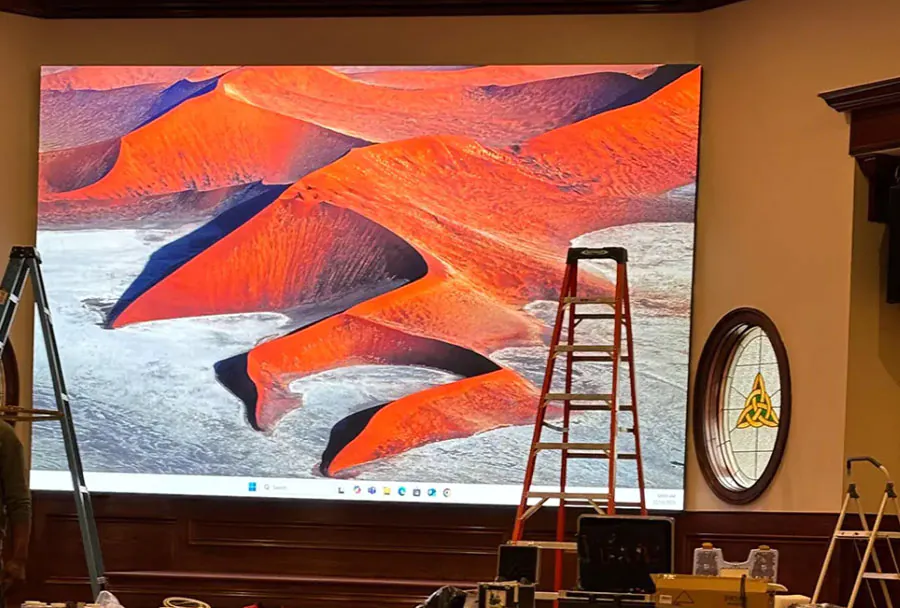
8. Permits, Fire Safety and Crew Rules
Approvals and labour rules are the items no crew can fix on the day.
Temporary structures and assemblies. The City of Houston and Harris County review temporary structures, assemblies and fire safety, and the fire marshal reviews egress, occupancy and materials. Elevated or ground-supported walls generally need design by a licensed engineer.
Outdoor events. Park and street events add special-event permits, road occupancy and sometimes a traffic plan. Screen placement, footprint and duration feed the application, and the process takes weeks rather than days.
Labour. Major venues work with collective agreements, and rigging and stagehand calls carry minimum hours, overtime and meal penalties. Budget them as line items.
Insurance. Venues require a certificate naming them as additional insured, with limits they set. Confirm both the vendor’s policy and the event’s policy before load-in.
Electrical. Tie-ins and temporary distribution are handled by licensed contractors on the venue’s schedule. Confirm who files the permit and who pays for it.
9. Concerts, Festivals and Camera Work
Outdoor and concert work in this market is bought for impact at distance.
Pitch and size. A festival stage viewed from thirty metres reads well at P4.8–P6.7, and a stadium bowl at P6–P10. Fine pitch at those distances costs money and delivers nothing the audience can see.
Brightness. 5,000 nits or more for shaded stages, 6,000–8,000 where the face takes direct afternoon sun, with thermal headroom for a Houston afternoon rather than a European one.
Camera. Refresh at 3,840 Hz or higher and genlock with the broadcast chain, because IMAG and streaming are standard at these events.
Structure. Ground support with ballast and a stated wind rating, plus a documented strike trigger for storm season.
Spares. Modules, receiving cards, power supplies and a backup processor travel with the wall. A spare in a warehouse across the city is not a spare.
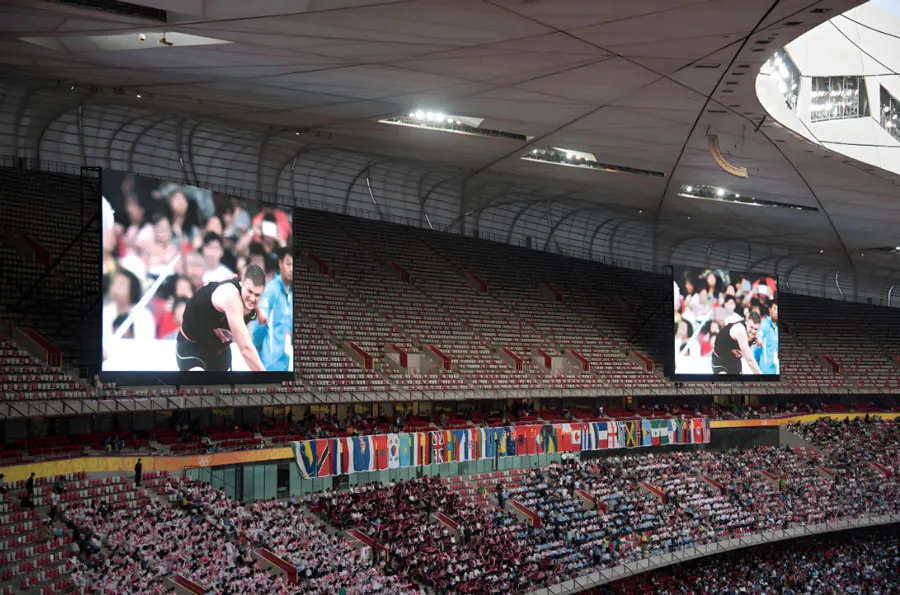
Houston crews who take professional LED screen rental seriously plan camera shots before they plan rigging, because a screen that shimmers on a broadcast feed costs a show its sponsor. For mega concerts at NRG Park or a sports activation downtown, we quote genlock processors and a spare cabinet count in the same document, so the on-site technician never has to improvise during changeover.
10. Conferences and Corporate Events
Corporate work in Houston is usually hybrid, and the camera sets the specification.
A general session in a downtown or Galleria ballroom needs P2.6–P3.9 at 1,500–2,500 nits, a camera-safe refresh, and a processor with enough inputs for playback, slides and a live feed. Breakout rooms need a smaller wall at a finer pitch rather than a bigger one.
Healthcare and energy clients add two requirements: badge-controlled access for crews, and content that stays legible when compressed for a stream. Both belong in the brief, not in the rehearsal.
For a detailed commercial specification — room sizes, content delivery, calibration and acceptance tests — see our commercial LED screen rental guide for Houston.
Teams who search for reliable local LED providers near you usually want one thing: a supplier who answers the phone during load-in. We reserve the same module batch for conference orders, which makes a colour mismatch impossible when a replacement cabinet arrives mid-show.
11. Factory Supply Compared With a Supported Rental
Factory pricing and event-ready rental pricing describe different scopes. Compare total delivered responsibility, not equipment price.
| Quote element | Factory supply | Supported rental | What to check |
|---|---|---|---|
| Cabinets | Included | Included | Model, batch and spare count |
| Structure | Usually separate | Often available | Ballast and engineer’s approval |
| Processor | Optional | Usually included | Inputs, scaling, backup |
| Labour | Buyer arranged | Quoted locally | Crew hours and overtime |
| Spares | Purchased | Provider inventory | Quantity held on site |
| Support | Remote or limited | Event technician | Response terms |
A factory order suits a company with trained technicians, compatible rigging, dry storage and enough bookings to keep the fleet working. A supported rental suits a one-weekend event where the crew is the hard part.
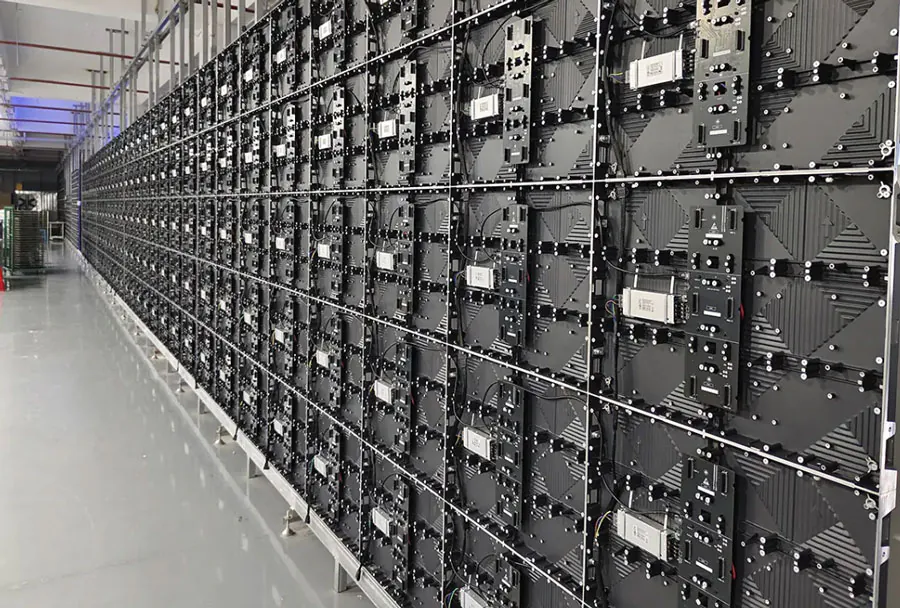
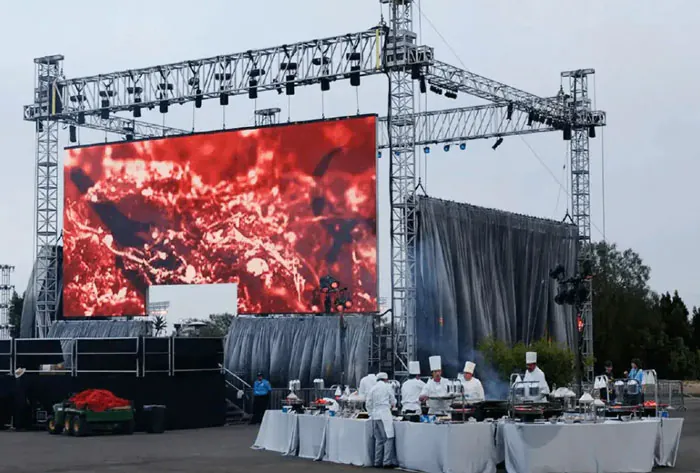
Behind the factory claim. An 8,000㎡ facility with 8 independent SMT lines keeps placement, PCB assembly, module production and calibration in-house. A 500㎡ module aging area screens weak modules, and roughly 2,000㎡ of cabinet aging runs each batch for 24 hours at operating conditions. We glue modules at the edges and drive cabinet screws to a set torque. On the Gulf Coast that edge seal earns its place: humidity finds the smallest gap, and a cabinet that passes a dry-climate test can still fog from the inside.
12. When a Houston Fleet Buys Instead of Renting
Owning beats renting when the same configuration sees repeated use and the supporting costs are already paid for.
Add the purchase total: cabinets, structure, processing, freight, spares and cases. Add the effective cost of renting the same configuration per event, including crew and transport. Divide the first by the second.
An illustration: a 30 m² P3.9 indoor fleet at roughly $60,000 landed, against $3,500 per event to rent an equivalent wall with crew and delivery. At eight bookings a year, renting costs about $28,000 annually, so ownership pays back in a little over two years, before counting extra bookings.
However, two local factors sit outside that arithmetic. Storm season removes outdoor inventory from the calendar for days at a time, so an owned indoor fleet keeps earning when rentals are grounded. And humidity makes between-show inspection a routine, which is easier when the wall lives in your own storage rather than a third party’s.
Below four bookings a year, renting usually wins. Above eight, the arithmetic is rarely close.
13. Delivery From Atlanta to Houston
You do not have to arrange freight yourself. We quote and book transport from our Atlanta warehouse to your address or venue, so the order arrives on a confirmed appointment rather than an open pickup notice.
Transit. Stock orders usually reach the Houston metro in one to two business days by LTL once loaded. Expedited and partial-truck options are quoted separately when a show date is tight.
Options. Standard LTL to a commercial address with a dock; liftgate where there is no dock or forklift; inside delivery to a ground-floor room on request; delivery to a venue inside an agreed window.
City and storm access. Downtown docks, Galleria service lanes and Medical Center security gates each have their own rules. Give us the address and the access constraints at ordering, and the delivery can be planned around them. In a named storm, freight stops moving; a date with no contingency is a date at risk.
Unloading. A pallet of 500×1000 mm cabinets is not a two-person lift. Without a dock, specify liftgate and confirm who moves pallets from the tailgate to the room.
14. Ordering, Tax and Resale Paperwork
Quotation. Send cabinet size, pitch, quantity, indoor or outdoor use, and whether structure, curved locks, flight cases or transport are needed. The quote is per square metre with configuration and delivery scope stated, so it compares row by row.
Sales tax. Texas levies a state rate plus local tax, and the combined Houston rate is 8.25%; the Texas Comptroller publishes the current rules. Rental companies and resellers buying inventory for resale can normally supply a Texas resale certificate so qualifying purchases avoid retail tax.
Vendor setup. W-9 and onboarding documents are available for buyers who need to be registered in a purchasing system before the first order.
Payment and terms. Standard orders are prepaid or paid on shipment; repeat buyers can discuss terms once an order history exists.
15. FAQ
Do you rent LED screens in Houston?
No. We manufacture and sell rental-grade cabinets. For a single event, a Houston rental company is the right call; this page covers buying cabinets to build or extend a fleet.
How fast can LED screen rental Houston orders arrive?
Stock lines ship from Atlanta and usually reach the Houston metro in one to two business days by LTL. Factory-order pitches take 15–20 days plus freight.
How do you handle humidity?
Acclimatise crates for about 24 hours before powering, keep connector caps on until the build, inspect gaskets each season, store off the floor, and run a dehumidifier where cases are kept.
What happens in hurricane season?
Outdoor builds carry a stated wind rating, engineered ballast and a written strike trigger with a named decision-maker. Freight dates in a named storm need contingency.
Can one fleet serve concerts and corporate work?
Yes. P3.9 covers both, P2.6 handles close camera work, and P4.8–P6.7 covers outdoor stages. One batch across the range keeps colour consistent.
Do you supply spares from the same batch?
Yes. Matched modules, receiving cards, power supplies and gaskets are quoted with the order rather than sourced later.
16. Conclusion
LED screen rental Houston work is decided by water, heat and distance: a cabinet that seals, a crew that acclimatises before powering, and a plan for the storm that closes the site.
Start with the rental LED screen range to confirm cabinet format and pitch, check what is in stock at our Atlanta warehouse before planning a fleet expansion, or read the commercial rental guide for Houston for conference specifications.