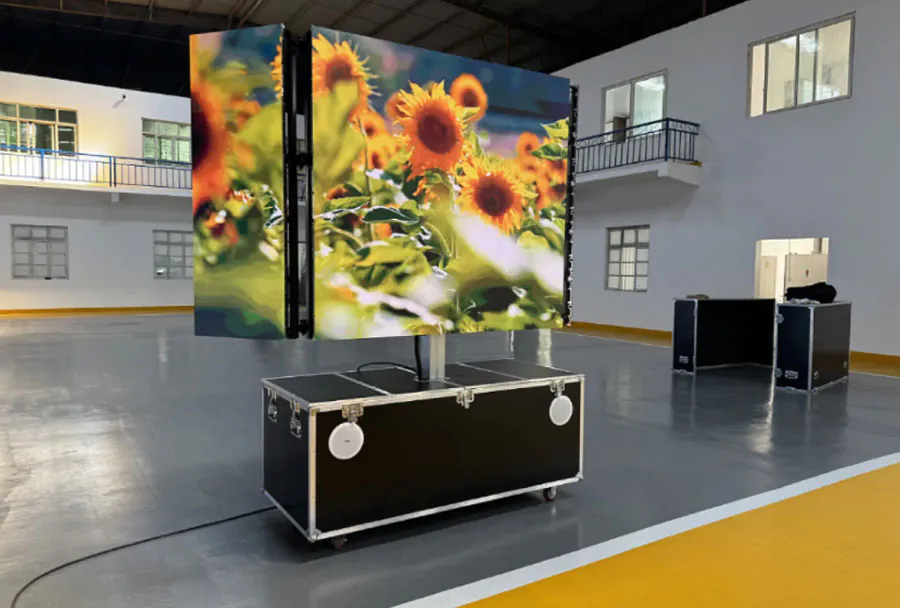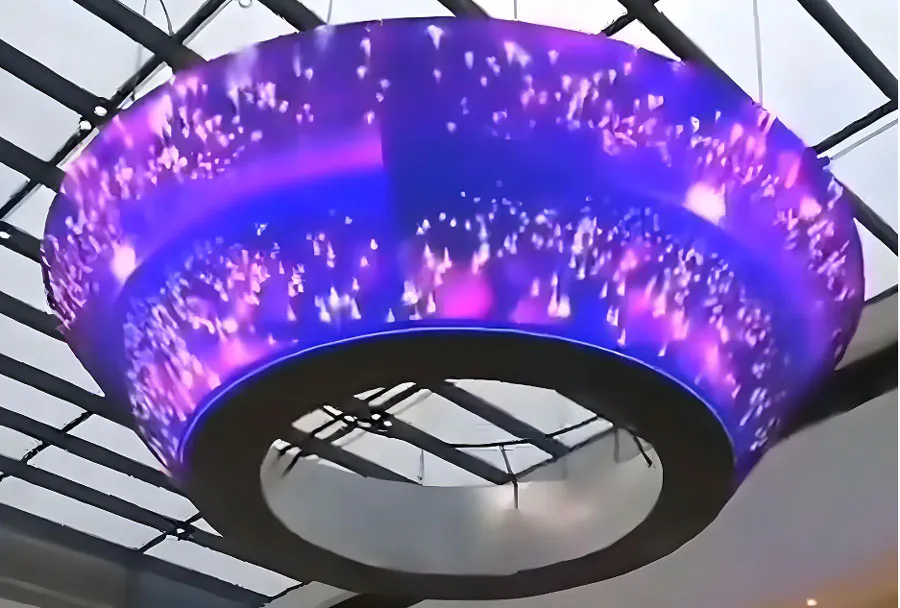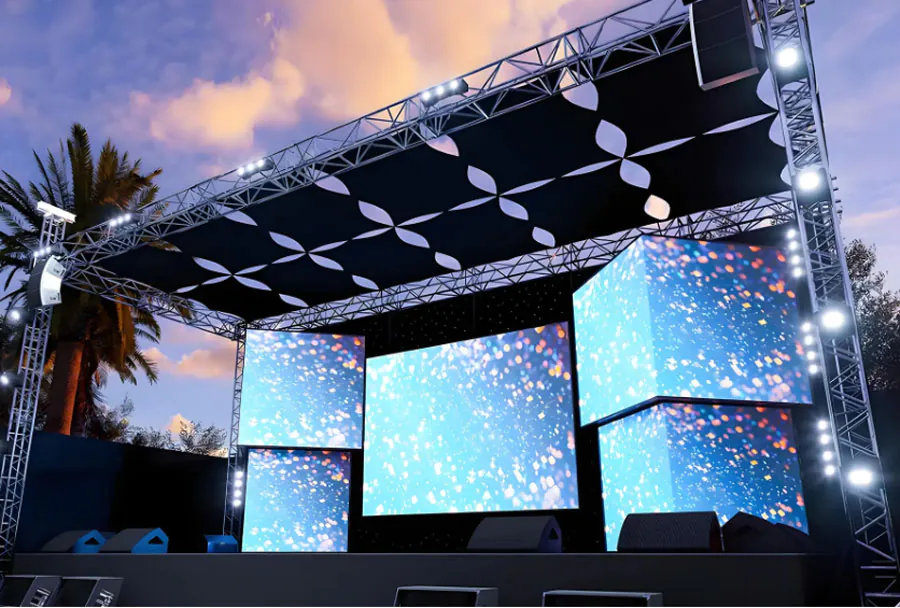
TW VISION Bendable Screen For Indoor And Outdoor Applications

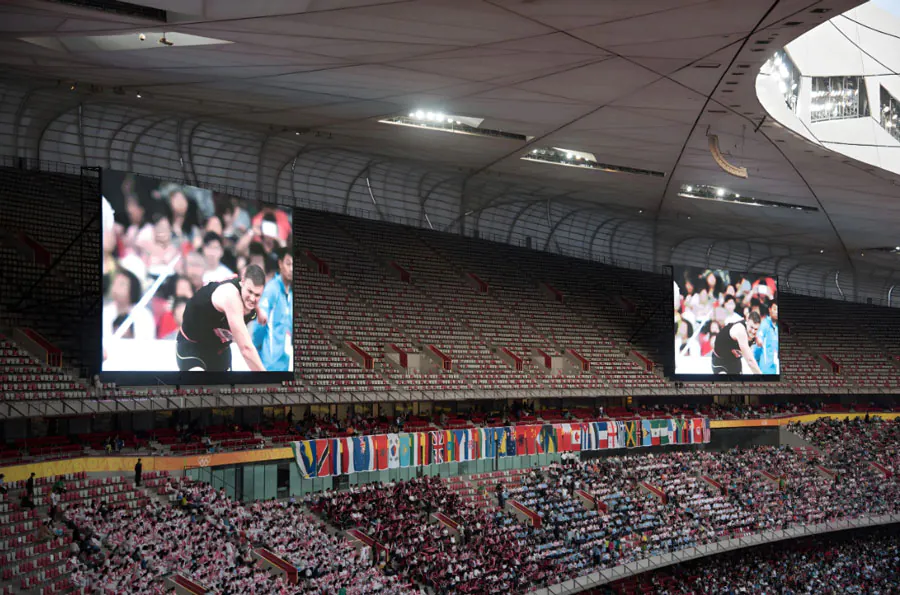
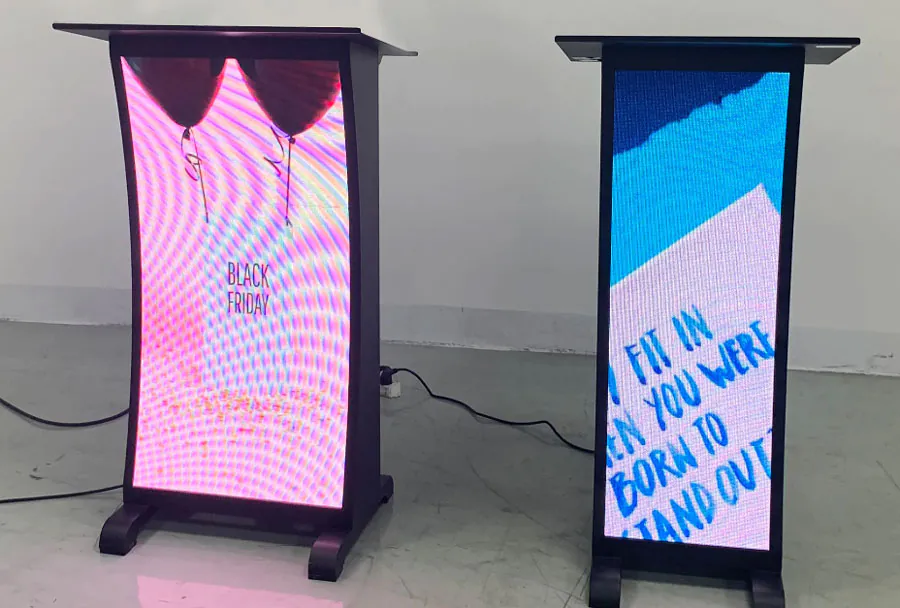
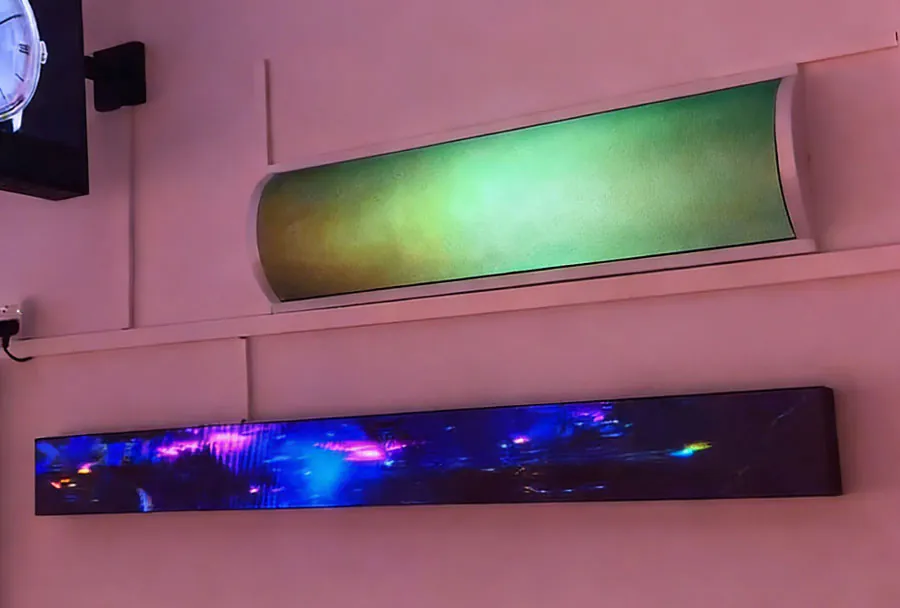
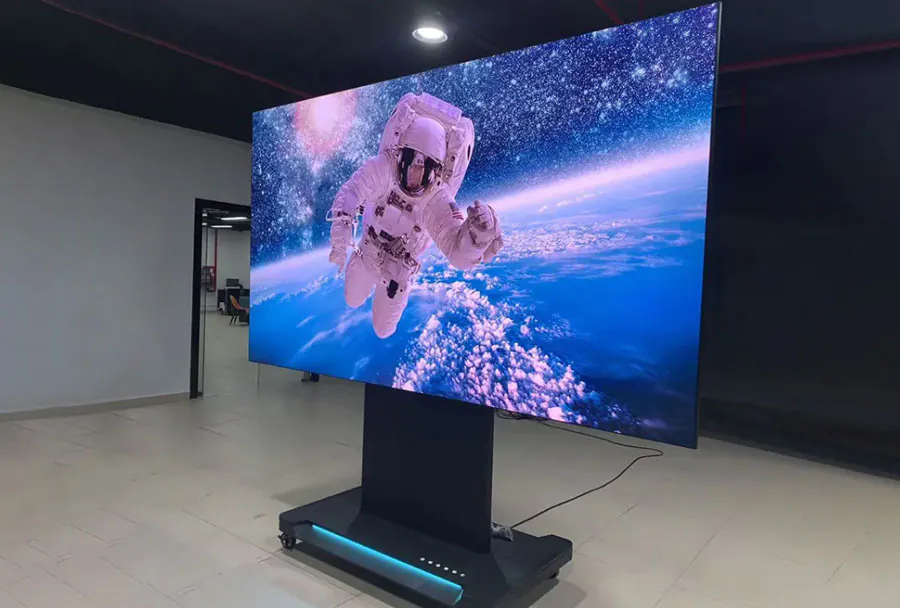
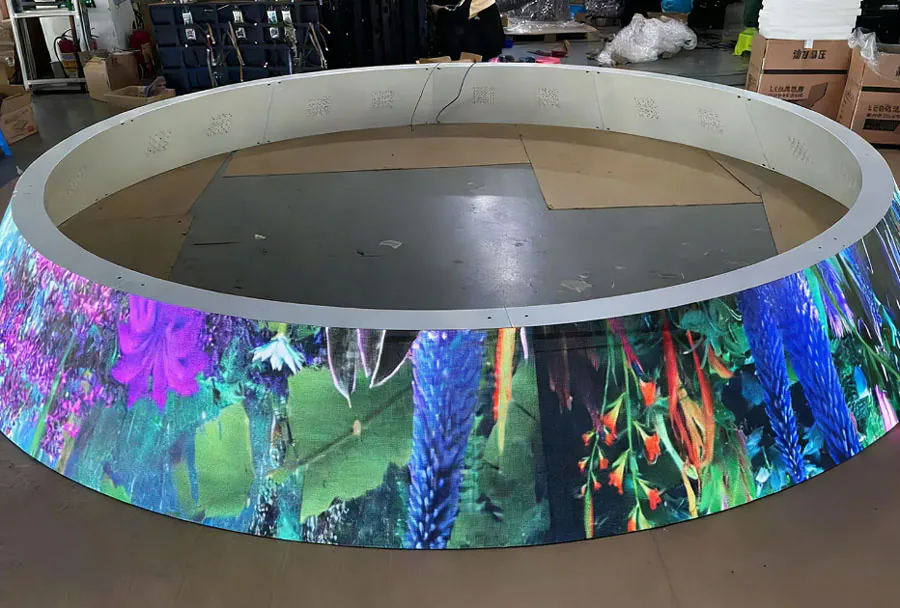
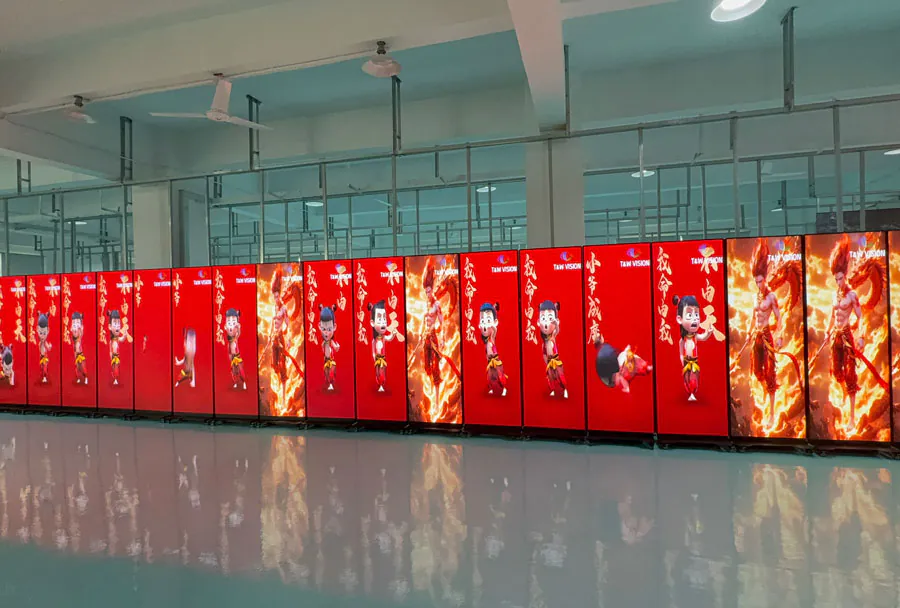
The TW VISION Bendable Screen is a next-generation display solution engineered to bridge the gap between creative form factors and uncompromised visual performance. Designed for both indoor and outdoor environments, this bendable screen leverages flexible panel technology and ruggedized engineering to deliver dynamic, curved, and non-flat display installations that maintain high brightness, wide viewing angles, and durability against environmental stresses. This article provides an in-depth look at the technology, applications, performance characteristics, installation considerations, maintenance, and return on investment for TW VISION Bendable Screens, with practical recommendations and an analysis table to help system integrators, architects, and AV professionals evaluate suitability for specific projects.
Core Technology and Build
Flexible Panel Types
Bendable screens typically use one of several underlying technologies: flexible OLED, flexible LED modules, or microLED arrays built on bendable substrates. TW VISION Bendable Screens most commonly use flexible LED module technology for commercial indoor/outdoor applications because of its scalability in brightness and resilience. These modules are built on flexible circuit boards and incorporate high-efficiency LEDs with encapsulation techniques that allow bending while maintaining pixel integrity.
Structural Design and Mechanical Flexibility
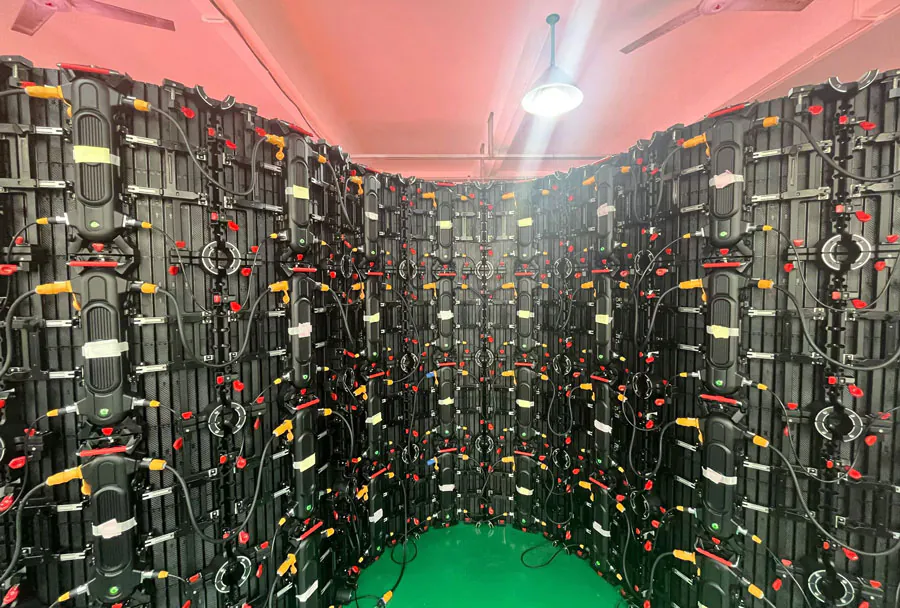
The mechanical design of TW VISION screens uses segmented cabinets or continuously flexible sheet modules depending on the model. Segmented cabinets allow controlled concave or convex curvature with fixed radii, while continuous flexible sheets enable more organic shapes. Key to the design is a mounting frame and tensioning system that preserves panel alignment and ensures pixel pitch consistency across curves.
Weatherproofing and Durability
For outdoor applicability, TW VISION applies IP-rated sealing, conformal coating for electronics, and thermal materials to handle moisture, dust, and temperature variation. Protective front layers—such as tempered glass or polycarbonate—are selected based on impact resistance needs, anti-glare properties, and the desired visual finish.
Performance Characteristics
Brightness and Contrast
One of the primary differentiators between indoor and outdoor displays is brightness. TW VISION Bendable Screens achieve high luminance levels (often exceeding 5,000 nits in outdoor-optimized models) to maintain legibility in direct sunlight, while indoor variants balance brightness and power efficiency for comfortable viewing in controlled lighting environments. Contrast is enhanced through optimized LED driving algorithms and local dimming strategies where applicable.
Viewing Angles and Color Consistency
Flexible LED architectures can retain wide horizontal and vertical viewing angles, ensuring consistent color and luminance across curved surfaces. TW VISION employs calibration routines to maintain color uniformity across modules, minimizing visibles seams or color shifts at cabinet joints—crucial for large curved signage or immersive installations.
Power Consumption and Thermal Management
flexible displays can be power-hungry at high brightness. TW VISION addresses this with efficient LED selection, smart power-saving modes, and integrated thermal pathways to dissipate heat across the backing structure. Proper thermal design is particularly important outdoors where solar load and ambient conditions can increase operating temperatures.
Applications: Indoor and Outdoor Use Cases
Indoor Applications
– Immersive retail displays and window displays that wrap around corners or follow architectural curves.
– Museums and galleries for curvilinear information walls and interactive installations.
– Corporate atriums and lobbies where elegant curved signage enhances branding.
– Events and exhibitions with customizable shapes to stand out on the show floor.
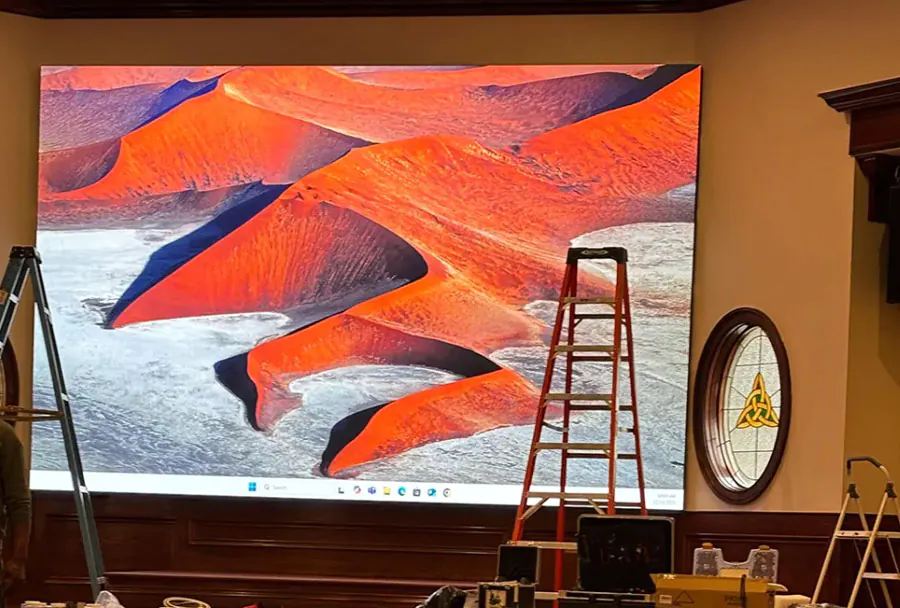
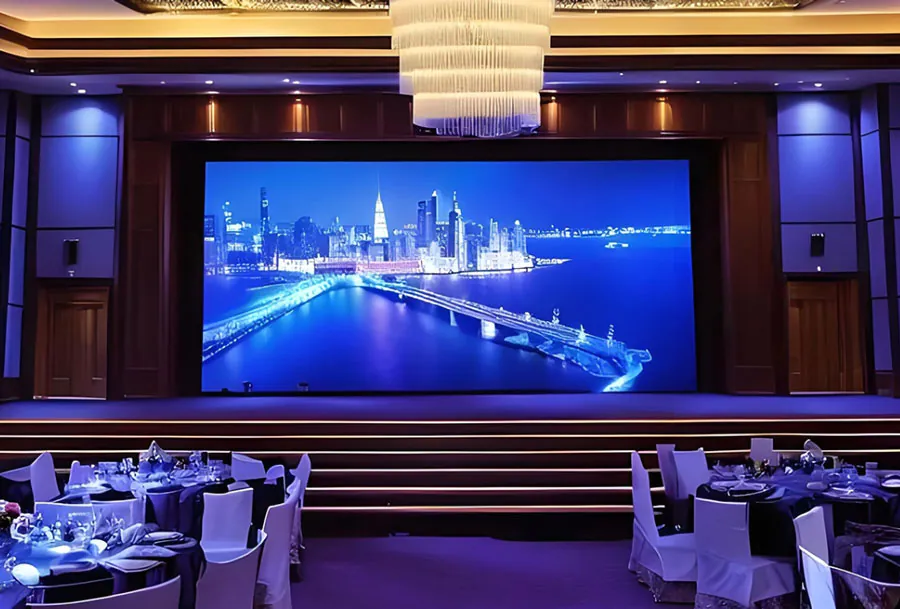
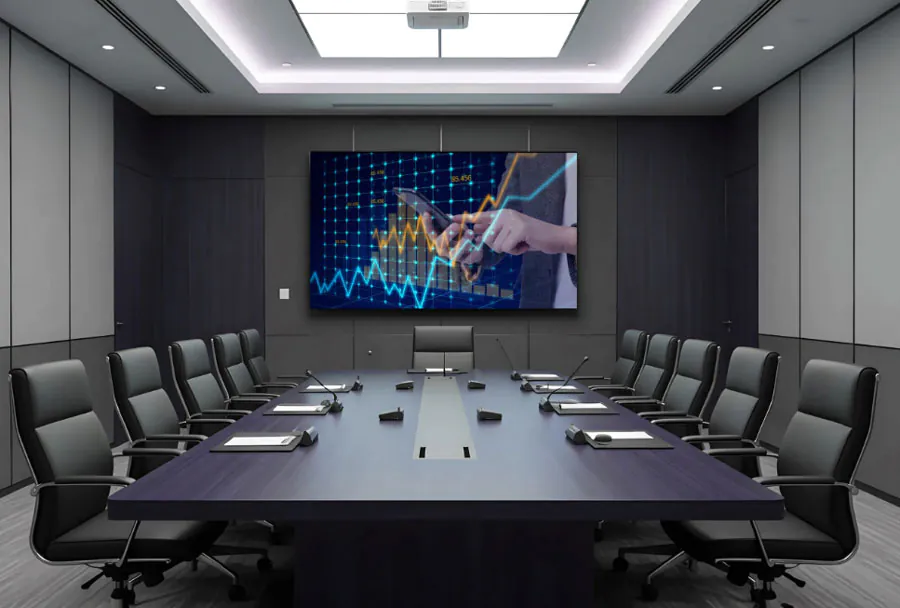
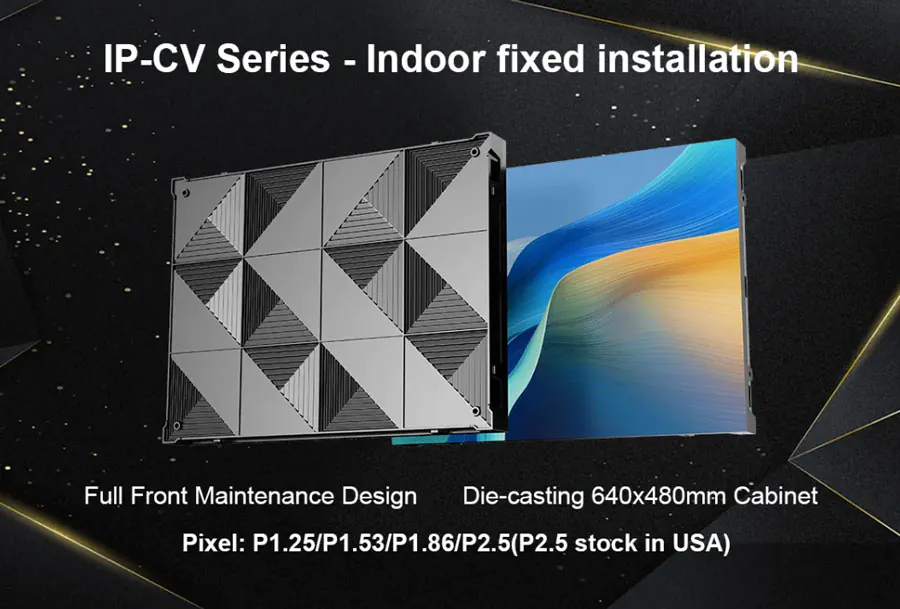
Indoor versions emphasize fine pixel pitch options (e.g., P1.2–P2.5) for close viewing distances, quiet thermal operation, and integrated media control compatible with AV networks.
Outdoor Applications
– Building facades, stadium signage, and public art installations needing weather-resistant, high-brightness curved displays.
– Transit hubs and roadside signage where the display must withstand vibration, moisture, and variable temperatures.
– Advertising columns and free-form billboards that leverage bendability to create eye-catching forms.
Outdoor models prioritize ruggedization: IP65 or higher protection, higher refresh rates to minimize flicker in daylight photography, and anti-reflective front treatments.
Installation and Integration
Mounting Systems and Structural Considerations
Successful installation begins with structural engineering. Curved or non-flat installations change load distribution, wind loading, and maintenance access. TW VISION provides modular frames and bespoke mechanical supports engineered to distribute weight and allow fine adjustments during installation. For outdoor fa?ades, engineers must consider wind load coefficients and building codes; anchors and fastening points should be evaluated by structural professionals.
Signal, Power, and Control Integration
Flexible screens require robust signal distribution to maintain synchronization across modules. TW VISION systems typically use daisy-chained signal architectures with redundancy options and include power distribution units sized for peak draw. Control systems support standard protocols (HDMI/DP for single-source content, and networked protocols for multi-zone control), with optional remote monitoring and diagnostic reporting to proactively identify module failures.
Calibration and Commissioning
Color calibration across a curved surface needs specialized metering and software compensation to ensure uniformity. TW VISION provides factory calibration as well as field calibration tools. Commissioning usually includes brightness mapping, color uniformity testing, and alignment checks to ensure the visual experience meets spec.
Maintenance, Reliability and Lifecycle
Routine Maintenance
For optimal longevity, follow a preventive maintenance schedule: clean front protective surfaces to maintain clarity, inspect seals and gaskets, verify power supplies, and run diagnostic tests. Outdoor installations require seasonal checks for water ingress, corrosion, and thermal stress.
Servicing and Spare Parts
TW VISION supports modular servicing—individual modules or cabinets can be replaced without dismantling the whole array. Stocking critical spare modules, power supplies, and front covers minimizes downtime for high-availability installations.
Expected Lifetime and Degradation
LED-based bendable screens often have long lifespans (50,000+ hours to half-brightness depending on use conditions). Outdoor stressors such as UV exposure, salt air (in coastal areas), and temperature cycling can accelerate degradation; appropriate protective coatings and maintenance extend useful life.
Cost Considerations and ROI
Initial costs for bendable screens are higher than for flat counterparts due to specialized materials and mechanical systems. However, the unique visual impact often drives higher engagement and advertising revenue. Factors influencing total cost of ownership (TCO) include installation complexity, ongoing maintenance, energy consumption, and expected advertising revenue uplift.
– For retail applications, consider conversion rate increases and brand uplift.
– For outdoor advertising, calculate CPM and increased visibility from unique form factors.
– For public infrastructure, consider longevity and reduced vandalism risk by appropriate material selection.
Comparative Analysis Table
| Feature | Indoor Performance | Outdoor Performance | Key Technical Specs | Recommendation |
|---|---|---|---|---|
| Brightness | 500–1,500 nits (comfortable interior viewing) | 2,500–8,000+ nits (daylight readable) | Adjustable up to model max; PWM/automatic ambient sensing | Choose higher nits for exterior; indoor choose lower for energy savings |
| Pixel Pitch | P0.9–P2.5 (close proximity viewing) | P2.5–P10+ (long-distance readable) | Available in multiple pitches; tradeoff between cost and resolution | Pick pitch based on average viewing distance |
| Ingress Protection | IP20–IP42 (controlled environment) | IP65–IP67 (water/dust resistant) | Sealing, conformal coating, gasketed enclosures | Outdoor must be IP65+; indoor can use lower IP rating |
| Form Factor/Curvature | Freely curved, tight radii possible with flexible sheets | Curved facades, convex/concave columns with reinforced frames | Min radius spec; segmented cabinet vs continuous modules | Assess structural needs early; segmented for large arrays |
| Maintenance & Lifecycle | Lower external wear; indoor servicing easier | Higher environmental wear; periodic sealing inspection required | MTBF data, expected lumen depreciation hours (>50,000) | Factor in spare parts and access for outdoor units |
Design Tips and Best Practices
Early Collaboration with Architects and Engineers
Integrate display requirements during early design phases to ensure structural accommodations, cable routing, and maintenance access are included. Discuss wind load, fa?ade penetrations, and service access with structural engineers.
Specify Use-Case Driven Models
Choose pixel pitch, brightness, and protective features based on where viewers will stand, day/night viewing needs, and environmental exposure. Don’t over-spec brightness for indoor-only installations—this increases costs unnecessarily.
Plan for Service Access
Design mounting and access panels so individual modules or cabinets can be removed from the front or rear, depending on installation constraints. For high-up fa?ades, consider hoisting and modular exchange strategies to reduce scaffold time.
Common Challenges and Mitigations
– Thermal Stress: Implement active or passive thermal pathways and ensure power supplies are derated for ambient extremes.
– Seam Visibility: Use high-precision alignment frames and color calibration to reduce visible seams between modules.
– Water Ingress: Use double-sealing techniques and regular inspection routines. Consider hydrophobic coatings for front surfaces.
– Flicker in Photographic Capture: Use higher refresh rates and PWM optimizations to reduce camera-registered flicker—important for advertising captured in social media content.
Future Trends and Innovations
The future of bendable displays includes higher-density microLEDs for even finer pixel pitch, improved long-term encapsulation for outdoor life extension, and more sophisticated media servers that can natively map content to complex curved geometries. Integration with sensors and interactive overlays will turn bendable screens into responsive surfaces for experiential marketing and smart building applications.
Is TW VISION Bendable Screen Right for Your Project?
TW VISION Bendable Screens offer compelling opportunities to break from the limitations of flat displays and deliver memorable visual experiences both indoors and outdoors. The decision to deploy such systems should be driven by a clear understanding of viewing distance, environmental exposure, budget, and maintenance capabilities. When specified and installed correctly, these bendable screens can become high-impact assets—driving brand engagement, improving wayfinding, and enabling architectural creativity.
For architects and integrators: start with a site assessment, establish pixel pitch and brightness needs, involve structural engineers early, and include a maintenance plan with spare part strategy. For marketers and owners: measure expected engagement improvements and compare them against the higher initial investment to determine ROI.
By balancing technical performance, installation practicality, and serviceability, TW VISION Bendable Screens can transform both interior and exterior spaces into flexible canvases for modern visual communication.