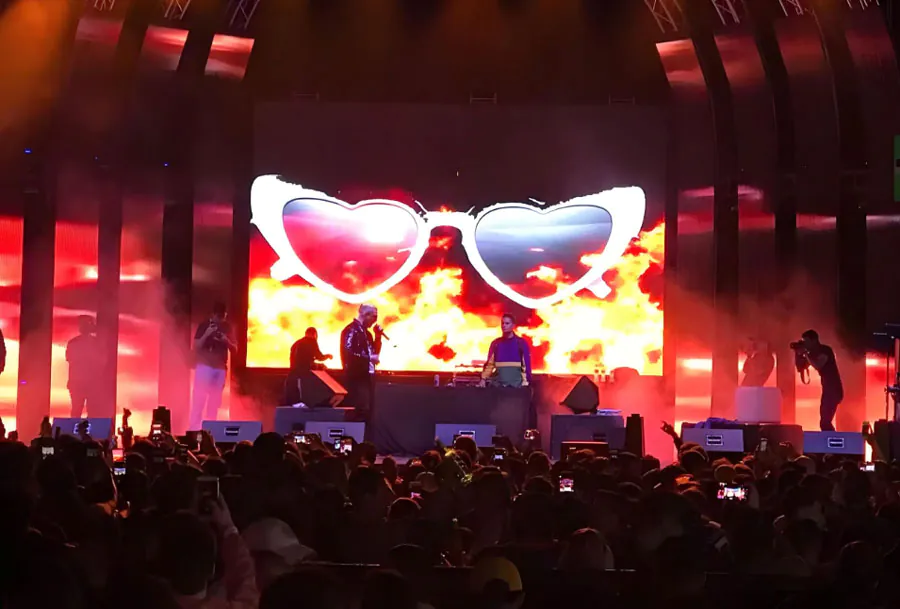
TW VISION Professional Giant LED Screen Rental for Events

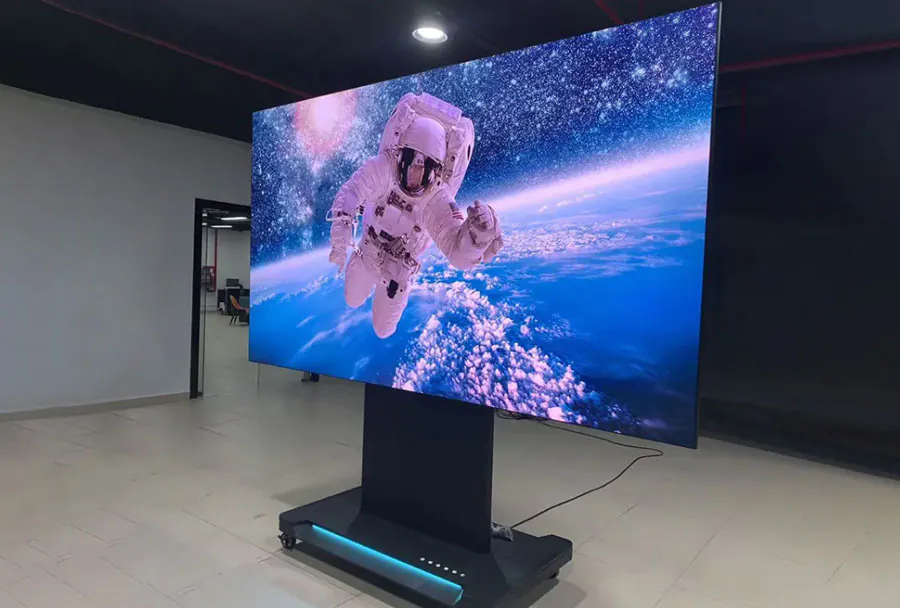
TW VISION Professional Giant LED Screen Rental for Events offers event planners, production companies, and corporate clients a high-impact visual platform that transforms stages, arenas, outdoor festivals, and brand activations into immersive experiences. Whether your project is a one-night concert, a multi-day trade show, a product launch, or an outdoor sports broadcast, choosing the right giant LED screen—and a reliable rental partner—can be the difference between a good event and an unforgettable one. This article outlines the professional considerations for renting giant LED screens from TW VISION, including technical options, planning logistics, creative use cases, safety and reliability, and return on investment analysis.
Why Choose a Giant LED Screen for Events?
Giant LED screens provide several advantages over traditional projection or smaller displays:
– Brightness and visibility: High-nit LED panels cut through ambient light, making content visible in daylight and under stage lighting.
– Color fidelity and contrast: Modern direct-view LED delivers saturated colors and deep blacks, preserving image integrity across viewing angles.
– Scalability and modularity: Panels can be combined to form any aspect ratio or curved surface, supporting custom stage designs.
– Durability for outdoor use: IP-rated outdoor modules resist weather and require fewer protective housings than projection equipment.
– Low maintenance during events: LED systems are designed for continuous operation with integrated redundancy for critical shows.
TW VISION’s rental offering focuses on professional-grade hardware, experienced rigging and technical crews, and flexible content management solutions to ensure the visual centerpiece of your event performs reliably and beautifully.
Key Technical Specifications to Consider
When selecting a giant LED screen, several technical factors determine suitability for a specific event:
– Pixel pitch (mm): Smaller pitch (e.g., P1.9–P2.9) is ideal for close viewing distances (indoor stages, trade show booths). Larger pitch (P3.9–P6.9 and above) works well for outdoor events and long viewing distances.
– Panel size and resolution: Determine the required resolution based on viewing distance and content type (video, live camera feed, text/graphics). TW VISION offers modular panels that scale from small to massive canvases while maintaining consistent pixel alignment.
– Brightness (nits): Indoor screens typically require 800–1,500 nits; outdoor screens often need 5,000 nits or more for daytime visibility.
– Refresh rate and grayscale: High refresh rates (≥3,840 Hz for live broadcast environments) prevent flicker on camera and ensure smooth motion for televised events.
– Weather rating (IP): For outdoor deployment, IP65 or higher is recommended to withstand rain, dust, and wind exposure.
– Power and cooling: Understand power draw per panel, total distribution needs, and cooling strategies, especially for multi-day events.
TW VISION LED Screen Types—Analysis Table
| Screen Type | Typical Pixel Pitch | Recommended Use | Common Size Options | Estimated Rental Cost (USD/day) |
|---|---|---|---|---|
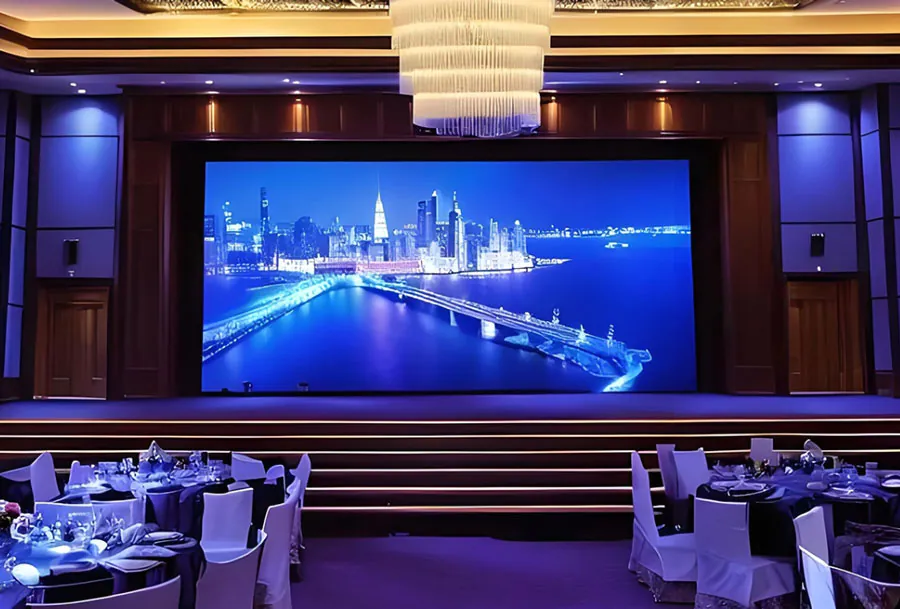
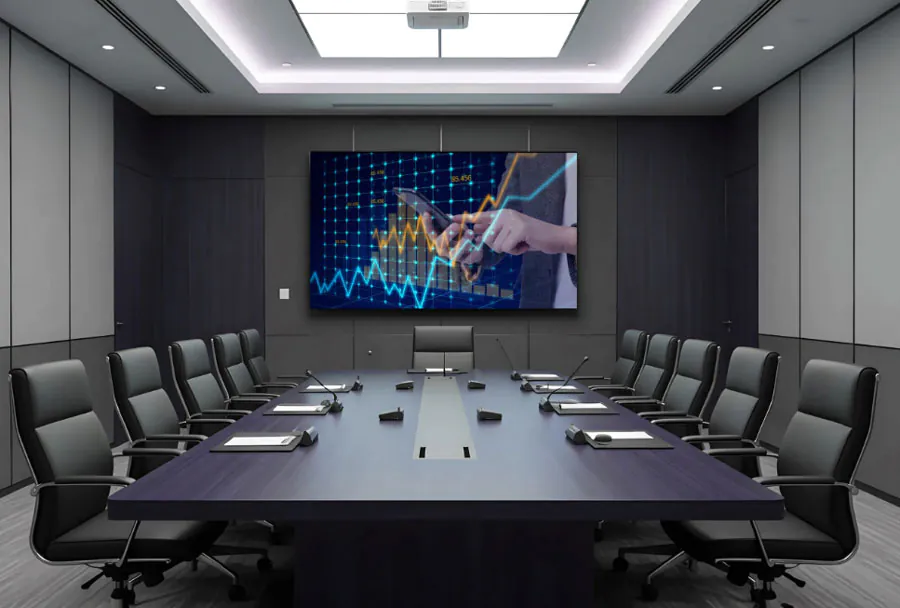
| Indoor Fine-Pitch (Direct-View) | P1.9 – P2.9 | Corporate events, indoor stages, broadcast sets | 4m x 2.25m to 8m x 3.6m | $1,500 – $5,000 |
| Outdoor High-Brightness (Rigid) | P3.9 – P6.9 | Concerts, sports arenas, outdoor festivals | 8m x 4.5m to 20m x 10m+ | $4,000 – $20,000+ |
| Modular Trailer/Truck-Mounted | P6.0 – P10 | Mobile events, temporary staging, roadshows | 6m x 3m to 10m x 5m | $2,500 – $12,000 |
| Transparent/Glass LED | P2.5 – P4.8 | Storefronts, trade show facades, architectural integration | Variable panels; custom installations | $3,000 – $15,000 |
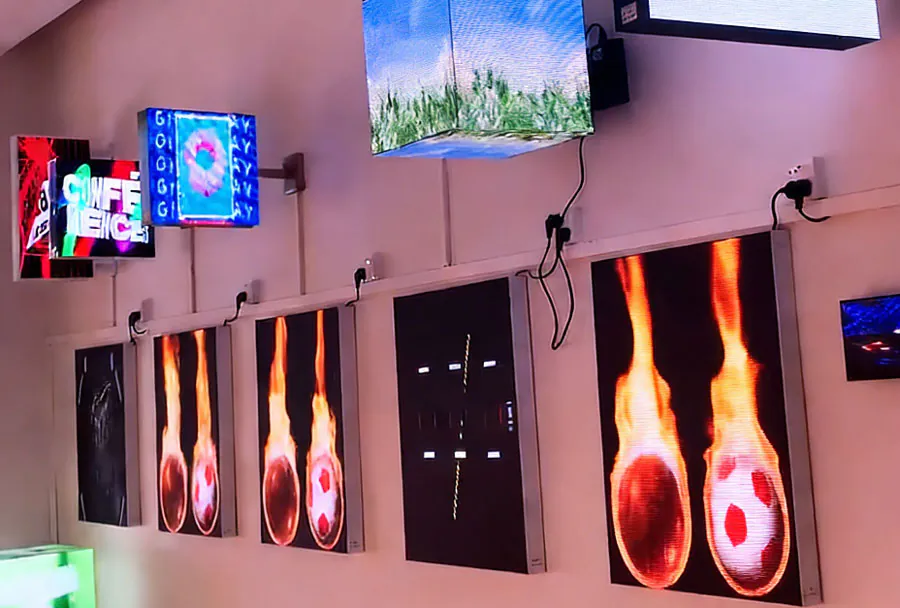
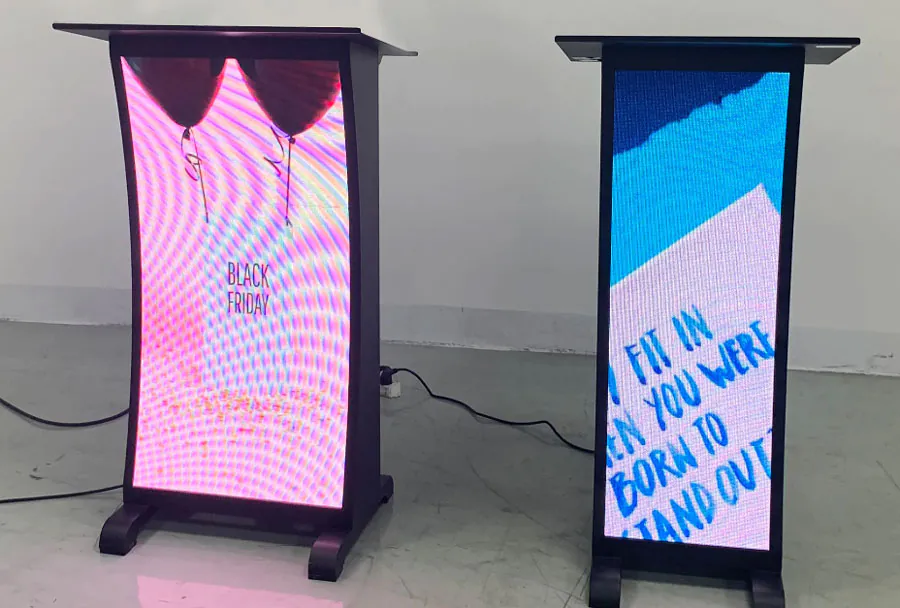
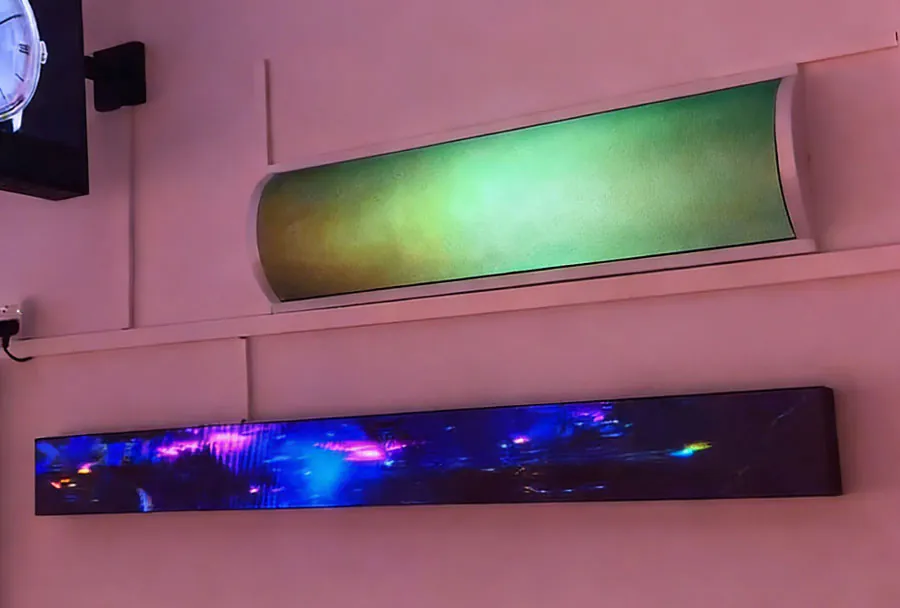
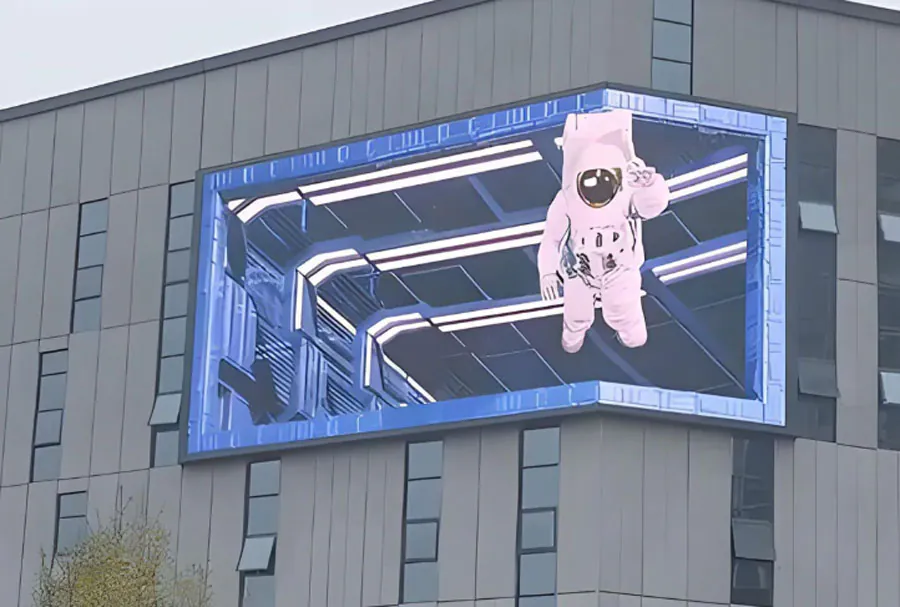
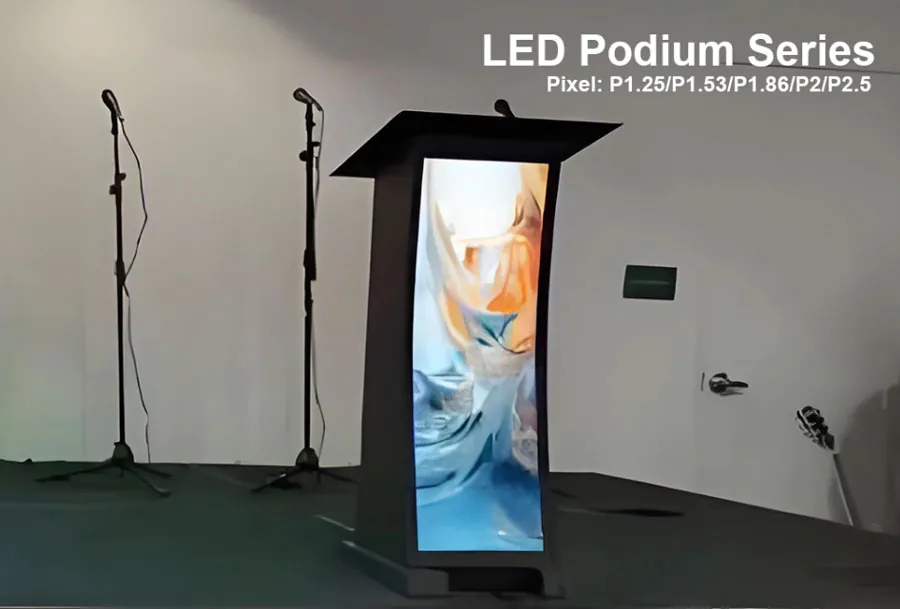
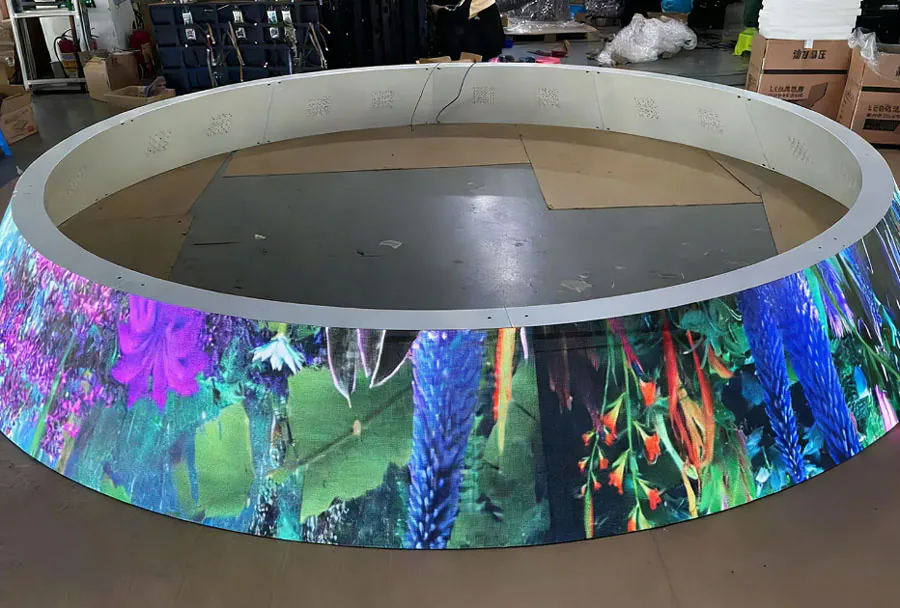
| Curved / Creative Shape Panels | P2.9 – P6.0 | Brand activations, immersive art, bespoke stages | Custom curved walls and cylinders | $5,000 – $25,000+ |
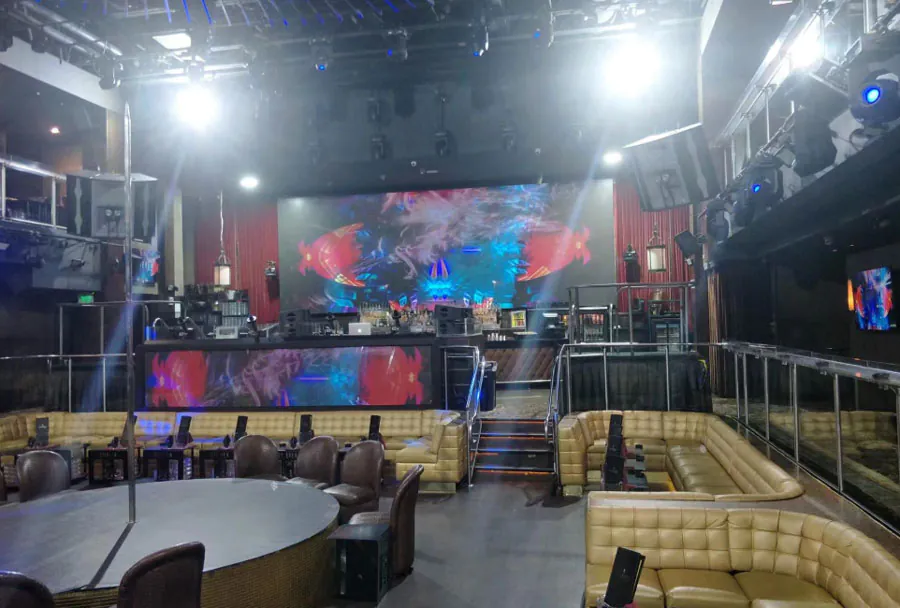
Note: Costs are illustrative ranges. Final pricing depends on event duration, location, logistics, crew requirements, and additional services (content playback, media servers, cameras, and broadcast gear). TW VISION provides tailored quotes based on project specifics.
Pre-Event Planning and Site Survey
Professional LED deployment begins with thorough planning:
– Site survey: TW VISION’s technical team evaluates sightlines, mounting points, structural load capacities, power availability, and local regulations. For outdoor events, wind load and anchoring points are critical.
– Viewing distance analysis: Calculate the optimal pixel pitch and screen dimensions using the shortest expected viewing distance. Rule of thumb: recommended minimum viewing distance (meters) ≈ pixel pitch (mm) × 1.5. Adjust depending on content detail.
– Permitting and local rules: Many municipalities require permits for temporary structures, electrical distribution, or amplified sound. TW VISION assists with permit documentation and coordination.
– Load-in and load-out logistics: Schedule adequate time for rigging, testing, and rehearsals. For events with tight transitions, TW VISION offers expedited rigging crews experienced in fast turnarounds.
– Power planning: Determine total power demand and arrange for distribution (generators, on-site mains) with redundancy for critical shows.
Installation, Rigging, and Safety
Rigging giant LED screens is a technical task requiring certified crews:
– Structural integrity: All overhead or elevated screens must be rigged to certified trusses or structures. TW VISION uses industry-standard hardware and safety-rated rigging practices.
– Wind and weather protocols: Outdoor LEDs must be tested for wind resistance. TW VISION employs ballast systems, guying, and backup anchors where applicable. Operations are halted if environmental conditions exceed safe limits.
– Redundancy and fault tolerance: Professional setups include redundant signal paths, power feeds, and spare modules for rapid on-site replacement. Media servers with hot-swappable drives and failover configurations ensure continuous playback.
– On-site technicians: TW VISION provides technicians for the duration of the event to monitor performance, handle content cues, and conduct real-time troubleshooting.
– Compliance and insurance: TW VISION operates with necessary liability insurance and follows local safety codes to minimize risk for clients and attendees.
Content Strategy and Media Management
Great visuals on a giant LED screen depend on content tailored for the canvas:
– Native resolution and aspect ratio: Design content at the screen’s native resolution to avoid scaling artifacts. For very large outdoor screens, consider creating assets at lower bitrates but optimized color profiles to match the LED’s color gamut.
– Camera workflows: For live events, use broadcast-grade cameras and synchronize frame rates with the LED refresh rate to prevent flicker. TW VISION’s engineers coordinate camera-to-screen calibration for a flicker-free broadcast.
– Playback systems: Media servers (e.g., disguise, Resolume, Notch) facilitate multi-layer playback, edge-blending, and mapping for irregular shapes. TW VISION supplies and programs media servers as part of full-service rentals.
– Compression and codecs: Use high-quality codecs (ProRes, DNxHD/HR) for native playback. For long-form looping content, balance bitrate and storage needs with the event’s uptime.
– Creative possibilities: Synchronized multi-screen setups, interactive content driven by sensors or mobile inputs, and AR/VR-compatible backdrops can elevate attendee engagement. TW VISION’s creative team collaborates with clients to develop visuals that complement the event narrative.
Logistics, Staffing, and On-Site Support
Seamless execution requires the right people and processes:
– Project manager: TW VISION assigns a single point of contact to coordinate schedules, subcontractors, and logistics.
– Technical crew: A standard crew includes riggers, LED technicians, video engineers, and playback operators. For large-scale productions, additional staff such as broadcast engineers and network technicians are provided.
– Rehearsals and tech runs: Allocate time for speaker checks, video cueing, and full run-throughs. TW VISION’s team supports camera rehearsals and delivers a locked playback system ahead of the show.
– Spare parts and support vehicles: For multi-site tours or outdoor festivals, TW VISION deploys spare modules, power supplies, and a service van to address issues quickly, minimizing downtime.
Pricing Models and Return on Investment
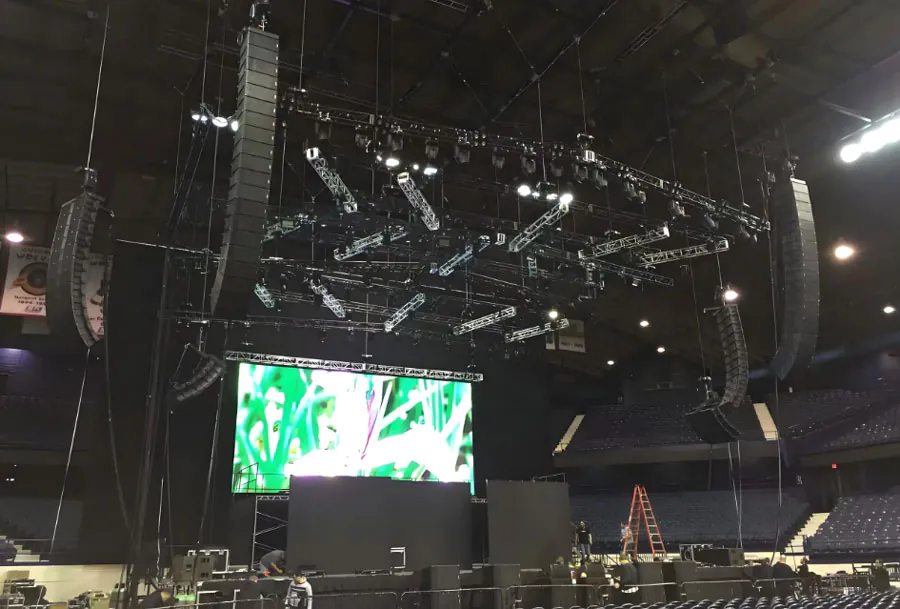
TW VISION structures rental pricing to reflect equipment, labor, transportation, and service level:
– Daily vs. multi-day rates: Longer events typically yield lower daily rates. Multi-day contracts or tour packages include scheduled maintenance and onsite technicians.
– All-inclusive packages: Many clients prefer bundled quotes that include screen rental, media server, crew, transport, and setup. This simplifies budgeting and reduces coordination overhead.
– Value beyond cost: Consider the ROI in terms of audience engagement, sponsorship revenue, ticket sales uplift, brand exposure, and content monetization. A giant LED screen can be a direct revenue driver (sponsor impressions, premium ticketing zones) and an indirect marketing investment (social media amplification, press coverage).
– Cost-saving strategies: Choose pixel pitch appropriate to viewing distance (avoid overly fine pitch when viewers are far away), and plan efficient load-ins and rehearsals to minimize overtime labor.
Case Studies and Use Scenarios
– Concerts and Festivals: A headline outdoor festival uses TW VISION’s 16m x 9m outdoor LED wall (P5) for main stage visuals, integrating live camera feeds, dynamic lighting cues, and sponsor spots. The high brightness enables daytime performance without loss of image quality.
– Corporate Product Launch: For an indoor product debut, TW VISION installs a curved fine-pitch LED wall (P2.6) behind the stage to display product renders and interactive demos. The crisp resolution highlights product details and augments keynote presentations.
– Sports Broadcast: A stadium installs temporary LED rings and giant end-zone screens for a weekend tournament. TW VISION coordinates broadcast feeds and ensures high refresh rates to avoid camera flicker.
– Trade Show Booth: A transparent LED curtain forms a storefront that allows natural light while displaying animated branding—ideal for retail or experiential marketing.
Maintenance, Troubleshooting, and Post-Event Procedures
Professional post-event care preserves equipment and client reputation:
– Module checks: TW VISION inspects panels for dead pixels, connector wear, and mechanical stress after each event.
– Calibration: Color calibration and uniformity correction ensure future displays maintain consistent quality.
– Data security: Media servers and content storage are wiped or returned per client privacy agreements.
– Damage reporting and insurance claims: TW VISION documents any incidents and assists clients through insurance claims if required.
Choosing the Right Rental Partner
Selecting TW VISION or any rental company should be based on:
– Proven experience: Look for documented projects similar in scale and scope.
– Technical certification: Ask about staff certifications, broadcast experience, and health & safety accreditations.
– Equipment quality: Inspect sample panels, review brightness, pitch, and module construction.
– Support and communication: A responsive project manager and clear SLAs reduce risk.
– Flexibility and creativity: A vendor that offers bespoke solutions and creative collaboration adds measurable event value.
Making the Visual Centerpiece Count
TW VISION Professional Giant LED Screen Rental for Events combines technical excellence, safety-first rigging practices, and creative media workflows to deliver high-impact visual solutions for every scale of event. Whether you’re aiming for cinematic fidelity at an indoor launch or rugged daytime brightness for an outdoor festival, careful selection of pixel pitch, screen type, and operational support will maximize audience engagement and return on investment.
Engage TW VISION early in the planning process to leverage their technical expertise, avoid common pitfalls, and ensure your event’s visual centerpiece not only meets expectations but surpasses them—captivating audiences and amplifying your message.