Professional LED Screen Rental Houston for Concerts & Conferences

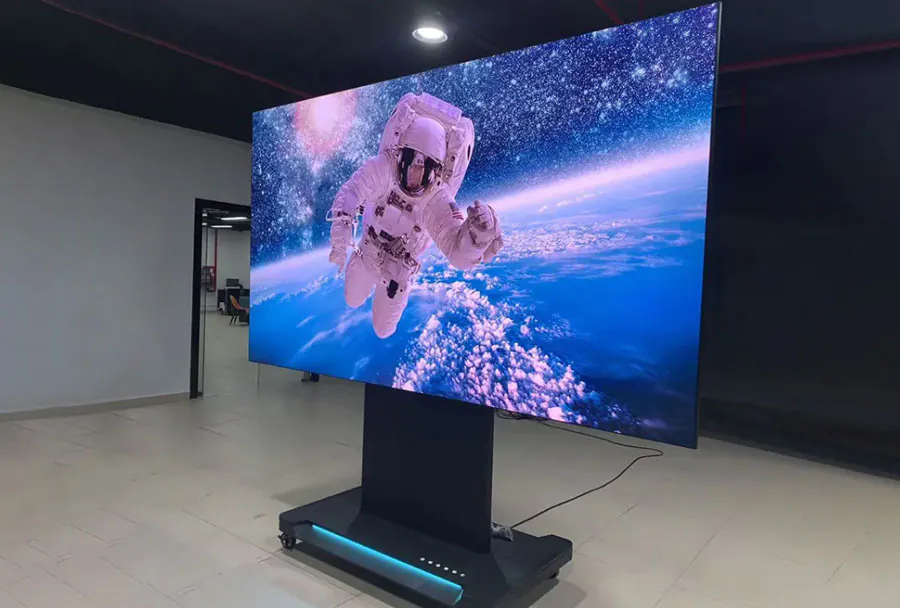
Houston is a vibrant, large-market city with a year-round calendar of concerts, conventions, corporate events, expos and hybrid gatherings. For event producers and venue managers, visual presentation is no longer optional — it is central to audience engagement, brand delivery and the perceived production value of any event. Professional LED screen rental in Houston for concerts and conferences provides a flexible, high-impact solution that meets the unique demands of indoor ballrooms, large arenas, outdoor festivals and hybrid streaming environments.
LED screens deliver advantages in brightness, color fidelity, modular scalability and reliability that traditional projectors or rented LCD walls cannot match in many real-world event scenarios. In this article we’ll explore what makes professional LED screen rental in Houston essential for concerts and conferences, the technical and logistical considerations to plan for, cost and ROI drivers, real-life setup examples, and a practical checklist to make your next event successful.
Understanding LED Screen Technology and Why it Matters
What is an LED screen?
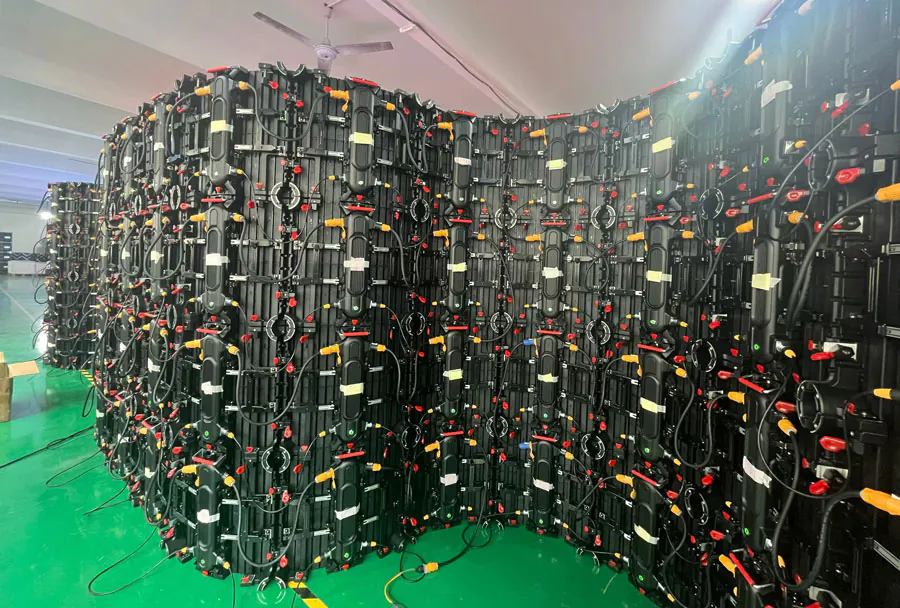
LED (light-emitting diode) screens are composed of modular panels containing many small LEDs that form pixels. Unlike projectors that depend on a surface and ambient light control, LED screens emit their own light and produce vibrant images even in bright environments. Panels are assembled into custom sizes and aspect ratios, making them ideal for stages, backdrops and large outdoor displays.
Key technical parameters
– Pixel pitch: the distance between LED centers (measured in millimeters). Smaller pixel pitch (e.g., P1.2–P2.5) gives higher resolution and works best for close-distance viewing such as conference stages and keynote halls. Larger pixel pitch (P3–P10) is common for distant viewing, like outdoor concert stages.
– Brightness: measured in nits (cd/m2). Outdoor concerts require high brightness (5,000–7,000 nits) for daytime visibility. Indoor conference halls typically need 800–2,500 nits depending on lighting.
– Refresh rate: higher refresh rates (≥3,840 Hz) reduce flicker in camera capture and live streams. This is crucial for hybrid events and broadcasted concerts.
– Contrast and color calibration: professional rental houses calibrate panels to ensure uniform color and brightness across the screen.
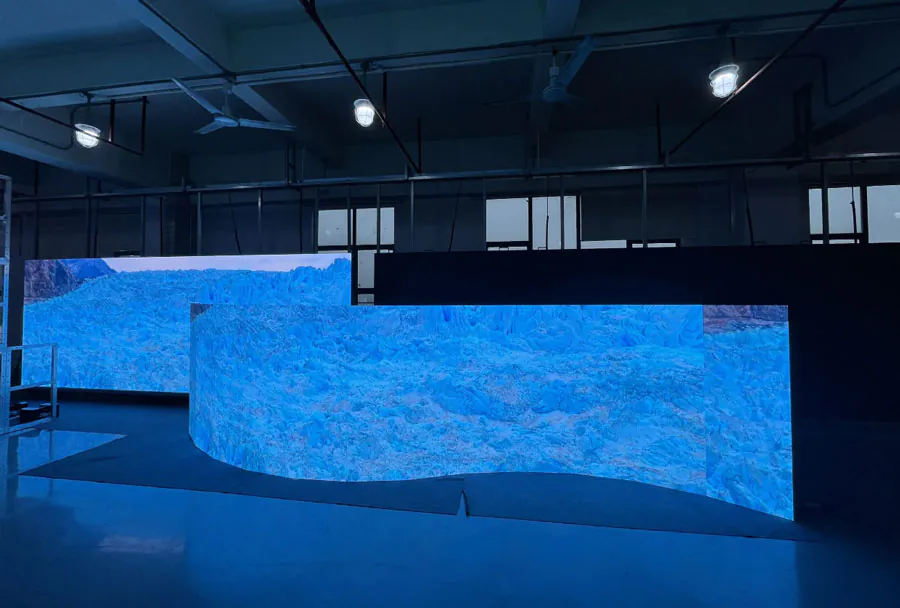
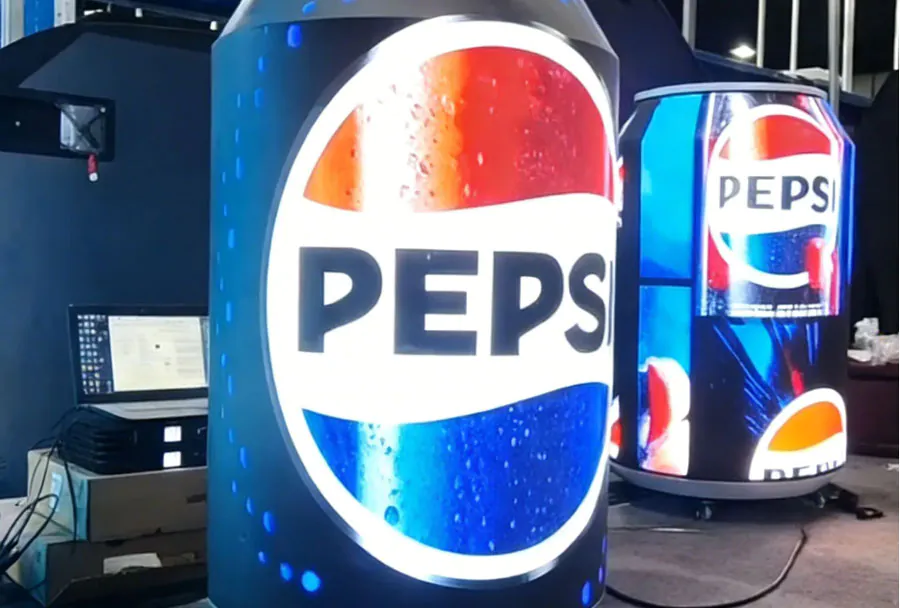
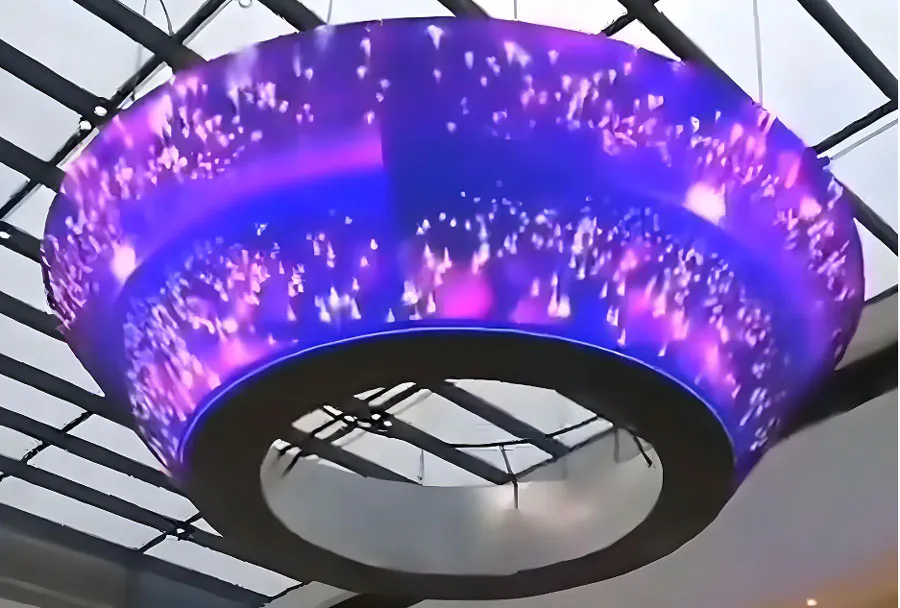
– Curvature and rigging options: some panels can create curved screens for immersive stages or wraparound booths.
Why professional rental vs. DIY or cheaper alternatives?
– Reliability: professional rental companies maintain panels, power systems and backup equipment.
– Scalability: modular panels allow precise sizing for any stage or venue.
– Technical support: on-site technicians, signal processing and content management reduce risk.
– Regulatory compliance: trained crews manage rigging, safety and permits required by Houston venues.
Concerts vs. Conferences: Different Needs, Different Builds
Concerts — scale, durability and audience sightlines
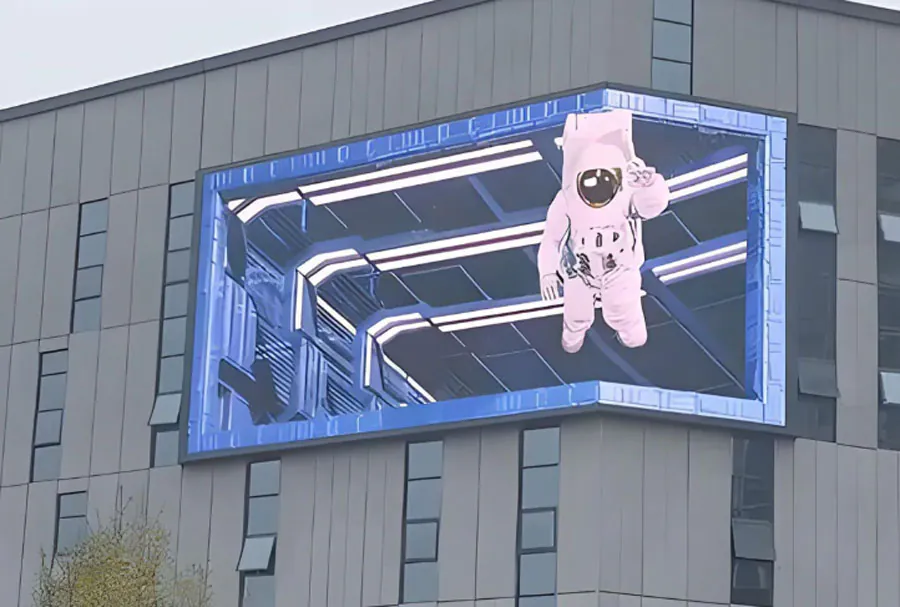
Concert LED screens prioritize size, brightness and robust outdoor ratings (IP65 or better). Typical requirements:
– Large format stage screens (up to 60–80 ft wide or more for stadiums).
– High brightness for daytime outdoor shows.
– Durable weatherproofing and quick-swap modules.
– High refresh rates and low latency for live camera feeds and stage visuals.
Conferences — clarity, resolution and camera-friendly specifications
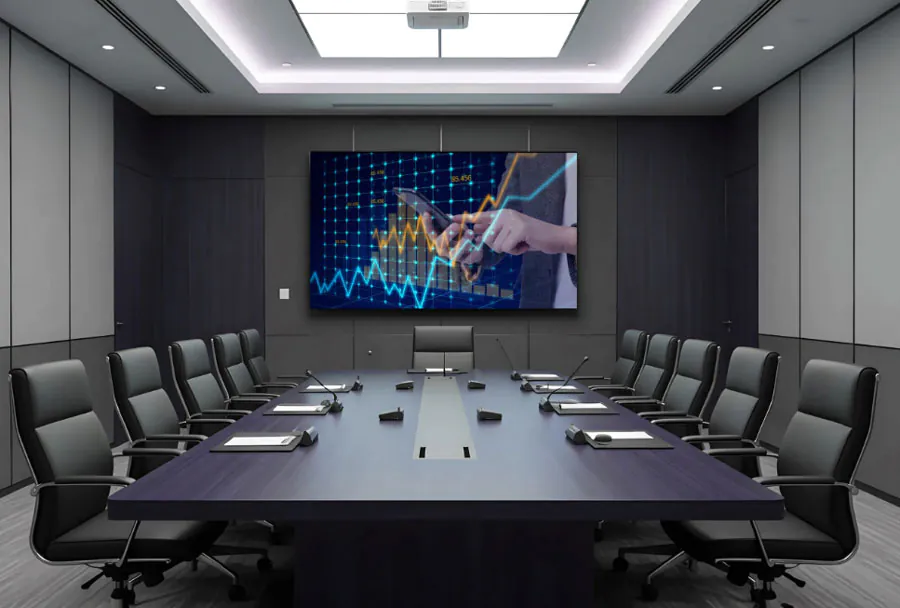
Conference displays focus on pixel density, color accuracy, and integration with presentation systems:
– Narrow pixel pitch for crisp text and detailed slide content.
– Uniform brightness across the screen and flare control for stage lighting.
– High refresh rates and flicker-free performance for broadcast and live-stream capture.
– Support for multiple input sources, scaling and confidence monitoring.
Practical Considerations for Renting LED Screens in Houston
Venue and sightline analysis
Before ordering, produce a sightline and viewing-distance analysis. For conferences with seated audiences, calculate the furthest and closest viewing distances and choose a pixel pitch that maintains legibility for text and logos. For concerts, map seating and standing areas to determine screen placement and whether supplementary side fills or delay screens are necessary.

Power, rigging and structural logistics
Large LED walls demand significant power and structural support. Confirm:
– On-site power capacity and distribution points.
– Load-bearing points for rigging (truss or roof grid) and required safety factors.
– Access for trucks, forklifts and cranes if panels or trusses are heavy.
In Houston, hot weather means crews also plan cooling and ventilation during prolonged load-ins.
Permits, local regulations and venue rules
Houston venues and outdoor spaces may require permits for large screens, especially in public spaces or downtown areas. Work with rental providers that understand local processes and can advise on noise, lighting and public safety permits.
Content playback and signal routing
A robust media server and routing plan is essential. For concerts, synchronize multiple camera feeds, playback loops and lighting cues. For conferences, ensure compatibility with laptops, wireless presentation tools and confidence monitors. Use redundant signal paths (fiber or SDI loops) and uninterrupted power supplies for critical feeds.
Analysis Table: Recommended LED Specs by Use Case
| Use Case | Recommended Pixel Pitch | Typical Screen Size | Ideal Viewing Distance | Estimated Rental Cost Range (USD) |
|---|---|---|---|---|
| Outdoor Concert (Large Arena/Stadium) | P4–P10 | 40’–80′ wide (custom height) | 100’–500’+ | $8,000–$50,000+ per day |
| Indoor Concert (Mid-Size Venue) | P3–P6 | 20’–45′ wide | 50’–200′ | $4,000–$20,000 per day |
| Keynote Conference Stage | P1.5–P2.5 | 12’–30′ wide | 10’–80′ | $2,500–$12,000 per day |
| Breakout Room / Training | P1.2–P2.5 | 6’–16′ wide | 6’–25′ | $800–$3,500 per day |
| Hybrid Streamed Event (Camera-Friendly) | P1.5–P3 with ≥3840 Hz refresh | Varies by stage (10’–40′) | 10’–150′ | $2,000–$15,000 per day |
(Note: costs are estimates and vary by season, panel quality, crew needs, transport and setup time.)
Cost Drivers and Budgeting Tips
What affects rental price?
– Panel quality and pixel pitch: higher resolution panels cost more.
– Size and brightness: larger and brighter walls increase cost.
– Duration: multi-day events often secure better daily rates.
– Load-in/out complexity: multi-level rigging, crane usage, or limited access raises labor charges.
– Crew and technical support: on-site operators, media server techs, and electricians add to the bill.
– Transport distance: Houston’s traffic and facility locations (downtown vs. suburbs) can affect logistics fees.
– Weatherproofing and outdoor gear: waterproof housings, additional power and protective measures increase cost.
How to optimize costs without sacrificing quality
– Match pixel pitch to viewing distance rather than defaulting to ultra-high-res for large distant audiences.
– Use a combination of center screen + side fills or delay screens to cover sightlines more cost-effectively than one massive screen.
– Book during off-peak days or seasons; Houston’s event calendar can be congested in certain months.
– Bundle services: some rental houses offer discounts for combining LED screens, sound and lighting.
Operational Best Practices for Houston Event Producers
Pre-event planning
– Site visit: always perform an on-site walkthrough with the LA/AV vendor to verify rig points, power locations and truck access.
– Floor plots and sightline drawings: include screen dimensions, speaker positions and audience sightlines.
– Content readiness: optimize slides, video assets and lower-thirds to native screen resolution and aspect ratio to avoid scaling artifacts.
Load-in, show operation and teardown
– Stagger load-ins to avoid congestion at loading docks.
– Have labeled, pre-tested cables and spare modules on site.
– Maintain communication channels between video, lighting and stage management for cue timing.

– Schedule teardown with venue staff to ensure elevators or loading docks are reserved.
Weather contingency for outdoor concerts in Houston
Houston weather can change quickly, especially during hurricane season or summer thunderstorms. Always plan:
– Rapid weatherproofing and shelter strategies.
– Backup indoor space or contingency broadcast-only plan.
– Insurance and force majeure clauses in contracts.
Case Studies: Representative Houston Setups
Case Study 1 — Downtown Music Festival (Outdoor, 10,000 attendees)
Requirements:
– 60′ wide main stage screen, P6 panels, 6,000 nits, side fills for sightlines, redundant media servers for playback.
Implementation:
– Vendor built a modular screen with weatherproof enclosures, used truss with certified rigging points, two backup power generators and a 3-person video team for show operation.
Outcome:
– Clear visuals for daytime and sunset sets, minimal downtime during a short thunder shower because of rapid protective measures.
Case Study 2 — Corporate Conference at George R. Brown (Keynote)
Requirements:
– 18′ wide center screen with P1.9 panels, flicker-free at 6,000 Hz, confidence monitor for presenters, integrated wireless present system.
Implementation:
– Rental included a media server with multi-window layout, real-time scaling of laptop inputs, color calibration and on-site AV director.
Outcome:
– Crisp slides and video content, excellent camera capture for live stream, seamless speaker experience.
Maintenance, Support and Quality Assurance
Routine checks and calibrations
Professional rental providers should perform:
– Pixel and module tests before load-in.
– Color calibration and uniformity adjustment.
– Firmware and controller inspections for stability.
On-site spares and redundancy
A best-practice rental includes spare modules, power supplies and a patching plan so technicians can swap panels quickly without interrupting the show.
Checklist for Booking LED Screens in Houston
– Verify the venue’s rigging points and maximum allowable loads.
– Confirm power capacity and distribution requirements with both the venue and the rental company.
– Choose pixel pitch based on closest viewing distance and content type.
– Ensure refresh rate is sufficient for camera capture if the event will be streamed or recorded.
– Request a site visit and sightline diagram from the AV partner.
– Book sufficient crew for installation, show operation and teardown.
– Confirm weather plans and insurance for outdoor events.
– Test all content on a mockup or virtual render before load-in.
– Get a clear itemized quote that separates equipment, labor, transport and contingencies.
Working with Local Houston Vendors: Advantages and Questions to Ask
Why local vendors matter
Local Houston rental companies know local venues, traffic patterns, permitting processes, and weather patterns. They can optimize scheduling and reduce truck roll times and unforeseen costs.
Questions to ask potential vendors
– Can you provide references for similar Houston concerts or conferences?
– Do you carry insurance and are your technicians certified for rigging and electrical work?
– What is your maintenance protocol for panels and power equipment?
– How do you handle redundancy and backups for live events?
– Can you provide a mockup or CAD drawing of the screen in our venue?
Return on Investment: Measuring the Impact of LED Screens
LED screens contribute to ROI in several measurable ways:
– Audience engagement and retention: more immersive visuals can improve attendee satisfaction scores.
– Sponsor visibility: high-quality screens increase sponsor impressions and justify higher sponsorship fees.
– Content effectiveness: clearer presentations and branded visuals help corporate messaging stick, which can translate to higher lead conversion at trade shows and conferences.
– Media and streaming value: camera-friendly screens improve the quality of recorded materials used for post-event marketing.
To quantify ROI, track metrics such as attendee NPS, session attendance (if screens improve visibility across tracks), sponsor renewals and digital engagement metrics from streamed content.
Final Recommendations for Houston Event Organizers
– Start planning LED screen needs early: large screens require time to design, quote and book.
– Match technical specs to your content and audience distance: don’t over-spec resolution for distant outdoor crowds, but don’t under-spec for close-up conference sessions.

– Use local, reputable rental partners who provide warranties, calibrated equipment and on-site technical support.
– Prioritize camera-friendly refresh rates if you will stream or record the event.
– Always budget for contingency: weather protection, additional power and last-minute content scaling.
Professional LED screen rental in Houston for concerts and conferences is a strategic investment that elevates audience experience, amplifies brands and safeguards production quality. From technical specifications like pixel pitch and refresh rate to practical logistics such as rigging points and permits, the right partner will guide your project from planning through execution. By understanding the differences between concert and conference builds, anticipating Houston-specific constraints, and implementing best practices for redundancy and content preparation, your event will deliver the visual impact that modern audiences expect.