Outdoor LED Screen Rental Solutions for Chicago Public Events

Outdoor LED screens have become an essential element for successful public events in major cities, and Chicago is no exception. From neighborhood festivals and outdoor movie nights to large-scale concerts, community rallies, and corporate activations, robust LED signage can transform attendee experience, improve visibility for sponsors, and enable dynamic content delivery. For event organizers in Chicago, renting an outdoor LED screen is often the most cost-effective and flexible solution, permitting access to professional-grade displays without the capital expense and logistical burden of ownership.
This article examines outdoor LED screen rental solutions tailored for Chicago public events, covering technical specifications, site and permitting considerations, content management, vendor selection, cost drivers, and best-practice deployment strategies. You will also find a practical comparative table to help choose the right screen type for your event size and goals.
Benefits of Renting Outdoor LED Screens
– Cost efficiency: Renting removes the upfront capital expenditure and reduces maintenance responsibilities, letting organizers allocate budgets toward production, talent, or marketing.
– Flexibility: Renters can select screen sizes, pixel pitches, and mounting options that match specific event needs, enabling consistent quality across diverse event types.
– Technical support: Reputable rental providers include setup, operator support, and teardown, reducing the technical risk for event teams.
– Scalability: Rental providers can scale up for larger events or combine multiple modules for wider aspect ratios and unusual shapes.
– Weather readiness: Rental fleets typically include outdoor-rated, IP65 or higher cabinets designed for Chicago’s variable weather, from bright sunlight to occasional rain.
Key Technical Considerations
Choosing the right LED screen requires understanding several technical parameters that affect image quality, visibility, and installation complexity:
– Pixel Pitch: Expressed in millimeters (e.g., P3.9, P6.67), pixel pitch determines viewing distance and resolution. Smaller pitches deliver higher resolution for close viewing but cost more.
– Brightness (nits): Outdoor screens require high brightness (typically 5,000–7,000 nits or more) to remain legible under direct sunlight. Rental units should include automatic brightness control for transitions between daylight and night.
– Refresh Rate and Color Accuracy: High refresh rates (≥3,840 Hz in broadcast environments) reduce flicker in camera captures; good color calibration ensures consistent brand visuals.
– IP Rating and Durability: IP65+ protection prevents dust and water ingress—critical for Chicago’s unpredictable weather.
– Modular Design and Weight: Lightweight, modular panels reduce rigging complexity and make trucking and installation faster. Consider loading limits of cranes and truck space in city environments.
– Power and Backup: Confirm power draw per square meter and plan for redundant supply or UPS in sensitive live-stream or broadcast setups.
Site Assessment and Chicago-Specific Logistics
Chicago presents unique logistical considerations: downtown high-rises, lakefront winds, park permits, and busy streets. Critical elements for site planning include:
– Permitting: The City of Chicago requires permits for public events, street closures, amplified sound, and temporary structures. Submit display and rigging plans early to the Department of Business Affairs and Consumer Protection (BACP) and the Chicago Park District when using parks.
– Structural and Wind Load: Lakefront winds can be strong; select screens and truss systems rated for the expected wind loads and adhere to local structural engineering requirements.
– Staging Location and Sightlines: Optimize screen height and angle to prevent obstruction by trees, poles, or temporary tents. Ensure sightlines for multiple viewing areas.
– Crowd Flow and Safety Zones: Maintain safety clearances around rigging, cable runs, and generators. Chicago Fire Department may require access lanes and fire watch during large events.
– Transportation and Access: Evaluate loading zones, street access for trucks, and parking restrictions. Downtown events need coordination with traffic authorities for staging and timed deliveries.
Content Management and Playback Solutions
High-quality content drives return on investment for LED rentals. Consider these components when planning:
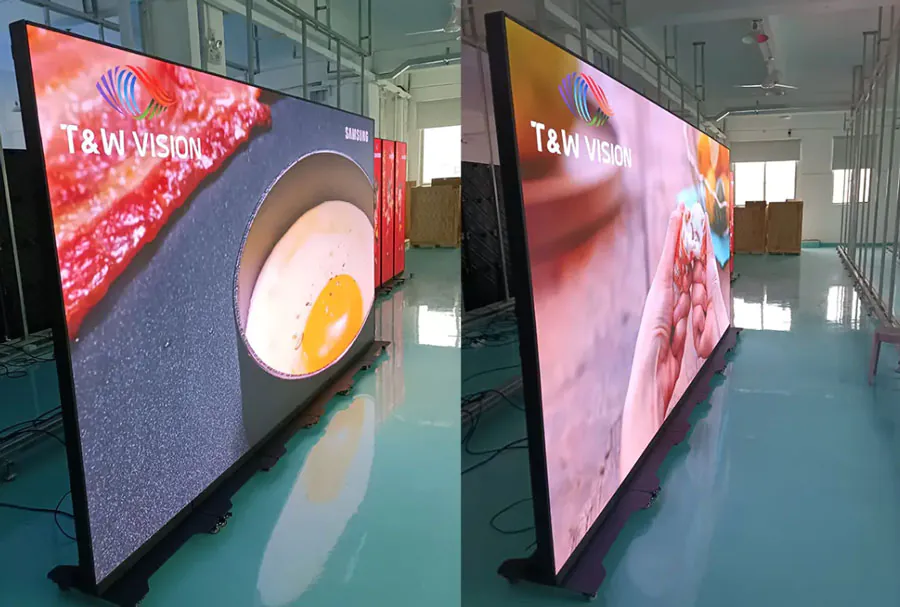
– Media Servers and Players: Choose players that handle various codecs, frame rates, and resolutions. For live feeds, integrate reliable video switchers and encoders.
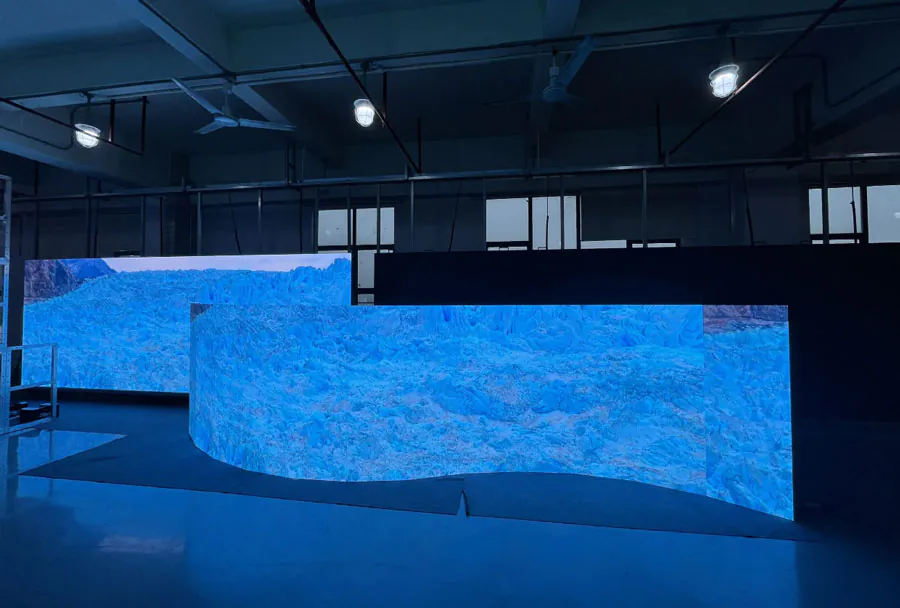
– Content Scaling and Mapping: For multi-panel or irregular configurations, use content mapping software to ensure uniform output. Providers should offer pixel mapping and warping for curved or stacked displays.
– Scheduling and Real-Time Updates: For festivals or sports events, playlist scheduling and real-time overlays (scores, social feeds) are essential.
– Branding and Sponsorship: Provide templates for sponsor content and ensure ad rotations meet contractual impressions and visibility metrics.
– Redundancy: For mission-critical broadcasts, use dual-playout systems and network redundancy to avoid downtime.
Comparative Analysis Table: Common Outdoor LED Screen Rental Options
| Screen Type | Optimal Event Size | Typical Pixel Pitch | Brightness (nits) | Estimated Cost (per day) |
|---|---|---|---|---|
| Mobile Trailer LED (Single-unit) | Small to Medium (up to 1,000 attendees) | P6.25–P8 | 4,500–6,000 | $900–$2,500 |
| Modular Rigged LED Wall | Medium to Large (1,000–10,000+) | P3.9–P6.67 | 5,000–7,500 | $2,500–$10,000+ |
| Stadium/High-Res LED Wall | Large (10,000+ attendees, broadcast) | P2.5–P3.9 | 6,000–10,000 | $8,000–$25,000+ |
| Rear-Projection Outdoor Screen (temporary) | Small to Medium (movie nights) | N/A (projection) | Depends on projector (3,000–10,000 ANSI lumens) | $600–$1,800 |
| Inflatable LED or Specialty Shapes | Promotional activations | P6–P10 | 3,000–6,000 | $800–$3,500 |
Note: Costs vary by season, availability, and additional services (installation, operators, permits).
Choosing the Right Screen by Event Type
– Community Festivals and Outdoor Movies: For family-friendly events with moderate viewing distance, mobile trailers or rear-projection may be cost-effective. Choose pixel pitches P6–P10 depending on how close the audience will be.
– Concerts and Music Festivals: Require high brightness, quick setup, and broadcast-quality refresh rates. Modular rigged LED walls (P3.9–P6.67) are standard; consider stage-back and side-fill configurations.
– Sporting Events and Broadcasted Activities: High-resolution panels with low pixel pitch (P2.5–P3.9) are advisable for camera capture and close-up visibility.
– Corporate Activations and Product Launches: A higher resolution (P3–P4) yields crisp branding; consider custom-shaped arrays for design-driven activations.
– Political Rallies and Public Information Displays: Prioritize durability, visibility, and compliance with city signage ordinances. Ensure content clarity and reliable live-feed capability.
Vendor Selection: Checklist for Chicago Event Organizers
When evaluating rental vendors, use a checklist to compare providers objectively:
– Fleet inventory: Do they offer the pixel pitch, brightness, and sizes you need?
– Experience: Do they have Chicago references and familiarity with local permitting and inspection processes?
– Technical support: Is on-site setup, operator, and tech troubleshooting included?
– Permitting assistance: Can they provide engineering drawings, load calculations, and documentation required by city departments?
– Insurance and liability: Verify vendor carries appropriate commercial general liability and inland marine insurance for equipment in transit and on-site.
– Redundancy and backup: Do they offer backup players, spare modules, and a clear plan for component failure?
– Transport and crane services: For rigged setups, can they manage cranes, rigging specialists, and certified riggers?
– Pricing transparency: Get itemized quotes covering delivery, setup, contingency days, and teardown.
Estimating Costs and Budget Considerations
Rental pricing depends on screen size, pixel pitch, duration, labor, transportation, and additional services (sound, playback, power distribution). Common cost components:
– Daily rental rate: Base charge for the device; often drops as rental days increase.

– Installation and dismantle labor: Rigging, truss assembly, and certified operator time.
– Transportation and road permits: Trucking to and from site and any lane/parking reservations.
– Power supply and distribution: Generators or temporary power drops and cabling.
– Insurance and permits: Fees for city permits and any special endorsements the vendor adds.
– Contingency/standby: Technician standby during the event and redundant playback systems.
To control costs, plan early (off-season or weekdays are cheaper), limit on-site hours by pre-testing content at the vendor’s shop, and use standardized modular sizes to reduce labor.
Installation, Testing, and Event Day Operations
– Pre-Rigging Tests: Run a full system test at the vendor’s facility when possible. Confirm pixel mapping and content scaling.
– On-Site Setup: Allocate enough time for structural checks, wind bracing, cable runs, and audio synchronization.
– Camera and Broadcast Integration: If the event will be streamed or recorded, coordinate refresh rates and use broadcast-grade encoders to avoid flicker or strobing.
– Content Rehearsal: Practice overlays, transitions, and sponsor spot rotations. Confirm emergency messages and PA synchronization.
– Real-time Monitoring: Staff should monitor brightness, pixel faults, and audio/visual synchronization. Have spare modules and a technician on call.
Maintenance, Safety, and Risk Management
– Regular Inspection: Rental providers should inspect panels, connectors, and power modules before dispatch.
– Weather Contingencies: Have a plan for high winds or lightning. Wind sensors and emergency lowering procedures are recommended.
– Fire and Electrical Safety: Use certified electricians for power distribution. Protect connections from moisture.
– Crowd Safety: Barricade rigging zones and mark cable runs. Coordinate with Chicago Police and Fire for emergency egress.
– Post-Event Demobilization: Schedule teardown to avoid congestion and minimize overtime charges. Document any damage immediately and file claims as needed.
Case Studies: Typical Chicago Use-Cases
– Neighborhood Street Festival: A P6 trailer screen used for community announcements, local talent performances, and sponsor messages. Vendor provided a day-of-technical operator and a modest generator; permit process facilitated by the vendor reduced lead time.
– Lakefront Concert: Large modular rigged LED wall (P3.9) used as stage backdrop and side screens. Engineering ensured wind loading compliant with lake-effect gusts. Coordinated transport and staged cranes during early-morning setup to minimize traffic impact.
– Corporate Product Launch at Millennium Park: Higher-resolution modular LED (P2.9) with bespoke content mapping. Vendor offered pre-event staging, color calibration, and on-site playback engineer to guarantee broadcast-quality visuals.
Final Recommendations
– Start early: Secure vendors and permits well in advance—especially for summer weekends in Chicago.
– Pick the right pixel pitch: Match resolution to expected viewing distance and any camera capture needs.
– Prioritize reputable vendors: Choose providers with Chicago experience, proper insurance, and proven contingency plans.
– Plan for weather: Use IP65+ equipment, engineer for wind loads, and define a safety-triggered contingency plan.
– Test thoroughly: Conduct pre-event rehearsals and full system checks to reduce event-day surprises.
Outdoor LED screens can dramatically elevate public events in Chicago, making content accessible, memorable, and sponsor-friendly. By understanding technical requirements, local regulations, and operational best practices, event organizers can select the optimal rental solution, align budget and production goals, and deliver a safe, visually compelling experience for attendees.