2026 LED Screen Rental Prices and Packages in Orlando

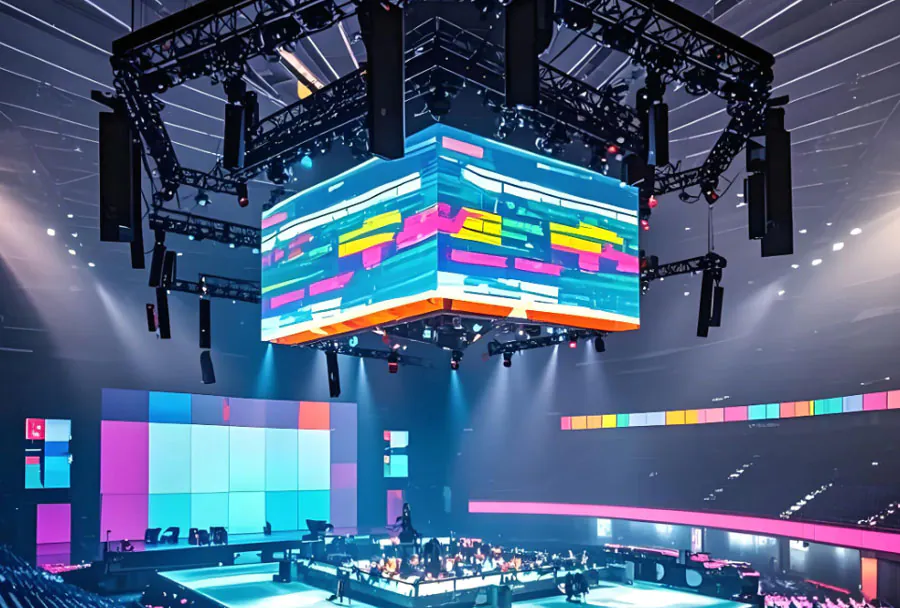
The LED rental market in Orlando has continued to mature through 2024–2026, driven by higher demand from large trade shows, live entertainment events, sports watch parties, theme park activations, and corporate brand experiences. Advances in pixel density, HDR color performance, and energy-efficient modules have increased expectations — and, in many cases, the price. At the same time, growing competition among local rental houses and national fleet operators has created a broader range of package options and more flexible pricing for different budgets.
This article gives a practical, localized view of 2026 LED screen rental prices and packages in Orlando. It compares typical packages you’ll encounter, explains the technical and logistical variables that shape cost, offers budgeting examples, and gives advice for negotiating, contracting, and maximizing return on investment.
Key Market Trends Affecting Pricing
– Higher pixel density options: Rentals now commonly include high-resolution 2.6–4mm pixel pitch for close-view indoor use; outdoor event-grade cabinets often sit between 4–8mm.
– Increased brightness and HDR capability: Outdoor units commonly rate 5,000–8,000 nits, making them viable for daytime outdoor activations.
– Modular mobile solutions: LED trucks and trailers reduce rigging time and labor charges for certain events.
– Fleet diversification: Orlando vendors often maintain a mix of indoor fine-pitch walls, outdoor high-brightness video walls, and mobile units — giving event planners more tailored packages.
– Energy and environmental considerations: Newer panels use less power and offer integrated weatherproofing, affecting insurance and generator needs.
Analysis Table — Typical 2026 Packages in Orlando
| Package | Screen Size (WxH ft) | Pixel Pitch (mm) | Brightness (nits) | Typical 1-Day Rental Price (USD) |
|---|---|---|---|---|
| Basic Indoor | 10 x 6 | 3.9–4.8 | 1,000–2,500 | $900–$1,800 |
| Standard Event | 16 x 9 | 2.9–3.9 | 2,000–4,500 | $2,500–$5,500 |
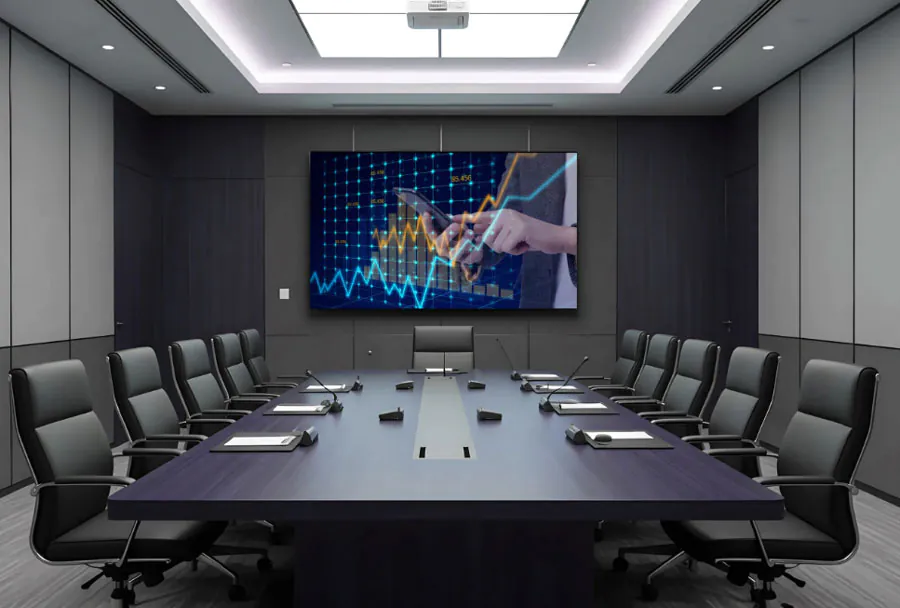
| Premium Indoor | 20 x 11 | 1.8–2.6 | 1,000–3,000 | $6,000–$10,000 |
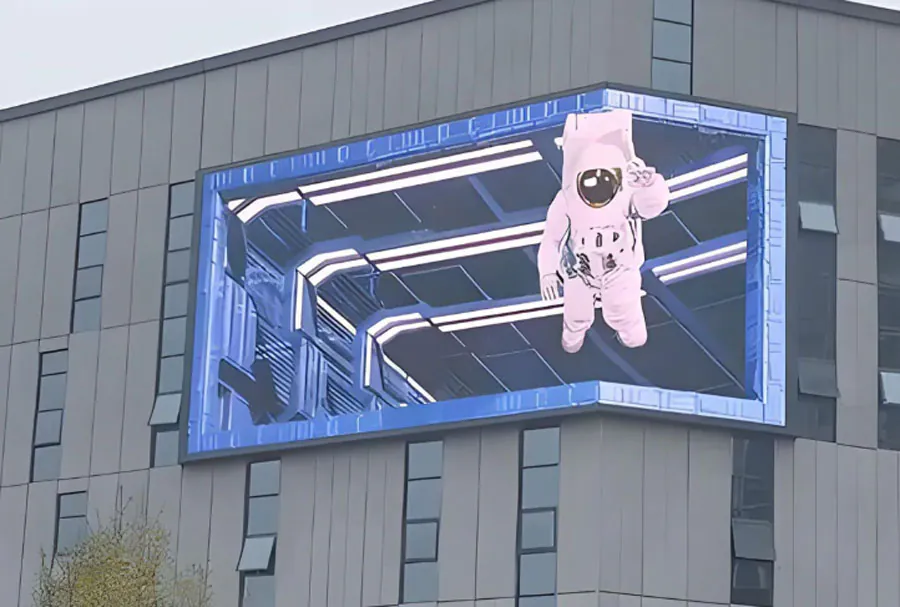
| Outdoor High-Brightness | 20 x 12 | 4.8–6.0 | 5,000–8,000 | $5,000–$12,000 |
| Mobile LED Truck / Trailer | Variable (12–30 ft display) | 4–8 | 5,000–10,000 | $7,500–$18,000 |
How Prices Break Down: Components of a Rental Quote
When you receive a quote from an Orlando rental company, the headline screen price is only one component. Expect the final invoice to include several common line items:
– Base rental fee: This covers the cabinets/panels for the booked period (often per day, with multi-day discounts).
– Delivery and pickup: Flat or distance-based charges depending on your venue location in the Orlando metro area.
– Installation and teardown labor: Number of crew members, rigging time, truss or ground-supported structure.
– Video processing and playback: Media servers, switchers, content mapping, and operator fees.
– Power & generators: If venue power is insufficient or unavailable.
– Permitting and structural engineering: For large outdoor screens or temporary structures.
– Insurance and damage waivers: Damage waiver fees or requirements for event insurance.
– Taxes and venue surcharges: Local taxes and venue preferred vendor fees.
Example Cost Breakdown (One-Day Outdoor Event, 20 x 12 ft High-Brightness Wall)
– Base rental: $6,500
– Delivery/pickup (30–45 miles round-trip): $650
– Installation/teardown labor (4 techs, 8 hours): $2,400
– Power generation (1x 60kW generator + fuel): $900
– Media server and operator (1 day): $750
– Permitting/engineering estimates: $400
– Insurance/damage waiver: $350
– Total estimated: $12,950 (rounded)
These sample numbers match the ranges in the analysis table and illustrate why larger outdoor projects appear significantly costlier than basic indoor rentals.
Technical Specifications That Drive Cost and Visual Impact
Understanding these specs will help you choose the right package and avoid paying for capabilities you don’t need:
Pixel Pitch
Pixel pitch is the center-to-center distance between LED pixels, measured in millimeters. Smaller numbers mean higher resolution at close viewing distances.
– Indoor close-proximity viewing (stages, corporate): 1.2mm–2.6mm.
– General indoor events: 2.6mm–4.8mm.
– Outdoor or distant viewing: 4.8mm–10mm.
Choosing a finer pixel pitch increases cost sharply due to higher manufacturing cost and fewer rental units available.
Brightness (Nits)
– Indoor: 800–3,000 nits is typical.
– Outdoor daytime: 5,000–10,000 nits is often required.
Higher brightness increases power consumption and may affect rental price via generator and power infrastructure needs.
Refresh Rate & Color Processing
High refresh rates and HDR-capable processing reduce flicker on camera and improve capture for live feeds, which matters for streaming or televised events. Packages with advanced processors and scaler hardware will cost more.
Local Logistics — Orlando-Specific Considerations
Orlando’s event calendar and regulatory environment influence cost and lead time:
Seasonality and Demand Peaks
– High demand periods: Late spring through December (convention season, holidays, major concerts).
– Booking early (60–120 days) often secures fleet availability and better pricing.
Permitting and Venue Rules
– City of Orlando and Orange County have permit requirements for temporary structures and street closures; costs and lead times vary.
– Some venues (outdoor parks, tourist-heavy areas) require additional insurance, certified rigging crews, and engineering sign-off.
– Always confirm load-in windows and union requirements (if applicable) for big downtown venues or arena sites.
Transport and Access
Traffic and parking near Orlando Convention Center, Universal/Disney resort areas, and downtown event sites can add time and labor costs. Factor in staging space for trucks and room for rigging.
How to Choose the Right Package for Your Event
Start with the event goals, then match specs. Here’s a practical approach:
1. Define Viewing Distance and Audience Size
– Close-proximity attendees (under 25 ft): prioritize fine pitch (1.8–2.6mm).
– Large outdoor audiences or billboard-style displays: prioritize brightness and size over fine pitch (4.8mm+).
2. Consider Ambient Light Conditions
Outdoor daytime needs high brightness; evening events can use mid-brightness units, saving cost.
3. Decide on Interactivity and Camera Capture Needs
If the display will be filmed for livestream or broadcast, use high refresh-rate hardware and seasoned operators.
4. Build a Total-Cost Budget
Ask vendors for itemized quotes (screen, rigging, labor, power, operator). Compare across vendors for the same pixel pitch, brightness, and support services.
Pricing Strategies and Negotiation Tips
– Package bundling: Vendors often offer discounts for combining screen rental with AV, sound, or staging services.
– Multi-day discounts: Most suppliers reduce daily rates for week-long engagements.
– Off-peak scheduling: Weekdays early in the week sometimes deliver lower rates than weekend dates.
– Local references and repeat business: Negotiate a lower rate or waived fees if you become a repeat client.
Hidden Costs to Watch For
– Late-night labor or overtime rates.
– Generator fuel and extra run-hours.
– Freight surcharges for constrained venues or long stairs.
– Additional insurance clauses for water or weather-related risks.
Return on Investment: Measuring Value
Don’t view screen rental as an expense alone — treat it as a marketing or experience investment.
Simple ROI Model
Calculate expected impressions × CPM-equivalent value:
– Estimated impressions = onsite attendees × average dwell time influence + offsite livestream views.
– CPM-equivalent: Compare with local digital ad rates (e.g., $8–$25 per thousand impressions) to estimate media value.
– Example: A one-day festival with 6,000 attendees and strong dwell could translate to 60,000 effective impressions (counting repeated views). At a $12 CPM, that’s $720 media value per 60,000 impressions; but the real value often includes sales, lead capture, sponsorship revenue, and experiential branding which exceed CPM equivalence.
Specific Use-Cases and Typical Budget Allocations
– Corporate product launch (indoor, close-up): $6k–$12k for premium screens and content support.
– Outdoor public activation or rally: $6k–$15k depending on size and daylight requirements.
– Trade show exhibit wall (multi-day): $3k–$8k depending on pixel pitch and booth location fees.
Vendor Selection Checklist for Orlando Events
When choosing a vendor, evaluate these items:
– Fleet diversity: Can the vendor provide the exact pixel pitch and brightness you need?
– Experience with local venues: Are they familiar with Orlando Convention Center, Amway Center, and local parks?
– Itemized quotes: Are labor, power, permits, and contingencies listed?
– On-site crew competency: Do they supply trained operators and a contact for the event?
– Insurance and certifications: Are rigging certifications and insurance limits adequate?
– References and reviews: Past work for theme parks, conventions, or sports events is a plus.
Sample Budgets by Event Type (Quick Guide)
– Small corporate meeting (indoor, 10 x 6 wall, 1 day): $1,500–$3,000 total.
– Medium conference main stage (16 x 9 wall, 2 days): $6,000–$12,000 total.
– Large outdoor festival stage (24 x 14 wall, 3 days): $20,000–$45,000 total (includes rigging, generators, staff).
– Mobile LED truck for city activation (1 day): $9,000–$18,000 total.
These sample budgets include reasonable estimates for delivery, rigging, and operators but exclude sponsorship or creative production costs.
Practical Steps to Book Smart in Orlando
– Start early: Reserve fleet 60+ days out for convention season; 120+ days for major outdoor festivals.
– Ask for an itemized quote and a weekend vs. weekday rate.
– Confirm who is responsible for venue permits and engineering sign-off.
– Negotiate a cap on overtime and a clear definition of “installed and tested” timeline.
– Request references for events similar in size and complexity.
– Reserve content playback and an on-site operator if you cannot provide a dedicated AV tech.
2026’s Orlando LED rental market offers more product options than ever, but that variety makes comparison shopping essential. Match pixel pitch to viewing distance, prioritize brightness for outdoor daytime events, and account for the full logistic picture when budgeting. For most planners, the savings come not from choosing the cheapest screen, but from selecting the correct technical level and negotiating transparent, itemized terms that avoid last-minute add-ons.