Best Led Screen Rental Columbus Services For Corporate And Live Events

LED screens have become indispensable for corporate meetings, product launches, conferences, concerts, and other live events. In Columbus — a growing hub for business, education, and live entertainment — selecting the right LED screen rental service can make or break an event’s visual impact, audience engagement, and technical reliability. This article outlines what to look for when renting LED screens in Columbus, details the services top vendors should provide, analyzes technical and logistical considerations, presents a comparative table of typical vendor offerings, and gives a practical checklist for event planners.
Why LED Screens Matter for Corporate and Live Events
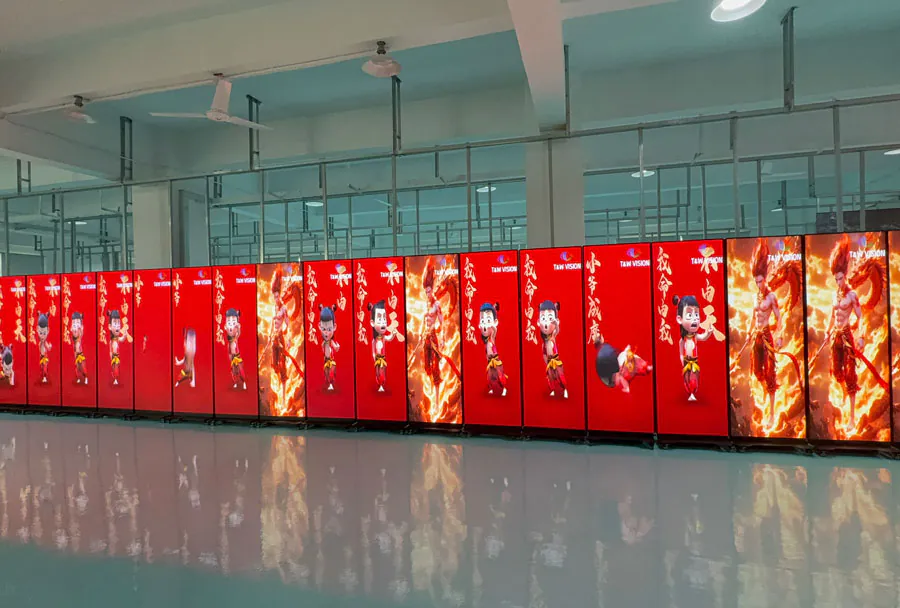
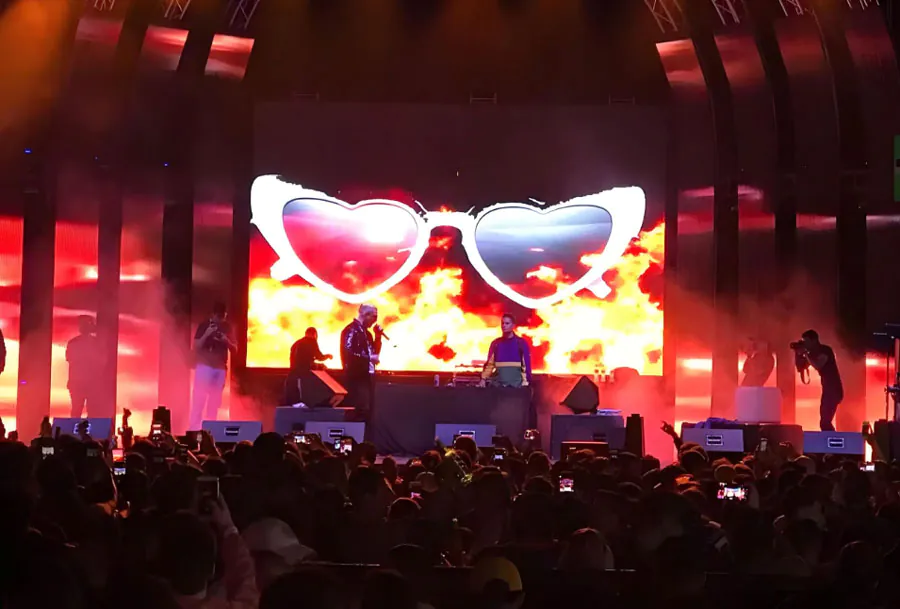
LED screens deliver high brightness, crisp imagery, and excellent viewing angles—qualities crucial for both indoor corporate events and outdoor live productions. For corporate events in Columbus (board meetings, town halls, trade shows), LED walls enhance presentations, support video conference integration, and reinforce brand messaging. For live events (concerts, festivals, sporting events), they provide stage backdrops, real-time camera feeds, and dynamic graphics that amplify the emotional experience.
Key benefits:
– Visibility: High luminance (nits) ensures clear visuals in daylight and well-lit halls.
– Scalability: Modular panels allow custom sizes and aspect ratios.
– Reliability: LED technology supports long runtimes with low failure rates when properly maintained.
– Interactivity: Integration with live feeds, overlays, and audience engagement tools.
Core Rental Services to Expect in Columbus
When evaluating LED screen rental providers, event planners should expect the following core services:
– Consultation and system design: Site surveys, show flow coordination, and tailored screen sizing.
– Full technical package: LED panels, control processors, backup servers, media players, and cabling.
– Transport, set-up, and teardown: Logistics planning and on-site labor.
– Rigging and safety: Truss, scaffolding, or ground support with certified riggers.
– On-site technical support: Real-time troubleshooting and signal management during the event.
– Content services: Media format prep, aspect ratio conversion, and playback programming.
– Integration: Live video switching, timestamped cues, and remote monitoring.
A professional Columbus vendor will offer both turnkey packages for smaller corporate needs and bespoke systems for large-scale live events.
Technical Considerations: Choosing the Right LED Specification
Selecting the appropriate LED screen involves balancing pixel pitch, brightness, resolution, and viewing distance. Below are the primary technical factors and their implications.
Pixel Pitch and Resolution
Pixel pitch (measured in millimeters) defines the distance between adjacent LED pixels. Smaller pitch values mean higher resolution and closer optimal viewing distance. Corporate indoor events often use 1.5–3.9mm panels for sharp text and slides, while outdoor live events usually employ 6–10mm or larger to suit long viewing distances.
Guideline:
– 1.2–2.6mm: Close-range corporate presentations, studio environments.
– 3.9–6.0mm: General indoor events, mid-range viewing.
– 6.0–10mm+: Outdoor concerts and venues with distant audiences.
Brightness and Contrast
Brightness measured in nits determines screen visibility under ambient light. Indoor events may be fine with 800–1,500 nits, while outdoor stages often require 4,000+ nits. Contrast ratio and color calibration affect image depth and brand color fidelity.
Refresh Rate and Color Fidelity
High refresh rates (≥3,840 Hz) reduce flicker in camera feeds and are essential for events that will be broadcast or live-streamed. Color calibration tools and 10-bit processing help maintain true brand colors and smooth gradients.
Form Factor and Mounting
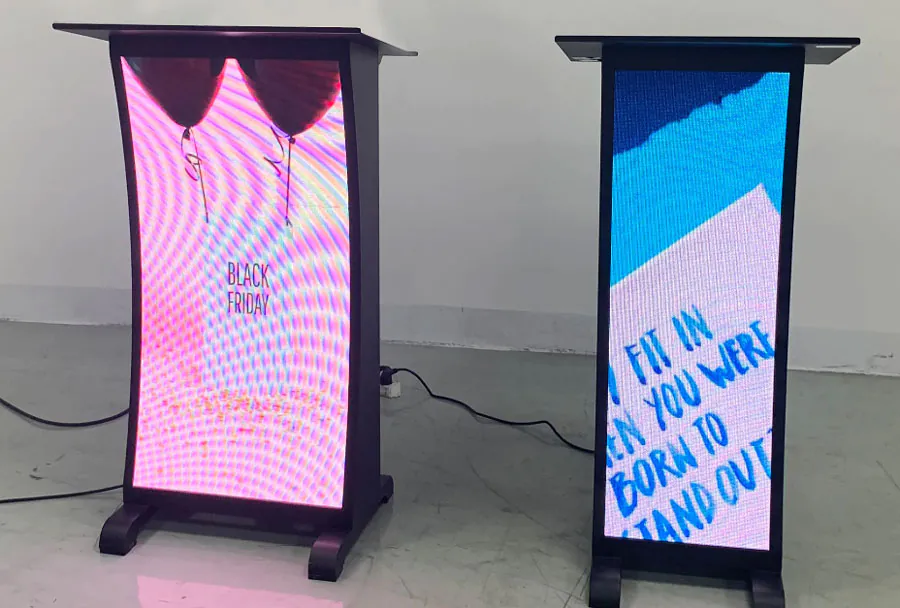
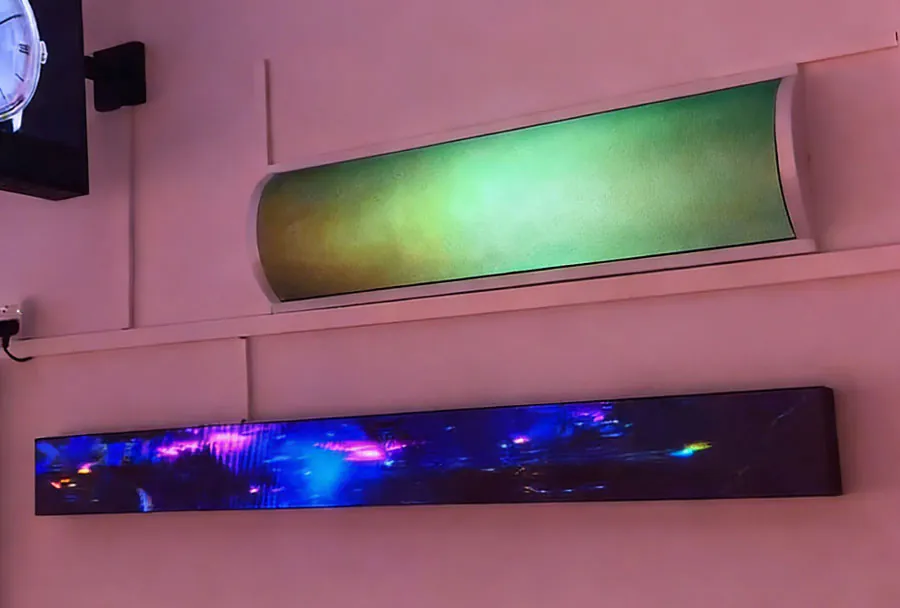
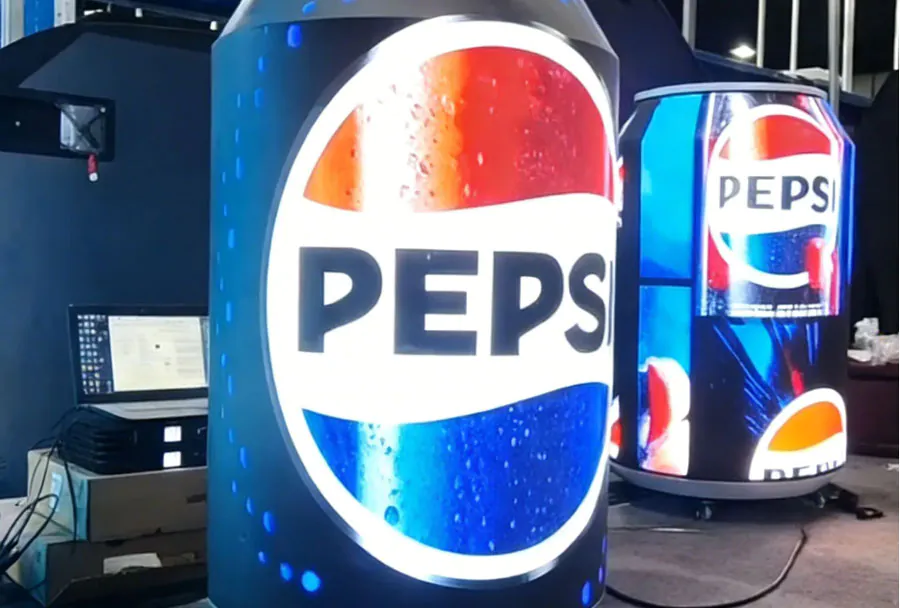
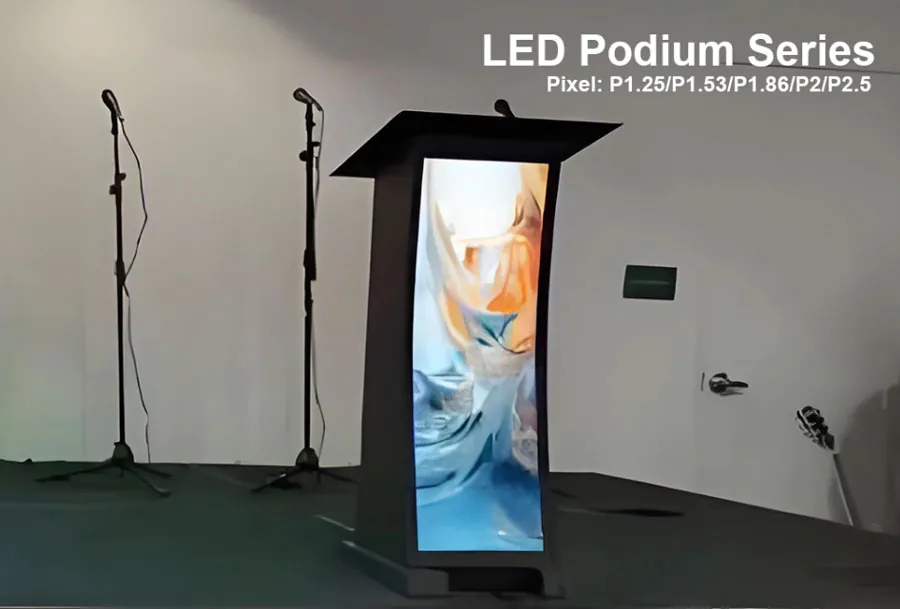
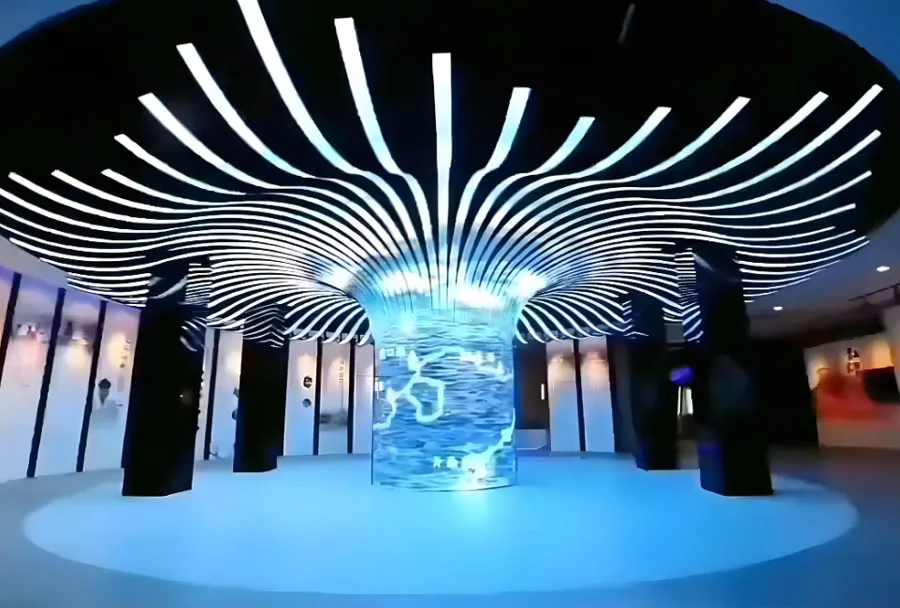
Consider fixed installations versus rental modular panels that allow curved surfaces, custom aspect ratios, and mobile configurations. Rigging requirements should match venue load limits and sightline constraints.
Logistics and Operational Planning
Strong logistics separate successful rentals from problematic ones. Planning should cover access, power, rigging points, permits, and contingency.
Site Survey and Venue Coordination
A pre-event site survey identifies load-in routes, clearances, sightlines, and available power. Coordination with venue technical staff in Columbus (convention center, ballroom, outdoor park) reduces surprises on load-in.
Power and Cabling
LED walls are power-hungry. Request vendors to submit power load calculations and provide distribution solutions. Backup power plans and UPS for critical control systems are advisable.
Rigging, Safety, and Permits
For outdoor or high-hung screens, certified riggers and structural engineers may be required. Vendors should provide rigging plots, certificates of insurance, and local permit assistance.
Redundancy and Contingency
Ask vendors about backup processors, duplicate signal paths, and failover procedures. For high-stakes corporate events or live concerts, redundancy minimizes risk.
Service Packages and Pricing Factors
Pricing depends on several variables: screen size and pixel pitch, event duration, labor hours, transportation distance, and added services (content production, live switching). Typical cost drivers include:
– Screen quality and panel type (rental-grade SMD vs. premium).
– Installation complexity (ground stack vs. flown rigging).
– Required crew (technician count and skill level).
– Peripheral gear (LED processors, playback servers, switchers).
– After-hours labor and expedited delivery.
For accurate budgeting, request itemized quotes and compare total landed cost rather than per-day screen rates alone.
Value-Added Services to Seek
– On-site video operator and content technician.
– Custom frame builds for branding.
– Media conversion, aspect ratio optimization, and template creation.
– Live-streaming and recording integration.
– Event rehearsals and technical run-throughs.
Comparative Analysis Table: Typical Columbus LED Rental Offerings
| Vendor | Screen Types Available | Max Brightness (nits) | Typical Event Types | Estimated Price Range |
|---|---|---|---|---|
| Vendor A | Indoor 1.9–3.9mm, Outdoor 6–10mm | 1,200 (indoor) / 6,000 (outdoor) | Corporate meetings, trade shows, small concerts | $1,200–$6,000 per day |
| Vendor B | Fine pitch 1.2mm, Flexible curve panels | 1,500–2,000 (indoor) | Product launches, broadcast events, expo booths | $2,500–$12,000 per day |
| Vendor C | High-bright outdoor 6–16mm, mobile trailers | 6,500–9,000 (outdoor) | Festivals, outdoor sports, community events | $2,000–$15,000 per event |
| Vendor D | LED curtains, transparent LED, rental video walls | 800–5,000 | Corporate receptions, concerts, stage design | $800–$8,000 per day |
| Vendor E | Custom builds, 4K playback processors | 1,200–6,000 | High-end corporate, broadcast, large-scale live | $3,500–$25,000 per event |
Estimated Price Range is illustrative; actual quotes will vary by specification, duration, and add-ons.
Analysis of the Table
– Vendors with finer pixel pitches (1.2–1.9mm) cost more and are best for corporate events where text clarity and close viewing distances matter.
– Outdoor and high-bright screens demand higher power and rigging expertise, reflected in higher pricing.
– Mobile solutions and trailers offer speed and convenience for festivals but may incur premium delivery charges.
– Transparent and specialty LED products are niche and typically priced higher due to custom installation needs.
Selecting the Right Columbus Vendor: A Practical Checklist
Use this checklist during vendor evaluation:
– Experience: How many similar events have they executed in Columbus or comparable venues?
– Equipment: Do they own recent panels, processors, and backup gear?
– Technical staff: Are engineers and riggers certified? What is the operator-to-crew ratio?
– References and case studies: Request local examples and client contacts.
– Site survey: Will they perform a pre-event site visit and provide a rigging plot?
– Insurance and permits: Do they carry appropriate liability coverage and help with permits?
– Delivery and timeline: Are load-in/load-out times explicit and feasible?
– Media handling: Can they accept native media formats and provide content services?
– Pricing transparency: Are rates itemized for equipment, labor, transport, and insurance?
– Redundancy: What failover systems are in place for critical tasks?
Common Mistakes to Avoid
– Choosing screen size solely based on cost rather than sightlines and audience distance.
– Failing to check refresh rate when event will be filmed or live-streamed.
– Overlooking power requirements and distribution plans.
– Not confirming insurance and certified rigging credentials.
– Waiting until the week of the event to finalize technical run plans.
Case Studies and Best Practices
While specific client names are omitted, here are generalized case scenarios to illustrate best practices.
Case 1: Corporate Town Hall
– Need: Clear visibility for 800 attendees and remote livestream.
– Solution: 3.9mm indoor LED wall spanning 20×10 feet, dual processors for redundancy, and a camera-friendly refresh rate.
– Best practice: Rehearsal day with a dedicated video operator and on-site LCD confidence monitors for speakers.
Case 2: Outdoor Music Festival
– Need: Large stage backdrop visible from 200+ feet, withstand daylight.
– Solution: 10mm outdoor LED flown on truss, 8,000 nits brightness, weatherproof cabling, and certified riggers.
– Best practice: Backup playback server and on-site generator capacity review.
Case 3: Product Launch with Interactive Elements
– Need: High-resolution product visuals and touch/gesture integration.
– Solution: 1.5mm LED ribbon wall with live camera and interactive overlay, professionally calibrated color profile to match product finishes.
– Best practice: Coordinate creative assets with vendor’s media team to optimize aspect ratio and content playback.
Frequently Asked Questions (FAQs)
How early should I book LED rentals in Columbus?
For corporate events, book 6–8 weeks in advance. For festivals or peak seasons, aim for 3–6 months to secure equipment and crew.
Do I need a dedicated video operator?
Yes, for anything beyond static slides. A dedicated operator handles live switching, signal routing, and playback cues, dramatically reducing risk.
Can LED walls be used outdoors in rain?
Outdoor-rated LED panels are weatherproof to a degree, but sustained heavy rain or wind may still pose safety risks. Always use weather-rated protection and monitor forecasts.
How do I ensure the LED color matches brand standards?
Request color calibration, provide brand color profiles (Pantone/HEX), and run a content proofing session before final playback.
Maximizing Impact with the Right Columbus LED Rental Partner
Selecting the right LED screen rental service in Columbus requires assessing technical specifications, logistics capabilities, crew expertise, and value-added services. A professional vendor should act as a partner — offering site surveys, clear quotes, redundancy plans, and hands-on support. Whether you’re producing a corporate meeting, product launch, or large-scale live event, invest time in planning and vendor selection to ensure visual excellence and operational reliability. Use the checklist and comparative insights in this guide to make informed decisions and create memorable visual experiences that align with your event goals.