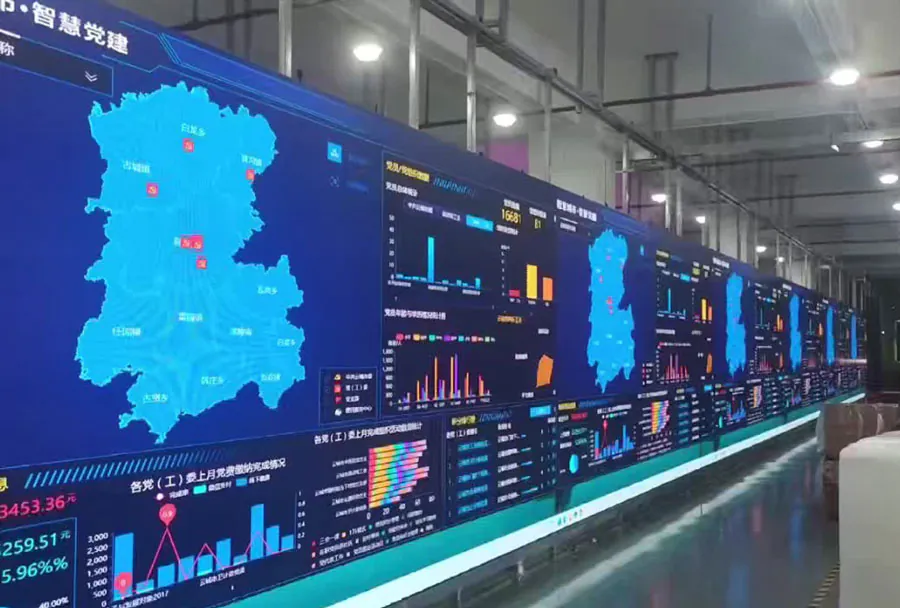
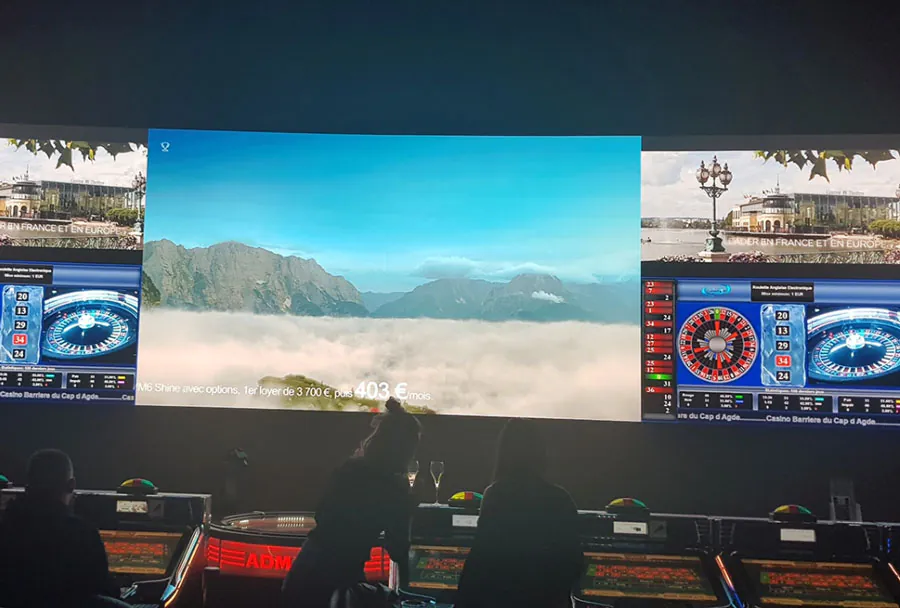
Custom LED Screen Rental Services for Los Angeles Clients

Los Angeles is a city of spectacle — from film premieres and music festivals to corporate product launches and outdoor community events. When the goal is to make an impression, nothing beats a large-format LED screen. Custom LED screen rental services give LA event planners, production companies, and brand marketers flexibility, scale, and visual impact without the capital outlay of purchasing equipment. This article provides a professional, practical guide to renting custom LED screens in Los Angeles, covering technical considerations, customization options, logistics, pricing structures, content handling, and vendor selection criteria. Whether you are planning a rooftop movie screening, a tradeshow booth, or a stadium-sized concert, this guide will help you make informed decisions that maximize ROI and audience experience.
The Strategic Benefits of Renting Custom LED Screens
Renting rather than buying is advantageous for most event-driven needs:
– Flexibility: Choose pixel pitch, screen size, and aspect ratio specific to a single event or tour.
– Cost-efficiency: Avoid capital expenditure, storage, and maintenance costs.
– Access to latest tech: Rental fleets are typically refreshed to include newer, brighter, and more efficient cabinets.
– Scalability: Combine multiple modules to build walls, curved displays, or custom polygon shapes.
– Short lead time: Rental houses can configure and deploy quickly, often on tight schedules common in LA’s fast-paced market.
Common Use Cases in Los Angeles
Los Angeles demand spans:
– Entertainment: Concert backdrops, film premieres, red-carpet activations.
– Corporate: Product launches, shareholder meetings, brand activations.
– Public & Community: Outdoor movie nights, municipal announcements, sports viewing parties.
– Expos & Tradeshows: Booth signage, demo displays, interactive walls.
– Hybrid Virtual Events: High-quality live-stream backgrounds and dynamic content playback.
Types of LED Screens and How to Choose
Understanding screen types helps match the technology to your event realities.
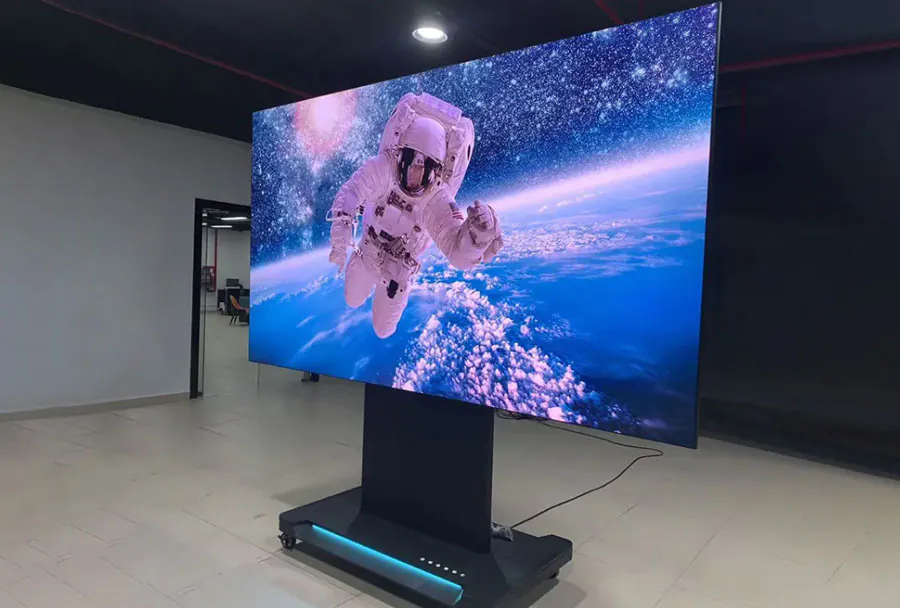
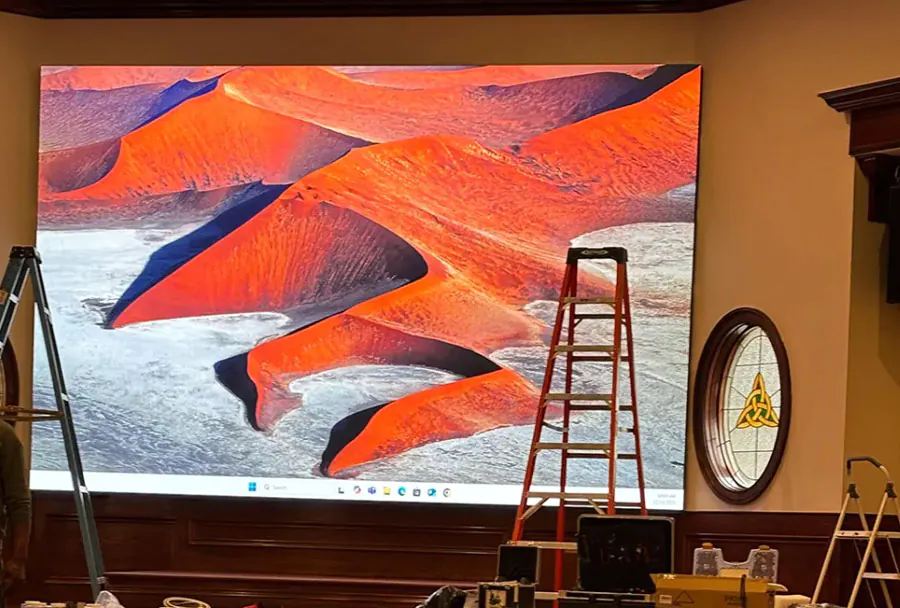
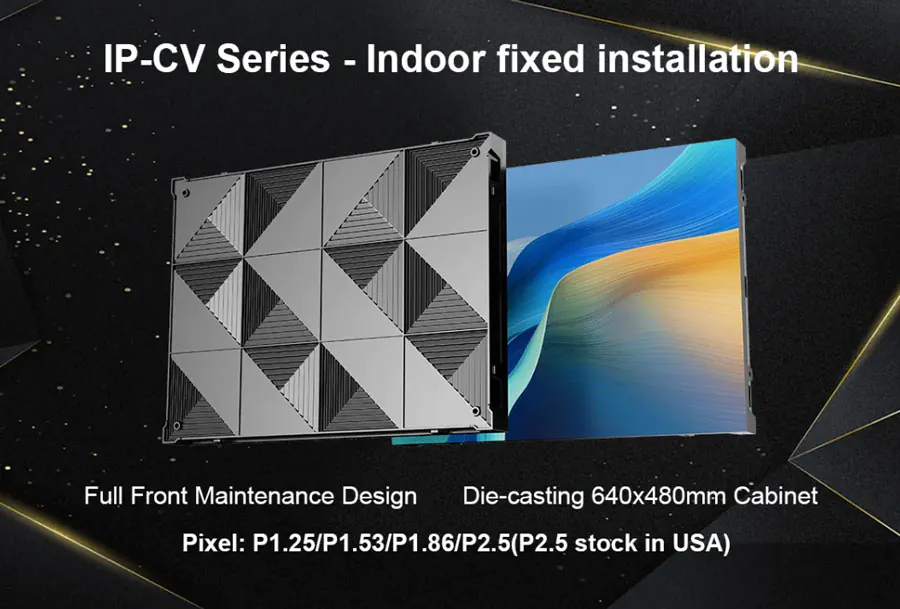
– Indoor LED Walls: Lower brightness, finer pixel pitches (P1.2–P2.5), ideal for close viewing distances like convention centers and stages.
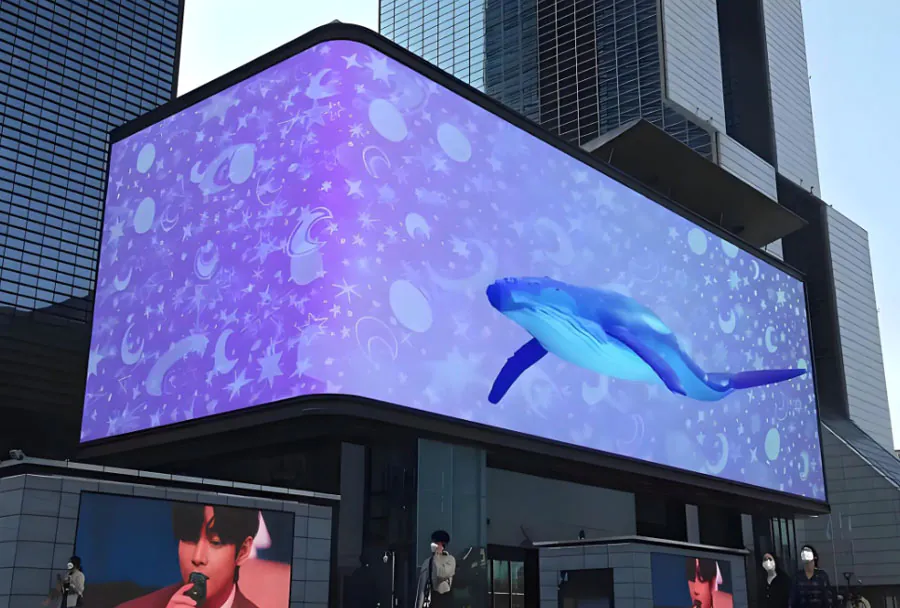
– Outdoor LED Walls: High brightness (5,000–10,000 nits or more), weatherproof cabinets, typically coarser pixel pitches (P2.5–P6) for longer viewing distances.
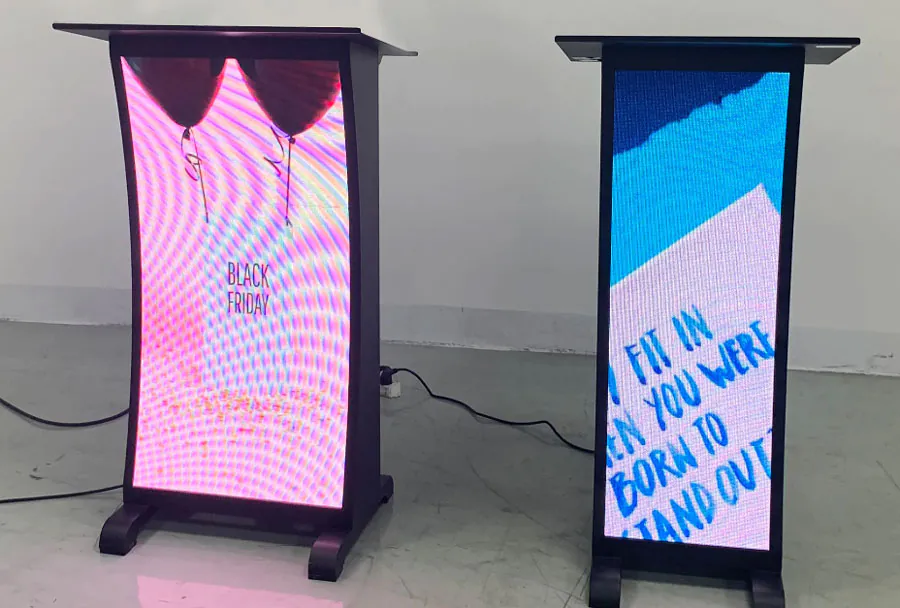
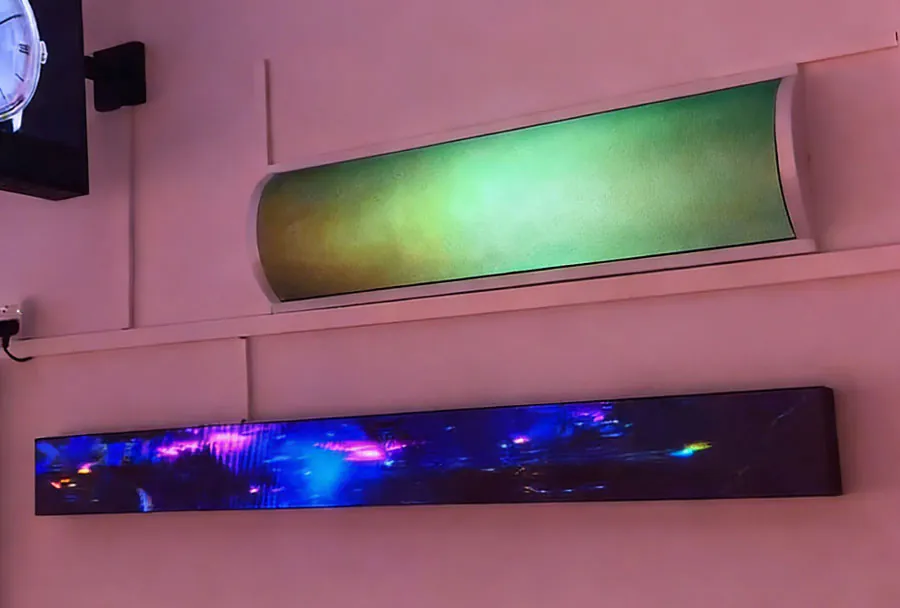
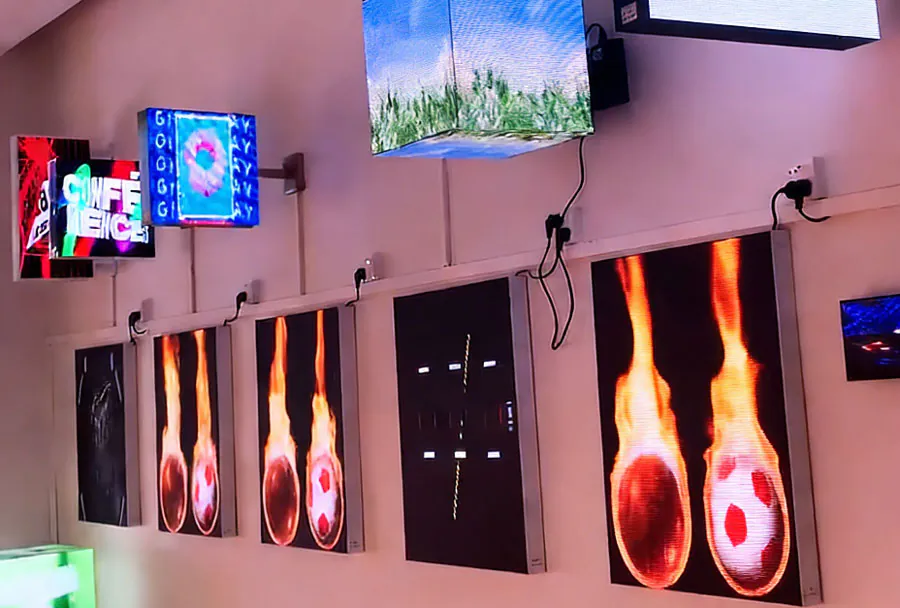
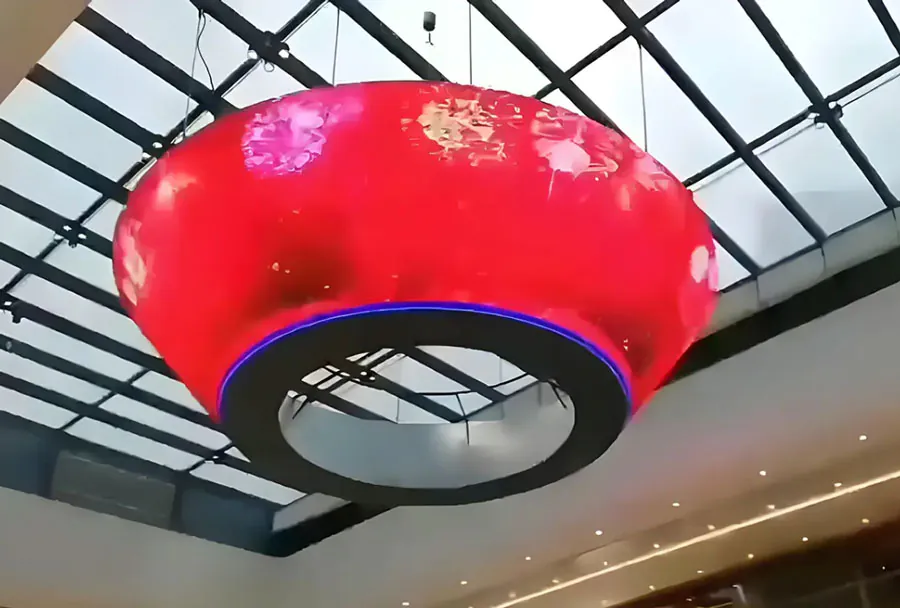
– Flexible/Creative LED: Curved, bendable modules that produce unique shapes for experiential marketing.
– Transparent LED: Used on glass facades or windows to allow see-through visuals with daytime visibility.
– Rental Pixel-Matched Arrays: Designed for multi-screen setups where uniformity across modules ensures a seamless image.
Choose based on viewing distance, ambient light, content type (4K video vs. static graphics), and installation constraints.
Technical Considerations: Resolution, Pixel Pitch, Brightness, and Refresh Rates
– Pixel Pitch: Measured in millimeters (mm), describes the distance between LED centers. Smaller is finer. For example, P1.9 is suitable for close indoor viewing; P4–P6 is typical outdoors.
– Native Resolution & Scaling: Match display resolution with your source content. For large boards, ensure the media server can scale and map content correctly.
– Brightness: Outdoor venues require high nits to overcome daylight; indoor venues need less brightness but better color calibration.
– Refresh Rate: Higher refresh rates (≥3,840 Hz) reduce flicker on camera, crucial for events with live broadcast or social media capture.
– Color Calibration: Consistent color across cabinets avoids patchiness. Professional calibrations and lookup tables (LUTs) are often part of rental packages.
– Viewing Angles: Wide viewing angle cabinets avoid color washout for audiences spread across a venue.
– Power & Heat Management: Verify power requirements, redundancy options, and whether the venue can handle high amp draws.
Logistics & Installation in the Los Angeles Market
Los Angeles has unique logistical challenges: traffic, permit processes, noise ordinances, and venue rules. A reputable rental provider will assist with:
– Site Surveys: Detailed on-site or virtual surveys to evaluate rigging points, load-in routes, sightlines, and electrical capacity.
– Permits and Coordination: Assistance with city, county, or venue permits, especially for outdoor and rooftop installations.
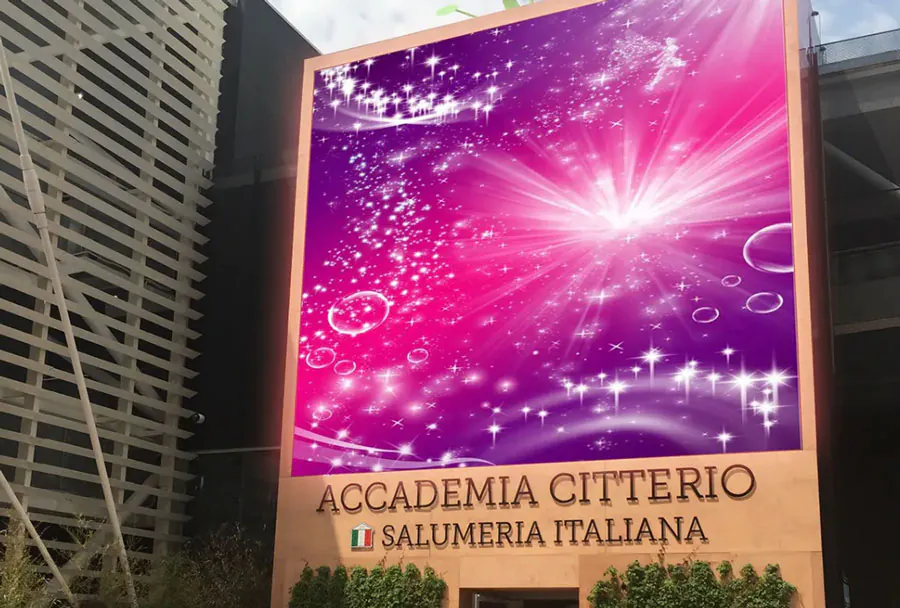
– Rigging and Structural Engineering: Ensure truss, scaffolding, or ground-stacked systems meet local codes and safety standards.
– Load-In Windows: LA venues often have strict windows for load-in/out. Choose a vendor with experience minimizing labor hours and overtime costs.
– On-Site Technicians: For large events, technicians should be present for setup, content playback, troubleshooting, and strike.
Content Management, Playback, and Live Integration
Content is central to LED impact.
– Media Servers: High-quality servers (e.g., disguise, Brompton, Novastar) handle mapping, warping, and multi-source feeds.
– Real-time Inputs: Integration with live cameras, streaming encoders, AV switchers, and broadcast rigs requires synchronized frame rates and genlock where necessary.
– Content Format: Supply content in matched resolution and frame rate. For multi-screen setups, provide split files or a timeline-based playlist for the media server to manage.
– Redundancy: Use primary and backup playback sources to avoid failure during critical moments.
– Interactive Content: Consider touch or sensor integrations for experiential activations — these require specialized hardware and additional programming.
Pricing Structures and Typical Packages in LA
Rental pricing varies by size, pixel pitch, duration, and services. Typical cost components include:
– Screen rental (per square foot or per cabinet)
– Freight and trucking (in-city and from warehouse)
– Labor (rigging, techs, strike)
– Power distribution and cabling
– Media server and control equipment
– Weatherproofing or custom housing
– Insurance and permits
Below is an analysis table comparing common rental options for Los Angeles events:
| Use Case | Recommended Pixel Pitch | Typical Size (ft2) | Key Consideration | Estimated Rental Range (USD) |
|---|---|---|---|---|
| Indoor Conference Stage | P1.9–P2.9 | 100–500 | Fine detail, camera-safe refresh | $3,000–$12,000/day |
| Outdoor Concert Backdrop | P3–P6 | 500–2,500 | High brightness, rugged rigging | $8,000–$40,000/day |
| Trade Show Booth Wall | P1.5–P2.5 | 50–200 | Seamless cabinets, tight sightlines | $1,500–$8,000/day |
| Outdoor Advertising Display | P4–P8 | 200–1,000 | Continuous runtime, weatherproofing | $4,000–$18,000/day |
| Interactive/Curved Feature | P2–P4 | Variable | Custom rigging, creative mapping | $5,000–$25,000/day |
Note: Prices are approximate and depend on vendor, event duration, and additional technical services. LA market premiums can apply for rush orders, weekend labor, and permits.
Custom Fabrication and Creative Options
Customization is where rental companies differentiate themselves:
– Bespoke Frames and Skinning: Integrate screens into stage sets, architectural fa?ades, or themed activations.
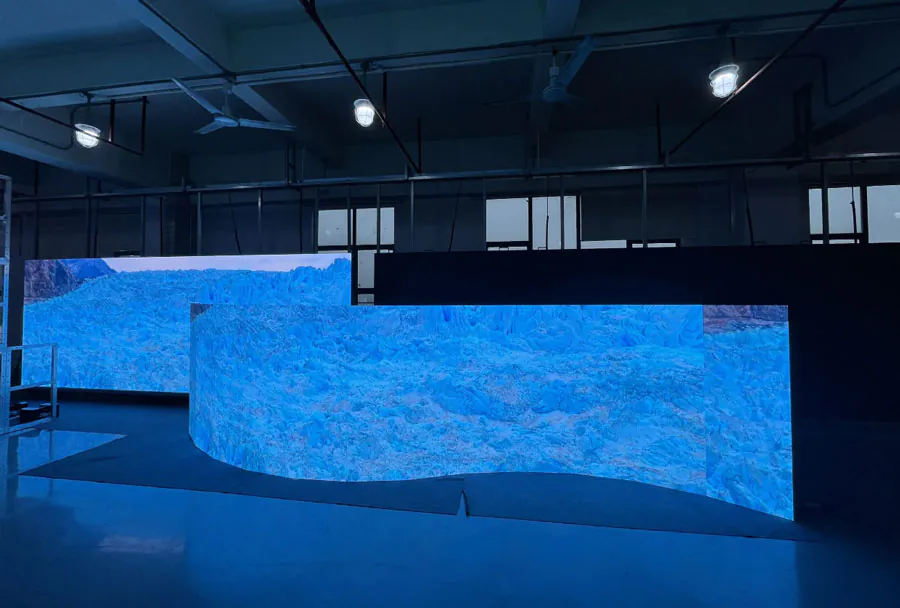
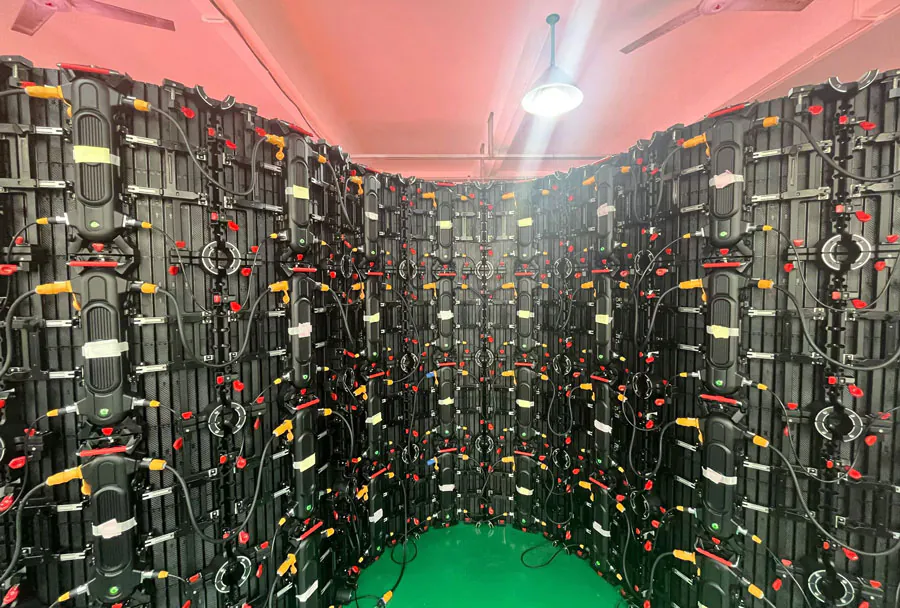
– Curved and 3D Configurations: Use flexible modules and custom brackets for concave/convex shapes.
– Window/Transparent Applications: Lightweight modules mounted to glass with minimal visual intrusion.
– Multi-surface Synchronization: Sync content across LED, projection, and LCD arrays for mixed-media environments.
– Branding and Physical Integrations: Wrap screen frames, add built-in camera apertures, or integrate live talent entrances.
Power, Redundancy, and Safety Considerations
Large LED operations demand attention to electrical safety:
– Dedicated Circuits: Confirm venue can supply required single- or three-phase circuits.
– UPS and Redundant Power: Use for critical events where downtime is unacceptable.
– Weatherproofing: IP65 or higher rating for outdoor setups; sealed power/connectors and water management.
– Rigging Safety: Engineer-rated truss and anchoring, secondary safety cables, and certified riggers.
– Emergency Plans: Evacuation routes, rapid dismount procedures, and personnel trained in emergency shutoffs.
Choosing the Right Rental Provider in Los Angeles
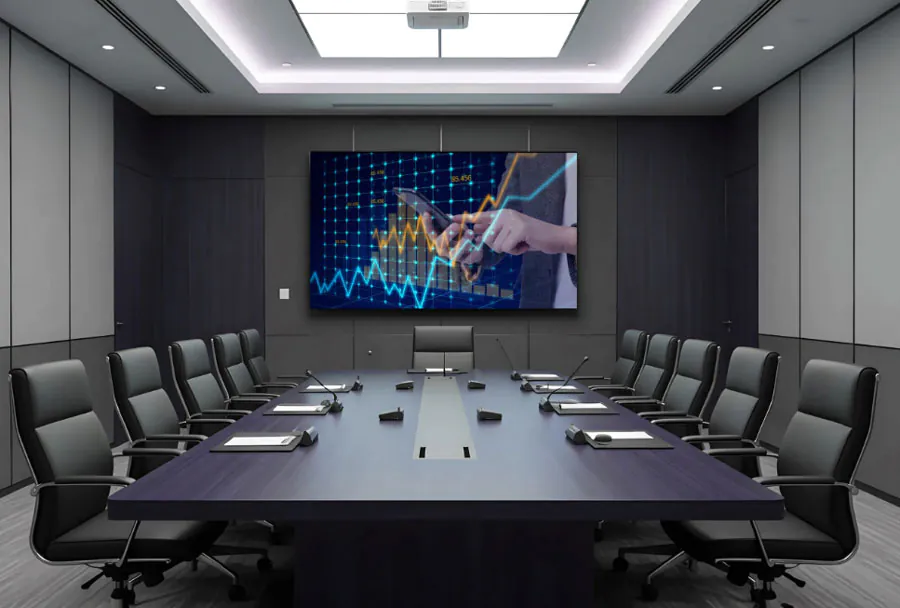
Select a vendor with:
– Local Footprint: Lower trucking costs and faster response times.
– Proven Portfolio: Case studies in similar LA venues and event types.
– Technical Depth: In-house media servers, broadcast experience, and certified rigging teams.
– Transparent Pricing: Line-item estimates and clearly defined inclusions/exclusions.
– Insurance & Compliance: Workers’ comp, liability insurance, and familiarity with municipal permit processes.
– 24/7 Support: On-call technicians for multi-day festivals or overnight broadcasts.
Ask vendors for references and request a site visit or virtual walkthrough of your planned installation. Request a mockup of screen placement, sightlines, and content mapping.
Case Study Examples (Hypothetical LA Scenarios)
– Rooftop Premiere: A 24’ x 14’ outdoor LED wall (P3) installed on a downtown rooftop for a film premiere. The rental included freight, rigging, dimmable brightness, and two redundant media players to ensure broadcast-quality playback during a live feed.
– Tech Launch: A 36’ curved indoor LED (P1.9) wrapped into a custom stage scaffold for a Silicon Beach product reveal, with multi-camera integration and on-site color calibration for brand-accurate visuals.
– Community Screening: A temporary 20’ x 12’ outdoor LED screen (P4) for a neighborhood outdoor cinema series, with a weatherproof housing and local technician support for evening events.
Common Mistakes and How to Avoid Them
– Underspecifying Pixel Pitch: Leads to poor image quality for close audiences.
– Ignoring Ambient Light: Outdoor events need can’t compromise on nits.
– Underestimating Power Needs: Causes last-minute complications and potential failures.
– Not Planning for Camera Capture: Broadcast can reveal refresh and scan issues if refresh rate is low.
– Skipping Permits: Resulting fines, delays, or shutdowns by authorities.
Avoid these by engaging the rental company early and requesting a detailed technical rider.
Checklist for Finalizing a Rental Quote
– Confirm screen size and pixel pitch.
– Verify brightness and refresh rate specifications.
– Request a site survey and rigging plan.
– Itemize labor hours for setup and strike.
– Confirm media server, cabling, and backup systems.
– Ask about freight, staging time, and overtime policies.
– Verify insurance coverage and permit responsibilities.
– Get a content delivery and testing timeline.
Maximizing Impact with Smart Rentals
Custom LED screen rental services give Los Angeles clients the ability to amplify messaging, create immersive experiences, and manage budgets effectively. Successful projects combine the right technology (pixel pitch, brightness, refresh), expert logistics (site surveys, permits, rigging), and strong content workflows (media servers, redundancy, calibration). Partnering with a knowledgeable rental provider accustomed to LA’s unique operational environment will help you avoid common pitfalls and deliver an event that looks great on-site, on-camera, and across social platforms.