High-Definition LED Display Screen Rental for Live Events

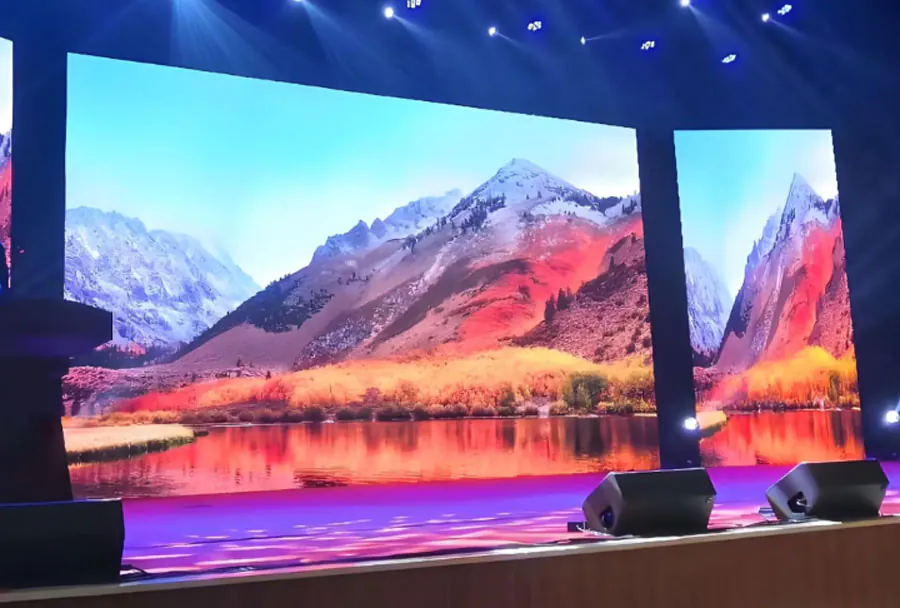
High-definition LED display screens have become a cornerstone of modern live events—concerts, conferences, sports events, corporate product launches, festivals, and trade shows. Rental of these displays offers event producers the flexibility to deliver immersive visual experiences without the capital expense of ownership. High-definition LED screens ensure sharp imagery, high contrast, and vivid color reproduction that can be seen clearly even under challenging lighting conditions. This article explores the technical, logistical, creative, and commercial aspects of renting high-definition led display screens for live events, helping event planners and AV professionals make informed decisions.
What “High-Definition” Means in LED Displays
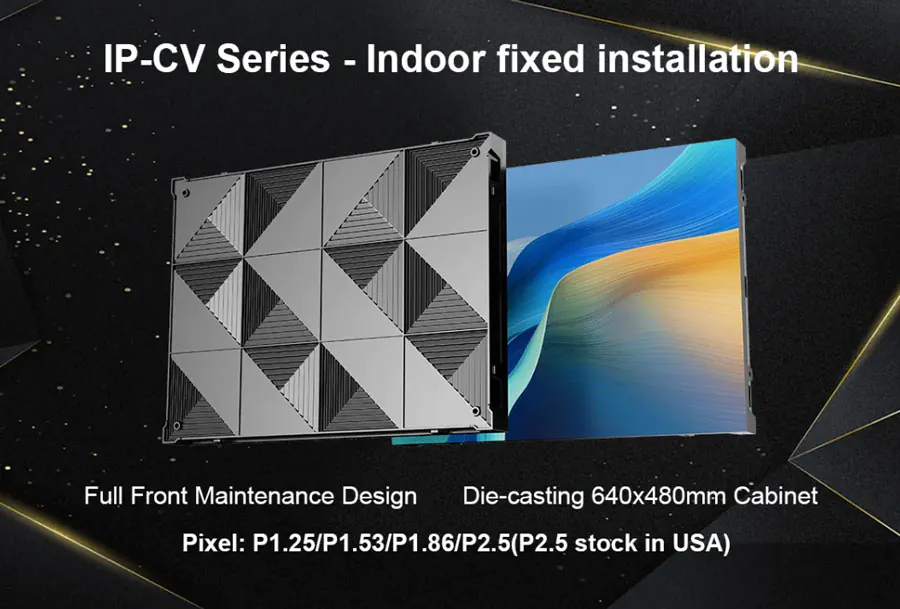
“High-definition” in the context of LED panels typically refers to pixel pitch—the distance between the center of one LED pixel and the next—and the resulting pixel density. Lower pixel pitch (e.g., 1.2mm–2.5mm) yields finer resolution suitable for close viewing distances and indoor environments. Higher pixel pitches (e.g., 3.9mm–6mm and up) are commonly used outdoors or for large viewing distances where fine detail is less critical. Other HD factors include color reproduction (gamut), refresh rate (critical for camera capture and preventing flicker), brightness (measured in nits), and contrast ratio.
Benefits of Renting High-Definition LED Screens
Cost Efficiency and Flexibility
Renting avoids large capital expenditure. For one-off events or irregular usage, rental is far more cost-effective. Rental houses provide a range of panel types, letting you select the ideal pixel pitch, size, brightness, and finish for each event. Upgrading or downgrading between events is simple and economical.
Access to Latest Technology
Rental providers continually refresh their fleets with the latest panels, video processors, and control systems. This gives event organizers access to state-of-the-art hardware—higher refresh rates for broadcast-safe capture, HDR-capable panels, and lighter modular cabinets—without long-term investment.
Technical Support and Turnkey Services
Most rental houses include setup, calibration, and technical support. This reduces risk for event producers: professionals handle rigging, power distribution, signal routing, calibration, and troubleshooting, ensuring consistent performance.
Scalability and Customization
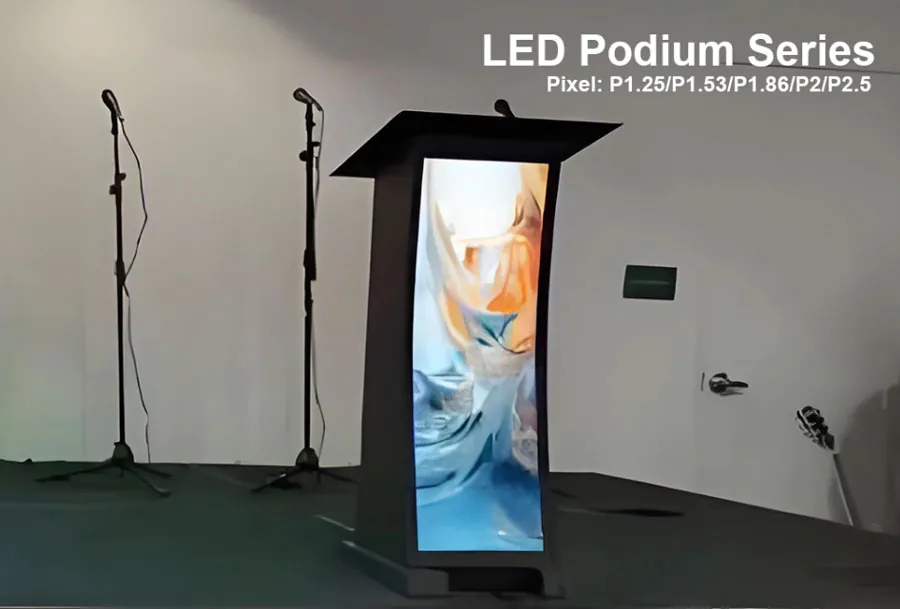
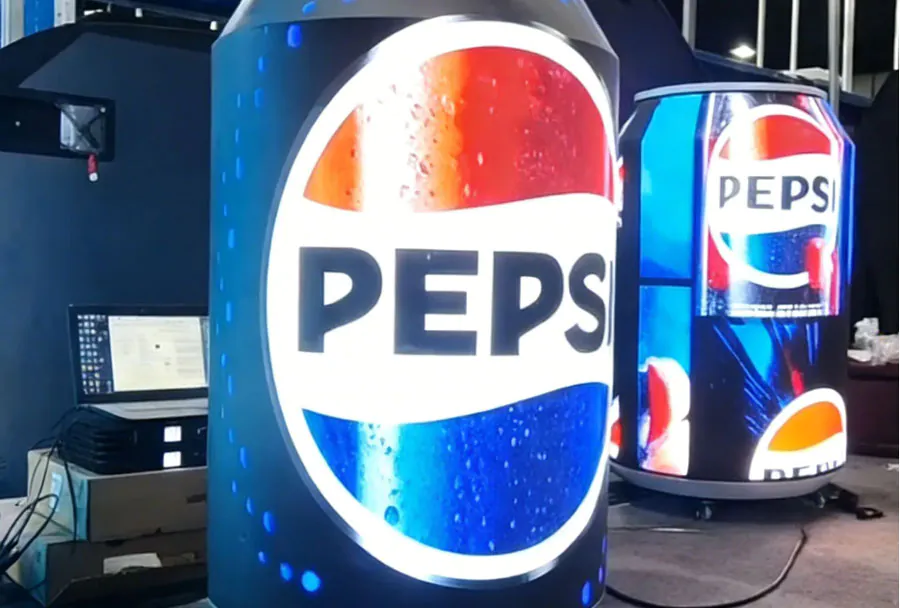
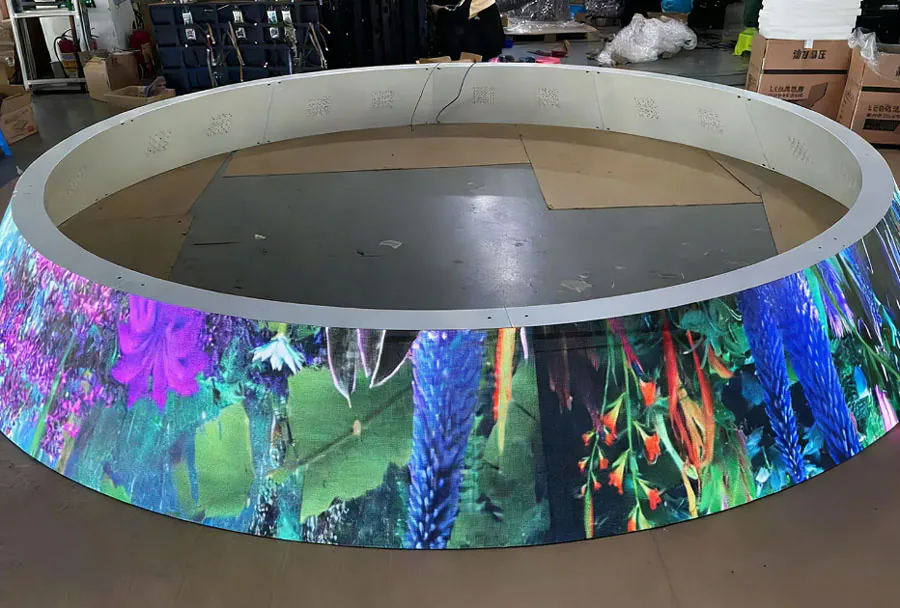
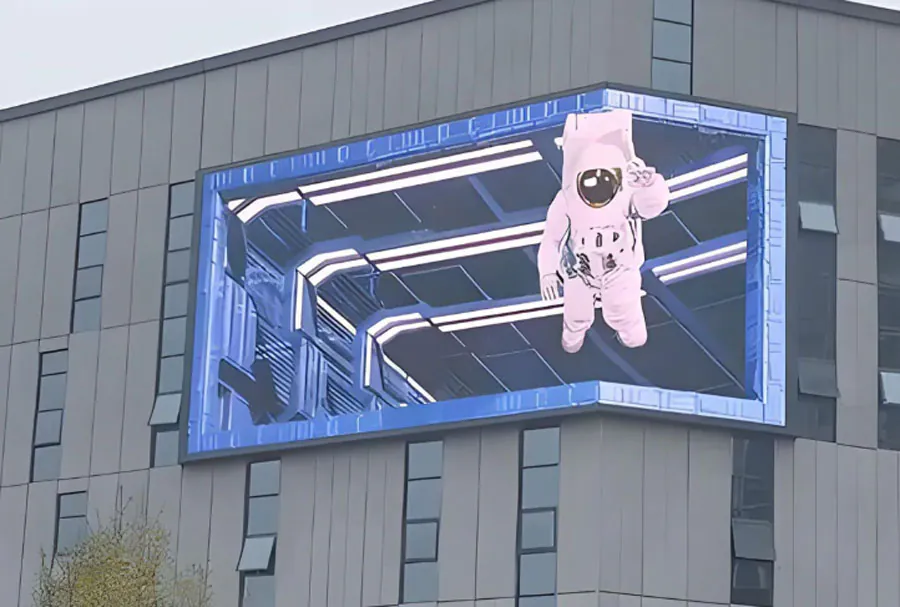
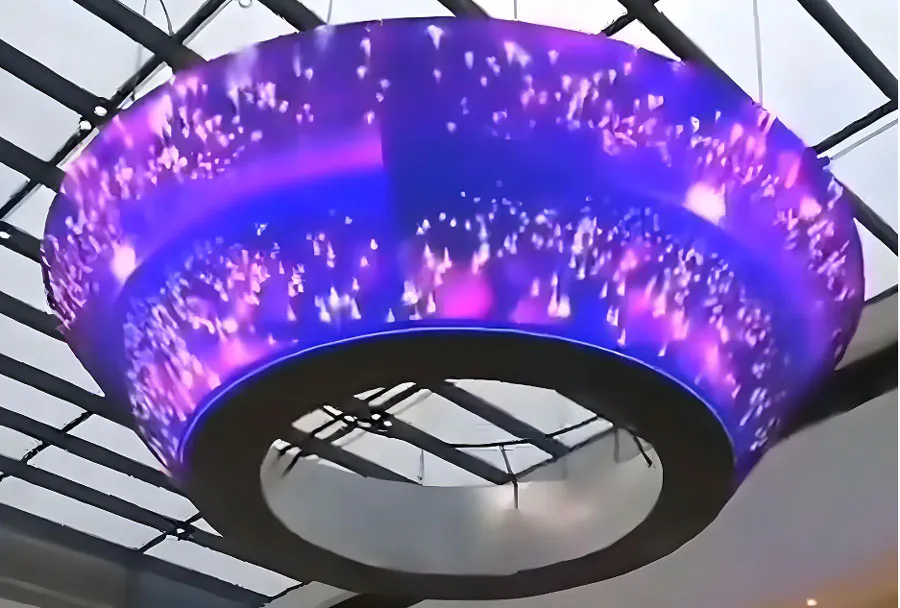
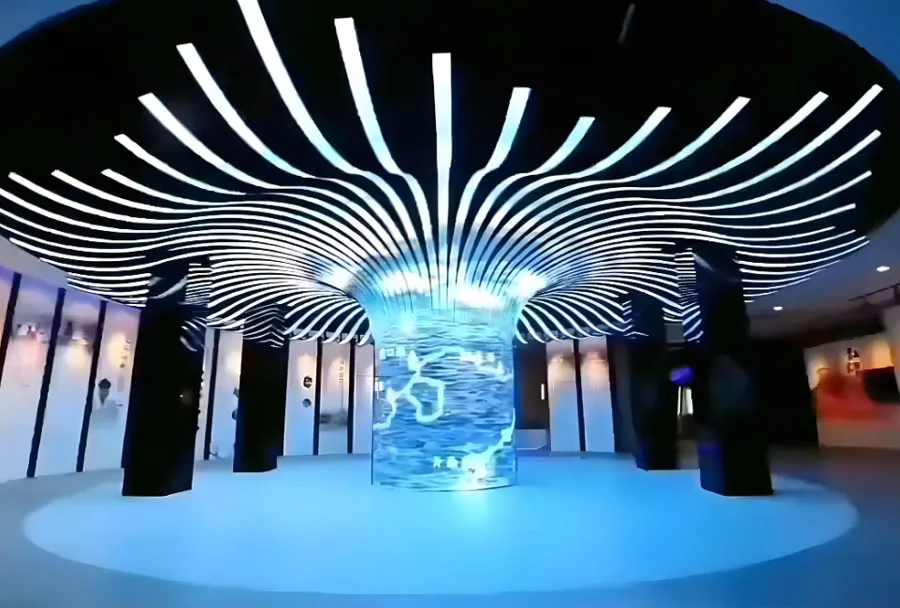
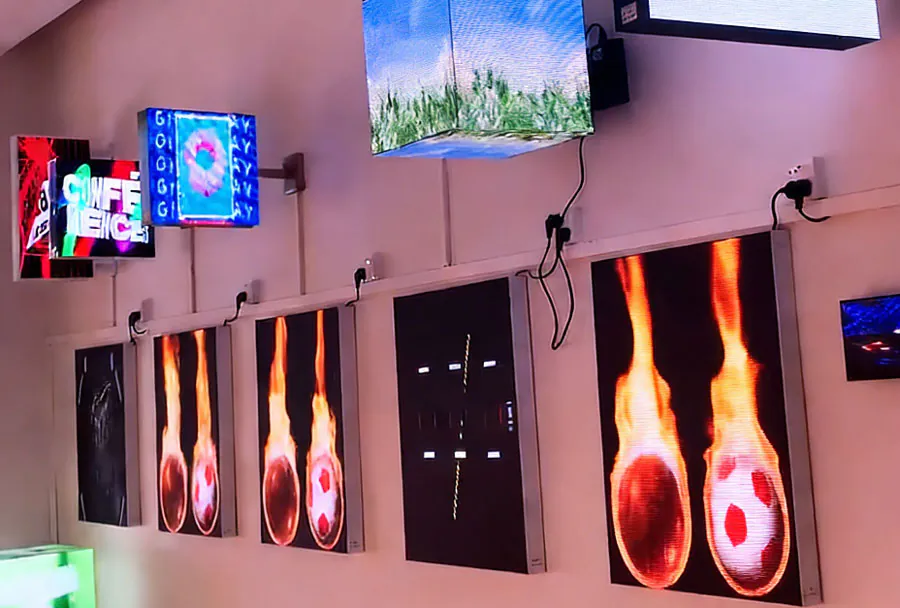
LED screen rentals can scale from small stage backdrops to massive stadium facades. Providers offer custom builds—curved walls, cylindrical screens, pixel mapping for scenic elements—allowing creative freedom without owning custom pieces.
Key Technical Considerations When Renting
Pixel Pitch and Viewing Distance
Choose pixel pitch based on the audience’s average viewing distance. A common rule: comfortable minimum viewing distance ≈ 1.5–2.5 × pixel pitch (in millimeters converted to meters). For example, a 2.5mm screen is sharp for viewing distances starting around 3–5 meters. For camera capture and close-up shots on live streams, finer pixel pitch is recommended to preserve detail on broadcast feeds.
Brightness and Ambient Light
Brightness is crucial. Indoor event screens typically require 800–1,500 nits depending on stage lighting. Outdoor daytime events may demand 5,000–7,000 nits to combat sunlight. Rental companies should specify maximum and adjustable brightness to manage power and heat.
Refresh Rate and Camera Compatibility
High refresh rates (≥ 3,000 Hz or more effective PWM refresh) minimize flicker and banding when captured by high-frame-rate broadcast cameras. Rental screens intended for events with live cameras should explicitly state their refresh specification and camera-safe operation.
Color Calibration and Processing
Color accuracy matters for brand consistency and visual quality. Ensure the rental house offers calibration and a quality video processor capable of color correction, HDR handling, and scaling across multiple sources. Also verify the control system (e.g., media servers or video switchers) and compatibility with your content formats.
Rigging, Weight, and Power Requirements
LED panels vary in weight. Rental companies must provide load calculations for truss or ground-stack setups and a power plan (in amps or kW) including redundancy. Confirm whether the rental includes enclosures, outdoor-rated panels, wind rating, and weather protection if the event is outside.

Logistics and Operational Considerations
Delivery, Installation, and Strike
Turnkey rental usually covers delivery, installation, and strike. Confirm lead times, crew size, truckloads, and site access requirements. Tight load-in slots at venues require precise scheduling and experienced crews to avoid overruns.
Site Surveys and CAD Integration
A pre-event site survey by the rental vendor helps identify sightlines, power access, rigging points, and local regulations. For complex installs, ask for CAD drawings or 3D mockups to ensure the screen integrates with stage design and sightlines.
Insurance and Liability
Confirm what insurance coverage the vendor provides and what your event insurance must cover. Many rental agreements require event organizers to provide general liability insurance naming the vendor as an additional insured.
Backup and Redundancy
Ask about redundancy strategies: backup media servers, spare panels, duplicate cabling paths, and fallback power. For high-profile events, redundancy is essential to avoid visible downtime.
Content and Creative Strategy for LED Screens
Creative Content Formats and Resolution
Design content at native resolution wherever possible. If your LED canvas has atypical aspect ratios or non-rectangular configurations, request pixel mapping and templates from the rental provider. Use vector graphics and high-resolution raster assets to avoid soft or pixelated visuals.
Motion Graphics and Live Feed Integration
Motion graphics add dynamism, but balance complexity with legibility. Live camera feeds should be routed through a robust production switcher and scaled correctly for the LED canvas to avoid distortion. For concerts, integrate stage lighting cues with LED content to create cohesive moments.
Audience Engagement and Interactivity
LED screens can host real-time social media displays, voting results, live polls, or interactive visuals driven by audience input. Plan latency budgets and moderation workflows when integrating live social content to avoid inappropriate material appearing on-screen.
Case Studies and Use Cases
Concerts and Festivals
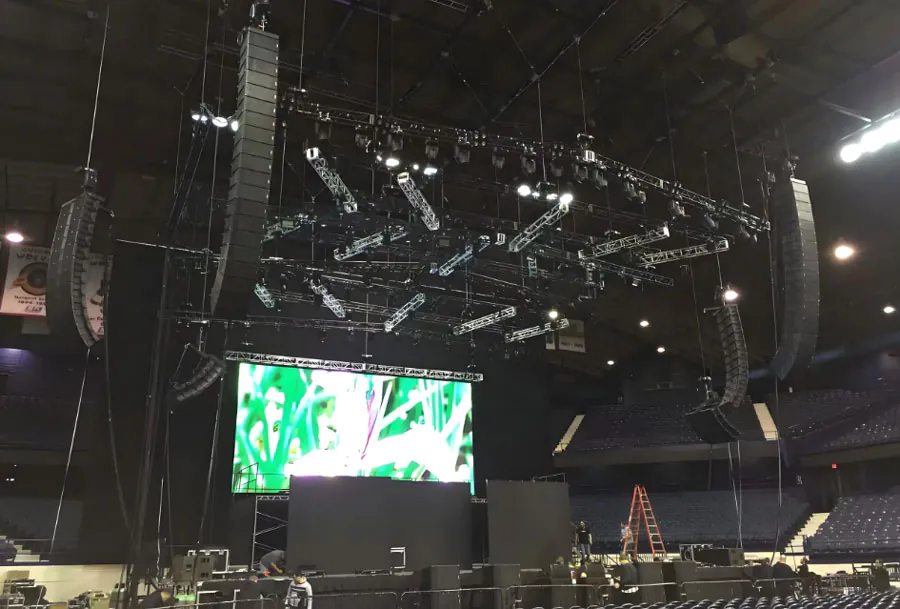
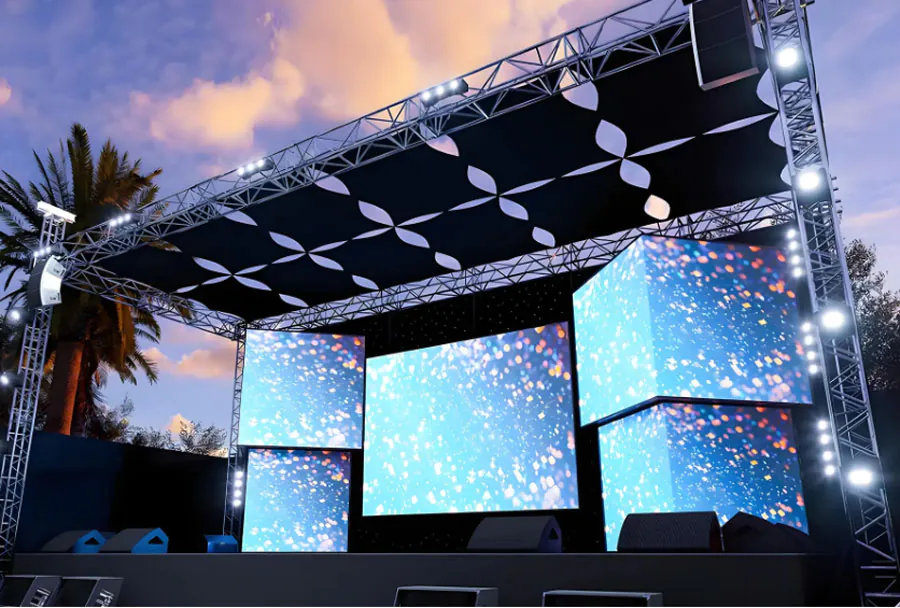
Large concerts utilize massive HD LED walls as backdrops, stage wings, and overhead displays to provide close-up shots to distant fans. Pixel pitches in the 2.5–4.8mm range are common for concert stages where camera capture and audience proximity vary.
Corporate Conferences and Trade Shows
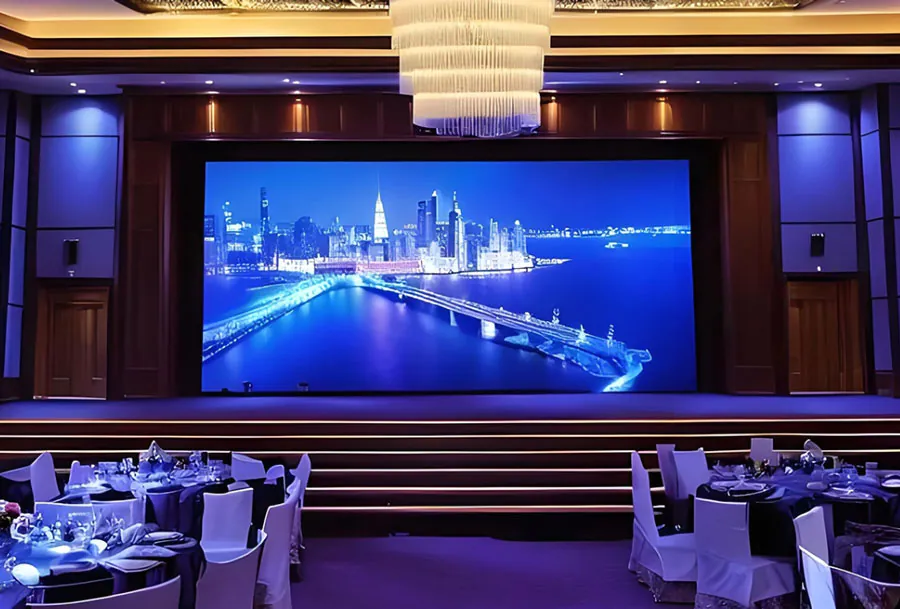
Corporate events often use high-density indoor LED walls (1.2–2.5mm) for keynote stages, product visualizations, and interactive demos. High color fidelity and viewing clarity near the stage are essential.
Sports and Outdoor Events
Outdoor LED scoreboards and perimeter signage prioritize brightness and durability. Pixel pitches of 3.9–6.0mm or larger are used depending on stadium size and viewing distances.
Budgeting and ROI
Hiring high-definition LED screens requires budgeting for several line items beyond the base rental rate: delivery, rigging, labor, video processing, signal cabling, power distribution, and insurance. Evaluate ROI by considering improved audience satisfaction, stronger brand impressions, better camera visuals for broadcast content, and potential sponsorship revenue associated with premium visual real estate.
Negotiation Tips
– Bundle services: negotiate a package including delivery, setup, and a set number of on-site support hours.
– Request clear specs: require a one-sheet with pixel pitch, refresh rate, brightness, power consumption, and warranty.
– Ask for spares and contingency: get a commitment for same-day part replacement and on-call technicians.
– Confirm hidden fees: clarify penalties for overtime, extra load-ins, or last-minute design changes.
Analysis Table: LED Panel Options and Typical Rental Parameters
| Pixel Pitch (mm) | Resolution (pixels/m2) | Recommended Min Viewing Distance | Typical Brightness (nits) | Approx. Rental Cost (per day) |
|---|---|---|---|---|
| 1.2 | ~694,444 | 2–3 meters | 800–1,200 (indoor) | $1,200 – $2,500 |
| 1.9 | ~277,008 | 3–4 meters | 1,000–1,500 (indoor) | $900 – $1,800 |
| 2.5 | ~160,000 | 4–6 meters | 1,000–2,000 (indoor/controlled) | $600 – $1,400 |
| 3.9 | ~65,664 | 6–10 meters | 2,000–4,000 (outdoor/day) | $400 – $900 |
| 6.0 | ~27,778 | 10+ meters | 4,000–7,000 (outdoor/bright) | $300 – $700 |

Note: Resolution values are approximate and assume square pixel grids. Rental costs vary significantly by market, panel brand, quantity, included services, and duration. Always get itemized quotes.
Choosing the Right Rental Partner
Experience and References
Select vendors with a proven track record for your event type. Ask for case studies, client references, and a portfolio of similar builds.
Inventory Diversity and Maintenance
A good rental partner maintains varied inventory and a strict maintenance schedule. Panels should be firmware-updated, color-calibrated, and tested before shipment.
Response Time and On-site Support
Confirm SLAs (service-level agreements) for on-site response and parts replacement. For multi-day events, ensure technicians are on-call or on-site as required.
Common Pitfalls and How to Avoid Them
Underestimating Viewing Distance and Pixel Pitch
A common mistake is selecting a low-resolution panel unnecessarily. Overly fine pixel pitch dramatically increases cost without perceptible benefit at large viewing distances. Conversely, using coarse pitch too close to the audience results in pixelation. Map your seating/viewing zones and choose panels accordingly.
Ignoring Camera Capture Specs
If the event is broadcast or live-streamed, ensure the LED display’s refresh rate and scan characteristics are camera-friendly. Ask for camera test footage when possible.
Poor Cable and Signal Planning
Long signal runs and improper cabling cause latency, dropouts, or sync issues. Plan signal routing, include repeaters or fiber conversions, and test thoroughly before show time.
Inadequate Power and Cooling Considerations
High-brightness panels draw significant power and generate heat. Ensure venue power capacity and cooling are sufficient. Some venues require temporary generators or additional ventilation for outdoor enclosures.
Checklist for Renting High-Definition LED Screens
– Define primary goals: visibility, broadcast capture, immersive visuals, branding.
– Determine viewing distances and audience layout.
– Choose pixel pitch aligned with viewing distances and camera needs.
– Confirm brightness requirements for indoor vs. outdoor and day vs. night.
– Request refresh rate and camera-safe specifications.
– Verify video processor compatibility and media server workflows.
– Ask for CAD drawings and rigging plans.
– Confirm power load, distro, and backup power plan.
– Negotiate bundled services including delivery, setup, and on-site support hours.
– Review insurance requirements and liability clauses.
– Schedule pre-event site test and on-site rehearsals.
– Confirm post-event strike, return logistics, and invoicing terms.
Future Trends in LED Rentals for Live Events
– Mini-LED and Micro-LED: Panels with even smaller pixel pitches continue to improve, enabling near-retina displays in larger formats. As these technologies scale, rental fleets will include ultra-high-resolution options at lower price points.
– Flexible and Transparent LED: Creative stage designers will increasingly adopt bendable and semi-transparent panels for novel scenic effects and improved sightlines.
– Integrated Augmented Reality: LED screens combined with real-time AR and camera tracking will create immersive hybrid experiences for both on-site and remote audiences.
– Energy Efficiency: Newer panels are more energy-efficient and generate less heat, reducing venue power requirements and operational expenses.
– Data-driven Interactivity: Audience data and real-time metrics will feed dynamic visual content, creating more personalized and engaging experiences.
Renting high-definition led display screens for live events is a strategic choice that blends technical performance with financial flexibility. Whether you’re producing a corporate keynote, a stadium concert, or an outdoor festival, choosing the right pixel pitch, brightness, refresh rate, and rental partner will determine the quality of your visual experience. Careful planning—covering site surveys, power, rigging, content strategy, and redundancy—prevents costly mistakes and ensures your production delivers impactful, memorable visuals. Partner with experienced rental vendors, demand detailed specifications, and align your creative goals with technical realities to make the most of LED technology at your next live event.