TW VISION Bendable Screen Innovative Flexible Display Technology

TW VISION Bendable Screen Innovative flexible display Technology represents a focused effort to push display systems beyond the constraints of rigid glass and flat panels. As consumer electronics, automotive interfaces, and commercial signage demand more adaptive form factors, TW VISION’s approach to bendable displays aims to combine mechanical flexibility with high visual performance, manufacturability, and reliability. This article analyzes the core technologies behind TW VISION’s bendable solution, compares performance against other display technologies, explores manufacturing and integration challenges, and outlines likely applications and market implications.
What “Bendable” Means in Display Terms
A “bendable” screen allows controlled curvature without permanent deformation or loss of function. Unlike foldable displays that typically operate around a hinge and may involve distinct creases, truly bendable screens tolerate continuous curvature across their active area. Key technical targets include a small minimum bend radius, high cycle life (number of repeated bends), uniform optical performance when bent, and robust environmental protection. TW VISION’s technology targets these attributes with an emphasis on thin substrates, neutral-axis engineering, and advanced encapsulation.
Technology Overview: Core Components of TW VISION Bendable Screens
Flexible Substrate and TFT Backplane
TW VISION’s bendable displays use polymer-based flexible substrates—typically polyimide (PI) or other high-temperature, mechanically robust plastics—replacing traditional glass. The thin-film transistor (TFT) backplane is realized using low-temperature polysilicon (LTPS) or oxide TFTs adapted to flexible substrates. These TFTs must maintain mobility and threshold stability under cyclic mechanical strain. Neutral-axis engineering is applied to position sensitive layers near the neutral mechanical plane to minimize strain during bending.
Emissive Layer and Color Management
An emissive technology, often flexible OLED (fOLED) or potentially flexible microLED arrays, forms the visual panel. For TW VISION Bendable Screen technology, emissive organic materials are optimized for low-temperature processing and mechanical resilience, while color filters or tandem architectures preserve color gamut and lifetime. Alternative emissive solutions like microLED are discussed as next-generation options where higher brightness and lifetime trade-offs become acceptable.
Encapsulation and Barrier Layers
Protecting organic emissive layers from moisture and oxygen is critical. TW VISION employs thin-film encapsulation (TFE) stacks composed of alternating inorganic/organic layers deposited via atomic layer deposition (ALD), plasma-enhanced chemical vapor deposition (PECVD), or other low-temperature processes compatible with flexible substrates. These barriers must remain crack-free during bending, so mechanical compliance and adhesion engineering are central design aspects.
Interconnects, Drivers, and Flexible Integration
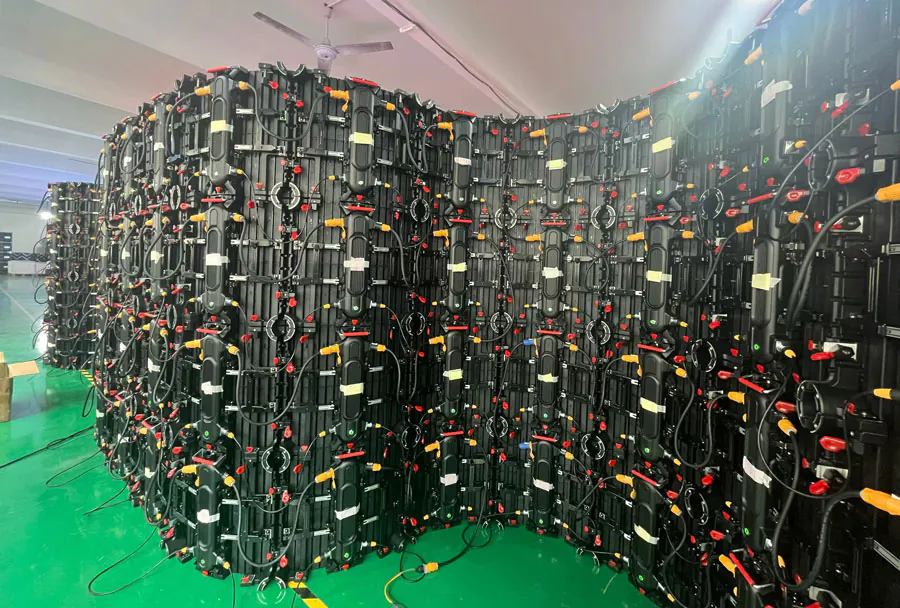
Interconnects between the backplane and driver electronics are realized using stretchable metal traces, conductive polymers, or flexible printed circuit (FPC) technologies. Chip-on-film (COF) and chip-on-glass analogs adapted for plastic substrates allow integration of driver ICs without rigid glass. Power management and display drivers are co-designed to minimize heat and preserve uniformity under bend-induced mechanical stress.
Performance Metrics and Engineering Trade-offs
Designing a bendable display requires balancing optical performance, mechanical durability, and cost. Typical metrics include minimum bend radius, number of bending cycles before degradation, luminance (nits), color gamut, thickness, and weight. TW VISION prioritizes small bend radii (few millimeters), high cycle life (tens of thousands of cycles), and consumer-level brightness and color fidelity.
Reliability and Testing
To validate durability, TW VISION subjects panels to accelerated mechanical cycling, thermal shock, humidity chambers, and optical aging tests. Neutral-axis positioning, strain-relief patterns, and compliant encapsulation are tested iteratively to meet target lifetimes where visible artifacts (line breakage, flicker, delamination) remain within acceptable thresholds.
Analysis Table — Comparative Metrics
| Parameter | TW VISION Bendable Screen | Conventional Rigid OLED | Emerging Flexible MicroLED | Implication / Application |
|---|---|---|---|---|
| Substrate | Polyimide(PI) / ultra-thin plastic (≈50–100 μm) | Glass (≈0.3–1.0 mm) | Flexible carrier with micro-transfer (polymer-based) | Enables thin, light form factors; supports continuous bending |
| Minimum Bend Radius | ≈3–10 mm (consumer-target) | Not bendable | ≈1–5 mm (depends on transfer tech) | Smaller radius enables rollable or conformable devices |
| Bending Cycles (lifetime) | ≥50,000 cycles (design target; depends on sealing) | NA | Potentially ≥100,000 cycles (device dependent) | High cycles required for wearables and rollables |
| Brightness / Color | 500–1,000 nits; wide color gamut (DCI-P3 range achievable) | 500–1,500+ nits; excellent color | Potential for >1,500 nits and excellent gamut | Brightness impacts outdoor usability and HDR capability |
| Manufacturing Complexity / Cost | Medium-high (roll-to-roll and TFE required) | Medium (established fabs) | High (pick-and-place, microtransfer challenges) | Costs determine early-adopter product segments |

Manufacturing Approaches and Scalability
Roll-to-Roll and Batch Processing
TW VISION leverages roll-to-roll (R2R) manufacturing where possible to reduce unit costs at scale. R2R processes allow continuous deposition of TFTs, emissive layers, and encapsulation films. Where R2R is not yet mature for certain layers, hybrid batch processes still apply (e.g., batch OLED deposition then transfer to flexible substrates).
Laser and Thermal Processing
Low-temperature laser annealing and rapid thermal processing enable high-mobility oxide or LTPS TFTs on plastic without damaging the substrate. These methods focus energy locally to crystallize or activate materials without elevating substrate temperatures globally.
Scaling Challenges
Key scaling barriers include defect control across large areas, maintaining uniform barrier performance on kilometers of flexible substrate, and yield losses from mechanical handling. TW VISION invests in inline inspection, strain-mitigation tooling, and materials qualification to address these issues.
Applications and Use Cases
Consumer Electronics
Primary markets include smartphones, tablets, and laptops where bendable displays enable new form factors: rollable phones, curvature-adjustable screens, and bezel-less curved surfaces. Wearables—smartwatches and health monitors—benefit from conformable displays that wrap around wrists or integrate into fabrics.
Automotive and Mobility
In vehicles, bendable displays can form wraparound dashboards, flexible HUD surfaces, or conformable passenger entertainment screens. The ability to mold the display to interior contours increases design freedom and reduces the need for multiple discrete displays.
Commercial Signage and Public Interfaces
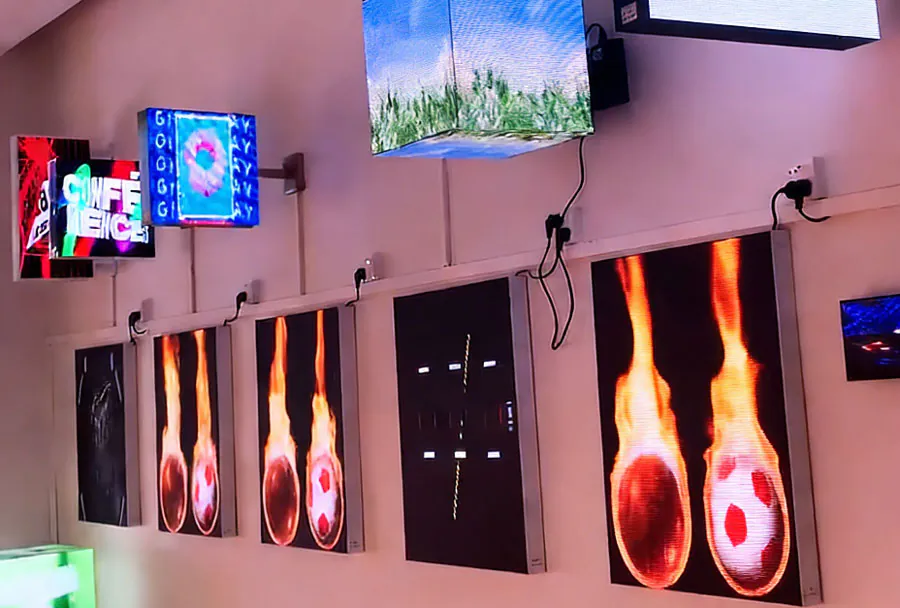
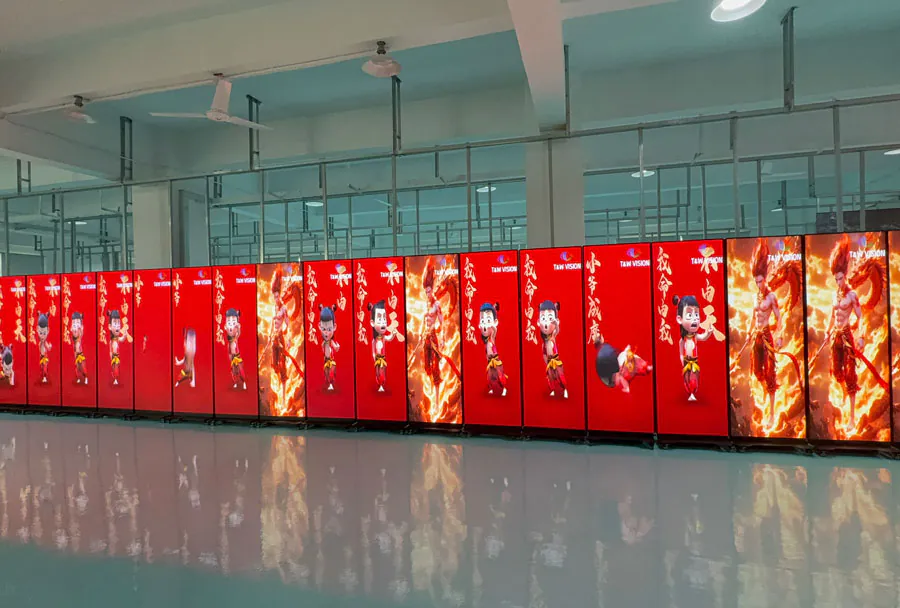
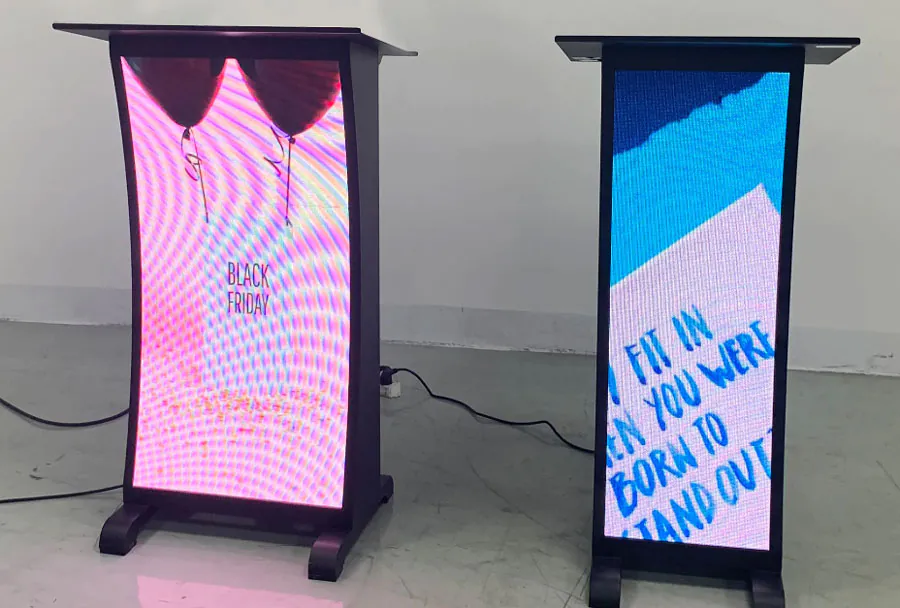
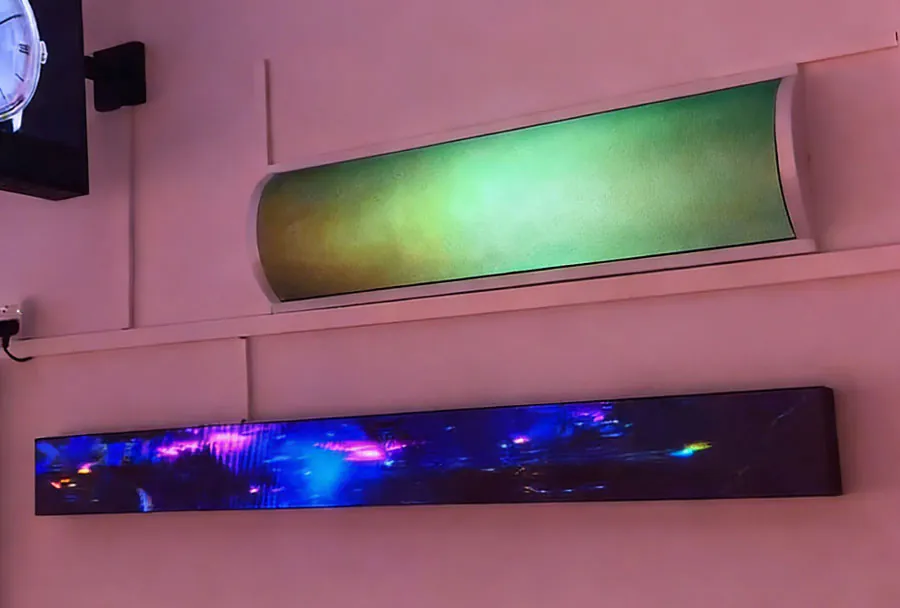
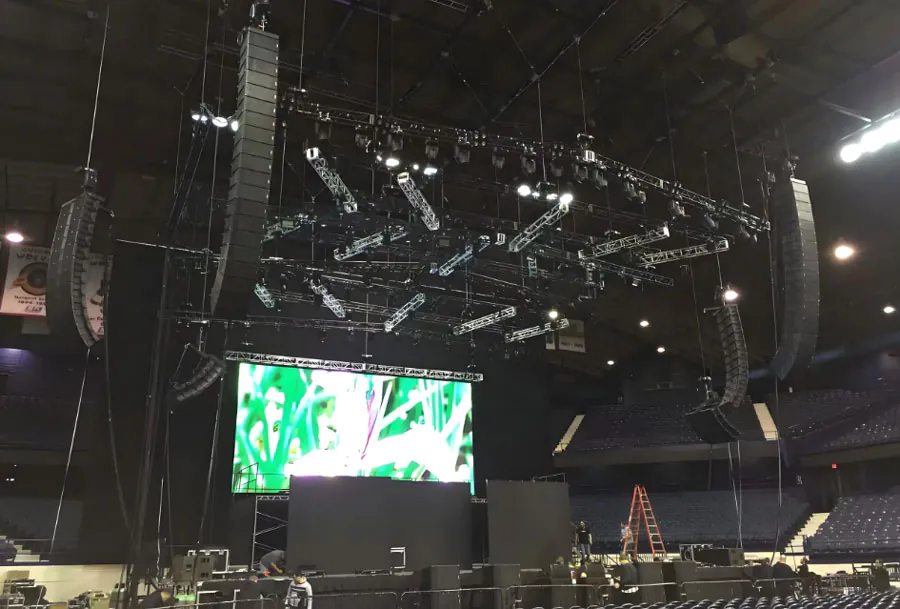
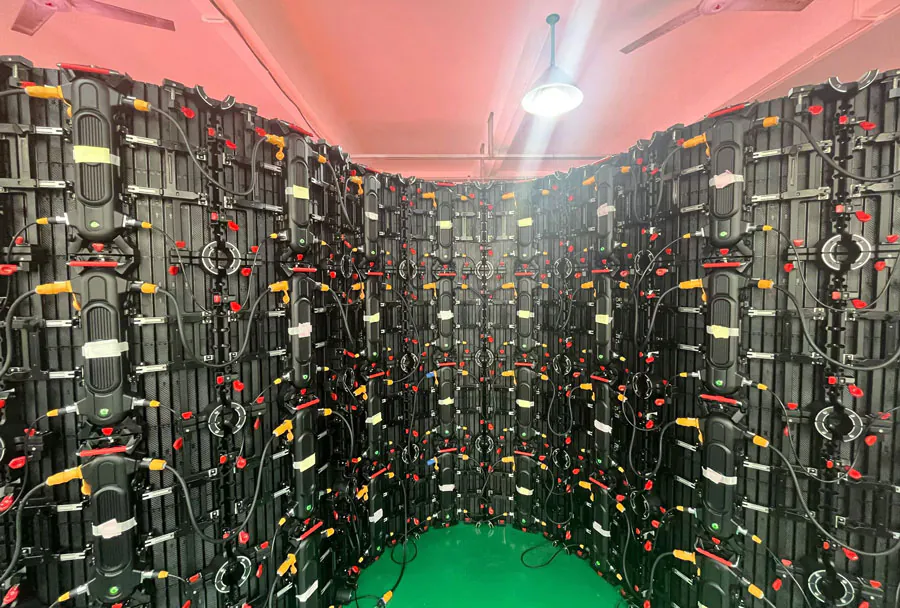
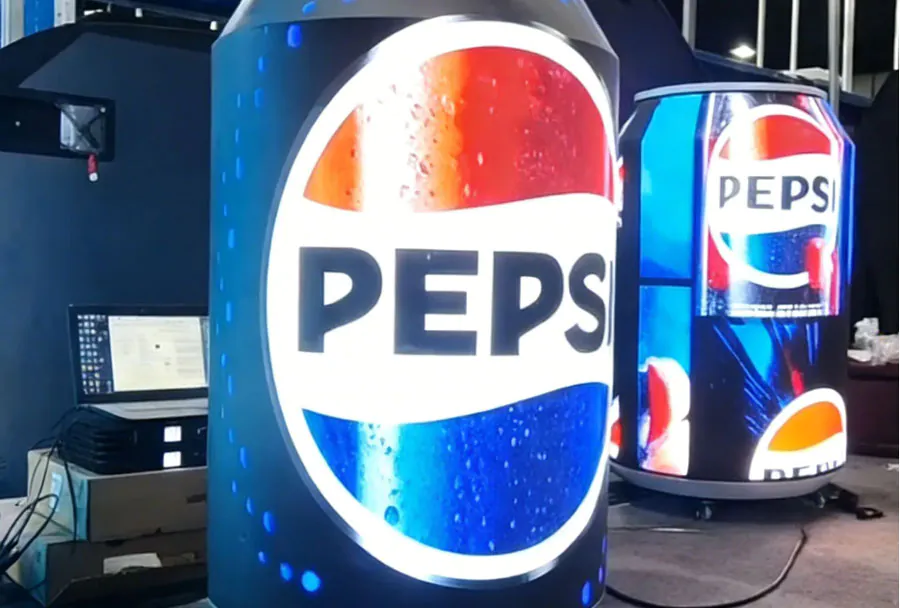
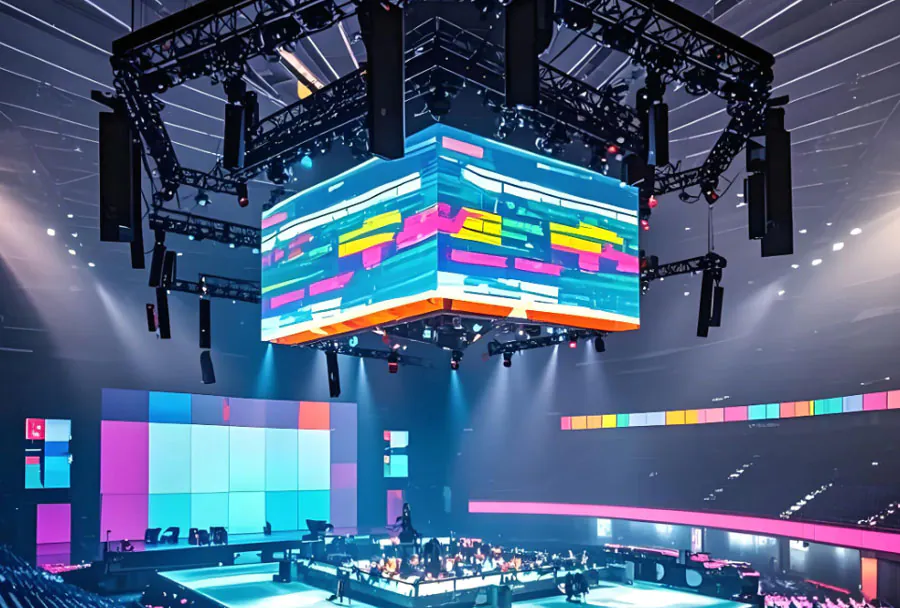
Large-area, curved advertising and architectural displays take advantage of bendable panels to wrap columns, signage, and building facades with continuous content. Outdoor variants require enhanced encapsulation and high brightness.
Medical and Industrial
Conformable displays integrate into medical devices, wearable monitors, and instrumentation where non-planar surfaces improve ergonomics and reduce mechanical constraints. Sterilization compatibility and long-term reliability are critical in these markets.
Advantages and Limitations
Advantages
– Design freedom: Enables new form factors—rollable, conformable, and dynamically shaped interfaces.
– Weight and thickness reduction: Flexible substrates reduce overall device bulk.
– Integration: Easier to integrate into curved or non-standard surfaces compared to glass displays.
Limitations
– Cost: Initial manufacturing and yield challenges make early products premium-priced.
– Durability: Moisture and mechanical fatigue remain technical hurdles; TFE and strain engineering mitigate but add complexity.
– Thermal management: Flexible substrates have lower thermal conductivity than glass, requiring careful thermal design for high-brightness operation.

Environmental, Reliability, and Regulatory Considerations
Flexible displays face environmental stresses differently from rigid ones. Barrier films must pass stringent ingress protection (IP) testing, while material selections need to comply with RoHS, REACH, and other regional regulations. TW VISION adopts low-VOC materials, recyclable substrate strategies where possible, and designs for reparability in targeted product lines.
Market Strategy and Commercialization Path
TW VISION’s commercialization strategy typically involves phased entry: premium niche products (luxury rollable phones, high-end wearables) followed by gradual cost reductions through process scaling. Strategic partnerships with OEMs, module integrators, and materials suppliers accelerate adoption. Licensing of key IP and co-development with consumer brands helps create early design wins that showcase unique form factors and user experiences.
Competitive Landscape
TW VISION operates in a competitive landscape with large display manufacturers, start-ups specializing in microLED transfer, and downstream integrators who may adopt similar flexible panels. Differentiation depends on robustness of barrier technology, bend radius, perceived lifetime, and partner ecosystem.
Future Directions and Research Opportunities
Several technological advances will influence the future of TW VISION Bendable Screen technology:
– MicroLED integration: Transitioning to microLED could address brightness and lifetime limitations, albeit at higher initial manufacturing complexity.
– Advanced encapsulation: New atomic-layer or hybrid polymer-inorganic barriers that maintain flexibility and ultra-low moisture transmission rates will improve reliability.
– Printed electronics and sensors: Integrating touch, force, and biometric sensors directly into the flexible stack enables more seamless user interactions.
– Energy harvesting and low-power driving schemes: Flexible photovoltaics and low-refresh driving methods extend battery life in wearable or remote applications.
– Recyclability and circular design: Designing for disassembly and material recovery will become an important differentiator as regulations and consumer expectations evolve.
Case Studies and Hypothetical Implementations
Consider a rollable tablet that TW VISION supplies: The tablet employs a bendable display panel with a minimum bend radius of 5 mm and a thin-film encapsulation assuring 50,000 bending cycles. The display integrates COF drivers and a polymer backplane. Its unique selling points are a seamless scrollable canvas and compact storage form factor. The engineering trade-offs include slightly higher cost and the need for an adaptive UI to manage reflowing content across different curvatures.
In automotive use, a continuous dashboard display conforms to a curved instrument panel. TW VISION provides panels with automotive-grade encapsulation and extended temperature tolerance. The primary value is a single-piece interface replacing multiple displays and trim elements, although suppliers must ensure long-term UV and thermal stability.
TW VISION Bendable Screens as an Enabler of New UX
TW VISION Bendable Screen Innovative Flexible Display Technology represents a pragmatic blend of materials science, mechanical engineering, and manufacturing innovation. By focusing on polymer substrates, compliant encapsulation, TFT adaptation, and flexible integration techniques, TW VISION targets form factors that were previously impractical. While technical and economic challenges remain—chiefly around barrier performance, yield, and cost—the potential to redefine product design and user experience is substantial. As manufacturing matures and complementary technologies such as flexible drivers and microLEDs advance, bendable displays will move from niche premium devices into broader commercial adoption, enabling new classes of products across consumer, automotive, commercial, and medical markets.