Why TW VISION Bendable Screen Is Ideal For Immersive Installations

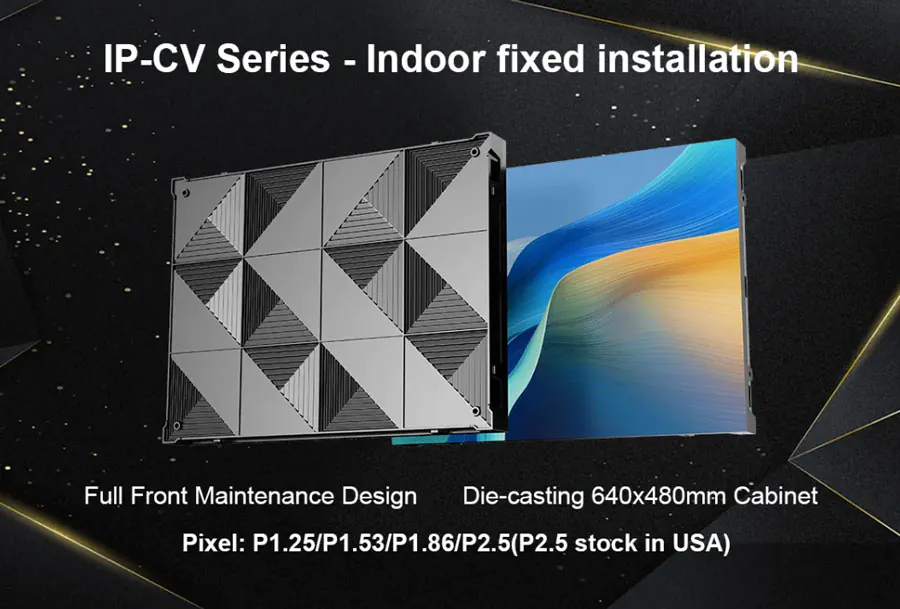
Immersive installations demand more than large, bright displays — they require form factors and performance characteristics that let creators dissolve the boundary between content and environment. The TW VISION Bendable Screen is designed for exactly that challenge. Combining flexible form, high image quality, and installation-friendly engineering, it empowers designers, exhibition curators, and event producers to conceive spaces that are visually uninterrupted and physically adaptive. This article analyzes why the TW VISION Bendable Screen is particularly well suited to immersive projects, covering technical strengths, creative opportunities, deployment considerations, and real-world use cases.
What “Bendable” Means for Installations
“Bendable” in display technology typically refers to a screen that can be curved — often with a controllable radius — without compromising image quality or lifespan. Unlike rigid LED panels or flat LCD walls, bendable screens allow continuous curvature or modular shapes that follow architectural lines. For immersive installations, this capability unlocks wraparound panoramas, organic sculptural displays, and seamless connections between multiple display surfaces.
Key Technical Advantages
– Flexibility and Curvature Range: TW VISION’s bendable panels support a range of curvature radii, enabling tight arcs for cylindrical displays and gentle sweeps for panoramic environments.
– Seamless Visual Continuity: Minimal bezels and the ability to form continuous surfaces reduce visual breaks, keeping viewers integrated in the experience.
– High Pixel Density and Color Fidelity: These screens typically deliver high resolution and wide color gamut, critical for lifelike imagery and accurate branding.
– Uniform Brightness and Contrast: Engineered to provide consistent luminance across curved surfaces, avoiding hotspots or dim zones that can break immersion.
– Lightweight, Low-Profile Structure: Easier mounting and less structural load make them suitable for temporary and permanent installations.
Design and Creative Opportunities
The creative freedom afforded by bendable displays is substantial:
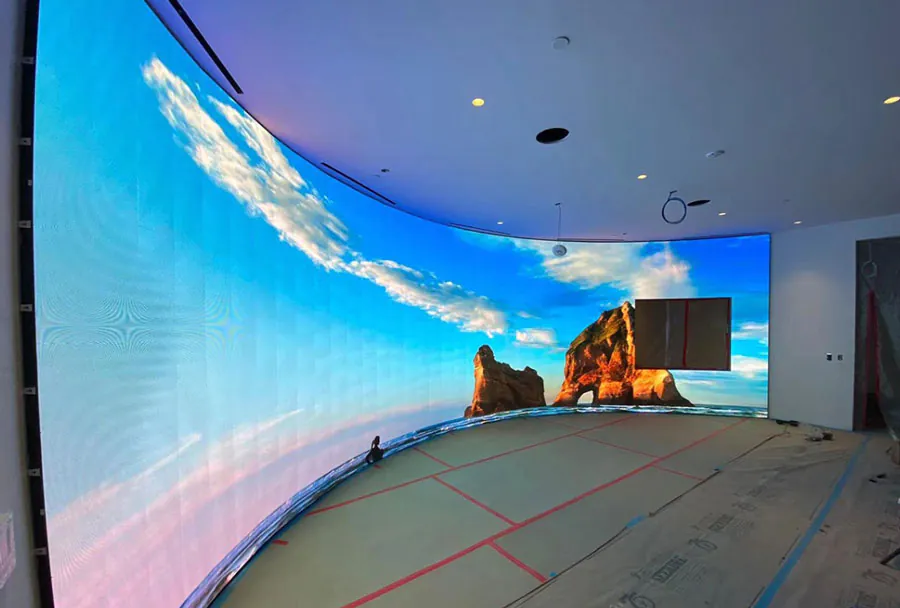
– Wraparound Environments: 180-360° displays that surround audiences, creating complete visual worlds for theater, experiential marketing, and museums.
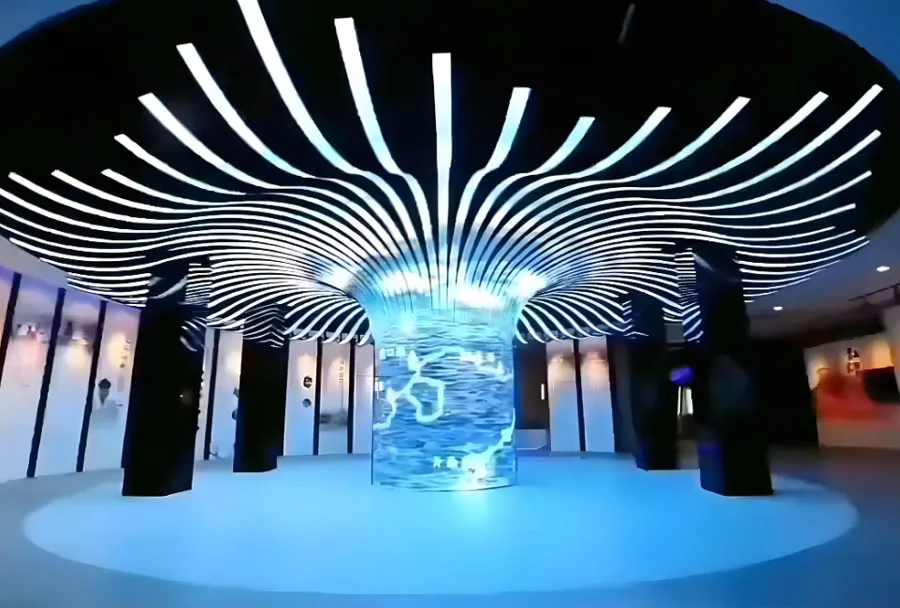
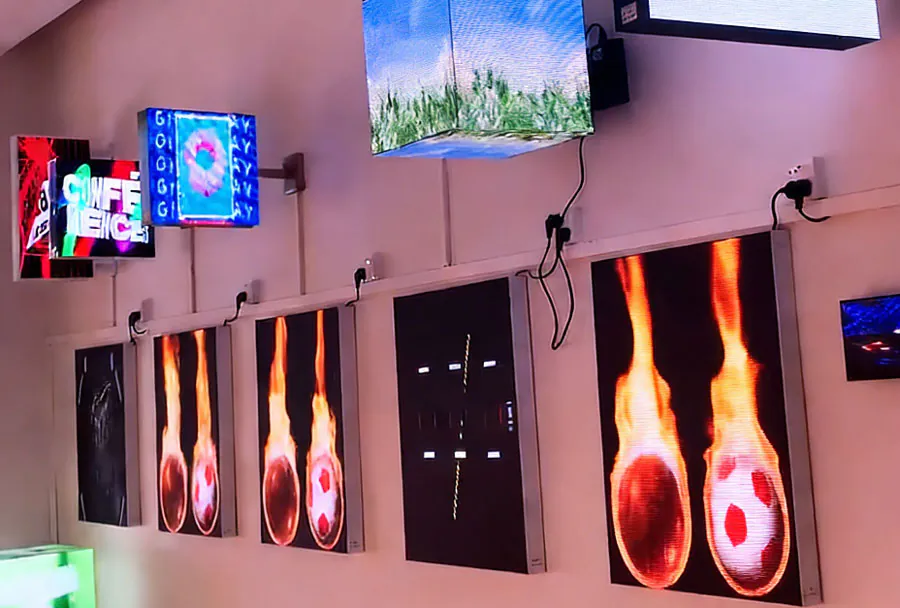
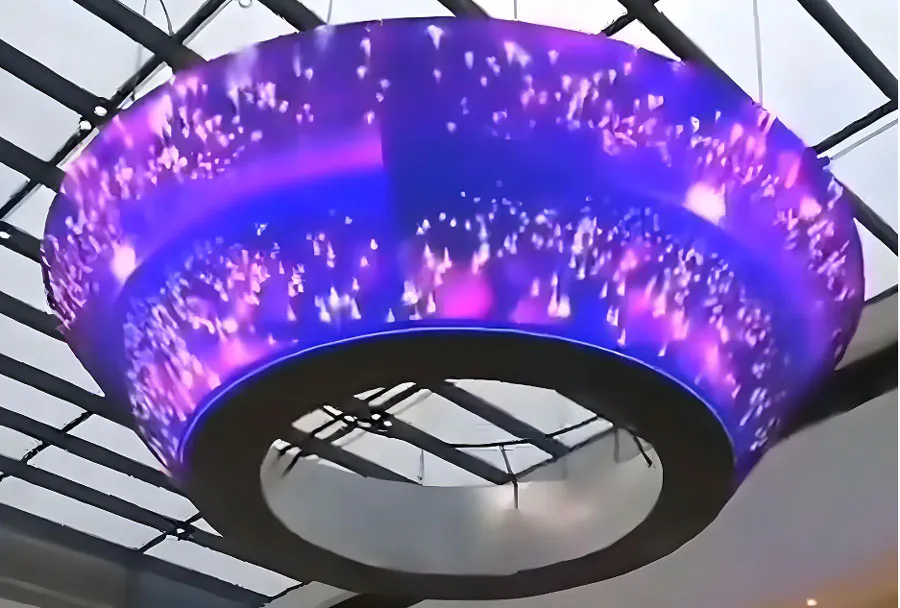
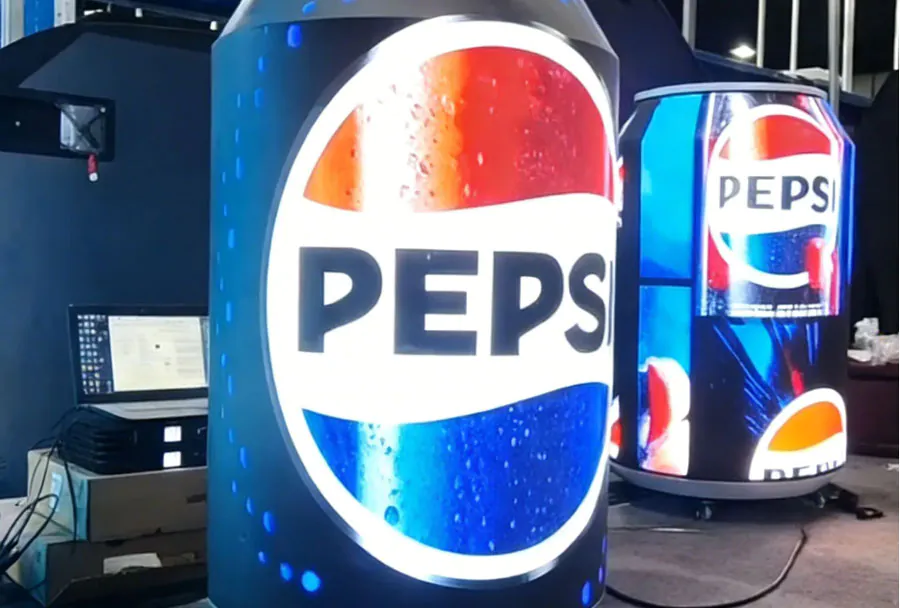
– Freeform Sculptural Displays: Panels can follow organic shapes — waves, cones, or spirals — for kinetic art and architecture-integrated installations.
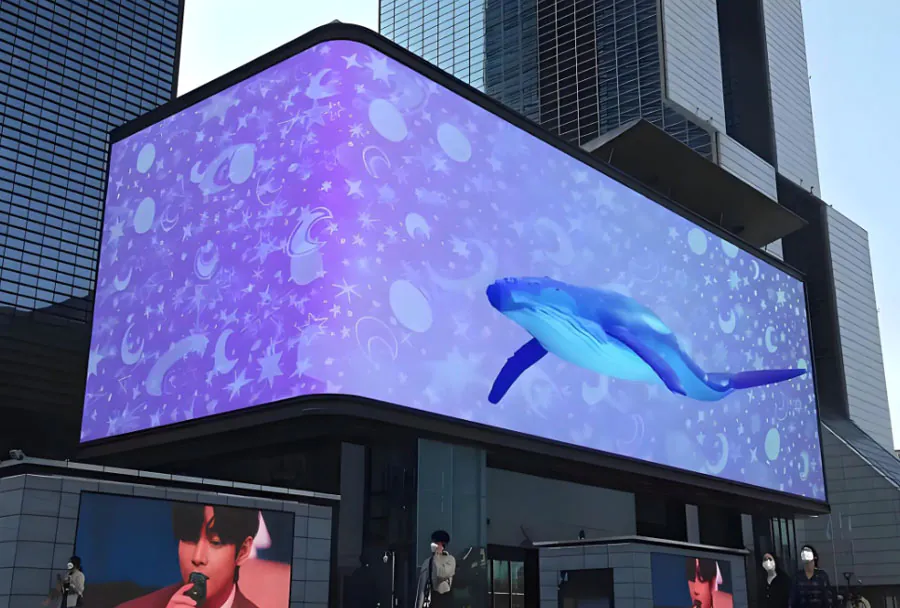
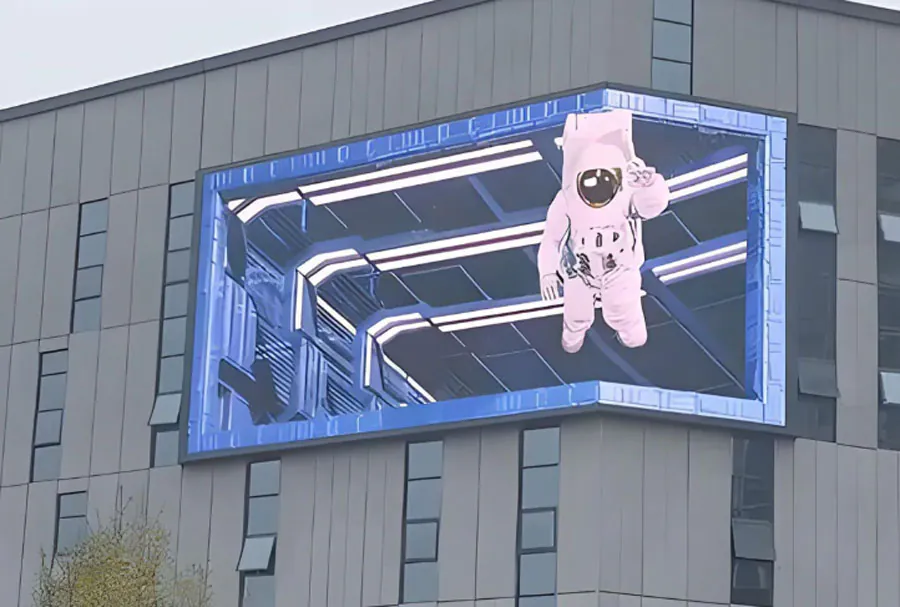
– Seamless Multi-Surface Integration: Curved screens can flow over edges and corners, enabling visual continuity across walls, columns, and ceilings.
– Dynamic Wayfinding and Storytelling: Curved canvases encourage movement and guided sightlines, perfect for narrative-driven exhibitions.
Installation and Engineering Benefits
TW VISION Bendable Screens are engineered with installation practicality in mind:
– Modular Panel Design: Panels can be linked into large surfaces without visible joins, simplifying scaling from small to expansive installations.
– Flexible Mounting Systems: Adjustable brackets and rails accommodate curved geometries and reduce custom fabrication time.
– Reduced Structural Requirements: Lighter panels lower the need for heavy support structures, often reducing venue modification costs.
– Serviceability: Many designs allow front or rear access for maintenance without dismantling large sections, minimizing downtime.
– Integration with Control Systems: Compatibility with common media servers and display processors ensures synchronized playback across complex surfaces.
Technical Considerations for Optimal Performance
To realize the full potential of bendable screens in immersive environments, attention to technical details is essential:
– Content Mapping and Warping: Curved surfaces require careful mapping. TW VISION’s displays work well with modern media servers that support mesh warping and multi-channel synchronization.
– Brightness and Ambient Light Management: Specifying the correct brightness for the venue ensures comfortable viewing and maintains contrast in high ambient light.
– Viewing Distance and Pixel Pitch: Choose pixel pitch appropriate to viewing distance to avoid visible tessellation or pixelation.
– Thermal Management: Curved configurations can affect airflow; proper ventilation and heat dissipation are necessary for long-term reliability.

– Structural Tolerances: Even though panels are bendable, installers must respect the minimum bend radius and mounting tolerances to avoid mechanical stress.
Comparative Analysis
Below is an analysis table comparing core attributes relevant to immersive installations. The columns address features, benefits for immersive projects, typical technical specs, deployment considerations, and representative use cases.
| Feature | Benefit for Immersive Installations | Typical Technical Specs | Deployment Considerations | Representative Use Cases |
|---|---|---|---|---|
| Bendable Panel Geometry | Enables wraparound and sculptural installations with continuous imagery | Radius: 300mm–2000mm; Thickness: 5–15mm | Respect minimum bend radius; use flexible mounting rails | 360° panoramas, curved theater stages, cylindrical exhibits |
| High Pixel Density | Sharp imagery at close viewing distances, preserving realism | Pixel pitch: 1.2–2.5mm (fine pitch); Resolution scalable per panel | Select pixel pitch based on average viewer distance | Museum artifacts, interactive displays, high-end retail |
| Wide Color Gamut | Accurate color reproduction for art, branding, and storytelling | Rec. 709 / DCI-P3 coverage; 10–14 bit color processing | Calibrate color across panels; use compatible color management | Art installations, immersive cinema, branded environments |
| High Brightness & Contrast | Maintains visibility and depth in varied lighting conditions | Brightness: 600–1500 nits; Contrast ratio: 3000:1 or higher | Assess ambient light; apply anti-glare finishes as needed | Trade shows, atrium installations, outdoor-covered venues |
| Modular, Lightweight Construction | Faster install, lower structural load, easier transport | Panel weight: 3–8 kg/m2; modular tile sizes (customizable) | Plan for panel handling, storage, and secure fastening | Temporary exhibits, touring installations, pop-up experiences |
| Serviceability & Integration | Minimal downtime; easy repair; seamless control system integration | Front/rear access options; standard signal inputs (DP/HDMI/SDI) | Ensure access panels and spare inventory for quick swaps | Permanent museum installations, airports, corporate lobbies |
Content and Creative Workflow
Producing content for bendable installations requires specialized workflows:
– Content Mapping: Use 3D models of the installation surface to pre-warp content so imagery appears undistorted on complex curves.
– Edge Blending and Tiling: When multiple panels form a large surface, edge blending and accurate alignment prevent visible seams.
– Performance Optimization: High-resolution content needs efficient compression and playback strategies to avoid dropped frames in large multi-channel setups.
– Interactivity: Integrate sensors (motion, touch, proximity) or real-time engines (Unreal Engine, Unity) for dynamic immersive behaviors.
TW VISION’s displays are typically compatible with standard content pipelines and media servers, making integration smoother for teams already familiar with LED mapping and projection-mapping workflows.
Practical Deployment Scenarios
– Museums and Cultural Centers: Curved screens can create enveloping narratives for historical reconstructions or immersive art installations, where fidelity and continuity matter.
– Retail Flagship Stores: High-impact brand experiences with 360° storefronts attract attention while maintaining consistent color and brightness for product presentation.
– Corporate Lobbies and Public Spaces: Sculptural displays convey brand storytelling while fitting architectural curves without intrusive framing.
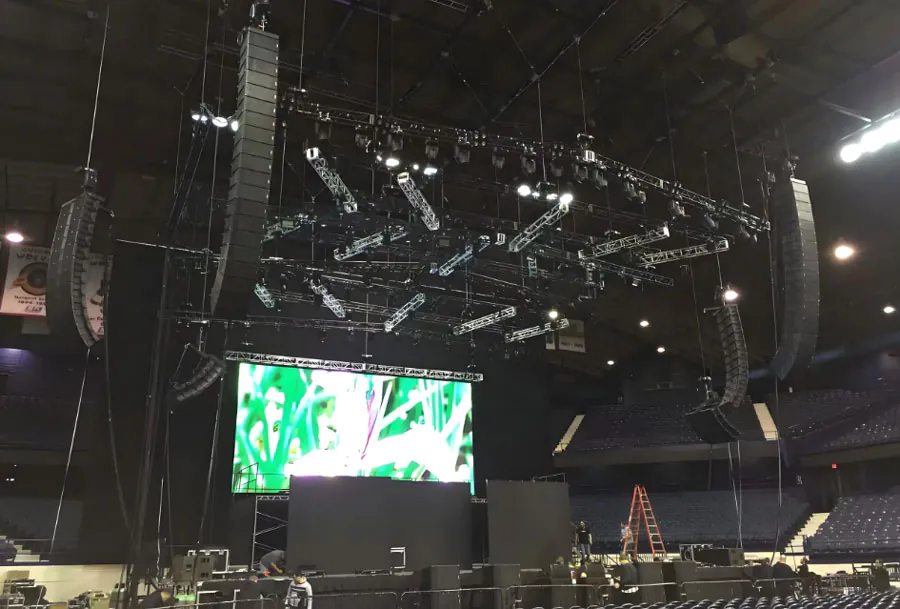
– Live Events and Stages: Lightweight, fast-to-install panels reduce rigging complexity for touring shows and festivals.
– Hospitality and Casinos: Continuous content across columns and walls creates memorable guest experiences that blend with interior design.
Reliability and Maintenance
Long-term reliability is a must for installations with continuous public exposure. TW VISION’s bendable screens are designed with:

– Durable flexible substrates resistant to repeated bending stresses within specified radii.
– Thermal designs that distribute heat evenly to avoid hotspots.
– Redundancy in power and control modules for high-availability applications.
– Service protocols and swap-friendly modules to reduce mean time to repair (MTTR).
Operators should maintain a spare parts inventory and establish preventive maintenance schedules, including periodic recalibration of color and brightness.
Environmental and Sustainability Considerations
Sustainability is increasingly important for public-facing projects:
– Lightweight panels reduce transportation carbon footprint.
– Energy-efficient LED or OLED technologies lower operational power usage.
– Replaceable modules extend usable life and simplify component recycling.
Designers should evaluate materials, lifecycle emissions, and end-of-life recycling programs when selecting display solutions. TW VISION’s modular approach can reduce waste by enabling targeted repairs instead of full replacements.
Challenges and Mitigation Strategies
Even with its advantages, deploying bendable screens presents challenges:
– Mechanical Tolerances: Curved installations require precision framing. Mitigation: work with engineers and TW VISION’s installation guides to respect minimum bend radii and mounting loads.
– Content Distortion: Without proper mapping, curved surfaces can distort imagery. Mitigation: use 3D surface scans and media server warping tools.
– Ambient Light Control: Highly reflective environments can reduce perceived contrast. Mitigation: specify higher brightness, anti-glare coatings, or integrate ambient light control in venue design.
– Cost Considerations: Advanced panels can be costlier than conventional flat tiles. Mitigation: design for impact areas with bendable panels and combine with flat sections where appropriate to balance budget and effect.
Return on Experience: Business and Audience Impact
Beyond ticket sales or retail uplift, bendable displays change audience perception and engagement:
– Increased Dwell Time: Immersive, seamless visuals naturally encourage visitors to stay longer.
– Social Shareability: Sculptural, photogenic installations drive user-generated content and organic marketing.
– Differentiation: Unique form factors set brands and institutions apart in competitive markets.
– Flexibility: Reconfigurable panels and modular systems allow operators to refresh experiences with lower incremental costs.
When evaluating ROI, factor in the value of increased engagement, repeat visitation, and the ability to rent or repurpose panels across multiple exhibits or events.
Case Example Scenarios (Hypothetical)
– Museum Immersive Theater: A 12m diameter dome built with TW VISION bendable panels provides 360° projection-quality imaging with minimal seams, hosting nightly immersive narratives of natural history.
– Brand Flagship Launch: A retail store uses a sweeping 15m curved wall to roll out product storytelling across a continuous canvas, integrating live feeds and interactive touchpoints.
– Touring Art Installation: Lightweight modular panels form a freeform sculpture that can be packed and transported easily, enabling a single exhibit to visit multiple cities without heavy rigging.
Final Recommendations for Specifiers
– Early Collaboration: Involve display manufacturers, structural engineers, and content creators early to align curvature, pixel pitch, and mounting systems.
– Prototype and Test: Build a small-scale mockup to validate bending radius, color uniformity, and content mapping.
– Choose the Right Pixel Pitch: Match pixel density to expected viewing distances to optimize cost-performance balance.
– Plan for Service Access: Ensure maintainability is built into the installation plan with service pathways and spare modules.
– Integrate Control Systems: Confirm compatibility with existing media servers and control architectures for synchronized, reliable playback.
The TW VISION Bendable Screen represents a practical and creative leap for immersive installations. Its combination of flexible form, high visual performance, installation-minded engineering, and modular serviceability makes it an excellent fit for museums, retail, events, and architectural integration where visual continuity and design freedom are paramount. By planning content pipelines, structural supports, and maintenance strategies around the unique attributes of bendable displays, creators can deliver compelling, durable, and memorable immersive experiences that truly immerse audiences in the story.