TW VISION Bendable Screen for Stage Exhibition and Retail Displays

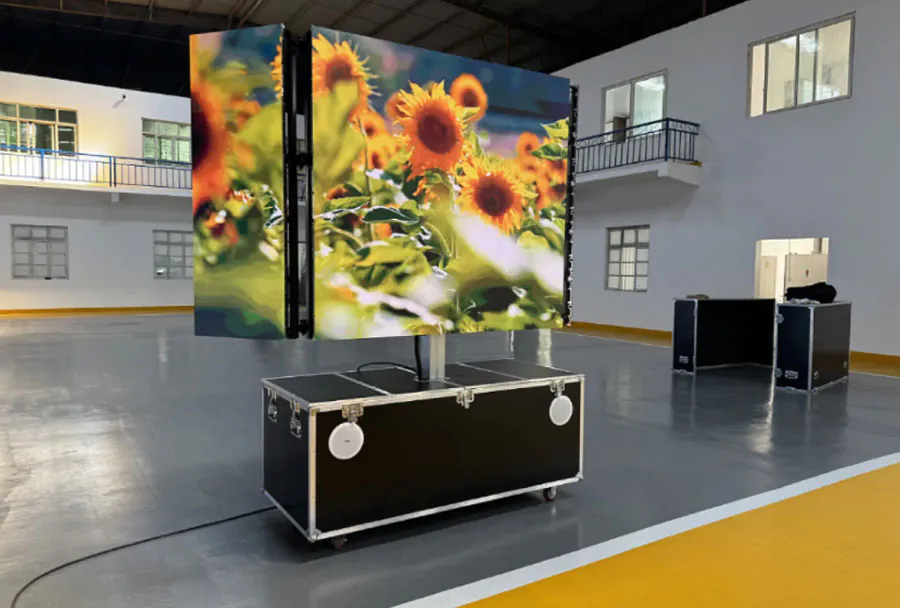
The TW VISION bendable screen represents a class of flexible led display solutions engineered for dynamic stage exhibitions and innovative retail installations. Combining mechanical flexibility with high-resolution visual performance, these screens enable designers and AV integrators to move beyond flat canvases to immersive, curved, and sculptural display architectures. This article provides a professional, in-depth examination of the TW VISION bendable screen—its technical characteristics, design advantages, practical applications in stage and retail environments, integration considerations, operational best practices, return-on-investment implications, and future trends.
Product Overview
What is a Bendable Screen?
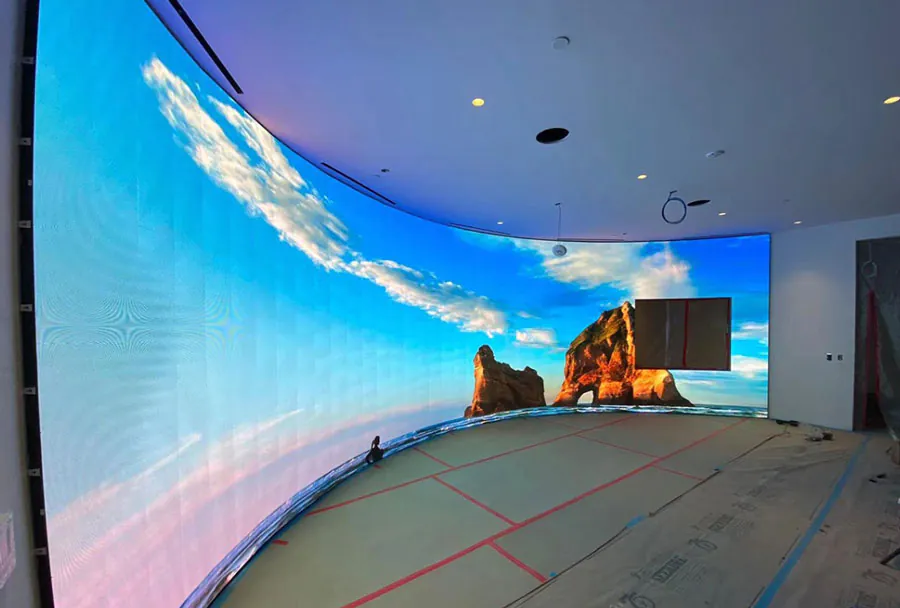
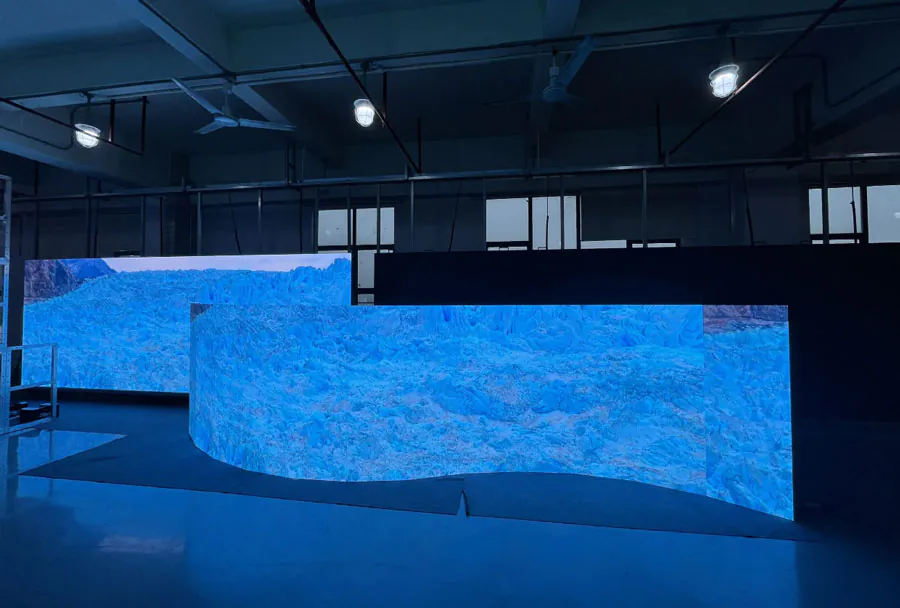
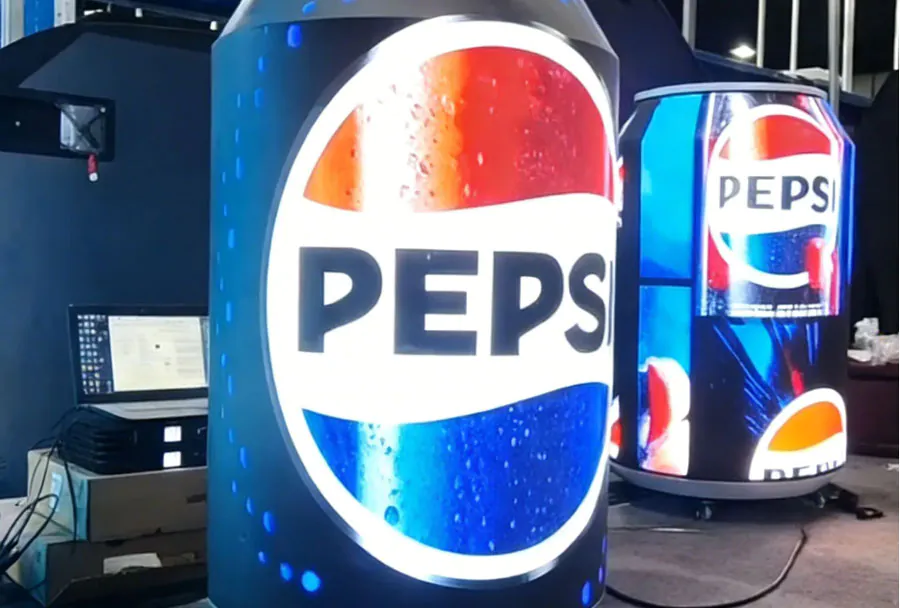
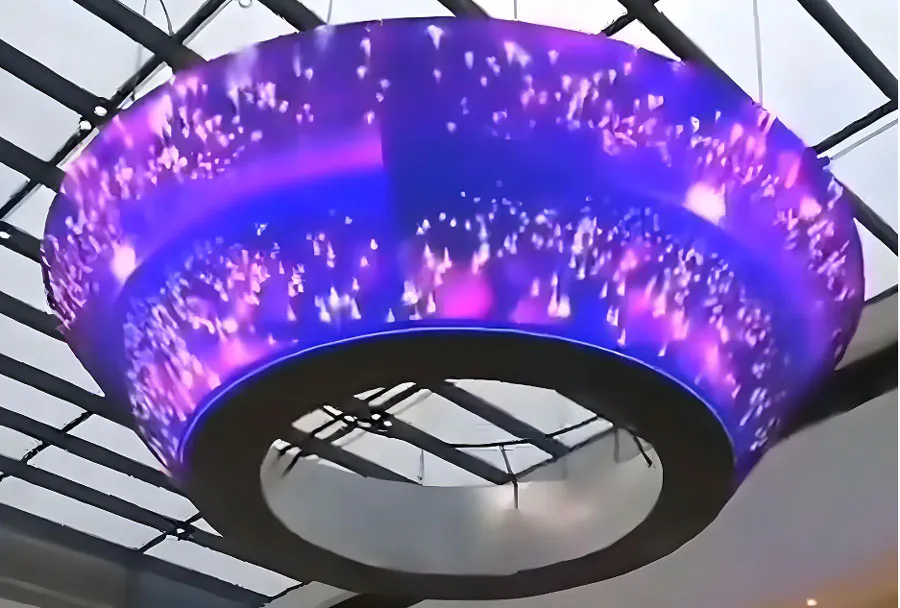
A bendable screen is a modular LED display that can curve in one or more dimensions without compromising image uniformity or structural integrity. Unlike rigid LED panels, bendable screens typically use thinner, lighter modules and flexible mounting systems that allow for convex and concave curvature, cylindrical wraps, and freeform shapes.
TW VISION Positioning
TW VISION targets the professional AV market where visual spectacle and adaptability are paramount. Their bendable screens are positioned for high-impact stage events—concerts, theatrical productions, corporate keynotes—and retail environments where visual merchandising, window displays, and experiential pop-ups demand flexibility in both form and content.
Technical Features and Performance
Display Technology
TW VISION bendable screens use SMD (surface-mounted device) LED techniques optimized for flexible substrates and compact pixel pitches. Typical pixel pitches for stage and retail models range from fine-pitch (2.5–4.0 mm) for close viewing to standard event pitches (4–10 mm) for larger viewing distances.
Brightness and Color
Higher brightness levels (often 1,000–6,000 nits depending on model and configuration) ensure visibility indoors and in semi-lit venues; color calibration and 10–14 bit color processing maintain fidelity for broadcast and retail branding. High refresh rates (≥3,840 Hz) minimize flicker and banding on camera, an essential requirement for televised events and influencer-driven retail activations.
Mechanical Flexibility
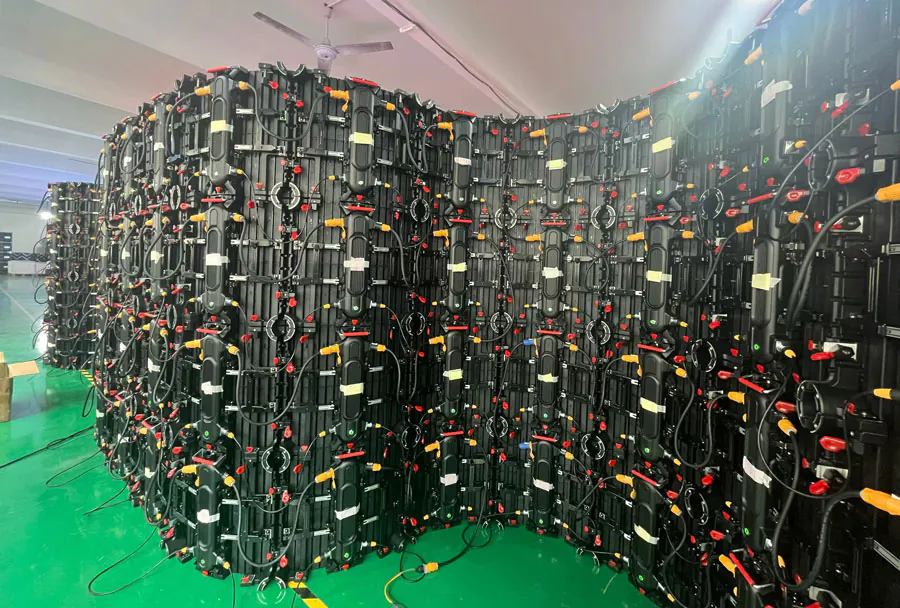
Bendable screens employ flexible panels and lightweight frames that permit specified radii of curvature. Mounting systems—magnetic couplings, sliding rails, and bespoke fixtures—are designed to maintain panel alignment, thermal dissipation, and serviceability while preserving the desired geometry.
Reliability and Serviceability
Modular design allows individual modules to be replaced without disassembling the entire canvas. Power distribution and signal routing are engineered to handle flexible installations, with redundancy options for mission-critical stage applications.
Analysis Table: Technical and Application Comparison
| Attribute | Specification | Impact on Performance | Ideal Use Case | Implementation Considerations |
|---|---|---|---|---|
| Pixel Pitch | 2.5mm / 3.9mm / 6.0mm | Determines viewing distance and resolution; finer pitch yields sharper images up close | 2.5mm for retail windows; 3.9–6.0mm for stage backdrops | Balance between cost and visual requirements; specify based on audience proximity |
| Brightness | 1,000–6,000 nits (model-dependent) | Affects visibility under ambient light and camera capture quality | High-brightness for outdoor-facing retail and stage with strong stage lighting | Consider cooling and power requirements for higher brightness models |
| Refresh Rate | ≥3,840 Hz | Reduces flicker in camera feeds and enhances motion clarity | Live broadcasts, recorded events, influencer content creation | Ensure video processors and media servers support matching refresh rates |
| Curvature Radius | Specifies minimum and maximum bend radius (e.g., 500mm+) | Defines achievable sculptural forms without pixel distortion | Cylindrical stages, concave theater backdrops, curved storefronts | Architectural engineering review recommended for permanent installs |
| Module Size & Weight | Lightweight modular panels (e.g., <10 kg/m2) | Facilitates quick rigging and reduces structural load | Temporary stages, traveling shows, pop-up retail | Rigging plans and load calculations must account for suspension points |

Design and Creative Applications
Stage Exhibition Use Cases
– Concerts and music tours: Bendable screens envelope performers, create immersive environments, and allow dynamic set pieces that transform between songs. The ability to curve screens around drum risers, over catwalks, or create wrap-around backdrops expands creative storytelling.
– Theater and live production: flexible displays can serve as reactive scenic elements that change texture and depth without heavy set changes. This reduces turnaround times and transport costs.
– Corporate events and product launches: A wrap-around screen can create branded environments where product reveals appear from within a curved display or emerge from negative space created by screen geometry.
Retail Display Use Cases
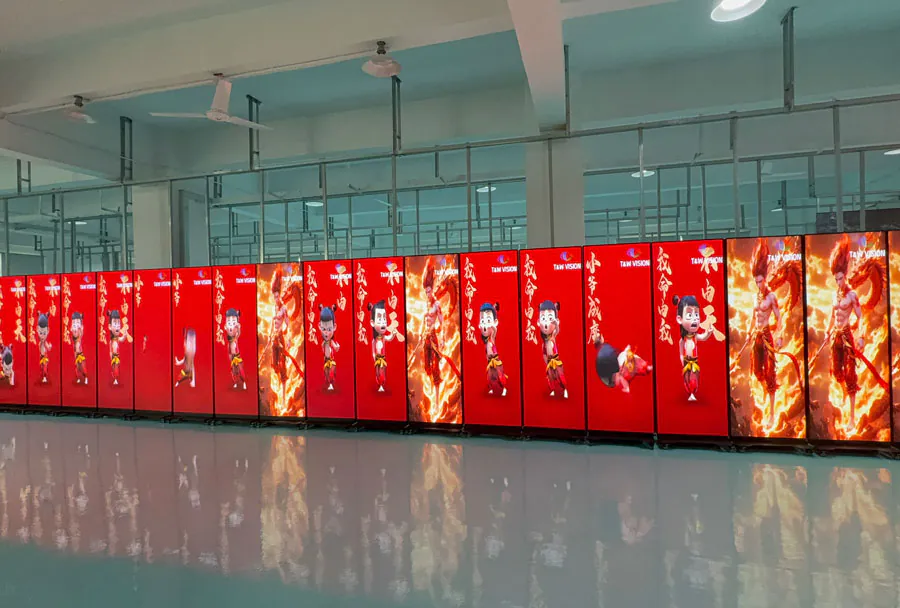
– Flagship stores and window displays: Bendable screens allow retailers to build attention-grabbing window installations that follow architectural lines. Curved content can highlight product silhouettes and drive foot traffic.
– Experiential pop-ups: Modular and lightweight characteristics make these screens ideal for temporary activations where speed of assembly and high visual impact are crucial.
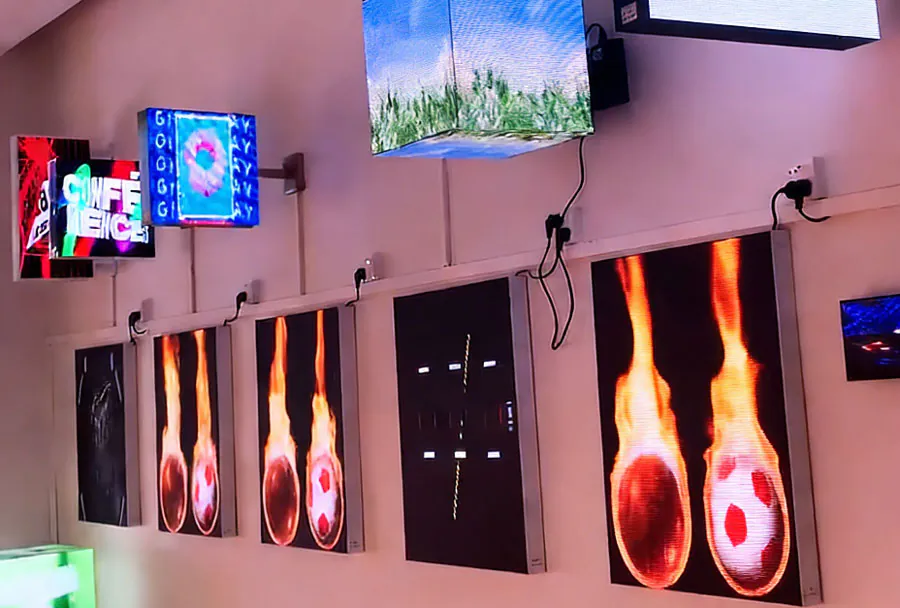
– In-store wayfinding and dynamic merchandising: Curved walls and kiosks equipped with bendable displays create differentiated zones for promotions, product storytelling, and digital signage.
Integration and Installation Considerations
Structural Engineering and Rigging
Bendable displays alter traditional load distribution. Permanent installations require coordination with structural engineers to verify mounting points, wall support, and thermal expansion allowances. For stage rigs, dynamic loads during live events must be accounted for, including safety factors for movement and vibrations.
Power and Data Infrastructure
Flexible displays often require distributed power and high-bandwidth data networks. Installation teams should plan for redundancy, local power distribution units (PDUs), and cable management that accommodates curvature without straining connectors.
Control Systems and Content Servers
Integration with media servers, show control systems, and retail content management platforms is essential. TW VISION screens typically interface via common AV protocols and video processors, but integrators should verify compatibility with desired lighting cues, show timelines, and interactive triggers.
Content Strategy and Creative Execution
Content Design for Curved Surfaces
Designing for bendable screens requires attention to distortion, perspective, and viewing angles. Creative teams should:
– Map content to the exact 3D geometry of the installation.
– Use edge blending and warping tools to compensate for curvature.
– Prioritize high-contrast, motion-optimized content when viewing distances are short.
Interactive and Sensor-Driven Experiences
Retail and experiential settings benefit from sensor integration (proximity, motion, RFID) that triggers content changes on the bendable canvas. For stages, interactive lighting and camera-tracked content can create reactive backdrops that follow performer movement.
Operational Considerations and Maintenance
Routine Maintenance
– Regular inspection of mechanical mounts, connector integrity, and thermal management systems.
– Scheduled calibration (color and brightness) to ensure uniformity across modules.
– Quick-replace modular components to minimize downtime during events or retail hours.
Transportation and Handling for Touring
For touring productions, protective cases, careful packing of modular panels, and trained crew are critical. The lightweight nature reduces freight costs, but the flexible materials can be sensitive to bending beyond specified limits; transport guidelines should be strictly followed.
Return on Investment and Business Case
Bendable screens deliver value by:
– Increasing audience engagement: Unique forms and immersive visuals can elevate attendance, dwell time, and social sharing.
– Reducing set and build costs: Digital scenery replaces multiple physical set pieces, cutting transport and storage expenses.

– Providing flexible reuse: Retailers and event producers can repurpose the same hardware across campaigns and venues.
When calculating ROI, stakeholders should factor in:
– CapEx of screen hardware and control systems.
– Integration and installation labor costs, including structural modifications.
– Content development and ongoing creative production expenses.
– Expected uplift in ticket sales, foot traffic, conversion rates, or brand impact metrics.
Case Studies and Practical Examples
While specific deployments vary, representative case profiles include:
– A touring musical that used a concave wrap-around LED canvas to create depth and simulate environments without heavy scenic elements—resulting in faster load-in/load-out and lower trucking costs.
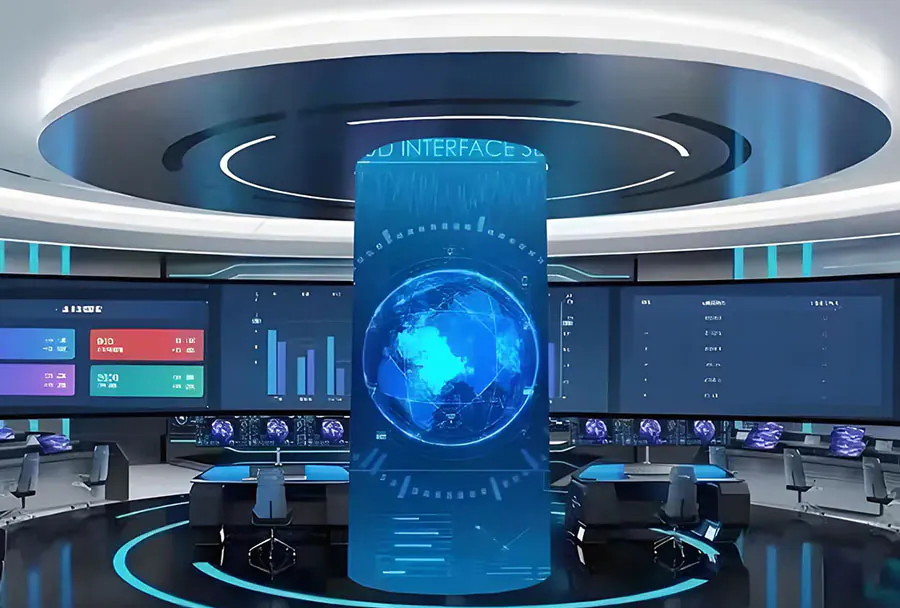
– A luxury retail flagship that installed a cylindrical bendable display in the entrance, using motion-responsive content to increase window conversion and extend in-store dwell time.
– A corporate product launch where a semi-circular screen became the reveal surface, enabling dramatic product introductions synchronized with stage mechanics and lighting cues.
These examples illustrate how bendable screens are not just technology upgrades but enablers of new production workflows and retail strategies.
Limitations and Risk Management
Potential Challenges
– Cost: High-resolution bendable screens can require significant investment compared to flat LED alternatives.
– Complexity: Design, content mapping, and installation complexity are higher and require specialized skill sets.
– Environmental constraints: For outdoor or semi-exposed retail sites, weatherproofing and brightness must be carefully specified.
– Longevity: Flexible substrates may have different lifecycle characteristics than rigid panels; lifecycle planning is important.
Mitigation Strategies
– Pilot installations to validate creative and technical assumptions.
– Partner with experienced integrators and TW VISION-certified technicians.
– Build service-level agreements (SLAs) and spare-part inventories for mission-critical deployments.
Future Trends and Innovations
– Higher pixel density: Continued improvements in fine-pitch LED packaging will push bendable displays closer to seamless, near-retina experiences even at close viewing distances.
– Transparent and mesh variants: Combining bendable characteristics with translucency for layered visual effects and product visibility.
– Integrated sensors and AI: Real-time audience analytics and automated content adaptation based on demographics and behavior.
– Sustainable materials: Advances in flexible substrate materials and power efficiency to reduce environmental footprint.
These trends suggest that bendable displays will increasingly intersect with broader experiential and data-driven retail strategies.
The TW VISION bendable screen offers a compelling toolkit for creatives, production designers, and retail strategists who want to break free from flat, rectilinear displays. By enabling curved, wrap-around, and sculptural canvases, these screens expand the visual language of stage exhibitions and retail environments—delivering higher engagement, flexible reuse, and novel storytelling opportunities. Successful implementation requires careful attention to pixel pitch, brightness, mechanical supports, power and data infrastructure, and content design practices. When paired with thoughtful ROI analysis and strong integration partnerships, TW VISION bendable screens can transform how audiences experience brands and performances—turning physical spaces into adaptable, visually arresting stages.
If you are planning a project with bendable LED technology, begin with a site survey, define viewing geometry and use cases, and collaborate early with designers and engineers to map both creative intent and technical constraints. This collaborative approach ensures the final installation meets performance expectations while delivering operational efficiency and measurable business outcomes.