Outdoor LED Screen Rental Florida for Concerts Festivals and Events

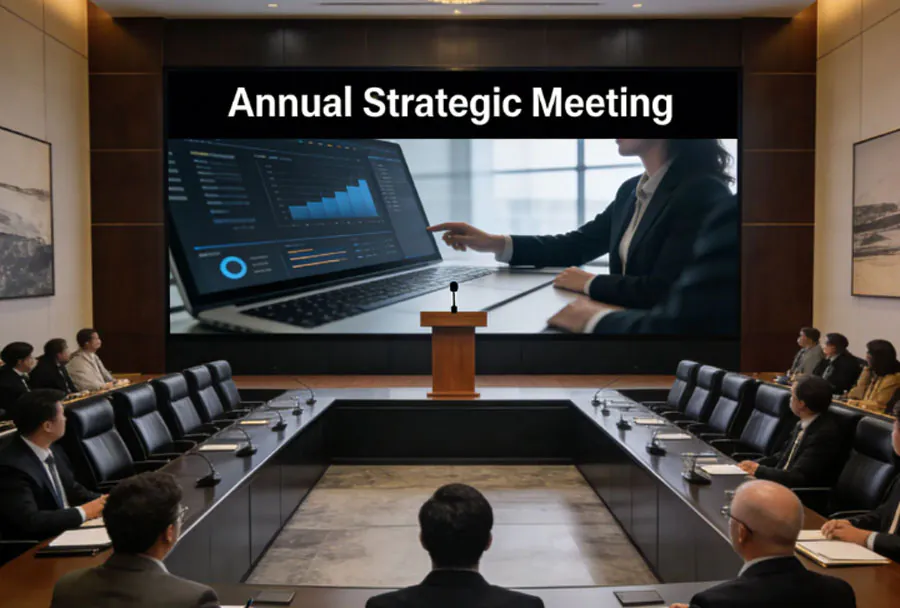
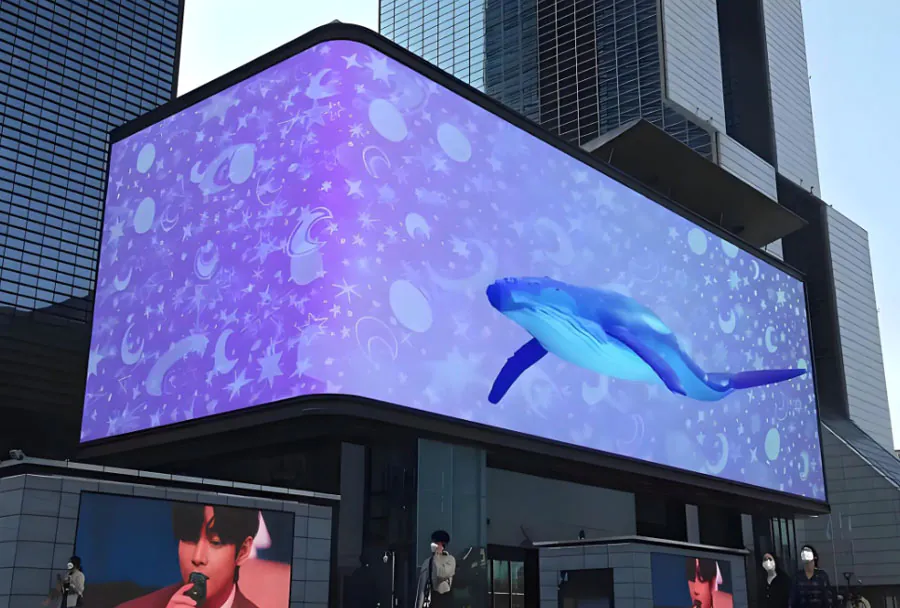
Outdoor LED screens are now a staple at concerts, festivals, sporting events, and community gatherings across Florida. They increase visibility, amplify audience engagement, and create dynamic visual experiences that are difficult to achieve with traditional staging alone. Whether you’re producing a beachfront music festival in Miami, a downtown concert in Tampa, or a cultural street fair in Orlando, a well-chosen LED screen rental can raise production value, improve sponsor visibility, and enhance safety and wayfinding for attendees.
Florida’s Unique Production Environment
Florida’s climate, coastal salt air, and popular outdoor venues make it both an ideal and challenging market for LED rental. High ambient light, intense sun during the day, humid conditions, and hurricane season require equipment with sufficient brightness, ingress protection, and proper mounting. Additionally, local permitting, power logistics, and crowd-control needs vary by municipality. Understanding these specifics up front helps organizers select the right screen, vendor, and support crew.
Who Benefits from Outdoor LED Rentals
– Concert promoters and production managers who need large-format visuals or live camera feeds.
– Festival organizers who want stage backdrops, sponsor rotation, and schedule displays.
– Corporate events that require branding and informational signage in open-air spaces.
– Sports events and community celebrations for scoreboards, instant replays, and interactive activations.
Technical Considerations: Choosing the Right Screen
Selecting an LED screen involves matching technical specs to the event’s goals and venue conditions. Below are the core factors every organizer should evaluate.
Pixel Pitch and Viewing Distance
Pixel pitch (measured in millimeters) determines the image resolution and the optimal viewing distance. Smaller pitch (e.g., P2.5–P4) is ideal for close viewing and crisp graphics; larger pitch (e.g., P6–P10) is common for large outdoor displays viewed from farther away. Choose a pixel pitch that balances budget, image quality, and distance to the audience.
Brightness and Refresh Rate
Daytime outdoor events demand high brightness—typically 5,000 to 8,000 nits—to remain legible in direct sunlight. For events being filmed or broadcast, refresh rate and driving frequency matter: look for screens with high refresh rates and driving frequencies (≥3,840Hz is recommended) to avoid flicker on camera.
Weatherproofing and Durability
Florida’s humidity, rain, and salt air require screens with robust ingress protection ratings (IP65 front is typical) and corrosion-resistant materials. Rental vendors often provide weather-rated enclosures and rapid-deploy covers, as well as preventative maintenance protocols.
Power, Connectivity, and Redundancy
Large LED walls require substantial power and stable video feeds. Plan for generator capacity, dedicated electrical distribution, and redundant signal paths (SDI, fiber, or NDI over reliable links). Rental packages should include power distro, cabling, media servers, processors, and backup playback devices.
Operational and Logistical Requirements
A successful rental involves more than just the screen: transport, rigging, permits, and skilled technicians are critical.
Rigging, Wind, and Structural Safety
Outdoor screens must be mounted or ground-stacked with wind loads and public safety in mind. Hire vendors who can provide engineering calculations, certified riggers, tie-down systems, and ballast solutions. For tall structures, local building departments may require stamped engineering plans.
Permits and Local Regulations
Municipalities across Florida have differing rules around temporary structures, electrical connections, signage, and noise. Engage with local permitting offices early—especially for waterfront sites, parks, or streets that require closure permits or utility coordination.
Site Access and Transport
Consider truck access, rigging anchors, crane/telehandler use, and laydown space for road cases. Coastal events may have limited staging zones; factor in time for offloading and pre-hung assembly.
Content Production and Playback
Good visuals require planning at the content level just as much as at the hardware level.
Aspect Ratios, Resolution, and Setbacks
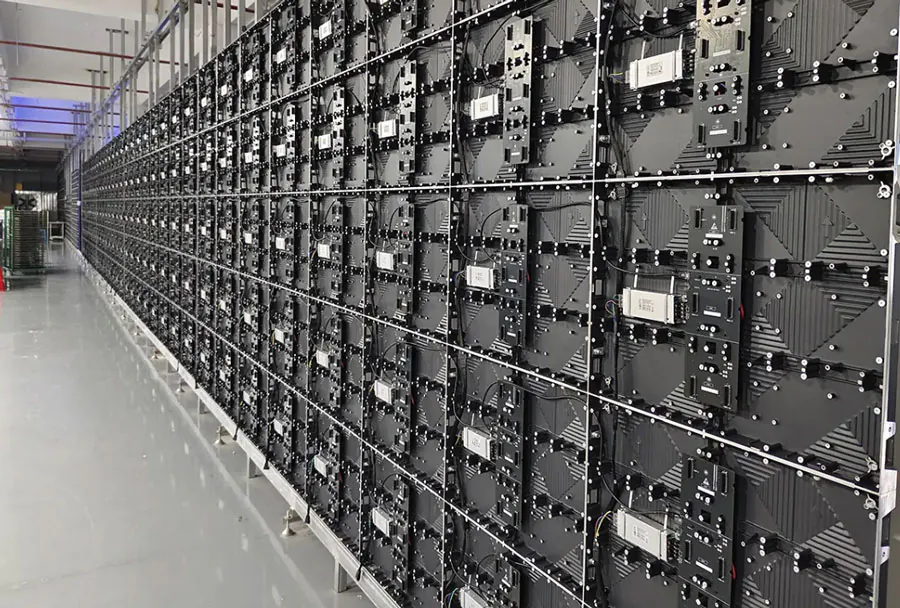
Confirm the native resolution of the LED wall and design content in that aspect ratio to avoid stretching or pillarboxing. For composite displays made of multiple cabinets, media servers can map content precisely and manage LED pixel density and scaling.
Live Feeds and Synchronization
Integrate live camera feeds using switchers and video processors with frame sync to match display timing. For multi-screen environments, use genlock or synchronized players to keep visuals in frame across all displays.
Playback Systems and File Management
Rental packages often include a media server (e.g., watchout, disguise, or similar). Ensure file formats, codecs, and color calibration are tested before show day. Have redundant playback devices and media backups on-site.
Budgeting: Typical Costs and Pricing Factors
Rental prices vary widely based on screen size, pixel pitch, support hardware, staffing, and event duration. Below is an analytical table to help estimate costs and technical trade-offs.
| Screen Size (ft) | Pixel Pitch (mm) | Recommended Viewing Distance (ft) | Brightness (nits) | Estimated Rental Cost / day (USD) |
|---|---|---|---|---|
| 8 x 6 | P6 | 40–80 | 5,000–6,000 | $700–$1,200 |
| 16 x 9 | P6–P8 | 80–160 | 6,000–7,000 | $2,500–$5,000 |
| 24 x 14 | P6–P8 | 120–240 | 6,500–7,500 | $5,000–$10,000 |
| 36 x 20 | P8–P10 | 200–400 | 6,500–8,000 | $10,000–$18,000 |
| 48 x 27 | P10 | 300–500 | 7,000–8,500 | $18,000–$30,000+ |
Notes on the table:
– Costs include basic rigging, playback system, and technician labor for typical one-day events; prices differ by market and vendor.
– Pixel pitches below P6 for outdoor are available but significantly increase rental fees and are typically used for premium close-view applications.
– Brightness ranges assume modern rental panels rated for outdoor daylight use.
Hidden Costs to Anticipate
– Electrical distribution and generator fuel.
– Staging and rigging permits or engineering fees.
– Transportation, especially for off-season storms or remote locations.
– On-site technicians for the full event run and rehearsals.
– Insurance, especially when mounting to structures or using cranes.
Safety, Maintenance, and Contingency Planning
Good risk management prevents costly downtime.
Weather Contingency Plans
Have documented trigger points for high winds or lightning that require screen shutdown or dismantle. Ensure tarps, covers, and quick-deploy shelters are available and that staff know evacuation protocols.
Redundancy and Spare Parts
A reputable rental company brings spare LED modules, power supplies, and a backup media player. For mission-critical shows, plan for redundant signal paths and a technician trained in module replacement.
Insurance and Liability
Confirm that both the rental company and event promoter carry adequate liability insurance. Some venues require vendor certificates listing the venue as an additional insured party.
Vendor Selection: What to Ask Your Rental Partner
Not all vendors are equal—ask the right questions to avoid surprises.
Key Questions
– What is the pixel pitch and native resolution of the proposed display?
– What is the rated brightness and refresh rate? Can you provide test footage?
– What is the IP rating and corrosion protection for coastal events?
– Can you provide rigging drawings and stamped engineering if needed?
– What does the rental package include (media server, switcher, power distro, techs)?
– What is the plan for weather-related downtime and module failure?
– Can you provide references or case studies for similar Florida events?
Local Support and Turnkey Services
Prefer vendors who can deliver turnkey solutions: site survey, permit support, installation, operator, and removal. Local Florida rental houses often understand municipal nuances and can streamline the approval process.
Event Types and Screen Use Cases
Different event formats require different screen strategies.
Concerts
Concerts benefit from high-brightness screens as a stage backdrop for live camera feeds, visual effects, and sponsor overlays. Close-proximity viewing may require P4–P6 panels; touring acts may favor modular flyable screens for rigging flexibility.
Festivals
Multi-stage festivals often use multiple medium-sized screens for stage-side visibility and one large centerpiece screen for central activities. Use staggered content schedules to serve artist announcements, sponsor ads, and wayfinding.
Community & Corporate Events
Informational content, presentations, and branding often require smaller screens placed in strategic locations for foot-traffic visibility. For outdoor trade shows, consider multiple screens to direct flow and display schedules.
Case Study: Hypothetical Florida Beach Concert
Scenario: 5,000-attendee daytime beach concert near a saltwater shoreline.
Requirements:
– 24×14 LED wall (P8) as stage backdrop with 7,000 nits brightness.
– Two flank screens (16×9) for camera feeds and timing.
– Generator capacity (2 x 100 kW) with distribution.
– Corrosion-resistant frames, IP65 front panels.
– Rigging crew, media server, switcher, and 3 on-site technicians.
Outcome:
– Clear visibility from the sand and viewing decks.
– Sponsor visuals integrated into interstitial content.
– Contingency plan executed during late-afternoon showers with quick covers and seamless restart.
– Post-event teardown completed in 6 hours with no equipment damage—vendor provided module replacements and preventive treatments for salt residue.
Best Practices Checklist for Organizers
– Start screen selection and vendor engagement at least 60–90 days out for permits and technical planning.
– Conduct a site survey to determine sightlines, sun angles, and access.
– Choose brightness and pixel pitch based on viewing distance and camera usage.
– Confirm IP rating and corrosion protection for coastal or humid sites.
– Obtain rigging drawings and engineer approval when necessary.
– Budget for power distro, generators, transport, and staffing—don’t assume these are included.
– Ask for redundant playback devices and a spare parts kit.
– Coordinate with the AV, lighting, and broadcast teams to ensure sync and cabling.
– Build weather-triggered contingency plans and know local emergency contacts.
– Verify insurance certificates and vendor liability coverage.
Making the Right Choice for Florida Events
Outdoor LED screen rental in Florida delivers high-impact visuals and practical communication tools for concerts, festivals, and events—but success depends on technical fit, vendor reliability, and logistical planning. Prioritize brightness, pixel pitch, weatherproofing, and structural safety. Work with experienced local rental partners who understand Florida’s environmental and regulatory landscape. When screen technology, content strategy, and on-site operations are aligned, organizers can elevate audience experience, maximize sponsor value, and run safer, more efficient outdoor events.