Reliable Stage LED Screen Rental with Setup and Technical Support

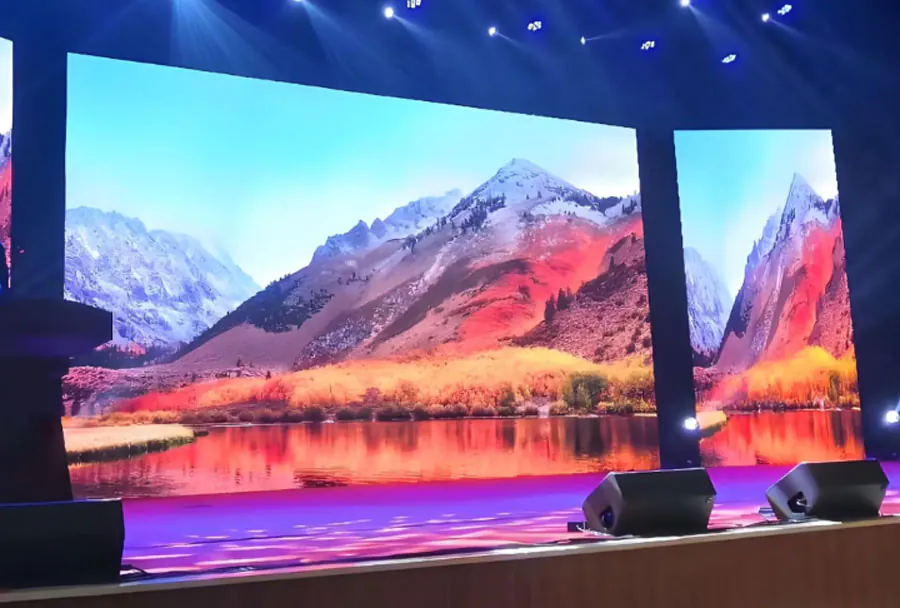
In live events—concerts, corporate conferences, product launches, festivals, and broadcast productions—the visual experience is often as important as audio and talent. LED screens deliver bright, high-contrast imagery that commands attention and communicates messaging clearly to audiences of all sizes. However, buying LED screens outright is expensive, impractical for one-off events, and risky when technology evolves rapidly. Reliable stage LED screen rental with professional setup and technical support bridges that gap: it gives event producers access to cutting-edge display technology, expert installation, and operational confidence without the capital investment.
This article explores everything event professionals need to know about renting reliable stage LED screens with setup and technical support: how to evaluate reliability, what to expect from setup services, the scope of technical support, vendor selection, contract terms and service-level expectations, and a practical checklist for successful executions.
What “Reliable” Means for Stage LED Screen Rentals
Reliability in the context of LED screen rental covers multiple dimensions:
Hardware Reliability
Hardware reliability refers to the build quality of LED panels, power supplies, receiving cards, frame and rigging systems, and protective transport cases. Panels from reputable manufacturers with known Mean Time Between Failures (MTBF) and tested thermal management systems reduce risk of image artifacts or failures during critical moments.
Operational Reliability
Operational reliability means the rented system performs consistently under live conditions—bright, flicker-free, correct color calibration, and stable signal processing—even in long-duration events, outdoor conditions, or rapid content changeovers.
Service Reliability
Service reliability is provided by the rental company: accurate delivery and pickup windows, proper setup and teardown, availability of spare parts, and responsive technical staff. Strong service reliability minimizes downtime and removes the burden from event producers.
Key Components of a Reliable Rental Package
A reliable stage LED screen rental package should include several elements that go beyond simply shipping panels.
High-Quality LED Panels and Accessories
Look for panels with high refresh rates (≥3840Hz for broadcast), uniform brightness, industry-standard pixel pitches suitable for viewing distance, secure locking mechanisms for seamless seams, and proper IP rating for outdoor events.
Rigging and Structural Support
A trustworthy package includes certified rigging hardware, trusses, ground support systems, and engineering plans when necessary. Rigging must meet venue load limits and local regulations.
Control and Signal Management
Reliable systems come with tested video processors, reliable media servers, redundancy for critical signals (dual-link or redundant fiber), and clear signal flow diagrams. Compatibility with common playback systems and live production switchers is essential.
Power Management and Distribution
Robust power distribution with surge protection, properly sized breakers, and clean grounding reduces the risk of flicker, outage, or damage. Rental providers should account for power demands in their planning.
Setup: What Professional Setup Looks Like
A professional setup process is a structured workflow that ensures the LED system is installed, tested, and ready on schedule.
Pre-Event Site Survey
A site survey (virtual or physical) identifies sightlines, rigging points, power availability, access routes, environmental exposure (sun, rain, wind), and safety constraints. It forms the basis of the rigging plan and power/load calculations.
Logistics and Staging Plan
Delivery scheduling, staging areas for crate unpacking, staging of spare parts and toolkits, and crew assignments should be coordinated with venue management. Time buffers for contingencies ensure no last-minute surprises.
Mounting, Alignment, and Safety Checks
Technicians perform mechanical assembly, panel alignment and seam correction, structural inspections, and redundant fastening. Safety checks include load testing, inspection of shackles and slings, and fall protection for crew.
Calibration and Color Matching
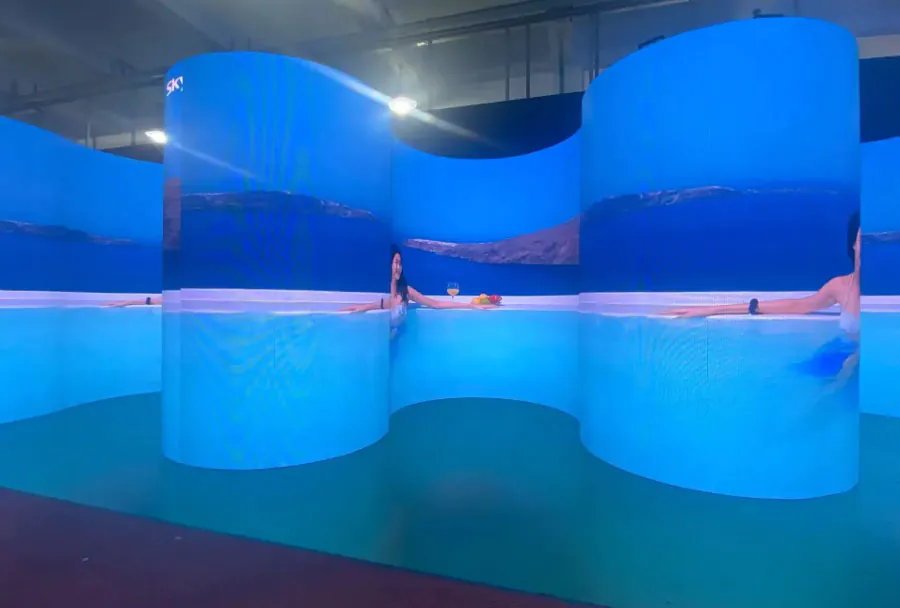
Calibrating brightness, white balance, and color across the entire screen is essential for uniform image quality. Professional rental crews use colorimeters and test patterns to verify uniformity and apply look-up table (LUT) corrections when needed.
Integration with Production Systems
Final integration includes signal testing, timing synchronization with stage lighting and cameras, latency checks, and rehearsals to confirm content playback, live feeds, and graphics rollouts are flawless.
Technical Support: Scope and Expectations
Effective technical support reduces risk and gives producers confidence. Define clear support levels in the contract.
On-Site Technical Staff
Most reliable rentals include on-site technicians for the duration of the event. Their responsibilities typically include monitoring the display, handling signal switching, patching, and replacing failed modules immediately.
Remote Monitoring and Helpdesk
Many providers offer remote monitoring dashboards and a technical helpdesk reachable 24/7 during events. Remote support speeds troubleshooting for software and signal issues.
Spare Parts and Rapid Replacement
Rental houses should bring spare modules, power supplies, receiving cards, and emergency cabling. For large events, maintaining a hot-swap inventory reduces downtime to minutes rather than hours.
Post-Event Support and Wrap-Up
Support continues through teardown: technicians supervise safe dismantling, inventory checks, and transportation. Post-event debriefs highlight any issues and corrective actions for future events.
Choosing the Right Vendor
Selecting a rental partner requires diligence. Use these criteria to narrow down vendors:
Proven Experience and References
Ask for case studies similar to your event size and type. Request references and verify their past performance on timelines and technical delivery.
Certifications and Insurance
Ensure the vendor carries liability insurance, equipment insurance, and that rigging technicians have relevant certifications (e.g., IMCA, OSHA, local rigging licenses).
Transparent Pricing and SLAs
Costs should be clear: daily rental rates, setup fees, transportation, insurance, and overtime charges. Service-level agreements (SLAs) should define response times for technical issues and penalties for missed delivery windows.
Inventory and Spare Systems
A vendor with broad inventory and spare systems for common pixel pitches means lower risk for last-minute failures.
Pricing Models and Contract Considerations
Understanding pricing models helps in budgeting and negotiating.
Typical Cost Components
– Rental fee (per day or event)
– Setup and teardown labor
– Transportation and logistics
– Power and rigging equipment
– On-site technical support (per day or flat fee)
– Insurance and damage waiver
Contract Clauses to Watch
– Guaranteed uptime and response times
– Force majeure clauses and cancellation policies
– Damage liability and wear-and-tear definitions
– Scope of support (what is included/excluded)
– Acceptance criteria on handover and release
Risk Management and Redundancy Strategies
Good rental providers plan for failure scenarios.
Redundant Signal Paths
Using dual signal feeds and redundancy in processors prevents single points of failure impacting the whole display.
Hot-Swap and Modular Repair
Modular panels that can be swapped quickly reduce visible downtime. Having technicians staged with pre-configured spare modules speeds recovery.
Backup Power
UPS systems or backup generators protect against grid instability. Power sequencing and distribution minimize inrush current and blown breakers.
Analysis Table: Comparing Rental Options
| Criteria | Budget Rental | Standard Professional | High-End Production | Recommendation |
|---|---|---|---|---|
| Panel Quality | Entry-level panels, variable uniformity | Mid-range panels, good uniformity | Top-tier panels, excellent color/frequency | Match quality to audience distance & broadcast needs |
| Refresh Rate / Broadcast Ready | Low (may flicker on camera) | Higher (suitable for most events) | Very high (broadcast safe) | Broadcast requires ≥3840Hz or equivalent |
| Rigging & Safety | Minimal, may need venue supplements | Certified rigging included | Full engineering reports & custom builds | Large outdoor/flying screens require engineering |
| Technical Support | Limited hours, remote options | On-site tech during key periods | Full on-site crew, 24/7 monitoring | Match support level to event risk |
| Spare Inventory | Few spares | Moderate spares for common failures | Extensive spares & redundancy | Always require at least basic hot-swap parts |
Practical Checklist for Event Producers
– Confirm expected viewing distance and choose appropriate pixel pitch.
– Request vendor MTBF data and calibration records.
– Require a pre-event site survey and written rigging plan.
– Verify insurance coverage and technician certifications.
– Define exact deliverables in contract: setup times, test windows, response times.
– Require spare modules and a plan for module-level replacement.
– Schedule a full technical rehearsal with production systems.
– Ensure power and cable runs are tested and labeled.
– Confirm content pipelines: codecs, resolutions, frame rates, and color spaces.
– Plan teardown windows and confirm return logistics to avoid overtime fees.
Case Scenarios and Lessons Learned
– Outdoor Music Festival: A mid-scale festival rented high-brightness panels with full rigging engineering. The vendor supplied a dedicated on-site team and redundancy for signal. When a power distribution failure occurred, the backup generator engaged and technicians hot-swapped a failing power supply within minutes—audience impact: none.
– Corporate Product Launch: A corporate client chose budget panels to save cost. During the live stream, camera flicker and visible seams distracted the audience and required a repeat of the live shot. Lesson: for broadcast and close camera work, invest in higher refresh-rate panels and calibrated displays.
– Conference Tour: A touring conference used a single vendor for multiple cities and standardized deployment kits. Consistency reduced setup time at each venue and simplified training for local stagehands. Lesson: standardization across a tour yields efficiency and reliability.
Deliver Visuals with Confidence
Reliable stage LED screen rental with professional setup and technical support is more than equipment delivery: it’s a service that mitigates risk, ensures consistent on-stage visuals, and allows producers to focus on creative and logistical priorities. The right rental partner provides high-quality panels, certified rigging, thorough pre-event planning, on-site technical expertise, and robust contingency planning. When evaluating vendors, prioritize track record, transparent SLAs, spare inventories, and demonstrated experience with events like yours.