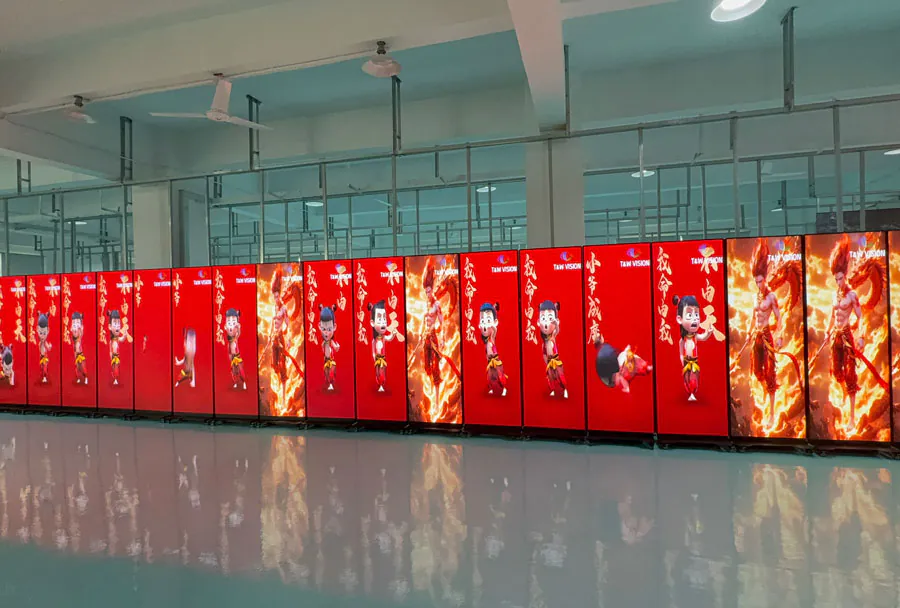
Reliable LED Screen Rental with Setup and Support in Orlando

Orlando is more than theme parks and conventions — it’s a fast-growing hub for events, corporate gatherings, live concerts, trade shows, and community festivals. In a city where visuals make a lasting impression, renting an LED screen with professional setup and dependable support is often the smartest, most cost-effective choice for event organizers. This article explores why reliable LED screen rental with setup and support in Orlando matters, what services to expect, how to choose the right provider, typical pricing structures, and a practical comparison table to help you make the best decision for your event.
Why Choose LED Screen Rental Over Buying?
LED screens deliver bright, high-resolution visuals that remain legible even under bright outdoor conditions. For most organizations and event planners, renting instead of buying is advantageous because:
– Cost efficiency: Purchasing a high-quality LED wall involves a significant upfront investment, maintenance expenses, and storage needs. Renting transfers those burdens to the vendor, making large-screen experiences accessible for one-off events or recurring needs without capital expenditure.
– Flexibility: Rental companies maintain a variety of screen types, sizes, and pixel pitches. This makes it easy to tailor the screen selection to your venue, audience size, and viewing distance.
– Professional setup and teardown: Experienced rental teams manage installation safely and efficiently, reducing the risk of technical problems and ensuring compliance with local safety codes.
– Ongoing support: Onsite or remote technical support during events ensures your content plays smoothly and any issues are resolved promptly, avoiding visible interruptions that can hurt an event’s professionalism.
Core Components of Reliable LED Screen Rental Services
A trustworthy rental company in Orlando should offer a comprehensive suite of services, not just the hardware. Core components include:
– Site survey and planning: A pre-event assessment that considers venue layout, sightlines, power availability, weather exposure (for outdoor events), and load-in logistics.
– Content management: File preparation, aspect-ratio recommendations, and on-site playback systems so your content displays correctly on the screen’s native resolution.
– Sturdy rigging and mounting solutions: Trussing, ground support, fly systems, or mobile trailers depending on venue constraints.
– Power and backup systems: Load calculations, generators for outdoor or power-limited venues, and UPS systems to prevent content interruptions.
– Technical staffing: Skilled technicians for setup, calibration, and live troubleshooting.
– Safety and permitting assistance: Guidance for city permits, especially for outdoor events, and adherence to local safety codes.
Types of LED Screens and When to Use Them
Choosing the right LED screen depends on the event type, viewing distance, environment, and budget. Here are common types:
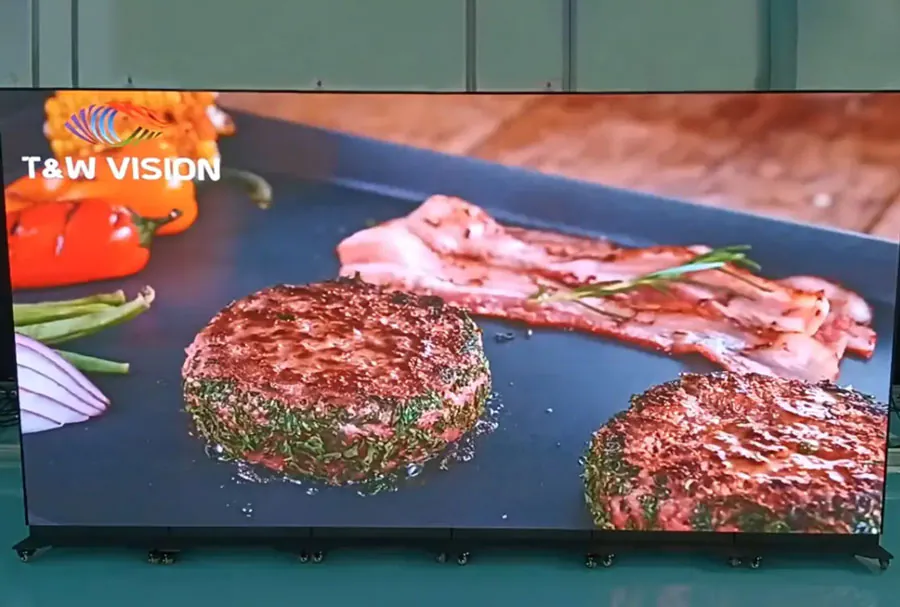
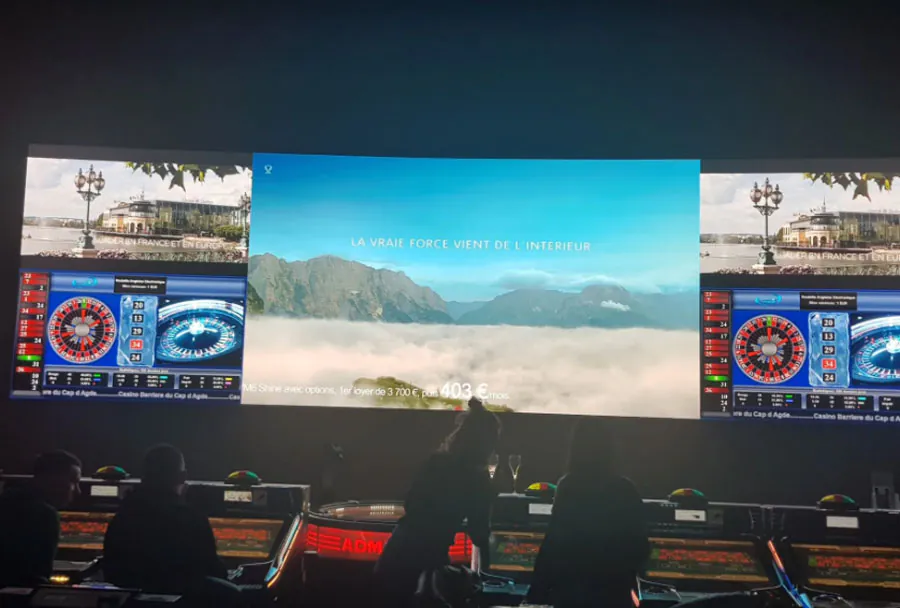
– Indoor fine-pitch LED: Best for corporate events and close-viewing experiences where image clarity is paramount.
– Outdoor weatherproof LED: Built to withstand sun, rain, and wind; ideal for concerts, festivals, sports events, and outdoor movie nights.
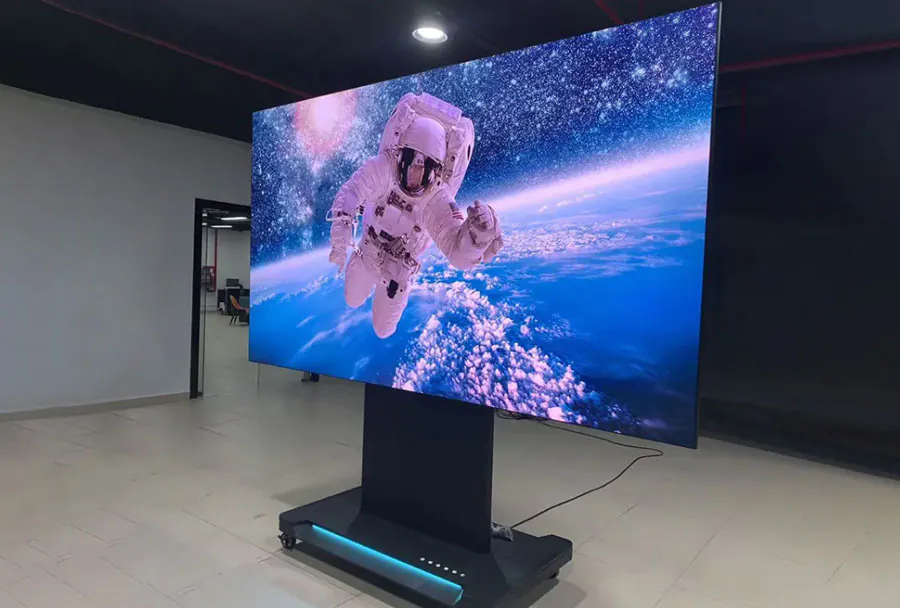
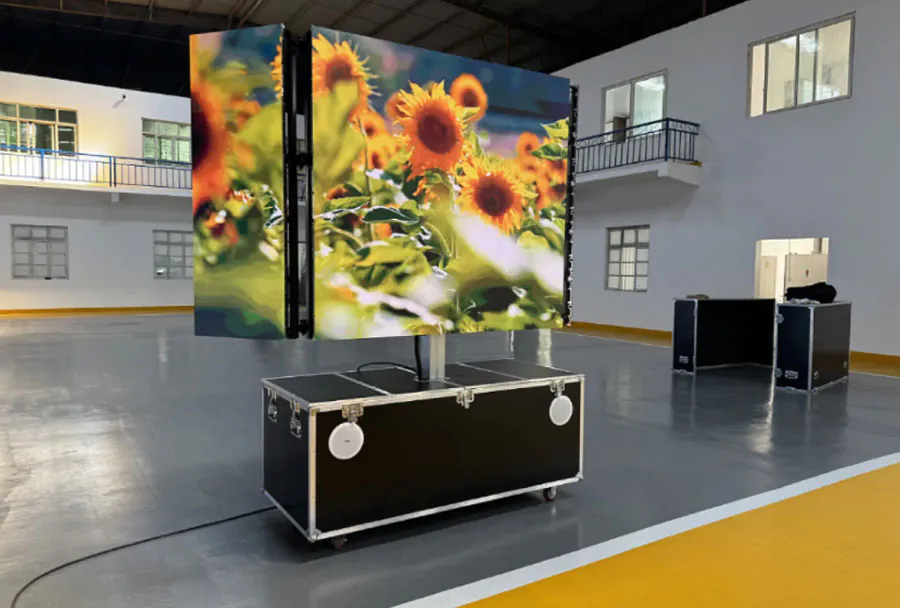
– Rental mobile LED trucks/trailers: Fast deployment for outdoor events requiring mobility and integrated power and audio systems.
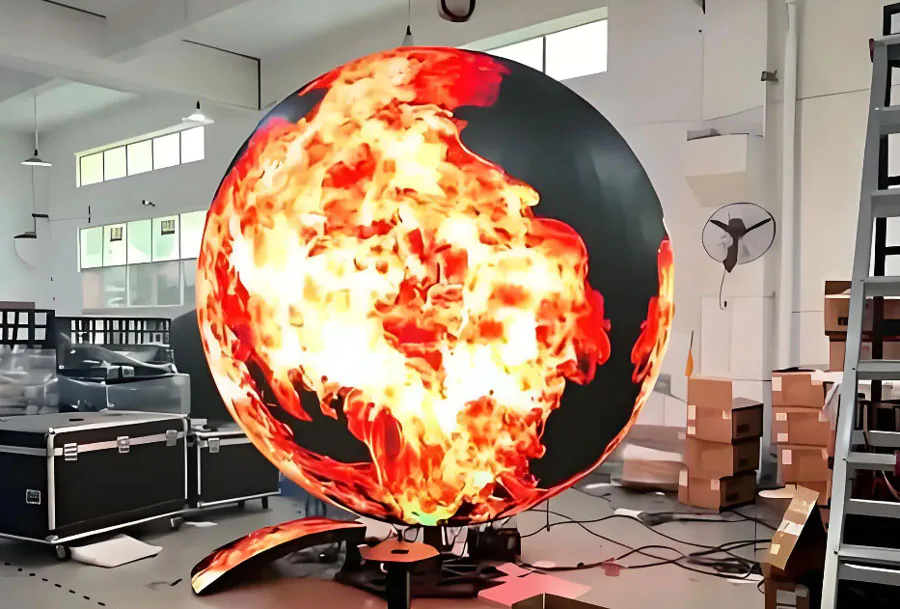
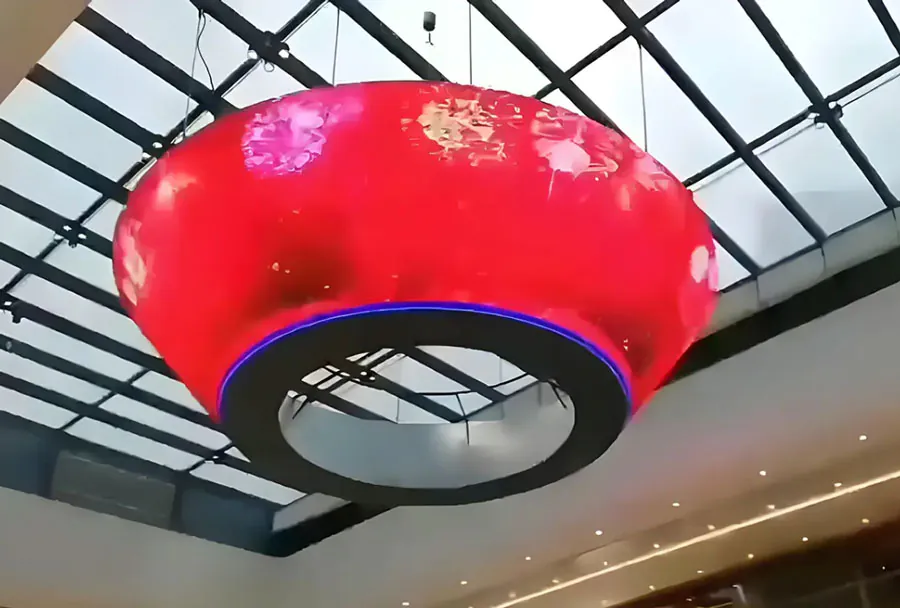
– Curved and creative shapes: For trade shows or experiential activations that need immersive or eye-catching designs.
– Transparent LED: Allows light through and works well at retail or stage-front applications where visibility behind the screen is needed.
What “Setup and Support” Should Include
When a vendor promises setup and support, confirm the specifics:
– Pre-event consultation and a site inspection to verify measurements and power plans.
– A clear timeline for delivery, rigging, and testing before doors open.
– Onsite technical staff present during load-in, event runtime, and teardown.
– Real-time troubleshooting and spare parts available (spare panels, power supplies, and signal processors).
– Content playback support and real-time content switching or live video feed management.
– Redundant systems or backup screens in case of failure.
– Post-event diagnostics and media retrieval.
How to Evaluate LED Screen Vendors in Orlando
Selecting the right vendor is critical. Evaluate providers using these criteria:
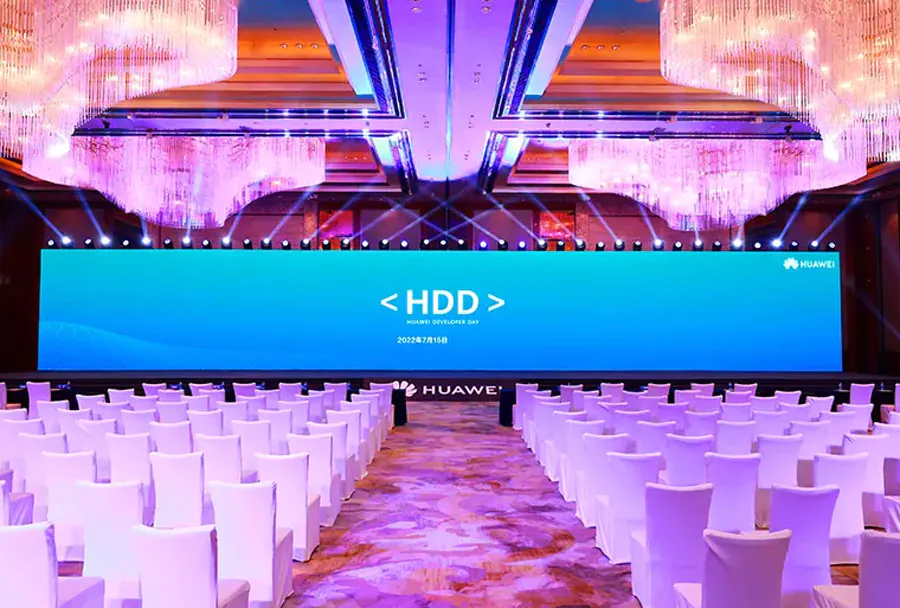
– Experience and portfolio: Request past event references and visual documentation. An experienced vendor will have solved problems similar to yours.
– Equipment inventory: Ensure the vendor has the appropriate pixel pitch, brightness, and aspect ratio for your venue.
– Certifications and insurance: Verify vendor liability insurance, rigging certifications, and worker safety credentials.
– Transparent pricing: Look for clear breakdowns of equipment, labor, transport, permitting assistance, and any potential surcharges.
– Response time and support: Ask about their rapid response capability and whether technical staff will stay onsite or be remote.
– Local knowledge: Vendors who know Orlando venues and permitting processes will help smooth logistics and avoid last-minute surprises.
Typical Pricing Models
Rental pricing varies by screen size, pixel pitch, event duration, and necessary support levels. Common pricing components include:
– Daily or multi-day rate for LED panels or full screen builds.
– Delivery, rigging, and teardown fees — often a flat fee or based on labor hours.
– Technical staffing costs for setup and event-run support.
– Power and generator rental if on-site power is insufficient.
– Content management and playback equipment (media servers, switchers).
– Overtime and weekend surcharges for non-standard hours.
– Additional costs for permits, traffic control, or special insurance if the event is in a high-traffic area.
An experienced rental partner will provide a line-item quote so you can budget accurately and avoid hidden fees.
Planning Checklist for a Smooth LED Screen Rental in Orlando
Use this checklist as you plan:
– Confirm screen size and pixel pitch based on audience size and viewing distance.
– Schedule a site walk with your vendor.
– Confirm local power availability and the need for generators.
– Verify rigging points, weight loads, and safety requirements for elevated screens.
– Prepare print-ready content in the vendor’s recommended file format and resolution.
– Coordinate audio and video inputs, including live camera feeds and playback devices.
– Secure necessary city permits for outdoor or street events.
– Arrange for on-site technical staffing and spare equipment.
– Run a full technical rehearsal prior to public opening.
Analysis Table — Comparison of Common LED Screen Options
| Screen Type | Recommended Use | Pixel Pitch (mm) | Brightness (nits) | Estimated Rental Cost (per day) |
|---|---|---|---|---|
| Indoor Fine-Pitch | Corporate events, broadcast studios | 1.2–2.6 | 800–1200 | $600–$2,500 (small-midsize) |
| Outdoor Weatherproof | Concerts, outdoor festivals, sports | 3.9–10 | 5,000–10,000+ | $1,200–$6,000+ |
| Mobile LED Truck | Roadshows, political rallies, quick-setup events | 6–10 | 4,000–8,000 | $1,500–$8,000 (plus transport) |
| Curved / Creative Panels | Trade shows, experiential marketing | 2.5–5 | 1,000–5,000 | $1,000–$7,000 (depending on complexity) |
| Transparent LED | Retail windows, stage front installations | 2.5–6 | 1,000–3,500 | $800–$4,000 |
(Note: Prices are illustrative ranges; actual quotes will vary by vendor, event length, logistics, and support needs.)
Real-World Use Cases in Orlando
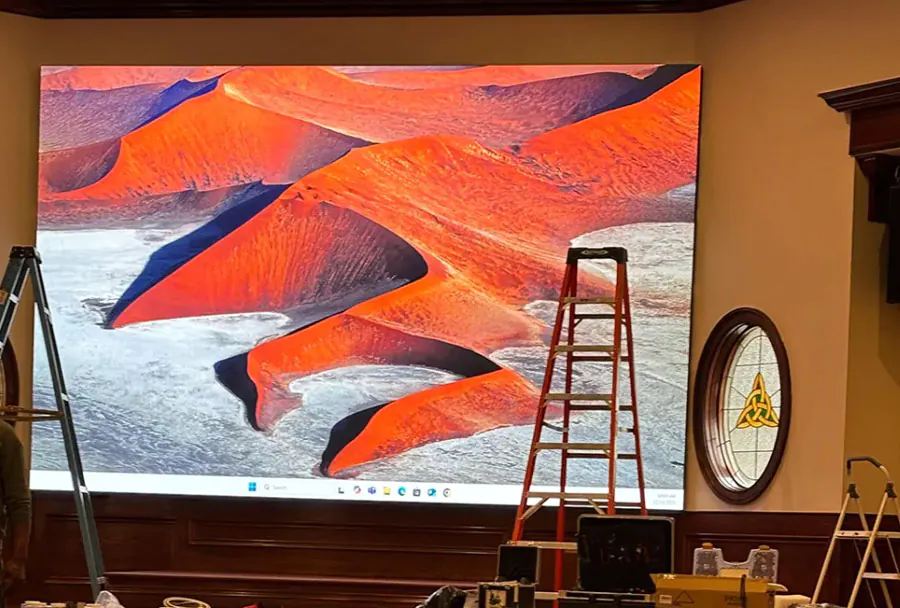
– Conference Keynote: A mid-sized convention in the Orange County Convention Center used a 30’ wide indoor fine-pitch LED wall to ensure slide legibility and crisp video. The rental vendor performed a site survey, coordinated load-in through designated service entrances, and provided a technician to manage content switching during the keynote.
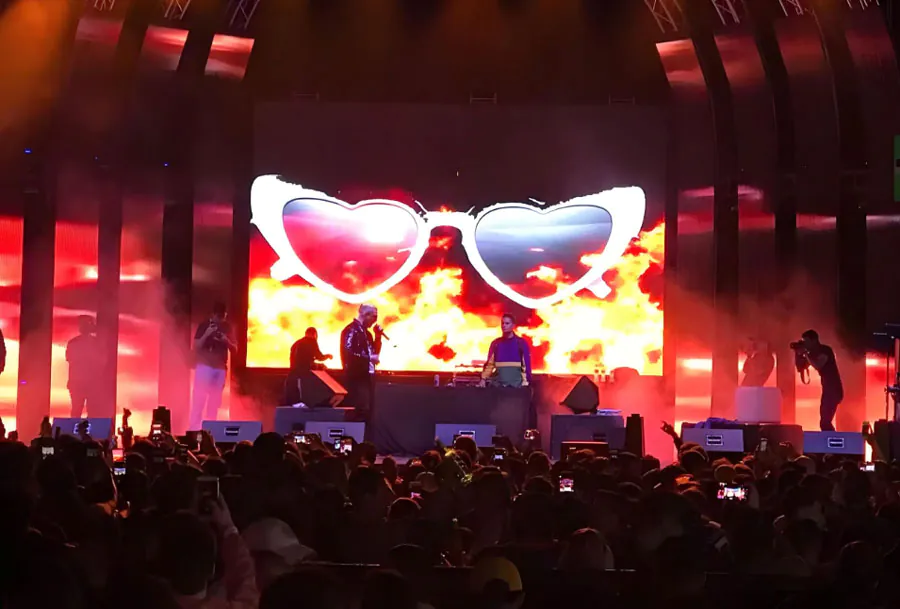
– Outdoor Music Festival: An outdoor EDM festival at a large park required two weatherproof LED screens flanking the stage. The vendor supplied truss-based rigging, on-site power distribution with a generator backup, and a live-feed switching technician to ensure multiple camera angles and sponsor spots displayed seamlessly.
– Retail Launch Activation: A downtown store used a transparent LED fa?ade to run animated brand content without blocking interior lighting. The rental company provided custom mounting and ensured the display complied with local signage regulations.
Common Pitfalls and How to Avoid Them
– Underestimating viewing distance: Selecting too high a pixel pitch can make text and fine details unreadable for close audiences. Work with your vendor to match pixel pitch to the nearest viewer distance.
– Ignoring power needs: LED walls require substantial power. Confirm service panels and bring generators when needed.
– Skipping a technical rehearsal: Live events are not the time to discover compatibility issues. Schedule a full dress rehearsal with your vendor.
– Hiring inexperienced vendors: Inexperienced riggers can create safety hazards. Verify certifications and references.
– Not planning for weather: Outdoor events need weatherproof panels and contingency plans for rain or high winds.
Questions to Ask Potential Vendors
– Can you provide references from recent Orlando events similar to mine?
– What is your plan for rigging and securing the screen at my venue?
– What is included in the standard rental — delivery, installation, tech support, teardown?
– Do you provide power distribution and backup generators?
– What spare parts and redundancies do you bring to events?
– How quickly can your team respond if there’s a technical issue during the event?
– Will your technicians be onsite for the entire event, and what are their hours?
Local Considerations for Orlando Events
Orlando’s weather patterns, busy tourist seasons, and venue-specific rules matter. Plan around:
– Weather: Summer storms are common. Choose weatherproof screens, and factor in drainage and shelter for power equipment.
– Venue rules: Large venues like the Orange County Convention Center have strict rigging and load-in procedures. Work with a vendor familiar with these venues.
– Traffic and logistics: Orlando’s event calendar can cause heavy traffic; schedule generous windows for load-in and load-out.
– City permitting: For outdoor installations on public property, determine permit timelines early and enlist a vendor to help with application specifics.
Frequently Asked Questions (FAQs)
– How early should I book an LED screen rental? Book as early as possible — ideally 60–90 days for large shows — to secure the right equipment and staffing.
– Can I use my own content? Yes. Vendors typically accept a range of file types and will advise on optimal resolutions and aspect ratios.
– Do rental companies offer creative services? Many vendors can assist with content formatting, motion graphics, or playback programming for an added fee.
– What is pixel pitch, and why does it matter? Pixel pitch measures the distance between LED pixels. Smaller pitch means finer detail and better close-range viewing.
– Will the vendor handle permits? Some vendors assist with permitting and local code compliance; confirm this during contracting.
Reliable Visual Impact Starts with the Right Partner
A successful event in Orlando often depends on the quality and reliability of visual systems. Renting an LED screen with professional setup and support gives you access to high-performance displays without the capital expense — and, importantly, it buys peace of mind. By selecting an experienced local vendor who understands venue logistics, power needs, and permitting, you minimize risk and ensure your message looks its best from the first moment the public arrives.
If your event requires impactful visuals, start with a detailed conversation with a reputable Orlando LED rental company. Ask for a site survey, itemized quotes, and references. When you plan carefully — choosing the right pixel pitch, ensuring proper power and rigging, and securing onsite technical support — an LED screen becomes more than a display; it becomes a reliably effective communication tool that elevates the attendee experience.