Fine-Pitch LED Panels for Corporate Lobbies & Control Rooms

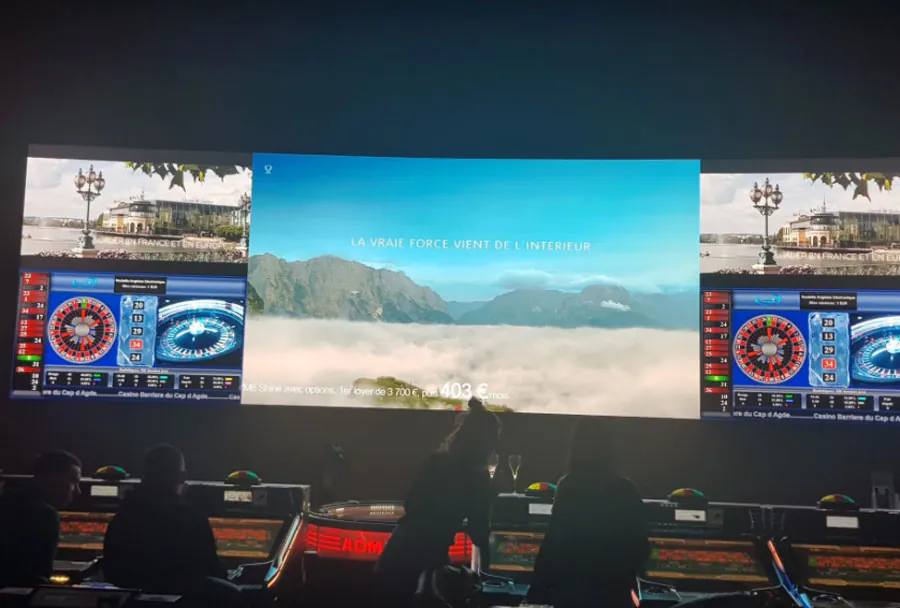
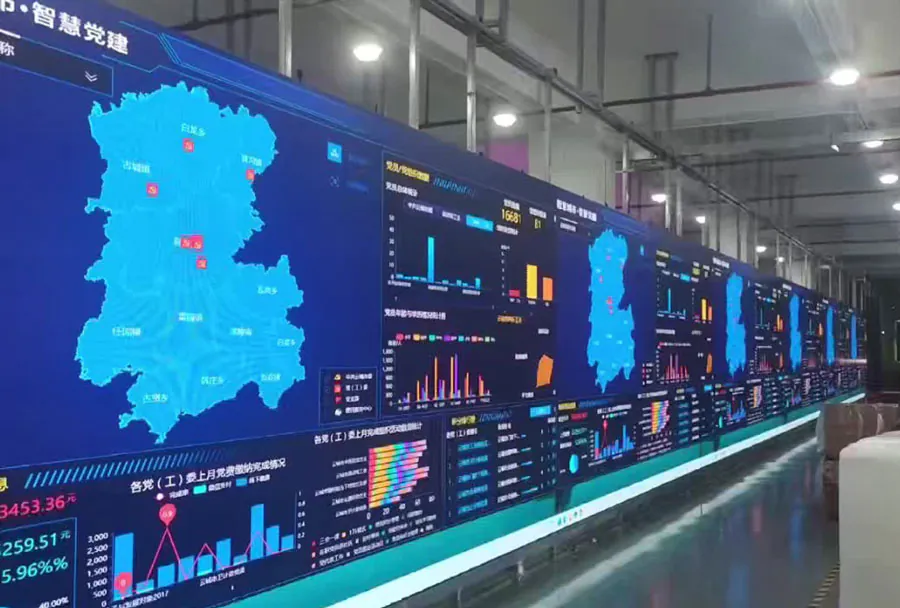
Modern corporate environments demand more than functional spaces — they require immersive, reliable visual platforms that reinforce brand identity and operational efficiency. In both hospitality-focused lobbies and mission-critical control rooms, visual technology now serves dual roles: aesthetic storytelling and actionable intelligence. TW VISION fine pitch LED panels are designed to meet these divergent needs by delivering high-resolution, high-brightness displays that scale from stunning lobby installations to precision-oriented control-room video walls.
How TW VISION Fine Pitch LED Panels Transform Corporate Lobbies and Control Rooms
Why fine pitch matters: pixel density, viewing distance, and perceived quality
Fine pitch LED panels feature very small pixel pitches — typically in the 0.9 mm to 1.5 mm range for indoor applications — enabling much higher pixel density than traditional LED modules. The result is a crisp image even at close viewing distances. In lobbies, where visitors can often approach screens within a few feet, fine pitch prevents the “screen door” effect and preserves fine text, logos, and high-resolution imagery. In control rooms, where operators sit close to monitoring walls for long shifts, finer pixel pitches improve legibility of small telemetry, map details, and camera feeds, reducing eye strain and improving situational awareness.
Key technical advantages:
– Increased pixel density for detailed visuals at short distances.
– Improved color fidelity and grayscale for accurate content rendering.
– Higher refresh rates and frame processing for flicker-free, broadcast-quality output.
Elevating brand experience in corporate lobbies
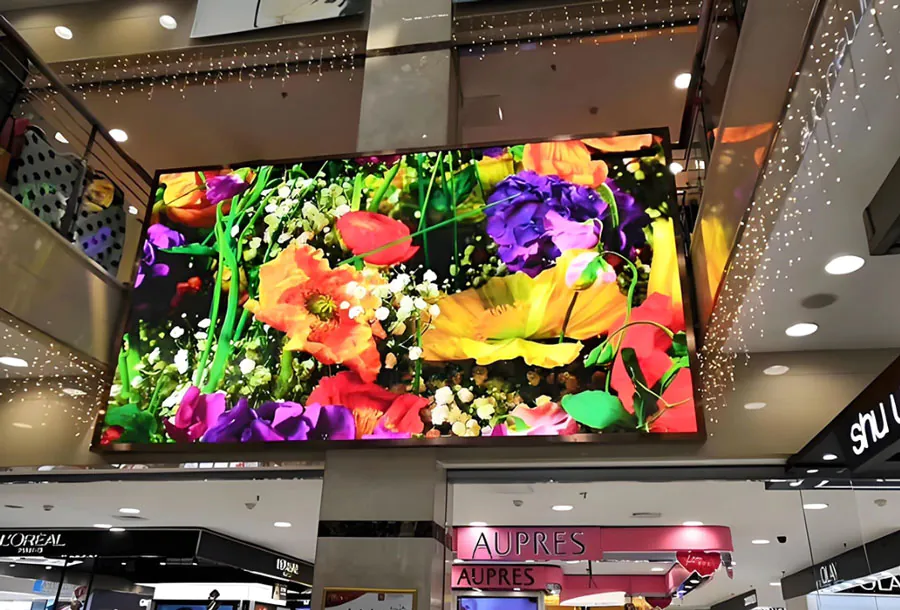
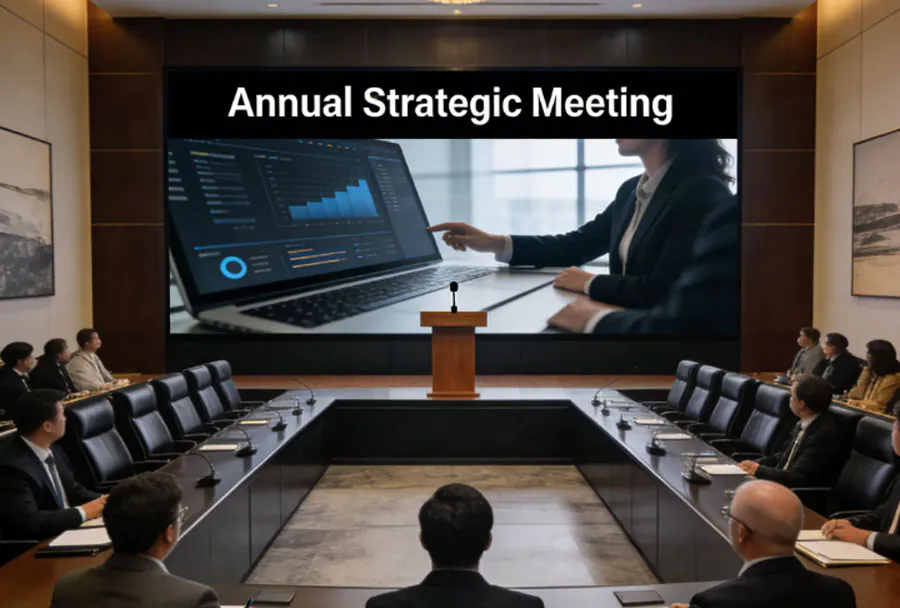
A corporate lobby is the organization’s digital storefront. It should communicate brand values at a glance and set expectations for visitors and employees alike. TW VISION fine pitch LED panels enable:
– Seamless large-format visuals: Narrow bezels and precise module alignment produce a continuous canvas for dynamic storytelling, promotional content, and elegant ambient visuals.
– High-impact corporate messaging: Rich colors and sharp typography convey brand guidelines faithfully, which is essential for campaigns, investor presentations, and product visuals.
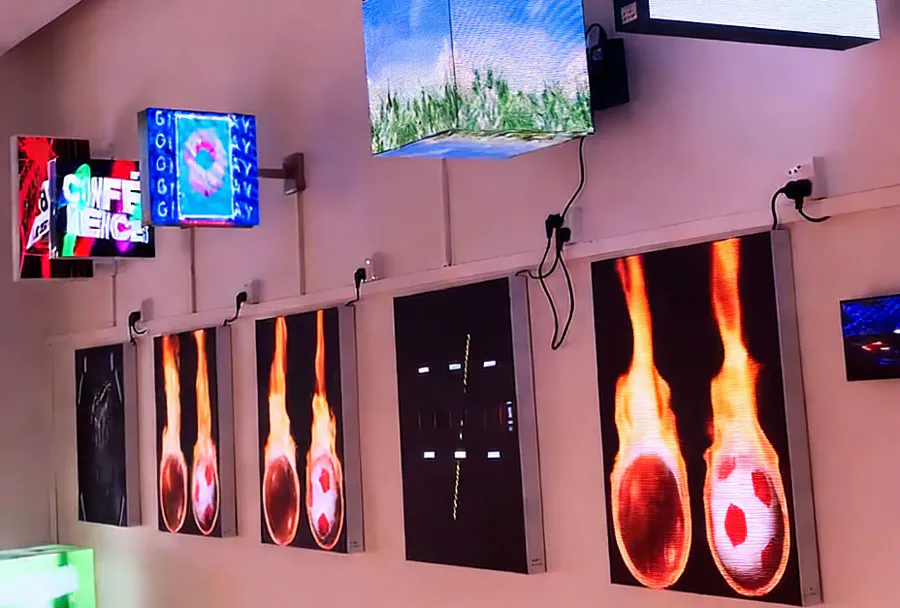
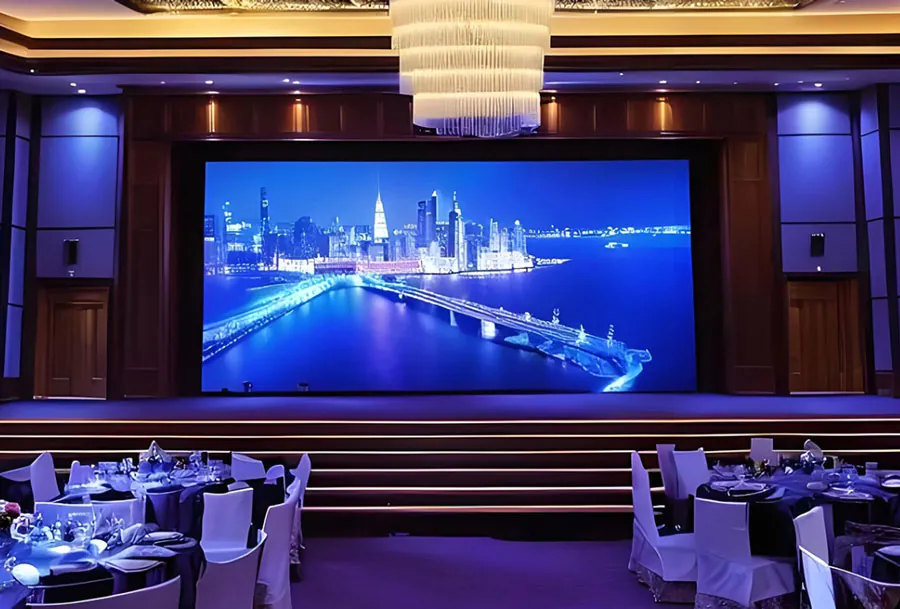
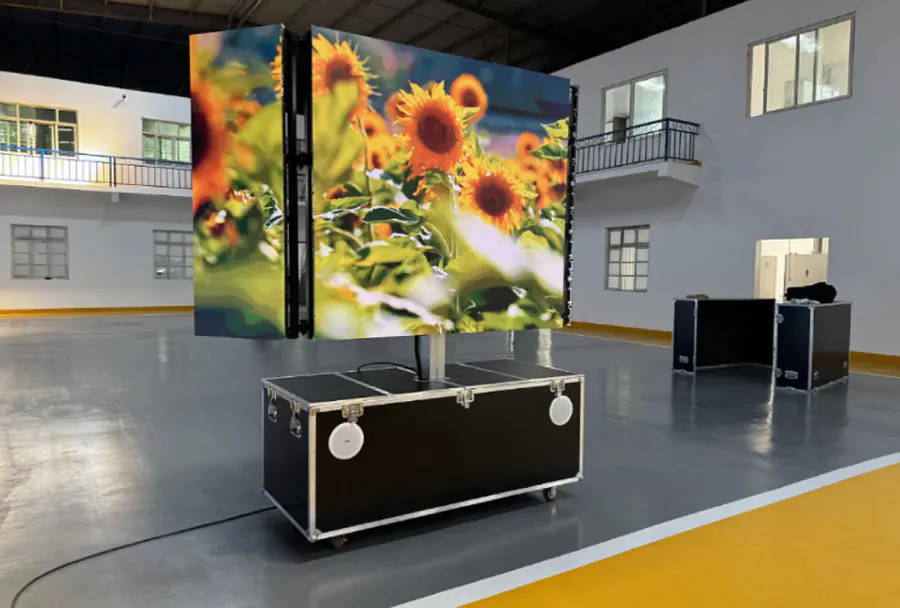
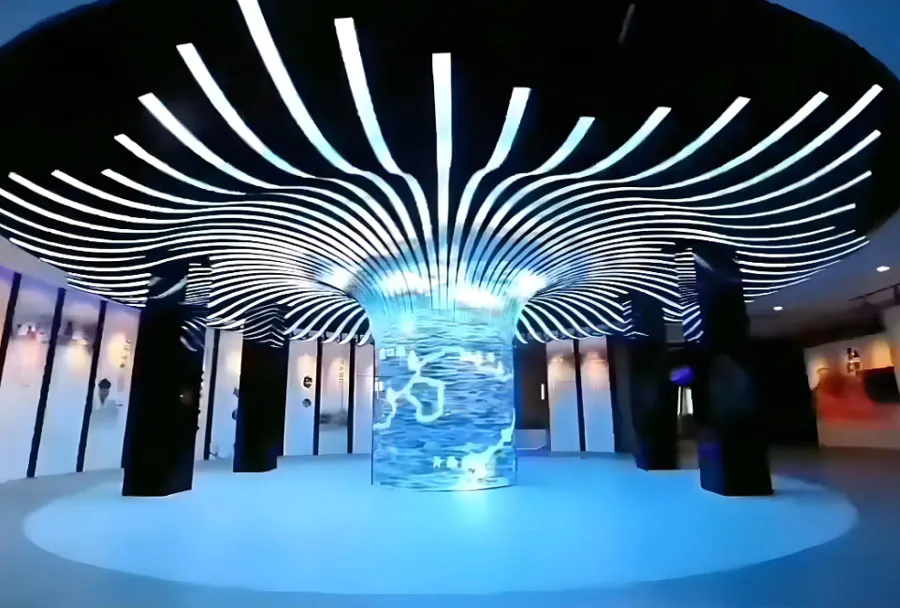
– Flexibility for events and wayfinding: Scalable panels can be configured as curved walls, sculptural installations, or immersive backdrops for corporate events and exhibitions.
Beyond aesthetics, energy-efficient LED technology reduces operating costs compared to older display technologies while offering controllable brightness to suit day/night lobby environments. Front-service designs simplify maintenance without major downtime, an important consideration for spaces that must remain welcoming 24/7.
Enabling mission-critical clarity in control rooms
Control rooms demand reliability, uptime, and precision. TW VISION fine pitch LED panels address these needs in several ways:
– Improved data density: Operators can display multiple data streams, high-resolution maps, and detailed CCTV feeds on a single wall without losing clarity.
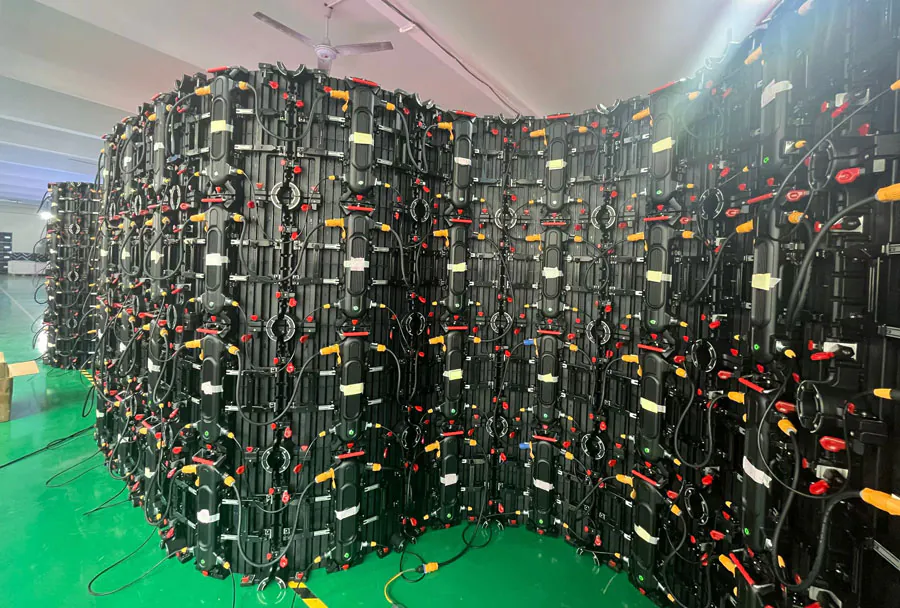
– Redundancy and reliability: Modular construction allows hot-swappable modules and redundant power/processing paths to minimize interruptions.
– Consistent color and brightness: Factory or field calibration ensures uniformity across panels so no critical detail is obscured by brightness shifts or color mismatches.
– Low-latency signal processing: High refresh rates and low-latency controllers ensure real-time visual updates crucial for security, transportation management, emergency services, and industrial control systems.
Combined, these attributes enhance decision-making speed and accuracy while reducing operator fatigue during extended monitoring periods.
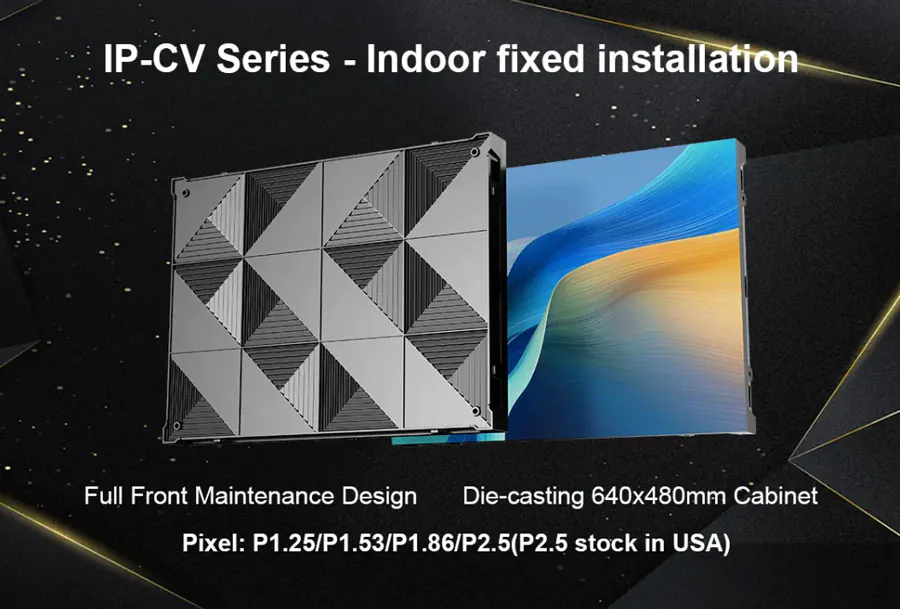
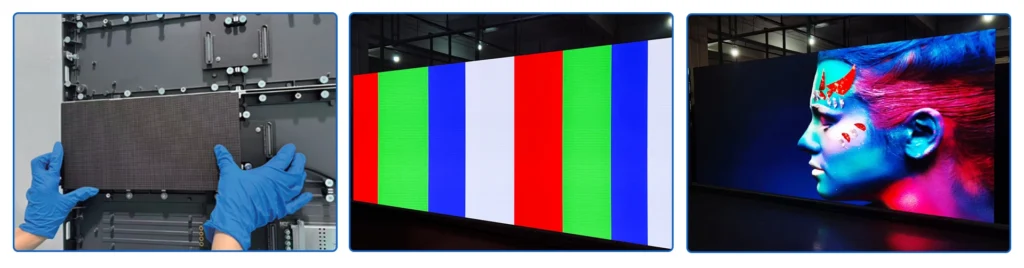
P0.9 COB LED screen for installation usage-made by TW VISION.
Practical considerations: installation, calibration, and content management
Successful integration goes beyond selecting panels. Best practices include:
– Site assessment: Evaluate ambient light, sightlines, and viewing distances. For lobbies, windows and daylight influence brightness choices; in control rooms, ceiling height and operator seating patterns determine optimal wall size and pixel pitch.
– Structural support: Fine pitch arrays and their mounting hardware require precise, stable frames for perfect alignment and long-term reliability.
– Power and thermal planning: Proper cooling, ventilation, and power distribution protect electronics and extend lifetime.
– Calibration and color management: Use professional calibration tools to achieve a consistent grayscale and color balance across all modules. Periodic recalibration maintains uniformity as panels age.
– Content strategy and control systems: Advanced content management systems (CMS) facilitate scheduling, remote monitoring, source switching, and multi-window layouts for operational flexibility.
A holistic approach that includes service contracts, spare module management, and remote diagnostics minimizes downtime and ensures predictable lifecycle costs.
One Fine-Pitch LED Display, Two Different Acceptance Tests: Corporate Lobbies vs. Control Rooms
Define Acceptance Around the Viewer’s Task
A lobby display should pass a presentation test; a control-room display should pass an operational readability test. A shared product specification does not establish that either installation meets its purpose.
Start with the decisions viewers must make. Lobby visitors may need to recognize a brand, find reception, or read an event notice while walking past; control-room operators may need to distinguish an alarm state, identify a source, and read a timestamp from an assigned seat.
The W3C states that ordinary text should have “a contrast ratio of at least 4.5:1,” subject to the exceptions in its Contrast Minimum guidance. Treat that as a reference for content design, then verify the rendered result in the room.
| Acceptance priority | Corporate lobby | Control room | Action to take |
|---|---|---|---|
| Viewing position | Visitor routes | Operator seats | Mark test locations |
| Content | Brand media, notices | Dashboards, alarms | Load actual sources |
| Ambient light | Entrance daylight | Working light | Test operating conditions |
| Color | Brand consistency | State recognition | Check approved references |
| Failure response | Presentation recovery | Information continuity | Rehearse recovery |
One Fine-Pitch LED Display、Two Different Acceptance Tests: Corporate Lobbies vs. Control Rooms should therefore lead to separate acceptance sheets, even when the hardware matches.
Consider a dashboard that looks clear from the commissioning position but has unreadable labels at the rear operator seat. The correct response is to assess layout, scaling, and viewing distance before accepting the installation.
How to apply this: List each audience, its viewing positions, and its essential reading tasks, then assign an observable pass condition to each.
Test Brightness and Uniformity in the Actual Room
Accept brightness at usable operating settings, and assess uniformity across the installed wall. Maximum output alone does not demonstrate a comfortable or readable installation.
A lobby near glazing needs assessment under representative daylight conditions. A control room needs assessment under its normal working illumination, including any lighting scene used during extended monitoring.
Record the active brightness setting, room-light condition, measurement location, and instrument used. Without those details, a later measurement cannot reliably establish whether the display changed or the test conditions changed.
VESA’s DisplayHDR program evaluates multiple aspects of display performance, including luminance and black level. That provides a useful reminder to assess more than brightness, although a DisplayHDR specification should not automatically become the acceptance standard for a direct-view LED wall.
Use neutral gray, white, and dark fields to inspect cabinet boundaries, tint differences, and near-black behavior. Then return to representative content, because a uniform test pattern and an operational dashboard reveal different problems.
One Fine-Pitch LED Display、Two Different Acceptance Tests: Corporate Lobbies vs. Control Rooms requires different judgments about the same measurement: acceptable lobby output may be uncomfortable in a dim monitoring room.
A common scenario is a wall calibrated at high output that shows visible cabinet differences after operators reduce brightness. Acceptance should cover the settings people will actually use.
How to apply this: Save agreed operating presets and assess brightness, color consistency, and dark detail at each preset under the corresponding room-light condition.
Verify the Entire Content and Signal Path
Test readability through the complete production signal chain, using the content viewers will actually see. A processor-generated pattern cannot prove that an application, player, scaler, and wall work correctly together.
For a lobby, examine brand artwork, fine logo details, subtitles, and transitions. For a control room, examine dashboard labels, map symbols, alarm banners, timestamps, and source changes from each assigned viewing position.
The W3C’s Use of Color guidance states that color must not be the only visual means of conveying information. For operational content, this supports checking whether an alarm remains identifiable through a label, icon, or another visible cue.
One Fine-Pitch LED Display、Two Different Acceptance Tests: Corporate Lobbies vs. Control Rooms also changes how you evaluate processing. Attractive promotional footage cannot establish that small operational text survives scaling without loss of clarity.
Check source resolution, desktop scaling, cropping, aspect ratio, and any processing that alters text edges. Confirm that dashboard borders and status indicators remain visible when the full layout is displayed.
Brompton Tessera is an LED processing platform with control software and test-pattern functions. On compatible installations, its patterns can help isolate display-path issues; they should complement testing with the actual content sources.
How to apply this: Run an approved content set through the production player, application, and processor, then record readability and cropping results from the agreed viewing positions.
Return on investment: quantifying benefits for stakeholders
Investment in fine pitch LED walls often pays back through a combination of hard and soft returns:
– Increased engagement: In lobbies, higher visitor engagement can amplify marketing effectiveness and corporate perception.
– Operational efficiency: In control rooms, clearer visual data reduces error rates and accelerates response times, translating to measurable operational savings.
– Reduced replacement and maintenance costs: LED panels typically outlast older projection or LCD video walls and are easier to service in modular designs.
– Energy savings: Modern LED modules deliver brightness with lower wattage than legacy technologies, reducing utility costs over time.
Below is an analytical comparison to help decision-makers evaluate the impact of TW VISION fine pitch LED panels across typical corporate use cases.
| Feature | Benefit in Lobbies | Benefit in Control Rooms | Technical Consideration | ROI / Notes |
| Pixel Pitch (0.9–1.5 mm) | Sharp branding and video at close range | Legible small text and maps for operators | Choose pixel pitch based on minimum viewing distance | Higher initial cost, with potentially greater visual impact |
| Color Accuracy & Calibration | True brand colors and consistent marketing visuals | Accurate telemetry colors for critical decisions | Requires periodic calibration and compatible hardware/software | Reduces the risk of misinterpretation and supports user trust |
| Brightness & Contrast | Visibility in daylight and dramatic visuals | Clearer images under mixed lighting conditions | Control brightness to maintain visibility and avoid eye strain | Energy-efficient models can lower operating costs |
| Modular Serviceability | Minimizes downtime in public-facing areas | Hot-swappable modules may help reduce service interruptions | Choose front or rear access based on site constraints; verify hot-swap support for the selected model | Reduces maintenance disruption and can make support costs more predictable |
| Control & Content Integration | Dynamic CMS for marketing and event scheduling | Multiple input sources and real-time data feeds | Confirm compatibility with AV control systems and security networks | Improves operational flexibility and effectiveness |
Design strategies for maximal impact
Designers and facility managers can apply several strategies to amplify the effect of fine pitch LED walls:
– Layer content: Use a mix of brand storytelling, ambient motion graphics, and real-time feeds to keep lobbies engaging without overwhelming visitors.
– Zoning and privacy: In control rooms, zone screens for public-facing information versus sensitive operational data. Consider sightline control and access management for security.
– Acoustic and ambient integration: Coordinate LED placement with lighting and acoustic treatments to create cohesive spaces that are comfortable and functional.
– Scalable installations: Start with a core wall and plan for modular expansion as needs grow or budgets allow.
– Accessibility and ergonomics: For control rooms, ensure wall height and angle reduce neck strain and that critical content is centered at operator eye level.
Real-world outcomes and use cases
Companies using fine pitch LED walls report a range of positive outcomes. In lobbies, installations often result in higher visitor dwell time, improved brand recall, and better suitability for VIP events and virtual product showcases. In control rooms, organizations notice reduced incident response times, clearer team coordination, and easier integration of disparate data streams into unified displays.
Specific sectors that benefit include corporate headquarters, financial trading floors, utilities and public safety control centers, transportation operations centers, and higher-education campus hubs.
Choosing the right TW VISION solution
When evaluating TW VISION fine pitch LED panels, decision-makers should consider:
– Pixel pitch matched to viewing distance and content type.
– Panel size, aspect ratio, and physical mounting options.
– Serviceability needs (front vs. rear access) and redundancy features.
– Integration capabilities with existing AV and control systems.
– Warranty, local support, and availability of spare modules.
Partnering with experienced integrators ensures proper site assessment, structural preparation, and commissioning — all critical to achieving the promised visual and operational outcomes.
Frequently Asked Questions About One Fine-Pitch LED Display、Two Different Acceptance Tests: Corporate Lobbies vs. Control Rooms
Edge cases should be resolved through explicit contract language and evidence tied to the installed system.
Who should approve a display when several departments share ownership?
Assign a final acceptance owner, with named reviewers for facilities, content, and operations.
One Fine-Pitch LED Display—Two Different Acceptance Tests: Corporate Lobbies vs. Control Rooms can otherwise produce conflicting approvals. For example, in a shared headquarters facility, the marketing team might approve the brand appearance, while the operations team still rejects dashboard usability. As a result, the same display may satisfy one department’s visual requirements but fail to meet another department’s operational needs. Therefore, buyers should define separate acceptance criteria for each use case before approving the final display configuration.
Keep those decisions visible, and require unresolved defects to have an owner and an agreed disposition before final sign-off.
How should you assess a wall that will appear on camera?
Include the intended camera, lighting, frame-rate, and shutter settings in a separate capture test. One Fine-Pitch LED Display、Two Different Acceptance Tests: Corporate Lobbies vs. Control Rooms does not establish camera suitability. A lobby wall may look acceptable to visitors yet show bands or moiré during a filmed interview.
Review recorded footage at delivery quality, and record the approved camera setup because changing it can change the result.
What should happen if replacement LED modules look different?
Treat a visible replacement mismatch as a service acceptance issue and follow the supplier’s documented matching procedure. One Fine-Pitch LED Display、Two Different Acceptance Tests: Corporate Lobbies vs. Control Rooms should include the intended spare-module strategy. A replacement from another production batch may require adjustment or further supplier support.
Preserve calibration records and inspect the repaired area at the operating presets before closing the service ticket.
When can a remote demonstration support acceptance?
A remote demonstration can support document reviews and software checks. However, it cannot fully reproduce every on-site viewing condition. Therefore, the acceptance process for **one fine-pitch LED display in two different environments—corporate lobbies and control rooms—**still requires evidence from the installed environment. For example, lighting conditions, viewing distances, and ambient reflections may differ significantly between the two locations. As a result, remote checks alone may not reveal every potential issue. If travel restrictions prevent in-person attendance, buyers should instead nominate an on-site witness to follow the agreed procedure, record the test results, and document any deviations. In this way, they can improve the reliability and traceability of the final acceptance process.
Use remote video to observe actions, while retaining original instrument reports and photographs as separate evidence.
Why should procurement retain access to configuration backups?
Your organization needs a documented way to restore the installation and obtain authorized support. One Fine-Pitch LED Display、Two Different Acceptance Tests: Corporate Lobbies vs. Control Rooms extends into ownership after handover. If an integrator changes staff or stops supporting the site, missing backups or unclear access rights can delay repairs.
Specify backup delivery, account ownership, licensing obligations, and secure credential transfer in the procurement documents.
Conclusion: Turn Acceptance Into a Usable Record
Accept the display against its real purpose, with evidence your team can repeat. One Fine-Pitch LED Display、Two Different Acceptance Tests: Corporate Lobbies vs. Control Rooms captures the central distinction: a presentation surface and an operational information surface need different proof of success.
Your acceptance package should connect the intended experience to specific checks:
– Define the viewer’s task and assess it from the actual viewing position.
– Measure brightness and color under agreed room conditions and operating presets.
– Test production content through the complete signal path.
– Demonstrate recovery and hand over settings, records, and restoration instructions.
Agree on references and pass conditions before commissioning begins. This gives suppliers a clear target and gives your team a practical basis for resolving defects.
Start by drafting separate lobby and control-room acceptance sheets, then ask the supplier to show how each requirement will be demonstrated.