Professional Big Digital LED Screen Rental Toronto for Concerts & Festivals

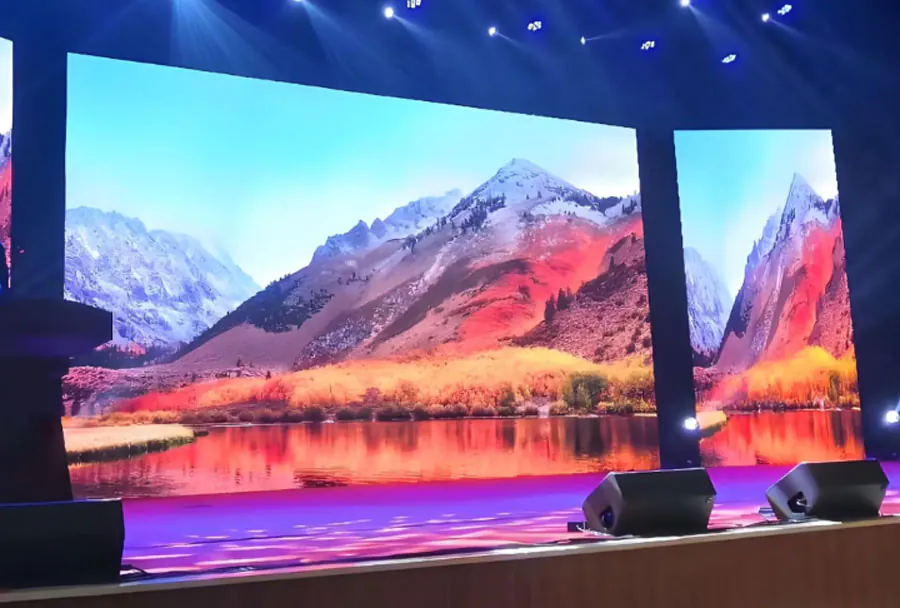
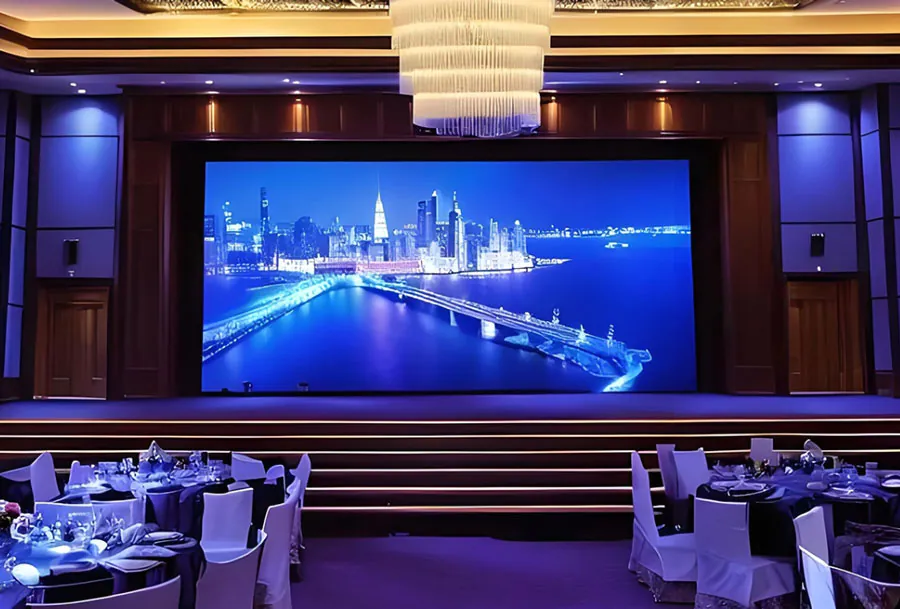
In the fast-paced live events market, large digital LED screens have become indispensable tools for creating memorable audience experiences at concerts and festivals. In Toronto—a city with a highly competitive live entertainment scene—organizers depend on professional LED screen rentals to ensure visibility, branding opportunities, and immersive visual storytelling. A big LED screen does more than display images; it amplifies emotion, enhances production value, and solves sightline challenges for large crowds in outdoor and indoor venues.
Understanding LED Display Technology: Key Specifications Event Professionals Must Know
Choosing the correct LED display for a concert or festival requires a working knowledge of core technical parameters:
– Pixel pitch: The distance between LED pixel centers, measured in millimeters (mm). Smaller pixel pitches (e.g., P3–P6) deliver higher resolution and close viewing, while larger pitches (P6–P16+) suit long-distance outdoor viewing.
– Resolution and aspect ratio: Resolution is tied to screen dimensions and pixel pitch. For live camera feeds, maintaining consistent aspect ratios avoids distortion and black bars.
– Brightness (nits): Outdoor concerts often require 5,000–10,000 nits for daylight visibility; indoor screens can operate at lower brightness (800–2,500 nits).
– Refresh rate and grayscale: High refresh rates (≥3,840 Hz) reduce flicker on camera and improve broadcast compatibility. High grayscale depth improves color gradients and video quality.
– Weatherproofing and IP rating: Outdoor screens should be rated at least IP65 for water resistance and dust protection.
– Viewing angle and contrast: Wide viewing angles help dispersed festival crowds; high contrast ratios deliver better blacks under stage lighting.
– Control systems and signal chain: Media servers, video processors (scalers), synchronization (genlock), and redundancy are critical for live events.
Types of Big LED Screens for Concerts & Festivals
Event producers can choose from several LED screen form factors:
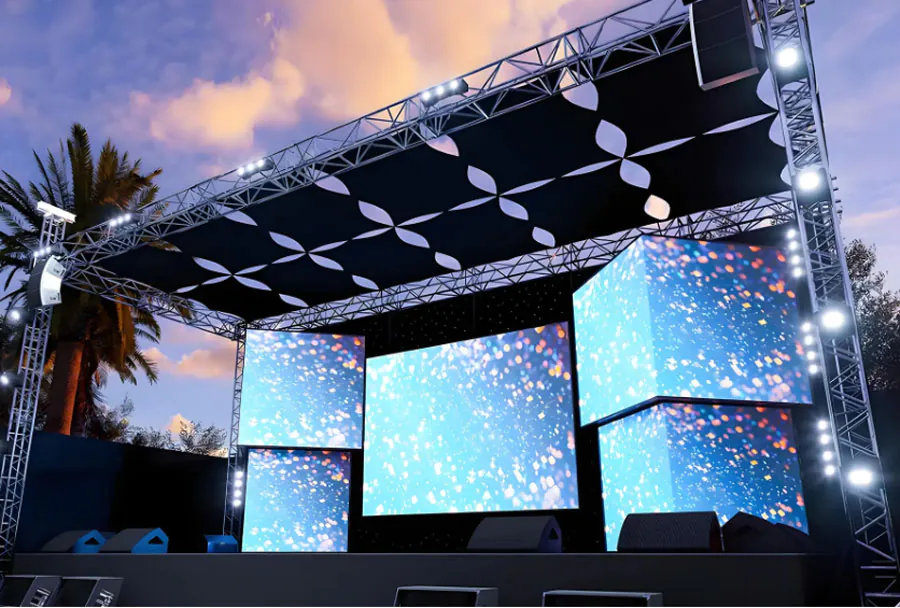
– Outdoor fixed-rig LED walls: Large, high-brightness walls used as stage backdrops or field screens. Often modular panels assembled on truss systems.
– Mobile trailer-mounted screens: Self-contained units with faster deploy times, suited for smaller festivals or ad-hoc events.
– Center-hung and flown screens: Suspended screens above stage or arena floors for large multi-camera shows.
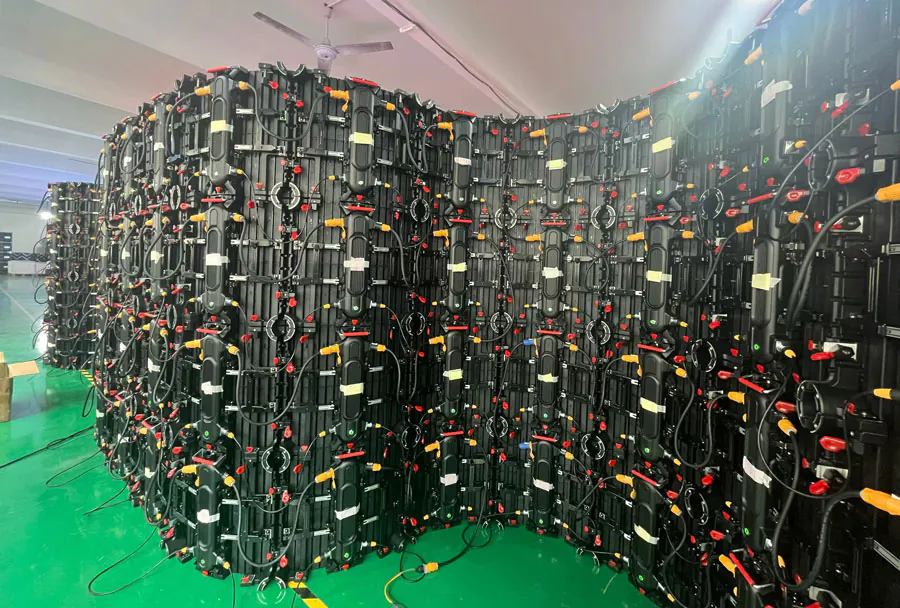
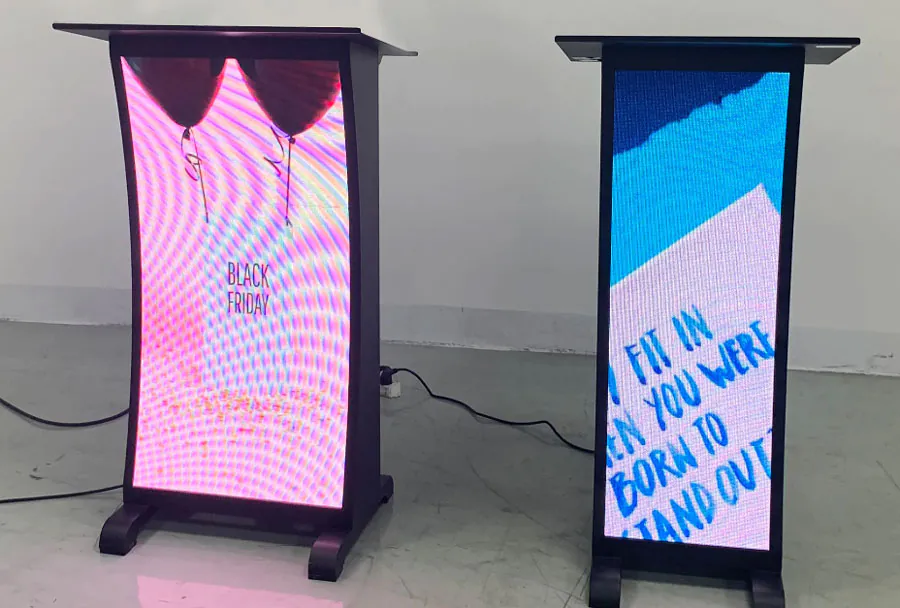
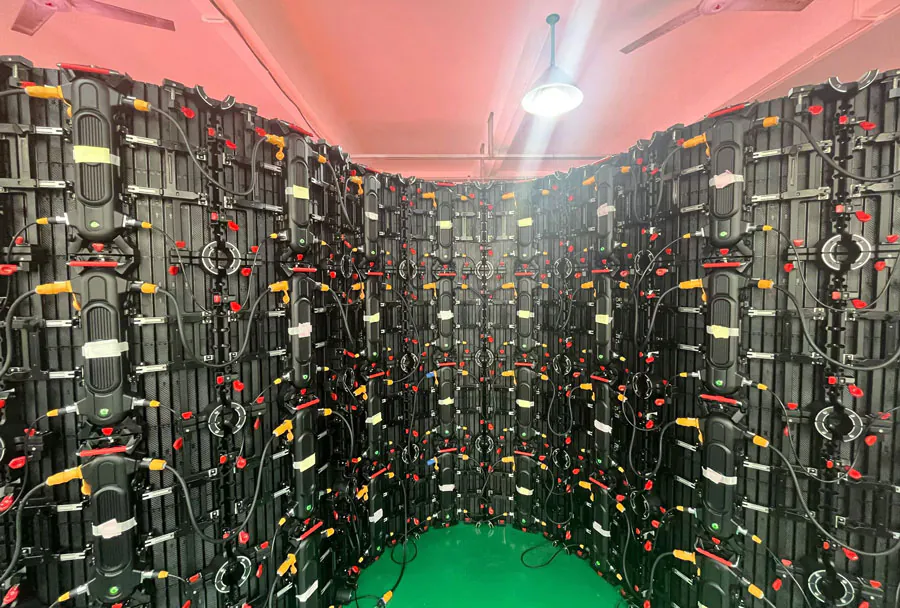
– Curved and flexible LED surfaces: For immersive stage design and wrap-around visuals.
– Ribbon and fascia displays: Long, narrow displays for perimeter branding or stage lip fills.
Each configuration has tradeoffs in weight, rigging complexity, pixel pitch options, and cost. For outdoor festivals common choices are P6–P10 for very large distance viewing and P4–P6 for medium-stage distances.
Sizing and Viewing Distance: How to Specify the Right Screen Dimensions
Sizing a screen is a combination of sightline analysis and pixel pitch selection. Use a simple rule of thumb: comfortable viewing distance (in meters) ≈ pixel pitch (in mm) × 100. For example, P6 (6 mm) is optimal for viewing at ~600 meters for legibility of text and smaller elements; more conservative approaches use 80× pixel pitch for clearer images. Consider:
– Close viewing (front-of-stage crowd): P3–P4 recommended if audience is within 30–50 meters.
– Medium-range festival viewing: P6–P8 suitable for 50–150 meters.
– Long-range or stadium viewing: P10–P16 appropriate for distances beyond 150 meters.
Take into account stage height, elevation of standing areas, tiered seating, and camera positions that will feed the screen.
Analysis Table: Comparing Common LED Screen Options for Toronto Concerts & Festivals
| Screen Type | Typical Pixel Pitch | Ideal Viewing Distance | Brightness (nits) | Best Use Cases |
|---|---|---|---|---|
| Outdoor Modular LED Wall (High-Res) | P3–P6 | 30–150 meters | 5,000–8,000 | Main stage backdrops, artist visuals, live camera |
| Outdoor Modular LED Wall (Large Format) | P8–P12 | 80–300+ meters | 6,000–10,000 | Festival field screens, distance viewing, sponsor playback |
| Trailer-Mounted Mobile Screen | P8–P12 | 50–250 meters | 6,000–8,000 | Pop-up shows, community festivals, city events |
| Center-Hung Arena Screen | P4–P8 | 10–100 meters | 3,000–6,000 | Arena concerts, multi-camera broadcast, scoreboards |
| Flexible/Curved LED Surface | P3–P6 | 20–120 meters | 4,000–7,000 | Creative stage design, wrap-around visuals |

Logistical Considerations in Toronto: Permits, Power, and Site Planning
Toronto has municipal bylaws, union requirements, and park/venue rules that influence LED screen deployment. Key points:
– Permits and approvals: Outdoor festivals often require permits from City of Toronto (special events office), Parks, and in some cases, local Business Improvement Areas (BIAs). Screens over public rights-of-way or near heritage buildings may require additional approvals.
– Noise and light curfews: Coordinate screen brightness and potential nuisance lighting with event curfews and neighborhood stakeholders.
– Power requirements: Large LED walls can draw significant power. A 10×20 m outdoor wall might require multiple 200 A circuits or a temporary generator farm. Always have load calculations performed by a licensed electrician and provide UPS or generator redundancy for critical control systems.
– Rigging and groundworks: Truss, ballast, and structural engineering may be required, especially for flown screens. Municipal inspections can be mandated prior to public access.
– Transportation and access: Oversized LED panels and trussing require truck loading zones and staging areas for assembly. Plan load-in during off-peak hours in Toronto to avoid traffic and parking enforcement issues.
Installation, Rigging, and Structural Safety
Rigging a large LED screen is a specialized discipline:
– Structural analysis: For flown screens, a qualified rigger and structural engineer must verify suspended loads, wind loading, and safety factors.
– Wind and weather protocols: Establish wind speed thresholds for operating and for safe-down procedures. Most outdoor LED rigs should be secured and dismantled before sustained winds exceed manufacturer thresholds (often 25–35 km/h depending on surface area).
– Protective measures: Use weather-rated connectors and covers for power and data. Secure all cabling to prevent trip hazards and water ingress.
– Redundancies: Dual power feeds, redundant media servers, and backup link paths (fiber and SDI) reduce single points of failure.
– Onsite trained crew: Professional LED rental companies provide certified riggers, technicians, and safety officers to supervise installations and comply with Ontario’s occupational health and safety requirements.
Control Systems, Signal Chain, and Synchronization
A robust signal chain is essential for live performance integration:
– Media servers: Watchout, Resolume, disguise, or similar media servers manage multi-layer compositing, pixel mapping, and show automation.
– Video processors and scalers: Ensure the screen’s pixel layout maps correctly to incoming signals. Video processors like Brompton, Novastar, or Analog Way handle scaling, color calibration, and bezel compensation.
– Camera feeds and latency: Low-latency video routing is critical for live camera-to-screen feeds to avoid perceptible lag relative to audio. Aim for end-to-end video latency below 60 ms for seamless audio-visual sync.
– Genlock and timecode: Use genlock to synchronize cameras and servers for multi-camera switching and frame-accurate playback.
– Monitoring and control: Provide local and remote monitoring of LEDs (temperature, voltage), test patterns, and a control console for brightness/color tuning.
Content Preparation: Best Practices for High-Impact Visuals
Good visuals start before the screen arrives:
– Native resolution assets: Produce content at resolutions that match the LED wall’s pixel matrix to avoid improper scaling. If the exact native resolution is impossible, design visuals that scale cleanly.
– Safe areas and typography: Large venue screens require oversized fonts and high-contrast designs. Keep critical text within safe areas and use sans-serif fonts with high weight.
– Camera framing: When showing live performers, frame with the screen’s aspect ratio in mind. Directors and camera operators should rehearse shot compositions for screen crops and stage lighting.
– Dynamic content: Use motion design, live camera mixes, lyric graphics, sponsorship spots, and interactive visuals to maintain engagement during set changes.

– Pre-show calibration: Run color calibration and grayscale tests at event lighting levels; stage lighting can shift perceived color temperature.
Typical Rental Packages and Costing in Toronto
Costs vary widely based on size, pixel pitch, duration, and service level. Typical rental brackets:
– Basic package (small festival or community concert)
– Screen size: 12’×8′ trailer or small modular wall
– Pixel pitch: P8–P10
– Services: Delivery, basic install, operator for event opening/closing
– Typical cost: US$2,500–$7,500 per day (depending on logistics)
– Professional package (mid-size festival main stage)
– Screen size: 20’×12′ to 40’×20′ modular wall
– Pixel pitch: P4–P6
– Services: Full install, rigging, media server, technician(s), LED calibration, generator
– Typical cost: US$12,000–$35,000 per day
– Premium production (large headline concerts/arena shows)
– Screen size: 50’×30’+ flown/modular configurations
– Pixel pitch: P3–P6
– Services: Lead techs, redundancy, multi-camera integration, custom fabrication
– Typical cost: US$40,000–$150,000+ per event
These figures are indicative; Toronto-specific costs can be higher due to union labor, permit fees, weekend surcharges, and transportation. Always obtain itemized quotes and confirm what’s included: freight, labor hours, cabling, scaffolding, and onsite support.
Choosing the Right Rental Vendor: Questions to Ask
When evaluating LED rental companies, ask these critical questions:
– Can you provide references and recent Toronto event case studies?
– What is your experience with municipal permitting and local unions?
– Do you supply certified riggers and electrical contractors?
– What are your redundancy policies for critical components (power, servers)?
– Are your products IP-rated and suitable for Toronto weather conditions?
– What warranties, SLAs, and on-site support are included in the rental?
– Can you handle video production, content scaling, and camera feeds?
A reputable vendor provides transparent contracts, insurance certificates, and a detailed deployment plan including contingency scenarios.
Health & Safety, Insurance and Compliance
Safety is non-negotiable:
– Insurance: Require the vendor to carry general liability and equipment insurance; your event policy should list the vendor as an additional insured where possible.
– Electrical safety: All temporary power must meet Ontario Electrical Safety Code and be installed by licensed electricians.
– Crowd safety: Screen placement should not create sightline obstructions or choke points. Emergency egress routes must remain clear.
– Worker safety: Rigging and working at height require fall protection, certified gear, and compliance with relevant workplace safety legislation.
Maximizing ROI: Visual Strategies that Deliver Value
Big LED screens are expensive but deliver measurable returns:
– Sponsorship inventory: Allocate screen time to sponsors and sell premium visual ad slots during high-attendance windows.
– Social & interactive moments: Use live social feeds, artist shout-outs, and interactive call-to-action overlays to drive brand lift and engagement.
– Enhanced merchandise and VIP upgrades: Offer VIP areas with exclusive screen views or branded visuals to increase secondary revenue.
– Broadcast and streaming: High-quality screen integration improves live streaming visuals and can expand pay-per-view or streaming revenue.
Event Manager’s Checklist: Pre-Event to Strike
Use this condensed checklist to manage LED screen deployment:
– Pre-event:
– Confirm site permits and power availability.
– Get structural and rigging approvals.
– Finalize screen type, pixel pitch, and dimensions.
– Lock content resolution and aspect ratio.
– Schedule load-in times and transport logistics.
– Installation:
– Perform structural inspections and camera sightline tests.
– Calibrate brightness and color at show lighting levels.
– Test redundancy systems, genlock, and timecode.
– Walk through emergency procedures with crew.
– Showtime:
– Monitor temperature, power, and data links.
– Keep a dedicated tech for live adjustments.
– Log any issues and mitigation steps.
– Strike:
– Follow manufacturer best practices for tear-down.
– Ensure proper packing and documentation for any damaged modules.
– Collect final invoices and lessons learned.
Conclusion: Delivering Spectacular Visual Experiences in Toronto
A professional big digital LED screen rental in Toronto can elevate concerts and festivals from good to exceptional. Success depends on matching the right screen specifications to audience distance, ensuring robust power and rigging plans, integrating control systems for low-latency live feeds, and partnering with an experienced vendor who understands local regulations and production demands. Thoughtful content preparation and operational redundancy turn expensive displays into reliable revenue generators and crowd-pleasing focal points. When planned and executed correctly, LED screens become the visual heartbeat of your event—capturing attention, amplifying performances, and creating shareable moments that extend your event’s reach far beyond the venue.

For Toronto-based event teams, begin with a site survey and a clear creative brief. From there, engage vendors early to align technical needs, permits, and budgets. With the right approach, large LED screens will not only solve sightline challenges but will also create unforgettable moments that attendees—and sponsors—remember.