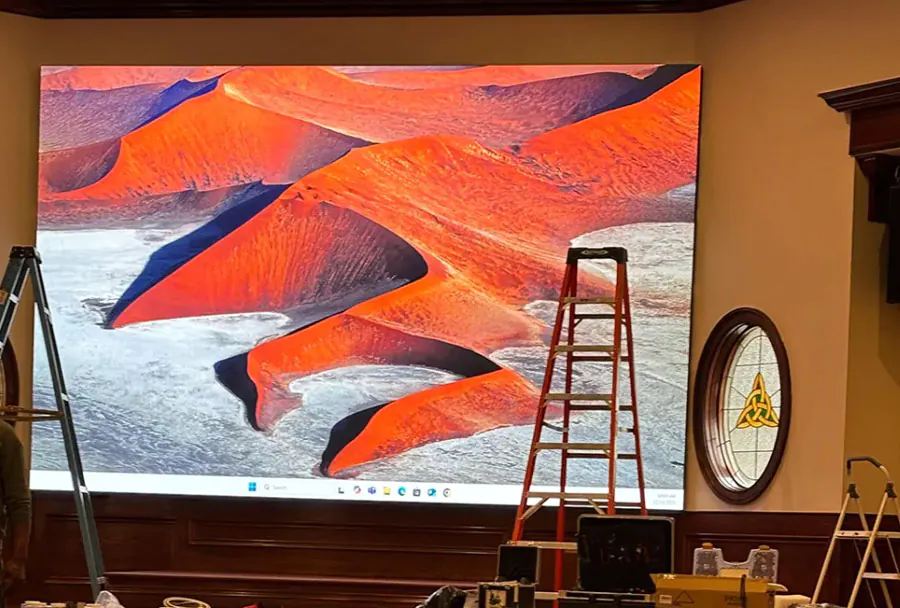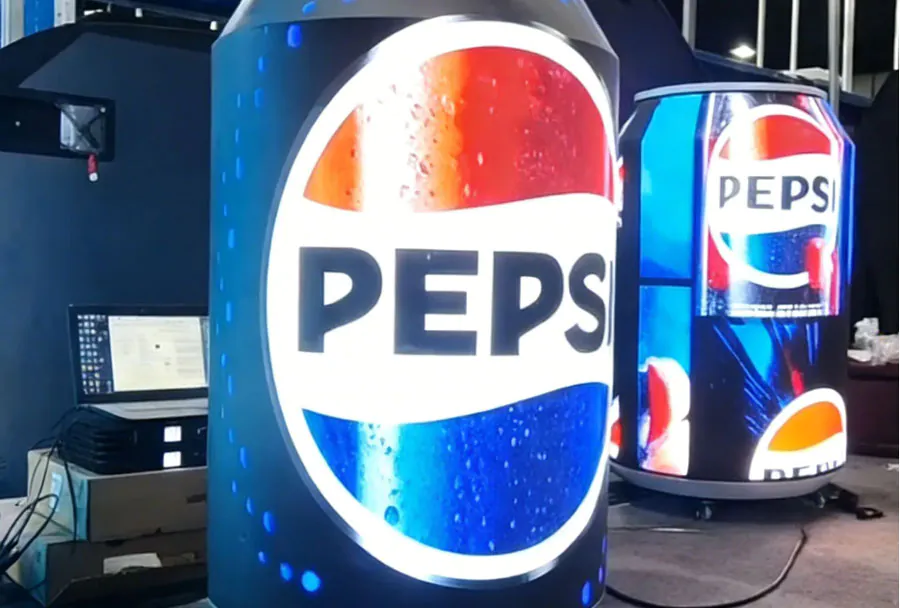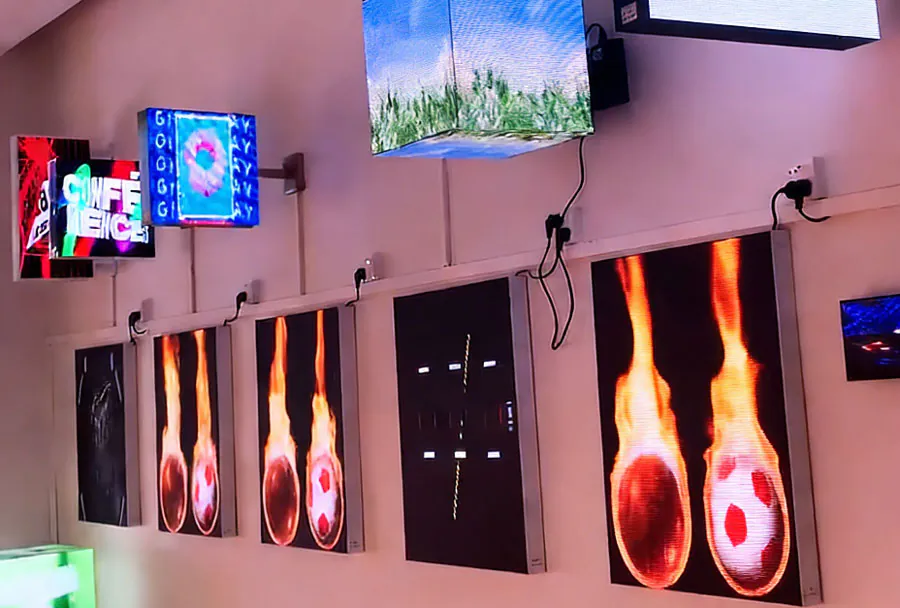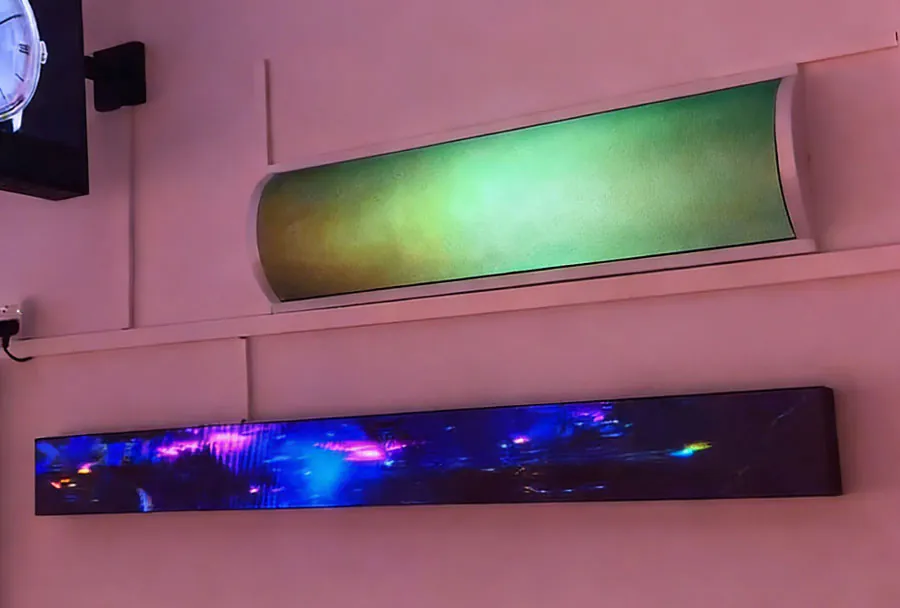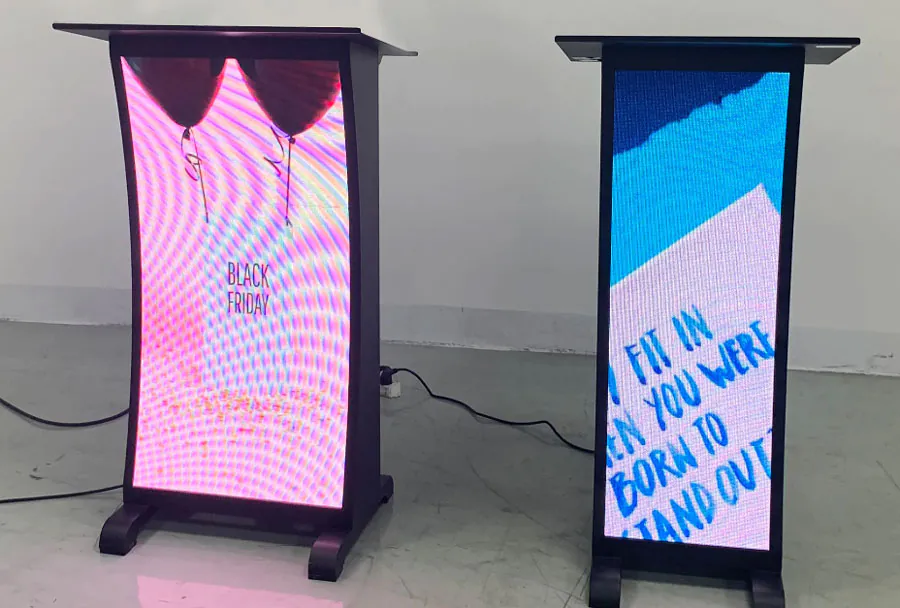
Professional Installation Service for TW VISION Bendable Screen

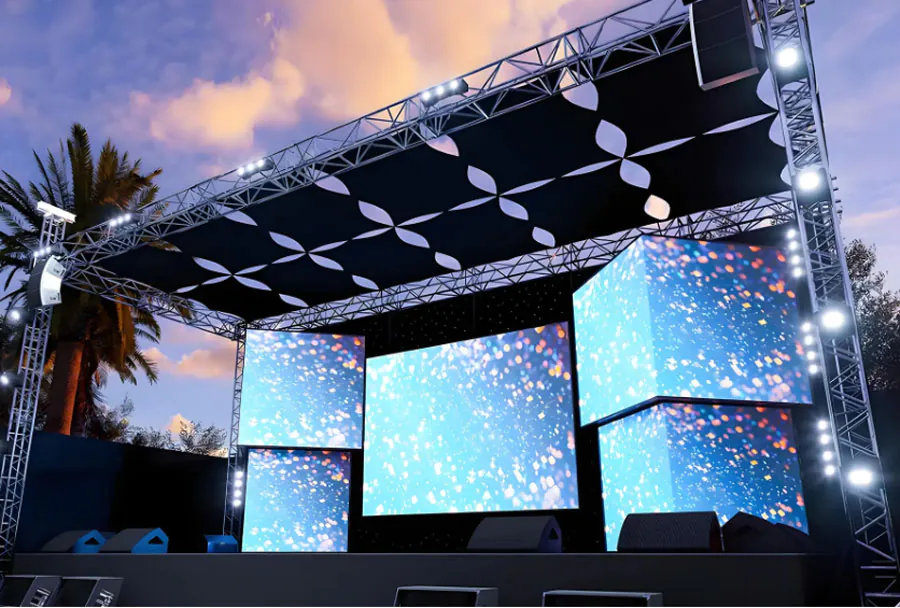
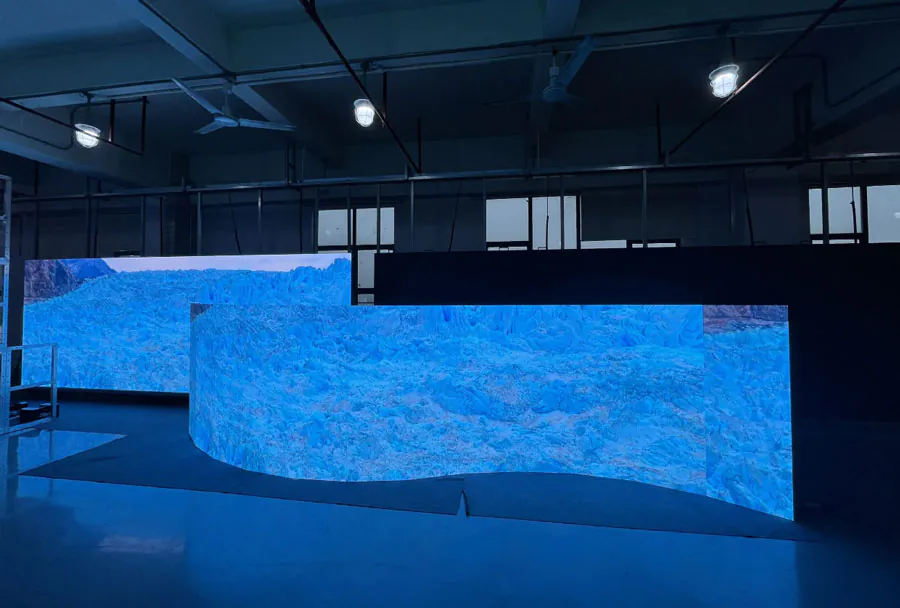
TW VISION’s bendable screen technology opens new creative and functional possibilities for commercial signage, immersive environments, retail displays, corporate lobbies, and control rooms. These screens’ flexibility—capable of convex and concave configurations—creates dramatic visual effects but also introduces installation complexity that exceeds traditional flat-panel displays. A professional installation service is not a luxury; it is a requirement to ensure safety, optimal performance, longevity, and a return on investment.
A successful installation balances structural engineering, precise mechanical alignment, electrical and data integration, environmental protection, and color/brightness calibration. For project owners and integrators, understanding the scope and value of professional installation services for TW VISION bendable screens reduces risk, shortens project timelines, and preserves the manufacturer’s warranty and performance guarantees.
Core Components of Professional Installation
A professional installation service for TW VISION bendable screens typically includes:
– Site survey and feasibility assessment
– Structural and mounting design
– Power and data planning
– Pre-installation module preparation
– On-site mounting and mechanical alignment
– Electrical and network integration
– Calibration, color tuning, and software commissioning
– Safety certification, testing, and client training
– Documentation and preventative maintenance planning
Each of these components requires experienced personnel, specific tools (such as precision alignment jigs and spectroradiometers), and a project management process that coordinates multiple trades.
Site Survey and Feasibility: The Foundation of Success
The installation begins with a comprehensive site survey. Professionals inspect the intended mounting surface, load-bearing capacity, access points, HVAC conditions, lighting environment, and adjacency to fire suppression systems. For bendable screens, additional attention is paid to radius constraints, curvature continuity, and any nearby structures that could limit the desired form.
Key outcomes from the survey include:
– Structural capacity report and recommendations for reinforcements
– Environmental constraints (temperature, humidity, direct sunlight)
– Access and staging logistics
– Required permits and code compliance items
A detailed survey prevents costly surprises during installation and informs the engineering design.
Engineering and Mounting Design
TW VISION bendable screens are mounted using custom-engineered frames, flexible mounting rails, or modular chassis that allow precise curvature while maintaining module alignment and cable management. Professional installers will produce shop drawings that specify attachment points, fastener types, tolerances for curvature, and seismic or wind-load considerations for exterior installations.
Important engineering factors:
– Minimum and maximum curvature radii as specified by TW VISION
– Distributed load calculations to ensure the wall or supporting structure can carry the weight
– Vibration isolation in environments subject to movement
– Consideration for thermal expansion and maintenance access
Professionals coordinate with architects and structural engineers when anchor points could affect the building envelope.
Electrical, Power, and Network Integration
Bendable screens demand disciplined electrical planning. A certified electrician in the professional team will design power distribution consistent with local codes. Considerations include dedicated circuits, UPS or surge protection, grounding and bonding, and layout for power supplies or driver modules.
Network integration includes providing redundant network paths for content distribution, provisioning for management and monitoring, and securing remote access for firmware updates and diagnostics. In high-availability environments, professionals design failover strategies and power monitoring.
Module Handling, Pre-Assembly, and Protection
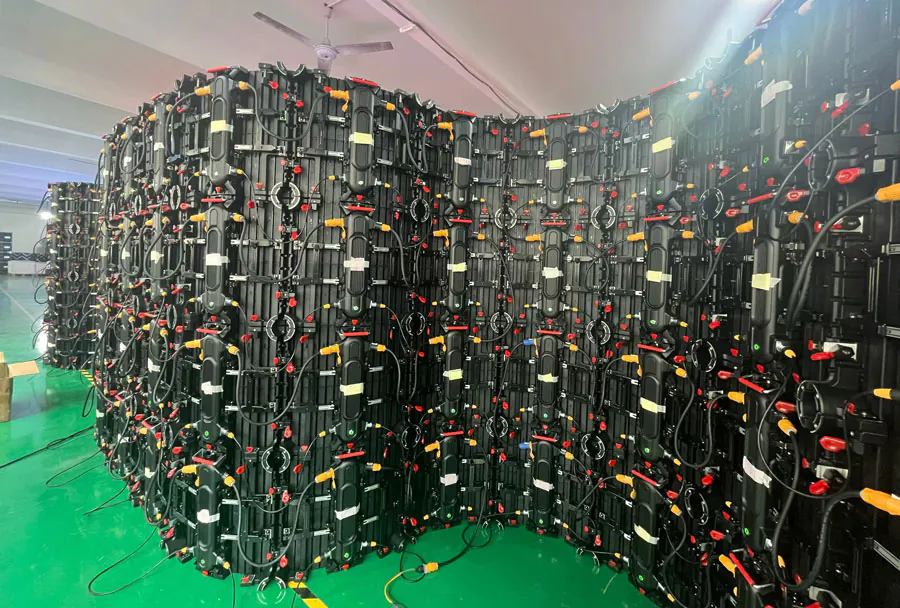
Bendable screen modules are delicate and valuable. Professional installers use static-safe handling, custom crating, and pre-assembly rigs to partially assemble the screen before hoisting into place. This minimizes time spent working at height and reduces the possibility of damage.
Pre-assembly tasks typically include:
– Firmware updates at bench level

– Module-level diagnostics and burn-in
– Cable labeling and harnessing
– Protective film applications where required
Pre-assembly reduces on-site work and improves overall quality control.
Precision Installation and Alignment
Alignment is where professional skill and tooling become critical. Unlike flat LED walls, bendable screens require meticulous module-to-module alignment across a three-dimensional curve. Installers use laser alignment tools, mechanical jigs, and adjustable mounting brackets to achieve seamless joints and correct pixel pitch continuity.
Crucial steps:
– Incremental curvature setting to avoid overstress
– Tight mechanical tolerance checks for gap and overlap
– Verification of cable strain relief and routing
– Continuous verification against the design curvature profile
Proper alignment eliminates visible seams, color inconsistencies, and potential mechanical strain over time.
Color Calibration and Software Commissioning
After physical installation, color uniformity and timing must be calibrated. Professionals use spectroradiometers and colorimeters to measure luminance, color temperature, gamma response, and chromaticity across the entire surface. TW VISION screens can be tuned at the module or sub-module level to achieve consistent color and brightness.
Commissioning tasks:
– Black-level and white-level calibration
– Gamma and color temperature tuning to client spec (e.g., D65, 6500K)
– Pixel mapping and scaling to native resolution
– Integration of content management and scheduling systems
Certification of calibration and a final acceptance test are standard deliverables.
Safety, Code Compliance, and Warranty Considerations
Professional installers ensure that the installation complies with all applicable building and electrical codes, fire safety regulations, and accessibility standards. They document anchor points, fire-rating interactions, and any penetrations in firewall-rated assemblies.
Factory warranties often require certified installation to remain valid. Professional installation ensures that the product is handled, mounted, and commissioned per TW VISION’s specifications, protecting the client’s investment and enabling prompt manufacturer support if issues arise.
Training, Handover, and Maintenance
A professional service includes client training on routine maintenance, emergency procedures, simple diagnostics, and the content management interface. Documentation—wiring diagrams, firmware versions, calibration files, and a maintenance schedule—is provided.
Planned maintenance might include:
– Periodic recalibration and pixel health checks
– Filter and ventilation maintenance (if enclosed)
– Firmware and software updates
– Routine mechanical inspections for fastener integrity and cable tensions
Ongoing maintenance contracts help preserve performance and value.
Cost Drivers and Timeline
Key cost drivers for a professional installation include:
– Complexity of curvature and custom frame fabrication
– Extent of structural reinforcement or modifications
– Access constraints and need for scaffolding or lifts
– Pre-installation testing and burn-in time
– Degree of calibration and content integration needed
– Travel and logistics for specialist technicians
A typical mid-sized project timeline—from initial survey to final commissioning—ranges from 4 to 12 weeks, depending on custom fabrication, permitting, and coordination with other trades.
Analysis Table: Installation Project Phases
| Phase | Responsible Party | Estimated Duration | Key Deliverables | Risk Mitigation |
|---|---|---|---|---|
| Site Survey | Installation Project Manager & TW VISION Technician | 2–5 days | Survey report, structural recommendations, permit list | Detailed checklist, on-site measurements, photo documentation |
| Design & Engineering | Structural Engineer & Design Team | 1–3 weeks | Shop drawings, mounting plans, load calculations | Peer review, compliance checks, stakeholder sign-off |
| Pre-Installation Fabrication | Fabrication Shop & TW VISION | 2–6 weeks | Mounting frames, harnesses, module pre-assembly | Quality inspections, material traceability, mock-up tests |
| On-Site Installation | Certified Installation Team | 3–10 days (varies by size) | Mounted modules, wiring, mechanical alignment | Use of jigs, stage-based sign-offs, safety procedures |
| Commissioning & Training | TW VISION Engineers & Trainer | 1–5 days | Calibration report, acceptance testing, client training | Final acceptance checklist, warranty activation |

Common Challenges and How Professionals Address Them
– Curvature Tolerance Drift: Over- or under-bending can cause stress on modules. Professionals use calibrated bend frames and monitor curvature continuously during installation.
– Uneven Brightness Across Panels: Environmental light and module variance can cause unevenness. Calibrated profiling and masking strategies mitigate these effects.
– Power Distribution Hot Spots: Uneven power routing creates thermal issues. Engineers design power bus routing to balance loads and specify cooling or ventilation solutions.
– Access and Maintenance Limitations: If access panels are poorly planned, maintenance becomes difficult. Professionals design serviceable panels and clear maintenance paths.
– Integration with Existing AV Systems: Network and control incompatibility create delays. A professional team coordinates early with IT and AV teams for protocols, bandwidth, and security requirements.
Case Study Excerpt: Retail Flagship Installation
A multinational retail brand contracted a TW VISION bendable screen for a flagship store fa?ade that required a concave form hugging a column. The professional installation approach included an early structural intervention—reinforcing the column core and installing a custom aluminum subframe. Pre-assembly reduced onsite labor by 40%. Color calibration was executed during closed hours to achieve perfect white balance against ambient storefront lighting. The result: a seamless curved display with high uptime and easy access panels for maintenance.
Key takeaways from the case:
– Early coordination with structural engineering saved remedial work.
– Pre-assembly and dry-runs reduced on-site risktime and protected the modules.
– Nighttime commissioning minimized visual interference from storefront lighting.
Selecting a Certified Installation Partner
When choosing a professional installer, clients should verify:
– Certification and direct training from TW VISION
– Experience with bendable or flexible LED technology
– In-house engineering and certified electricians
– Proven project management procedures and insurance coverage
– References and documented case studies
Ask potential integrators for a pre-install checklist, two or three prior project references of similar scope, and a clear warranty and support escalation plan.
Post-Installation Support and Lifecycle Management
Professional installers typically offer post-installation support that includes:
– A commissioning report and calibration profile
– Preventative maintenance contracts
– Remote monitoring and diagnostics
– On-site corrective maintenance and part replacement
Lifecycle services help ensure the screen maintains color accuracy and structural integrity through its operational life, protecting the initial capital expenditure.
Environmental and Sustainability Considerations
Sustainability is increasingly important. Professional installers can advise on:
– Energy-efficient power management and LED dimming strategies
– Use of recyclable framing materials and modular designs for future reuse
– Lifecycle planning to minimize waste during upgrades or service
– Compliance with local energy codes and sustainability initiatives
These measures contribute to lower operating costs and a reduced environmental footprint.
Final Thoughts and Best Practices
TW VISION’s bendable screens provide unparalleled creative freedom, but that freedom comes with professional responsibilities. Best practices include:
– Start with a detailed site survey and involve structural engineers early.
– Use certified installers trained on TW VISION products to preserve warranties.
– Pre-assemble, test, and burn in modules before on-site installation.
– Employ precision alignment tools and disciplined calibration workflows.
– Plan for power, cooling, and network redundancy from the outset.
– Provide thorough training, documentation, and a preventative maintenance plan.
Investing in a professional installation service delivers superior aesthetics, reliable performance, and reduced long-term risk. For organizations deploying TW VISION bendable screens, the decision to work with a certified installer is an investment in the durability and impact of the display solution.