Professional Rental Outdoor LED Screen Services for Any Occasion

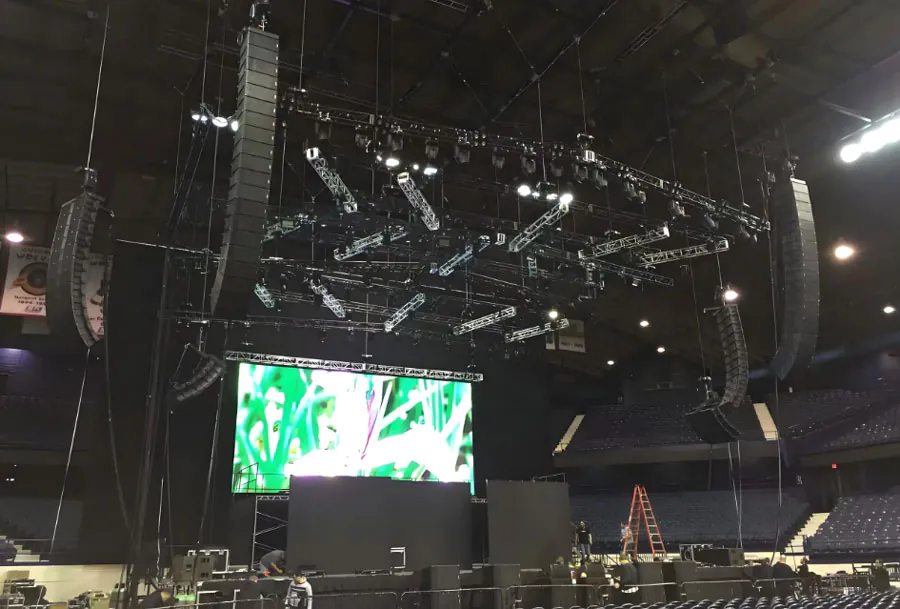
Outdoor events demand visual impact. Whether you’re organizing a music festival, a corporate product launch, a sporting event, or an outdoor wedding reception, the right LED screen can transform the audience experience. Professional rental outdoor LED screen services provide scalable, reliable, and high-quality visual solutions tailored to any occasion. This article explores how these services work, the technical and logistical considerations event planners must weigh, how to choose a vendor, and a practical analysis to help you match screen options with common event types.
Why Choose a Professional Rental for Outdoor LED Screens?
Renting from a professional supplier ensures that you get more than just a display. Quality rental companies deliver end-to-end solutions:
– Expertise and consultation on selecting the correct screen size, pixel pitch, and brightness for your venue and viewing distance.
– Full-service installation, rigging, structural support, and safe mounting options to meet local codes.
– On-site technical support during the event to manage playback, real-time switching, and troubleshooting.
– Weatherproof and high-brightness displays designed specifically for outdoor use with appropriate IP ratings.
– Integration services for live video feeds, camera switching, scoring systems, or sponsor advertising.
A professional vendor reduces risk, saves time, and ensures the visuals match the event’s goals and budget.
Key Benefits of Outdoor LED Screen Rentals
– Visual Impact: High-resolution LED screens deliver vibrant color and contrast even in daylight, ensuring content remains visible and engaging.
– Scalability: Rental fleets include modular panels, allowing screens to be built in many sizes and aspect ratios to fit stages, plazas, or stadium walls.
– Flexibility: Short-term or long-term rental options, with accessory packages such as trussing, scaffolding, stage backdrops, or flight cases.
– Cost Effective: Renting avoids capital expenditure and ongoing maintenance costs of owning a large LED screen.
– Turnkey Support: Professional teams handle delivery, installation, calibration, technical operation, and removal.
Technical Considerations: What Matters Most
Selecting the right LED screen involves technical factors that directly affect image quality and audience experience:
– Pixel Pitch: Measured in millimeters (mm), pixel pitch determines resolution and optimal viewing distance. Smaller pitch (e.g., 2.5–4 mm) is best for close viewing; larger pitch (e.g., 6–10 mm and above) suits large distances.
– Brightness (Nits): Outdoor screens require high brightness (typically 4,000–8,000 nits or higher) to combat sunlight and maintain visibility.
– IP Rating and Weatherproofing: An IP65 or higher rating protects against rain and dust. Rental units should also have wind-rated mounting options.
– Structural Rigging: Ensure the supplier provides engineering calculations for hanging or ground-stacking screens and uses certified rigging equipment.
– Control System and Latency: Low-latency video processing is essential for live feeds, synchronizing multiple screens, or interactive displays.
– Power and Redundancy: Planning for power load, distribution, and backup systems (UPS/generators) is critical, especially in remote locations.
– Content Management: Support for multiple input sources, playback scheduling, and real-time graphics overlays is often provided.
Analysis Table: Matching Screens to Event Needs
| Event Type | Recommended Screen Size | Typical Pixel Pitch (mm) | Brightness (nits) | Typical Rental Duration & Cost (USD) |
|---|---|---|---|---|
| Concert / Music Festival | 20’–60′ wide (stage backdrop or side screens) | 4–8 mm | 6,000–8,000+ | 3–7 days; $8,000–$60,000+ (depends on size & production) |
| Sporting Event | 30’–100′ wide (jumbotron, perimeter) | 6–10 mm | 7,000–10,000+ | 1–3 days; $10,000–$100,000+ |
| Corporate Event / Product Launch | 10’–40′ wide | 2.5–6 mm | 4,000–7,000 | 1–5 days; $3,000–$25,000 |
| Wedding / Private Celebration | 8’–20′ wide (intimate settings) | 3–6 mm | 3,000–6,000 | 1 day; $1,500–$8,000 |
| Outdoor Advertising / Activation | 10’–50′ wide (billboard or activation wall) | 6–10 mm | 6,000–12,000+ | Daily or weekly; $2,000–$40,000+ (varies with duration) |

Note: Price ranges are ballpark estimates and depend on market, location, transportation, and event complexity.
Choosing the Right Vendor: Checklist for Event Planners
When evaluating rental providers, consider these criteria:
– Portfolio and References: Review past events—size, type, and technical complexity. Ask for client references.
– Technical Expertise: Ensure the team includes certified riggers, experienced AV technicians, and an engineer for structural calculations.
– Equipment Quality: Confirm displays are purpose-built for outdoor use, modular, and well-maintained. Ask about the age of panels and spare inventory.
– Service Packages: Does the vendor provide delivery, setup, on-site operation, and takedown? Are rehearsals and tech runs included?
– Insurance and Safety: Verify vendor liability insurance, workers’ comp, and compliance with local permit requirements.
– Redundancy and Support: On-site backup players, spare panels, and a clear escalation plan for failures.
– Content and Playback Support: Some vendors offer creative services or content prep; others just provide hardware.
– Transparent Pricing: Look for clear line items—transport, labor hours, power, permits, and overtime fees.
Logistics: Delivery, Installation, and On-site Management
Logistics planning can make or break the execution:
– Site Survey: A physical or detailed virtual site survey identifies load-in routes, power access, sightlines, and ambient light conditions.
– Permits and Approvals: Local authorities may require permits for temporary structures, amplified sound, or street closures. Vendors often help secure those.
– Rigging and Structural Safety: For flown screens, vendor must provide certified truss and motors, wind-rating analysis, and load calculations.
– Timing and Crew: Coordinate arrival windows, labor schedules, and rehearsal times. Plan for contingencies like weather delays.
– Power Infrastructure: Estimate total wattage, have generators if necessary, and allocate circuits across separate breakers to prevent overloads.
– Cable Management and Audience Safety: Protect cables, ensure emergency egress paths remain clear, and use certified barriers for ground-stacked rigs.
Content Preparation and Technical Operation
Good content drives the value of a large LED screen:
– Aspect Ratio and Resolution: Confirm the native resolution with your vendor; design assets accordingly to avoid cropping or stretching.
– Brightness and Color Calibration: Screens should be color-calibrated on-site to ensure uniformity across panels.
– Playback Systems: Clarify if content will be played back from media servers, laptops, or live video switchers. Confirm compatibility with codecs and frame rates.
– Live Feeds: For live events, plan camera feeds, switching, and redundancy paths. Low-latency encoders are critical for synchronized experiences.
– Safety Messages and Legal Content: For certain events, include required sponsor disclosures, safety announcements, or accessibility captions.
Case Studies: Practical Applications
– Music Festival: A weekend festival used three 30’x18′ ground-stacked LED walls—one center stage and two side wings. Pixel pitch was 6 mm for distant viewing, brightness at 8,000 nits to combat daytime sun. The rental package included camera switching, on-site technical director, and redundant power. Result: Clear visuals from most vantage points and improved sponsor visibility.
– Corporate Launch: A product unveiling used a 20’x10′ center screen with 2.9 mm pixel pitch for close audience viewing and a secondary stage floor LED for effects. The vendor provided content mapping, playback, and a technician to handle live transitions. Result: Sharp product demos and an immersive stage environment.
– Outdoor Wedding: An evening ceremony used a 12’x7′ weatherproof LED screen to show live ceremony feeds and a photo montage. Lower brightness settings were used; pixel pitch 4 mm provided crisp imagery for guests seated within 50–100 feet. Result: Personal, high-impact visuals without overwhelming the intimate atmosphere.
Budgeting Tips and Cost Drivers

Costs vary based on several factors:
– Screen Size and Pixel Pitch: Larger and finer-pitch screens cost more to rent.
– Duration: Daily rates may drop for multi-day bookings, but setup and teardown fees still apply.
– Transportation and Labor: Remote locations increase logistics fees. Night work or overtime raises labor costs.
– Power and Infrastructure: On-site generators, cabling, and additional transformers add to the budget.
– Technical Complexity: Live switching, multi-screen synchronization, and interactive elements require higher-level staffing and equipment.
– Insurance and Permits: Budget for local permit fees and any additional insurance.
To control costs:
– Accurately define sightlines and only rent the necessary screen size.
– Reuse content and limit last-minute changes.
– Book early—suppliers can offer better rates for advance reservations.
– Bundle services (screen + sound + lighting) with a single production vendor to leverage package pricing.
Maintenance, Safety, and Environmental Considerations
Professional vendors should prioritize:
– Regular Maintenance: Panels should be inspected, cleaned, and firmware-updated between rentals.
– Safety Protocols: Certified riggers, harnesses, and wind monitoring systems for flown screens. Secure ground stacks with ballast and barriers.
– Environmental Responsibility: Energy-efficient displays and LED recycling programs help reduce event environmental footprint.
– Noise and Light Pollution: Events in residential areas should manage screen brightness and operating hours to comply with local ordinances.
Common Mistakes to Avoid
– Underspecifying Brightness: Daytime events require high nit values; cheap low-brightness screens will be washed out.
– Ignoring Pixel Pitch: Using a coarse pitch for close-view audiences delivers a pixelated experience.
– Overlooking Power Needs: Underestimating power can cause outages or require last-minute generator rentals.
– Skipping a Site Survey: Without one, devices may not fit load-in routes or meet sightline expectations.
– Not Contracting On-Site Support: Events with live feeds or complex cueing require at least one dedicated technician.
Future Trends in Outdoor LED Rentals
– Higher Pixel Density Panels: Advances will enable finer pitches at larger sizes, improving close-range viewing outdoors.
– Wireless and Remote Management: Cloud-based LED management and over-the-air updates simplify multi-screen synchrony.
– Energy Efficiency: More efficient power consumption and solar-assisted setups will reduce operating costs and carbon footprint.
– Interactive Surfaces: Touch-enabled or sensor-reactive LED installations will create more immersive activations for brand experiences.
Final Checklist for Booking an Outdoor LED Screen Rental
– Confirm event date, load-in/out windows, and rehearsal times.
– Request a detailed site survey and structural rigging plan.
– Verify pixel pitch and brightness for your audience viewing distance.
– Ensure vendor provides certified riggers and on-site technicians for the full runtime.
– Review insurance, permits, and safety protocols.
– Get a transparent quote with all line items (transport, labor, power, permits).
– Ask about backups: spare panels, media players, and power redundancy.
– Confirm content specs (resolution, codec, aspect ratio) well before the event.
Professional rental outdoor LED screen services offer event planners the visual tools to engage audiences, reinforce branding, and deliver memorable experiences across any occasion. The right vendor brings technical expertise, safety practices, and operational support that go beyond hardware—transforming an event’s ambitions into a successful, high-impact reality. Plan early, prioritize technical fit (pixel pitch and brightness), and choose a vendor with strong references and on-site support to ensure your outdoor visual presentation shines.