Affordable Outdoor LED Screen Rental Solutions for Every Budget

Outdoor LED screens have become essential tools for events, advertising, and public communications. But finding an affordable solution that fits your budget without sacrificing performance can feel overwhelming. This comprehensive guide walks you through practical rental strategies, technical considerations, cost drivers, and actionable tips so you can confidently choose the right outdoor LED screen rental for any budget — from small community events to large-scale productions.
Why Rent an Outdoor LED Screen?
Renting an outdoor LED screen often makes more sense than buying, especially if your need is short-term or event-based:
– Lower upfront cost: Rentals remove the capital expense of purchasing expensive LED panels and associated infrastructure.
– Flexibility: Choose screen size, pixel pitch, and features tailored to each event — no one-size-fits-all investment.
– Access to latest technology: Rental fleets are refreshed regularly; you can leverage newer, brighter, more efficient displays without long-term commitments.
– Full-service options: Many rental packages include delivery, installation, technical support, and content playback — simplifying event logistics.
– Scalable solutions: Add or remove screens depending on audience size and venue constraints.
Given these advantages, rental is the smart route for marketing activations, sporting events, outdoor concerts, festivals, municipal messaging, and more.
Key Cost Factors That Affect Rental Prices
Several variables determine the cost of renting an outdoor LED screen. Understanding them helps you balance performance and budget:
– Screen size and configuration: Larger screens and complex configurations (e.g., curved or multi-panel arrays) cost more.
– Pixel pitch (resolution): Finer pixel pitches deliver closer viewing clarity but are pricier.
– Brightness and weatherproofing: High-nit displays and IP-rated enclosures suited for harsh weather increase cost.
– Rental duration: Daily, weekly, and event-based rates may vary; longer rentals often reduce daily average.
– Location and logistics: Transport, crane or lift needs, permits, and on-site labor add to the total.
– Content management and operators: Live feed integration, media servers, or on-site technicians are additional services.
– Accessories and infrastructure: Trusses, stands, scaffolding, power distribution, audio, and protective coverings influence the quote.
– Time of year and demand: Peak event seasons may push up rental rates and limit availability.
Being clear about your priorities and constraints helps rental providers tailor a cost-effective package.
Analysis Table: Budget-Based Outdoor LED Rental Options
| Budget Range (USD) | Recommended Screen Size | Typical Pixel Pitch | Typical Use Cases | Estimated Rental Cost (per day) |
|---|---|---|---|---|
| Low: $300–$800 | 6’–12′ diagonal (small single panel or trailer) | 6mm–10mm | Small community events, pop-up promotions, sidewalk advertising | $300–$800 |
| Low-Mid: $800–$2,000 | 12’–20′ diagonal (single to small multi-panel) | 4mm–8mm | Local festivals, corporate activations, outdoor movie nights | $800–$2,000 |
| Mid: $2,000–$5,000 | 20’–40′ diagonal (modular arrays) | 3mm–6mm | Medium concerts, sporting events, large brand activations | $2,000–$5,000 |
| High-Mid: $5,000–$12,000 | 40’–70′ diagonal (high-res modular walls) | 2mm–4mm | Major festivals, premium brand events, stadium perimeter screens | $5,000–$12,000 |
| High: $12,000+ | 70’+ diagonal (multi-panel stadium walls, custom builds) | 1.2mm–3mm | Large-scale stadium displays, broadcast-quality productions | $12,000–$50,000+ |
Note: The table provides general estimates. Actual costs depend on location, rental company, duration, logistics, and technical requirements.

Choosing the Right Screen for Each Budget
Low Budget (Under $1,000)
– Best for: Local community events, short promotions, small outdoor movie nights.
– What to expect: Trailer-mounted screens or small modular panels with coarser pixel pitch (6–10mm). Brightness is adequate for dusk and evening use, but daytime visibility may be limited.
– Cost-saving tips: Schedule events later in the day, choose smaller sizes, and bundle delivery and pickup within a single-day window.
Low-Mid Budget ($800–$2,000)
– Best for: Neighborhood festivals, corporate pop-ups, and medium-sized outdoor gatherings.
– What to expect: Slightly larger panels, better pixel pitches (4–8mm), and improved brightness for daytime visibility. Rental packages often include basic audio and on-site support.
– Cost-saving tips: Negotiate a multi-day discount, standardize riding/truss options, and provide your own labor for simpler installs if you have trained staff.
Mid Budget ($2,000–$5,000)
– Best for: Concerts, outdoor sports games, and brand activations with larger crowds.
– What to expect: Media server integration, live-feed capability, pixel pitch around 3–6mm, and robust weatherproofing. Vendors may include technical operators and content playback.
– Cost-saving tips: Consolidate video sources through a single media operator, plan content to reduce operator hours, and lock in a weekday setup to avoid weekend surcharges.
High-Mid Budget ($5,000–$12,000)
– Best for: Major festivals, touring events, and high-profile brand events.
– What to expect: High-resolution walls with 2–4mm pitch, advanced mounting options, serious brightness (5,000+ nits), backup systems, and comprehensive on-site technical teams.
– Cost-saving tips: Book early to secure inventory, optimize screen positioning to reduce unnecessary square footage, and share rigs across multiple events if possible.
High Budget ($12,000+)
– Best for: Stadium installations, broadcast-quality events, or multi-day international tours.
– What to expect: Top-tier panels with 1.2–3mm pitches, custom builds, redundant power and signal paths, and dedicated engineering teams. These solutions are customized and priced per project.
– Cost-saving tips: For multi-city tours, negotiate a package deal for repeat rentals and consider local vendors to reduce shipping and customs costs.
Technical Considerations: Pixel Pitch, Brightness, and Weatherproofing
Pixel Pitch
– Definition: The distance between the center of two adjacent pixels, typically measured in millimeters. Smaller values mean higher resolution and better clarity at close viewing distances.
– Rule of thumb: Max comfortable viewing distance ≈ pixel pitch (mm) × 1,000 ÷ 3 (roughly). For example, a 4mm screen is good for audiences starting around 12–15 feet and farther.
Brightness
– Importance: Outdoor displays must overcome ambient sunlight. Brightness is expressed in nits (cd/m2).
– Typical ranges: 4,000–8,000 nits for daytime outdoor use. Lower brightness can work for evening or nighttime events.
– Considerations: High brightness increases power draw and cost. Vendors often include sun-control settings and adaptive dimming.
Weatherproofing and Durability
– IP rating: Look for IP65 or higher for full outdoor protection against dust and water.
– Temperature range: Confirm operating temperatures and any need for heater or cooling packs in extreme weather.
– Structural resilience: Wind load, rigging safety, and certified trussing are essential for permanent or elevated installations.
Signal and Power
– Cabling: Use rated outdoor signal cables, redundancy for critical shows, and SMPTE/SDI or fiber options for long runs.
– Power: Confirm local power availability, distribution, and generator needs. High-brightness walls often need dedicated circuits and inrush management.
Processing and Content
– Media server: For complex content and live switching, a robust media server simplifies scaling and synchronization.
– Resolution mapping: Ensure the source content matches the screen aspect ratio or plan for letterboxing/pillarboxing to avoid distortion.
Logistics, Installation, and Support
Delivery and Setup
– Transport: Consider truck size and access to the venue. Some screens are trailer-mounted for easy road use.
– Setup time: Small installs can take a few hours; large walls may take a full day or more. Plan load-in windows accordingly.
– Permits and site approvals: Check local regulations for public displays, electrical permits, and crane operations where applicable.
On-site Technical Support
– Operator needs: Live events often require at least one trained operator and a technician for troubleshooting.

– Monitoring: Remote monitoring and backup equipment (redundant players, spare panels) reduce the risk of visible outages.
– Power redundancy: Generators and UPS systems can be a small percentage of total cost but protect your event continuity.
Transportation and Insurance
– Shipping costs: Heavy or large shipments increase logistic expenses. Local rental houses can keep costs down.
– Insurance: Vendor insurance may not cover client liabilities. Verify insurance for equipment damage, theft, and public liability.
Maximizing ROI: Programming, Content, and Engagement Strategies
Compelling content is often worth more than screen size. A cost-effective rental can deliver outsized results if you plan content strategically:
– Know your viewing distance: Design graphics and text legible at the average viewing distance. Bigger fonts, high-contrast colors, and simplified motion work best.
– Schedule high-impact moments: Time important messages for peak attendance windows to maximize impressions.
– Dynamic content: Rotate messages, use countdowns, and integrate live social feeds to keep screens engaging.
– Sponsorship and ad inventory: Sell ad slots on the screen for partner brands to offset rental costs.
– Data and measurement: Use QR codes, custom URLs, and dedicated call-to-action tracking to measure engagement and conversions.
Common Rental Packages and Add-ons to Consider
– Basic Package: Screen, basic playback, local delivery. Good for small events and short-term displays.
– Production Package: Screen, media server, operator, audio, and basic rigging. Ideal for concerts and public events.
– Premium Package: High-resolution wall, broadcast integration, redundant systems, full technical crew. For broadcast-quality or high-profile events.
– Add-ons: Live camera feeds, satellite uplink, fiber connections, LED floor, weather covers, additional speakers, custom rigs, and branded housings.
A well-defined package reduces surprise costs. Ask vendors for a line-item quote to compare apples-to-apples.
Checklist Before Signing Your Rental Contract
– Confirm total cost breakdown: base rental, delivery, setup, operator time, power, and insurance.
– Verify specs: screen size, pixel pitch, brightness, and IP rating.
– Confirm deliverables: media player formats, playback schedule method, and on-site support hours.
– Ask about backups: spare panels, backup media players, and emergency contacts.
– Review liability and insurance: clarify responsibilities for damage and public liability.
– Permits and compliance: who will secure site permits or electrical inspections?
– Cancellation and weather policy: understand rescheduling, refund, or force majeure terms.
– Payment schedule: deposit, balance due, and any late fees.
Real-World Examples and Budget Strategies
– Community Film Night (Low Budget): A town center organized an outdoor movie using a trailer-mounted LED screen rented for one evening. They scheduled the film after sunset and sold concessions. Minimal operator involvement and sponsored branding covered 70% of rental costs.
– Corporate Product Launch (Mid Budget): A mid-size company used a 30′ modular LED wall for a product reveal. The package included a media server and one technician. Sponsors purchased ad slots on the screen, and the event produced measurable social engagement tied to on-screen CTAs.
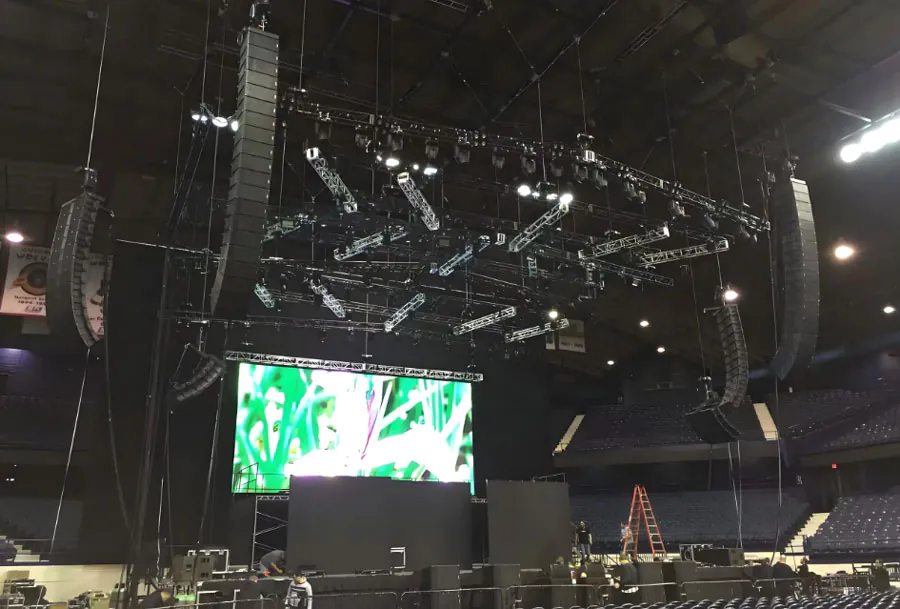
– Music Festival (High-Mid Budget): A regional festival used two high-brightness walls for stage backgrounds and replay screens. Full production crews managed live feeds, and a partnership with a local telecom provider supplied fiber connections. The improved attendee experience and sponsor exposure justified the rental expense.
Affordable outdoor LED screen rental solutions exist across a wide spectrum. The key to finding the right option is clarity: know your audience, define viewing distances, determine day vs. night requirements, and outline logistics early. With those points nailed down, you can balance pixel pitch, brightness, and screen size to meet your objectives without overspending.
Work with reputable rental houses that provide transparent quotes and evidence of safety, maintenance, and technical expertise. Negotiate bundled services and off-peak scheduling when possible. Finally, focus on content — well-designed visuals and strategic programming can dramatically increase the impact of a modestly priced screen.
Renting allows you to experiment, scale, and deliver memorable outdoor experiences without the long-term commitment of ownership. Whether you’re organizing a neighborhood event or staging a multi-day production, practical planning and strategic vendor partnerships will help you achieve outstanding results at every budget level.