Outdoor Led Screen Rental Columbus For Festivals And Sports Events

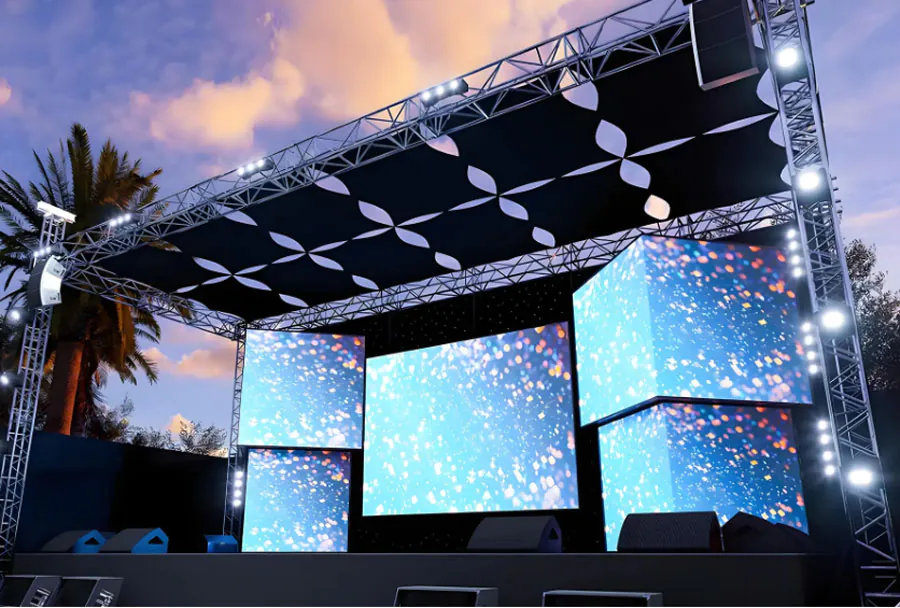
Outdoor LED screens have become indispensable tools for event organizers in Columbus who want to create immersive, high-impact experiences for festival attendees and sports fans. Whether you’re producing a downtown block party, a multi-day music festival, a community movie night, or a stadium-sized athletic event, the right LED rental solution can transform visibility, engagement, and revenue potential. This article provides a practical, industry-focused guide to renting outdoor LED screens in Columbus, covering technical considerations, logistics, cost factors, and planning best practices to ensure a successful deployment.
Why Outdoor LED Screens Matter for Festivals and Sports Events
Outdoor LED screens serve multiple strategic purposes:
– Visibility: Large-format displays ensure that spectators across a wide venue can see the action, live feeds, replays, sponsor content, and wayfinding information.
– Engagement: High-brightness, high-resolution content keeps crowds involved, supports interactive activations, and elevates the guest experience.
– Revenue generation: Screens present advertising and sponsorship inventory opportunities—dynamic ads, branded activations, and premium placement for partners.
– Flexibility: Modern rental solutions offer modular screen sizes and pixel pitches that can adapt to the scale and viewing distance of any event.
– Safety and communications: Screens can broadcast emergency instructions, schedule updates, and crowd-management messages in real time.
For event producers in Columbus, these outcomes are particularly valuable because city events vary from intimate community gatherings to large-scale collegiate sports and regional festivals with tens of thousands of attendees.
Understanding Your Event Needs: Key Questions to Ask
Before engaging vendors, organizers should clarify:
– What is the audience size and typical viewing distance?
– Will content be live video, pre-produced graphics, social media feeds, or a mix?
– Is the event day/night? How critical is brightness and anti-glare performance?
– What are site constraints (footprint, sightlines, power access)?
– Do you need mobility (trailer-mounted screens) or custom-built walls?
– What is the allocated budget for AV and digital signage?
Answering these helps determine pixel pitch, screen size, brightness (nits), support structures, and production staffing requirements.
Technical Considerations: Pixel Pitch, Brightness, and Resolution
Technical specs heavily influence viewer experience:
– Pixel pitch: Measured in millimeters, pixel pitch defines the distance between LED pixels. Smaller numbers (e.g., 3.9mm) yield higher resolution suitable for close viewing; larger pitches (e.g., 10-20mm) are acceptable for long-distance viewing at large outdoor events.
– Brightness: Outdoor LED screens must be high-brightness (typically 5,000 to 10,000 nits) to remain visible under direct sunlight.
– Contrast and color calibration: Proper calibration ensures accurate branding and consistent live footage.
– Refresh rate: For camera feeds and slow-motion replays, a high refresh rate (≥3,840 Hz or vendor-equivalent technology) prevents flicker and scanlines on broadcast cameras.
– Viewing angle: Wide viewing angles maximize visibility across the venue and reduce image degradation for off-axis viewers.
Selecting the right balance between pixel pitch and screen size is a cost-effective exercise: closer viewing distances require finer pitch, which increases rental cost.
Types of Outdoor LED Rental Solutions
Typical rental options offered in Columbus include:
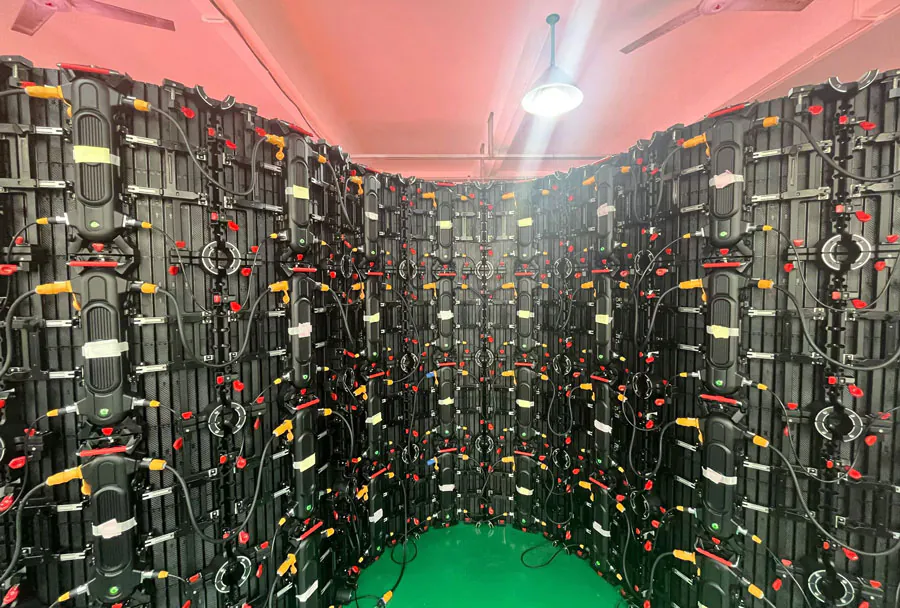
– Modular LED walls: Flexible, built from panels to create custom dimensions. Ideal for festival stages and broadcast backdrops.
– Truck- or trailer-mounted screens: Fast deployment and mobility; suitable for community events, parades, and temporary activations.
– Freestanding LED towers: Elevated screens supported by trusses or scaffolding; great for stadium perimeters and large outdoor fields.
– LED mesh and see-through screens: Lightweight, wind-permeable options for architectural facades or venues with airflow requirements.
– Indoor/outdoor hybrid displays: For venues transitioning between tented areas and open-air zones.
Each option has trade-offs in setup time, rigging requirements, and cost.
Permits, Safety, and Local Logistics in Columbus

Operating outdoor LED screens in Columbus requires coordination:
– Permits: Coordinate with the City of Columbus special events office and any relevant park authorities for permits. Public right-of-way, crowd-control barriers, and temporary structure permits may apply.
– Power: Confirm available onsite power or arrange generators sized for the load. Screen power draw varies with size and brightness.
– Weather planning: Columbus weather can be unpredictable—have waterproofing, wind-resistance ratings, and contingency plans.
– Rigging and structural safety: Use certified riggers and load-bearing calculations for towers, trusses, and suspended installations.
– Cable management and access: Plan secure cable runs and protected access routes for crew and emergency services.
– Insurance: Vendors and organizers should verify insurance coverage for equipment, public liability, and workers.
Early dialogue with local authorities minimizes permit delays and improves the safety profile of the production.
Content Strategy for Maximum Impact
A compelling screen strategy balances live footage and sponsorship with audience needs:
– Live feeds and replays: Camera operators and a production switcher ensure dynamic live content and replay for sports moments.
– Wayfinding and schedules: Frequent schedule reminders and maps help attendees navigate festival grounds.
– Sponsor activation: Rotate sponsor spots at premium intervals; use full-screen ads during intermissions to protect live viewing moments.
– Social integration: Display curated social media with moderation to increase engagement.
– Accessibility: Add captioning for spoken announcements and use high-contrast graphics for better legibility.
Create a content run-of-show that maps screen time blocks and operator cues.
Cost Factors and Budgeting
Rental pricing depends on several variables:
– Screen size and pixel pitch: Larger and finer screens cost more.
– Rental duration and setup time: Multi-day events and complex installs increase total cost.
– Transportation and logistics: Distance from vendor and truck access matter.
– Power and on-site staff: Generators and operator technicians add line items.
– Additional services: Content playback systems, live production crews, and camera packages raise expenses.
Budget realistically for a full service: equipment rental, labor, power, transport, permits, and contingency. Identify sponsor underwriting to offset costs.
Example Analysis Table: Common Rental Options
| Screen Type | Ideal Event Size | Pixel Pitch (mm) | Typical Size Range (ft) | Estimated Rental Cost (per day, USD) |
|---|---|---|---|---|
| Trailer-Mounted LED | Small to Medium (up to 5k) | 6–10 | 12’–25′ | $1,200–$3,500 |
| Modular Stage Wall | Medium to Large (5k–25k) | 3.9–10 | 20’–60’+ | $3,500–$15,000+ |
| Freestanding Tower | Large (10k+) | 6–16 | 20’–40′ | $2,500–$8,000 |
| LED Mesh/See-Through | Venue Facade / Architectural | 10–20 | Varies (custom) | $2,000–$10,000+ |
| High-Resolution Small-Pitch Wall | Premium Close-Viewing Areas | 2.5–4 | 10’–30′ | $5,000–$25,000+ |
Note: Costs are indicative and vary by vendor, season, and complexity. Always request detailed quotes including rigging, labor, and insurance.
Vendor Selection and What to Ask
When comparing rental companies, evaluate:
– Inventory and redundancy: Do they carry spare panels, controllers, and power supplies?
– Local experience: Have they worked Columbus festivals or stadium events before?
– Technical staff: Are technicians and riggers certified and available for the full event run?
– Show control: Can they handle live inputs, multiple sources, and timecode if required?
– Transport and setup time: How many days/hours for load-in and strike?
– References and case studies: Ask for recent event examples and client contacts.
– Service level agreements: What uptime guarantees and emergency response times do they offer?
A quality vendor will provide a site survey, detailed production plan, and a line-item quote.
Operational Workflow: From Site Survey to Strike
A reliable workflow typically includes:
– Site survey: Verify sightlines, power, rigging points, and obstruction clearances.
– Design and mockup: Create screen placement diagrams and viewing-distance calculations.
– Permits and approvals: Submit schematics and traffic plans to local authorities as required.
– Load-in and rigging: Coordinate stage integration, tower erection, and safety inspections.
– Testing and calibration: Brightness, color, and camera compatibility tests before doors open.
– Live operation: On-site operator for content switching, volume control, and emergency messaging.
– Strike and post-event: Safe dismantle, equipment inspection, and freight logistics.
Build buffer time into schedules for weather delays and last-minute site changes.
Case Study Examples (Hypothetical Scenarios)
1) Downtown Summer Festival (10,000 attendees)
– Solution: Two modular stage walls (40′ and 20′) plus one freestanding tower for the main plaza.
– Benefits: Improved visibility for performances, sponsor content monetization, and easy crowd messaging.
– Outcome: Sponsors reported a 30% increase in engagement, and organizers reduced lost-time announcements through real-time screens.
2) College Football Game at a Columbus Stadium (65,000 attendees)
– Solution: Perimeter LED ribbon boards, end-zone modular walls, and two large replay screens with 6mm pixel pitch.
– Benefits: Replays and instant stats improved fan satisfaction; sponsor billboards drove additional advertising revenue.
– Outcome: Increased in-stadium concessions spend correlated with targeted scoreboard prompts.
3) Community Movie Night in a Columbus Park (2,000 attendees)
– Solution: Trailer-mounted LED screen with 10mm pitch, portable generator, and a small sound system.
– Benefits: Quick setup, affordable price, and family-friendly experience.
– Outcome: Positive community feedback and repeat bookings for the following season.
Maximizing ROI: Sponsorship and Monetization Strategies
To monetize screens:
– Sell sponsor packages with different impression tiers based on screen dwell time.
– Offer live product integrations (e.g., brand sponsors on camera cutaways).
– Use dynamic ads that rotate through prime moments—entrances, intermissions, and halftime.
– Enable cross-platform packages that link on-screen ads to event apps or social campaigns.
– Measure impressions and engagement using camera-based analytics or event app interactions for sponsor reporting.
Clear metrics and post-event reports will help justify costs and grow sponsor relationships.
Tips for Smooth Execution in Columbus
– Book early: Peak festival season and football weekends create high demand for LED inventory.
– Run a pre-event technical rehearsal to test camera-to-screen behavior and resolve flicker.
– Coordinate with local broadcast teams if the event will be streamed or televised for camera-safe configurations.
– Have a weather contingency plan: waterproof covers, rapid-tilt anchors, and high-wind limits.
– Invest in professional audio-visual direction—good screens need equally competent control to shine.
Finding the Right Partner in Columbus
Local AV companies and regional rental houses can provide advantages:
– Faster response times and lower transport costs.
– Familiarity with Columbus park layouts, venue rules, and permit pathways.
– Existing relationships with local production crews and riggers.
However, national providers can offer specialized inventory for very large or technically demanding events. Compare quotes and request site-specific solutions.
Outdoor LED screen rental is a strategic investment that can dramatically elevate festivals and sports events in Columbus by improving visibility, enhancing engagement, and unlocking sponsorship revenue. Success depends on early planning, accurate technical specification (pixel pitch, brightness, and viewing distance), local permit and logistics coordination, and partnering with an experienced rental vendor. With thorough site surveys, a clear content strategy, and contingency planning for weather and power, organizers can deliver powerful, memorable experiences that keep attendees coming back year after year.
If you’re planning a festival or sports event in Columbus, start by mapping your audience sightlines and content needs, get multiple vendor quotes with detailed line items, and prioritize vendors who include redundancy and certified technical staff. The right LED solution will not only make every moment visible—it will make your event unforgettable.