High Quality TW VISION Bendable Screen with Custom Curved Design

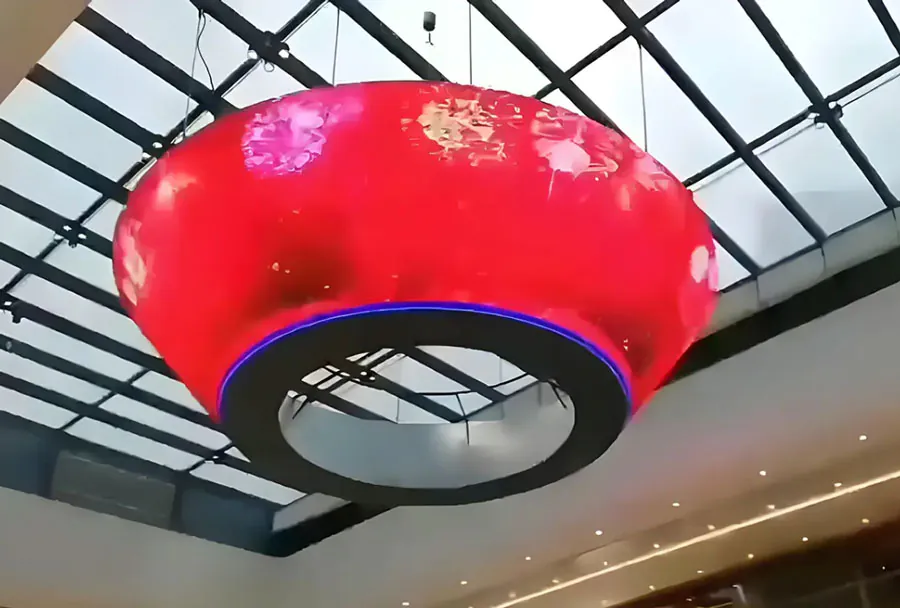
The High Quality TW VISION Bendable Screen with Custom Curved Design represents a class of advanced display technology that blends flexible substrate engineering, precision pixel driving, and bespoke industrial design to meet demanding applications across consumer electronics, automotive, retail, medical, and specialty signage markets. Unlike conventional rigid panels, bendable screens enable new form factors — continuous curved surfaces, wrap-around dashboards, wearable displays, and sculpted retail installations — while maintaining high visual performance, durability, and system integration flexibility.
TW VISION’s approach emphasizes material science, manufacturing process control, and customization: thin, flexible active-matrix backplanes; emissive technologies optimized for bendability (such as flexible OLED or emerging microLED implementations); and tailored encapsulation strategies to protect against moisture, oxygen, and mechanical stress. The result is a premium product family designed to deliver high brightness, wide color gamut, uniformity across curvature, and long operational life, all while supporting bespoke curvature radii and mounting constraints required by modern product designers.
Key Technologies and Materials
The performance and reliability of a bendable display depend critically on the choice of materials and the integration strategy:
– Flexible substrates and backplanes: Polyimide (PI) and other flexible polymer substrates are commonly used to fabricate thin-film transistor (TFT) backplanes. Low-temperature polycrystalline oxide TFTs (LTPO, IGZO) or flexible amorphous silicon variants are selected based on tradeoffs between mobility, power consumption, and thermal budget.
– Emissive layers: Flexible OLED remains the dominant commercial option for bendable emissive displays because of its thin stack and manufacturing maturity. MicroLED is emerging for higher brightness and lifetime but introduce pixel-transfer complexity for curved surfaces.
– Encapsulation: Thin-film encapsulation (TFE) using alternating inorganic/organic layers or ultra-thin glass barriers helps protect sensitive materials without sacrificing flexibility. Effective encapsulation is crucial for longevity, especially in high-humidity or high-temperature environments.
– Adhesives and interlayers: Flexing imposes shear and tensile forces at every layer interface. Engineering adhesives with matched moduli and controlled viscoelastic properties reduces delamination risk and improves optical stability.
– Cover optics and scratch protection: Flexible polymer covers or chemically strengthened ultra-thin glass can be used depending on the curvature and scratch-resistance requirement. Anti-reflective coatings and hard coatings are applied to preserve visual quality.
Design and Engineering Considerations for Custom Curved Displays
Designing a custom curved display requires attention to both optical and mechanical constraints:
– Curvature radius and angle: The minimum bending radius dictates allowable form factors. TW VISION’s custom design service typically specifies safe bending radii derived from material properties and expected bending cycles.
– Single-axis vs multi-axis curvature: Cylindrical curvature (single-axis) is easier to achieve and integrate; compound curvature (double-axis or freeform) demands sophisticated substrate shaping and precision lamination.
– Pixel mapping and driving: Curvature can produce geometric distortions; the panel firmware and display controller must map pixels to the curved surface accurately to preserve aspect ratio and touch alignment.
– Thermal management: Enclosed curved installations may trap heat; flexible thermal interfaces and strategic power management reduce hotspots and preserve lifetime.
– Mechanical fatigue and lifecycle: Flexing introduces cyclic stresses. Engineering for the expected number of flex cycles and environmental conditions (temperature, humidity, UV exposure) is mandatory.
Performance Metrics and Quality Assurance
High-quality bendable displays are validated across a broad set of metrics. TW VISION emphasizes a robust QA regime:
– Brightness and uniformity: Peak luminance and spatial uniformity across the curved surface must meet target specifications to avoid visible banding or falloff.
– Color accuracy and gamut: Coverage of color spaces such as sRGB and DCI-P3, and color stability over time and across curvature, are essential for high-end applications.

– Contrast ratio and black level: Emissive technologies typically maintain strong contrast, but optical reflections from cover layers must be controlled.
– Response time and refresh rate: For interactive or motion-rich applications, low response times and high refresh rates reduce blur and latency.
– Bend cycle testing: Accelerated mechanical fatigue tests simulate thousands to millions of bending cycles to predict field reliability.
– Environmental tests: Thermal cycling, humidity, salt spray (for harsh environments), and UV exposure tests ensure long-term durability.
– Failure mode analysis: Delamination, pixel degradation, and driver IC failures are assessed and mitigated through design iterations.
Analytical Comparison Table: Core Attributes and Implications
| Feature | Technical Specification | Typical Value (TW VISION) | Performance Impact | Ideal Application / Notes |
|---|---|---|---|---|
| Minimum Bending Radius | Mechanical limit without pixel damage | 5–15 mm (application dependent) | Enables tight wrap-around designs; impacts lifespan under cyclic flex | Wearables, curved instrument clusters |
| Brightness (cd/m2) | Peak luminance in normal operation | 600–1500 cd/m2 | Affects readability in high ambient light; higher required for outdoor signage | Automotive / outdoor signage |
| Color Gamut | Percentage of DCI-P3 or sRGB | ≈95–100% DCI-P3 | Ensures vibrant, accurate color reproduction for premium displays | Professional imaging, retail showcases |
| Lifetime (LT50 hours) | Time until luminance drops to 50% | 30,000–50,000 hours (varies by operating brightness) | Determines maintenance intervals and replacement scheduling | Commercial signage, installations with long duty cycles |
| Bend Cycles | Number of flex operations before degradation | 10,000–100,000 cycles (depending on curvature and substrate) | Critical for devices with repeated flex (foldable/wearable) | Foldable devices, high-use wearables |
Customization Options: Curvature, Size, and Integration
A significant advantage of TW VISION’s offering is the breadth of customization:
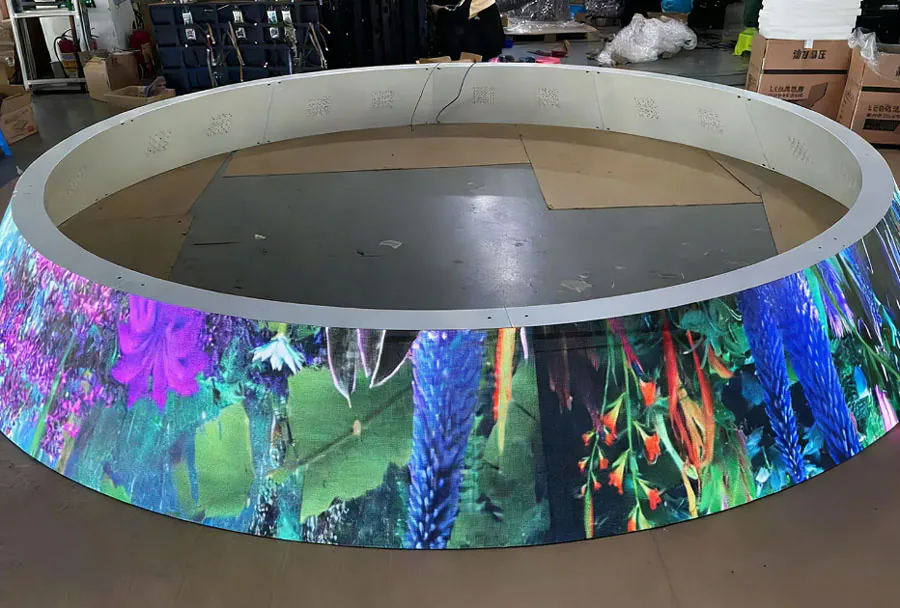
– Tailored curvature profiles: From gentle, continuous curves to tighter radii, TW VISION supports customer-defined curvature with engineering validation.
– Size and aspect ratios: Panels can be manufactured in custom widths and aspect ratios to meet enclosure constraints or achieve novel aesthetics.
– Edge treatments and bezels: Options include minimal bezels, invisible joints for multi-panel curved arrays, or decorative bezels for luxury products.
– Touch and interactivity: Flexible capacitive touch layers or in-cell touch implementations can be integrated while respecting curvature tolerances.
– Mounting and frames: Custom frames that distribute mechanical stress evenly and accommodate thermal expansion are designed in concert with the display module.
– Optical customization: Anti-glare, privacy filters, or view-angle tuning via microstructure films can be specified for application-specific needs.
Applications Across Industries
Bendable screens with custom curvature unlock applications that were impractical with rigid displays:
– Automotive: Curved instrument clusters and infotainment bezels that follow dashboard contours provide ergonomic viewing and reduce glare. Wrap-around displays enable driver-centric interfaces while maintaining peripheral visibility.
– Wearables: flexible displays for smartwatches, fitness bands, and health monitors conform to the anatomy, improving comfort and aesthetics.
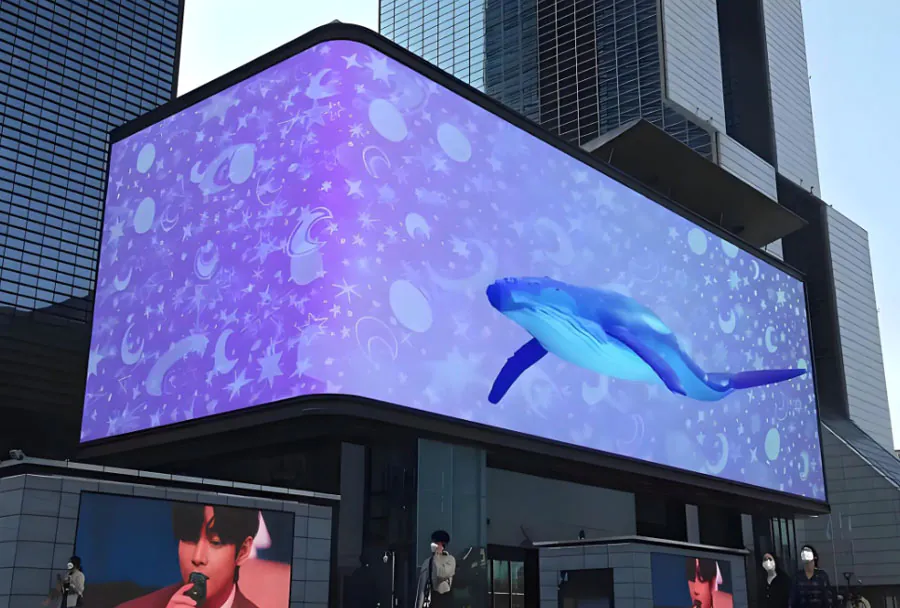
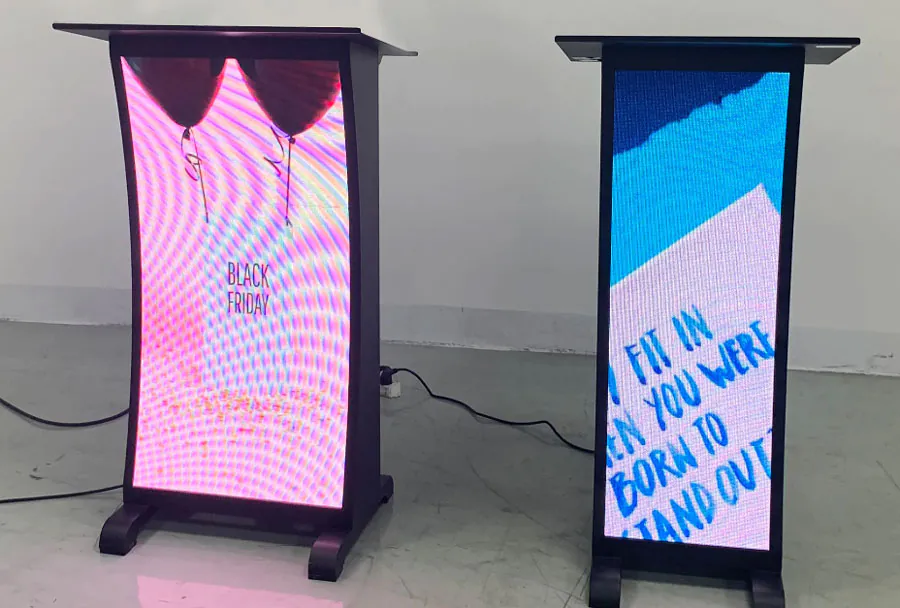
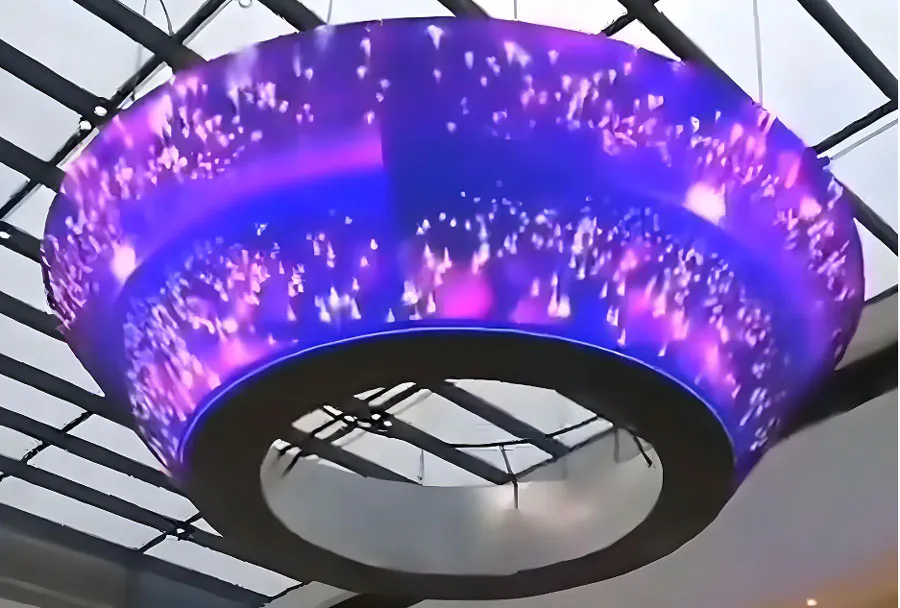
– Retail and Hospitality Signage: Sculptural, curved signage draws attention, enables panoramic imagery, and integrates with architecture for immersive marketing displays.
– Medical Devices: Curved displays can conform to medical instrument surfaces, offering flexible visualization with sterile-friendly covers.
– Aerospace and Marine: Displays shaped to cockpit and control panel geometries enhance situational awareness and reduce dead space.
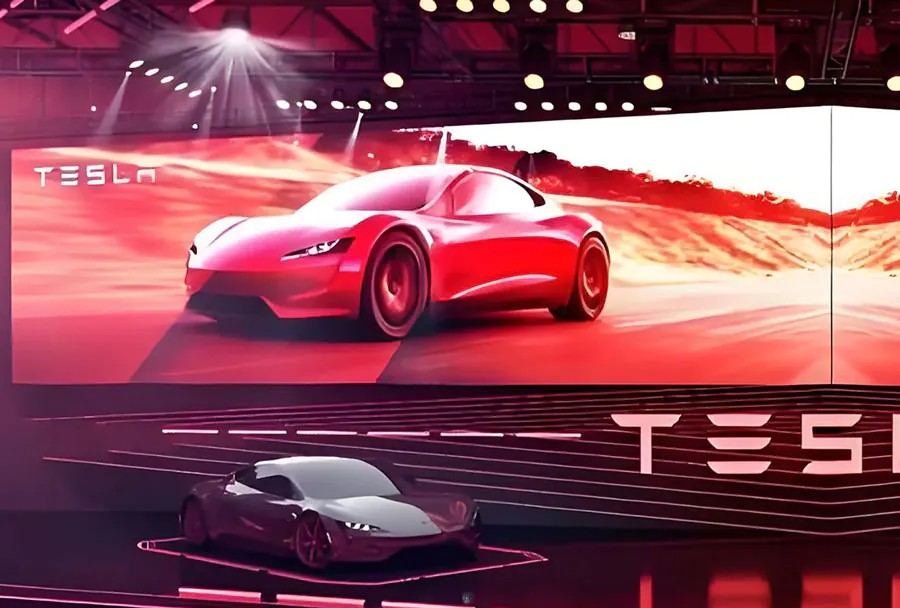
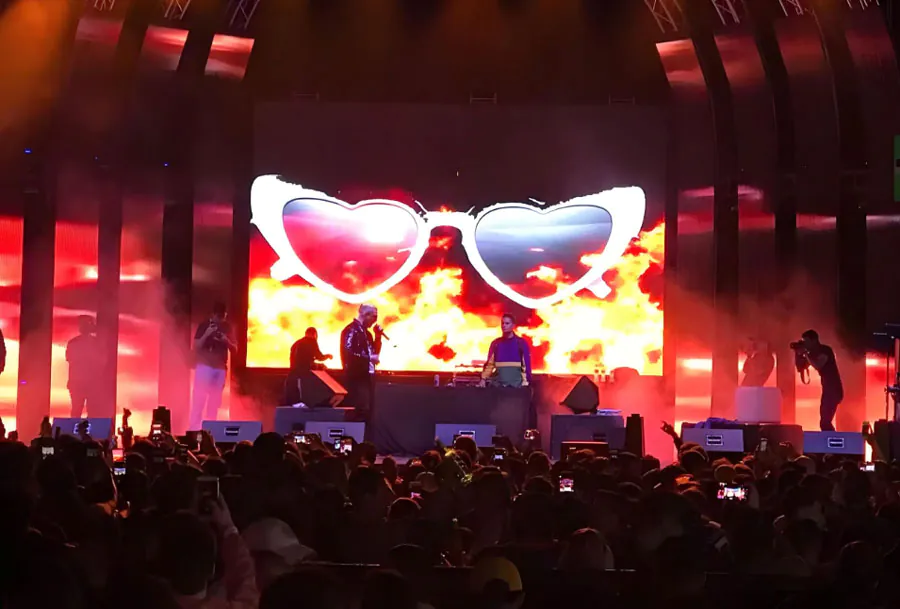
– Public and Entertainment Spaces: Curved LED walls and interactive exhibits deliver compelling visual experiences in museums, theaters, and theme parks.

Integration Challenges and Practical Solutions
Integrating bendable displays into finished products raises engineering challenges — and TW VISION addresses them through systems engineering:
– Connector and driver placement: Flexible interconnects and driver ICs must be positioned to avoid stress concentration; staggered flex tails or remote driver placement via flat cables can help.
– Thermal pathways: Because emissive displays generate heat, thermal management is crucial; thin, flexible heat spreaders and well-ventilated enclosures extend lifetime.
– Calibration and uniformity: Curvature can reveal slight luminance or color non-uniformities; on-board calibration using LUTs (lookup tables) and sensor feedback corrects differences.
– EMI and shielding: Sensitive electronics near displays can suffer interference; integrated shielding and proper grounding mitigate artifacts.
– Repairability and service: Modular design with replaceable display modules and standardized connectors minimizes service downtime and total cost of ownership.
– Regulatory compliance: For automotive and medical markets, TW VISION helps customers meet relevant safety and EMC standards through targeted testing and documentation.
Installation, Maintenance, and Lifecycle Management
Proper installation and lifecycle planning maximize the value of custom curved displays:
– Installation best practices: Use fixtures and jigs during mounting to avoid bending beyond specified radii. Apply even adhesive layers and follow torque specifications for mechanical fasteners.
– Cleaning and surface care: Use manufacturer-approved cleaning agents and avoid abrasive tools. For polymer covers, anti-scratch coatings and careful cleaning prevent haze.
– Firmware updates and calibration: Periodic recalibration compensates for aging and environmental changes. Remote firmware updates enable feature enhancements and bug fixes.
– End-of-life and recycling: Display recycling can be complex due to mixed-material stacks. Design for disassembly, and work with certified recyclers to reclaim components and responsibly manage hazardous materials.
Case Studies and Example Implementations
1) Luxury EV Dashboard Concept: A premium electric vehicle employed a continuous 32-inch wrap-around TW VISION bendable display across the driver’s cockpit. The custom curvature matched the dash profile, integrated a segmented HUD, and used LTPO backplane technology to manage power. Thermal simulation guided placement of cooling channels behind the center console to maintain uniform brightness without throttling.
2) Retail Immersive Window: A high-end retail storefront used a 7-panel curved array with near-seamless joints to produce a panoramic, wrap-around advertisement. TW VISION supplied thin-film encapsulation and anti-reflective coatings to maintain visibility in daylight. The solution included a custom controller for synchronized playback and ambient light-adaptive brightness control.
3) Medical Imaging Assistant: A curved flexible display was integrated into a surgical light console to present patient vitals and imaging slices. The display’s curvature reduced reflections from overhead lighting and kept critical information within the surgeon’s visual span. Sterilizable cover optics and sealed edges met hygiene requirements.
Conclusion: Why High Quality TW VISION Bendable Screens Make a Difference
High Quality TW VISION Bendable Screens with Custom Curved Design offer designers and engineers a compelling mix of form and function. They open new possibilities for product styling and user experience, while meeting rigorous performance and durability targets. By combining advanced materials, precision manufacturing, and integrated system engineering, TW VISION’s bendable displays can be adapted to demanding applications — from automotive cockpits and wearable devices to architectural signage and specialized medical instruments.
For companies considering a transition from flat to curved or flexible displays, the salient points are clear: specify the curvature and mechanical lifecycle up front, plan for thermal and EMI constraints, adopt robust encapsulation strategies, and integrate calibration capabilities into the system architecture. With these considerations addressed, custom curved bendable displays become not just a visual differentiator, but a platform for new interaction paradigms and commercial value.
If you are evaluating bendable display options for a project, begin with a technical brief that includes curvature demands, environmental conditions, brightness and color requirements, expected flex cycles, and mounting constraints. TW VISION’s engineering support can then provide feasibility analysis, prototyping, and design-in guidance to ensure successful product integration and long-term reliability.