2026 TW VISION Bendable Screen Prices and Custom Packages

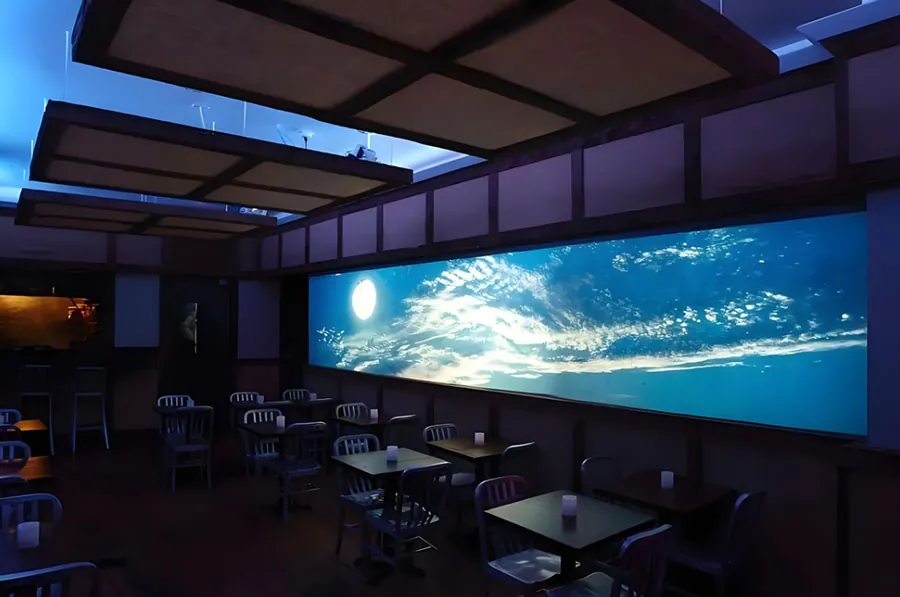
2026 marks a turning point for bendable screen adoption. Suppliers like TW VISION have moved beyond early-stage prototypes to mature manufacturing lines, standardized specifications, and real-world commercial packages. As a result, pricing strategies and customizable bundles have evolved to match diversified customer needs—from consumer electronics and premium lifestyle products to commercial signage and industrial panels. This article examines TW VISION’s 2026 lineup, pricing logic, customization tiers, and practical recommendations for OEMs, system integrators, retailers, and specifiers evaluating bendable displays for new products or retrofits.
Executive Summary: Key Takeaways
– TW VISION’s 2026 portfolio covers consumer, prosumer, and industrial bendable displays with a 20–35% cost reduction vs. 2023–2024 due to higher yields and larger production volumes.
– Pricing is now modular: base panels, integrated driver electronics, mechanical integration kits, and software/firmware stacks are priced and packaged separately.
– Custom packages are tiered—Standard, Custom, and Enterprise—with clear lead times and MOQ (minimum order quantity) thresholds.
– Volume discounts, service-level agreements, and IP licensing for unique curvature profiles make a substantial difference in delivered cost and time to market.
– Buyers should evaluate total landed cost, integration complexity, and post-warranty service rather than just per-panel sticker price.
2026 TW VISION Product Segmentation
TW VISION’s bendable displays in 2026 are organized into five focal product families:
– Consumer Foldables: Small, highly flexible panels for wearable devices and smartphones (typically 5–8 inches).
– Multi-Fold/Tablets: Medium-sized 8–14 inch panels for foldable tablets and laptops.
– Rollable/Slidable TVs: Large rollable OLED and micro-LED panels for living room entertainment (55–77 inches).
– Transparent/Flexible Signage: Curved transparent displays and flexible OLED for retail and architectural use.
– Commercial Industrial Panels: Ruggedized bendable displays for transportation, medical, and industrial control environments.
Each family has standard curvature specs (minimum bend radius, bend cycles rating), brightness and color gamut options, and connectivity/driver interface standards.
Pricing Framework: Components That Drive Cost
TW VISION pricing breaks down into several components:
1. Panel Core (substrate, OLED/micro-LED stack, encapsulation) — the largest cost driver.
2. Drive Electronics (TCON, flexible PCBs, bend-tolerant connectors).
3. Mechanical Integration (frames, hinge mechanisms, roll spools, tension systems).
4. Software/Firmware (color calibration, adaptive refresh, anti-crease algorithms).
5. Testing & Certification (burn-in, IP rating, aviation/medical certification).
6. Services & Logistics (custom packaging, extended warranty, kitting, global distribution).
Understanding which cost buckets are fixed versus scalable is crucial. Panel core and drive electronics are the most technology-driven and benefit most from volume-based cost decline. Mechanical integration and software are more custom and maintain higher margins.
2026 TW VISION Pricing Table — Representative Analysis
Below is a representative analysis table of typical 2026 TW VISION offerings. These are indicative prices and lead-times to help planners model BOM costs and procurement cycles.
| Model / Size | Bendability Spec | Base Price (USD) | Custom Package Options | Estimated Lead Time |
|---|---|---|---|---|
| Consumer Fold 6.5″ (AMOLED) | Min radius 4 mm; 200k fold cycles | $95 (panel only) | Hinge kit, IPX4 seal, color calibration, 1-yr warranty | 6–10 weeks (MOQ 500) |
| Multi-Fold 12.3″ (OLED) | Min radius 10 mm; 100k cycles | $420 (panel only) | Metal hinge, anti-crease layer, gesture FW, 2-yr service | 10–14 weeks (MOQ 200) |
| Rollable TV 65″ (micro-LED) | Roll diameter 120 mm; 30k cycles | $5,800 (panel only) | Spool assembly, motorized roll kit, HDR tuning, pro install | 14–22 weeks (MOQ 50) |
| Transparent OLED 55″ | Curable transparent area 40%; outdoor-safe | $2,300 (panel only) | Custom framing, anti-reflective coat, glass lamination | 12–18 weeks (MOQ 100) |
| Industrial 27″ Rugged | Bend radius 15 mm; IP67 options; -40°C to 85°C | $1,150 (panel only) | Rugged housing, EMI shield, extended temp testing | 12–16 weeks (MOQ 100) |

Interpreting the Table: What Buyers Should Note
– Base Price vs. Delivered Price: Base panel price excludes mechanical kits and software. Delivered turnkey modules typically add 15–60% depending on complexity.
– MOQ and Lead Time: Smaller consumer panels have lower MOQs but still require significant minimums for factory yield optimization. Large micro-LED rollables have high per-unit cost and longer lead times.
– Warranty & Service: Standard packages typically include a 12–24 month limited warranty. Extended support and field-replaceable modules are enterprise options that support critical deployments—budget for them.
– Certification Premiums: Medical, automotive, and aerospace certifications add testing cycles and cost. Plan procurement with certification timelines in mind.
Custom Packages: Standard, Custom, Enterprise Explained
TW VISION’s 2026 custom packages are tiered to address buyer needs:
– Standard Package: Panel + basic driver board + default firmware + one-year limited warranty. Ideal for prototyping and low-volume consumer products. Shortest lead times, most predictable pricing.
– Custom Package: Adds mechanical integration (hinges, spools, bezels), color calibration, contrast/brightness tuning, and tailored firmware features (gesture recognition, crease suppression). MOQ thresholds apply. Recommended for mid-volume products aiming for consumer shelf readiness.
– Enterprise Package: Full turnkey solution including IP licensing for unique curvature/hinge designs, integration engineering support, onsite installation, extended warranty, prioritized production slots, and custom certifications. This package is suited for large OEM contracts, commercial signage networks, and industrial rollouts.
Each package can be a la carte—buyers can pick from specific add-ons (waterproofing, high-temp operation, high-brightness sunlight mode) to optimize cost.
Volume Discounts and Pricing Dynamics
Volume still drives cost. Typical discounts:
– 5–10% discount at 1k–5k unit commitments (consumer mid-tier).
– 10–25% discount at 5k–20k units depending on panel complexity.
– 25%+ discount for multi-year, multi-line commitments (embedded long-term pricing contracts).
Other factors influencing pricing:
– Panel yields and wafer utilization: higher yields translate directly into price cuts.
– Component supply chain health: driver IC shortages or substrate supply constraints can temporarily spike prices.
– Exchange rates and logistics: because displays are often manufactured in East Asia and sold globally, FX and freight volatility directly impact landed cost.
Integration Considerations and Hidden Costs
Buyers must anticipate additional costs beyond panel procurement:
– Mechanical R&D: Custom hinges and housings require design iterations, tooling, and mechanical validation.
– Thermal management: flexible displays can be sensitive to heat; heat spreaders and materials increase cost.
– Software tuning: Color calibration, display drivers, and power management are not trivial—budget engineering hours or license costs.
– Quality Control & Repairs: Return material authorization (RMA) handling, field spares, and local repair partners cost money.
– Regulatory Testing: Electromagnetic compatibility, safety standards, and specific industry certifications add time and cost.
A best practice is to run a small pilot production batch to validate integration assumptions before large-scale orders.
Time-to-Market Strategies
To reduce time to market:
– Start with TW VISION’s Standard package and iterate to Custom as volume justifies scale.
– Use off-the-shelf mechanical kits for early prototypes to avoid long tooling lead times.
– Negotiate production ramp schedules to secure capacity during peak demand cycles.
– Consider co-development agreements for critical hinge designs or curvature profiles—shared IP can accelerate engineering.

For enterprise customers, TW VISION often offers prioritized slots and co-engineering resources in exchange for LOIs (letters of intent) or upfront tooling commitments.
ROI and Business Case Modeling
When building ROI:
– Focus on gross margin improvement via value-added features (e.g., foldability enabling new use cases).
– Model total landed cost (panel + integration + testing + warranty reserve + logistics).
– Factor in price elasticity—consumer device price sensitivity can limit how much of the premium can be passed to end customers.
– Include aftermarket revenue opportunities: service plans, replacement modules, and software subscriptions for premium features (e.g., color profiles, advanced UX).
Case example: A premium foldable tablet priced at a $420 panel and $210 integration/kit may command a $1,299 retail. If the device achieves a 35% gross margin at scale and after R&D amortization, this can be commercially viable in the premium segment.
Risk Management and Contracting Tips
– Lock in long-lead components via supply agreements to reduce volatility.
– Include yield-based pricing floors or price adjustment clauses to manage supplier risk.
– Negotiate clear warranty terms and RMA SLAs; for enterprise deployments, include onsite spare parts and training.
– Specify testing criteria and acceptance procedures in contracts to avoid disputes on based/finished product acceptance.
– Consider IP clauses for curvature profiles, hinge mechanisms, and firmware to clarify ownership and licensing rights.
Market Positioning and Competitor Context
TW VISION competes with other display OEMs by offering flexible pricing tiers and engineering support. In 2026 they differentiate through:
– Broader package modularity enabling faster prototyping.
– Improved yields and process maturity lowering per-panel cost.
– Expanded enterprise services for certification and large-scale rollouts.
Buyers should benchmark TW VISION offerings against local competitors on cost, lead time, and engineering support rather than price alone.
Recommendations for Different Buyers
– Startups/SMBs: Use standard panels and off-the-shelf kits to validate product-market fit. Budget for iterative swaps during early iterations.
– Established OEMs: Use custom packages with co-engineering to optimize integration and secure volume discounts.
– System Integrators: Consider enterprise packages to lock in service levels and obtain training for field installations.
– Retail/Architecture Buyers: Prioritize certifications and warranty; transparent and rollable displays need specialized installation services.
FAQ: Quick Answers
Q: Are the prices negotiable?
A: Yes—especially at larger volumes or multi-year agreements.
Q: Can TW VISION support small pilot runs?
A: Yes, but expect higher per-unit costs due to tooling and yield smoothing.
Q: How long are software updates supported?
A: Typical standard support is 12–24 months; extended support can be negotiated.
Q: What about recycling and EOL?
A: TW VISION offers take-back programs and guidance for end-of-life handling in enterprise packages.
By 2026, TW VISION’s bendable screen pricing and custom packages reflect a mature supply chain and a nuanced commercial approach. Buyers must analyze base panel price in the context of integration, certification, and long-term service. The most effective procurement strategies combine staged development (pilot → customization → enterprise scale) with clear contractual protections and co-engineering agreements. Whether you’re launching the next foldable handset, a rollable living-room TV, or a curved interactive storefront, understanding the modular pricing and package options from TW VISION will help you optimize cost, time to market, and product reliability.