Full service led screen rental by TW with installation and support

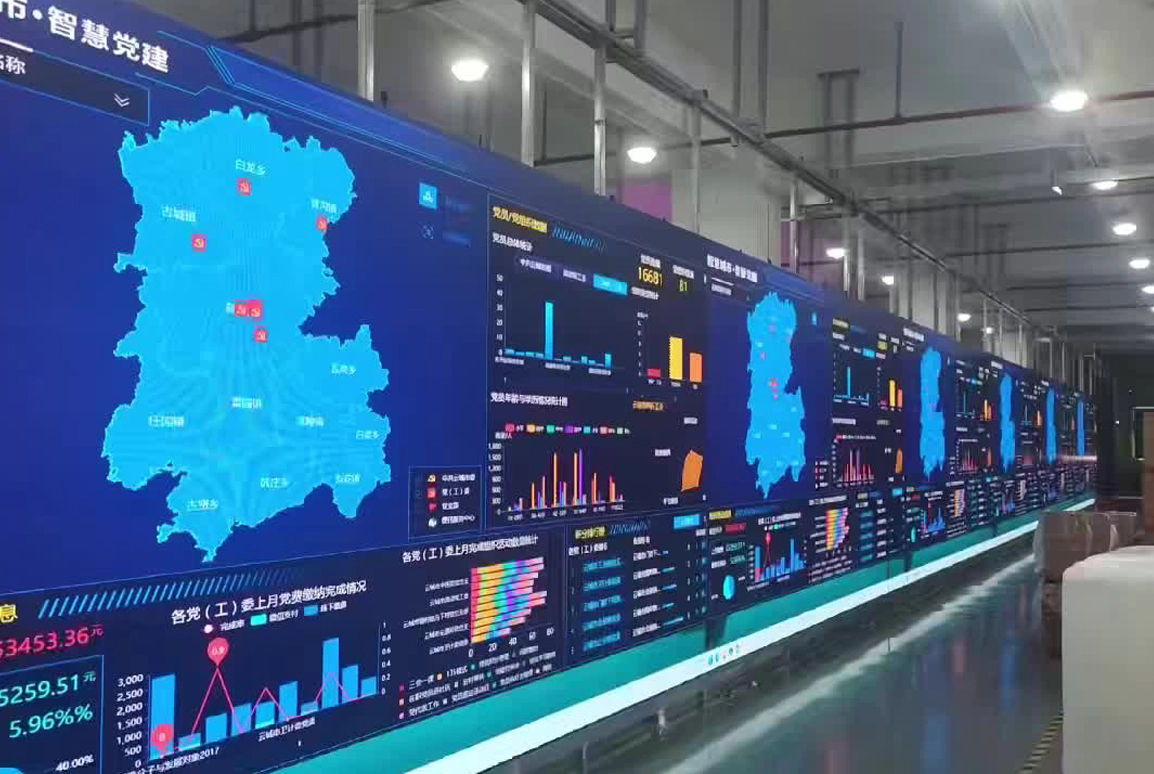
When planning an event—whether a corporate conference, outdoor concert, trade show, product launch, or sports broadcast—the visual experience can determine attendee engagement and the perceived value of the event. Full service LED screen rental by TW with installation and support is a complete solution designed to remove the technical burden from event organizers while delivering high-impact visuals and reliable operation. TW’s full-service model covers equipment selection, logistical planning, professional installation, on-site technical support, and post-event breakdown, ensuring the screen system performs exactly as intended from concept to teardown.
This article examines the full-service LED screen rental offering from TW in-depth: what’s included, how the installation and support processes work, the technical and operational considerations event planners should expect, pricing models, safety practices, and examples of real-world applications. We will also include an analysis table that compares typical service configurations and cost drivers, helping you evaluate options and make an informed decision when contracting TW’s services. Whether you are new to LED screen rentals or you are a seasoned production manager, this guide will provide the clarity needed to plan a successful visual deployment.

What “Full Service” Means: Scope and Benefits
Comprehensive Project Management
Full service implies that TW takes responsibility for the entire LED screen system lifecycle for the event. This begins with a site assessment and continues through equipment selection, technical design, permits, delivery, installation, integration with other production systems (audio, lighting, cameras), on-site operation and monitoring during the event, and final dismantling and removal. The advantage to clients is a single accountable partner who manages technical complexity and coordinates with other vendors to maintain schedule and quality.
Turnkey Technical Expertise
TW’s teams include LED technicians, rigging specialists, certified electricians, and AV project managers. This multidisciplinary capability ensures that every aspect—structural rigging, weatherproofing for outdoor installs, power distribution, signal routing, and broadcast-quality output—is handled by professionals. For event organizers, this reduces risk, shortens setup times, and maximizes visual quality and uptime during the event.
Inventory and Technology: Choosing the Right LED Screen
Pixel Pitch and Viewing Distance
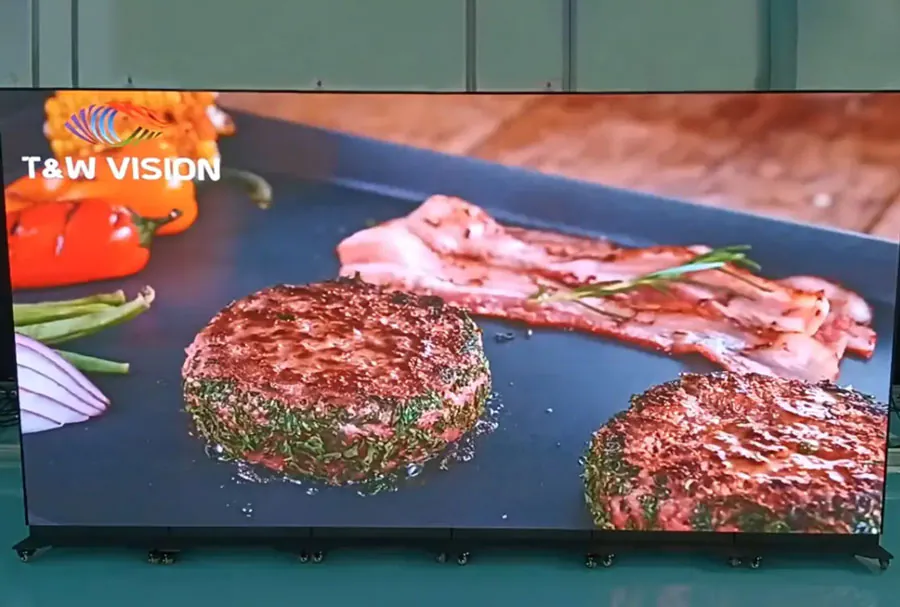
TW’s inventory typically includes LED panels ranging from fine-pitch indoor modules (e.g., 1.2–2.9mm) to outdoor-rated modules (e.g., 3.9–10mm). Pixel pitch determines image sharpness and optimal viewing distance: the smaller the pitch, the closer audiences can be to the display without seeing individual pixels. TW advises pixel pitch choices based on venue sightlines and content type—high-resolution video or branding content may require finer pitch, whereas large outdoor screens viewed from a distance can use larger pitch to reduce cost while delivering impactful visuals.
Brightness, Contrast, and Refresh Rate
Outdoor events require higher brightness (often 5,000–10,000 nits) to ensure visibility in daylight, while indoor screens can operate at lower brightness to protect camera capture and audience comfort. Contrast ratio and HDR capability are increasingly important for lifelike video. Refresh rate and grayscale performance matter for camera compatibility; TW specifies panels and processors that minimize flicker, avoiding strobing when used as broadcast backdrops or camera-facing surfaces.
Modular vs. Custom Builds
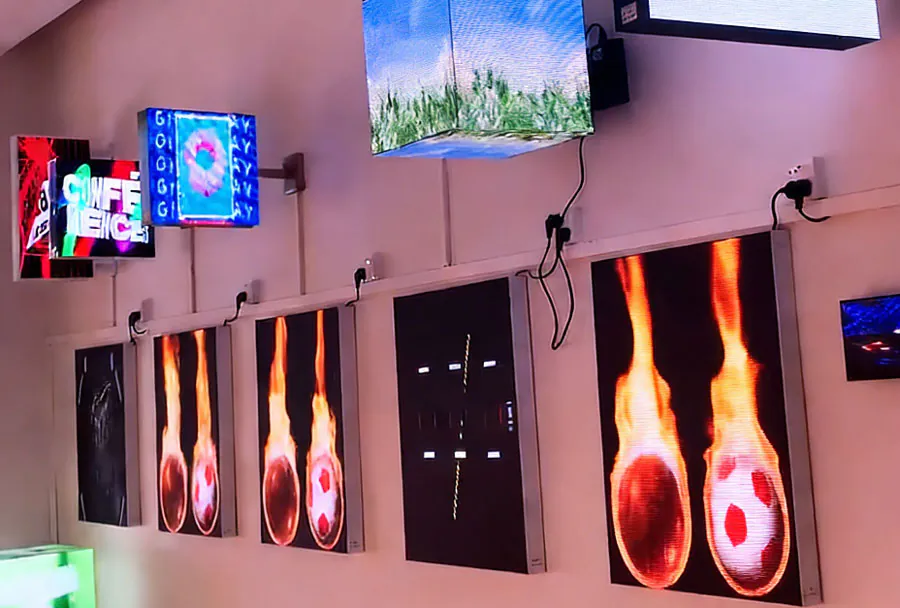
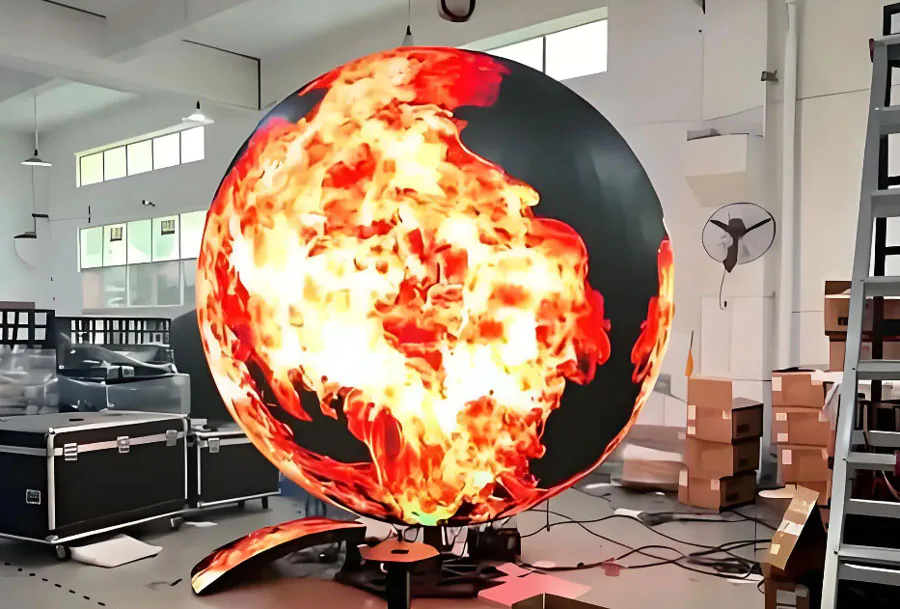
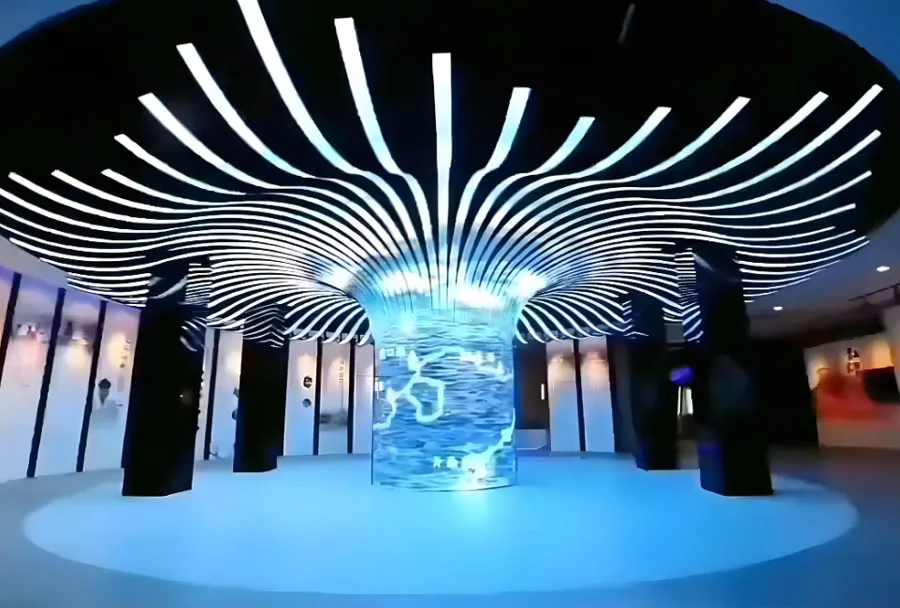
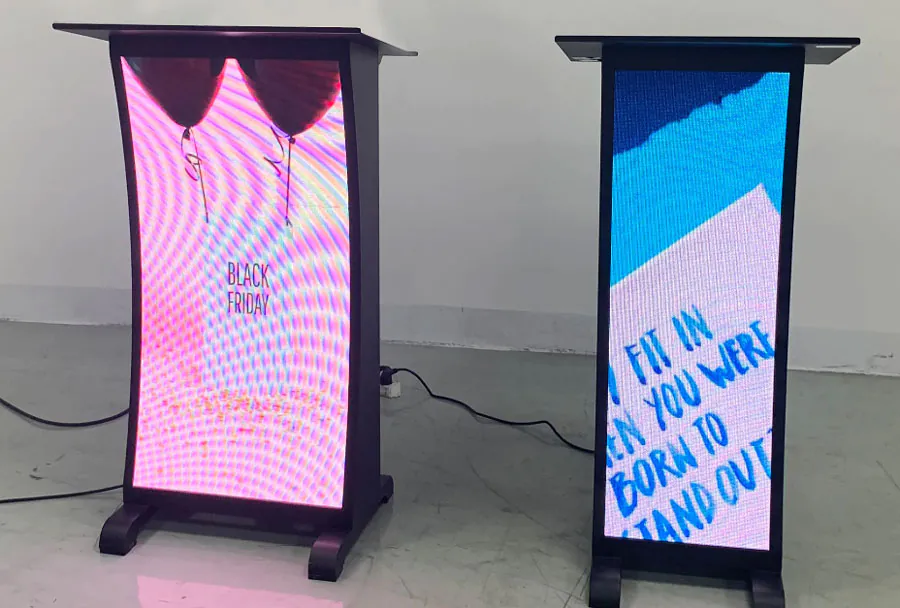
TW offers both modular panel systems and custom-built LED facades or curved screens. Modular systems provide rapid deployment and flexibility across multiple events; custom builds allow for unique shapes, curved canvases, and seamless architectural integration. TW’s full service includes design mockups and digital visualizations so clients can preview the final look before installation.
Installation Process: Safety, Speed, and Precision
Site Assessment and Pre-Production
A successful installation begins long before the install date. TW conducts thorough site surveys—either in-person or via detailed site plans—to assess power availability, load-bearing structures for rigging, sightlines, audience flow, and environmental factors such as wind exposure and precipitation risk. TW also coordinates with venue operations to secure permits, fire marshal approvals, and adhere to local regulations.
Rigging and Structural Safety
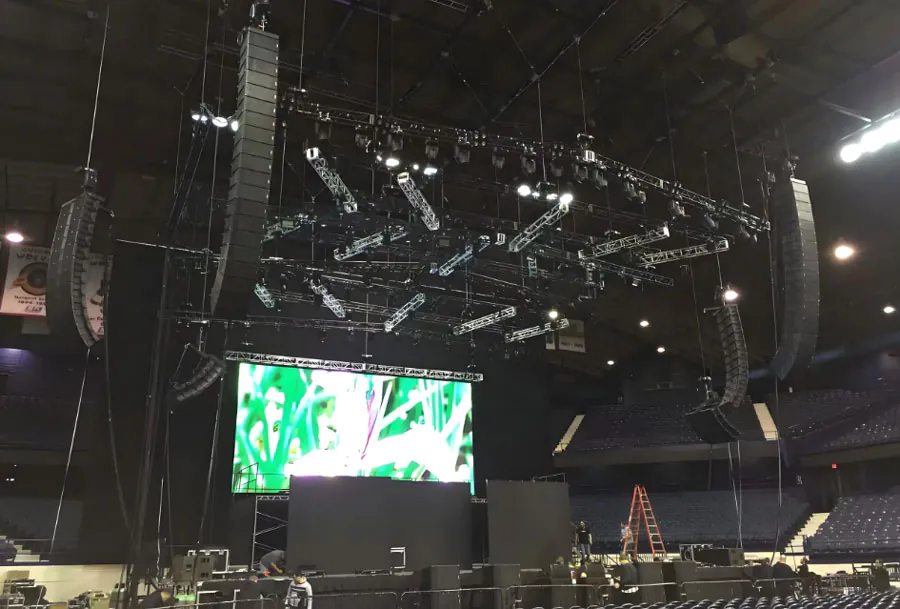
Rigging a heavy LED screen requires certified equipment and personnel. TW uses industry-standard rigging points, safety redundancies (secondary slings, catch systems), and adheres to load charts for trussing and scaffolding systems. Structural plans and engineer sign-offs are provided for large or permanent installations. Safety briefings and daily checklists are part of TW’s standard operating procedures to reduce risk to attendees and crew.
Power and Cooling Management
Proper power distribution and thermal management are critical. TW’s technicians calculate total power draw, provision generators or power drops as necessary, and use UPS units to prevent flicker or outages due to transient faults. For enclosed or high-brightness chassis, ventilation and active cooling strategies are implemented to maintain optimal operating temperature and extend component life.
Signal Integration and Synchronization
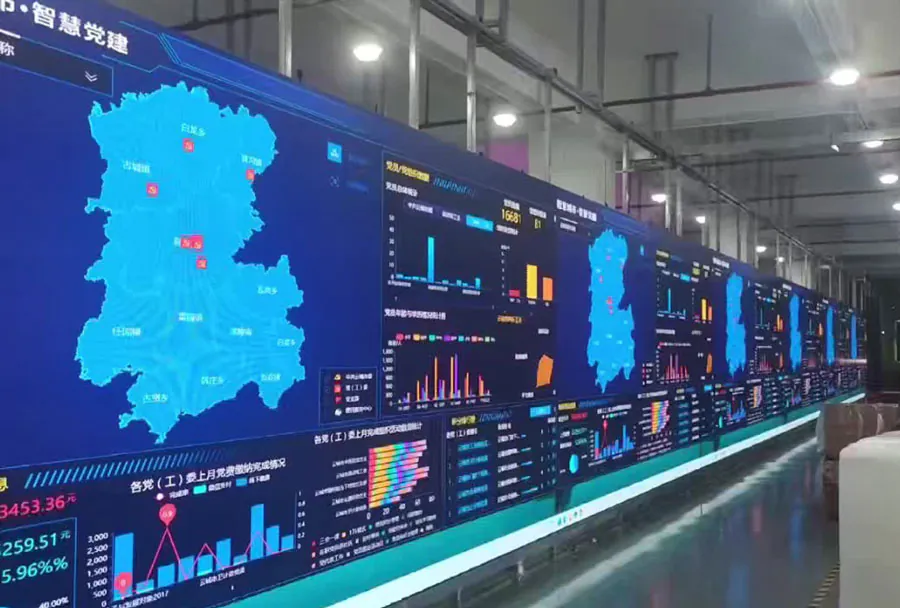
TW configures front-end processors, media servers, and distribution matrices to ensure smooth video playback and synchronization across multiple screens. For events using multiple LED walls, edge blending, and synchronized playback are carefully calibrated. TW ensures seamless switching between feeds, integrates with broadcast signal flows, and tests latency and lip-sync performance for live productions.
On-site Support: Real-time Monitoring and Troubleshooting
Dedicated Technical Crew
During the event, TW provides a dedicated technical crew on-site for immediate troubleshooting and monitoring. Roles typically include a lead technician, control room operator, rigging supervisor, and spare parts technician. This ensures rapid response to display issues such as module failures, power anomalies, or signal interruptions, minimizing downtime.
Redundancy and Spare Parts Strategy
TW’s full-service package includes a spare parts kit sized to the project (extra modules, power supplies, data cables, processors). Redundant signal paths and failover processors are used for critical events—e.g., live TV broadcasts or high-profile corporate launches—so that a single component failure won’t interrupt the show.
Remote Monitoring Tools
Many modern LED systems allow networked monitoring of module health, temperature, current draw, and pixel errors. TW’s support staff use these tools to proactively detect anomalies and address issues before they impact the audience. Remote access to media servers and playback systems can also allow TW to patch content or adjust settings without disrupting the live event flow.
Pricing Models and Contracting
Rental Rate Structures
TW typically offers several pricing models: daily/hourly rates for short events, package rates that bundle equipment and crew for longer engagements, and custom quotes for complex installations. Pricing depends on factors such as screen size, pixel pitch, indoor vs. outdoor rating, installation complexity (ground-stacked vs. flown), power and generator needs, crew size, and support hours.
Fixed vs. Variable Costs
Fixed costs often include equipment rental, basic delivery, standard installation, and a baseline technical support window. Variable costs can include overtime labor, permits, engineering certifications, travel and lodging for crew, additional generator fuel, and out-of-scope content programming or revisions. TW provides transparent line-item estimates and change-order policies to avoid surprises.
Service Level Agreements (SLAs)
For high-stakes productions, TW can include SLAs specifying uptime commitments, response times for technical issues, and penalties or credits for SLA breaches. SLAs are most common for broadcast, corporate roadshows, and events where downtime has high financial or reputational consequences.
Analysis Table: Comparing Typical Full-Service Configurations
| Service Component | Description | TW Advantage | Typical Use Case | Cost Consideration |
|---|---|---|---|---|
| Small Indoor Wall | Fine-pitch LED (1.2–2.5mm), 6–12 ft wide, floor-stand or flown | Fast install, high pixel density for close-up viewing | Board meetings, product demos, small conferences | Lower equipment cost, modest power; labor 1–2 techs |
| Medium Conference Screen | Indoor/outdoor hybrid (2.5–4.8mm), 12–30 ft wide, integrated rigging | Balanced cost vs. quality; flexible for multi-room use | Corporate events, trade shows, mid-size concerts | Moderate rental fee; includes rigging and multi-day support |
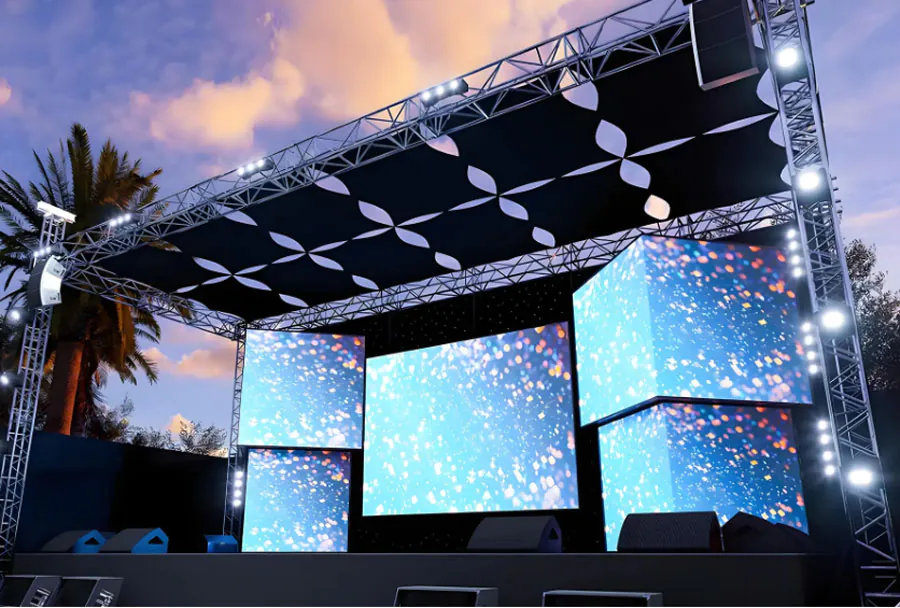
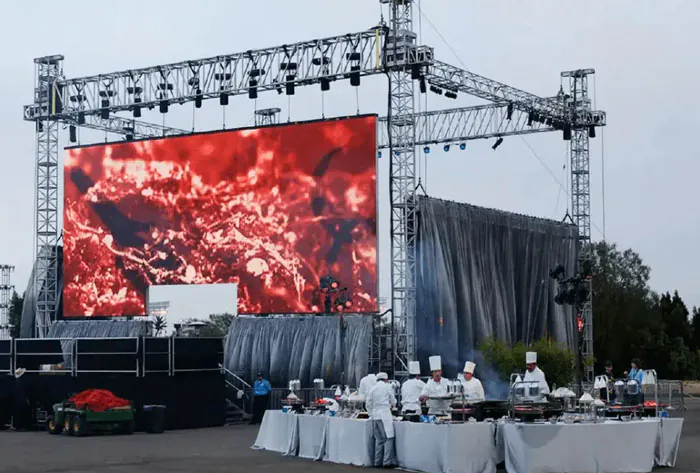
| Large Outdoor Billboard | Outdoor-rated modules (4–10mm), 30–80+ ft wide, permanent or temporary | High brightness, weatherproofing, robust rigging | Festivals, stadium events, large outdoor advertising | Higher equipment and generator costs; engineering/permits |
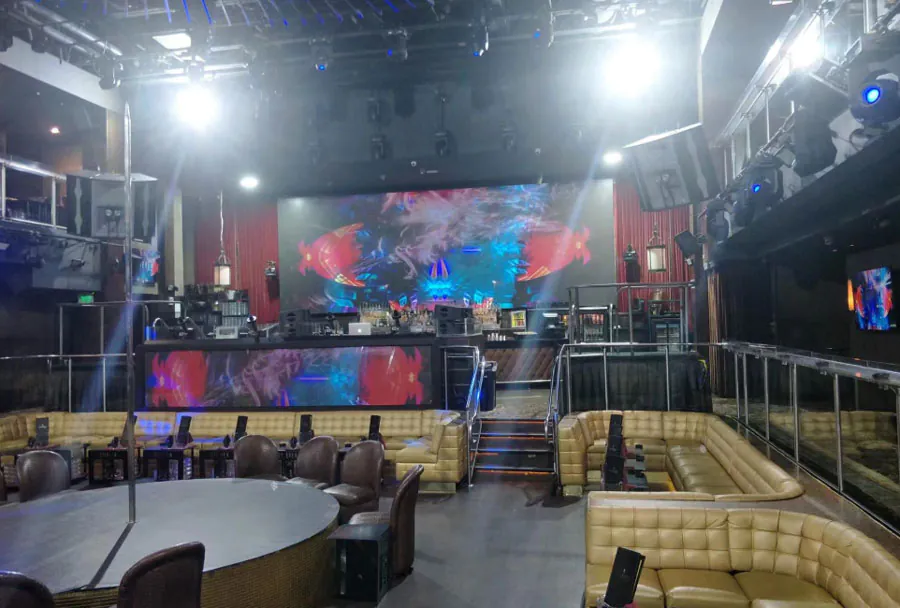
| Curved/Custom Build | Custom-shaped modules, seamless joins, architectural mounts | Unique visual presence; design and CAD modelling | Brand launches, experiential activations, museum exhibits | Design fees, longer lead times, bespoke rigging costs |
| Broadcast-Grade Setup | Camera-safe screens, high refresh rates, redundant media servers | Minimized flicker and latency for live TV | Televised events, awards shows, live-streamed conferences | Premium pricing for redundancy and technicians |
Quality Assurance and Safety Protocols
Pre-Installation Testing
Before any on-site assembly, TW performs bench testing of every module and power component. This includes pixel tests, firmware checks, and signal-handling validation. Components that do not meet performance standards are repaired or replaced to avoid field failures.
On-Site Inspection and Sign-Off
TW follows an on-site commissioning checklist, validating structural integrity, electrical compliance, brightness and color uniformity, signal timing and lip-sync, and redundancy systems. A formal sign-off process with the client ensures that both parties agree the system meets contractual and safety specifications.
Health & Safety and Regulatory Compliance
TW adheres to local and industry safety codes—OSHA-compliant practices in the U.S., accredited rigging certifications, and relevant venue-specific regulations. For outdoor events, wind-rating calculations and weather contingency plans are documented and approved before finalizing the rigging design.
Operational Best Practices: Ensuring a Flawless Show
Content Preparation and Playback
Content should be prepared in the native pixel dimensions or aspect ratio of the LED wall. TW provides content templates, recommended codecs, and color-space guidelines to ensure optimal playback. Media servers are configured with preloaded playlists and tested for cueing and transitions, while backup files are kept accessible for emergency swaps.
Rehearsal and Walkthrough
A full technical rehearsal is highly recommended. TW coordinates cue-to-cue rehearsals with lighting and audio teams to verify timing, visual transitions, and camera shots. Rehearsals uncover last-minute sync issues and provide an opportunity to fine-tune brightness and color in the actual venue environment.
Communication and Coordination
Clear lines of communication among TW’s lead technician, the client’s production manager, and other vendors are critical. TW typically uses a single-point contact model to streamline decisions and reduce conflicting directives during load-in, show operations, and strike.
Common Challenges and How TW Mitigates Them
Weather and Outdoor Events
Outdoor events face unpredictable weather and sunlight glare. TW minimizes risk by using high-brightness and IP-rated panels, sun shades, and protective housings. Weather contingency plans include secure anchoring, quick-deploy covers, and evacuation thresholds tied to local meteorological guidance.
Venue Constraints
Historic or restrictive venues may prohibit hanging loads or permanent fittings. In such cases, TW offers ground-stacked solutions with engineered ballast systems or leased temporary structures to meet load and safety restrictions. Advanced planning and early venue engagement prevent last-minute surprises.
Power Limitations
Older venues may have limited or unstable power. TW brings generator solutions and power conditioning to protect electronics and maintain consistent brightness. Load balancing and phased power-up sequences reduce inrush current and lower the risk of tripped breakers during turn-on.
Case Studies and Use Examples
Corporate Product Launch
For a national product launch, TW supplied a 40 ft x 12 ft fine-pitch LED wall, integrated into a stage backdrop with synchronized playback to multiple cameras. TW handled the site survey, engineered the flown rig, coordinated with broadcast trucks, and provided 24/7 technical coverage for three days. The result was a seamless live-streamed event with no visual downtime and crisp product imagery for camera close-ups.
Outdoor Festival Main Stage
At a multi-day outdoor festival, TW delivered two 50 ft x 30 ft outdoor-rated screens flanking the main stage. High-brightness panels, weatherproofing, and redundant data feeds ensured consistent performance under changing daylight conditions. TW’s on-site crew maintained the displays across the event, handling both routine calibrations and an unexpected module replacement within a single break between acts.
Trade Show Pavilion
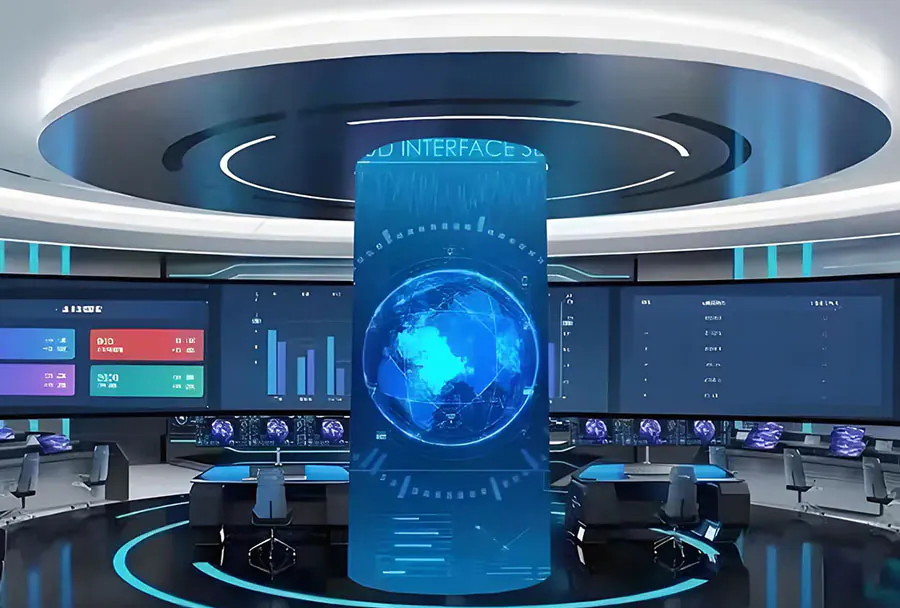
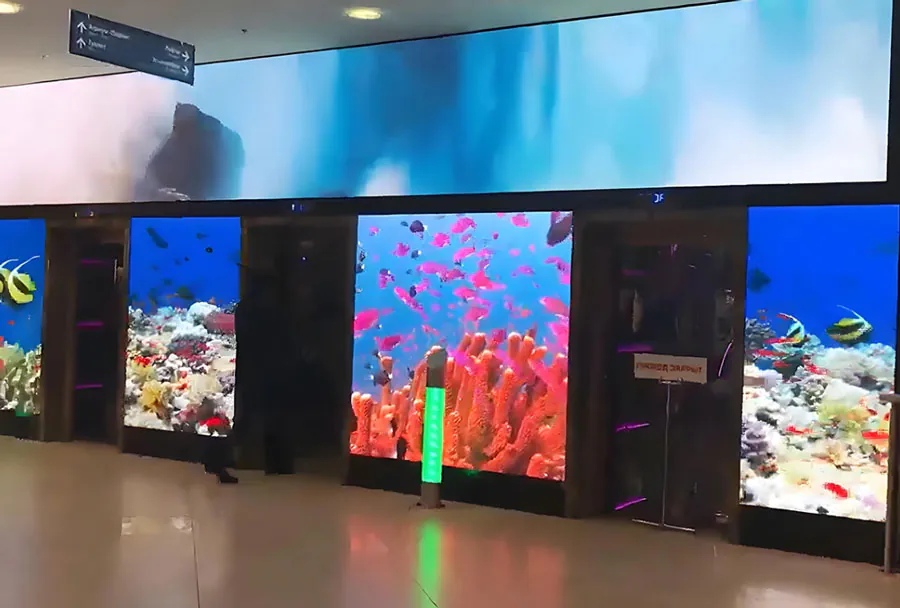
For a multi-exhibitor trade-show pavilion, TW installed a curved LED cylinder as the central attraction. TW provided CAD design, content mapping, and a phased installation that allowed exhibitors to open on schedule. The immersive display created significant foot traffic and media coverage for the client.
How to Evaluate and Choose TW for Your Event
Questions to Ask Before Signing
– What are your lead times for the requested screen size and pixel pitch?
– Can you provide references or case studies for similar events?
– What is included in the quoted support hours and what triggers overtime charges?
– Do you carry the necessary insurance and can you provide certificates?
– What SLAs and uptime guarantees are offered for critical events?
Checklist for Contracting
– Confirm scope: dimensions, pitch, indoor/outdoor rating, and location.
– Review installation plan: rigging points, power distribution, crew call times.
– Approve content format and delivery deadlines.
– Verify contingency and strike plans.
– Ensure a clear change-order process and cancellation policy.
Conclusion: The Value of Full-Service LED Rentals by TW
Full service LED screen rental by TW with installation and support delivers reliability, technical excellence, and peace of mind. By engaging TW, event organizers gain access to expert project management, certified rigging and electrical teams, high-quality LED inventory, and responsive on-site support. The upshot is a visually impactful experience that enhances audience engagement and protects the event’s reputation.
When planning your next event, consider not only the upfront rental cost but the total value provided by a full-service partner: reduced risk, fewer coordination headaches, faster load-in and load-out, and a single vendor accountable for performance. With careful pre-production, a well-defined support plan, and the right technical choices—guided by TW’s expertise—you can ensure the LED screen becomes a highlight of your event rather than a source of stress.
If you’re assessing solutions for an upcoming production, use the analysis table and operational checklists above to compare configurations and prepare meaningful questions for TW’s proposal. Thoughtful planning and an experienced full-service partner will make the difference between a good visual presentation and an unforgettable one.