Professional Mobile LED Screen Rental Services in Toronto

Toronto is a city of events — festivals, sporting spectacles, outdoor screenings, corporate activations, and cultural gatherings that demand high-impact visual experiences. For event planners, marketers, and production companies, mobile LED screens have become indispensable tools for delivering bright, crisp content to large, diverse audiences. This article examines professional mobile LED screen rental services in Toronto, outlining what to expect, technical considerations, logistics, pricing drivers, and practical guidance for selecting the right provider. Whether you’re organizing an outdoor concert in High Park, a product launch in the Distillery District, or a drive-in movie night on the waterfront, understanding mobile LED expertise will help you achieve seamless, memorable visuals.
What “Mobile LED Screen” Means in Practice
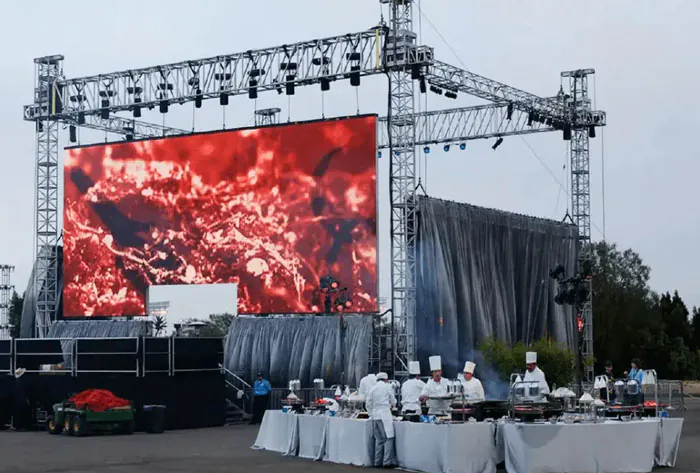
Mobile LED screens refer to modular led displays mounted on trailers, trucks, or quick-deploy frames designed for fast setup and teardown. Unlike fixed LED walls, mobile units are engineered for transportation, weather resistance, and rapid installation by a trained crew. Common configurations include:
– Trailer-mounted LED screens with hydraulic lift systems.
– Truck-mounted LED walls built into or onto flatbeds.
– Trailer/mobile cube systems that unfold to create larger screens.
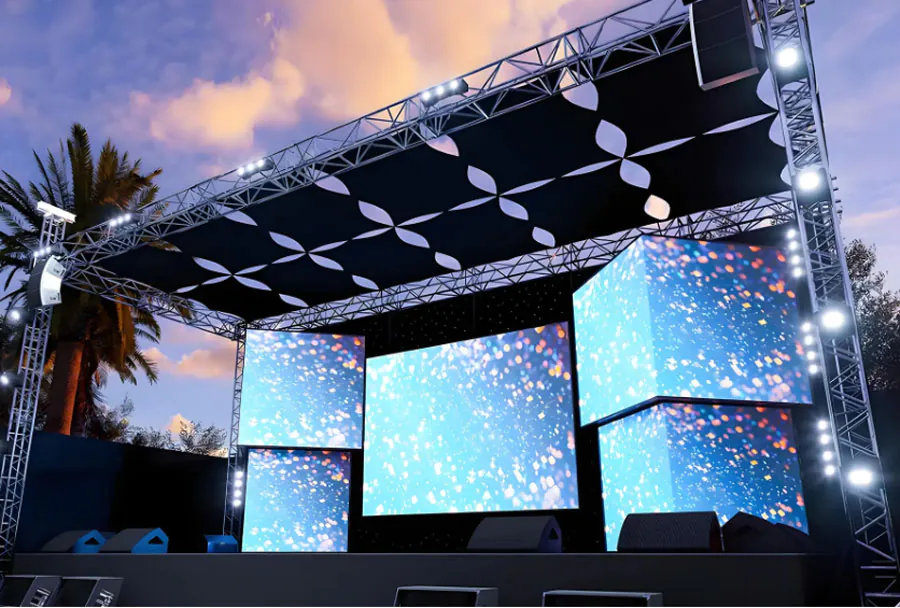
– Portable modular panels assembled on temporary scaffolding or frames.
These solutions are commonly rated for outdoor visibility, with high brightness (measured in nits), IP-rated cabinets for moisture and dust resistance, and options for weather covers and heating for cold climates like Toronto’s shoulder seasons.
Key Benefits of Renting Mobile LED Screens in Toronto
– Speed and convenience: Mobile screens are built for fast deployment, often ready within a few hours including setup and calibration.
– Versatility: They serve varied event types — live broadcasts, video playback, signage, and interactive activations.
– Weather tolerance: Properly specified units perform well in rain, wind, and cold with IP65 or higher ratings and heating kits for winter events.
– Scalable visuals: Screens can be linked to increase viewing area and resolution for large audiences.
– Turnkey services: Reputable rental companies provide transport, crew, content playback, live feed integration, and backup power.
Technical Specifications to Evaluate
When assessing providers, technical specifications determine image quality, reliability, and compatibility with your production needs. Key metrics:
– Pixel pitch (mm): Smaller pitch (e.g., 2.5mm–6mm) offers higher resolution for closer viewing distances; larger pitch (8mm–16mm+) is suitable for very large outdoor screens viewed from afar.
– Brightness (nits): Outdoor events typically require 4,000–7,000 nits for daytime visibility; evening events can use lower brightness.
– Refresh rate (Hz): Higher refresh rates (3,840Hz and above) reduce flicker in camera shots and ensure smooth motion capture.
– IP rating: IP65 or better for outdoor use; critical for Toronto’s variable weather.
– Panel size and modularity: Flexibility to build various aspect ratios and screen dimensions.
– Connectivity: Support for HDMI, SDI, NDI, and stream-based inputs (RTMP) plus options for cellular bonding, satellite, or fiber for live feeds.
– Power and backup: Generators sized to handle the LED load plus ancillary equipment, automatic transfer switches, and redundancy planning.
Typical Use Cases in Toronto
– Concerts and festivals (e.g., NXNE, Pride Toronto, Toronto Caribbean Carnival)
– Sporting events and fan zones
– Outdoor cinema and drive-in events
– Corporate product launches and trade shows
– Political rallies and public information broadcasts
– Community events and public screenings (e.g., World Cup, Olympics)
– Emergency and public safety messaging for municipal partners
Logistics and Permitting
Operating mobile LED screens in Toronto requires thoughtful logistics and often coordination with city authorities:
– Permits: Street closures, noise exemptions, park permits, and special event permits may be required depending on location and scale.
– Weight and footprint: Trailer and truck sizes may require load assessments, street access clearance, and site surveying.
– Power: On-site power availability, generator placement, and noise mitigation must be addressed.

– Safety and crowd control: Barriers, access zones, and securing the equipment to withstand winds.
– Traffic management and parking: Large vehicles need approved parking or staging areas; a logistics plan helps avoid last-minute delays.
– Insurance: Liability and equipment insurance coverage is essential; confirm provider policies match event requirements.
Service Components from a Professional Provider
A professional mobile LED rental company in Toronto should offer:
– Site survey and technical planning
– Production coordination and signal routing
– Transportation and crew (riggers, technicians, operators)
– On-site setup, calibration, and testing
– Content management and playback systems
– Live feed integration (camera feeds, streaming)
– Redundant power and emergency support
– Tear-down and removal within agreed windows
– Permitting assistance and municipal coordination (optional)
Analyzing Screen Options: Quick Comparison Table
Below is an analysis table to help planners compare common mobile LED screen configurations and estimate suitability for different venues and budgets.
| Screen Size (width x height) | Pixel Pitch (mm) | Recommended Viewing Distance (ft) | Typical Venues | Estimated Rental Cost (per day, CAD) |
|---|---|---|---|---|
| 10′ x 6′ (small trailer) | 6–8 mm | 20–50 ft | Small community events, pop-ups | $900 – $1,500 |
| 16′ x 9′ (medium) | 4–6 mm | 40–100 ft | Corporate gatherings, medium outdoor screenings | $1,800 – $3,000 |
| 22′ x 12′ (large) | 4 mm | 60–150 ft | Festivals, sports fan zones | $3,000 – $5,500 |
| 32′ x 18′ (event-grade) | 3–5 mm | 100–300 ft | Major concerts and city-wide broadcasts | $6,000 – $10,000 |
| 48′ x 27′ (stadium scale) | 3 mm or lower | 200+ ft | Stadiums, arena exteriors, large festivals | $10,000 – $20,000+ |
Note: Rental costs vary with season, demand, additional services (power, crew, transport), and custom engineering requirements.
Pricing Drivers and Budget Considerations
Understanding what drives price helps you budget and decide where to invest:
– Screen size and resolution: Larger and finer-pitch screens require more panels and hardware.
– Rental duration: Longer bookings often yield daily rate discounts; one-off events have premium logistics.
– Time of year: High-demand summer months and weekends command higher rates.
– Location complexity: Downtown or constrained sites increase labor and permit needs.
– Additional services: Content playback, live production, connectivity, and crew staffing add to the quote.
– Transport distance and access: Long haul distances or restricted access can add truck and labor time.
– Insurance and liability: Comprehensive coverage may be required for municipal events.
Content and Playback Recommendations
To optimize screen performance and audience experience:
– Use native resolution content whenever possible to avoid scaling artifacts.
– Provide content in commonly supported codecs and formats (H.264/H.265, ProRes where applicable).
– Design safe zones for text and graphics to account for viewing angles and cropping.
– Account for brightness: use high-contrast visuals and color grading for daylight readability.
– For live streaming, ensure low-latency workflows and redundant feeds.
– Test content on a similar size/scale screen during rehearsals.
Selecting the Right Provider: Checklist
When evaluating vendors, use this checklist to separate professionals from amateurs:
– Proven experience with similar events in Toronto and references.
– Fleet of maintained mobile screens with clear specs (nits, pitch, IP rating).
– On-staff riggers, technicians, and production managers.
– Transparent pricing and breakdown of costs (transport, setup, crew).
– Proof of insurance and WSIB or equivalent worker coverage.
– Backup systems: spare panels, control systems, and generators.
– Permitting support and municipal experience.
– COVID/safety protocols and health compliance if relevant.

– Post-event follow-up and technical debrief.
Case Study Snapshot: Community Film Night
A downtown Toronto community organization planned an outdoor film night in early fall. Key decisions and outcomes:
– Screen chosen: 16′ x 9′ trailer with 5mm pitch and 5,000 nits brightness for sunset-to-night screening.
– Logistics: Park permit obtained, generator provided, two technicians for setup, and crowd barriers.
– Content: 1080p master file provided; playback tested pre-event.
– Outcome: Setup completed within three hours, successful viewing for 600 attendees, minimal ambient light interference, and positive community feedback.
Lessons learned: Reserve the unit early for popular dates, schedule a content test, and allocate a technical lead to coordinate sound and video synchronization.
Common Pitfalls and How to Avoid Them
– Underestimating sunlight: Choose higher-nit screens for daytime events and schedule test times.
– Ignoring viewing distances: A screen too fine-pitched is unnecessary for distant audiences, while coarse pitch loses detail up close.
– Neglecting power planning: Confirm generator capacity and have fuel/logistics plans.
– Skipping redundancy: Always ask about spare parts and backup signal paths.
– Overlooking permits: Late permit issues can delay or cancel events; involve providers early.
Environmental and Neighbor Considerations
Toronto neighborhoods have expectations regarding noise, light spill, and late-night disturbances. Professional providers factor in:
– Light direction and barn doors to limit spill into residential areas.
– Sound coordination: aligning audio systems to reduce unnecessary amplification.
– Generators with low-noise enclosures or use of shore power if available.
– Clean site practices and leaving the location as found.
Trends and Innovations
Recent trends affecting mobile LED services:
– Higher refresh rates and video-friendly refresh for camera capture.
– Improved pixel pitch economy, enabling closer viewing at larger scale.
– Hybrid setups combining mobile LED trucks and fixed LED walls for multi-site events.
– Greater use of bonded cellular and cloud streaming for live remote contributions.
– Sustainable practices: more efficient generators, diesel alternatives, and site recycling.
Sample RFP Requirements for a Toronto Event
When issuing an RFP to vendors, include:
– Event date(s) and load-in/load-out windows
– Site address, GPS, and photos of access points
– Desired screen size/aspect ratio and content types
– Audience size and expected viewing distances
– Audio and staging requirements
– Power availability or need for generators
– Permitting status and municipal liaison (if any)
– Budget range and payment terms
– Mandatory insurance limits and safety policies
Final Recommendations
– Start early: Book reputable mobile LED vendors well in advance for peak seasons.
– Match screen to audience: Choose pixel pitch and size based on viewing distance, not just impression.
– Require transparency: Detailed quotes with itemized services avoid surprises the week of the event.
– Insist on redundancy: Backup power, spare panels, and an on-site technician make the difference between success and a late-night emergency.
– Test everything: Schedule content and signal tests; include rehearsals for live feeds.
Professional mobile LED screen rental services in Toronto provide flexible, high-impact solutions for virtually any event that requires reliable, bright, and scalable visuals. Selecting the right provider involves balancing technical specifications, logistical realities, and budgetary constraints. By prioritizing experienced vendors who offer comprehensive production services, redundant systems, and strong municipal knowledge, event organizers can deliver crisp visuals and seamless audience experiences — from small community screenings to stadium-sized spectacles. Plan proactively, focus on the right screen for your audience, and demand professional execution to make your Toronto event stand out.