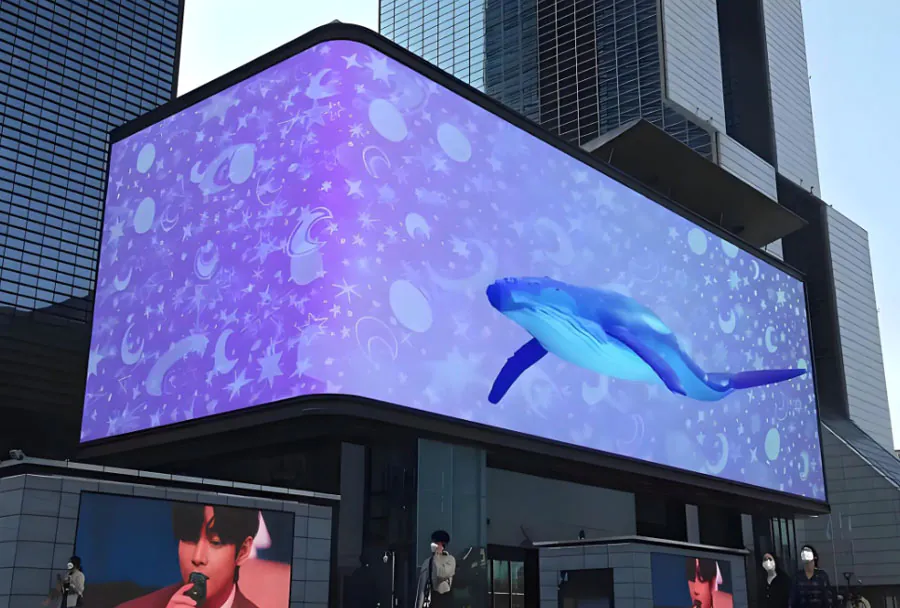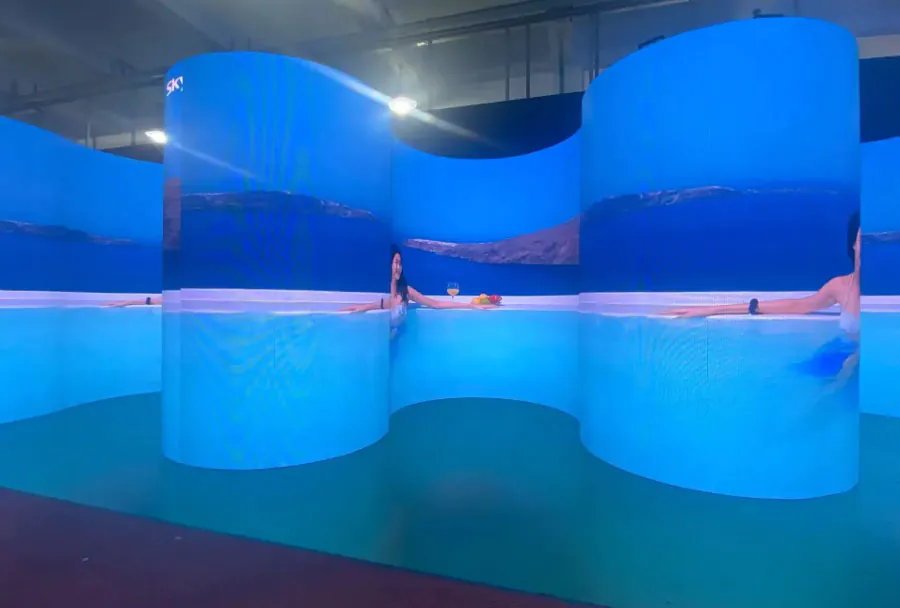
Custom Flex TV Screen Solutions for Residential & Commercial Use

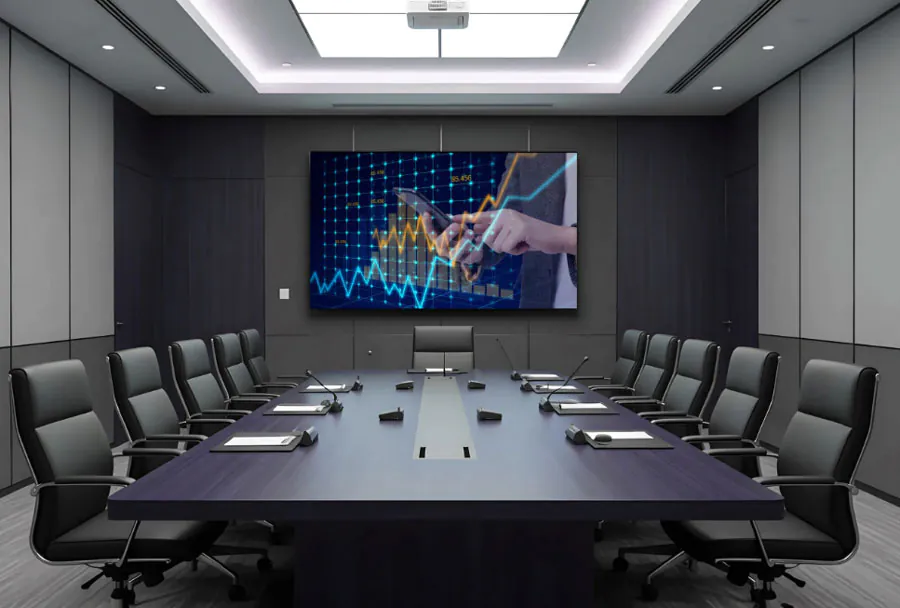
Flexible television screen technology has evolved from a futuristic novelty into a practical, design-forward option for both residential and commercial environments. Custom Flex TV screens — panels that bend, curve, or wrap to fit nonstandard surfaces — open new possibilities for aesthetics, viewing ergonomics, and spatial utilization. Whether you’re an interior designer seeking to create a seamless media wall in a luxury home or a retail operations manager looking to install eye-catching digital signage that follows architectural curves, custom flexible screens provide a blend of form and function that rigid displays cannot match.
This article explores the technical foundations, design considerations, use-case distinctions between residential and commercial deployments, cost and ROI implications, and best practices for specification, installation, and maintenance. Along the way we offer a comparative analysis table and real-world recommendations to help architects, integrators, and buyers evaluate and deploy the right Custom Flex TV Screen solution for their needs.
Understanding the Technology
What “Flex” Means in Modern Displays
flexible displays use substrates and thin-film layers that are mechanically bendable while maintaining image integrity. These technologies include OLED (organic light-emitting diode) and some emerging microLED implementations that can be fabricated on flexible plastic or metal foils instead of glass. Flexibility can be expressed as bend radius, curve angle, or full conformability to irregular surfaces.
Key attributes:
– Bend radius: Smallest radius at which the screen can bend safely.
– Curvature types: Concave, convex, cylindrical, spherical wraparounds.
– Durability: Fatigue resistance to repeated bending (if dynamic flexing is needed).
– Optical qualities: Brightness, contrast ratio, color gamut, and viewing angles.
Materials and Manufacturing Processes
flex screens typically rely on:
– Flexible OLED substrates: Thin polymer films enabling ultra-thin profiles and excellent contrast.
– MicroLED on flexible backplanes: Offers higher brightness and longevity; currently premium.
– Encapsulation layers: Protect active materials from moisture and oxygen.
– Flexible drive electronics: Thin, bendable printed circuit boards (PCBs) or stretchable interconnects.
Manufacturing advances such as roll-to-roll processing and laser-based patterning are driving costs down while improving scalability for custom shapes and sizes.
Residential vs Commercial: Key Differences in Requirements
The decision matrix for residential installs differs from commercial in several meaningful ways. Below is an analysis overview.
| Use Case | Typical Size Range | Primary Performance Requirement | Recommended Screen Type | Estimated Cost Range (USD) |
|---|---|---|---|---|
| Luxury Home Theater | 65″–150″+ | High contrast & color accuracy; minimal bezel; ambient light control | Flexible OLED, high-end microLED | $8,000–$150,000+ |
| Living Room / Media Wall | 55″–120″ | Design integration; moderate brightness for daylight; smart TV features | Flexible OLED or modular microLED tiles | $3,000–$60,000 |
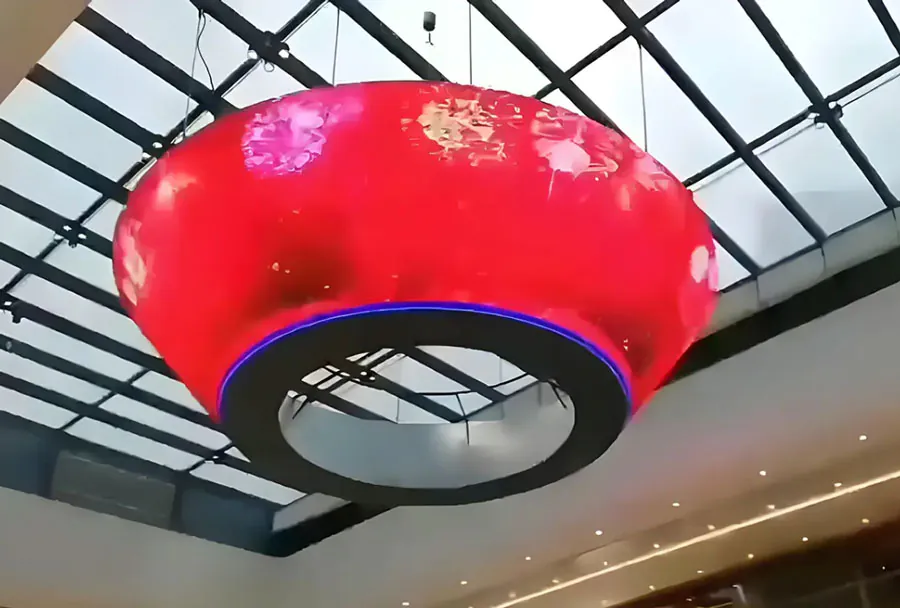
| Retail Window Display | 30″–250″+ | High brightness; attention-grabbing shapes; content scheduling | High-brightness microLED or LED flexible modules | $5,000–$200,000+ |
| Corporate Lobby or Wayfinding | 50″–300″+ | Brand presentation; durability; integration with AV systems | Modular flexible LED arrays; semi-flex OLEDs | $10,000–$250,000+ |
| Hospitality (Hotels, Restaurants) | 40″–200″+ | Durability; low maintenance; high visual impact | Flexible LED or commercial-grade flexible OLED | $7,000–$180,000 |

This table highlights typical ranges and should be used as a planning reference; precise pricing depends on curvature complexity, pixel pitch, control systems, and local installation variables.
Design and Customization Considerations
Form Factor and Architecture Integration
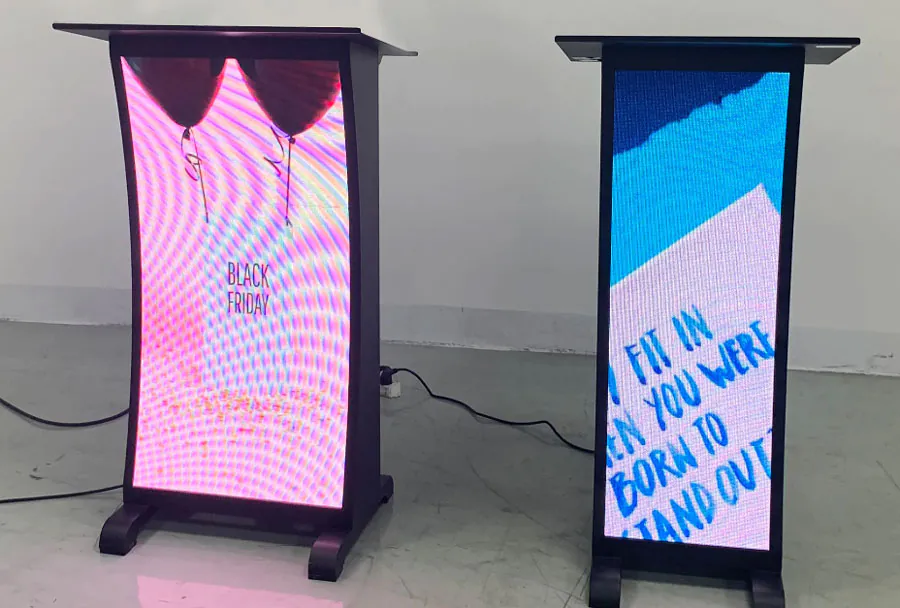
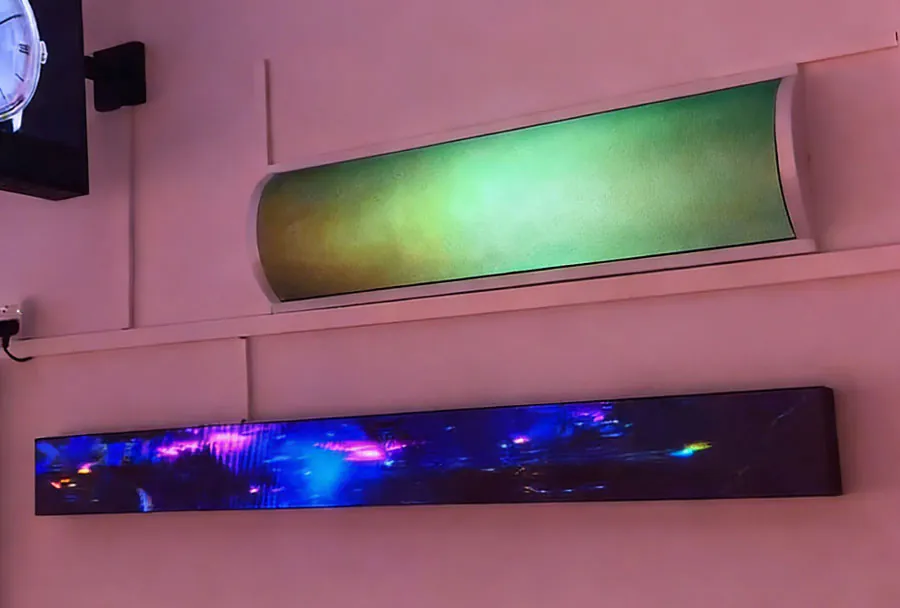
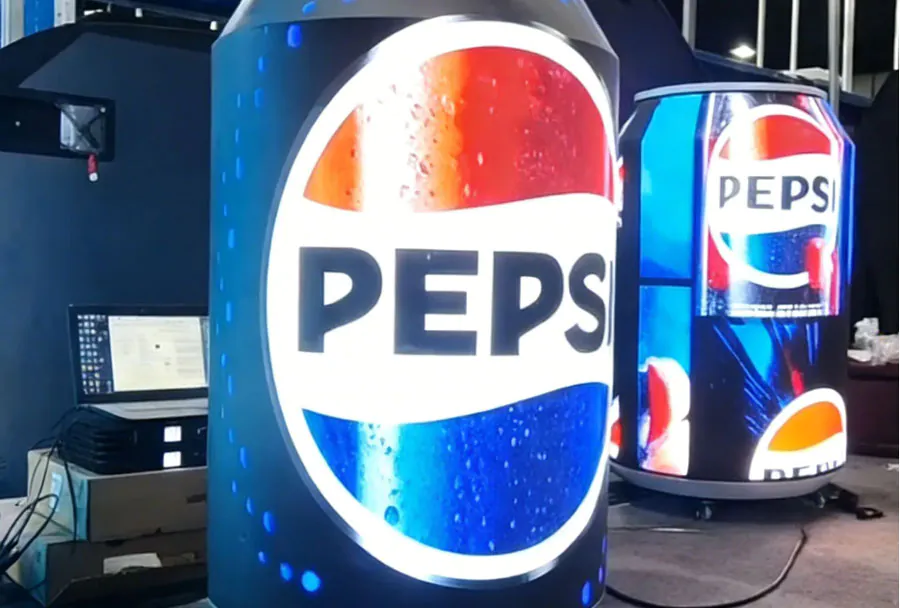
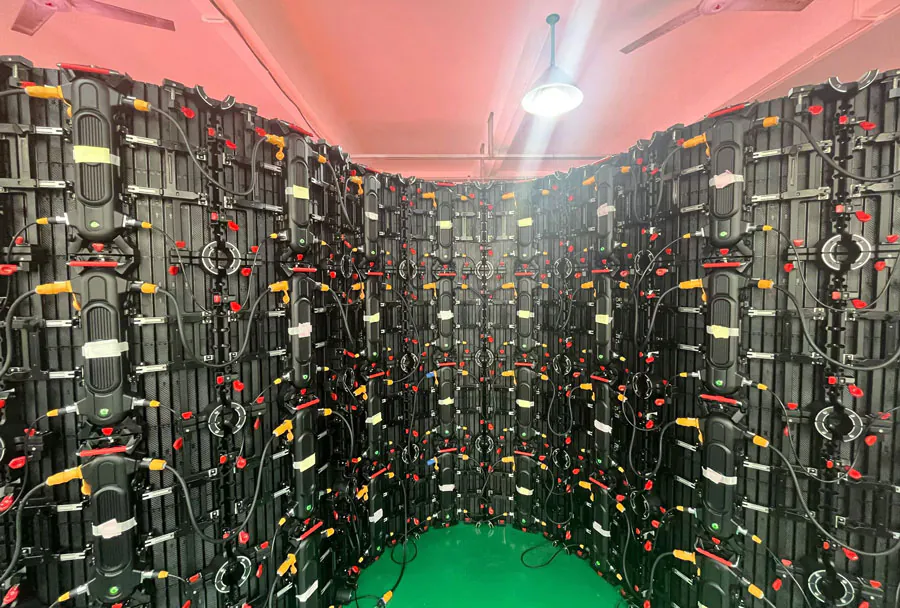
Custom flex screens allow designers to conform displays to curved walls, columns, vaulted ceilings, and furniture fronts. Important decisions during design:
– Degree of curvature: Gentle curves (large radius) are simpler and less expensive; tight wraps demand advanced fabrication.
– Seams and modularization: Large displays often use tileable modules; planning seam placement is critical for visual continuity.
– Bezel and frame treatment: You can minimize bezels or design decorative frames to integrate the screen into an architectural motif.
Collaboration between architects, electricians, and AV integrators early in the design phase reduces costly change orders and achieves a cleaner outcome.
Resolution, Pixel Pitch, and Viewing Distance
For flexible display projects, resolution planning must account for expected viewing distance:
– Residential living rooms and theaters often require high pixel density (4K or higher) for close viewing.
– Commercial signage can use larger pixel pitch (lower resolution at per-square-foot cost savings) if viewers are farther away.
Selecting the appropriate pixel density is a balance between budget and perceived image quality.
Content Strategy and Control Systems
Custom flex screens are only as effective as the content they show. For commercial deployments, content management systems (CMS) that support scheduling, remote monitoring, and multi-playlist control are essential. Residential systems may prioritize integrated smart TV platforms or custom media servers for personal content.
Control hardware choices include:
– Dedicated media players with CMS integration.
– Networked AV-over-IP systems.
– Local control processors for synchronization across multi-panel arrays.
Installation and Integration Best Practices
Structural and Mounting Considerations
Mounting a flexible display requires attention to substrate support and weight distribution:
– Ensure wall or surface can support concentrated loads, especially for larger wraparound arrays.
– Use custom mounting frames to maintain curvature and prevent stress points.
– Allow access for ventilation, cabling, and serviceability.
For installations on non-rigid surfaces (e.g., plaster curves, wood forms), adhesives and mechanical fasteners must be chosen to avoid damaging the display while guaranteeing stability.
Power, Cooling, and Cable Management
Even flexible screens need adequate power and heat dissipation:
– Plan power distribution to meet peak draw and multiple modules.
– Where brightness is high (retail, outdoor-facing windows), cooling strategies (ventilation, heat sinks) prevent thermal throttling and extend lifespan.
– Conceal cabling within walls or modular channels for a polished look; design service access panels.
Calibration, Color Matching and Commissioning
Large or tiled flex displays require professional calibration to ensure uniform color and luminance:
– Factory calibration can be supplemented with on-site tuning to match ambient light conditions.
– Use spectroradiometers or colorimeters and calibration software to match panels.
– For multi-module arrays, implement pixel-mapping and frame-timing synchronization.
Durability, Maintenance, and Lifetime Expectations
Lifespan and Degradation Factors
Lifespan depends on technology:
– OLED flex panels can offer excellent contrast but historically have had shorter lifespans than inorganic LEDs due to organic material degradation, particularly at high brightness settings.
– microLEDs offer long life and superior brightness, but are currently more expensive for large formats.
– Encapsulation quality and environmental sealing are crucial, especially near windows or in humid environments.
Predictive maintenance and conservative brightness settings can extend service life.
Cleaning and Repair Strategies
– Use manufacturer-recommended cleaning agents and soft microfibers to avoid abrasion.
– Avoid aggressive chemical cleaners that can degrade encapsulation.
– For modular arrays, design for easy replacement of individual tiles or strips to reduce service downtime and cost.
Regulatory, Safety, and Environmental Concerns

Custom flex deployments must comply with electrical codes, building regulations, and fire safety standards. Ensure:
– Electrical work is performed or inspected by certified electricians.
– Materials meet flame-retardancy and off-gassing standards suitable for indoor public spaces.
– For outdoor or window-facing installations, screens meet weatherproofing and UV tolerance requirements.
Environmental considerations include end-of-life recyclability and the ecological footprint of manufacturing. Some manufacturers offer recycling programs or trade-in discounts for older displays.
Cost Breakdown and Return on Investment (ROI)
Initial costs for custom flex screens encompass hardware, content and control systems, structural modifications, and installation labor. Ongoing costs include power, maintenance, and content updates. Factors that influence ROI:
– Commercial marketing value: Attention-grabbing shapes and dynamic content can lift foot traffic and sales.
– Brand differentiation: Luxury properties may see increased premium perceived value.
– Energy savings: Newer microLEDs can be more energy-efficient than legacy large-screen solutions.
Estimating ROI requires modeling expected incremental revenue (or value) over time against total cost of ownership (TCO) for the display solution.
Use Case Deep Dives
Residential: High-End Living Rooms and Home Theaters
In premium residential settings, custom flex TV screens let homeowners integrate huge cinematic canvases into curved walls, behind glass, or recessed niches. Key homeowner priorities:
– Seamless aesthetics: Minimal bezels, upholstery integration, and hidden installs.
– Image fidelity: High dynamic range (HDR), deep blacks, and minimal reflectivity.
– Smart ecosystem compatibility: Voice assistants, home automation, and streaming services.
Considerations: Homeowners should weigh the benefits of a bespoke piece versus the higher upfront costs and potential custom servicing needs.
Commercial: Retail, Hospitality, and Corporate Environments
Commercial use cases emphasize high visibility, robust operation, and content management:
– Retail: Flexible displays can wrap store facades, windows, or fixture elements to create a unique storefront that drives conversions.
– Hospitality: Hotels use curved displays in lobbies and bars for dynamic atmospheres and directional wayfinding.
– Corporate: Brand-driven curved screens in lobbies or auditoriums reinforce identity and communicate at scale.
Ongoing content strategy and remote monitoring are essential for commercial performance and uptime.
Vendor Selection and Procurement Tips
When evaluating vendors and integrators for custom flex projects, consider:
– Proven experience: Ask for case studies and references in similar scale or complexity.
– Engineering support: Does the vendor offer structural and electrical engineering oversight?
– Warranty and SLAs: Understand warranty coverage for burn-in, color degradation, and mechanical failure. Commercial projects should have service-level agreements (SLAs) for rapid replacement.
– Software ecosystem: Verify compatibility with your preferred CMS, AV control, or smart-home platform.
– Prototyping: For complex curvature, request a mockup or small prototype to validate visual and tactile outcomes.
Case Studies: Real-World Examples
– Upscale Restaurant: A curved, 22-foot dining-room media strip using modular flexible LED created immersive ambiance with dynamic menus, improving average guest spend during dinner service.
– Boutique Retail Flagship: A window-wrapping flex display increased foot traffic and dwell time by showcasing motion-first brand narratives during evening hours.
– Luxury Home Theater: An integrated convex flexible OLED panel delivered theater-grade contrast and reduced cabinet depth compared to projection, with a bespoke acoustic treatment for superior sound.
These illustrative examples show how tailored solutions can align with business goals and homeowner aspirations.
Future Trends and Innovations
Watch for:
– Wider adoption of flexible microLED: offering higher brightness and longevity at decreasing cost.
– Greater modularization: enabling seamless larger-than-life displays with fewer visible seams.
– Dynamic flexing: displays that slightly adjust curvature for different use modes (presentation vs. signage), though mechanically more complex.
– Integrated sensors: ambient light, proximity, and content-adaptive responses to increase energy efficiency and engagement.
Conclusion: Choosing the Right Custom Flex TV Screen

Custom Flex TV Screen solutions are a compelling option for clients seeking design-driven, immersive visual experiences. Success depends on careful alignment of technology choice, viewing requirements, structural considerations, and content strategy. Residential buyers prioritize image fidelity and seamless design integration, while commercial buyers prioritize brightness, durability, and content control. Both benefit from early engagement with architects, AV integrators, and manufacturers.
By balancing pixel density against viewing distance, selecting appropriate hardware (flexible OLED vs. flexible microLED), planning robust mounting and cooling strategies, and contractually securing maintenance support, stakeholders can achieve both aesthetic impact and reliable long-term operation. Whether wrapping a retail storefront in attention-grabbing motion or creating a sculpted media wall in a private residence, custom flex displays can transform the visual environment and deliver measurable outcomes when specified and executed correctly.