High-Definition LED Screen Rental Houston for Commercial Events

High-definition LED screens have become indispensable for commercial events in Houston, from large-scale conventions at the George R. Brown Convention Center to outdoor festivals and corporate product launches. When done right, led displays transform attendee experience, improve brand visibility, and maximize return on marketing investment. This article provides a thorough, practical guide to HD LED screen rental in Houston for commercial events — covering technical specifications, planning and logistics, vendor selection, creative content planning, budget considerations, and real-world event examples.
What “High-Definition” Means for LED Screens
In LED rental terms, “high-definition” typically refers to an appropriate pixel density for the viewing distance and content type. For close-up viewing (conference stages, indoor trade shows), fine pixel pitches such as 1.2–2.5 mm produce crisp text and detailed imagery. For larger, longer-distance viewing (stadium displays, outdoor marquees), pixel pitches of 3.9–10 mm are still perceived as high-definition from further back. Brightness levels (measured in nits) and color calibration also play essential roles in perceived quality, especially under Houston’s bright sunlight and variable lighting conditions.
Benefits of Renting HD LED Screens for Commercial Events
– Improved attendee engagement: Large, high-resolution visuals capture attention and improve message retention.
– Flexibility and scalability: Rental providers can supply modular configurations that fit any stage design or venue footprint.
– Weather and lighting adaptability: Modern rental LED panels offer high brightness and weather-resistant options for outdoor events.
– Reduced capital expenditure: Renting removes maintenance, storage, and depreciation costs associated with ownership.
– Professional support: Reputable rental companies deliver installation, operation, and on-site technical support.
Houston-Specific Considerations
Houston’s climate and event infrastructure affect LED rental choices:
– Climate: High humidity, heat, and sudden storms require outdoor-rated cabinets, waterproof power management, and adequate ventilation.
– Venue restrictions: Many Houston venues have rigging and electrical constraints; work with vendors who know local requirements and permit processes.
– Local suppliers: Choosing a Houston-based rental company reduces transport costs and improves response time for technical issues.
Technical Specifications to Evaluate
Selecting the right LED screen requires balancing pixel pitch, resolution, brightness, refresh rate, contrast, and processing capabilities. Below are the most important specs to review.
Pixel Pitch and Resolution
Pixel pitch (mm) determines image clarity at different viewing distances. For commercial events:
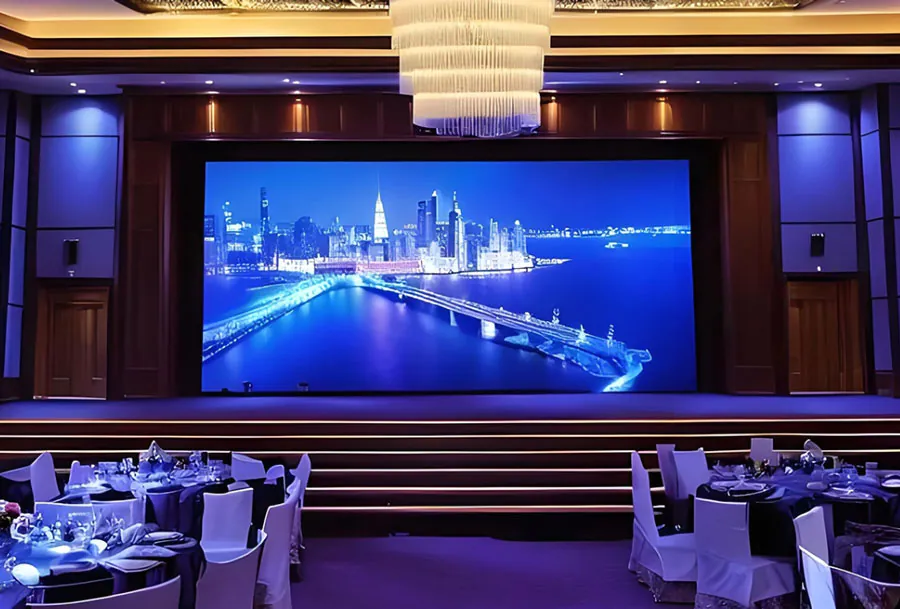
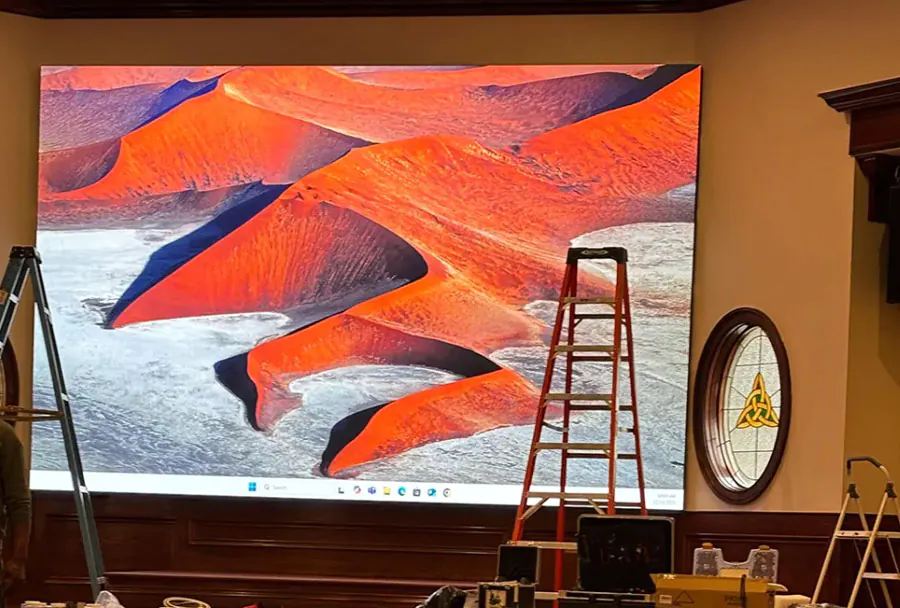
– 1.2–2.5 mm: Best for close-range indoor viewing—ideal for stages, boardrooms, or indoor activations.
– 3.9–6 mm: Good for mid-range viewing such as exhibition halls and medium-sized auditoriums.
– 8–10+ mm: Suited for outdoor and long-distance viewing, including festivals and outdoor signage.
Brightness and Contrast
Brightness measured in nits is crucial for visibility. Typical recommendations:
– Indoor: 800–1,200 nits for controlled lighting environments.
– Semi-outdoor: 2,000–4,000 nits for covered stages exposed to ambient daylight.
– Full outdoor: 5,000–8,000+ nits for direct sunlight readability.
High contrast ratios and proper calibration ensure vivid colors and deep blacks.
Refresh Rate and Color Depth
High refresh rates (≥ 3,840 Hz) reduce flicker on camera, essential for events recorded or streamed live. Color depth and accurate color calibration affect brand fidelity, product demos, and video playback quality.
Physical and Structural Considerations
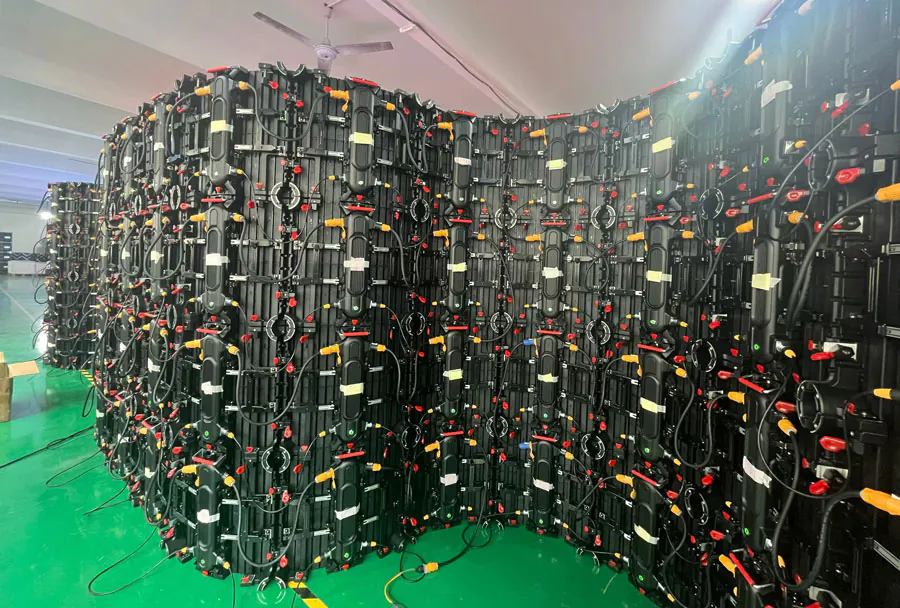
– Modular cabinets: Allow flexibility for custom aspect ratios and seamless joins.
– Weight and mounting: Confirm stage load capacities and rigging points.
– Weatherproofing: IP65+ rating for outdoor use prevents moisture and dust ingress.
– Power consumption: Understand per-panel power draw and venue electrical capacity.
Planning and Logistics for Houston Events
A successful LED rental hinges on early planning and coordination with the venue, AV team, and vendor. Key steps include site survey, permits, logistics, installation, and testing.

Site Surveys and Venue Coordination
Arrange a site visit early to measure sightlines, sight angles, mounting points, electrical access, and ingress/egress paths for equipment. Many Houston venues have pre-approved rigging points that dictate hanging solutions; floor stacks require adequate floor load planning.
Permits and Local Regulations
For outdoor signage and temporary structures, Houston municipal codes and venue-specific rules sometimes require permits or inspections. A local rental company familiar with Houston permitting processes will save time and prevent last-minute hold-ups.
Transport, Timing, and Crew
Coordinate delivery windows with the venue. Allow sufficient rigging and focus time:
– Load-in: 4–24 hours depending on screen complexity and venue size.
– Setup and calibration: 2–6 hours for typical conference setups; more for large outdoor arrays.
– Strike: Plan adequate time for safe disassembly, especially in congested downtown areas.
Content and Creative Considerations
How you use the LED screen matters as much as the hardware. Screens are most effective when content is optimized for the display and audience.
Design for Pixel Pitch and Aspect Ratio
Create native-resolution assets that match the final screen resolution. Avoid scaling low-resolution images; use vector graphics for text and logos when possible. Design flexible layouts for modular screens that may be arranged in atypical aspect ratios.
Video Formats and Playback Systems
Ensure your video codecs and frame rates are compatible with the rental provider’s media servers. Popular solutions include Resolume, Watchout, or dedicated LED processors such as Novastar. Provide uncompressed or lightly compressed masters for best results.
Live Feeds and Camera Integration
If projecting live camera feeds, verify refresh rates and latency. Use camera-friendly refresh rates and ensure the LED panels are certified for broadcast to avoid flicker or rolling bands on screens.
Vendor Selection: What to Ask Your LED Rental Provider
Selecting the right vendor is critical. Ask targeted questions and verify credentials.
Key Questions for Vendors
– Do you have examples of similar Houston events and references?
– What pixel pitches and brightness levels do you recommend for my venue and content?
– Are your outdoor panels rated for Houston weather (IP rating)?
– Will you handle installation, calibration, and on-site tech support?
– What is your redundancy plan for live events (spares, backup processors)?
– Do you provide content testing and media playback support?
Redundancy and Support
Evaluate the vendor’s spare parts inventory (extra panels, power supplies, data cables) and on-site staffing. For mission-critical commercial events, choose vendors that provide on-site technicians for the full run of the event.
Cost Considerations and Budgeting
Rental costs vary by screen size, pixel pitch, duration, and additional services. Typical cost drivers: equipment type, transport, rigging, labor, and content playback systems.
Typical Price Drivers
– Screen size and resolution: Larger, fine-pitch screens cost more.
– Brightness and weatherproofing: Outdoor-rated, high-nit panels increase price.
– Labor and logistics: Complex rigging or long load-in/out windows increase labor costs.
– Technical support: On-site engineers and media servers add to total rental package.
– Duration: Longer rental windows may offer reduced daily rates but increase overall cost.
Estimating ROI
Quantify value by measuring increased attendee engagement, sponsor visibility, lead capture, social media impressions, and brand recall. Track metrics (dwell time, conversions at activations, sponsored impressions) to justify the rental spend against campaign objectives.
Analysis Table: LED Screen Options for Common Houston Commercial Events
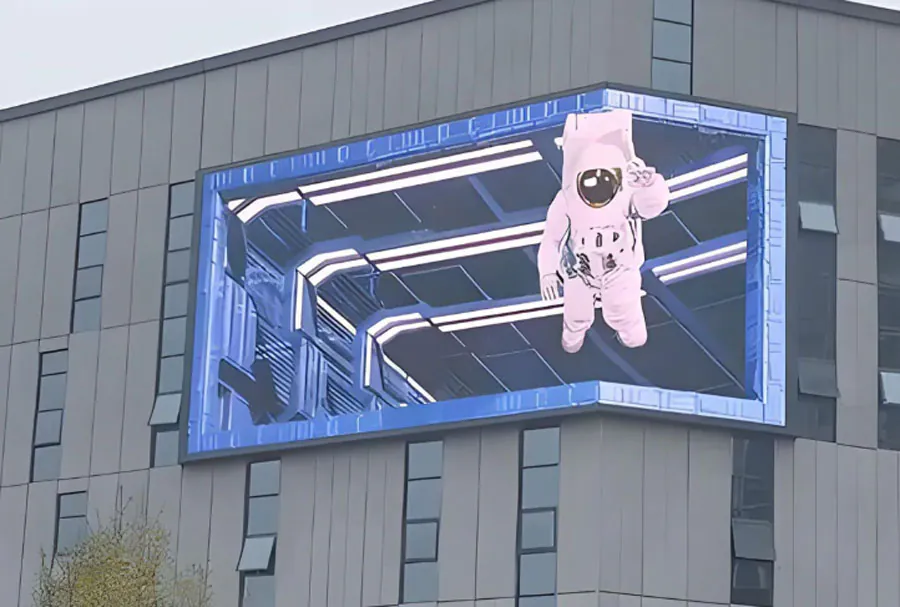
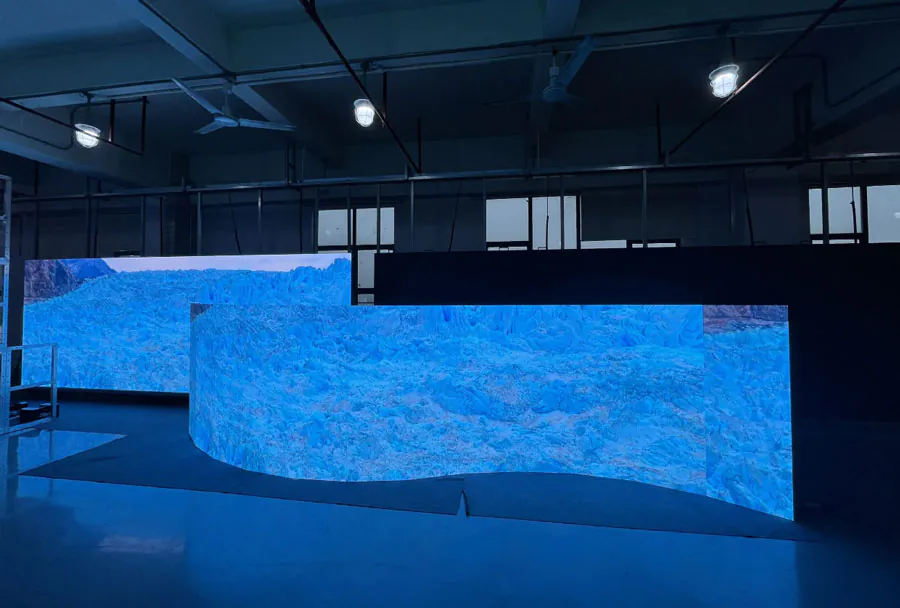
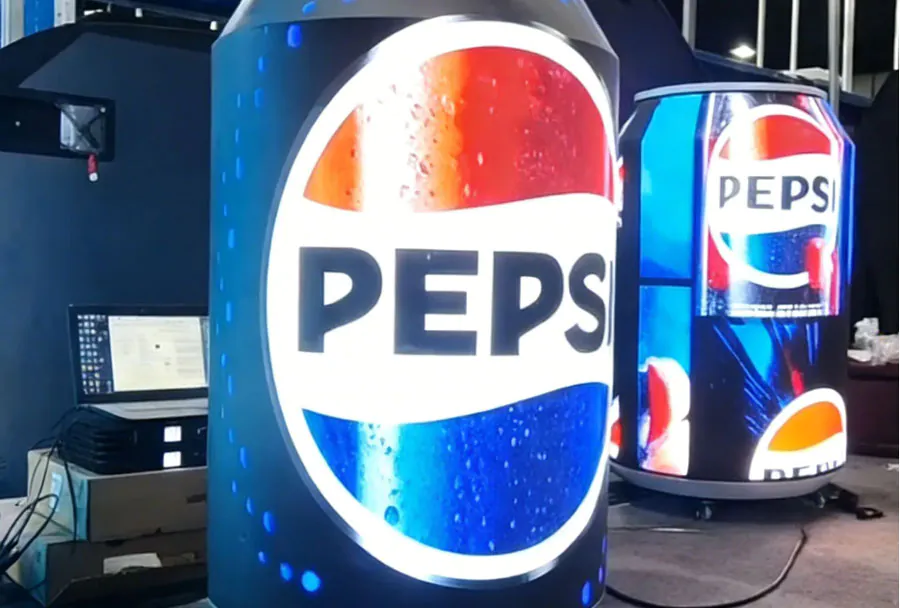
Screen TypeTypical SizesResolution / Pixel PitchBrightness (nits)Recommended UsesIndoor Fine-Pitch LED Wall6′ x 10′ to 20′ x 40’1.2–2.5 mm (Full HD to 4K ranges)800–1,200Corporate presentations, product demos, conference stagesIndoor/Mid-Range LED Wall10′ x 18′ to 30′ x 60’3.9–6 mm (HD to 2K)1,500–3,000Trade show backdrops, large auditoriums, indoor concerts Outdoor High-Brightness LED Wall12′ x 24′ to 40′ x 100’4–10 mm (variable)5,000–8,000+Outdoor festivals, arenas, roadside promotionsRental LED Curtain / Creative ShapesVariable modular sizes2.5–6 mm1,200–4,000Dynamic stage design, concourse installations, brand activationsTransparent/Fabric LEDWindow-fills, fa?ades, stage fronts3–10 mm2,000–6,000Retail fa?ades, showroom windows, architectural accents
Case Studies: Successful Houston Commercial Deployments
Below are condensed examples demonstrating typical use-cases and outcomes.
Convention Launch Event — Downtown Houston
A national software company hosted a product launch at a convention center with a 20′ x 40′ indoor fine-pitch LED wall (1.8 mm). The screen displayed detailed UI walkthroughs and live demos. Benefits: clear on-stage visuals reduced the need for printed collateral, and integrated camera feeds allowed remote audiences to follow close-ups. Outcome: higher demo engagement, increased social shares, and measurable lead capture via QR overlays.
Outdoor Music Festival — Memorial Park
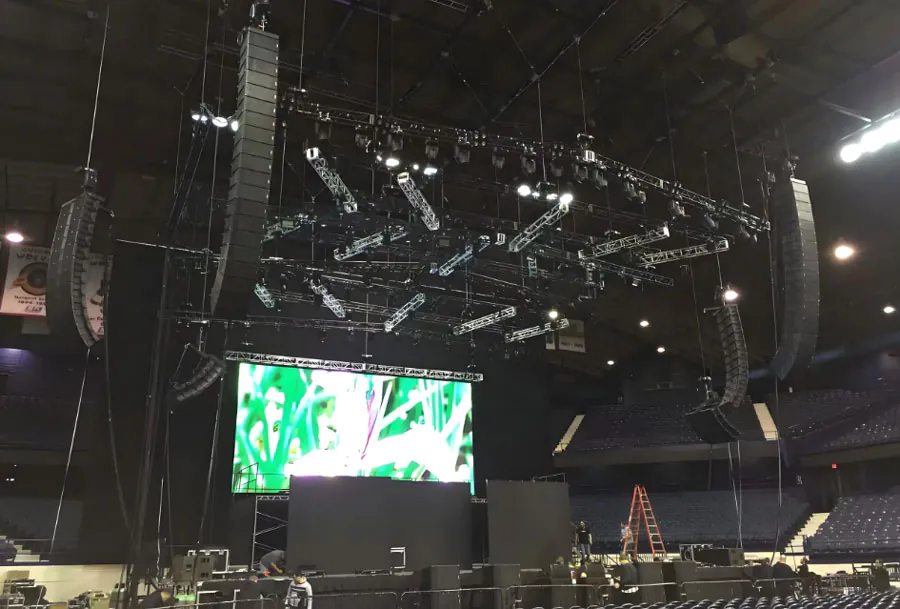
Festival organizers used 30′ x 60′ outdoor high-brightness LED walls (6–8 mm) on either side of the main stage for crowd visibility. Vendor provided weatherproof panels and redundant power systems. Benefits: improved performer visibility and sponsor ad playback during set changes. Outcome: fewer visibility complaints and a successful broadcast feed to digital platforms.
Retail Activation — Galleria
A luxury brand did a week-long activation using transparent LED on the store fa?ade and an interior fine-pitch wall for product storytelling. Benefits: foot traffic increased significantly due to eye-catching fa?ade visuals, and the store reported higher conversion rates. Outcome: direct uplift in sales attributed to the LED-driven activation.
Operational Checklist for Event Managers
Use this checklist to ensure no critical step is missed.
60–90 Days Before Event
– Define objectives for the LED display (branding, video, sponsors).
– Confirm venue sightlines and rigging limitations.
– Request vendor proposals with sample setups and references.
– Lock in budget and schedule.
30 Days Before Event
– Finalize screen size, pixel pitch, and brightness.
– Provide final content specs to vendor (resolution, codecs, aspect ratio).
– Confirm transport windows and power/load requirements.
– Arrange permits if outdoor.
Event Week
– Confirm delivery and load-in schedule.
– Conduct on-site testing and calibration.
– Run full dress rehearsal with live feeds and playback.
– Ensure spare parts and technicians are on-site.
Troubleshooting Common Problems
– Flicker on camera: Increase refresh rate, confirm camera settings, or switch to broadcast-certified panels.
– Color mismatch between screens: Perform color calibration with vendor tools prior to showtime.
– Power outages: Use redundant power supplies and UPS for control systems; confirm venue breaker capacity.
– Rain or humidity: Use IP-rated outdoor cabinets and protect power distribution under weatherproof setups.
Frequently Asked Questions (FAQ)
How early should I book an LED rental in Houston?
For peak seasons and large corporate events, book 2–6 months in advance. Last-minute rentals are possible but limit options and can increase costs.
Can LED screens be used for live streaming?
Yes. Ensure the LED panels support high refresh rates and the rental package includes video switchers and capture devices. Coordinate with the streaming team for latency and camera configurations.
What about sound? Do LED vendors provide audio?
Some vendors offer integrated AV packages including sound. Confirm if audio engineers and speaker systems are included or if you need a separate audio vendor.
Final Recommendations
– Start planning early and involve your LED vendor in venue coordination and content strategy.
– Choose pixel pitch and brightness based on viewing distance and lighting conditions.
– Prioritize local Houston vendors with a proven track record for faster response and smoother logistics.
– Prepare backups: redundant processors, spare panels, and on-site technicians for mission-critical commercial events.
– Optimize content for native resolution and test in situ to ensure the highest impact.
High-definition LED screen rental can elevate Houston commercial events from good to extraordinary. When technology, creative content, and logistical planning align, you deliver memorable experiences that drive measurable results. Use the guidance in this article to make informed choices, collaborate closely with vendors, and execute seamless, visually compelling events in Houston’s dynamic event landscape.