Custom Outdoor LED Screen Rental for Brand Activations & Campaigns

Outdoor brand activations and campaigns are no longer limited to static banners and standard tents. Custom outdoor LED screens offer dynamic visual impact, flexibility, and measurable engagement that can elevate a brand’s presence in high-traffic environments. Whether used for pop-up experiences, experiential marketing, festivals, product launches, or mobile tours, a well-executed LED screen rental becomes the centerpiece of audience attention and message recall.
In this article, we explore the professional considerations for renting custom outdoor LED screens for brand activations and campaigns. We cover technical specifications, creative strategy, logistics, budget considerations, compliance and safety, content best practices, and measurement of success. An analysis table compares common rental configurations to help planners match needs with rental options.
Understanding the Core Benefits
High visibility and brand presence
Custom outdoor LED screens are bright, colorful, and visible from long distances. Unlike static signage, led displays capture movement and motion—naturally drawing eyes. This makes them ideal for high-traffic zones such as plazas, festival grounds, retail districts, and sporting events.
Flexibility and responsiveness
Content can be changed quickly—live updates, social feeds, countdowns, or tailored messaging for different times of day. This responsiveness supports campaigns that adapt to crowd behavior, weather, or real-time promotions.
Enhanced engagement
LED screens can integrate interactive elements: live social media walls, QR codes for immediate calls-to-action, live polling, or AR overlays via mobile apps. When combined with on-site staff and sampling, full sensory brand experiences are possible.
Measurable outcomes
With integrated sensors, dwell-time analytics, or event-specific tracking (e.g., QR scan conversions, unique code redemptions), screen-driven campaigns can deliver measurable ROI. This is crucial for justifying investment to stakeholders.
Technical Considerations When Renting an Outdoor LED Screen
Pixel pitch and resolution
Pixel pitch—the distance between LED diodes—determines the display’s optimal viewing distance. For outdoor activation where viewers may be close (10–50 feet), a tighter pitch (P3–P6, meaning 3–6mm) provides crisper images. For larger, more distant audiences, P6–P10 is common. Match pixel pitch to expected audience proximity to ensure content clarity.
Brightness and weather resilience
Brightness is measured in nits. Outdoor screens typically range from 4,000 to 8,000 nits—necessary to combat direct sunlight and maintain contrast. Additionally, look for IP65 or higher ratings for water and dust resistance. Proper ventilation and cooling are essential for reliability in hot conditions.
Form factor and customization
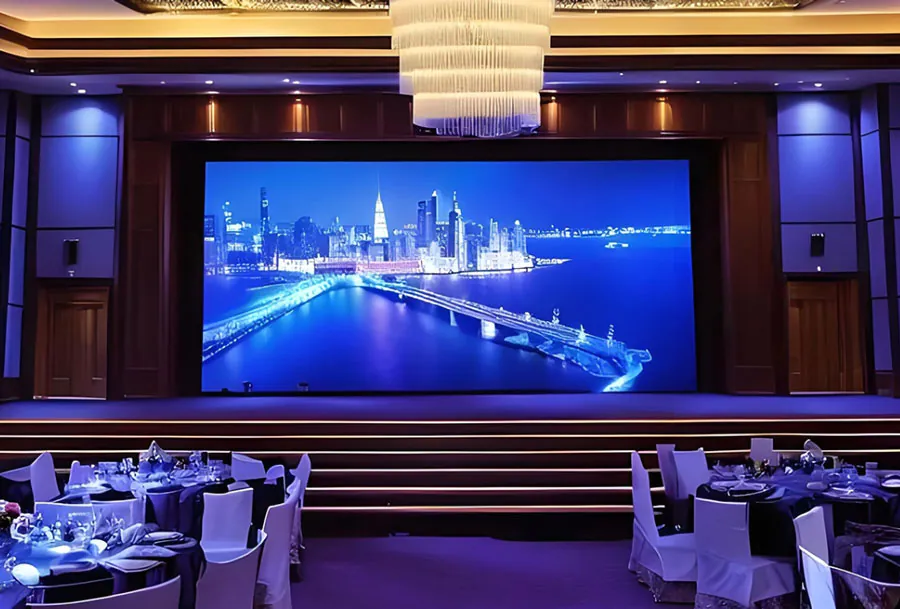
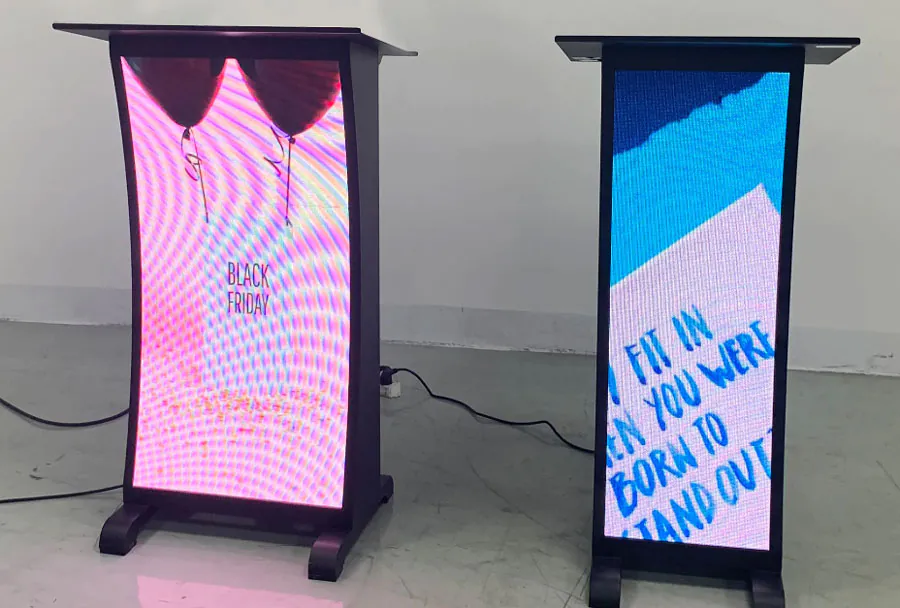
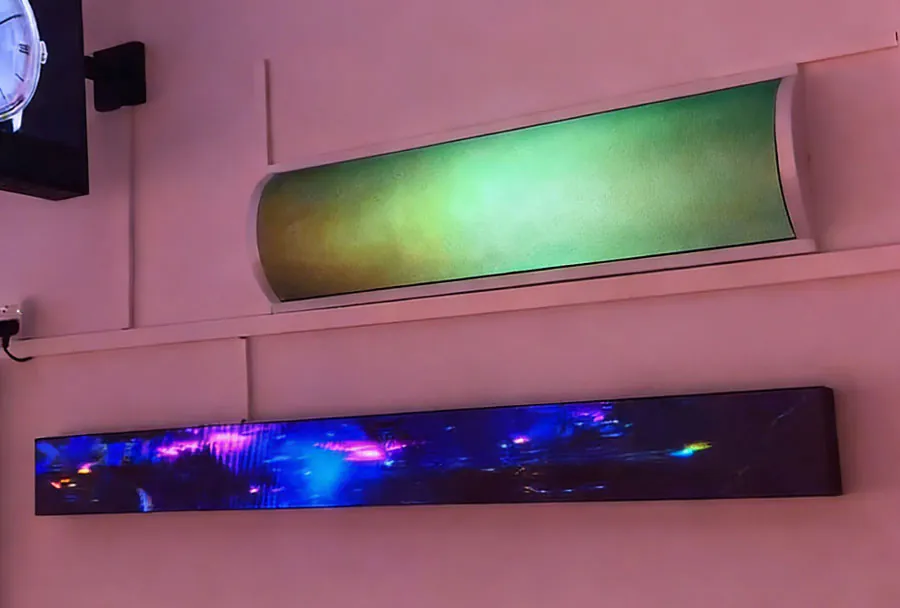
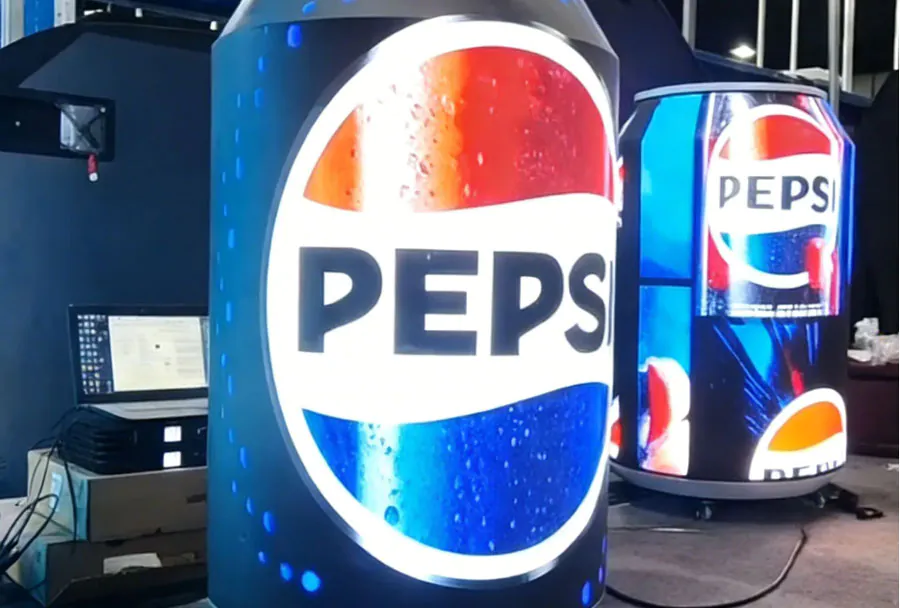
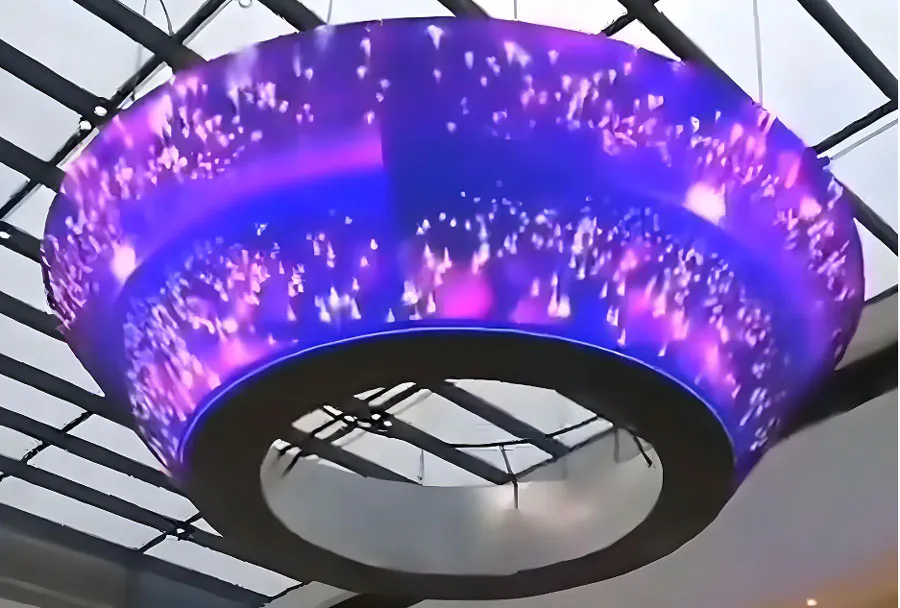
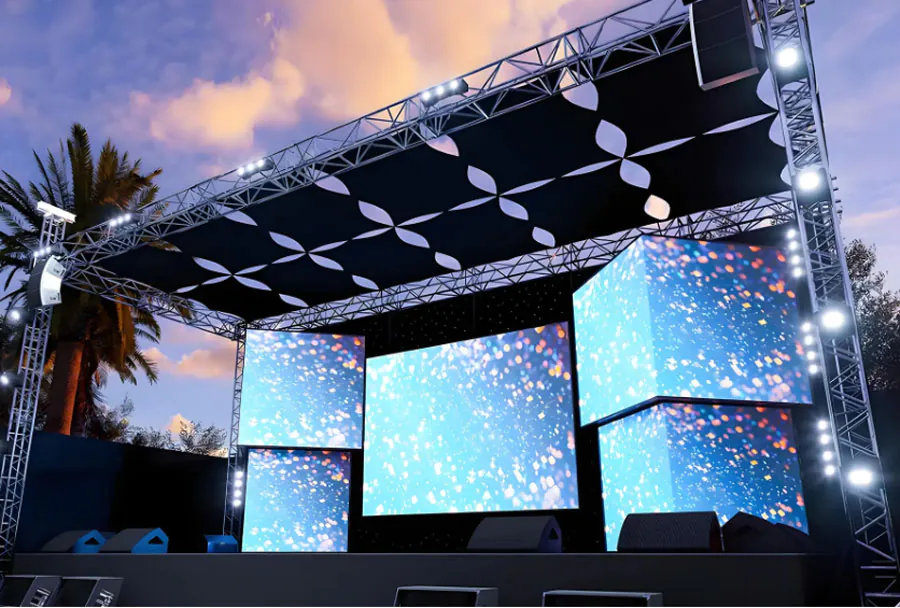
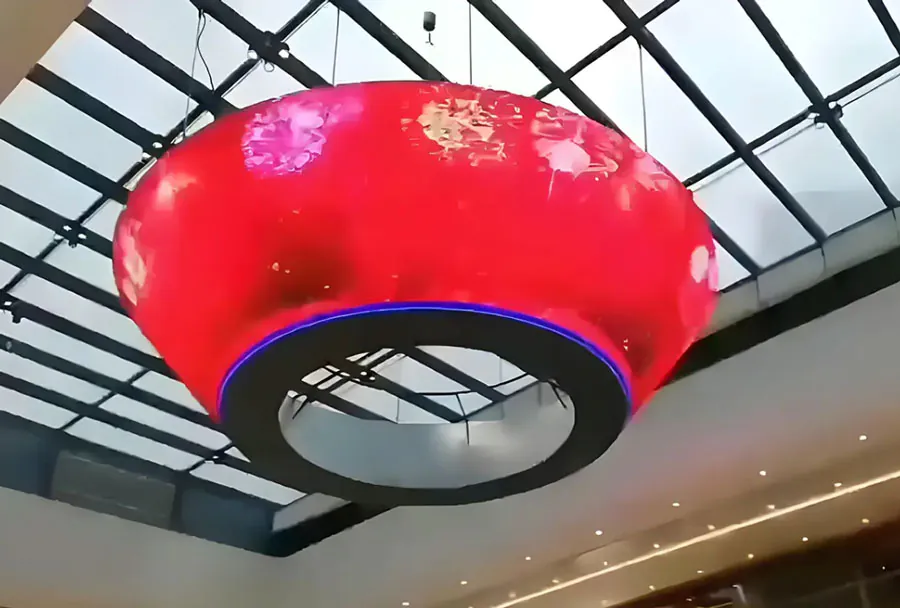
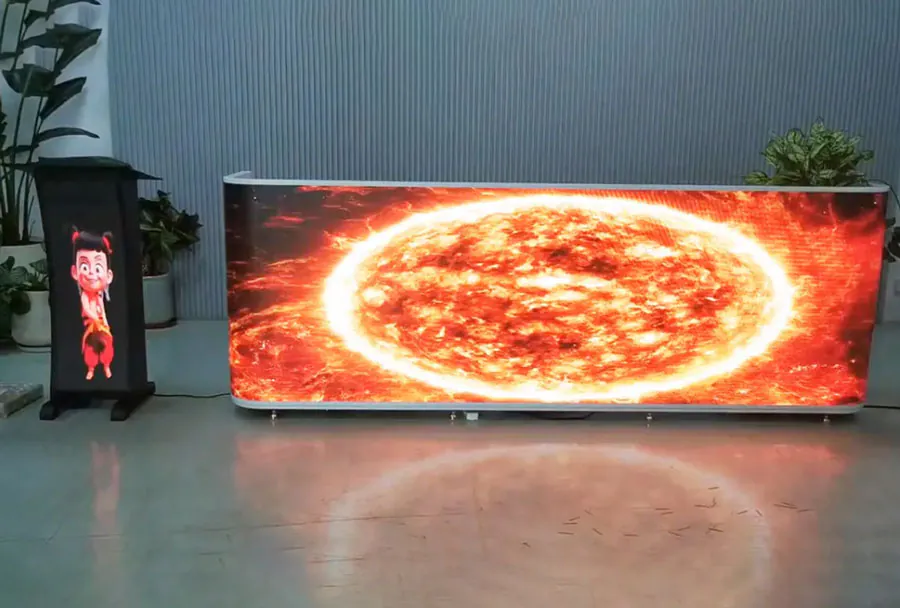
Screens can be framed, curved, mobile (truck-mounted or trailer-based), stage-backdrop, or modular wall systems. Custom sizing and shaped arrays (e.g., semi-circular or freestanding columns) amplify uniqueness. Discuss creative goals with suppliers to determine feasible configurations.
Power, rigging, and mounting
Outdoor events require power planning—generators, distribution panels, cable runs, and backup. Rigging must meet structural loads and safety codes; consider truss, scaffolding, or ground-stacked systems with adequate ballast and wind protection. Rental providers should provide engineering documentation and certified riggers.
Connectivity and content playback
Reliable playback is critical. Options include on-site media players, redundant playback systems, live feeds via cellular bonding, or satellite. Ensure the rental includes testing, monitoring tools, and a technician to handle failover scenarios.
Creative Strategies for Maximum Impact
Story-driven content
Start with a narrative framework. A 30–60 second loop that features an opening hook, product story, and a clear call-to-action performs better than non-sequenced content. Add captions or simple graphics for viewers who might be at a distance or in noisy environments.
Motion design and contrast

Use high-contrast colors, large typography, and motion that guides the eye. Avoid overly detailed small-type elements that won’t render well on wider pixel pitches. Motion should complement, not distract—use pacing so passersby can absorb your message in 3–8 seconds.
Interactive overlays
Integrate live social walls, gamification, or augmented reality tie-ins. For instance, a branded hashtag displayed in real time encourages user-generated content. Use QR codes for immediate conversions, but design them large and high-contrast to ensure scannability from distance.
Audio considerations
While visuals are primary, audio can enhance engagement. In busy outdoor environments, pair visuals with directional speakers, or use silent experiences—subtitled video or user-triggered Bluetooth/QR audio—to avoid noise pollution issues and comply with venue rules.
Logistics and On-Site Operations
Site survey and planning
An on-site survey is mandatory. Lighting conditions, sun path, sightlines, audience flow, power availability, and wind exposure are critical. Use this data to select screen size, brightness, and orientation.
Permits and local regulations
Outdoor screens often require permits—especially in municipal zones or near roadways. Work with your supplier to secure displays that meet local ordinances, and confirm permit responsibilities: who files them, who pays fees, and timelines.
Installation timeline
Allow time for delivery, assembly, alignment, testing, and contingency. Typical installations take 4–24 hours depending on complexity. Schedule rehearsals for content playback, live feeds, and emergency procedures.
Staffing and technical support
Rentals should include technician support during installation and for the duration of the activation. Consider a dedicated A/V supervisor on-site for live events to manage content switches, troubleshoot, and liaise with venue staff.
Safety, Compliance, and Environmental Considerations
Wind and structural safety
Outdoor screens present wind loads; ensure wind-rated design and wind-monitoring procedures. Have a clear go/no-go threshold and secure anchor systems or ballast for freestanding builds.
Electrical safety and grounding
Proper grounding, GFCI protection, and cable management prevent hazards. Generators should be ventilated and placed away from public access. Compliance with NEC (National Electrical Code) and local codes is essential.
Sustainability
Consider LED efficiency, power-saving modes, and using local rental partners to reduce transport emissions. Explore recyclable stage materials and minimize single-use promotional items during activations.
Cost Considerations and Budgeting
Costs for outdoor LED screen rentals vary widely depending on size, pixel pitch, brightness, customization, location, crew, transport, and installation complexity. Typical components of a rental quote include:
– Screen rental (daily or multi-day rate)
– Transport and logistics (delivery, pickup)
– Setup and teardown labor
– Power solutions (on-site distribution, generators)
– Content playback hardware and technicians
– Permits and inspection fees
– Insurance and bonding
Budget early and build contingency (typically 10–20%) for unforeseen charges such as overtime, additional permits, or weather-driven changes.
Measurement and ROI
Define KPIs before activation. Common metrics include:
– Reach: estimated eyeballs and impressions based on foot traffic
– Engagement: dwell time, interactions, QR scans, social feeds, contest entries
– Conversion: promo redemptions, product trials, direct sales
– Brand lift: pre/post surveys, recognition tests
– Earned media value: media mentions, influencer posts
Use both qualitative (photography, on-site interviews) and quantitative (analytics platforms, scan logs) methods. Integrate UTM links and unique promo codes to attribute conversions directly to the activation.
Case Examples and Use Cases
– Product launch pop-up: A tech brand streams product demos and specs on a 10×20 ft LED wall at a downtown plaza, paired with live demos and QR signups that yield direct conversions.
– Festival sponsorship: Beverage brands use mobile trailer LED screens for branded stages, rotating content that includes live performances, social walls, and sponsor messages.
– Retail activation: A fashion label uses a curved LED screen outside a flagship store for a countdown and live runway feed, creating urgency and foot traffic.

– Experiential tour: A food brand combines touchscreen kiosks with large LED backdrops for recipe videos and influencer meet-and-greets during a citywide tour.
Analysis Table: Common Outdoor LED Rental Options
| Screen Size (approx.) | Resolution (WxH px) | Pixel Pitch (mm) | Brightness (nits) | Typical Rental Cost (USD/day) |
|---|---|---|---|---|
| 6 ft x 10 ft | 960 x 1600 | P3–P6 | 4,000–6,000 | $1,200–$2,500 |
| 8 ft x 16 ft | 1280 x 2560 | P4–P8 | 5,000–7,000 | $2,500–$4,500 |
| 10 ft x 20 ft | 1600 x 3200 | P6–P8 | 5,500–8,000 | $4,000–$8,000 |
| 16 ft x 9 ft (stage) | 1920 x 1080 | P6–P10 | 6,000–8,500 | $5,000–$10,000 |
| Truck-mounted trailer | Variable | P6–P10 | 6,000–9,000 | $6,000–$12,000 (mobilty premium) |
Notes: Prices are indicative, vary by market, rental duration, and additional services. Resolution values are approximate and depend on pixel pitch and physical size.
Checklist for a Successful LED Activation
– Define objectives and KPIs (reach, engagement, conversions).
– Conduct a full site survey and sun-path analysis.
– Choose pixel pitch based on viewing distance.
– Confirm brightness rating and IP/weather rating.
– Verify rigging, load ratings, and wind procedures.
– Secure permits and local approvals.
– Plan power needs and backup power.
– Arrange delivery, setup, and teardown windows.
– Provide technician(s) for the event duration.
– Prepare content with motion design optimized for pixel pitch.
– Test playback, connectivity, and failover systems ahead of time.
– Set up measurement tools (QR codes, UTM links, analytics).
– Plan contingency for weather and technical issues.
Common Pitfalls and How to Avoid Them
– Underestimating brightness: If the screen is not bright enough, content will look washed out in daylight. Confirm nit levels.
– Wrong pixel pitch: Too coarse a pitch will make text unreadable close up; too fine a pitch can dramatically increase cost unnecessarily.
– Inadequate structural planning: Poor rigging leads to delays or safety risks. Insist on certified riggers and engineering documentation.
– Skipping permits: Last-minute permit challenges can cancel a campaign. Start the application process early.
– Neglecting monitoring: Without an on-site tech, simple playback issues can derail the activation. Include technician hours in the budget.
Selecting the Right Rental Partner
Choose a supplier with proven experience in outdoor activations and campaigns similar to your scale. Evaluate:
– Portfolio of past events and references
– Technical certifications, engineering documents, and safety records
– Availability of on-site technicians and logistics support
– In-house creative services or preferred partners for pixel-optimized content
– Clear pricing with line-item breakdowns and contingency terms
– Insurance, warranties, and service-level agreements
A reliable partner acts as an advisor—helping translate creative concepts into technically feasible and code-compliant solutions.
Final Thoughts: Maximizing Value from Your LED Rental
Custom outdoor LED screens are powerful tools for brand activations and campaigns when used strategically. Success combines the right hardware with compelling creative, meticulous logistics, compliance, and clearly defined measurement strategies. Start planning early, prioritize audience sightlines and safety, and invest in measurable calls-to-action that convert attention into meaningful outcomes.
With the right rental partner and a well-executed plan, an outdoor LED activation can create memorable experiences, generate measurable engagement, and drive real ROI for your brand.