TW VISION Bendable Screen Solutions For Creative Display Projects

Bendable display technology has moved from novelty to practical design tool, enabling architects, exhibit designers, retailers, and creative technologists to rethink the relationship between content and physical form. TW VISION’s bendable screen solutions bring this flexibility to real-world projects, offering a combination of visual quality, mechanical adaptability, and integration options that make curved and dynamic displays achievable at scale. This article explores the technology, use cases, design and installation considerations, performance trade-offs, and best practices for deploying TW VISION bendable screens in creative display projects.
What “Bendable” Means in Practice
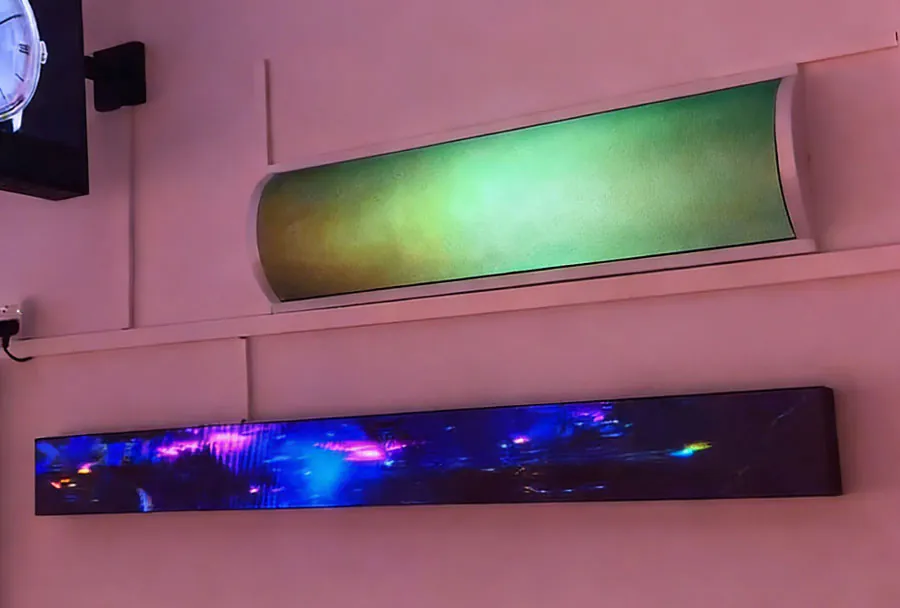
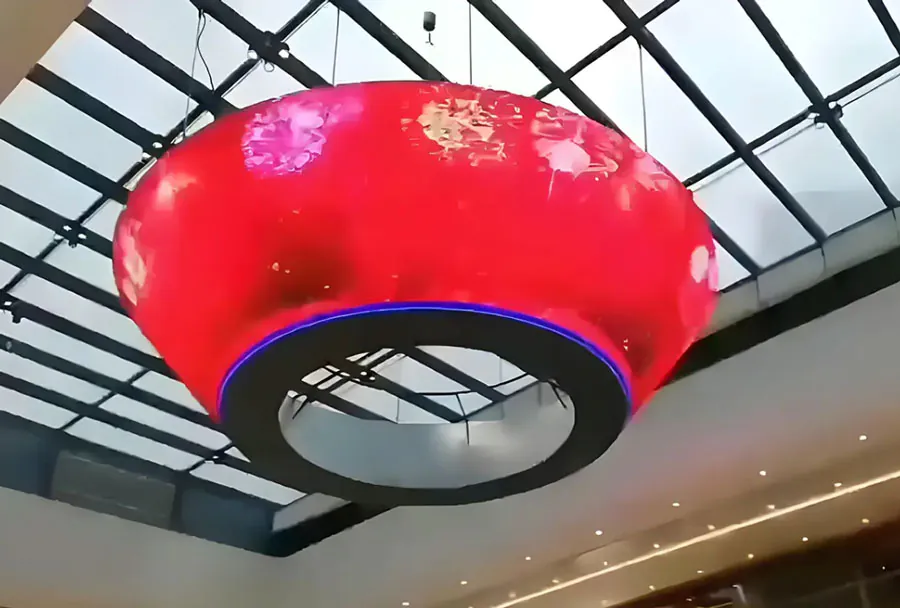
“Bendable” can describe a range of physical behaviors—from gentle curvature panels that wrap a column to highly flexible substrates that can form tight radii or composite surfaces. TW VISION’s approach centers on modular, mechanically robust panels that allow designers to adjust curvature on site while maintaining consistent image quality. Compared to rigid panels, bendable solutions expand aesthetic possibilities and can reduce custom fabrication costs by conforming to pre-existing architectural features.
Key Technical Features
Panel Modularity and Curvature Range
One of the most important characteristics is modularity: panels that interlock seamlessly and offer predictable curvature ranges. TW VISION provides modules engineered to join with minimal seam visibility while supporting convex and concave installations. Curvature specifications typically include minimum radius and maximum curvature angle; these values determine how tight a bend can be without compromising panel integrity.
Resolution and Pixel Pitch
Bendable screens come in varied pixel pitches (P2.5, P3.9, P4.8, etc.), affecting the optimal viewing distance and visual fidelity. TW VISION offers pixel pitch options matched to application needs—fine-pitch panels for close-up interactive exhibits and larger-pitch modules for long-distance signage and facades. Choosing the right pitch balances cost, power consumption, and image clarity.
Durability and Environmental Ratings
Durability metrics—impact resistance, thermal tolerance, and IP rating (for outdoor use)—are essential. TW VISION’s products are designed to withstand repeated mechanical manipulation during installation and meet common commercial-grade environmental standards, with specialized outdoor variants featuring higher ingress protection and weatherproofing.
Control Systems and Content Management
Integrated control electronics and networked content-management systems let designers treat a curved array as a single cinematic canvas. TW VISION supports industry-standard media servers and pixel-mapping protocols, enabling complex content warping, edge blending, and synchronization across multiple panels.
Creative Applications and Use Cases
Retail Environments
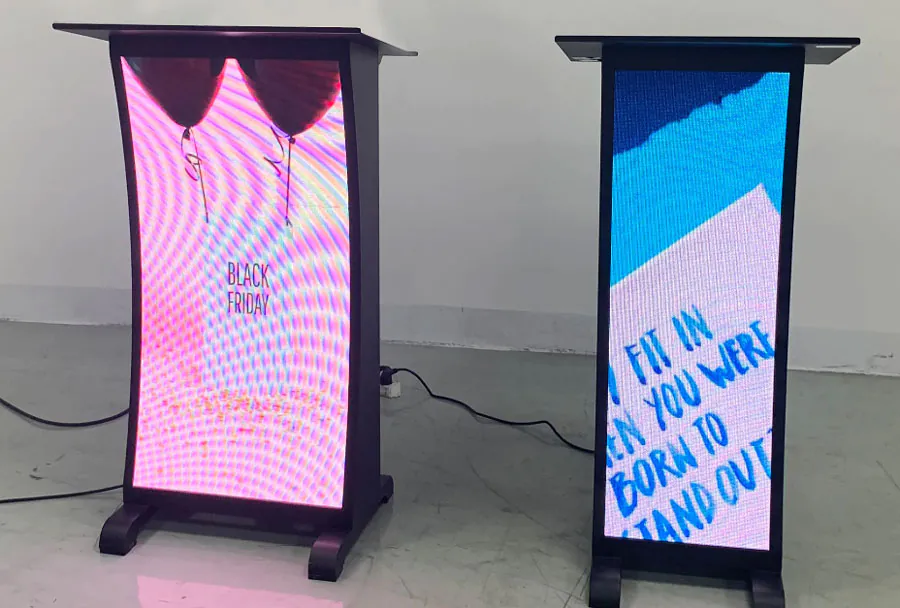
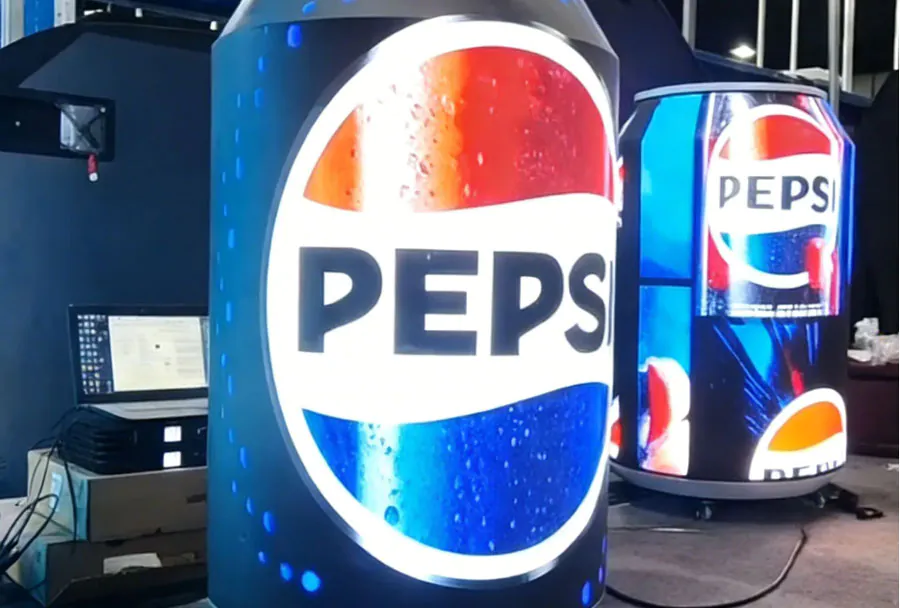
Retailers use bendable displays to create immersive storefronts, wrap columns with dynamic promotional content, and layer curved storytelling surfaces behind product installations. The non-rectilinear canvases help brands stand out and prompt shopper engagement through motion and novel form.
Museums and Exhibitions
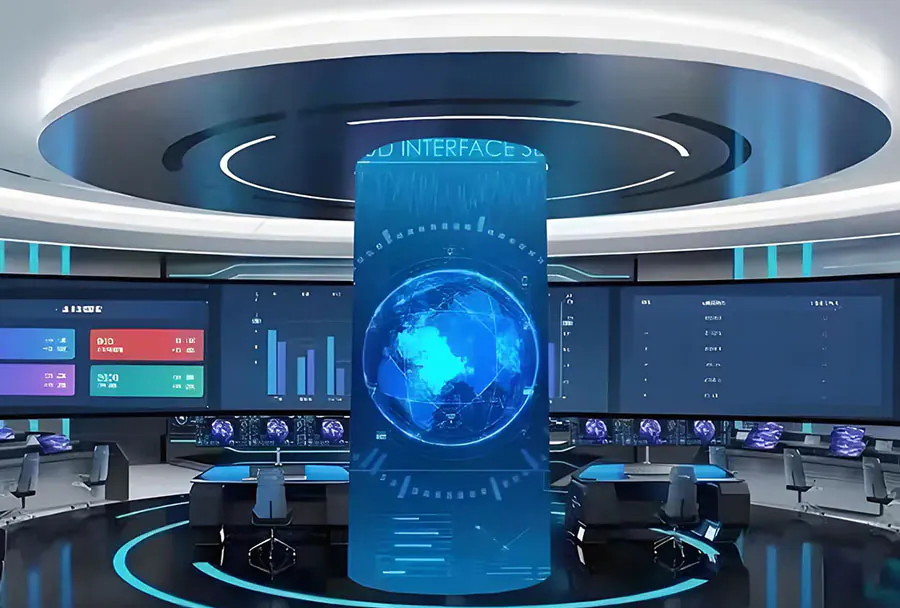
Exhibition designers deploy bendable screens to craft environments that guide visitor flow and emphasize narrative. Curved timelines, cylindrical media towers, and concave projection walls provide immersive experiences without heavy construction. TW VISION panels are advantageous where lightweight, reconfigurable solutions are needed for touring exhibits.
Corporate and Hospitality Spaces
Lobby features, wayfinding installations, and branded experiential environments gain a premium look with seamless curved displays. Hospitality venues use wrap-around displays to create ambiance and interactive guest experiences; the flexibility of TW VISION’s systems supports diverse mounting schemes including columns, behind bars, and integrated furniture.
Art and Performance Installations
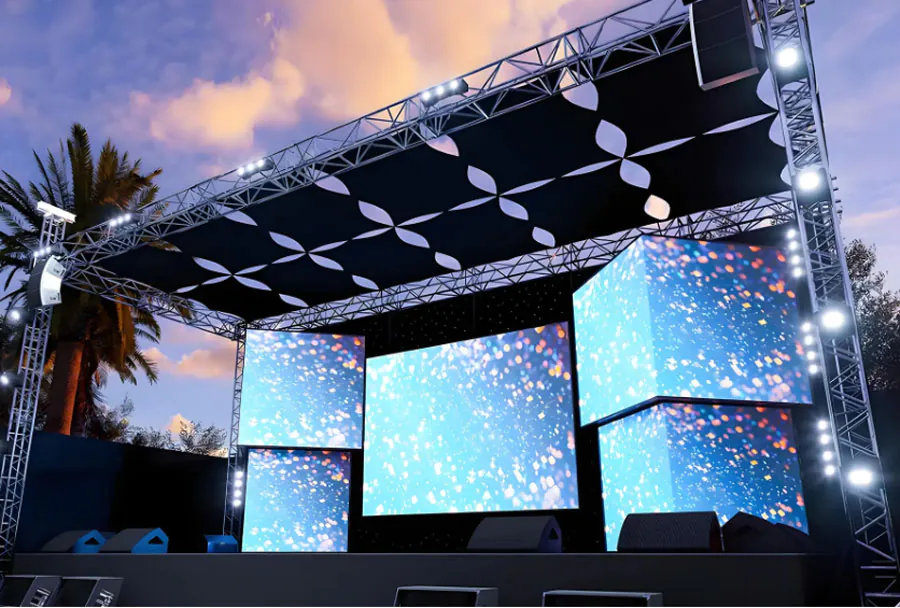
Artists and set designers exploit bendable screens to blur boundaries between sculpture and screen. TW VISION’s solutions facilitate kinetic setups—curved surfaces that change shape or orientation over time—paired with synchronized visuals to produce striking installations for concerts, festivals, and public art.

Design and Installation Considerations
Structural Support and Mounting
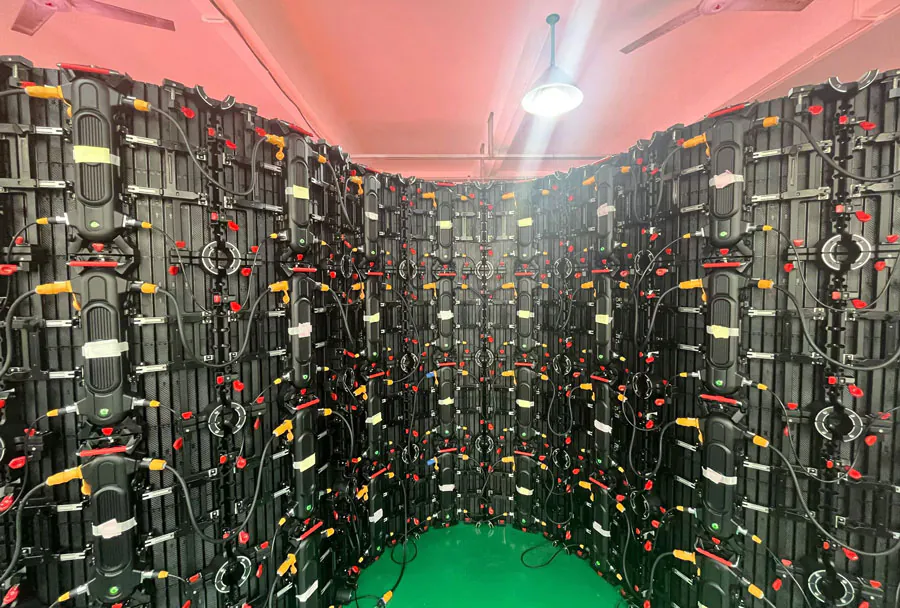
Curved installations require careful structural planning. Although panels are designed to bend, they still need continuous support to prevent sagging and maintain consistent gap tolerance. TW VISION recommends mounting systems that include flexible rails or adjustable brackets, allowing installers to fine-tune curvature and maintain uniform pressure across seams.
Power and Thermal Management
Power distribution and heat dissipation are critical when multiple modules form large scales. Designers must plan for accessible power feeds, redundant supply paths, and ventilation or passive thermal paths to avoid hotspots. TW VISION provides guidelines for scalable power architectures and thermal management strategies that preserve long-term brightness stability.
Content Creation and Mapping
Content must be authored with physical curvature in mind. Flat assets can warp or appear distorted on complex surfaces, so media should be prepared in formats that account for geometry. TW VISION supports mapping tools and can provide specifications for content aspect ratios, safe areas, and mapping meshes, enabling content creators to precisely match visuals to physical curves.
Maintenance and Serviceability
Accessibility for service is a practical concern. Panels should be installed with maintainability in mind—allowing technicians to remove and replace individual modules without disassembling entire runs. TW VISION’s modular design focuses on straightforward field replacement and diagnostic access to control electronics.
Performance and Trade-Offs
Bendable screens introduce trade-offs relative to traditional flat displays. There can be limitations on achievable brightness, uniformity near seams, and the minimum curvature radius. TW VISION mitigates many of these challenges through careful module engineering, calibration routines, and scalable control architecture. Understanding these trade-offs upfront helps teams set realistic expectations and plan compensatory measures such as higher luminance specifications for outdoor or high ambient-light environments.
Color and Brightness Uniformity
Curvature and seam structures can subtly affect perceived luminance and color consistency. TW VISION includes factory calibration with post-installation tuning to minimize perceptual discontinuities. Advanced installations may use local color profiling and per-module LUTs (lookup tables) for the highest visual fidelity.
Viewing Angles and Sightlines
Curved displays change the effective viewing geometry. When designing for audience pools, simulate sightlines to ensure the chosen pixel pitch and panel curvature serve intended viewer positions. TW VISION’s technical team can provide modeling guidance to optimize visual outcomes for specific venues.
Comparative Analysis Table
Below is an analysis table comparing common bendable panel attributes and their implications for creative projects. (Values are representative ranges and should be cross-checked with TW VISION product datasheets for project quoting.)
| Attribute | Typical Range / Spec | Benefit | Best Use Cases | Design Notes |
|---|---|---|---|---|
| Pixel Pitch | P2.5 – P8.0 | Balances resolution vs. cost | Close-up exhibits (P2.5–P3.9); fa?ades (P6–P8) | Choose based on viewer distance; larger pitch reduces module cost |
| Minimum Curvature Radius | 200 mm – 600 mm | Enables tight or gentle curves | Art installations (tight radius); retail wraps (gentle radius) | Tighter radii may restrict module size and heat dissipation |
| Brightness | 800 – 6000 nits | Adaptable for indoor/outdoor visibility | Indoor: 800–1500 nits; Outdoor: 3000–6000 nits | Higher brightness increases power/thermal requirements |
| IP Rating (Outdoor) | IP54 – IP66 | Weather and dust protection | Exterior fa?ades and signage | Higher IP increases manufacturing cost and weight |
| Module Weight | 3 – 12 kg per module | Impacts supporting structure and transport | Lightweight touring exhibits; heavier permanent installs | Account for cumulative weight across long runs |

Case Studies: Real-World Examples
Interactive Museum Cylinder
A natural history museum paired TW VISION bendable modules into a cylindrical storytelling tower. With P3.9 modules and a 450mm radius, the installation wrapped a 2m tall pillar and presented synchronized timelines. The modularity allowed for small service panels, and local LUT calibration ensured consistent color across seams. Visitor dwell time increased as content encouraged 360-degree engagement.
Retail Flagship Window
A flagship retailer created a convex storefront canopy with high-brightness P4.8 panels. Using a shallow curvature, the store achieved dramatic external motion graphics at night while maintaining daytime legibility. The vendor specified IP54-rated modules and integrated external louvers for heat mitigation.
Performing Arts Backdrop
A theater installed a wave-like backstage surface using TW VISION bendable screens. Media artists exploited the undulating canvas to create dynamic scenography that shifted per performance. A dedicated media server provided curvilinear mapping and timecode sync with stage lighting.
Procurement, Installation, and Support
Specification and Quoting
Early engagement with TW VISION’s technical sales is recommended for accurate quoting. Provide detailed dimensions, sightline studies, ambient light conditions, and expected content types. TW VISION can supply module layouts, recommended power budgets, and mounting schematics to inform structural engineering.
Installation Workflow
A typical installation includes:
– Site survey and mock-up
– Delivery and staging of modules
– Installation of flexible rails or custom frames
– Mechanical alignment and seam adjustment
– Power cabling and controller integration
– Calibration and color profiling
– Handover and training for content ops
TW VISION often provides on-site commissioning support, ensuring final calibration and network topology are optimized.
Warranty and Service
Confirm warranty coverage for luminous decay, pixel failure rates, and environmental sealing. TW VISION offers service agreements that include remote monitoring, spare parts kits, and response SLAs. For touring projects, consider a logistics plan for rapid module replacement.
Best Practices and Design Guidelines
– Start with the content: Define the visual narrative to determine pitch, size, and curvature priorities.
– Mock up early: Small-scale mock-ups or virtual renderings reveal how content interacts with form.
– Plan for thermal headroom: Specify power supplies and ventilation that exceed worst-case loads.
– Design for service: Ensure panels can be accessed and removed with minimal disruption.
– Use calibration: Factory presets are a start; site-specific color calibration is essential for seamless visuals.
– Consider sightlines: Simulate viewing distances and angles so the chosen pitch and brightness meet expectations.
Challenges and How to Overcome Them
Bendable screens present challenges like seam visibility, limited minimum radius, and thermal management. Collaborate with TW VISION’s engineers to:
– Minimize seams via precision mounting and seam-filling solutions.
– Select appropriate module sizes when tight radii are required.
– Implement staged cooling strategies and distributed power to avoid hotspots.
By addressing these areas early, teams can avoid costly rework and deliver installations that perform reliably.
Designing with Flexibility
TW VISION Bendable Screen solutions expand the vocabulary of visual environments. By combining modularity, calibrated electronics, and engineering support, creative teams can deploy curved and adaptive displays that fit architectural constraints, elevate brand narratives, and deliver immersive experiences. Successful projects start with integrated planning—content, structure, power, and service all aligned—so the flexibility of the screen translates into operational reliability and compelling visual impact.
If you are planning a creative display project that leverages bendable screens, the next steps are to define your content intent, gather site parameters, and engage with TW VISION for a technical consultation and module selection tailored to your project’s visual and structural demands.