High-Quality LED Screen Rental Services for Chicago Events

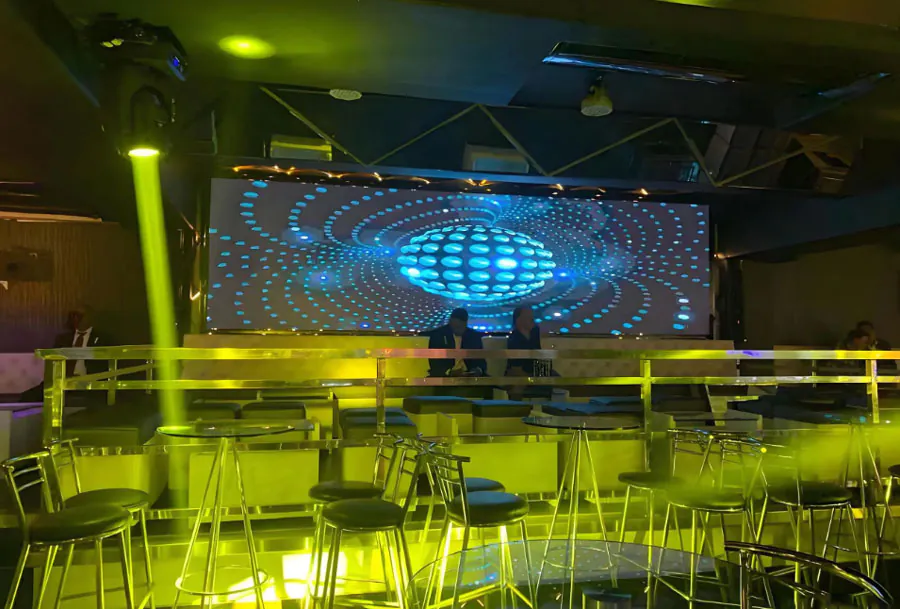
Chicago’s events landscape is diverse — from large-scale music festivals along the lakefront to corporate conferences in the Loop, neighborhood street fairs, political rallies, and outdoor movie nights. In this environment, high-quality LED screen rental services play a pivotal role in ensuring that every attendee, near or far, experiences the event as intended. LED screens are no longer optional extras; they are core elements of modern event production, providing visibility, engagement, branding opportunities, and a platform for dynamic content that can adapt in real time to audience needs and environmental conditions.
This article offers a professional, practical guide to renting LED screens for events in Chicago. It covers technical considerations, logistical planning, provider selection criteria, cost factors, and post-event support, and includes a comparative analysis table to help event planners quickly evaluate LED options. The goal is to equip planners, production managers, venue operators, and marketers with the insight needed to choose and manage top-tier LED screen rental services that match their event objectives.
Benefits of Using High-Quality LED Screens
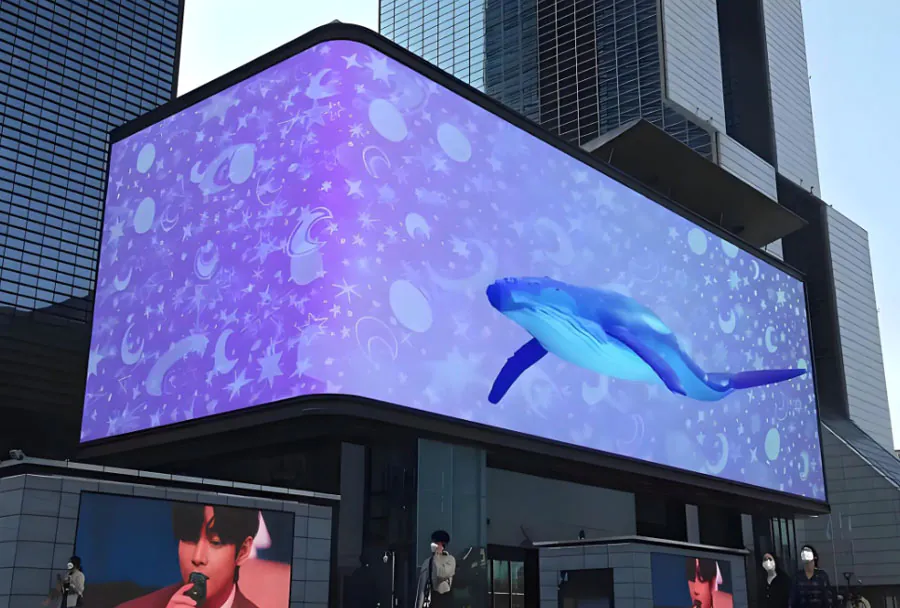
– Visibility and Brightness: High-quality LED screens deliver consistent brightness and contrast even under strong ambient light — a necessity for Chicago’s outdoor stadium concerts and summer festivals. They are built to perform in daylight and at night, making them versatile across different event types and times.
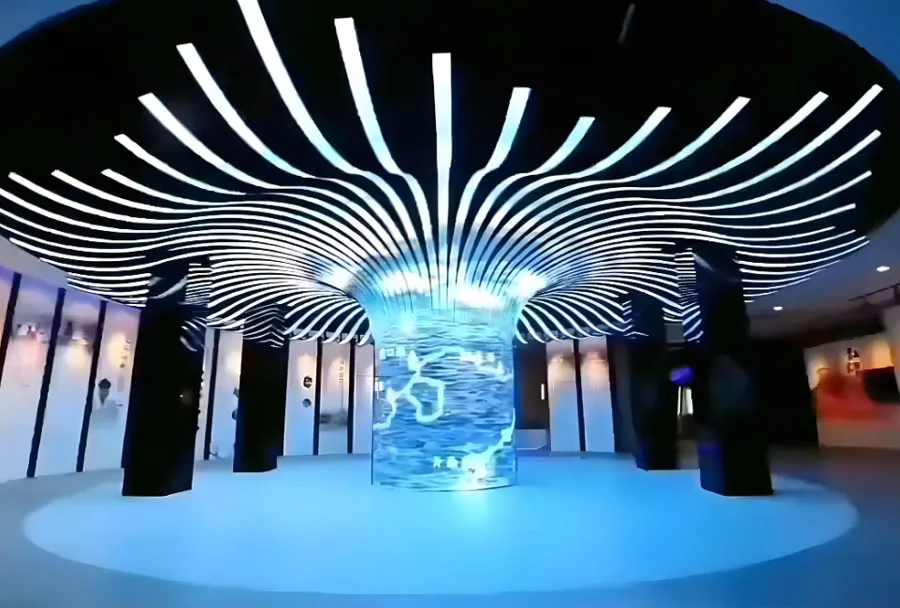
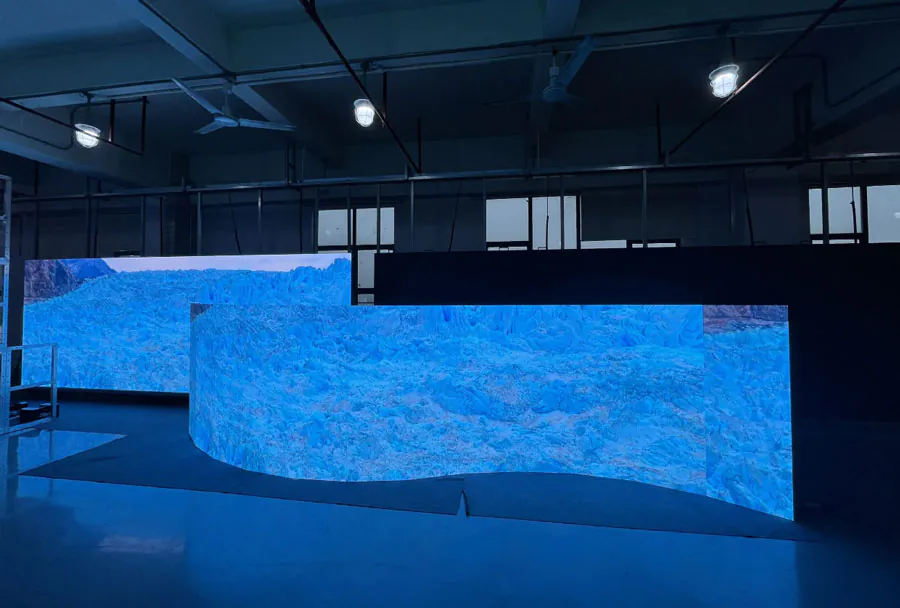
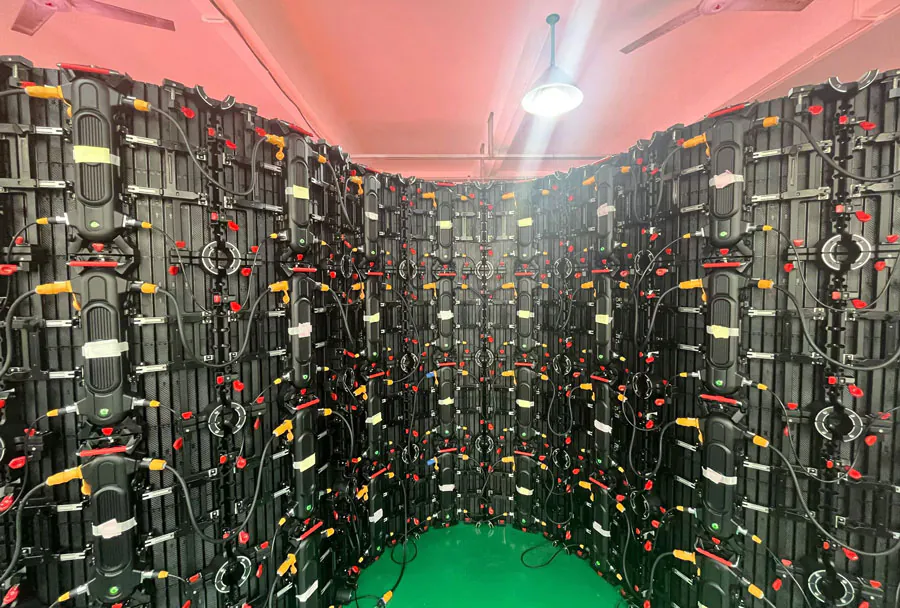
– Scalability and Flexibility: LED walls can be configured in many sizes and shapes, providing scalable solutions for intimate indoor meetings to expansive outdoor stages. Modular panels enable custom aspect ratios and curved installations.
– Improved Audience Engagement: Large, crisp displays with high refresh rates cut down motion blur and improve audience experience for live video, graphics, and signage. Interactive and synchronized content across multiple screens further boosts engagement.
– Durability and Weather Resistance: Quality rental inventory is designed for frequent transport and rapid setup, often with protective housing for outdoor use. Many providers in Chicago offer weather-rated screens and plans for inclement weather.
– Efficient Content Management: Modern rental services include professional-grade control systems for content playback, live switching, and multi-source management — essential for multi-segment events like conferences or multi-act concerts.
– Branding and Monetization: LED screens serve as powerful branding tools that can host sponsors, live social feeds, real-time polls, and targeted advertising, generating potential revenue or offsetting rental costs.
Key Technical Specifications to Evaluate
Selecting the right LED screen depends on a mix of technical specifications and the event’s unique demands. Below are the core metrics to review before you commit to a rental.
– Pixel Pitch: Indicates pixel density; lower numbers (e.g., 2.6mm) mean higher resolution and better close-range viewing. For large outdoor stages where viewers are farther away, higher pitch (e.g., 6–10mm) can be cost-effective without compromising perceived quality.
– Brightness (nits): Outdoor events typically require 5,500–7,000 nits for daytime visibility, while indoor venues perform well at 1,000–2,000 nits.
– Refresh Rate: Higher refresh rates (≥3,840 Hz) reduce flicker and camera roll problems when the LED screen is filmed or broadcasted.
– Contrast Ratio: High contrast ensures deep blacks and vibrant content, crucial for visual impact in both live video and static graphics.
– Viewing Angle: Wider viewing angles minimize image degradation for audiences off-axis — important for festivals and arenas with broad audience spreads.
– Weight and Rigging Specs: Consider installation method (ground-supported vs. flown), wind load ratings, and rigging points. This is critical for outdoor setups in Chicago’s variable weather conditions.
Comparative Analysis Table: Common LED Screen Options
| Screen Type | Typical Pixel Pitch | Ideal Use Case | Brightness (Nits) | Estimated Rental Cost (per day) |
|---|---|---|---|---|
| Indoor Fine Pitch LED | 1.2mm – 2.5mm | Corporate events, TV studios, concerts with close seating | 800 – 2,500 | $1,200 – $3,500 |
| Indoor/Outdoor Hybrid LED | 2.6mm – 4mm | Conference stages, trade shows, medium-sized venues | 2,000 – 4,500 | $900 – $2,200 |
| Outdoor Rental LED (High Brightness) | 4mm – 10mm | Festivals, sporting events, large outdoor stages | 5,000 – 8,000+ | $1,500 – $5,000+ |
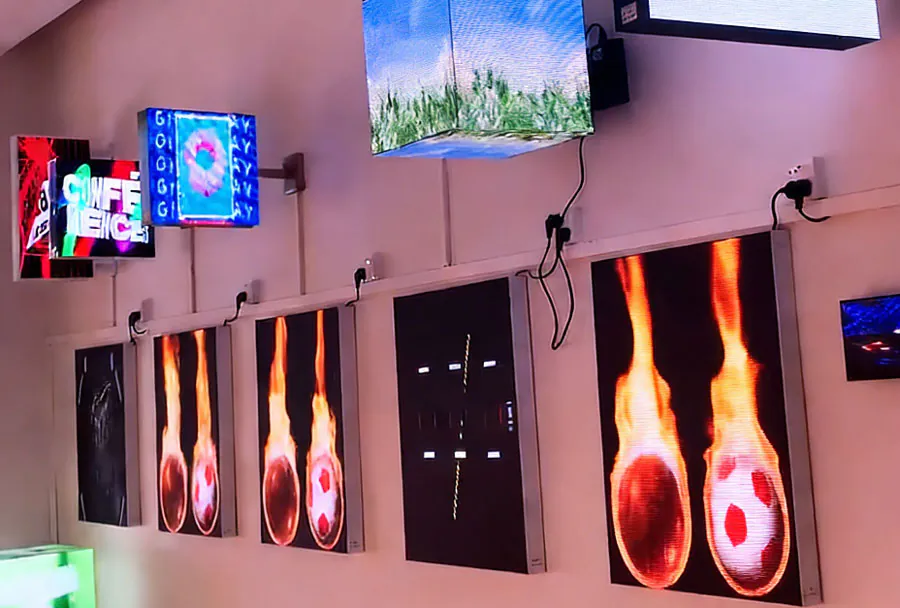
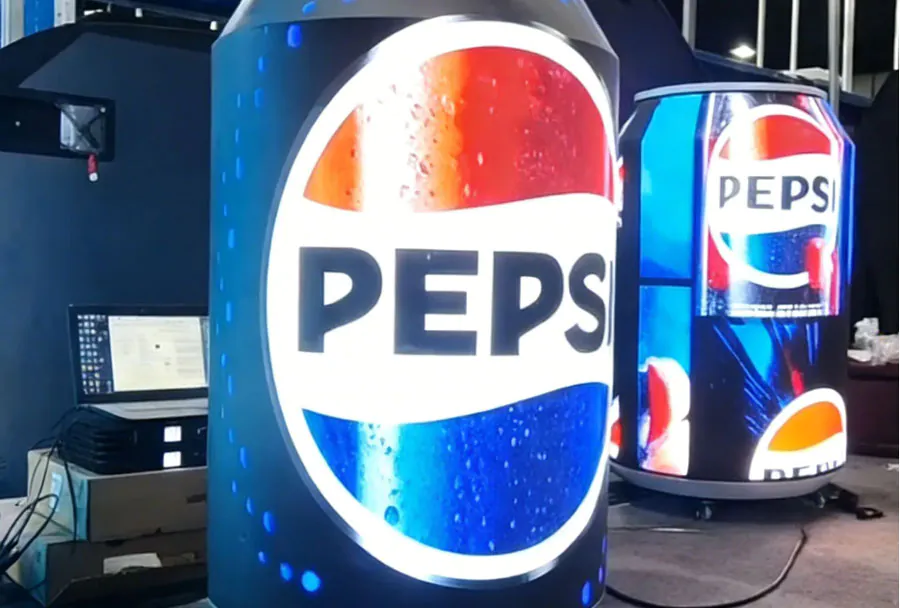
| Flexible/Curved LED Modules | 2.6mm – 4mm | Art installations, unique stage designs | 2,000 – 5,000 | $1,500 – $4,000 |
| Transparent/Window LED | 3.9mm – 12mm | Storefront displays, atrium installations | 3,000 – 6,000 | $1,200 – $3,000 |

Note: Estimated rental costs are indicative and vary based on rental duration, additional equipment (cameras, switchers, playback servers), and labor. Chicago-specific rates will fluctuate by season and demand.
Choosing a Provider in Chicago: What to Ask
When vetting LED rental companies, asking the right questions separates a standard supplier from a strategic partner. Consider the following checklist:
– Inventory Quality and Age: How old is the inventory? Are screens from reputable manufacturers and do they have manufacturer support?
– Technical Capabilities: What are the maximum supported resolutions, refresh rates, and brightness levels? Do they offer live switching and multi-source ingestion?
– Project Experience: Can they share case studies from Chicago events similar in size and scope? Local experience matters for permits, venue rules, and typical weather patterns.
– Logistics and Labor: Do they provide end-to-end services including rigging, power distribution, safety inspections, and certified riggers?
– Redundancy and Backup Plans: What contingency systems exist for panel failure, signal loss, or power issues?
– Insurance and Compliance: Are they insured for on-site accidents, and do they handle city permits, road closures, or noise variances if needed?
– Support and On-Site Staffing: Will a technician be on-site for the entire event, and is 24/7 remote support available during multi-day installations?
– Pricing Transparency: Is pricing itemized by screen, labor, transport, and control equipment? Watch for hidden fees.
Logistics and Site Planning for Chicago Venues
Effective LED screen deployment requires meticulous planning. In Chicago, additional considerations include weather patterns, urban infrastructure, and local permitting.
– Permits and Regulations: Confirm load-in/load-out schedules with each venue and secure any necessary city permits for street closures or oversized trucks. Liaise with venue production managers and local authorities early.
– Wind and Weather Mitigation: Chicago wind can be a significant factor for outdoor LED walls, especially on elevated stages. Ensure the rigging plan includes wind load calculations, ballast or ground anchors, and a weather response plan (including safe shutdown procedures during severe weather).
– Power and Signal Route Planning: Work with venue electricians to confirm available power and plan for distribution. Long runs may require signal repeaters or fiber-optic solutions to maintain video integrity.
– Site Sightlines: Perform a sightline analysis to determine optimal screen size and placement so the audience has unobstructed views and comfortable viewing distances.
– Transport and Access: Verify loading dock dimensions, elevator clearances for indoor venues, and any downtown traffic restrictions. Time the delivery to avoid rush hour congestion.
Content Delivery and Playback Best Practices
The quality of content and how it is managed during an event strongly affect the perceived value of the LED screen.
– Resolution and Content Formatting: Match the content resolution to the installed screen’s native resolution where possible. Avoid scaling artifacts by designing content in correct aspect ratios.
– Color Calibration: Professional color calibration ensures consistent color reproduction between multiple screens and cameras. Ask your rental provider whether they perform on-site calibration before showtime.
– Media Redundancy: Use redundant playback devices and synchronized servers to avoid gaps. Employ networked content management systems for multi-screen shows.
– Live Video Integration: If broadcasting live feeds, ensure the LED’s refresh rate and camera frame rates are compatible to eliminate flicker. Use genlock on cameras and switchers when necessary.

– Real-Time Graphics and Social Integration: Many events benefit from real-time overlays, sponsor tags, and live social media feeds. Determine latency tolerances and moderation workflows beforehand.
Pricing Models and Budget Considerations
Budgeting for LED screen rentals requires accounting for both visible and less obvious expenses.
– Base Rental Rate: Cost per day or per show for the screen panels themselves. This is influenced by pixel pitch, size, and brightness.
– Labor Costs: Include set-up, rigging, technical operators, and strike. Specialty rigging or overnight work often incurs premium rates.
– Transport and Logistics: Long distances, heavy gear, and limited access venues increase transport fees. Urban delivery windows may add costs.
– Control Systems and Peripherals: Servers, video processors, switchers, speakers (if integrated), and playback laptops often carry separate rental fees.
– Insurance and Permits: Event insurance covering the gear and additional city permits should be factored into the overall budget.
– Contingency: Reserve 10–15% of the LED budget for last-minute changes, weather-related delays, or additional on-site needs.
Case Studies: Successful Chicago Deployments
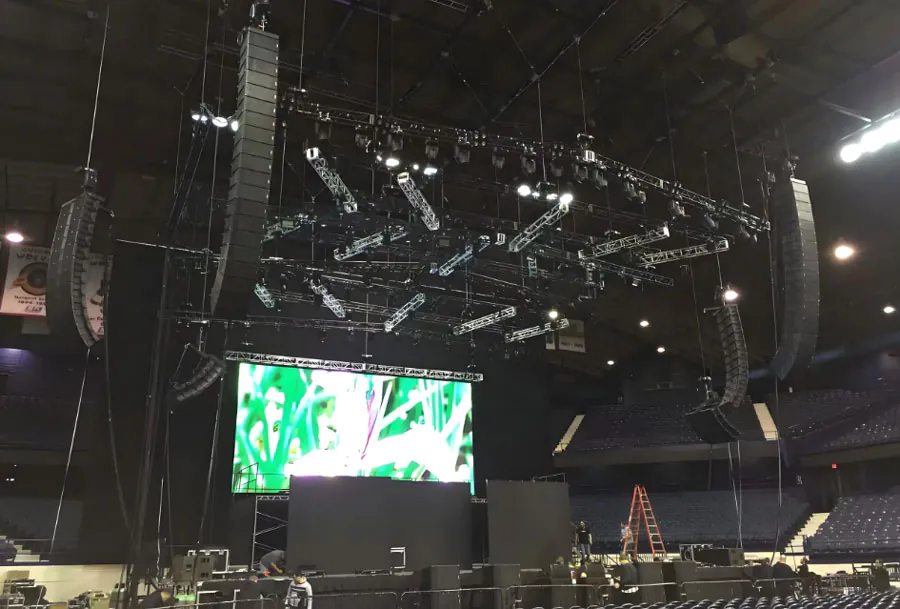
– Summer Music Festival, Lakefront Park: A 40ft x 22ft high-brightness outdoor LED wall with 6mm pixel pitch delivered sponsor content, live camera feed, and artistic visuals for a 30,000-person festival. The provider used wind-rated ground support, an on-site technician, and redundant media servers to maintain uninterrupted performance despite brief storms.
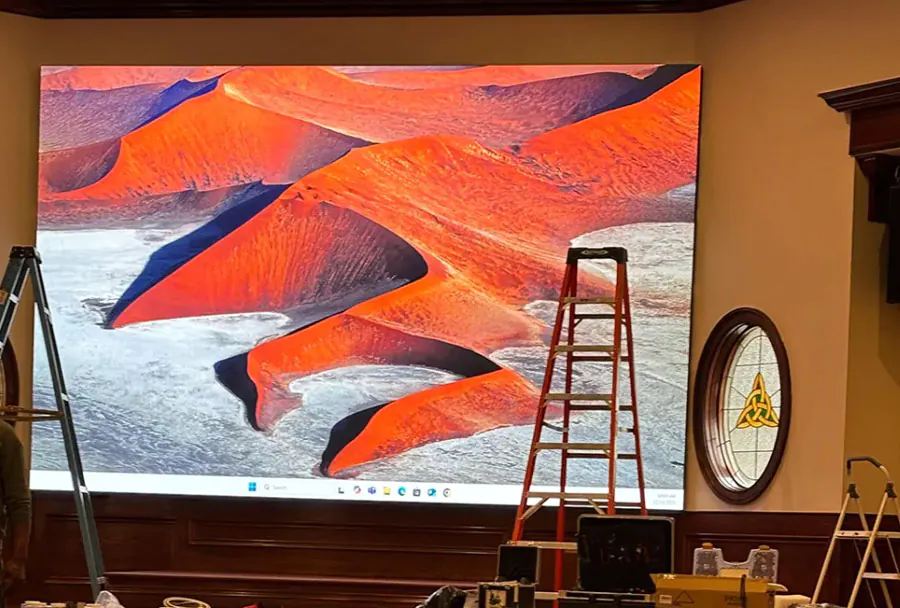
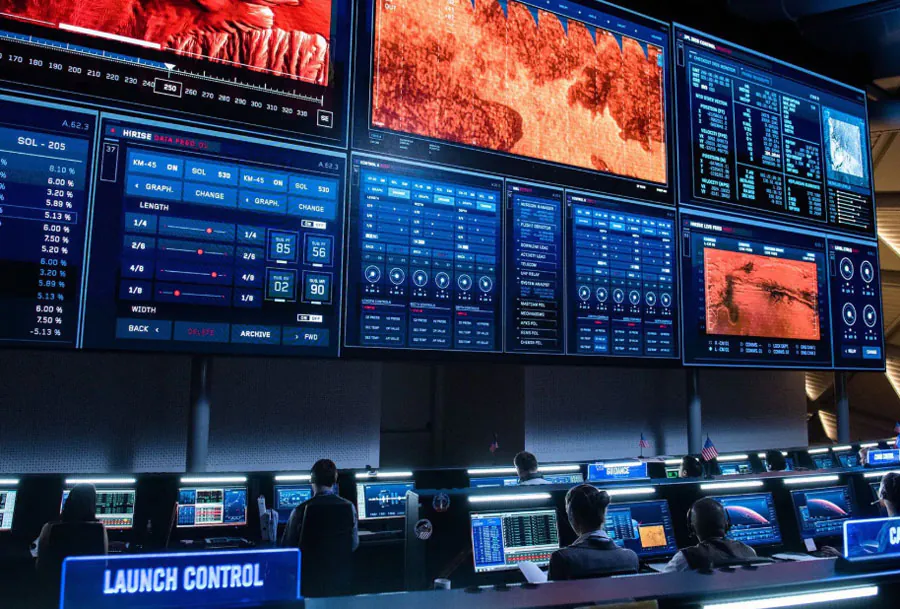
– Corporate Conference, Downtown Ballroom: A seamless indoor fine-pitch LED wall replaced traditional projection, giving crisp text legibility and dynamic multimedia for keynote presentations and live polling. The setup reduced cabling complexity and eliminated projector lens distortion, creating a cleaner, more modern stage environment.
– Neighborhood Street Fair: A compact, hybrid LED screen used for family-friendly programming and sponsor advertising. Rapid setup and low power draw allowed multiple shows across the weekend with minimal logistic overhead.
Maintenance, Risk Management, and Post-Event Considerations
– Preventative Maintenance: Reputable rental houses perform panel inspections, firmware updates, and transport checks between events to reduce the risk of failure.
– On-Site Monitoring: Continuous monitoring during the event for temperature, humidity, and electrical stability helps prevent interruptions.
– Incident Response: A documented incident response plan addressing panel failures, signal loss, or power outages will shorten downtime. Confirm response times and on-call support with your provider.
– Post-Event Review: Conduct a debrief with the rental team to log performance issues, notes for future improvements, and potential cost optimizations. This information becomes invaluable for repeat events or series bookings.
How to Maximize ROI from LED Screen Rentals
– Sell Sponsorship Inventory: Monetize screen time by offering sponsor packages that include in-show placements and pre-show loops.
– Cross-Promote Real-Time Engagement: Use screens to drive attendees to social channels, giveaways, or post-event surveys that generate leads.
– Reuse Content Assets: Design modular content that can be adapted across different events to reduce pre-show production time.
– Book Early and Negotiate: Early bookings during off-peak seaons can secure better pricing and inventory availability. Long-term partnerships with rental providers often yield volume discounts and priority service.
Partnering for Successful Chicago Events
High-quality LED screen rental services are an essential investment for delivering professional, impactful events in Chicago. The right provider combines excellent hardware, experienced technical staff, robust logistics, and clear communication to transform visual ambitions into reality. Whether staging a downtown conference, a waterfront festival, or a community screening, detailed planning around technical specs, site logistics, content delivery, and contingency measures will reduce risk and maximize audience impact.