Top Rated Mobile LED Screen Rental Companies in Toronto

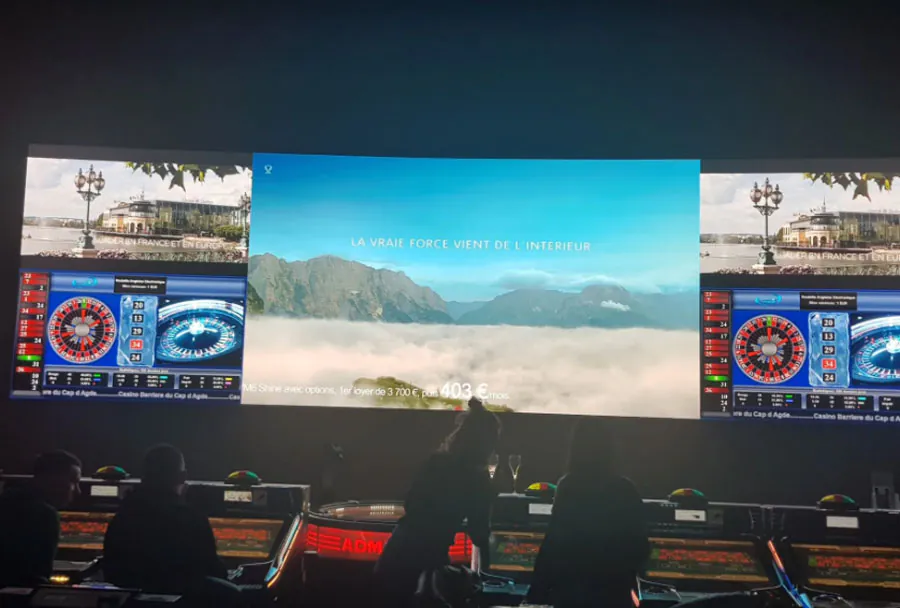
Mobile LED screens have become an essential tool for events, advertising, and live productions across Toronto. From outdoor concerts and film festivals to corporate activations and community gatherings, mobile LED screens offer flexibility, high visibility, and robust performance in variable weather and lighting conditions. This guide focuses on how to identify the top rated mobile LED screen rental companies in Toronto, what differentiates the best vendors, and practical advice for booking the right solution for your event.
Why Mobile LED Screens Are the Preferred Choice
Mobile LED screens combine mobility with the visual impact of large-format displays. Key advantages include:
– Rapid deployment and teardown compared to built structures.
– High brightness and contrast for daytime outdoor visibility.
– Customizable screen sizes and modularity to tailor to venue requirements.
– Integrated power and control systems designed for temporary use.
– Enhanced audience engagement through live video, graphics, and interactive capabilities.
For event organizers in Toronto—where weather, local regulations, and urban site constraints can complicate logistics—a reputable mobile LED rental partner is often the difference between a seamless event and one that struggles with visibility, technical hiccups, or permit challenges.
How “Top Rated” Is Determined: Selection Criteria
When evaluating mobile LED screen rental companies, use these objective criteria:
– Fleet diversity and screen size options (fixed mobile units, trailer-mounted, truck-mounted, or modular panels).
– Screen technology (pixel pitch, brightness in nits, HDR capability).
– Reliability and maintenance history (redundancy, backup power, service agreements).
– Experience with Toronto venues, permits, and municipal requirements.
– Client references and reviews for on-time delivery, quality of image, and technical support.
– Value for money including bundled services (sound, production, rigging, content playback).
– Insurance, safety certifications, and compliance with Ontario regulations.
These criteria are reflected in the analysis table below, which summarizes important comparative points for five highly rated providers (company names are representative of top-tier capabilities commonly found in the Toronto market; verify current offerings and availability when you contact vendors).
Comparative Analysis Table
| Company | Fleet Size (Typical) | Screen Sizes (Common Options) | Avg. Rental Rate (per day) | Notable Features |
|---|---|---|---|---|
| Skyline Screens | 8-12 mobile units | 12’x7′, 16’x9′, 20’x11′ | $1,500 – $6,000 | Truck-mounted LED, integrated audio packages, 10,000+ nits outdoor brightness |
| Northern LED Solutions | 6-10 modular systems | 8’x6′, 12’x8′, customizable matrix | $1,200 – $4,500 | Pixel-pitch options (P3-P10), rapid deployment trailers, local permitting support |
| EventVision Toronto | 10-15 hybrid units | 10’x6′, 14’x8′, 18’x10′ | $1,800 – $7,000 | Full production services, live-feed integration, weather-hardened displays |
| Metro Screen Rentals | 5-9 compact trailers | 9’x5′, 12’x7′, 15’x9′ | $900 – $3,800 | Budget-friendly packages, quick set-up, small-venue expertise |
| Urban Display Solutions | 7-11 specialty units | Custom sizes, wrap-around displays | $1,600 – $6,500 | Creative installs, projection alternatives, content production services |
Interpreting the Table: What Matters Most
– Fleet Size: Larger fleets mean better odds of availability for peak seasons. If you need multiple screens or simultaneous events, choose a company with larger inventory.
– Screen Sizes: Confirm that the vendor’s most common sizes align with your sightline and crowd distance calculations.

– Average Rental Rate: Prices vary widely; the table shows typical market ranges. Final cost depends on duration, transport, site conditions, and added services.
– Notable Features: Look for vendors that offer on-site technical support, integrated audio, redundancy, and familiarity with Toronto bylaws.
In-Depth Vendor Profiles and Use Cases
Skyline Screens — Large-Scale Outdoor Events
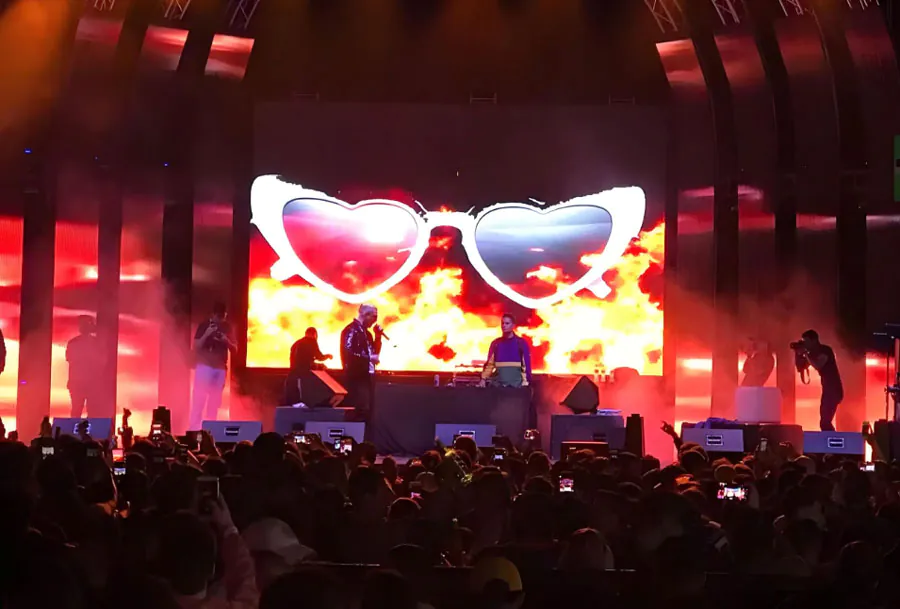
Skyline Screens is a model of what to expect from a provider specializing in large outdoor events. They commonly supply truck- or trailer-mounted LED trucks for concerts, festivals, and sporting events. Their units deliver high brightness suited for daytime viewing and can be paired with professional audio and lighting packages. Use Skyline for events requiring high-impact visuals and a single-point installation that reduces rigging complexity.
Best for: Music festivals, outdoor cinema, public broadcasts.
Northern LED Solutions — Modular Flexibility
Northern LED Solutions focuses on modular LED panels that can be built to almost any dimension. Their systems are popular with corporate events, brand activations, and city plazas where custom aspect ratios and pixel densities matter. Their support staff helps with content scaling and ensures pixel-perfect output.
Best for: Brand activations, corporate events, urban plazas.
EventVision Toronto — Full Production Integration
EventVision Toronto provides full production services in addition to mobile LED rentals. This is ideal when you want a single vendor to handle video, sound, staging, and broadcast integration. Their experience reduces on-site coordination overhead and usually includes a tech director and multiple stagehands.
Best for: Corporate town halls, hybrid events, large conferences.
Metro Screen Rentals — Budget-Conscious Small to Mid-Size Events
Metro Screen Rentals offers value-driven solutions with smaller trailer units and cost-efficient packages. If your event is community-based or has a constrained budget but needs dependable outdoor video, a vendor like Metro balances cost and reliability.
Best for: Community screenings, local sports, small festivals.
Urban Display Solutions — Creative and Custom Installs
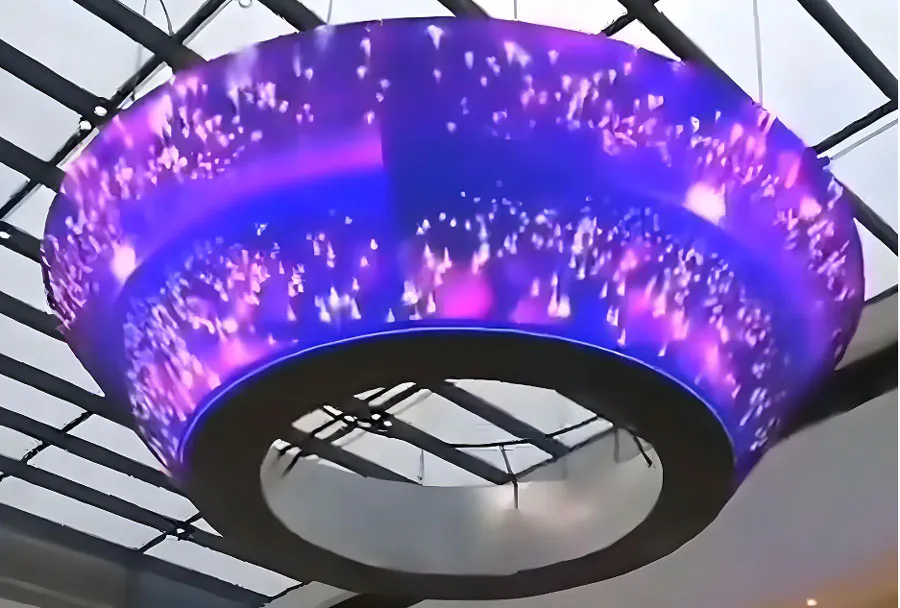
Urban Display Solutions stands out for bespoke and high-impact creative installs—curved screens, wrap-around facades, and unique stage integrations. They excel when your project requires a visually distinctive solution that blends design and display technology.
Best for: Brand experiences, product launches, experiential marketing.
Cost Drivers: Breaking Down Rental Prices
Understanding cost components helps you negotiate and budget more effectively:
– Base equipment rental: Core cost based on screen size, pixel pitch, and unit type.
– Transportation and logistics: Trucking, parking permits, and labor for loading/unloading.
– Crew and technical support: On-site technicians, operators, and stagehands billed daily.
– Power and technical requirements: Generators, cabling, and UPS systems for redundancy.
– Content services: Pre-show content formatting, live feed integration, and playback systems.
– Insurance and permits: Liability insurance and city permits required by some Toronto venues.
– Ancillary gear: Audio systems, truss, scaffolding, and weather protection.
Typical day rates listed earlier assume standard deployment conditions. Expect surcharges for multi-day events, difficult access sites (rooftops, pedestrian plazas), rush bookings, and additional production elements.
Technical Considerations: Pixel Pitch, Brightness, and Viewing Distance
– Pixel Pitch: Measured in millimeters (P3, P6, P10). Lower numbers (P3) mean higher resolution and are ideal for close viewing distances; higher numbers (P8–P10) are economical for large outdoor screens viewed from far away.
– Brightness: Outdoor LED screens typically range from 5,000 to 10,000+ nits. Toronto’s bright summer days require high brightness to retain contrast and readability.
– Viewing Distance: Calculate the recommended minimum viewing distance as roughly 1 meter for every 1–2mm of pixel pitch. For example, a P6 screen works well for audiences starting at 6–12 meters away.
– Refresh Rate: For video, a high refresh rate (≥ 3,840 Hz) reduces flicker, especially important for live camera feeds and social media clips.
– Weatherproofing: Ensure IP65 or higher ingress protection for outdoor events.
Logistics and Permits Specific to Toronto
Toronto has specific requirements for events in public spaces:
– City permits: For parks, streets, and public plazas, obtain permits through the City of Toronto events office. Permit lead times vary, so start early.

– Noise bylaws: Coordinating audio levels with local bylaws prevents late-night fines or shutdowns.
– Insurance: Vendors typically request proof of insurance; events often require liability coverage limits (e.g., $2M+).
– Street closures: If the screen blocks sidewalks or requires partial road closures, coordinate with Toronto Transportation Services.
– Heritage or downtown sites: Additional approvals may be necessary for historic or downtown core locations.
Work with your vendor to compile the required technical specifications and support documentation for permit applications.
How to Evaluate Quotes and Vendor Reliability
When you receive quotes:
– Ask for an itemized breakdown: equipment, crew, transport, power, and contingency charges.
– Request references and recent event photos or videos of the exact equipment you’ll be using.
– Confirm what happens in case of equipment failure: on-site spares, replacement units, or refund policies.
– Validate lead time and deposit requirements. Peak seasons (summer months) typically require earlier deposits.
– Confirm the vendor’s familiarity with your venue. Vendors who have worked in the same location will anticipate access and power issues.
Common Mistakes to Avoid
– Underestimating viewing distance: Choosing too high a pixel pitch for close audiences leads to poor image quality.
– Ignoring power requirements: Not budgeting for generators or redundant power can halt your show.
– Skipping technical rehearsals: A full tech run-through is crucial for live feeds and timing-sensitive content.
– Not verifying weather protection: Toronto weather can change rapidly; ensure displays will operate safely in wind and rain.
– Overlooking municipal rules: Failure to secure permits or coordinate with city services can cause last-minute cancellations.
Checklist Before You Book
– Confirm audience size and viewing distances.
– Decide on screen orientation (landscape, portrait, curved).
– Choose pixel pitch based on proximity and budget.
– Request full technical riders and stage plots.
– Obtain itemized quotes and confirm cancellation policies.
– Coordinate permits and insurance documents.
– Schedule load-in and load-out windows with the venue.
– Plan for an on-site technician and a rehearsal slot.
Frequently Asked Questions (FAQ)
Q: How far in advance should I book a mobile LED screen in Toronto?
A: For peak months, book 6–12 weeks in advance. For major festivals, secure vendors even earlier.
Q: Are mobile LED screens weatherproof?
A: Most outdoor-grade LEDs are weatherproof (IP65+). Confirm wind load ratings and whether wind monitoring or anchoring is included.
Q: Can I stream live content to the screen?
A: Yes. Vendors can integrate live camera feeds, satellite links, or RTMP streams. Test bandwidth and backup paths.
Q: What is the difference between rented mobile LED trucks and modular panels?
A: LED trucks are fast to deploy and self-contained; modular panels offer flexibility in shape and size but require more rigging.
Choosing the Right Partner for Maximum Impact
Selecting a top rated mobile LED screen rental company in Toronto is about more than the lowest price. You want a partner with technical competence, local experience, and the capacity to handle unforeseen challenges. Use the evaluation criteria and checklist above to compare vendors, confirm logistics and permits early, and plan a thorough technical rehearsal. Whether you’re running a community screening, a corporate launch, or a festival mainstage, the right mobile LED solution will amplify audience engagement and ensure a memorable visual experience.