Big LED Screen Rental for Concerts Weddings and Corporate Events

A big LED screen can transform an event from good to unforgettable. Whether you’re producing a stadium concert, an elegant wedding reception, or a high-stakes corporate gathering, the right LED Video Wall adds scale, clarity, and engagement. This article walks event planners, production managers, and decision-makers through the practical, technical, and budgetary considerations of big LED screen rental for concerts, weddings, and corporate events. It covers screen types, technical specs, content management, logistics, cost factors, and vendor selection so you can make an informed choice that matches your event goals.
Why Choose a Big LED Screen?
Big LED screens offer several advantages over traditional projection or small displays:
– Visibility: High brightness and contrast ensure content is visible outdoors and under stage lighting.
– Scalability: Modular panels let you build virtually any size or shape to fit the venue.
– Reliability: Professional LED walls are designed for continuous operation in live-event environments.
– Audience engagement: Big video walls enhance sightlines and enable dynamic content—live camera feeds, graphics, sponsorships, lyric displays, and immersive visual effects.
– Versatility: LED walls support a variety of inputs and live video workflows and can be configured for indoor or outdoor use.
These benefits make LED rental a popular choice across event types, but selecting the right solution requires matching screen specs and services to the event’s unique needs.
Types of LED Screens and Typical Uses
There are several LED screen categories you’ll encounter when renting:
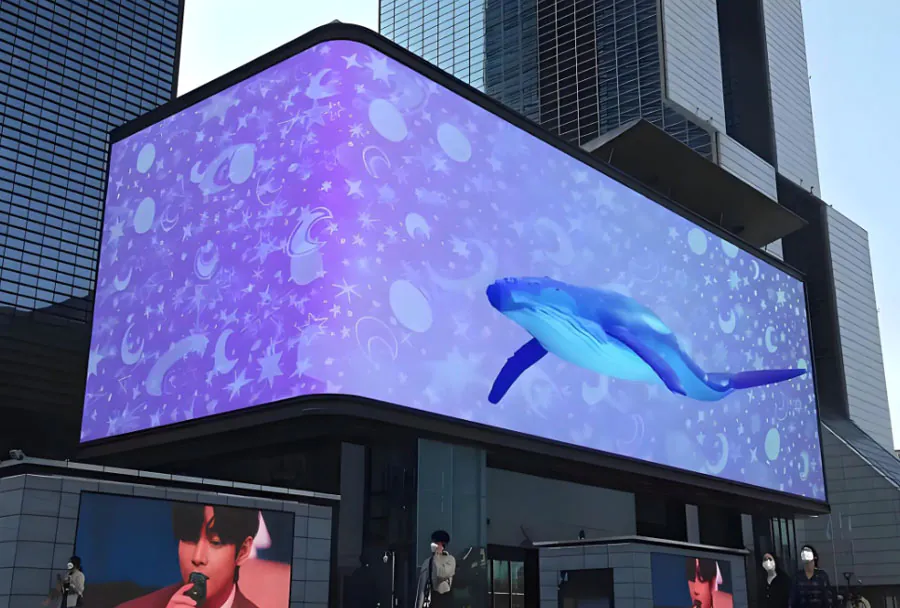
– Outdoor LED walls: Weatherproof, high-brightness units designed for concerts, festivals, and outdoor ceremonies.
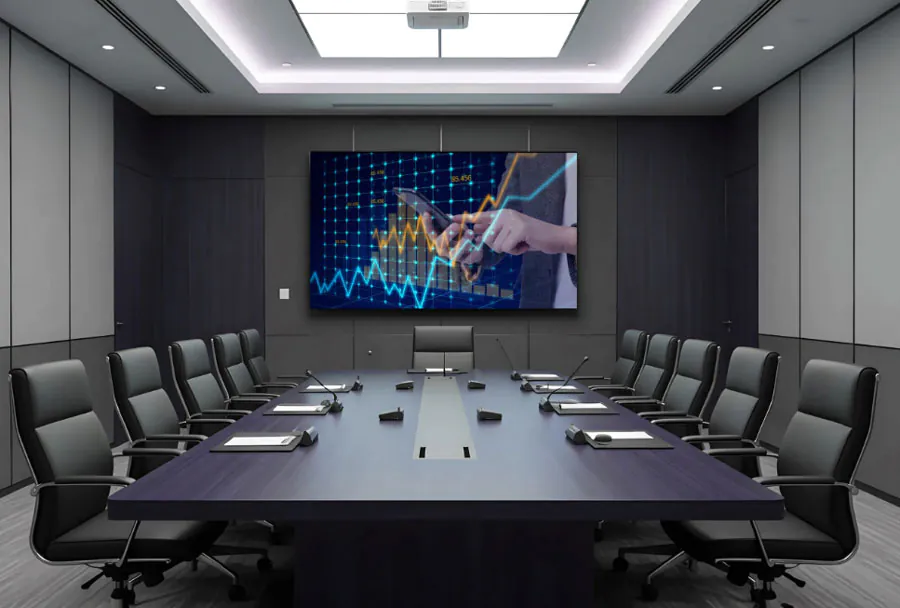
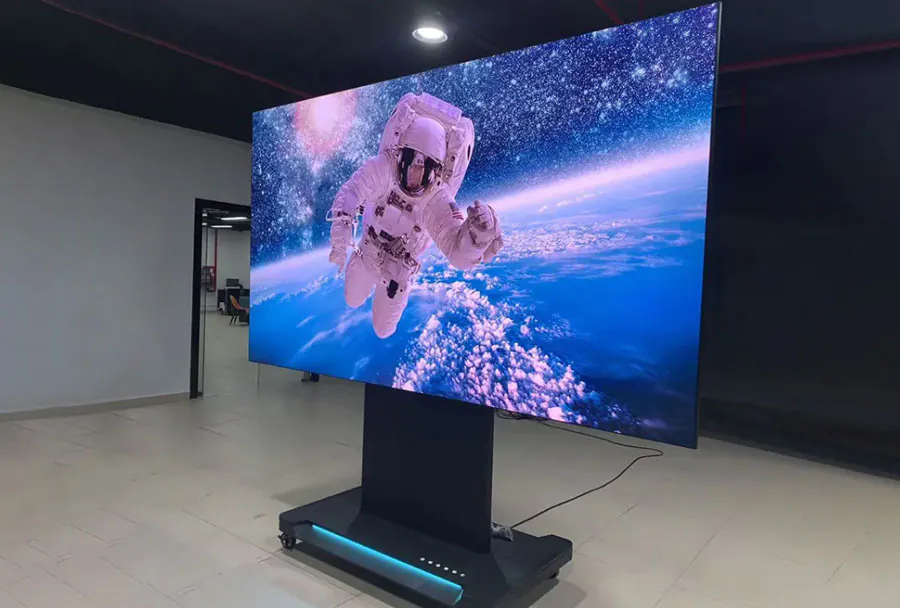
– Indoor rental LED panels: High-resolution cabinets for arenas, ballrooms, and corporate stages.
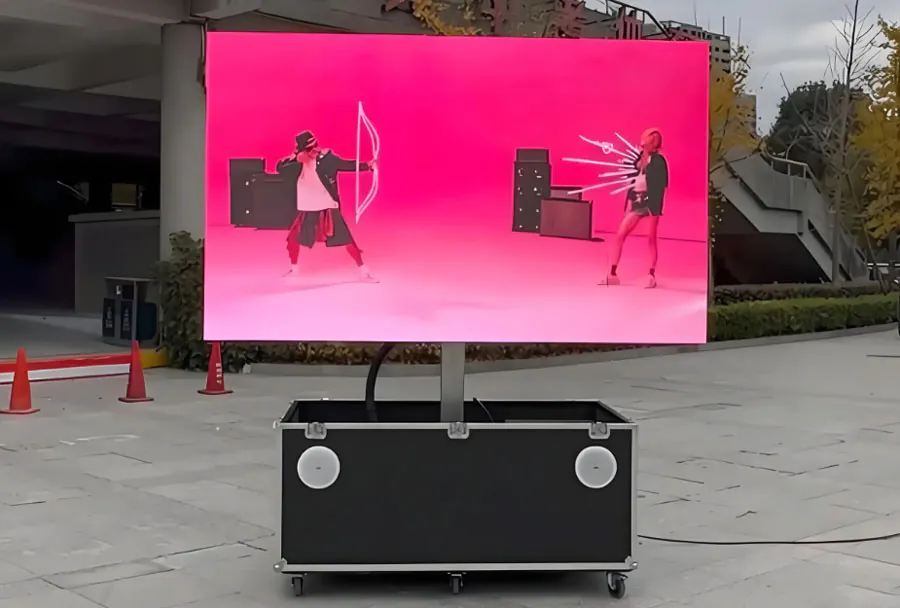
– Mobile/trailer LED screens: Self-contained units mounted on trailers for quick setup at outdoor events.
– Transparent LED: Allows light and sight through the screen—ideal for glass-backed stages and architectural integration.
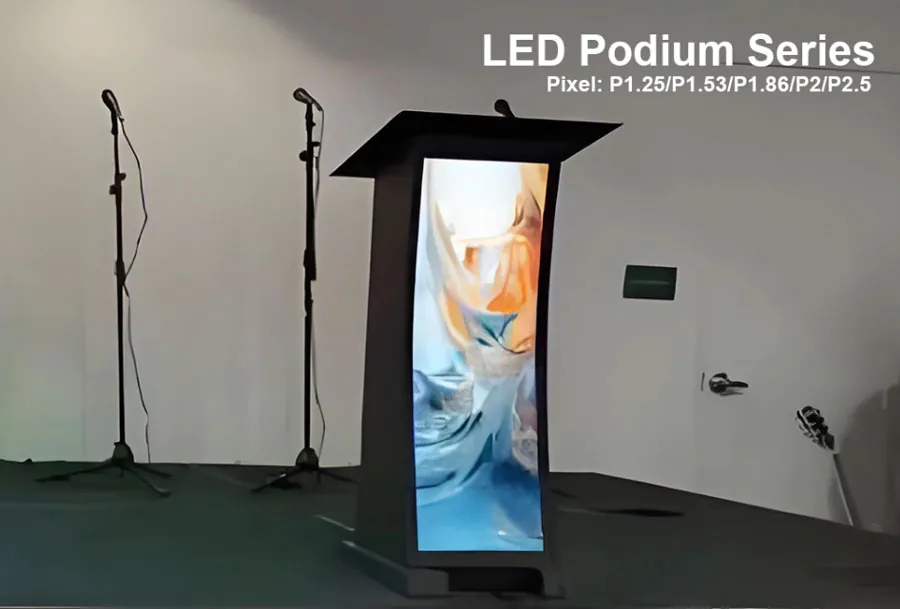
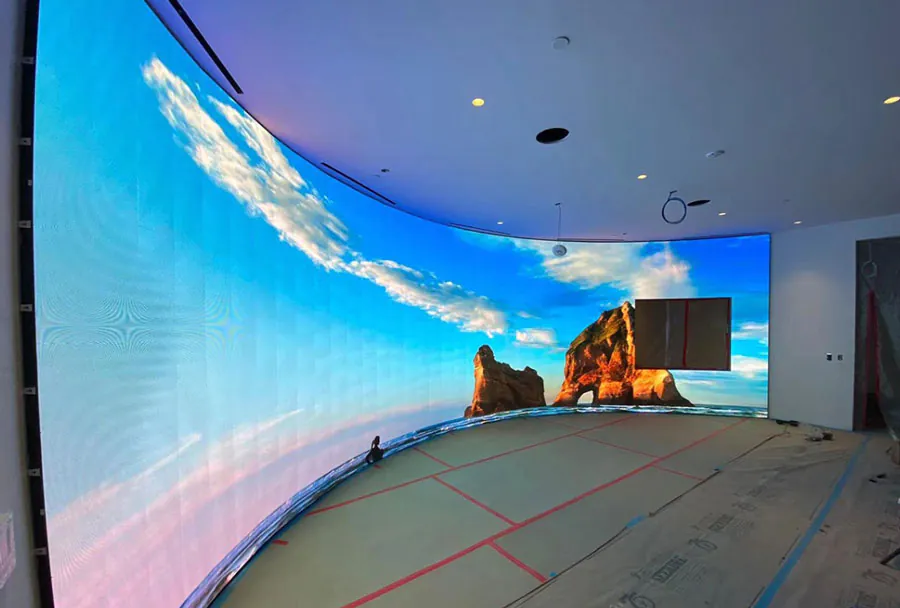
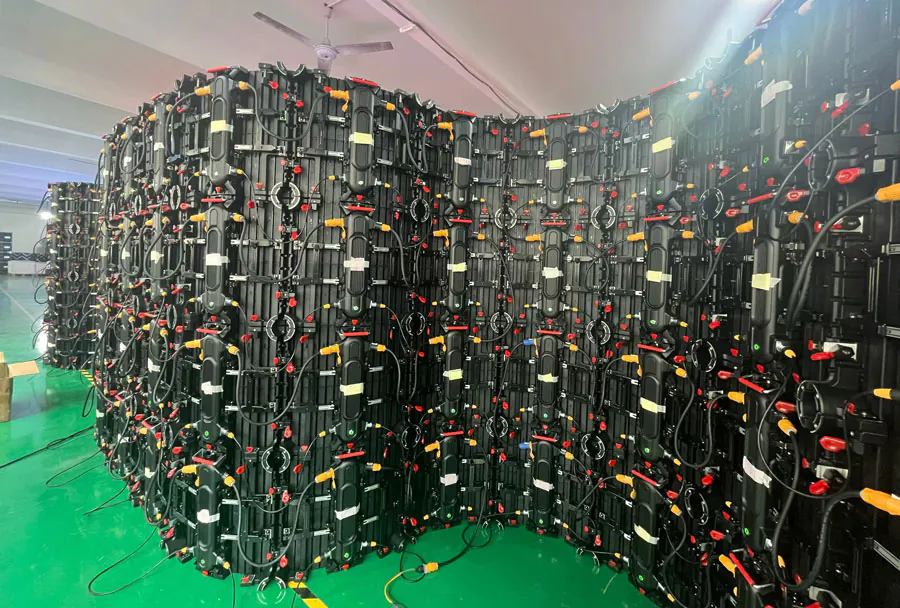
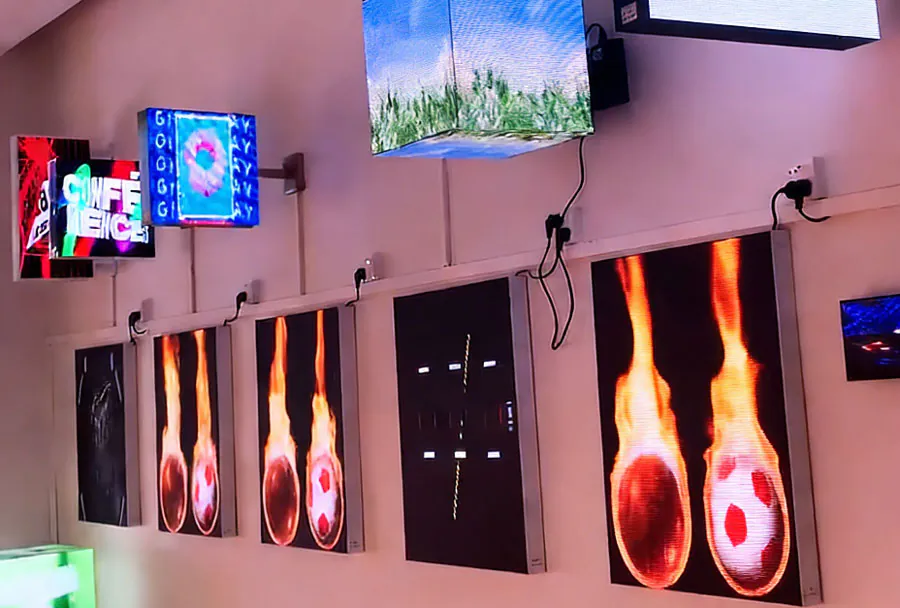
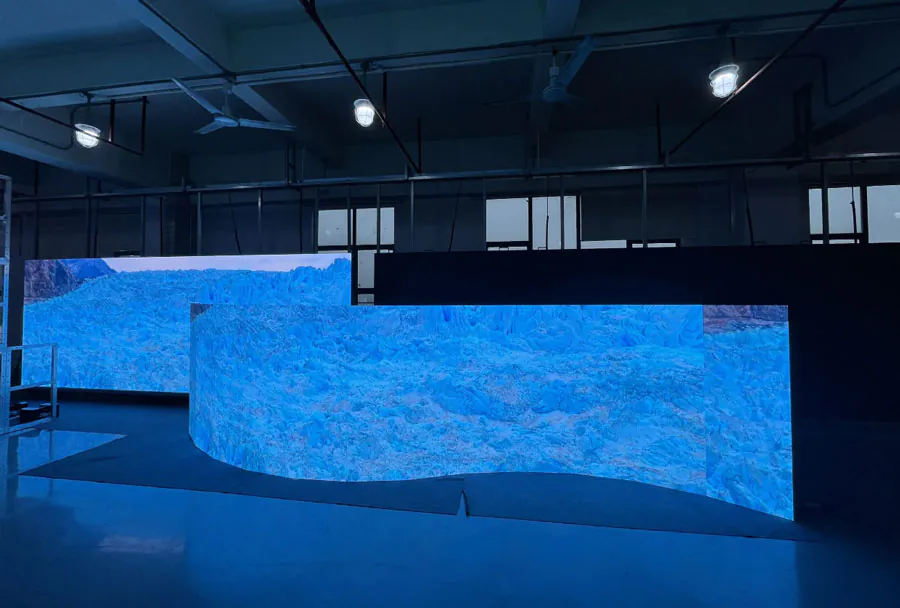
– Curved and flexible LED modules: Enable creative shapes for branding and immersive scenic design.
Choosing among these depends on environment (indoor vs. outdoor), viewing distance, content type (live camera vs. fine-detail video), and budget.
Key Technical Considerations
When comparing rental options, pay attention to core specifications:
– Pixel pitch (P): The distance in millimeters between pixel centers. Smaller pixel pitch (e.g., P1.5–P3) yields higher resolution and is better for close audiences or detailed graphics. Larger pitches (P4–P10+) suit large outdoor displays viewed from distance.
– Brightness (nits): Outdoor screens typically require 5,000–10,000 nits for daytime visibility; indoor walls are usually 800–1,500 nits.
– Resolution and screen size: Determine desired image clarity at typical viewing distances. Use pixel pitch and module count to calculate total resolution and physical size.
– Refresh rate: Higher rates (≥3,840 Hz when used with cameras) prevent flicker and scanning artifacts in broadcast or live camera feeds.
– Viewing angle: Wide viewing angles preserve color and contrast for large venues with broad sightlines.
– Contrast ratio and color accuracy: Important for broadcast-quality presentation and rich visuals.
– Weatherproofing and IP rating: Essential for outdoor events to protect against rain and dust.
– Power and data requirements: LEDs consume significant power and require stable power delivery and signal distribution.
– Rigging/mounting: Evaluate structural support, truss requirements, and available rigging points.
Event-Specific Recommendations
Concerts:
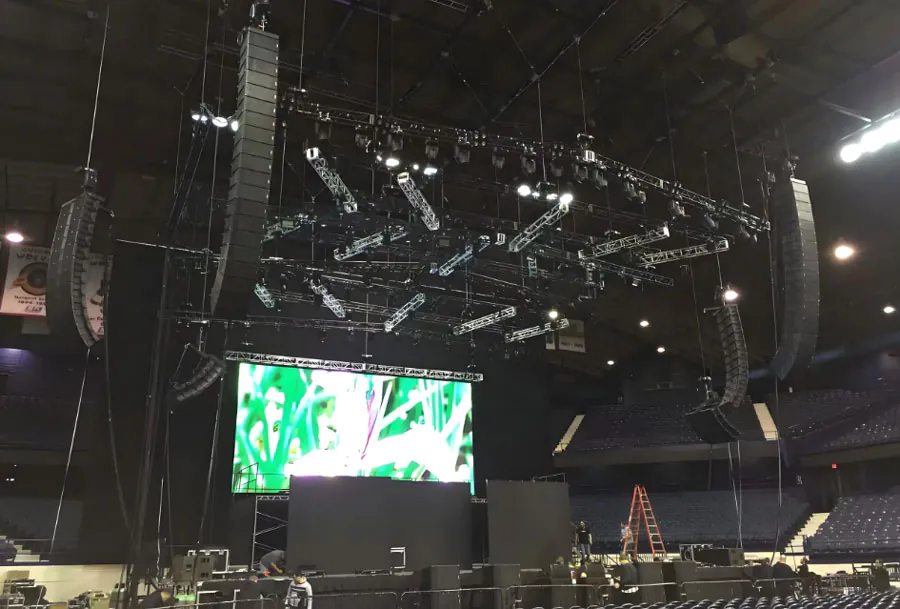
– Opt for high-brightness outdoor LED walls (5,000–10,000 nits) and large sizes (20–60+ feet wide depending on venue).
– Pixel pitch can be larger (P4–P10) for distant stadium audiences, but for festival main stages with closer fans, consider P3 or P4 to preserve image detail.
– Ensure high refresh rates (≥3,840 Hz) for camera feeds and broadcast use.
– Coordinate with lighting designers to prevent washout and to use the video wall as a dynamic stage element.
Weddings:
– Indoor high-resolution panels (P1.5–P3) create crisp visuals for live streaming, photo slideshows, and video backdrops.
– Size should balance intimacy with visibility—consider a 10–20 feet wide screen or multiple smaller screens placed to serve different sightlines.

– Use transparent or flexible LED for sophisticated aesthetic integrations, such as behind the head table or as ceremony backdrops.
– Choose a rental provider comfortable with weddings’ aesthetic and emotional sensitivity.
Corporate events:
– Corporate gatherings demand clarity for text, charts, and live camera feeds—choose pixel pitches P1.5–P2.5 for close seating arrangements.
– Consider multi-screen setups (main stage + confidence monitors + side screens) for breakout sessions and webinars.
– Ensure compatibility with presentation systems (laptops, clickers, wireless presentation tools) and have technical crew for seamless switching and lower latency.
– For product launches or brand-driven experiences, custom-shaped LED layouts and precise color calibration are often crucial.
Content and Production Workflow
A high-performing LED screen is only as good as the content feeding it. Plan content and production workflows early:
– Source resolution: Create graphics and videos at native screen resolution to avoid scaling artifacts.
– File formats: Use professional codecs and formats recommended by the rental provider—often uncompressed or high-bitrate ProRes, H.264, or H.265 for playback.
– Live feeds: Use reliable camera encoders, switchers, and signal chains that support LED refresh rates and camera synchronization.
– Media servers and playback: Rent a media server (e.g., Resolume, Green Hippo, Watchout) if you plan complex shows, multi-layered visuals, or precise timeline control.
– Aspect ratio and safe areas: Design content with margins for title-safe and action-safe zones so critical text and logos don’t get cropped.
– Test and rehearsals: Schedule content rehearsals on the actual LED to check color, scale, and timing. Look for moiré, scaling issues, and timing mismatches.
Logistics, Power, and Rigging
Logistics can make or break a rental:
– Site survey: A professional site survey identifies sightlines, power availability, rigging points, ground conditions, and local restrictions.
– Power planning: LED walls require dedicated circuits and sometimes generators for large outdoor installations. Calculate total wattage and ensure redundancy.
– Rigging and structural safety: Work with certified riggers and engineers for overhead installations, wind-load calculations, and safety requirements.
– Permits and insurance: Outdoor events often require permits; verify local regulations and ensure the rental vendor carries appropriate liability insurance and permits, or assist you.
– Transport and setup time: Plan load-in, assembly, calibration, and strike times. Larger walls will require more crew and longer install windows.
Cost Factors and Pricing Models
Rental pricing varies widely based on screen size, pixel pitch, brightness, complexity, and service:
– Daily rental vs. multi-day packages: Many vendors offer discounts for multi-day rentals but add setup and tear-down fees.
– Line-item costs: Expect separate charges for freight, labor, power, rigging, media servers, content playback, and creative services.
– Service level: Full-service packages (including technicians, operators, and content playback) cost more but reduce on-site risk.
– Geographic variation: Transportation and local labor rates can significantly affect the final cost.
– Hidden costs: Permits, insurance, overnight security, and weather contingencies can add to the budget.
Example price ranges (very approximate): Small indoor LED wall (10–20 ft): $1,500–$5,000/day. Large outdoor festival main screen (30–60 ft+): $10,000–$40,000+/day. Always request itemized quotes.
Choosing the Right Rental Provider
Select a vendor with:
– A proven track record in your event type (concerts, weddings, corporate).
– Sufficient inventory to scale and provide redundancy.
– In-house technical staff—design, rigging, video engineers, and operators.
– Transparent pricing and clear contracts that spell out responsibilities and contingencies.
– Strong references and examples of past installations similar to your needs.
– Flexibility for day-of changes, especially for live events where timelines shift.
Ask for a site visit, demo, and a written run-of-show technical rider that syncs with your production schedule.
Risk Management and Contingencies
Plan for the unexpected:
– Backup displays: Smaller LED monitors can serve as confidence monitors or secondary screens in case of failure.
– Redundant signal paths: Dual encoders and backup media servers can prevent content loss during live feeds.
– Weather contingencies: Have a plan for heavy rain, high winds, or extreme temperatures—this may include cover systems or alternate indoor locations.

– Technical rehearsals: Early tech rehearsals expose integration issues and allow time for corrective action.
– Insurance: Ensure comprehensive coverage for equipment damage, third-party liability, and weather-related cancellations.
Analysis Table: Common LED Screen Options
| Screen Type | Best For | Typical Pixel Pitch (mm) | Typical Size Range | Brightness (nits) |
|---|---|---|---|---|
| Outdoor LED Wall (Modular) | Concert mains, festivals | P4–P10 | 20’–60’+ wide | 5,000–10,000+ |
| Indoor High-Res Panels | Corporate stages, indoor ceremonies | P1.5–P3 | 10’–40′ wide | 800–1,500 |
| Mobile/Trailer LED | Outdoor screenings, quick installs | P4–P10 | 8’–20′ wide (varies) | 4,000–8,000 |
| Transparent/Flexible LED | Architectural, wedding backdrops | P2.5–P6 | Custom (panels/sheets) | 800–2,500 |
| Curved/Flexible Indoor LED | Immersive brand experiences | P1.2–P2.5 | Custom shapes, 5’–30’+ | 800–1,500 |
Case Studies and Practical Examples
– Stadium Concert: A major artist stages a 50-foot-wide outdoor LED wall with P6 pixel pitch and 8,000 nits brightness. The production uses a redundant pair of media servers and a 4-camera live-feed system with synchronized refresh-rate configuration to eliminate flicker. Advance structural engineering and wind-load calculations enable safe overhead rigging.
– Ballroom Wedding: A couple hires an indoor P2.5 LED wall as a ceremony backdrop and a synchronized 12′ video wall for reception visuals. The vendors deliver a turnkey solution including evening rehearsals, color-matched footage, and soft-edge blending for multi-panel displays—resulting in crisp slideshow images and a romantic, cinematic atmosphere.
– Corporate Product Launch: A technology company rents a high-resolution P1.5 LED screen on a curved stage to show product demos and close-up video. The vendor provides a broadcast-quality camera chain, on-site video engineer, and a media server with precise timeline control for product reveal cues, ensuring polished transitions and accurate brand color reproduction.
Checklist for Planning Your LED Rental
– Define objectives: What do you want the LED to accomplish (visibility, branding, interactivity)?
– Know your venue: Indoor/outdoor, available rig points, power, and sightlines.
– Match pixel pitch to viewing distance and content detail needs.
– Confirm brightness requirements for ambient lighting conditions.
– Plan for signal chain, media server, and playback/operator requirements.
– Obtain an itemized quote including labor, transport, power, and permits.
– Schedule tech rehearsals and allow time for calibration.
– Secure insurance and contingency plans.
Big LED screen rental is a strategic investment that can dramatically elevate concerts, weddings, and corporate events when planned carefully. Success rests on understanding technical specifications like pixel pitch and brightness, coordinating content and production workflows, ensuring safe and compliant rigging and power delivery, and hiring an experienced rental partner. By aligning screen type and services with event goals, you can create visually compelling experiences that captivate audiences and support brand or emotional objectives. Start early, demand transparency in quotes, and test thoroughly—those steps will help you harness the full potential of LED technology for an unforgettable event.