Affordable Mobile LED Screen Rental Options in Toronto

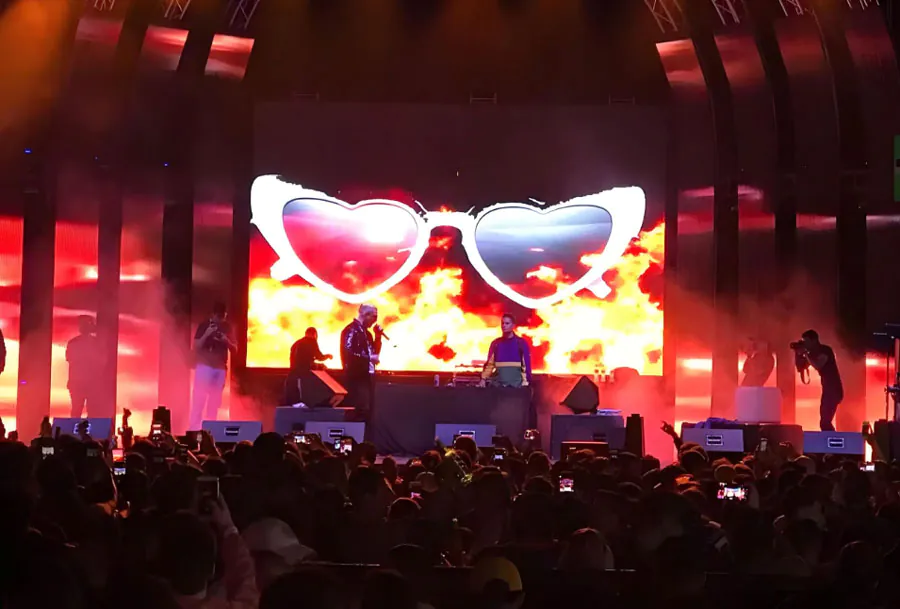
Toronto is a fast-paced, visually driven city with a constant stream of public events, festivals, sports gatherings, product launches, and political or community campaigns. For event organizers looking to make a strong visual impact without the capital expense of purchasing LED hardware, mobile LED screen rentals offer a flexible, affordable, and scalable solution. Mobile LED screens—mounted on trailers, trucks, or lightweight portable frames—bring high-brightness displays directly to your audience and can transform public squares, parking lots, and even road-side promotions into immersive experiences.
This article examines affordable mobile LED screen rental options in Toronto from a practical and professional perspective. It covers types of mobile LED solutions, cost expectations, technical specifications to evaluate, permitting and logistics considerations relevant to Toronto, procurement tips for maximizing value, and an analysis table comparing common rental choices to help you select the right option for your project.
Understanding Mobile LED Screen Types and Typical Applications
Trailer-Mounted LED Screens
Trailer-mounted screens are among the most common rental choices. They consist of an LED cabinet array mounted on a towable trailer, often with a hydraulic lift to raise the screen to an ideal viewing height. Advantages include rapid deployment, integrated power and control systems, and stability in outdoor environments. Typical uses: outdoor concerts, drive-in movie nights, political rallies, and sports viewing in public plazas.
Truck-Mounted LED Screens
Truck-mounted units are similar to trailer screens but are attached to a truck chassis. These provide mobility combined with on-board power and are popular for parades, rolling advertising campaigns, or events where the display needs to be moved between multiple locations in a single day. The added vehicle restrictions (road permits, driver requirements) can increase costs slightly but offer logistical flexibility.
Portable Modular LED Walls
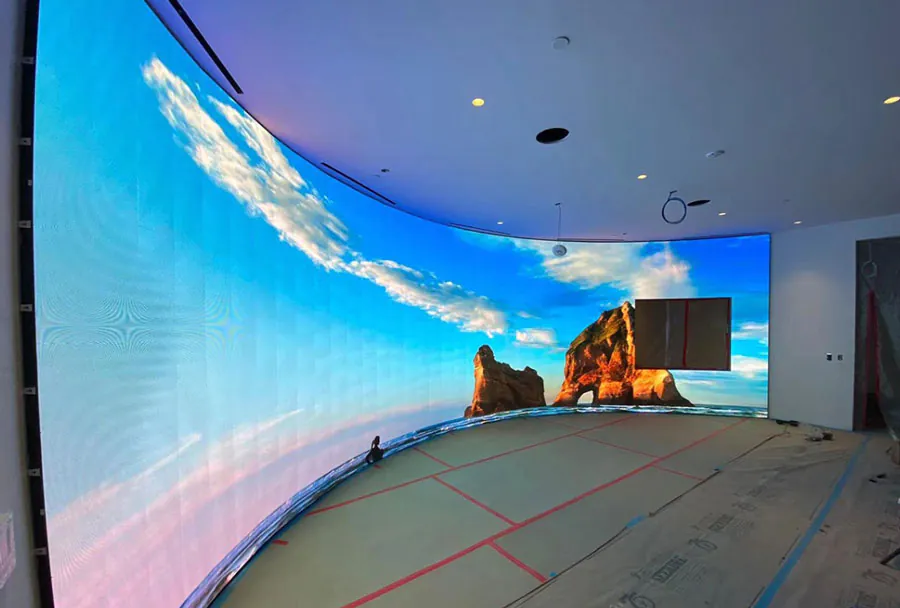
For events that require higher resolution or particular aspect ratios, modular LED panels can be assembled on-site on scaffold or truss. While not always as quick to deploy as trailers, modular walls give greater control over size and pixel pitch. They are often used for festivals and corporate events requiring close-viewing audiences.
Inflatable or Frame-Mounted Screens
For lower-budget options, inflatable screens or lightweight frame-mounted LED screens exist. These are typically smaller and better for short-term or low-viewing-distance scenarios such as community movie nights or small market stalls.
Key Technical Specs That Affect Affordability and Performance
Pixel Pitch (P-value)
Pixel pitch refers to the distance between LED pixels and strongly influences image clarity and cost. Lower pixel pitch (P2.5, P3.9) yields fine detail and is more expensive; higher pixel pitch (P6.25, P8) is cheaper and still effective for large outdoor viewing distances. Choose pixel pitch relative to your viewing distance: larger distances allow higher pitch.
Brightness (Nits)
For outdoor use in Toronto’s bright daylight, prioritize high-brightness panels—typically 5,000 to 7,000 nits or more. Higher brightness improves visibility but increases cost and power needs.
Resolution and Aspect Ratio
Think about the content you’ll display. For video feeds or high-resolution ads, choose a configuration with sufficient pixel count. For simple text or basic video, a lower resolution screen will do and will be cheaper.
Power and Connectivity
Mobile screens require reliable power—either on-board generators or venue-provided power. Connectivity for live feeds is usually via HDMI/SDI, but remote streaming capabilities using 4G/5G or dedicated IP connections can add to rental fees.
Permit, Zoning, and Logistics Considerations in Toronto
General Permitting Advice
Operating a mobile LED screen in Toronto often triggers municipal regulations. Common requirements:
– Event permits (Special Event Permit) for public spaces and parks.
– Temporary signage/advertising regulations may apply if the screen displays commercial advertising.

– Road occupancy or road closure permits if placing a truck/trailer on the road or using space that impacts traffic.
– Noise and public safety checks for events with amplified sound.
Always contact the City of Toronto’s events and permitting office well in advance—most approvals require several weeks. Rental companies familiar with Toronto can often advise on permit types and may provide documentation to support applications.
Site Logistics and Safety
Consider ground conditions (soft turf vs pavement), wind loading and weather forecasts (Toronto wind and sudden showers), and safe crowd flow. Many vendors include rigging staff; verify whether insurance, traffic control, and structural engineer sign-off (for large modular walls) are included or billed separately.
Cost Breakdown: What Makes a Mobile LED Rental Affordable?
Several factors determine rental pricing:
– Screen size and pixel pitch
– Unit type (trailer, truck, modular)
– Rental duration and whether the event is weekday or weekend
– Transport distance and set-up/strike labor
– Power needs (onsite generator rental)
– Additional services: technician on call, live feed integration, content playback, permits assistance
To find affordability, compare total landed costs—not just per-day rates. A seemingly cheaper per-day screen may incur higher fees for travel, setup, and necessary add-ons.
Analysis Table: Affordable Mobile LED Options — Quick Comparison
| Option | Typical Size / Pixel Pitch | Typical Price Range (per day) | Best Use Case | Key Notes |
|---|---|---|---|---|
| Trailer-Mounted LED Screen | 12′ x 7′ / P6–P8 | $900–$2,000 | Outdoor concerts, movie nights, community events | Quick deploy, integrated power; economical for large audience viewing distances |
| Truck-Mounted LED Screen | 20′ x 10′ / P6 | $1,500–$3,500 | Parades, rolling ads, multi-stop campaigns | Great mobility; may require road permits and driver/logistics fees |
| Modular LED Wall (Portable) | Varied / P2.5–P4 | $1,200–$5,000 | Corporate events, close-view concerts | Higher resolution, flexible sizes; longer setup time and higher rigging costs |
| Inflatable/Frame-Mounted Screen | 12’–24′ diagonal / N/A (projected) or basic LEDs | $400–$1,200 | Small community gatherings, budget movie nights | Lowest cost but limited brightness and durability outdoors |
| Hybrid Trailer with Onboard Generator | 10’–20′ / P6–P8 | $1,200–$3,000 | Remote sites without power, festivals | All-in-one solution; generator fuel and operator often extra |
How to Shop for the Most Affordable Option
1. Define Your Goals and Audience
Start by asking: What is the expected viewing distance? Is high-definition required? Will the screen be outdoors in direct sunlight? If your audience is primarily beyond 50–100 feet, you can select higher pixel pitch and save money.
2. Bundle Services
Vendors often discount when you bundle transport, setup, technician support, and multiple days. Getting a single comprehensive quote helps compare apples to apples.
3. Ask About Hidden Fees
Be explicit about delivery distance, crane or forklift needs, fueling of generators, permits paperwork support, late-night labor premiums, and insurance requirements.
4. Negotiate Off-Peak Rates and Multi-Day Deals
Weekday rentals or multi-day bookings usually attract lower per-day rates. If you have flexibility, pick a low-demand slot.
Case Studies and Typical Pricing Scenarios
Community Movie Night
Scenario: Local park movie night for ~200 people. Optimal choice: Trailer-mounted 12′ x 7′ screen (P6–P8) with a basic sound system.
Estimated cost: $900–$1,500 per night including delivery and setup. Lower-cost options include inflatable screens at $400–$800 but will be inferior in daylight.
Corporate Product Launch
Scenario: Close-view corporate stage with video and live camera feed. Optimal choice: Modular LED wall with P2.5–P4 pixel pitch.

Estimated cost: $2,000–$6,000 per day, depending on size and integration needs. Add technical director and cabling costs.
Political Rally or Large Outdoor Viewing Event
Scenario: Large public plaza expecting 1,000+ attendees. Optimal choice: Multiple trailer-mounted screens or a larger truck-mounted screen to ensure visibility.
Estimated cost: $1,500–$4,000 per day per screen plus security, permit support, and logistics. Multiple screens mean higher reach but plan for coordination and synchronization fees.
Choosing a Vendor: Questions to Ask
– What is included in the quoted price (transport, setup, operator, insurance)?
– Do you have public liability insurance and can you provide certificates?
– Can you assist with city permitting and provide documentation for permits?
– What is the pixel pitch, brightness rating (nits), and weather rating (IP rating) of the screen?
– What are power requirements? Do you supply generators and fuel?
– Is a technician included during the event? What is the response time for technical issues?
– Can you provide references or photos/video of past events in Toronto?
Tips to Reduce Costs Without Sacrificing Impact
– Opt for a slightly larger pixel pitch if your audience is distant—the savings can be significant.
– Choose midweek dates or longer rental windows to get per-day discounts.
– Use pre-rendered content to minimize live streaming bandwidth and technician time.
– Ask vendors if they have older-but-functional units at discounted rates for one-off events.
– Combine LED screen rental with sound and lighting from the same supplier to get package pricing.
Practical Considerations: Setup, Weather, and Staffing
Weather can change quickly in Toronto. Ensure any outdoor rental has:
– Appropriate wind ratings and tie-downs; many vendors will not operate above specified wind speeds.
– An over-voltage/lighting protection plan for electrical safety.
– Clear access routes for delivery trucks and space for setup crew to work safely.
Staffing: Request at least one on-site technician for real-time troubleshooting, and specify a point of contact for day-of coordination.
Sustainability and Community Relations
Mobile LED screens consume power, especially at high brightness. Consider:
– Fuel-efficient generators or hybrid power options when available.
– Scheduling reduced brightness at night to limit light pollution in residential areas.
– Securing community support and notifying neighbors in advance for large public events to maintain good relations and ease permitting.
Final Recommendations
For most budget-conscious event planners in Toronto:
– Trailer-mounted LED screens provide the best balance of affordability, speed of deployment, and outdoor performance.
– Use modular panels for events requiring close-range clarity and specific aspect ratios—even if slightly more expensive.
– For the lowest budgets and evening-only events, inflatable or small frame-mounted options can be acceptable, though they won’t match LED brightness or durability.
Get multiple detailed quotes, always confirm what’s bundled, and allow extra lead time for permits in Toronto. A reputable local vendor can help you navigate municipal requirements, handle logistics, and ensure your event delivers a high-impact visual experience without unnecessary cost overruns.
Checklist for Booking an Affordable Mobile LED Screen in Toronto
– Define audience size and viewing distance.
– Choose appropriate screen type and pixel pitch.
– Request full, itemized quotes including transport, setup, permits, and technicians.
– Confirm insurance and ask for proof.
– Plan for power (site power vs generator) and connectivity (live feed requirements).
– Check vendor experience with City of Toronto permits and event logistics.
– Budget for contingency day-of (weather, technical delays).
With the right planning and vendor selection, a mobile LED screen can be an affordable and powerful tool to elevate your Toronto event. Whether you’re organizing a neighborhood film night or a large urban rally, follow the technical, logistical, and budgeting guidance above to secure the most cost-effective, high-impact solution for your needs.