Professional LED Screen Rental Services in Dallas TX

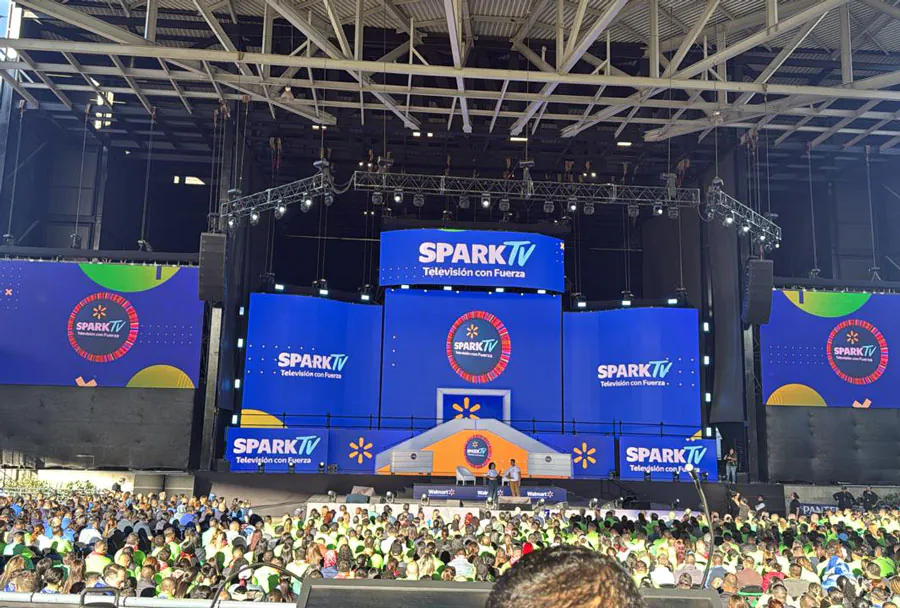
Dallas is a dynamic, fast-growing metro area with a busy calendar of corporate conferences, concerts, festivals, sporting events, trade shows, and civic gatherings. For event planners, marketers, and production companies, delivering a visually compelling experience is no longer optional — it’s essential. Professional LED screen rental services in Dallas, TX provide the equipment, technical expertise, and logistical support to make events memorable, immersive, and effective. Whether you need a high-resolution indoor LED wall for a corporate meeting, a robust outdoor screen for a music festival at Fair Park, or a mobile truck for a pop-up marketing activation, renting from an experienced provider gives you access to industry-grade gear without the capital expense of ownership.
The Value Proposition: Benefits of Renting vs. Buying
There are several reasons why renting LED screens is often the best choice:
– Cost efficiency: Renting avoids large upfront capital expenditure and ongoing maintenance costs associated with ownership.
– Flexibility: Rental companies offer a broad inventory of sizes, pixel pitches, and mounting systems to match event needs.
– Latest technology: Rental fleets are updated frequently, ensuring access to modern, high-performance LED panels.
– Professional support: Providers supply technicians for setup, calibration, and during-event operation — reducing the risk of technical issues.
– Logistics and permits: Local rental firms understand Dallas venue requirements, permitting, and power logistics, which simplifies planning.
For event teams in Dallas, these advantages translate into reduced risk, predictable budgets, and better audience experiences.
Common Use Cases for LED Screen Rentals in Dallas
– Corporate events and conferences: Keynote backdrops, stage fills, data visualization, and sponsor placements.
– Concerts and festivals: Large-format outdoor screens for live video, set graphics, and advertising.
– Sporting events: Scoreboards, replays, and fan engagement displays in arenas and stadiums.
– Trade shows and exhibits: Booth backdrops and product demo displays for high-impact visibility.
– Weddings and private parties: Ambient video, photo walls, and live-streaming screens.
– Political and community events: Messaging, live feeds, and timing displays for rallies and civic functions.
Technical Considerations: Choosing the Right LED Screen
Selecting the right LED screen involves understanding several technical factors that directly affect image quality, visibility, and cost.
Pixel Pitch and Viewing Distance
Pixel pitch (measured in millimeters) is the distance between the centers of two adjacent pixels and determines image resolution. A smaller pixel pitch delivers finer detail and is suitable for close viewing distances (e.g., indoor corporate events), while a larger pixel pitch is acceptable for distant viewing (e.g., outdoor stadiums).
– Typical recommendations:
– P1.2–P2.5: Fine-pitch indoor displays for close-range viewing and high-res video.
– P3–P6: Versatile indoor/outdoor use where attendees are moderately distant.
– P6–P10+: Outdoor screens for large venues where viewers are far from the display.
Brightness and Ambient Light
Brightness, measured in nits, determines visibility in varying light conditions. Outdoor screens must be significantly brighter than indoor ones to overcome sunlight and reflections.
– Indoor: 600–1,000 nits is generally sufficient.
– Outdoor (daylight): 3,000 nits or higher for direct sun-visible applications.
Refresh Rate and Color Depth
For live video and camera feeds, high refresh rates (3,840 Hz or greater) reduce flicker and rolling bands. Color depth and calibration affect fidelity and skin tones — crucial for broadcast-quality events.
Form Factor and Rigging
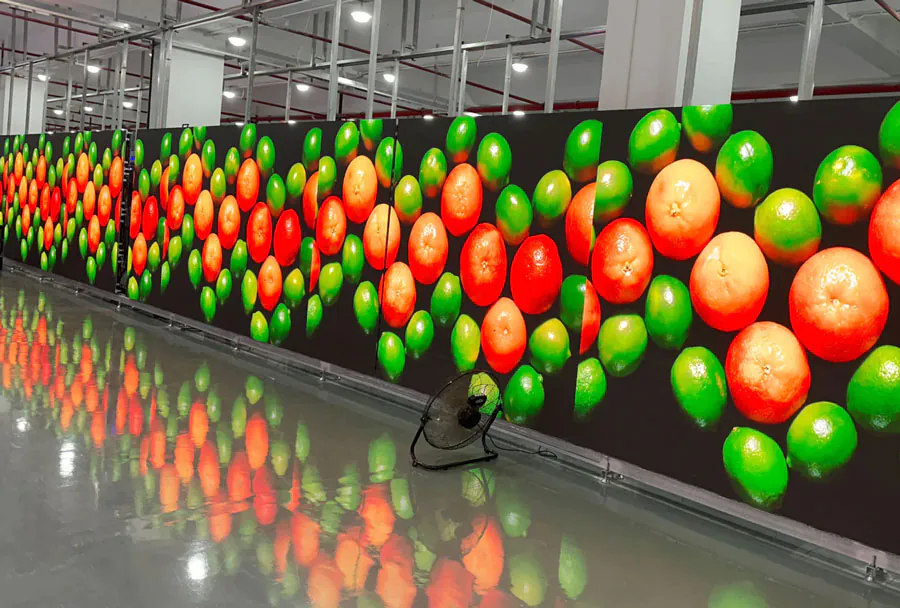
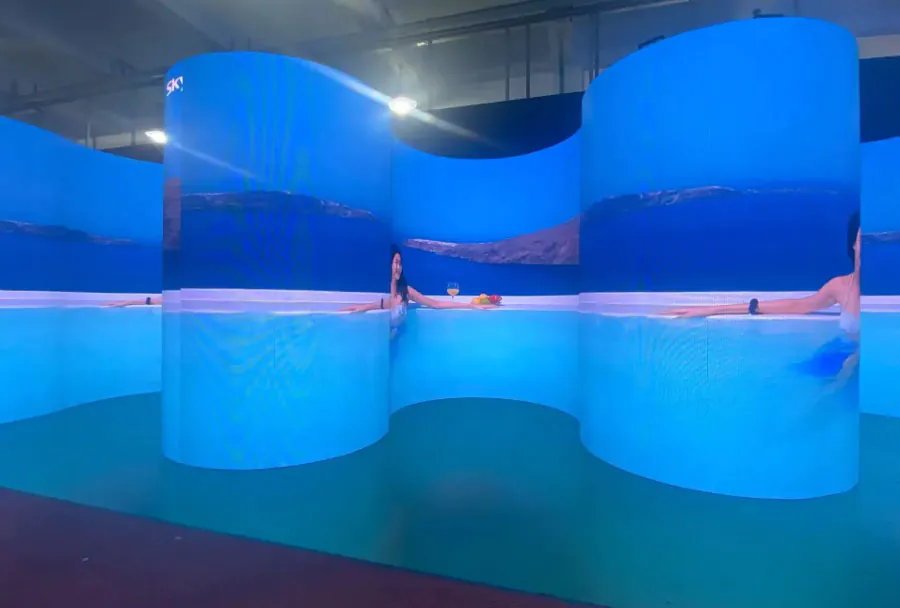
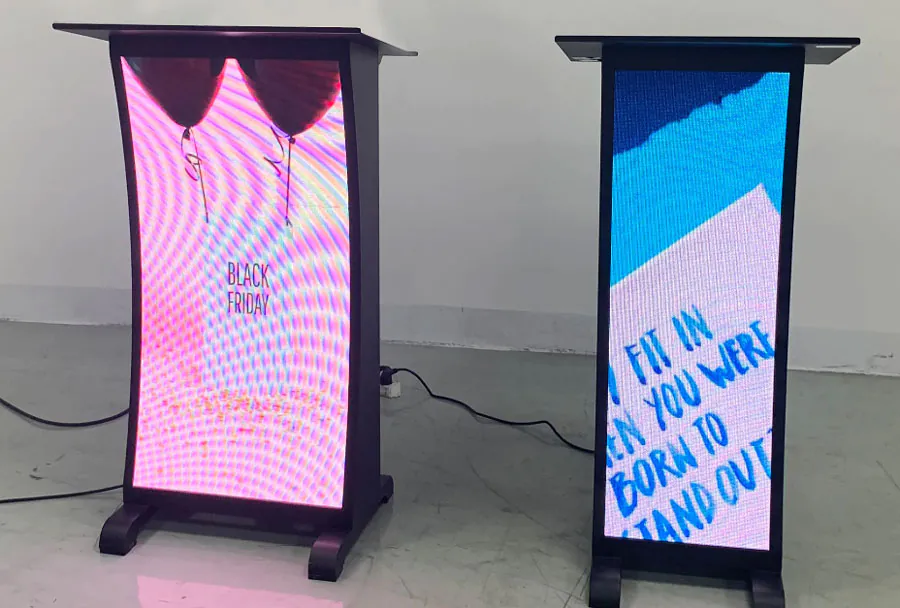
LED panels come in fixed-frame, tile, curved, and transparent formats. Rigging methods include flown (suspended), freestanding, and truck-mounted. Each venue’s structural load limits and sightline requirements influence the rigging choice.
Analysis Table: Comparison of Common LED Screen Options
| Screen Type | Typical Pixel Pitch | Typical Size Range | Brightness (Nits) | Ideal Use |
|---|---|---|---|---|
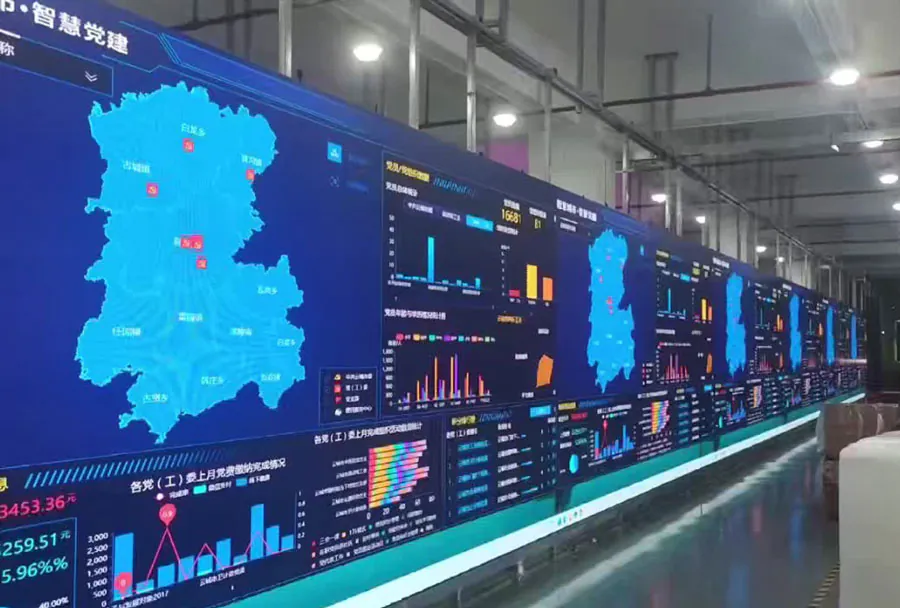
| Fine-Pitch Indoor LED | P1.2 – P2.5 | 6′ x 4′ – 30′ x 12′ | 600 – 1,200 | Corporate stages, broadcast studios, control rooms |
| Standard Indoor/Outdoor LED | P3 – P6 | 8′ x 6′ – 40′ x 20′ | 1,000 – 3,000 | Conference halls, trade shows, medium outdoor events |
| Outdoor High-Brightness LED | P6 – P16 | 15′ x 10′ – 100′ x 40′ | 3,000 – 8,000+ | Stadiums, outdoor concerts, large festivals |
| Transparent/Glass LED | P2.5 – P6 | Custom fa?ades, storefronts | 800 – 2,000 | Storefront displays, architectural installations |
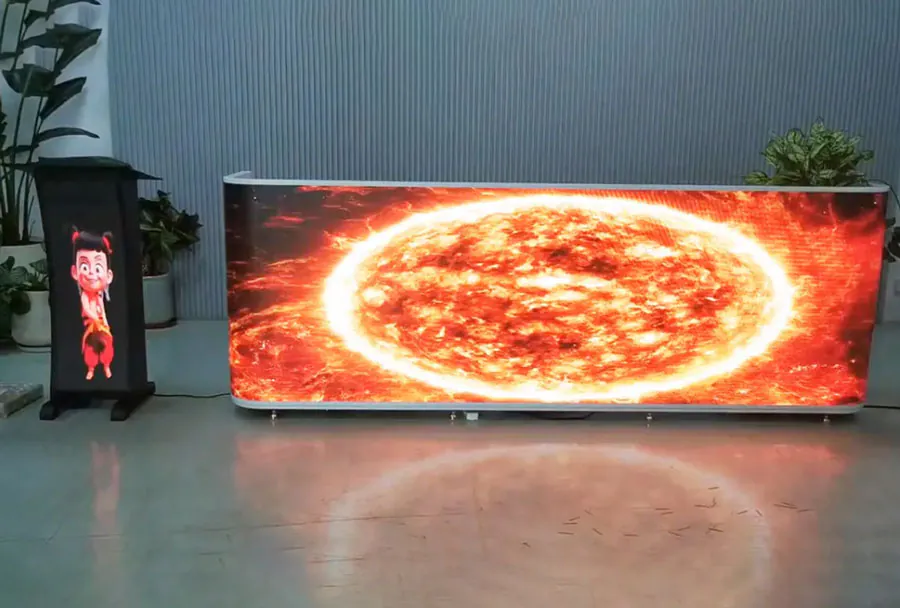
| Mobile Truck/Trailer LED | P6 – P10 | Custom (mounted on truck bodies) | 3,000 – 7,000 | Mobile advertising, political campaigns, pop-up events |
Planning Your LED Screen Rental in Dallas: Step-by-Step
A successful rental begins with careful planning. Here’s a practical workflow:
1. Define Event Goals and Audience
Clarify what you want the screen to accomplish — brand awareness, live video, data displays, sponsor messages — and estimate average viewing distance and audience size. These inform pixel pitch and screen size.
2. Set a Realistic Budget
Rental costs vary by screen type, size, complexity, and duration. Budgets should factor in:
– Rental fee (daily/weekly)
– Delivery and pick-up
– Labor for installation and teardown
– On-site technician support
– Video processing and control equipment
– Power and cable rentals
– Permits or venue fees
3. Choose the Right Provider
Look for local Dallas companies with proven event portfolios, positive client references, and full-service capabilities (design, logistics, AV engineering, and on-site technicians). Ask about their inventory age, maintenance protocols, and insurance.
4. Site Survey and Logistics
A reputable rental firm will conduct a site visit (or virtual survey) to assess rigging points, load-bearing capacity, sightlines, power availability, and ingress/egress for installation vehicles. In Dallas, venue-specific rules may apply — especially at parks, arenas, and historic sites.
5. Content and Media Preparation
Prepare video, graphics, and live inputs in the appropriate resolutions and aspect ratios for your screen. Confirm media playback solutions and network or SDI inputs. For interactive or multi-zone displays, plan content scheduling and transitions in advance.
Installation, Operation, and Safety Considerations
Deploying an LED screen requires experienced technicians to ensure safety and performance.
Installation Best Practices
– Pre-assemble panels when possible and test benches off-site.
– Use certified rigging hardware for flown displays; verify load calculations.
– Provide redundancy in power and signal paths to minimize downtime.
– Calibrate color and brightness post-installation for uniformity across panels.
Safety and Permitting
– Comply with local Dallas permitting and fire marshal rules.
– Ensure structural engineering sign-off for large suspended loads.
– Implement crowd-control plans around large screens, especially on ground-mounted structures.
– Use cable ramps and protective routing to avoid trip hazards.
On-Site Support
A live technician should be present for the entire event to manage content switching, troubleshoot video sources, and handle unexpected issues such as weather-related challenges for outdoor setups.
Cost Factors and Budgeting Examples
Rental pricing is influenced by screen size, pixel pitch, duration, and complexity. Here are rough ballpark ranges (subject to change based on provider and event specifics):
– Small interior screen (10–20 sq ft, fine-pitch): $800–$2,500/day
– Medium stage wall (100–300 sq ft): $2,500–$7,500/day
– Large outdoor stage or festival screen (500–2,000 sq ft): $8,000–$40,000/day
– Mobile truck with LED screen: $1,500–$6,000/day
Additional line items:
– Rigging and labor: $500–$5,000+
– Video processor/media server: $300–$1,500/day
– Power distribution and generators: $200–$2,000/day
– Transportation and logistics: variable, but typical local delivery is $200–$1,500
Working with your rental partner to itemize these components will create a predictable budget and minimize surprises.
Why Local Dallas Expertise Matters
Local companies provide advantages beyond equipment:
– Venue relationships: Local vendors know Dallas venues’ crew rules, union requirements, and load-in windows.
– Weather experience: Dallas weather can be unpredictable; local teams have strategies for wind mitigation and sun-angle planning.
– Time-zone and travel savings: Local logistics cut down on transit times and road-block surprises.
– Rapid response: For last-minute changes, a Dallas-based team can be on-site faster than an out-of-town supplier.
Case Studies: Real-World Applications in Dallas
– Corporate product launch in Uptown Dallas: A fine-pitch LED wall (P1.9) provided crisp product demos and integrated live camera feeds for a 600-person ballroom, enhancing visuals and boosting attendee engagement.
– Outdoor music festival in Fair Park: Multiple high-brightness outdoor LED screens (P8) delivered live video and sponsor ads to audiences of 20,000+, validated by increased sponsor impressions and improved sightlines for distant attendees.
– Retail activation in the Dallas Arts District: Transparent LED panels installed in a storefront drove foot traffic and created a visually arresting installation without sacrificing window visibility.
These examples highlight how the right mix of technology, creative content, and local expertise creates measurable outcomes.
How to Vet an LED Screen Rental Provider
Ask specific questions when evaluating vendors:
– What is the age and maintenance history of your LED inventory?
– Can you provide references for similar events in Dallas?
– Do you supply technicians for installation and event operation?
– What are your travel and setup timelines for local venues?
– Do you carry appropriate insurance, and can you meet venue requirements?
– What are your redundancy and contingency plans for power or hardware failure?
A transparent provider will welcome these questions and provide documentation.
Final Checklist for Your Next Rental
Before signing a rental agreement, ensure:
– Screen type and pixel pitch match viewing distance and content needs.
– All cost components are itemized and understood.
– Venue permits, power, and rigging approvals are confirmed.
– Content assets are prepared in required formats and resolutions.
– An on-site technician is scheduled for setup and operation.
– Contingency plans are in place for weather or technical issues.
Delivering Impact with Professional LED Screen Rentals in Dallas TX
Professional LED screen rental services in Dallas, TX are a strategic investment for event teams looking to deliver memorable visual experiences without the burdens of ownership. The combination of modern LED technology, seasoned technicians, and local logistical knowledge ensures events run smoothly, audiences remain engaged, and clients achieve their communication goals. By understanding pixel pitch, brightness, rigging requirements, and budgetary trade-offs — and by selecting a reputable Dallas provider — event organizers can confidently deploy displays that elevate production value and create lasting impressions.