Large-Scale Big Digital LED Screen Rental Toronto for Live Events

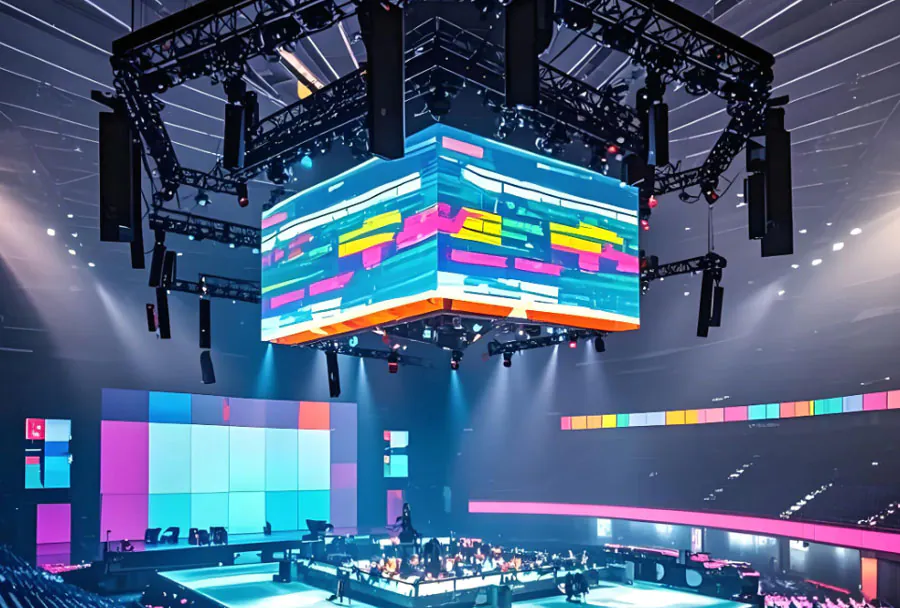
Large-scale digital LED screens have become a cornerstone of modern live events, transforming stadium concerts, outdoor festivals, corporate conventions, political rallies, and community gatherings. In Toronto — a city known for its vibrant arts scene, diverse live-event calendar, and variable weather — renting big LED screens allows event organizers to deliver immersive, high-visibility experiences that engage audiences across large venues. This article explores the technical, logistical, regulatory, and creative factors to consider when renting large-format LED screens in Toronto, offering practical guidance, comparisons, and a planning checklist to ensure success.
Scope and Purpose
This guide focuses on large-scale LED solutions suitable for live events in Toronto. It covers screen types and specifications, rental cost drivers, vendor selection criteria, content and playback considerations, site requirements and safety, permitting and local rules, and best practices for on-site management. Whether you are planning a multi-day music festival on the Toronto Islands or a one-night outdoor screening in a downtown park, the information here will help you make informed, cost-effective decisions.
Understanding Large-Scale LED Screen Technology
Large LED screens vary by pixel pitch, brightness, panel size, and construction. Understanding these technical attributes helps you match a screen to venue size, audience distance, ambient light conditions, and content type.
Pixel Pitch and Resolution
Pixel pitch, measured in millimeters, indicates the distance between LED pixels. Smaller pitches (e.g., 1.9–3.9 mm) provide higher resolution and are ideal for close-viewing scenarios like indoor arenas. Larger pitches (4–10 mm and beyond) are common for outdoor stages, stadiums, and festival backdrops where viewers are farther away. Select a pixel pitch that keeps critical content (text, sponsor logos, live camera feeds) sharp at typical viewing distances.
Brightness and Color Performance
Brightness, measured in nits, is crucial for outdoor events, especially in daylight. Typical rental screens for outdoor daytime use range from 5,000 to 8,000 nits or higher to combat ambient light. Color calibration and HDR capability matter for video fidelity; professional rental providers will warranty color balance and provide on-site calibration.
Refresh Rate and Scanning
High refresh rates (e.g., 3,840 Hz or greater) reduce flicker when the screen is filmed, improving broadcast and live-stream quality. If your event will be recorded by cameras, prioritize rental units with high refresh specs and camera-friendly scanning modes.
Panel Construction and Rigging Options
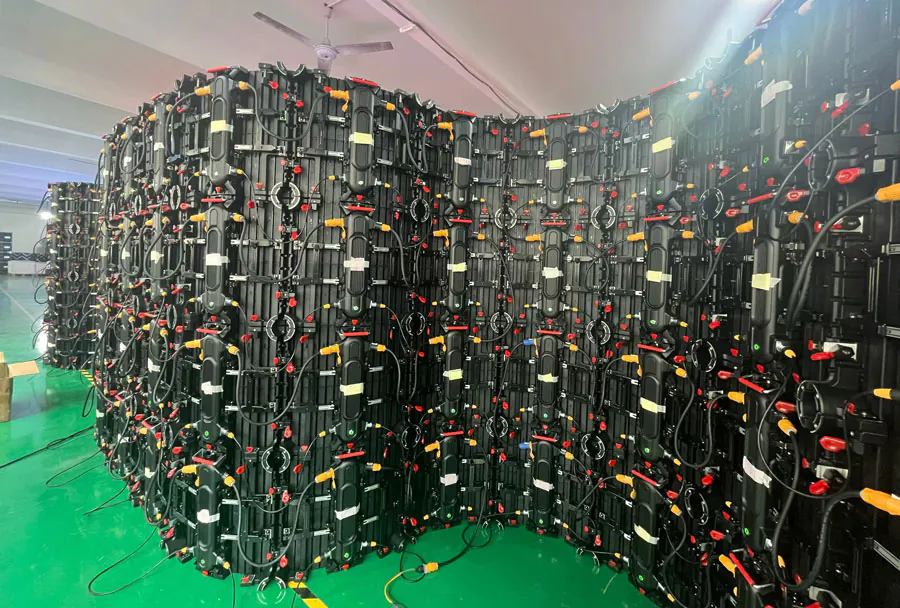
Panels come in various form factors: standard ground-supported modules, curved cabinets, or lightweight tiles for complex shapes. Ensure panels are rated for outdoor use (IP65 or better), offer secure rigging points, and can be assembled into the dimensions you need. Safety-rated fly systems and scaffolding adaptations are often available from experienced rental firms.
Key Considerations for Renting in Toronto
When planning an LED rental in Toronto, a number of local and practical considerations should shape your decisions.
Venue Type and Viewing Geometry
Toronto venues range from outdoor parks (e.g., Nathan Phillips Square) to indoor arenas (Scotiabank Arena) and temporary festival grounds (Ontario Place, Port Lands). Assess sightlines, audience density, and typical viewing distances. A 12 m wide screen with 8 mm pixel pitch might work well for a 3,000-person outdoor concert, while a 20 m x 10 m display with 5 mm pitch could be required for a stadium crowd.
Weather and Environmental Resilience
Toronto weather is unpredictable. Ensure outdoor screens have appropriate IP ratings, wind load calculations, and weatherproofing. Rental agreements should include contingency plans, such as tarps, covers, or quick teardown procedures in the event of storms.
Power and Infrastructure
Large LED screens require substantial power. Work with your rental provider to assess available site power and whether generators or power distribution systems are necessary. Factor in UPS or surge protection for critical playback servers and control systems.
Transportation and Load-In Logistics

Road access, load-in hours, and proximity to staging areas in Toronto can impact costs. Some downtown locations have restrictive access windows and require coordination with municipal services. Plan for adequate vehicle space and crew time for assembly—large screens can take many hours and skilled technicians to rig and test.
Cost Drivers and Budgeting
Rental pricing varies by screen size, pixel pitch, rental duration, delivery distance, installation complexity, and additional services such as operators, content playback servers, scaffolding, and permits.
Typical Cost Components
– Base rental: Daily or multi-day rate for the screen panels.
– Installation and de-rigging: Labor and equipment for assembly and teardown.
– Transportation: Trucking and fuel charges to and from the venue.
– Power and generators: If on-site electricity is insufficient.
– Control systems and operators: Media servers, video switchers, and skilled technicians.
– Weatherproofing and safety equipment: Tarps, wind baffles, ballast, and redundant rigging.
– Permits and city fees: If required by Toronto regulations for public events.
– Insurance and bonding: Liability coverage for equipment and venue.
Cost Examples
Costs vary widely; a medium-sized 12 m x 6 m outdoor screen can range from CAD 8,000–20,000 per day including installation and basic services, while larger stadium-grade walls 20 m+ can exceed CAD 40,000 per day depending on specs and complexity. Always request itemized quotes and confirm what is included.
Vendor Selection and Contract Terms
Choosing the right rental partner is as important as selecting hardware.
Vendor Capabilities to Verify
– Inventory range (pixel pitches, sizes, outdoor ratings)
– Experienced crew with certifications for rigging and high-angle work
– On-site technical support and redundancy plans
– Proven experience with Toronto venues and local regulations
– Clear warranty and damage policies
– References and case studies of similar events
Contract Essentials
– Itemized scope (panels, control, power, cabling, labor)
– Performance guarantees (brightness, uptime)
– Schedule for delivery, setup, and testing
– Payment schedule, cancellation, and force majeure clauses
– Liability limits, insurance requirements, and damage charges
– Backup equipment and repair turnaround times
Content Creation and Playback Systems
Large LED screens require properly formatted content and robust playback architecture.
Content Preparation
Design content at native resolution or at a multiple of panel modules. Use safe margins for text and graphics to avoid edge clipping. For very large walls, consider content at 1:1 pixel mapping where possible. Account for scaling, aspect ratio differences, and busy backgrounds to preserve legibility.
Playback Hardware and Software
Media servers (e.g., Disguise, Resolume, Brompton) handle multi-input, multi-output distribution and mapping. Ensure your rental includes synchronization hardware, redundancy (dual servers), and skilled operators. For live camera feeds, test camera-to-screen latency and color match. Consider networked video transmission (SDI over fiber or reliable wireless solutions) for remote camera positions.
Safety, Permits, and Toronto Regulations
Local rules affect where and how you can deploy large screens in public spaces.
Permit Requirements
Public events in Toronto often require permits for staging, sound, and street or park use. Permit applications may request technical plans, rigging details, and safety measures. Submit applications early—municipal review timelines can be several weeks.
Noise, Light, and Public Safety
City guidelines may regulate noise and certain levels of light spill, especially near residential areas. Provide light mitigation plans for neighbors and outline crowd control, ingress, and egress routes. Coordinate with Toronto Police Service and emergency medical teams when required.
Structural and Rigging Safety
Ensure rigging follows professional standards with certified engineers sign-off for overhead loads, wind load calculations, and ballast where appropriate. In public or high-traffic areas, secondary restraints and redundant safety systems are often required.
Operational Best Practices and On-Site Management
A smooth run-of-show depends on meticulous on-site preparation.
Pre-Event Testing
Perform full system checks well before audience arrival: power load testing, brightness and color calibration, signal path verification, and redundancy failover simulations. Run through content loops and live camera feeds to confirm latency and image stability.

Real-Time Monitoring
Assign a dedicated operator to monitor the LED controller, media server, and power distribution. Keep spare modules and essential spares on-site for rapid replacement. Maintain clear communication lines between stage managers, lighting techs, and video operators.
Staging and Crowd Safety
Keep the footprint of rigging and scaffolding beyond audience access. Deploy visible barriers and signage. Coordinate with security for load-in and load-out windows to prevent public interference with technicians.
Case Studies and Use-Cases in Toronto
Illustrative scenarios clarify how to match screens to events.
Outdoor Music Festival
A multi-stage festival with daytime performances requires high-brightness screens (6,000–8,000 nits), modular ground-supported structures, and rapid changeover systems to facilitate multiple acts. Multiple screens with synchronized content zones enhance sightlines.
Corporate Product Launch
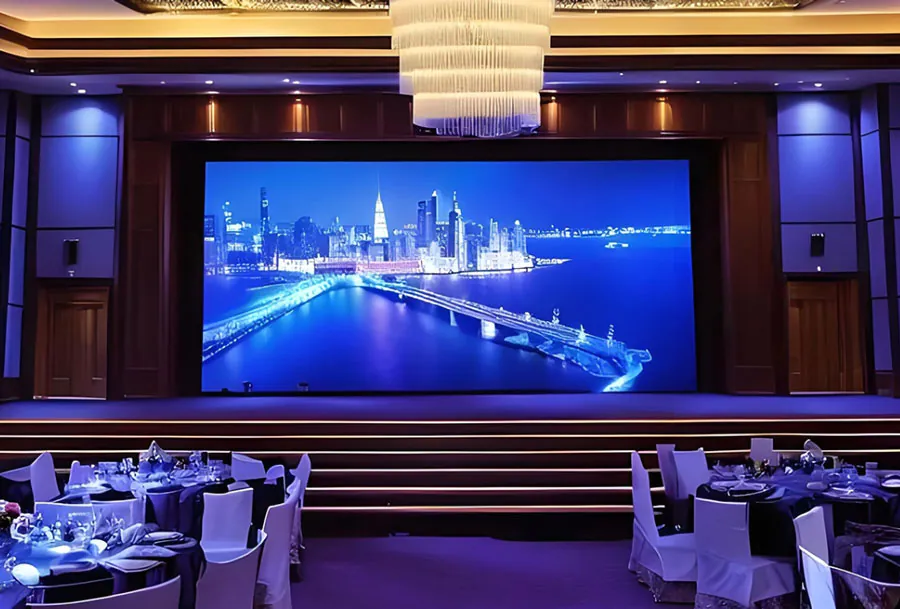
A downtown product launch benefits from higher-resolution (2.5–4 mm pitch) screens for crisp graphics, controlled lighting, and indoor-rated cabinets. Seamless video playback and elegant physical aesthetics are priorities.
Public Sports Viewing
For watch parties in public squares, prioritize large area coverage and durable outdoor ratings. Consider multiple smaller screens distributed over the venue to avoid crowding and to provide supplemental information like schedules and sponsor messages.
Analysis Table: Comparing Typical Rental Options
| Screen Model / Type | Pixel Pitch (mm) | Ideal Viewing Distance | Typical Brightness (nits) | Estimated Rental Cost (per day, CAD) |
|---|---|---|---|---|
| Outdoor Stadium Wall (Large) | 6–10 | 50 m and up | 6,000–8,000 | 25,000–60,000 |
| Festival Backdrop (Modular) | 8–12 | 30–80 m | 5,000–7,000 | 8,000–25,000 |
| Concert Side Screens (High-Brightness) | 4–8 | 20–60 m | 6,000–10,000 | 10,000–30,000 |
| Indoor Arena Wall (Fine Pitch) | 2.5–4 | 10–40 m | 1,000–2,500 | 12,000–40,000 |
| Mobile Trailer Screen | 6–10 | 20–100 m | 5,000–7,000 | 3,000–12,000 |
Environmental and Sustainability Considerations
Events increasingly measure environmental impact. LED technology is energy-intensive, but efficient power planning and responsible operations reduce carbon footprint.
Power Efficiency and Renewable Options
Use energy-efficient drivers and power supplies. For multi-day events, consider hybrid power solutions or green-generator providers that use biodiesel or grid-sourced renewable electricity. Coordinate with venue teams to minimize idle power by turning off non-essential systems during downtime.
Waste Reduction and Reuse
Rent reusable modules rather than single-use signage. Choose vendors with refurbishment programs and minimized packaging waste. Plan logistics to reduce truck trips and duplicate equipment shipments.
Measuring Success and Return on Investment
Quantifying the ROI of an LED screen involves both direct and indirect metrics.
Audience Engagement Metrics
Track dwell time near screens, social media impressions of on-screen content, live-stream view counts, and audience surveys. Sponsor metrics, such as impressions for in-screen branding, provide direct ROI data.
Operational Metrics
Monitor uptime, incidents resolved, and the speed of technical response. Fewer technical issues and quick turnarounds translate to lower hidden costs and improved audience experience.
Common Troubleshooting and Risk Mitigation
Be prepared for common problems: module failure, power outages, signal loss, and adverse weather.
Redundancy and Spares
Keep spare panels, data cables, and power modules on-site. Implement redundant media servers and dual power feeds when possible.

Testing and Checklists
Perform pre-show and mid-show checks. Use a standardized checklist to validate pixel integrity, color uniformity, and signal chain health prior to doors opening.
Actionable Planning Checklist
– Confirm event goals and audience size to determine screen size and pixel pitch.
– Request itemized quotes from multiple Toronto-based vendors with local experience.
– Verify IP ratings, brightness, refresh rate, and panel warranties.
– Schedule permit applications at least 6–8 weeks before the event.
– Plan power distribution and generator needs; test load prior to event.
– Arrange weather contingency and robust rigging with certified engineers.
– Prepare content at native resolution and secure playback redundancy.
– Contract on-site technical support and spare parts list.
– Coordinate load-in/load-out windows with venue and municipal authorities.
– Budget for insurance, contingency, and neighbor mitigation if in residential areas.
Conclusion: Making the Right Choice for Your Toronto Event
Large-scale digital LED screen rental in Toronto offers remarkable opportunities to elevate live events, drive audience engagement, and deliver memorable moments. Successful deployment demands careful choices around pixel pitch, brightness, content readiness, vendor capability, safety, and local regulatory compliance. By prioritizing technical specifications that match viewing conditions, securing experienced local partners, and building redundancy into your operations, you can minimize risk and maximize impact. Toronto’s diverse venues and demanding audiences reward meticulous planning — get the specs right, prepare for the elements, and your LED investment will pay dividends in audience satisfaction, sponsor value, and event success.